
Ceramides in Skincare: Your Practical Guide to Types, Concentrations, and Barrier Repair
If all this talk about ceramides, NP types, and barrier repair feels overwhelming, take a deep breath-I’m here to translate the science into simple steps you can use today.
By the end of this guide, you will know exactly how to use ceramides to help your skin feel stronger and healthier. Here’s what we’ll cover:
- What ceramides actually are and their non-negotiable role in keeping your skin protected and hydrated.
- How to tell ceramide types like NP, AP, and EOP apart, so you can match them to your specific skin concerns.
- How to interpret concentrations in different products, from lightweight serums to rich creams, for targeted barrier support.
Consider this your friendly cheat sheet for building a resilient, happy complexion.
Ceramides Explained: Your Skin’s Natural Mortar
Think of your skin’s outermost layer, the stratum corneum, as a well-built wall. The skin cells (corneocytes) are the bricks. The ceramides are the mortar that holds every single brick tightly together. Without enough strong mortar, the wall gets loose, crumbly, and lets all sorts of things in and out that shouldn’t pass through.
Ceramides are a type of lipid, which is a scientific word for fat. They are not proteins. This is a key detail because many people assume all “repair” ingredients are proteins. These specific fats make up about 50% of the material in your skin’s barrier. Their job is to create a waterproof, protective seal.
When your ceramide mortar is strong, your skin retains water, feels plump, and keeps irritants, pollutants, and allergens out. My client Noah, who has dry, reactive skin, describes a healthy barrier feeling like “a comfortable, intact glove.”
So, what depletes this crucial mortar? Time is a big one. Our natural production slows down as we age. Harsh, stripping cleansers are another major culprit-they wash away the lipids your skin works hard to produce. Environmental stress like cold wind, dry air, and UV exposure also chip away at it. Even over-exfoliating can damage this delicate structure.
This brings us to your main question: what are ceramides in skincare? They are topical versions of your skin’s own mortar. We apply them in serums, creams, and moisturizers to replenish what’s been lost and actively reinforce the barrier’s architecture. It’s like giving your skin’s wall the exact materials it needs for repairs. This barrier repair also supports a smoother texture. It can help reduce the look of wrinkles over time.
The Ceramide Molecule Spec Sheet: pH, Solubility & Safety
Let’s look at the practical details of how ceramides work in a formula. This isn’t just chemistry trivia; it helps you understand why they’re in certain products and how to use them effectively.
| Property | Details |
|---|---|
| Common pH Range | Stable across a wide range, typically 4.5 to 7.5 (skin’s natural pH is ~5.5). |
| Typical Concentration | Effective from low concentrations (often 0.05% – 2%). More isn’t always better; synergy with other lipids is key. |
| Solubility Profile | Oil-soluble. They are formulated into emulsions (creams, lotions) or anhydrous serums/oils. |
| Safety Rating | Excellent. Non-irritating, non-comedogenic, and suitable for all skin types, including sensitive and acne-prone. |
Their stability across pH levels means they play well with most other ingredients in your routine. Their oil-soluble nature is why you’ll often find them in richer creams or in lightweight serums that use lipid-based delivery systems.
Ceramides have an impeccable safety profile, which directly answers the worry, “are ceramides bad for skin?”-they are among the gentlest, most skin-identical ingredients you can use. I often recommend them as a first step for clients like Lina, who has combination, sensitive skin and needs to calm reactivity before addressing other concerns. While ceramides are generally very safe, it’s helpful to know about ceramides skincare safety side effects and how a quick patch test can help. We’ll cover these considerations in the next steps for clarity.
It’s helpful to clarify their role: ceramides are not a traditional “active” like a retinoid or an acid that triggers a specific cellular change. Think of them as “barrier-active.” Their job is to restore and maintain the skin’s foundation so that other actives can work better and with less irritation. Using a ceramide cream is like repairing the roof of your house-it doesn’t change the floor plan, but it makes everything inside safer and more functional.
A Tale of Three Ceramides: What NP, AP, and EOP Actually Do

When you see “ceramides NP, AP, and EOP” on a serum bottle, it’s not just sciencey jargon. These are the names for specific, lab-created ceramide molecules that are identical to the ones your skin makes. They’re designed to perfectly match human ceramides 1, 3, and 6-II, which are often the first to drop when your barrier is compromised.
Think of a healthy skin barrier like a well-built brick wall. Skin cells are the bricks. The mortar holding them together is a mix of fats, including cholesterol, fatty acids, and these specific ceramides. Using these exact types is like using the correct, high-quality mortar mix for a lasting repair job.
Ceramide NP: The Structural Support
Ceramide NP is the analog of Ceramide 3. If your skin’s barrier wall is looking a bit wobbly, this is your main reinforcement. Its primary job is to integrate into the lipid layers and add fundamental strength and structure.
I often recommend formulas with Ceramide NP to clients like Noah, who has dry, reactive skin. When his barrier is thin and fragile, this ceramide helps rebuild the foundational layer, making skin feel more resilient and less likely to sting when he applies his favorite moisturizer. You’ll often find Ceramide NP as a star player in richer, barrier-repair creams designed for very dry or compromised skin, often combined with Vitamin C for added antioxidant benefits.
Ceramide AP: The Binding Agent
Ceramide AP mirrors Ceramide 1 in your skin. Its superpower is enhancing cohesion. It acts like a skilled binder, helping to organize and tightly pack all the lipid layers together. This creates a better seal, which directly translates to less water loss and more plump, hydrated skin.
For someone like Lina, who has combination skin, a formula with Ceramide AP can be brilliant. It helps bind hydration into the drier areas of her cheeks without feeling heavy or occlusive on her oilier T-zone. This improved cohesion is why Ceramide AP is a key ingredient in lotions and serums aimed at fixing dehydration and smoothing skin texture.
Ceramide EOP: The Long-Lasting Anchor
Ceramide EOP is the synthetic version of Ceramide 6-II, and it has a unique trick. It’s “acylceramide,” meaning it has a fatty acid chain that can bind directly to proteins in the skin’s outer layer. Imagine it hammering in an anchor point.
This binding action means the repair isn’t just sitting on top of your skin, it’s actively integrating and providing longer-lasting stabilization. This is crucial for sustained barrier recovery after procedures, extreme dryness, or chronic irritation. Because of its anchoring property, Ceramide EOP is particularly valuable in leave-on treatment products meant for overnight repair or intensive therapy.
How They Work Together to Repair Your Barrier
Alone, each ceramide type does valuable work. But together, they perform a synchronized repair. Ceramide NP rebuilds the basic structure. Ceramide AP steps in to pack and organize that structure tightly, locking in hydration. Ceramide EOP then anchors the whole repair complex for lasting results.
Using a product that contains a blend of NP, AP, and EOP (often listed as “Ceramide Complex” or “3-Ceramide Technology”) mimics your skin’s natural lipid matrix most effectively. It’s like giving your skin the complete toolkit it needs, rather than just a single screwdriver.
If you’re dealing with persistent redness, tightness, reactivity to products that never bothered you before, or rough, flaky patches, a compromised barrier is likely involved. A routine that includes a ceramide blend can help resupply the specific “mortar” your skin is missing to rebuild its protective wall from the inside out. Always patch test a new product, and if your barrier concerns are severe, pairing this approach with a dermatologist’s guidance is your safest path forward.
More Isn’t Always Better: Making Sense of Ceramide Concentrations
When you see a product proudly labeled with “ceramides,” it’s easy to imagine a formula brimming with the stuff. The reality is more like baking bread. You only need a small amount of yeast to make the whole loaf rise. Ceramides work the same way in skincare.
Pure ceramides are potent and expensive. Effective formulas use them in very low concentrations, typically between 0.05% and 2%. This isn’t a sign of a weak product. It’s science. Your skin’s barrier is a precise mix of about 50% ceramides, 25% cholesterol, and 15% fatty acids. Dumping in a high percentage of just one ingredient throws that balance off.
The Power of the Perfect Team: Ceramides Need Their Friends
Think of repairing your skin barrier like repointing old brickwork. The ceramides are the new bricks (NP, AP, EOP). But you need mortar to hold them together. That’s where cholesterol and fatty acids come in. They are the essential binding agents. In a ceramides cholesterol barrier repair, cholesterol helps seal gaps and reinforce the barrier. This natural pairing supports lasting restoration.
An effective barrier-repair product doesn’t just list ceramides; it will also include cholesterol and free fatty acids (like linoleic acid) to mimic your skin’s natural “mortar mix.” This combination is often called a “biomimetic” or “skin-identical” lipid complex. My client Noah, with his dry, reactive skin, saw much better results when he switched to a cream with this full trio instead of a serum that boasted a high ceramide percentage alone, especially since not all ceramides are the same or equally effective.
Why a Bigger Number Isn’t a Better Product
Let’s debunk a big myth. A product advertising a “5% Ceramide Complex” is not telling you it contains 5% pure ceramides. That “complex” is a blend that includes the ceramides, their lipid friends, and often a carrier base. The actual amount of pure ceramide in that blend might be a fraction of a percent.
Focusing solely on that front-of-label percentage is a distraction. A moisturizer with 0.5% ceramides in a perfectly balanced ratio with cholesterol can be far more reparative than a serum with 2% ceramides and no supporting lipids. It’s about the complete recipe, not just one ingredient’s volume.
How Formulations Deliver Repair: Serums, Creams, and Moisturizers
So, how do these concentrations actually work in different products to fix your barrier? The vehicle matters as much as the actives inside.
- Ceramide Serums: These are often lightweight and designed for layering. They typically deliver a precise dose of barrier lipids in a format that sinks in quickly. They’re a great first step for all skin types, especially for someone like Lina who wants to address dehydration without adding heavy oil to her T-zone.
- Ceramide Creams: This is where the magic often happens for repair. Creams have a richer, more occlusive base. This physically helps prevent water loss (transepidermal water loss) while the ceramide-cholesterol-fatty acid team gets to work rebuilding. This is the format I often recommend for a nighttime repair focus.
- Ceramide Moisturizers (Day Creams/Lotions): These formulations balance repair with daily wear. They usually have a lighter texture than a repair cream and are ideal for maintenance. They provide that essential daily dose of barrier support under sunscreen and makeup.
The concentration supports the repair, but the formulation type (serum, cream, moisturizer) determines how it’s delivered and sealed into your skin. For a compromised barrier, you might use a serum followed by a cream. For daily health, a standalone ceramide moisturizer is perfect.
If your skin feels tight, rough, or reactive, it’s signaling for help. Pairing ceramides with barrier-supporting peptides can boost repair. Introducing a well-formulated ceramide product is like giving it the exact building blocks it’s missing. Always patch test a new product, and if your barrier concerns are severe, a consultation with a dermatologist can provide a clear path forward.
Top Formulas by Concentration: Finding Your Strength
Think of ceramide products like a toolkit. You wouldn’t use a sledgehammer to hang a picture frame. Picking the right concentration and formula type for your skin’s current need is the most effective strategy.
Maintenance Mode (Low Concentration)
This is for healthy skin that just needs daily support. You’re not fighting a major breach, just reinforcing the walls. Formulas here often have a low percentage of ceramides, sometimes listed further down the ingredient list.
A lightweight serum or milky lotion is perfect here, as it delivers ceramides without feeling heavy or disrupting your existing routine. My client Maya, with her oily, acne-prone skin, uses a ceramide serum this way. It gives her barrier a subtle boost without adding oiliness that could clog her pores.
- Best Vehicle: Serums, light lotions, or toners.
- Good For: Daily use for all skin types, layering under other treatments, oily or combination skin that needs hydration without weight.
- Application Tip: Apply on damp skin after cleansing to lock in hydration.
Repair & Rebuild (Mid Concentration with the Lipid Trio)
This is where you go when your skin feels tight, looks flaky, reacts easily, or just feels “off.” These formulas don’t just have a higher ceramide percentage; they are smartly formulated with the essential lipid trio: ceramides, cholesterol, and fatty acids.
For true repair, you need the complete building crew, not just the bricks (ceramides). Look for products that mention cholesterol and fatty acids (like linoleic acid) alongside ceramides on the label. This is what I recommended to Noah when his dry, reactive skin was aggravated by winter wind. A richer cream with this trio helped his skin calm down and hold onto moisture within days.
- Best Vehicle: Creams and richer lotions. The emollient base helps seal in the repairing ingredients.
- Good For: Addressing dryness, sensitivity, redness, and recovering from over-exfoliation. This directly answers “are ceramides good for dry skin?”-yes, especially in this lipid-trio cream form.
- Application Tip: Use as your final moisturizing step at night to let it work undisturbed.
Intensive Care (Higher Concentration for Compromised Barriers)
This tier is for skin in distress, like with eczema, very severe dryness, or after professional procedures. These are often treatment-oriented products with clinically studied levels of ceramides.
These formulas are often thicker balms or medicated creams designed to mimic the skin’s barrier almost exactly, providing an immediate protective seal. They are powerful tools but can feel too rich for someone with already oily skin.
- Best Vehicle: Balms, ointments, and prescription or over-the-counter medicated creams.
- Good For: Managing conditions like eczema, psoriasis, or extreme cracking. This is the tier that shows why ceramides are good for eczema-they directly replace what’s missing.
- Application Tip: Apply a thin layer only to affected, very dry areas. For widespread use, consult a dermatologist to find the right product for you.
Your Ceramide Buying Guide: How to Decode the Label
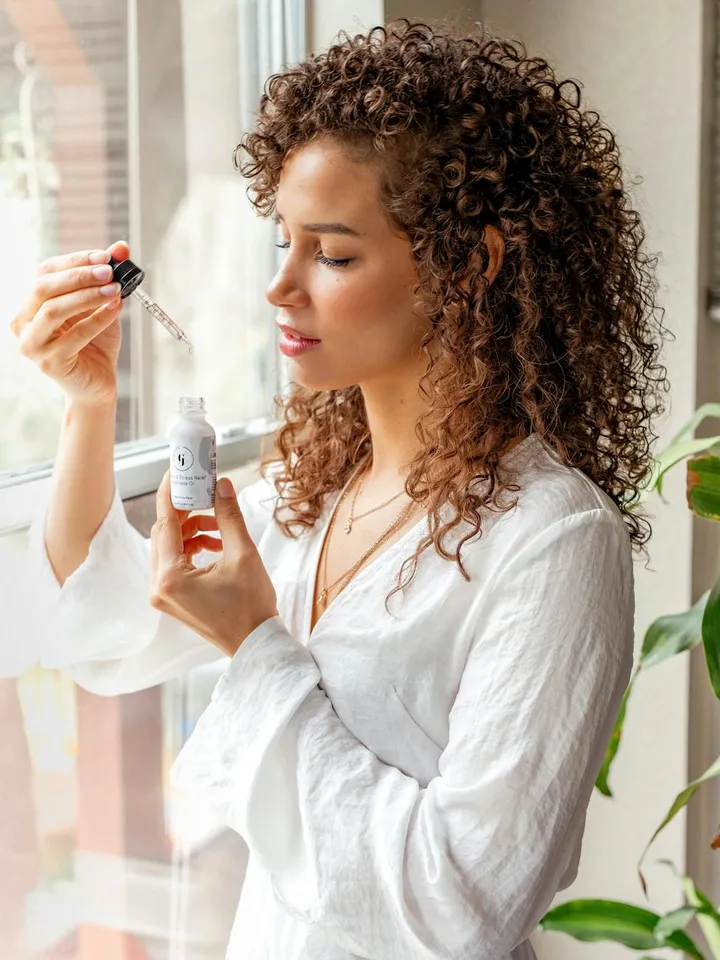
Navigating the ingredient list is the most practical skill you can learn for choosing skincare. Think of your skin barrier as a brick wall. You can’t fix it by just piling more bricks nearby. You need the right bricks (ceramides), the mortar (cholesterol), and the sealant (fatty acids) delivered directly to the construction site.
What to Look For on the Ingredient List
First, find the ceramides. Look for names like Ceramide NP, Ceramide AP, or Ceramide EOP listed as high up as possible, ideally within the first ten ingredients. This indicates a meaningful concentration that can actually do repair work.
Second, check for the full barrier lipid trio. A truly effective formula will also include cholesterol and free fatty acids. These three ingredients work synergistically, like a dedicated repair crew, to rebuild your skin’s structure correctly.
To answer a common question, yes, ceramides are excellent for the face, especially when the skin feels tight, flaky, reactive, or looks dull. They are the foundational repair ingredient for nearly every skin type when the barrier is compromised.
What to Avoid in a Barrier-Repair Formula
While you’re adding crucial repair ingredients, you must avoid ones that strip them away. This is non-negotiable for sensitive or damaged skin.
- High concentrations of drying alcohols (like SD alcohol or denatured alcohol) listed near the top. These can dissolve your skin’s natural lipids.
- Fragrance (parfum) or essential oils. While they smell nice, they are common irritants that can trigger inflammation in a barrier that’s already struggling. My client Noah always sees better results with completely fragrance-free creams.
- Harsh actives paired without caution. Using a high-percentage exfoliating acid (like glycolic or salicylic) in the same product as your ceramides can be counterproductive. It’s like trying to build a wall while someone else is sandblasting it. Seek these out in separate, targeted treatments instead.
Choosing Your Texture: Serum vs. Cream
The texture you choose should match your skin’s immediate need and your personal preference. Both are valid paths to barrier health.
Lightweight Ceramide Serums feel like a hydrating toner or a thin layer of nutrient-rich water. They deliver ceramides and the lipid trio deep into the skin’s surface layers without a heavy feel. This is ideal for oily or combination skin (like my client Maya), for use under sunscreen, or for anyone who dislikes the feeling of thick creams. You can layer it under your regular moisturizer for a boosted repair effect.
Rich Ceramide Creams act like a protective blanket. They use their thicker consistency to create an occlusive seal over the skin, locking in all the reparative ingredients and preventing water loss. This is the gold standard for very dry, flaky, or wind-chapped skin, and is perfect as a last step in your nighttime routine. My client Noah relies on a rich ceramide cream during winter to soothe his reactive skin.
Understanding Ceramides as Ingredients
Let’s clarify those keywords. Ceramides are a type of lipid, which is a broad category of fatty, waxy, or oily compounds. So, while all ceramides are lipids, not all lipids (like fatty acids or cholesterol) are ceramides. They are the specific, structurally crucial “bricks” in your skin’s wall.
And are ceramides active ingredients? In the truest sense, yes. They are biologically active components that directly participate in restoring your skin’s natural structure and function. They aren’t just inert moisturizers sitting on the surface; they are communicating with your skin cells to guide proper repair.
Fitting Ceramides Into Your Routine: A Step-by-Step Plan
Knowing ceramides are good for you is one thing. Knowing how to actually use them is another. Let’s build a simple plan.
A Simple Ceramide Routine Template
Think of this as your basic blueprint. You can adjust it based on your skin’s needs and the type of ceramide product you choose (serum, lotion, or rich cream).
Morning Routine:
- Cleanser: A gentle, non-stripping face wash.
- Treatment Serum (Optional): If you use a potent antioxidant like vitamin C, apply it to damp skin here.
- Ceramide Product: Apply your ceramide serum or lightweight moisturizer. This step reinforces your barrier before you face the day.
- Sunscreen: Always. This is non-negotiable for protecting your skin and the barrier you’re working to repair.
Evening Routine:
- Cleanser: A thorough cleanse to remove sunscreen and makeup.
- Treatment Active (Optional, on dry skin): This is where you’d use a treatment like retinol or an exfoliating acid, if your routine includes them. Apply to completely dry skin.
- Ceramide Product: Apply your ceramide moisturizer or serum. At night, this is your recovery phase. If you used a treatment active, this step helps soothe and counter potential irritation.
Tailoring the Plan: Noah vs. Maya
My clients Noah and Maya use ceramides differently, and their routines show you how to adapt.
For Noah (Dry, Reactive Skin):
Noah’s goal is intensive barrier repair. His skin often feels tight and gets red easily. For him, I recommend a ceramide product that’s a cream, not a serum. He looks for formulas that also list cholesterol and fatty acids high in the ingredients, as this trio works best for his repair needs.
He applies a generous layer of his ceramide cream as the final step every single night. On extra dry days, he’ll even press a few drops of a pure plant oil (like squalane) over the cream to seal everything in. His mantra is protection and repair, so he uses ceramides as his core moisturizer, not just an add-on.
For Maya (Oily, Acne-Prone Skin):
Maya was worried a barrier product would clog her pores. We found a light, gel-cream ceramide moisturizer. She uses a pea-sized amount, focusing on her cheeks where she gets dry from acne treatments, and just a tiny bit on her T-zone.
On nights she uses her salicylic acid treatment, she follows it with this ceramide moisturizer. It calms the redness and stops her skin from overproducing oil to compensate for dryness. For Maya, ceramides are a balancing agent that prevents her acne treatments from damaging her barrier and making things worse.
Pairing Ceramides with Actives (Retinol, Vitamin C, Acids)
This is where ceramides truly shine as your skin’s best friend. Potent ingredients like retinol and exfoliating acids work by creating a controlled “injury” to stimulate renewal. This can temporarily weaken your barrier, which is why it’s beneficial to use retinol and ceramides together.
Applying a ceramide product after these actives is like sending in the repair crew. It helps fortify your skin, minimizing side effects like peeling, stinging, and redness. Think of it as proactive damage control.
A safe pairing rule is to apply your treatment active to dry skin, wait a minute for it to absorb, then layer your ceramide moisturizer right over it. You don’t need to wait 20 minutes. The ceramide won’t deactivate the retinol or vitamin C; it will simply help your skin tolerate it better.
Actionable Steps to Repair Your Skin Barrier
If your skin feels raw, tight, itchy, or reactive, your barrier likely needs help. Here is your action plan.
- Pause the Offenders: Temporarily stop using physical scrubs, high-percentage acid toners, and retinoids. Give your skin a break from anything that stings.
- Simplify Your Cleanser: Switch to a gentle, creamy, non-foaming cleanser for at least two weeks. Avoid hot water.
- Adopt a Ceramide Anchor: Choose one ceramide-rich moisturizer and use it twice daily, after cleansing. Be consistent.
- Seal with an Occlusive (For Very Dry Skin): If your skin is parched, apply a thin layer of a simple balm or oil (like petroleum jelly or squalane) over your ceramide moisturizer at night.
- Protect Aggressively: Use a mineral-based sunscreen every morning. Your compromised barrier is more vulnerable to UV damage.
- Listen and Reintroduce Slowly: After 2-4 weeks of this simple routine, your skin should feel calmer. You can then slowly reintroduce one active at a time, once or twice a week, always followed by your ceramide moisturizer.
Remember, barrier repair isn’t an overnight fix. It’s a process of consistent, gentle support. Your skin has an incredible ability to heal itself when you give it the right tools.
Ceramide Myths, Demystified
With any popular ingredient, confusion follows. Let’s clear up the most common questions I get in my treatment room.
Do ceramides cause breakouts?
This is a big worry, especially for my clients like Maya who are acne-prone. The answer is a clear no. Ceramides themselves are non-comedogenic, meaning they won’t clog pores.
Think of it this way: a broken barrier is an inflamed, vulnerable state. When your skin is desperately trying to protect itself, it can sometimes overproduce oil as a flawed defense mechanism. By giving your skin the correct building blocks (ceramides, cholesterol, fatty acids), you help it repair properly. A strong, healthy barrier is less reactive and more balanced.
Ceramides help calm the inflammation that drives breakouts and can reduce the compensatory oil production that comes from a damaged barrier. If a product with ceramides breaks you out, look at the other ingredients in the formula-it’s likely the culprit, not the ceramide.
Are ceramides good for oily skin?
Absolutely. Oily skin is not synonymous with well-hydrated or resilient skin. In fact, it’s often the opposite. I see this with clients who have a shiny T-zone but complain of tightness or redness on their cheeks-like Lina.
When your skin barrier is compromised, it can signal your oil glands to go into overdrive to try and lubricate and protect the surface. It’s a misguided SOS signal. Applying the right ratio of barrier lipids tells your skin, “It’s okay, we’ve got this covered now.”
Repairing the barrier with ceramides can help normalize oil production over time, leading to less shine and fewer clogged pores. The key is choosing lighter textures, like a ceramide serum or gel-cream, that feel comfortable for oily skin types.
Are ceramides oily or greasy?
Ceramides are lipids (fats), so it’s a fair question. But a well-formulated skincare product should feel nourishing, not leave a greasy film. This comes down to the vehicle-the lotion, cream, or serum that carries the actives.
A light, hydrating serum with ceramides might feel like a splash of cool water that sinks in immediately. A richer cream for very dry skin, like what Noah prefers, will feel more emollient, like a protective blanket. The ceramide itself isn’t the greasy part; it’s the overall formulation.
Modern skincare chemistry allows for ceramides to be delivered in everything from featherlight gels to rich balms, so you can find a texture that suits your skin’s preference.
A quick note on hair care
You might see ceramides in hair products, too. The principle is similar. Hair has a protective outer layer called the cuticle. Damage from heat, color, or the environment can lift this cuticle, making hair frizzy, dry, and brittle.
Ceramides in hair treatments can help fill in gaps and smooth that cuticle layer, helping to seal in moisture, add shine, and reduce breakage. It’s a great ingredient to look for if your hair feels rough or porous.
Your Ceramide Questions, Answered
How do I choose between a ceramide serum and a cream?
It depends on your skin’s immediate need. A lightweight serum is perfect for daily hydration and layering, while a richer cream provides the occlusive seal essential for intensive barrier repair, especially at night.
Do I really need ceramides if my skin barrier feels fine?
Yes, think of them as preventive maintenance. Using ceramides regularly helps replenish what you lose daily to cleansing and environmental exposure, keeping your resilient barrier strong before issues arise.
Can I mix different ceramide types from separate products?
We don’t recommend layering multiple ceramide products. For the most effective repair, seek a single formula that contains a blended complex (like NP, AP, EOP) with supporting cholesterol and fatty acids for a synergistic effect. Ceramides hydrate and repair the skin barrier, helping prevent moisture loss. A formula centered on ceramides supports sustained hydration and barrier resilience.
Your Barrier, Your Bounce
Think of ceramides not as a one-time treatment, but as the daily nourishment your skin barrier needs to stay resilient. The most effective approach is to choose a product that blends multiple ceramide types and use it faithfully in your routine.
- Look for products listing ceramides NP, AP, and EOP together on the label for the most comprehensive repair.
- Always apply your ceramide serum or moisturizer to slightly damp skin to lock in hydration.
- Pair ceramide products with ingredients like fatty acids and cholesterol for a stronger, more complete barrier.
- Consistency beats concentration; using a well-formulated product daily is better than an ultra-high-dose treatment used sporadically.
This blog is here to help you make sense of your skin with clear, trustworthy advice. If you have more questions about building a gentle, effective routine, I’m here to help. Your path to calm, comfortable skin is built one smart choice at a time.
Lucy Zimmerman
Lucy is an expert author and blogger when it comes to skin care and body care. She has first hand expertise acting as skin care consultant for over 5+ years helping her clients achieve smooth blemish free skin with natural and working remedies. She also has been an avid experimenter and tried out all the natural and artificial remedies and treatments so you can learn from her first hand experience. Additionally, she has traveled to many countries around the world and incorporated the skin care routines she has learnt into this blog. So, wait no more, reach out to Lucy if you have any specific needs and follow her blog, LuciDerma for expert skin care advice.