
Combining Salicylic Acid and Azelaic Acid: A Simple Routine for Acne and Dark Spots
You’re eyeing salicylic acid and azelaic acid for your acne and hyperpigmentation, wondering if they can work as a team. I guide patients through this exact question every week, and yes, you can combine them with a smart plan.
Here is what you’ll learn from this guide:
- How each acid tackles your specific skin concerns without doubling up on irritation
- A clear, step by step method to layer them in your morning or evening routine
- How to spot signs that your skin is thriving or needs a gentler approach
You have the power to manage your skin with confidence.
Meet Your Acid Allies: Salicylic vs. Azelaic
Let’s get to know our two main players. Think of them not as rivals, but as specialists on the same team.
Salicylic acid is your pore diver. It’s a beta-hydroxy acid (BHA) that’s oil-soluble, meaning it can dive deep into your pores to dissolve the mix of dead skin cells and sebum that can clog them and lead to blackheads and inflamed pimples. It’s a physical exfoliant that works from the inside out, unlike glycolic acid which works on the surface.
Azelaic acid, on the other hand, is your calming referee. It’s a dicarboxylic acid that works on the skin’s surface. It calmly tells overactive pigment cells to slow down, which helps fade dark marks, and it has natural anti-inflammatory and antibacterial properties to quiet redness and fight acne-causing bacteria.
You’ll often find them in different forms. Salicylic acid is common in wash-off products like cleansers and pre-soaked pads, as well as leave-on gels and spot treatments. Azelaic acid is typically found in leave-on creams, gels, and serums. Texture-wise, salicylic acid formulas can feel astringent or tingly, while azelaic acid creams are often richer, though gel versions feel quite light.
The Short Answer: Yes, You Can Combine Them (Safely)
The good news is a definitive yes. You can and absolutely should consider using these two together if your skin concerns call for it.
They work through completely different pathways, so they don’t cancel each other out or cause a problematic chemical reaction on your skin. In fact, dermatologists often prescribe them together because they tackle acne and post-inflammatory hyperpigmentation from multiple, complementary angles. It’s a powerful one-two punch.
Your skin isn’t a chemistry experiment where these two will clash. The real concern is not about compatibility, but about tolerance. Using any active ingredient, especially more than one, requires a mindful approach to avoid irritating your skin barrier.
The safety of combining them hinges entirely on three things: the concentration of each product, their formulation, and your individual skin’s sensitivity. Starting with lower concentrations and introducing them slowly is your key to success. Think of it like introducing two new, helpful coworkers to your skin’s team-you want to make sure everyone gets along.
Why This Power Duo Works for Acne and Dark Spots

Salicylic acid and azelaic acid work so well together because they tackle two different but connected skin problems. Salicylic acid focuses on clearing out the pore-clogging debris that causes acne in the first place. Azelaic acid steps in to calm the inflammation that acne creates and fades the dark spots it often leaves behind.
Think of them as a specialized skin team. Salicylic acid is your cleanup crew. It’s oil-soluble, so it can get inside your pores to dissolve the mix of oil and dead skin cells that lead to blackheads and pimples. Azelaic acid is your repair team. It reduces redness, soothes irritation, and gently inhibits the overproduction of pigment that causes those stubborn post-inflammatory hyperpigmentation (PIH) marks. Many skincare routines also pair salicylic acid with glycolic acid for deeper, gentler exfoliation. This salicylic acid–glycolic acid approach is a popular pathway in skincare.
Using them together means you’re actively preventing new clogs while simultaneously treating the redness and discoloration from old ones. This is especially helpful for skin types that tend to get both active breakouts and lingering marks.
I remember working with Maya, who fits this profile perfectly. In her late 20s with oily, acne-prone skin, she’d get deep, hormonal pimples along her jawline that were painful and always left a dark shadow for months. We started by using a salicylic acid toner a few nights a week to keep her pores clear. Once her skin adjusted, we layered in an azelaic acid treatment on alternate nights.
Maya’s skin responded beautifully. The salicylic acid helped prevent the large, congested pores from turning into full-blown breakouts. When she did get a spot, the azelaic acid helped it heal with less redness and dramatically reduced how dark the subsequent mark would be. Her complexion became more even and less reactive over time.
If you’re considering this combination, start slowly. You might use salicylic acid in the morning and azelaic acid at night, or alternate them every other day. Always patch test a new product on a small area of your jawline for a week. This duo is potent, and giving your skin time to adjust is the best way to see the benefits without irritation.
Your Step-by-Step Guide to Layering Salicylic and Azelaic Acid
Think of your skincare routine like building a house. You need a solid foundation before you add the walls and roof. For acids, the foundational rule is simple: apply products from thinnest to thickest consistency.
Salicylic acid is often formulated as a lightweight toner, gel, or serum. In a typical salicylic acid application routine, you’d apply it after cleansing and before moisturizing. Azelaic acid tends to be in a slightly thicker cream or gel. This means you’ll typically apply the salicylic acid product first. This order lets the salicylic acid clean out pores and exfoliate the surface, creating a clear path for the azelaic acid to work on redness and pigmentation.
Patience is a non-negotiable part of this process. After applying your first acid, wait a full 60 to 120 seconds. This gives it time to absorb into your skin instead of just sitting on top. It also prevents the formulas from pilling or balling up when you apply the next step. I tell my clients to set a timer or brush their teeth in between layers. It makes all the difference.
The Same-Routine Layer (For Tolerant Skin)
If your skin is already comfortable with active ingredients, you can use both in one evening. This method is great for my client Maya, who has resilient, oily-prone skin. Here’s a sample routine:
- Cleanse with a gentle, sulfate-free wash.
- Apply your salicylic acid toner or serum to a dry face.
- Wait 1-2 minutes.
- Apply your azelaic acid treatment evenly.
- Seal everything in with a simple, fragrance-free moisturizer.
This approach delivers a powerful one-two punch against clogged pores and post-acne marks, but it’s only for skin that’s fully acclimated to both ingredients without redness or stinging. If you’re new to either acid, this is not your starting point.
The Alternating Nights Approach (For Sensitive Skin)
This is my preferred, gentler strategy for most people, especially those with skin like Noah’s. It gives your skin time to benefit from each ingredient without overwhelm. You can think of it as giving each acid its own dedicated lane on alternating nights. This approach helps minimize purging often associated with overloading skincare acids.
- Night 1: Cleanse, apply salicylic acid treatment, moisturize.
- Night 2: Cleanse, apply azelaic acid treatment, moisturize.
- Night 3: Consider a “recovery night” with just cleanse and moisturizer, or repeat the cycle.
This slower rotation lets you monitor how your skin reacts to each product individually. It dramatically lowers the risk of irritation, dryness, or a compromised skin barrier. Alternating nights is the safest way to introduce this powerful duo, letting you build tolerance over several weeks.
Spot-Treatment Team-Up
You don’t always need to treat your whole face. Sometimes, a strategic partnership is best. This is perfect for combination skin like Lina’s, where issues pop up in specific zones.
Use salicylic acid as your first responder on a new, tender bump. It can help dissolve the plug deep within the pore. Then, once the worst of the bump has subsided (never on an open wound), use azelaic acid directly on the flat but lingering red or brown mark it left behind. Azelaic acid calms the residual inflammation and targets the pigment.
The key here is to avoid applying both products in the same exact spot at the same time, as this can be overly drying and irritating. Think of them as working different shifts on the same problem area: salicylic acid handles the initial breakout, and azelaic acid comes in for cleanup and repair.
What to Mix & What to Avoid: Your Ingredient Interaction Cheat Sheet
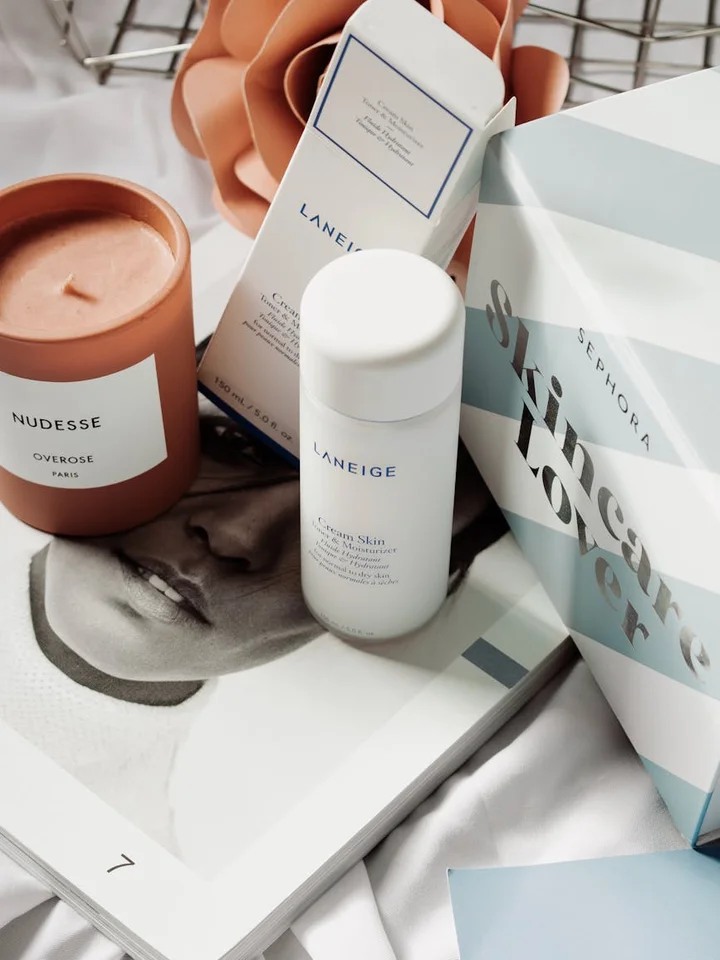
Think of your skin care routine like a team. You want players that support each other’s strengths, not ones that work against the same goal or overwhelm the field. When you’re building a routine with salicylic and azelaic acid, knowing who else to invite makes all the difference.
The Green Light Team: Your Safe & Supportive Partners
These ingredients are excellent teammates. They don’t fight for the same receptor sites or cause conflicting reactions. Instead, they provide the foundational support your skin needs while the acids do their targeted work.
- Hyaluronic Acid for Hydration: Both salicylic and azelaic acid can be drying. Applying a hyaluronic acid serum on damp skin before your treatment step acts like a magnet, pulling water into the skin to prevent dehydration. It’s like giving your skin a tall glass of water before a workout.
- Niacinamide for Barrier Support: This is the ultimate peacekeeper. Niacinamide helps strengthen your skin’s natural barrier, calms redness, and regulates oil production. Using it in the same routine (often before your acids) can help buffer potential irritation and keep your skin resilient. My client Noah, who has reactive skin, swears by this combo for keeping his skin calm and clear.
- Most Basic Moisturizers: A simple, fragrance-free moisturizer is non-negotiable. It seals in all your treatments and provides a protective finish. Look for formulas with ceramides, squalane, or glycerin. They don’t interfere with the acids; they just comfort and protect the skin you’re working so hard to improve.
Your safest strategy is to layer hydrators and barrier-support ingredients with your active treatment, then always finish with a moisturizer.
The Yellow Light Team: Proceed with Smart Caution
These powerful ingredients can be used together, but they require a strategic approach to avoid overloading your skin. Think of this as managing a team of star players-you need to schedule their plays carefully.
- Azelaic Acid with Retinol: Yes, you can use them together. Both are fantastic for acne and hyperpigmentation. The catch is they can both cause dryness and sensitivity. I recommend starting them on alternate nights. Apply azelaic acid one night, and your retinol product the next. Once your skin is fully acclimated, some people can tolerate applying a retinol serum, waiting 20 minutes, then applying azelaic acid. Listen to your skin’s tolerance.
- Azelaic Acid with Vitamin C: This is possible, but separation is best. L-ascorbic acid (vitamin C) works best at a very low pH, while azelaic acid formulations have their own specific pH range. Applying them directly together can alter their effectiveness. A simpler plan: use your vitamin C serum in the morning and your azelaic acid at night. This gives you the antioxidant benefits of C all day and the clarifying benefits of azelaic acid all night.
When combining potent actives, splitting them between your AM and PM routines or using them on alternate nights dramatically reduces the risk of irritation.
The Red Light List: Combinations to Avoid
Some combinations ask for trouble. They target the skin in the same aggressive way, which can lead to a damaged moisture barrier, severe redness, and a setback in your skin goals.
- Other Direct Exfoliating Acids: Do not mix salicylic acid or azelaic acid with other exfoliating acids like glycolic, lactic, or mandelic acid in the same routine. You are essentially giving your skin multiple chemical peels at once. This will almost certainly lead to burning, stinging, and peeling. If you want to use a glycolic acid toner, use it on a completely different night. (The question of whether glycolic acid can be used with vitamin C is its own separate, tricky pairing that requires careful pH management.)
Never layer multiple direct exfoliants. Your skin’s barrier needs time to recover, not be assaulted from multiple angles at once.
If you remember one thing, let it be this: pairing actives is about strategy, not stacking. Start slow, always patch test a new combination on your jawline for a few nights, and let your skin’s comfort be your ultimate guide.
When to Pump the Brakes: Contraindications & Safety Warnings
Even the most effective duo needs a time out. Combining these acids is powerful, and your skin’s current condition is the ultimate guide. There are times when you must pause, full stop.
Absolute Pauses: Do Not Apply
If your skin is in an active state of distress, applying these acids is like adding fuel to a fire. Hold off entirely if you have:
- Active Eczema or Dermatitis: The compromised, inflamed barrier cannot handle exfoliation and needs pure repair.
- A Rosacea Flare-up: Skin is hypersensitive and reactive. Azelaic acid can be great for rosacea maintenance, but never during the burning, red flare phase.
- Sunburn: Your skin is literally wounded. Applying acids will cause severe pain and slow healing.
- Visibly Broken Skin: This means open wounds, cuts, scrapes, or recently picked acne. You risk infection and significant irritation.
My client Noah, with his dry, reactive skin, knows this rule well. During a bad reaction to a new laundry detergent, his cheeks were inflamed. We shelved all actives for two weeks and focused solely on ceramides and colloidal oatmeal. His skin thanked him for the patience.
Relative Cautions: Proceed with Extra Care
Some situations don’t require a full stop, but they do demand a slower, more thoughtful approach and possibly a professional consultation.
- Pregnancy & Breastfeeding: While topical salicylic acid in low concentrations (under 2%) is generally considered safe, guidelines vary. Azelaic acid is often deemed pregnancy-safe. Always, always consult your obstetrician or dermatologist before starting any new active ingredient during this time.
- Using High Prescription-Strengths: If a doctor has prescribed you 15% or 20% azelaic acid gel, that’s a medical treatment. Do not layer an over-the-counter salicylic acid product on top without their explicit guidance.
- Having a Severely Compromised Skin Barrier: If your skin feels like paper, burns with everything you apply, and is flaky all over, your barrier is calling for help. You must repair your moisture barrier before reintroducing any exfoliating acids. This is a non-negotiable first step.
Recognizing Over-Exfoliation & The Recovery Protocol
Sometimes, we get overzealous. Your skin will send clear signals if you’ve done too much, too soon. Listen to it.
Classic signs include:
- Persistent stinging or burning that lasts more than a minute after application.
- Unusual tightness, like your face is in a shrink-wrap mask.
- Shiny, waxy skin coupled with dryness (a sign of barrier impairment).
- Flaky peeling in areas where you don’t typically have dryness.
- Increased redness or sensitivity to products that never bothered you before.
If this happens, don’t panic. The fix is simple but requires discipline. Adopt the “less is more” recovery protocol immediately:
- Stop All Actives. This means salicylic acid, azelaic acid, retinoids, vitamin C, and physical scrubs. Give them a break for at least one week, or until all symptoms completely subside.
- Focus on Hydration and Repair. Your routine should whittle down to a gentle cleanser, a fragrance-free barrier-repair moisturizer with ceramides, and a mineral sunscreen. That’s it.
- Consider a “Vaseline Sleep Mask.” On clean, moisturized skin, apply a thin layer of plain petrolatum (like Vaseline) over dry areas before bed. This occlusive layer locks in moisture and dramatically accelerates barrier repair.
Lina learned this the hard way after trying a new exfoliating toner every day. Her combination skin became uniformly sensitive. A five-day break from all actives, using only a soothing moisturizer and sunscreen, reset her skin completely. When she reintroduced her azelaic acid, she started with just two nights a week, and her skin tolerated it beautifully. Slow and steady always wins the race.
Finding Your Rhythm: Skin Types, Timing, and Product Forms
Combining ingredients successfully is less about a rigid formula and more about listening to your skin. Your skin type and sensitivity level will dictate how you build this partnership.
Tailoring the Pair to Your Skin
Think of your skin as the conductor of this routine. You adjust the tempo based on its needs.
My client Maya has oily, acne-prone skin. Her tolerance is often higher. She can typically use a salicylic acid cleanser most mornings and apply a thin layer of azelaic acid serum nightly. For skin like Maya’s, daily use of one or both is often manageable, focusing on keeping pores clear and calming post-acne marks.
For someone like Noah, who has dry, reactive skin, the approach is gentler. We start by applying azelaic acid just two or three nights a week after moisturizer to buffer it. We might introduce a salicylic acid product, like a mild toner, only once a week initially. If your skin leans dry or sensitive, starting slow and spacing out applications is key to building tolerance without compromising your skin barrier.
Lina has combination skin, which is perfect for strategic targeting. She applies a salicylic acid treatment only on her oily T-zone where she gets blackheads. Then, she uses azelaic acid on her entire face, giving extra attention to her cheeks where she has sensitivity and past acne marks. This zonal approach lets you address different concerns on different parts of your face effectively.
When to Apply Them: Day, Night, or Both?
You have flexibility here. Azelaic acid is photostable, meaning it doesn’t break down in sunlight, so it’s perfectly fine for morning use. Salicylic acid is also stable, but because it can make your skin more sensitive to the sun indirectly (by exfoliating), many prefer to use it at night.
A simple, effective schedule could look like this:
- Morning: Cleanse, apply azelaic acid serum, moisturize, followed by sunscreen.
- Evening: Cleanse, apply salicylic acid product (like a toner or serum), moisturize.
You can also use both in the same routine, typically in the evening. The golden rule is to apply the thinnest, water-based product first. So, after cleansing, you would layer a salicylic acid liquid, let it dry, then follow with your azelaic acid treatment.
The absolute non-negotiable when using any acid, regardless of the time of day, is daily sunscreen. It protects your fresh skin and prevents hyperpigmentation from worsening.
Choosing Your Products: Separate vs. Combined
Most products feature one of these acids as the star ingredient. This is actually ideal when you’re starting out. Using separate serums or treatments gives you complete control over where and how often you apply each one.
While some pre-mixed formulas containing both salicylic and azelaic acid exist, they are less common. My advice is to focus on finding a gentle, well-formulated product for each acid individually. This allows you to customize the frequency and placement for your skin’s unique map.
Look for fragrance-free, alcohol-free formulas. Start with lower concentrations (like 2% salicylic acid and 10% azelaic acid) to see how your skin responds before considering anything stronger. Always patch test a new product on a small area of your jawline for a few nights before applying it to your whole face.
Your Questions on Combining These Acids, Answered
Can I use salicylic acid and azelaic acid together every day?
It depends entirely on your skin’s tolerance. While some resilient types can handle daily use, most people benefit from starting on alternate nights or splitting them between morning and evening routines to build tolerance without irritation.
Which skin type benefits the most from this combination?
Oily, acne-prone skin that also deals with post-acne dark marks sees a remarkable benefit. However, with a modified approach, combination and even dry skin can use this duo successfully by adjusting frequency and application zones.
Should I look for a single product that contains both acids?
We recommend using separate, well-formulated products for each acid. This gives you precise control over concentration, application frequency, and placement, allowing you to customize the routine to your skin’s unique needs and tolerance. That approach also aligns with guidance on the best acid treatments for common skin conditions. In the next steps, you’ll see condition-specific picks to tailor acids to acne, hyperpigmentation, and sensitivity.
Final Thoughts on Your Acid Alliance
Combining salicylic acid and azelaic acid can be a powerful strategy for managing acne and hyperpigmentation when done with care. The most important step is to build this routine gradually, allowing your skin to adapt without overwhelm. Understanding salicylic acid sources and cosmetic uses can help you choose products wisely, as it can be sourced from natural plant materials and is widely used for gentle exfoliation and pore-clearing benefits. Think of it like introducing two helpful friends to each other—you want to ensure they get along well in your skin’s environment.
- Start by using each acid on separate days for at least two weeks before layering them.
- Apply salicylic acid in the evening to deeply clean pores and azelaic acid in the morning to calm redness and fade marks.
- Always follow with a broad-spectrum sunscreen during the day, as both acids can increase sun sensitivity.
- If you notice dryness or stinging, pause and reinforce your skin barrier with a gentle, fragrance-free moisturizer.
- Keep a simple journal to track your skin’s reaction, just like my client Noah does with his sensitive skin routine.
Your skin’s health is a personal journey, and I’m here to offer reliable, evidence-based guidance every step of the way. If you have questions or want to share your own experience with these ingredients, I welcome your thoughts. At LuciDerma, we believe in learning from real stories to provide advice that truly works for you.
Written by Lucy Zimmerman. Lucy is an expert author and blogger when it comes to skin care and body care. She has first hand expertise acting as skin care consultant for over 5+ years helping her clients achieve smooth blemish free skin with natural and working remedies. She also has been an avid experimenter and tried out all the natural and artificial remedies and treatments so you can learn from her first hand experience. Additionally, she has traveled to many countries around the world and incorporated the skin care routines she has learnt into this blog. So, wait no more, reach out to Lucy if you have any specific needs and follow her blog, LuciDerma for expert skin care advice.