
Retinyl Palmitate vs. Retinol: A Safe, Stable Choice for Your Skin?
You’re wondering if retinyl palmitate is truly safe for your skin and how it stacks up against retinol. As a skincare specialist, I help clients like Lina, who has sensitive skin, sort through these options with clear, practical advice.
By the end of this article, you will know:
- What retinyl palmitate is and why its gentle, stable nature makes it a good fit for reactive skin.
- How its safety and effectiveness compare directly to retinol for tackling fine lines and texture.
- How to choose the right product for your routine and use it without causing redness or peeling.
You can make a confident choice for your skin health.
Retinyl Palmitate Decoded: The Gentle Cousin in the Retinoid Family
Let’s clear up the confusion right away. Retinyl palmitate is a type of retinoid. Think of retinoids as the big family name for all vitamin A derivatives used in skincare. So, is retinyl palmitate a retinoid? Absolutely.
Is it a retinol? No, it’s not. It’s actually a precursor to retinol. Chemically, it’s what we call an ester-vitamin A (retinol) is bonded to a fatty acid called palmitic acid. This pairing changes everything about how it behaves on your skin. That means it can act as a reservoir that releases retinol gradually on the skin. In the retinoid pathway, tretinoin is converted from retinol, the more active form used in many skincare regimens.
Here’s a simple way to picture it. Getting active vitamin A to your skin cells is like taking a trip. Retinyl palmitate has to make two stops before it arrives at its final destination.
- First, your skin’s enzymes convert retinyl palmitate into retinol.
- Then, that retinol is converted into retinoic acid, the form your skin cells actually use to renew themselves.
This multi-step journey is precisely why retinyl palmitate is so much gentler than pure retinol; it’s a slow-release, conversation-starting version of vitamin A. It’s a fantastic introductory option for someone like my client Noah, who has dry, reactive skin and wants to dip a cautious toe into the world of vitamin A.
Molecule Spec Sheet: Retinyl Palmitate vs. Retinol
| Property | Retinyl Palmitate | Retinol |
|---|---|---|
| pH Stability | Wide range, very stable | Narrower, more sensitive |
| Typical Concentration | 0.1% – 5% (often 1% or less) | 0.01% – 1% |
| Solubility | Oil-soluble | Oil-soluble |
| Safety Profile | Generally well-tolerated, low irritation risk | Higher irritation potential, requires acclimation |
Notice the concentration difference. Because retinyl palmitate is milder, you’ll often see it used at higher percentages. Don’t let that big number fool you into thinking it’s stronger; it’s a reflection of its gentle nature.
The Stability & Storage Showdown: Which One Lasts?
Is retinyl palmitate stable? In a word, yes. Its ester form makes it a hardy ingredient, much more resistant to oxidation from light and air compared to its famous cousin.
Retinol is notoriously finicky. Leave it in a bright, warm spot and it can degrade and lose potency before you even finish the bottle. Retinyl palmitate, however, is like the sturdy traveler who packs for all weather. It holds up well in a wider range of product formulas. Still, you should check retinol’s shelf life to ensure effectiveness.
This stability means a product with retinyl palmitate is more likely to deliver what it promises from the first use to the last, without you needing to rush through it.
Shelf Life & Oxidation Signs: How to Spot a Degraded Product
All vitamin A ingredients can go bad. Your nose and eyes are your best tools. Here’s what to watch for:
- For Retinyl Palmitate: A fresh product is usually a very pale yellow. If it oxidizes, the color will deepen to a more obvious orange or brown.
- For Retinol: It also starts pale yellow. Degradation turns it a distinct rusty orange or brown color, and it may develop a strange, waxy smell.
The golden rule for both? Treat them like fine cooking oil. Store them in a cool, dark cupboard or drawer, never on a sunny windowsill or in your steamy bathroom medicine cabinet. This simple step protects your investment and your skin.
Safety and Side Effects: What Does “Gentle” Really Mean?
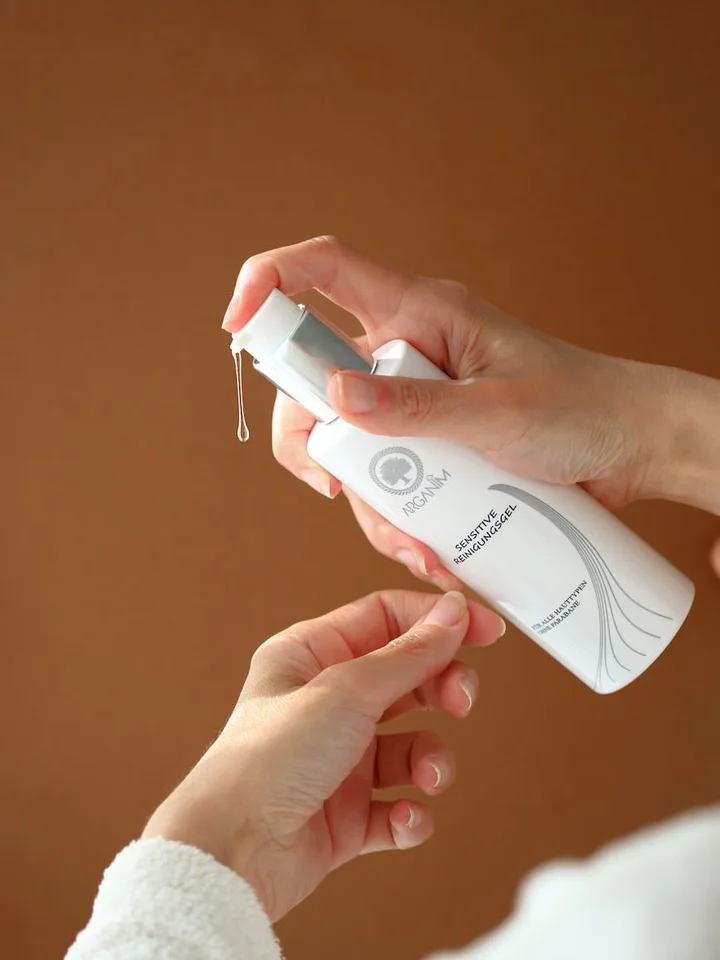
Let’s clear the air on safety first. Retinyl palmitate is one of the most common forms of vitamin A in cosmetics, found in everything from night creams to foundations. Its widespread use is backed by regulatory bodies globally, which deem it safe for use in cosmetic formulations at typical concentrations. When you see questions like “is retinyl palmitate bad,” it often stems from conflating it with much stronger prescription retinoids or misinterpreting studies not related to topical skin care.
Separating science from myth is key. Topical retinyl palmitate is not “bad” for your skin in a general sense. Its potential side effects are a direct reflection of its gentleness compared to its potent cousin, retinol.
- Retinyl Palmitate Side Effects: You might experience very slight, occasional dryness or a hint of tightness. It rarely causes visible peeling or significant redness.
- Retinol Side Effects: Retinol is famous for its “retinization” period. This can include flaking, peeling, noticeable redness, irritation, and dryness, especially when first starting.
People often search “how much retinyl palmitate is safe per day,” but that’s not how topical skincare works. Safety is about formulation science, not user dosage. Cosmetic chemists create stable formulas with effective, safe percentages. Your job isn’t to measure it out, but to choose a well-formulated product from a trustworthy brand and follow its directions.
Who Should Consider Retinyl Palmitate? (And Who Might Skip It)
This ingredient is a fantastic starting line for specific skin types. Think of my client, Noah, who has dry, reactive skin. His primary goal is to ease into anti-aging without wrecking his fragile moisture barrier. For him, and for any first-time retinoid user or someone with sensitive skin, retinyl palmitate can be a perfect, gentle introduction.
It might be less ideal if your concerns are more targeted or severe. Lina, with her combination skin, might find it too mild for the clogged pores in her T-zone. For Maya, who deals with stubborn hormonal acne, retinyl palmitate likely won’t be potent enough to make a significant impact on deep cysts.
A standard note for all vitamin A derivatives: if you are pregnant, breastfeeding, or trying to conceive, consult your doctor before using any retinoid, including retinyl palmitate. It’s a prudent step for personalized care.
Efficacy Face-Off: Does Retinyl Palmitate Work for Wrinkles and Acne?
So, does retinyl palmitate work? Yes, absolutely. But we must be honest about what “work” means here. It is an effective skin conditioner, but it acts more slowly and mildly than retinol. It’s like a steady, gentle rain versus a more intense downpour both get the ground wet, but at different paces.
For anti-aging and wrinkles, both ingredients aim to boost collagen and improve skin texture. Retinol does this more directly and potently because it converts to retinoic acid faster in the skin. Retinyl palmitate takes a slower, multi-step conversion path. Regarding retinol’s effects on wrinkles and collagen, it promotes collagen remodeling. This is why retinol is often highlighted for anti-aging benefits related to wrinkles. You can expect gradual improvement in skin brightness and softness with retinyl palmitate, while retinol is more likely to deliver more visible smoothing of fine lines over time.
The same principle applies to acne. Retinyl palmitate can help with mild congestion and surface-level clarity by encouraging cell turnover. For pronounced, inflamed breakouts or stubborn blackheads, retinol (or even prescription options) is typically the more effective choice because it works more decisively to unclog pores and can be particularly beneficial in improving acne scars.
It all comes down to matching the tool to the task. For Maya’s deep, hormonal cysts, I’d recommend a retinol serum. For Noah’s goals of tackling fine lines and dryness without irritation, a moisturizer with retinyl palmitate could be the perfect, comfortable start to his retinoid journey.
Building Your Routine: How to Use Retinyl Palmitate Correctly

To enjoy retinyl palmitate’s benefits without irritation, treat it like a new skincare habit you build gradually. I advise my clients to begin with a gentle, slow approach.
Follow these steps to integrate it safely into your evening routine.
- Start by applying it two to three nights per week. This allows your skin to adapt without common side effects like redness or flaking.
- After cleansing and toning, smooth a pea sized amount of your retinyl palmitate product over your face and neck. Keep it away from the delicate eye area.
- Immediately follow with a moisturizer to hydrate and calm the skin.
Limiting use to a few nights weekly at first is the most effective strategy for building lasting tolerance.
Think of your skincare layers as clothing. Retinyl palmitate is your lightweight base layer. Apply it to clean, dry skin after your toner and before any richer creams or oils. This placement helps it absorb effectively without blocking other products.
Certain ingredients partner beautifully with retinyl palmitate to boost comfort. Soothing ceramides help reinforce your skin’s natural barrier. Hydrating hyaluronic acid provides a moisture cushion. My client Lina, with her combination skin, uses a hyaluronic acid serum before her retinyl palmitate. It keeps her T zone balanced and her cheeks happy.
You must also know what not to mix. Avoid applying retinyl palmitate directly with high percentage direct acids like glycolic acid, or with pure vitamin C serums, unless the product formula is explicitly stabilized for combination. Pairing them can cause irritation or reduce potency. Use these potent actives on alternate nights instead.
Making Your Choice: Retinol, Retinyl Palmitate, or Something Else?
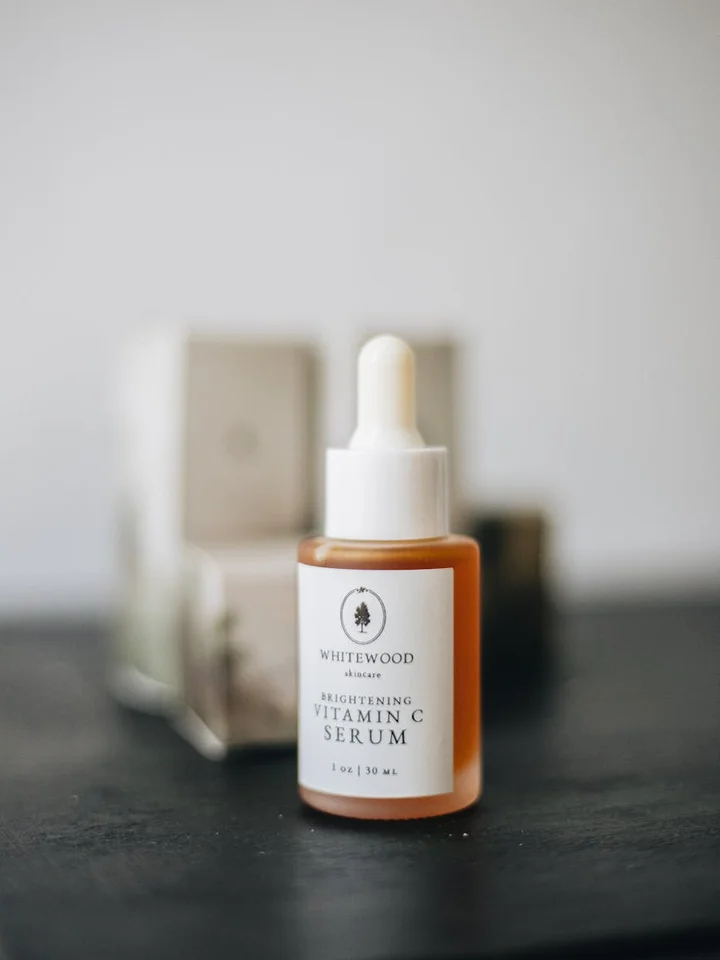
Your decision between retinyl palmitate and retinol centers on a balance between gentle care and potent action. It is a spectrum, not a simple choice between good and bad. A closer look at the retinol vs. retin ingredient chemistry comparison shows how stability and conversion rates influence outcomes. That chemistry lens sets up the next steps, where an implicit hyperlink will reveal a side-by-side comparison.
Retinyl palmitate is your stable, gentle option ideal for beginners or sensitive skin. Retinol is the more potent choice that can deliver faster visible results but requires careful management of side effects. For someone like my client Noah, who has dry, reactive skin, starting with retinyl palmitate lets him test the retinoid waters calmly. If his skin strengthens and he desires more intensive renewal, we then consider a low dose retinol.
Other alternatives exist on this spectrum. Granactive retinoid is a modern, often gentler synthetic option. Compared with retinol, granactive retinoid often delivers similar results with less irritation. This makes granactive retinoid vs retinol a key consideration for sensitive skin. Bakuchiol is a plant based ingredient that offers similar benefits to retinoids without typical sensitivity issues. These are worth exploring if your skin rejects traditional forms.
Your skin’s tolerance and goals write the final prescription. Pay attention to how your skin feels. Mild dryness is expected, but consistent irritation signals a need to slow down. There is no prize for rushing. Steady, kind consistency always wins for skin health.
Your Retinyl Palmitate Questions, Answered
Is retinyl palmitate safe for daily use?
Yes, due to its gentle and stable nature, retinyl palmitate is often formulated for more frequent or even daily use. Always follow your specific product’s directions, and if you have very sensitive skin, starting every other night is a prudent approach.
Can I find retinyl palmitate in serums, or is it only in moisturizers?
You can find it in various formulations, including serums, oils, and moisturizers. Its stability allows it to be effectively incorporated into many product types, so choose a texture that fits your preferred routine.
If I start with retinyl palmitate, can I switch to retinol later?
Absolutely. Many people use retinyl palmitate to build their skin’s tolerance. Once your skin is comfortable, you can consider transitioning to a low-concentration retinol product for more targeted results.
Choosing Your Retinoid Partner
When it comes to retinyl palmitate and retinol, the right choice is the one that matches your skin’s current needs and your comfort level. Think of retinyl palmitate as a gentle introduction and retinol as the more potent, active treatment for visible results.
- Always perform a patch test with any new retinoid product behind your ear or on your jawline for a few nights.
- Start any retinoid routine slowly, applying it just 1-2 nights per week to build tolerance without irritation.
- Sunscreen is non-negotiable every single morning, as all retinoids increase sun sensitivity.
- If you have sensitive or reactive skin, retinyl palmitate in a nourishing cream can be a perfect, stable first step.
Your skin care journey is personal, and starting with a gentler option is a sign of smart, sustainable care. For more guidance tailored to your skin type, follow along right here on the blog. We’re always ready to help you navigate your routine with practical, evidence-based advice.
Citations and Authoritative Sources
- What’s The Difference Between Retinol & Retinyl Palmitate? | Skintherapy
- Retinyl palmitate: better than retinol?
- Retinoic Acid vs. Retinal vs. Retinol vs. Retinyl – Dr. Whitney Bowe Beauty
- r/SkincareAddiction on Reddit: What is the difference between retinol and retinyl palmitate?
- Retinyl Palmitate In Skin Care: Wannabe Retinol Explained
- Think Dirty Ingredient Breakdown: Retinyl Palmitate – Think Dirty® Shop Clean.
- Retinoids: Retinyl Propionate vs. Palmitate – Vivant Skin Care
Lucy Zimmerman
Lucy is an expert author and blogger when it comes to skin care and body care. She has first hand expertise acting as skin care consultant for over 5+ years helping her clients achieve smooth blemish free skin with natural and working remedies. She also has been an avid experimenter and tried out all the natural and artificial remedies and treatments so you can learn from her first hand experience. Additionally, she has traveled to many countries around the world and incorporated the skin care routines she has learnt into this blog. So, wait no more, reach out to Lucy if you have any specific needs and follow her blog, LuciDerma for expert skin care advice.