
How to Safely Combine Alpha Arbutin with AHA and BHA Acids for Brighter Skin
If you’re eyeing that Alpha Arbutin serum but fear it might clash with your go to AHA or BHA exfoliant, you’re not alone. As a practicing esthetician, I assure you this combination is not only possible but can be highly effective when done thoughtfully.
In this guide, you’ll walk away knowing how to integrate these ingredients without compromising your skin’s comfort. By the end, you will be empowered to:
- Understand why Alpha Arbutin and exfoliating acids can be allies in fading dark spots.
- Apply products in the correct order to maximize benefits and minimize risk.
- Adjust the routine for your specific skin type, whether you’re like my client Maya with oily skin or Noah with his sensitive, reactive barrier.
Let’s build a routine that makes your skin look luminous and feels resilient.
Let’s Meet the Players: Alpha Arbutin, AHA, and BHA
Think of your skincare routine as a team where each member has a specific job. For tackling dark spots and a dull surface, three powerful players often come up: Alpha Arbutin, AHA, and BHA. Here’s who they are.
Alpha Arbutin is the gentle brightener, a traffic cop for your skin’s pigment production. It works by quietly telling the melanin-making cells in your skin to slow down. This helps fade existing dark spots from acne or sun exposure and prevents new ones from forming as intensely. You’ll often find it derived from the bearberry plant. With regular use, its skin brightening benefits even out skin tone. It’s a gentle option for many skin types seeking gradual brightening.
AHAs, like glycolic acid from sugarcane or lactic acid, are your surface-level renovators. They work on the top floor of your skin, dissolving the “glue” that holds dead, dull skin cells together. Imagine them gently sweeping away the dusty top layer to reveal the fresher, smoother skin underneath. This is called chemical exfoliation. In a complete AHA-BHA exfoliation skincare routine, AHAs are often paired with BHAs to tackle both surface texture and clogged pores.
BHA, primarily salicylic acid from willow bark, is the deep-pore specialist. Because it’s oil-soluble, it can dive into clogged pores, dissolve the mix of oil and dead skin inside, and calm inflammation. It’s like sending a targeted cleaning service into the congested areas, which is why it’s a hero for my client Maya and her acne-prone skin.
The Short Answer: Yes, You Can Mix Them (But Here’s the Deal)
Can you mix AHA BHA with Alpha Arbutin? Can Alpha Arbutin be used with AHA BHA? The direct answer is yes, you absolutely can combine them safely and effectively. The magic is in the strategy, not just throwing them together.
These ingredients work in brilliant synergy: AHAs and BHAs clear the path, allowing Alpha Arbutin to penetrate deeper and work on fresher, more receptive skin. By exfoliating away the dead cell barrier, you’re essentially rolling out a red carpet for your brightening agent. It’s a classic one-two punch for concerns like post-acne marks on oily or combination skin.
My client Lina uses this principle perfectly. She has combination skin with a shiny T-zone and past acne marks on her cheeks. Every Sunday night, she uses a leave-on BHA treatment on her nose and chin to keep pores clear. On Wednesday, she’ll use a gentle AHA serum all over for overall radiance. On all other nights, she applies her Alpha Arbutin serum. The weekly exfoliation makes her nightly brightening routine far more effective without overwhelming her skin.
The key is to avoid applying them all at the exact same time, especially if you have sensitive skin like Noah. Layering multiple active acids with another active can irritate your skin barrier. Instead, separate them by using your AHA or BHA on different nights than your Alpha Arbutin, or use the exfoliant in your morning routine and the arbutin at night. Always patch test a new combination on a small area of your jawline first.
Your Skin’s Interaction Matrix: What to Mix & What to Avoid
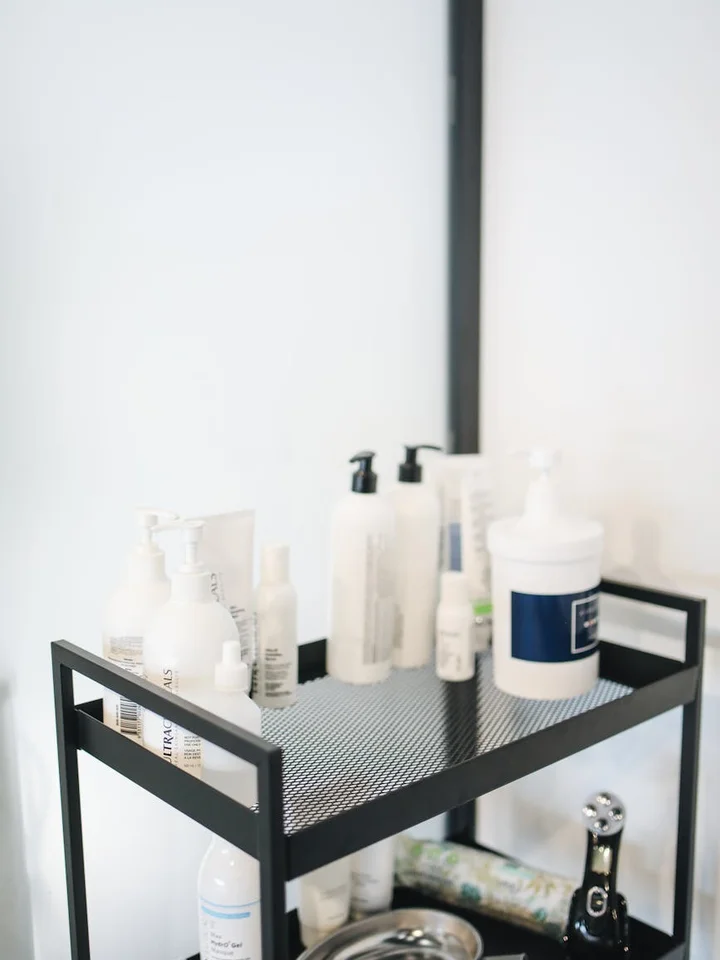
Think of your skincare routine like a team. When players work in harmony, you get better results. Alpha arbutin, AHAs, and BHAs can be on the same team, but they need a good game plan.
The simple rule is this: you can combine them, but you must manage their intensity and listen to your skin’s feedback. They work through different mechanisms, so using them together can tackle multiple concerns, like brightening dark spots while clearing pores.
Safe, Synergistic Pairings
These combinations are typically well-tolerated and effective for many skin types.
- A gentle, low-percentage AHA toner (like 5% glycolic or lactic acid) followed by an alpha arbutin serum. The mild exfoliation may help the arbutin penetrate slightly better.
- A salicylic acid (BHA) cleanser, rinsed off completely, followed by your alpha arbutin treatment. The cleanser format minimizes potential irritation.
- Alpha arbutin in your morning antioxidant serum, with AHAs or BHAs reserved for your evening routine. This separates the acts to give your skin dedicated focus for each task.
Combinations to Approach with Caution
Some mixes ask a lot from your skin barrier. They aren’t always forbidden, but they require experience and robust skin health.
Avoid applying alpha arbutin immediately after a very high-strength professional or at-home acid peel, especially if your skin is sensitive or reactive. Your skin’s primary job post-peel is to heal and recover, not to process another active. It’s like putting a deep conditioning treatment on hair that’s just been bleached raw, it’s too much too soon.
Can I Apply Alpha Arbutin After an AHA/BHA Peel?
This is a common question. The answer is yes, but not on the same day. Here is a safe, phased recovery routine for the nights following a peel:
- Night of the Peel: Cleanse gently. Apply your peel as directed. Rinse if required. Follow with a simple, reparative moisturizer containing ceramides or panthenol. That’s it.
- Next 2-3 Nights (Recovery Phase): Focus solely on hydration and barrier repair. Use a gentle cleanser, a hydrating toner, a soothing serum, and a rich moisturizer. Skip all actives, including alpha arbutin, retinoids, and more acids.
- When Skin is Calm: Once any redness or flaking has subsided and your skin feels comfortable, you can reintroduce your alpha arbutin serum into your nightly routine.
A Crucial Clarification on Chemistry
Let’s clear up a big myth. Alpha arbutin and acids do not neutralize or deactivate each other. An AHA’s low pH will not “break” the arbutin molecule. The reason for caution is purely biological, not chemical: it’s about overwhelming your skin with too much activity at once, which can lead to irritation, not ineffectiveness. There are alpha arbutin incompatible ingredients to watch for when layering products. We’ll cover these in the next steps.
Building Your Routine: A Step-by-Step Guide for Safe Layering
Let’s translate the theory into steps you can follow tonight. Consistency and patience are your best tools here.
The “Alternating Nights” Schedule (Great for Beginners)
This method gives each ingredient its own spotlight and is perfect for easing into combining actives.
- Monday, Wednesday, Friday: Your “Acid Night.” Cleanse, apply AHA/BHA treatment, wait, moisturize.
- Tuesday, Thursday, Saturday: Your “Brightening Night.” Cleanse, apply alpha arbutin serum, moisturize.
- Sunday: A “Recovery Night.” Cleanse, use a hydrating mask or extra nourishing moisturizer, skip actives.
The “Same Session” Layering Routine
If your skin is accustomed to both ingredients, you can use them in one sitting. Order and pH are key.
- Cleanse: Start with a clean, dry face.
- Acid (AHA/BHA): Apply your acid toner, serum, or treatment. Use a product with a moderate strength you already know and tolerate.
- Wait: Let the acids work and the skin’s pH adjust for 10-15 minutes. This waiting period helps minimize the tingling sensation when you apply the next product.
- Arbutin Serum: Apply your alpha arbutin serum evenly over your face.
- Moisturizer: Seal everything in with your preferred moisturizer.
For my client Maya, who has oily, acne-prone skin, this order works well to tackle pore congestion first, then address any post-acne dark marks.
The Non-Negotiable Morning Step
Applying a broad-spectrum sunscreen every single morning is mandatory when using AHAs or BHAs, even if you only use them at night. These ingredients increase sun sensitivity, and unprotected sun exposure will undo all your brightening work and can worsen hyperpigmentation. Think of sunscreen as the lock on the door, keeping all your progress safe.
A Special Note for Sensitive Skin (Hello, Noah)
If you, like my client Noah, have dry or reactive skin, your approach should be extra gradual. Start by using your AHA or BHA just once a week, on a night you do not use alpha arbutin. For the first month, don’t layer them in the same routine. After a few weeks, if your skin shows no signs of irritation (no stinging, redness, or tightness), you can try the alternating nights schedule. Listen to your skin. It will tell you if you’re moving too fast.
Contraindications & Safety Warnings: When Not to Try This Combo
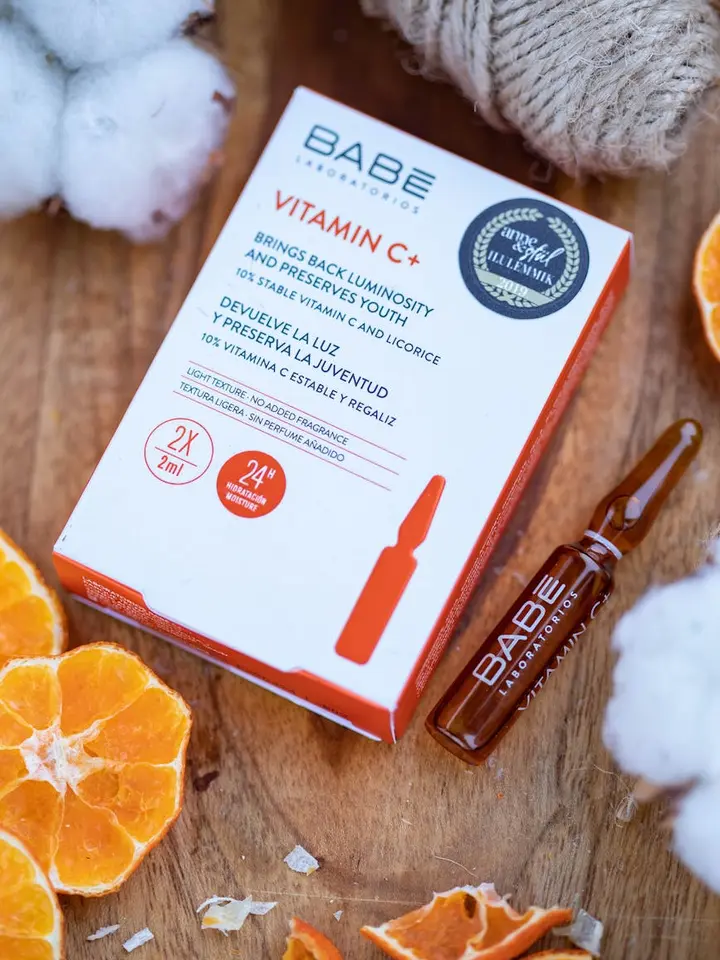
Think of your skin barrier like a healthy, intact wall. Alpha arbutin, AHAs, and BHAs are tools for cleaning and renovating that wall. But if the wall is already cracked or damaged, using those tools will cause more harm. This combo is powerful, but it’s not for every situation or skin.
Pause or avoid mixing these ingredients if:
- You are actively using prescription retinoids like tretinoin or high-strength retinol.
- You are pregnant, breastfeeding, or trying to conceive. Always consult your doctor first about any actives.
- Your skin barrier is currently damaged. This means your skin feels raw, burns easily with products, or is very flaky.
- You have sunburned, windburned, broken, or recently waxed/shaved skin.
Your skin will tell you loud and clear if you’re overdoing it. Listen to it. Signs of over-exfoliation include persistent redness, a stinging or burning sensation when applying even gentle products, unusual tightness, or increased sensitivity. If you notice these, stop all actives immediately. Focus on a simple routine of a gentle cleanser, a soothing moisturizer with ceramides, and sunscreen to help your barrier repair itself.
Before applying any new product combination to your entire face, do a patch test. Apply a small amount to the side of your neck or behind your ear for a few nights. This helps you catch a bad reaction before it involves your whole face.
To directly answer a common search, “arbutin ve aha bha birlikte kullanılır mı” (can arbutin and aha bha be used together), the answer is a conditional yes. They can be combined, but only on a foundation of healthy, resilient skin. If your skin is currently sensitive or compromised, focus on healing first.
Beyond AHAs and BHAs: What Else Plays Well with Alpha Arbutin?
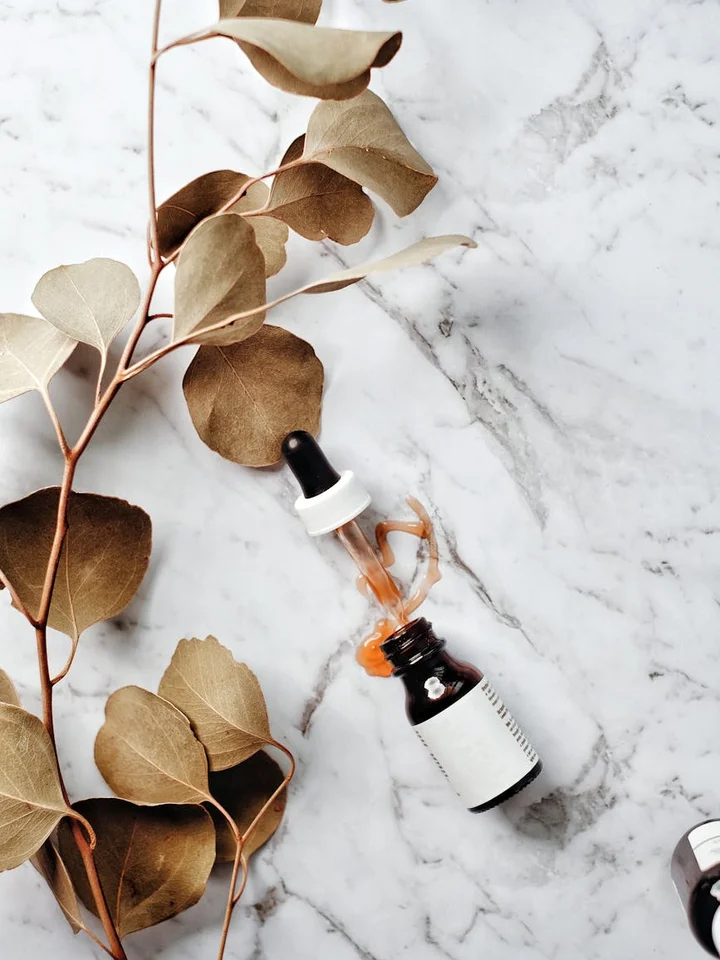
AHAs and BHAs are fantastic partners for alpha arbutin, but they’re not the only ones. You can build an effective brightening routine with other thoughtful pairings, like those found in our classification of alpha arbutin with AHAs and BHAs.
Vitamin C (L-Ascorbic Acid)
This is a brilliant strategy. Think of vitamin C as a morning guard and alpha arbutin as an evening repair crew. Vitamin C offers antioxidant protection against daily pollution and UV damage, which can prevent new dark spots from forming. Alpha arbutin works on existing discoloration. Using vitamin C serum in the morning and alpha arbutin at night keeps both ingredients stable and effective without overwhelming your skin at once. Layering them correctly is crucial for best results.
Niacinamide
This is one of my favorite calming combinations, especially for clients like Maya who have acne-prone skin. Niacinamide helps calm inflammation, regulate oil production, and strengthen the skin barrier. Using niacinamide alongside alpha arbutin can target dark spots from two angles: reducing the post-inflammatory redness that can turn into brown marks and directly inhibiting melanin production. They are often found together in well-formulated serums because they get along so well. If you’re exploring niacinamide benefits in products, look for stable formulations with around 2–5% concentration. This balance helps maximize soothing effects while minimizing irritation.
Retinol
This is an advanced pairing that requires a gentle touch. Yes, you can use alpha arbutin and retinol together, as they work through different mechanisms. However, both can be irritating. If you want to try this, apply retinol first, wait 10-15 minutes for it to absorb, then apply your alpha arbutin serum. This must be paired with an obsessive focus on hydration and barrier support. Listen to your skin and use this combo only 2-3 nights a week, not every night.
More ingredients is not always better. A simple, consistent routine with two well-chosen actives you can tolerate is far more effective than a complex, ten-step routine that leaves your skin red and reactive. Start with one pairing, give it several weeks to work, and only add more if your skin truly needs and can handle it.
Your Quick-Reference FAQ on Combining Actives
Can I use Alpha Arbutin and AHA/BHA together every day?
We don’t recommend daily combined use, as it can challenge your skin barrier. For most skin types, alternating them on separate nights or using acids only 2-3 times a week provides the perfect balance of efficacy and safety.
I have sensitive skin. What’s the safest way to start this combination?
Begin by introducing each ingredient separately, weeks apart. First, establish tolerance to your Alpha Arbutin serum, then later add a low-concentration AHA or BHA just one evening a week, on a night you skip the arbutin.
How long until I see results from combining these ingredients?
With consistent, careful use, you may notice improved skin texture from exfoliation within a few weeks. Visible brightening of dark spots from the Alpha Arbutin synergy typically takes 8-12 weeks of patience and dedicated sun protection.
Your Personalized Path to Brighter Skin
The safest way to combine Alpha Arbutin with AHA and BHA acids is to treat your skin like a thoughtful conversation, not a lecture. Introduce one product at a time, always listen to your skin’s response, and never rush the process to see results. Similarly, when evaluating an Alpha Arbutin and salicylic acid pairing, apply the same cautious, stepwise approach. The next steps will include implicit links to deeper guidance on this combination.
- Start with a patch test on your jawline or inner arm for three nights before applying anything to your full face.
- Apply your AHA or BHA acid in the evening and use Alpha Arbutin in the morning to give each ingredient its own time to work.
- Anchor your routine with a simple, soothing moisturizer to maintain a strong skin barrier throughout.
- If you notice redness or stinging, pause the acids and focus solely on gentle hydration for a few days.
- Remember that true brightening and clarity happen over consistent weeks, not in a single night.
I’m here to help you navigate these choices on the LuciDerma blog. If you’re trying this combination and have a question, your experience helps everyone learn. Your skin’s story is unique, and sharing it with care is what builds a trustworthy community.
Research and Related Sources
- Can You Use Alpha Arbutin With AHAs and BHAs? – SeoulCeuticals
- Alpha arbutin: Benefits, uses and product combinations
- The Ampoule contains 9% of alpha arbutin acid complex
- Can I Use Alpha Arbutin After Aha Peeling Solution | TikTok
- Brightening Secrets: Alpha Arbutin + AHA/BHA Vs. Bean Essence | Secret Skin
- r/IndianSkincareAddicts on Reddit: Can you use Alpha Arbutin after the AHA+PHA+BHA peel?
- r/IndianSkincareAddicts on Reddit: Is alpha arbutin harmful in the long term?
- How to Use Alpha Arbutin with Other Skincare Products
- Skin Changes and Safety Profile of Topical Products During Pregnancy – PMC
- Can I use alpha arbutin after BHA? | Routine Help
Lucy Zimmerman
Lucy is an expert author and blogger when it comes to skin care and body care. She has first hand expertise acting as skin care consultant for over 5+ years helping her clients achieve smooth blemish free skin with natural and working remedies. She also has been an avid experimenter and tried out all the natural and artificial remedies and treatments so you can learn from her first hand experience. Additionally, she has traveled to many countries around the world and incorporated the skin care routines she has learnt into this blog. So, wait no more, reach out to Lucy if you have any specific needs and follow her blog, LuciDerma for expert skin care advice.