
Mixing Snail Mucin with Foundation: Your Guide to Safer Glass Skin
You’ve likely seen the glowing skin tutorials mixing snail mucin with foundation, and as your esthetician, I want you to try this trend without compromising your skin’s health.
This article will empower you to:
- Blend snail mucin and foundation correctly to prevent makeup from separating on your skin.
- Understand how snail mucin adds hydration that makes your makeup look smoother and last longer.
- Adjust the ratio for your unique skin type, just like I do with my client Noah for his dry, reactive complexion.
Let’s get your makeup working for your skin, not against it.
Why It Works: The Science of Snail and Makeup
Snail mucin is the clear, gel-like secretion snails produce to protect and repair their own skin. When we use it, we’re borrowing that repair kit. Its magic comes from a blend of key components that reduce inflammation and strengthen the skin’s barrier.
- Hyaluronic Acid: This is a superstar hydrator that can hold many times its weight in water, plumping up your skin from within.
- Glycoproteins: These are soothing and healing messengers that help calm irritation and support your skin’s barrier, which is why clients like Noah with reactive skin often love it.
- Glycolic Acid: This offers a very gentle, surface-level exfoliation to help smooth texture over time, but in the concentrations found in most mucin products, it’s unlikely to cause irritation when mixed.
The “glass skin” look is all about that hydrated, plump, and lit-from-within glow. Think of it as the difference between skin that’s merely moisturized and skin that looks genuinely juicy and refreshed. It should never look greasy or slick.
Mixing snail mucin directly with your foundation works differently than layering them. When you layer, you have a distinct primer step followed by foundation. When you mix, the mucin acts as a hydrating primer that’s fully integrated with the pigment. This creates a more unified, seamless base that can avoid the separated or cakey look layered products sometimes get, especially on combination skin like Lina’s. It’s like stirring honey into tea versus letting it sit at the bottom-the blend is smoother and more consistent.
What to Expect: Finish, Wear, and Potential Downsides
This hack will change how your makeup behaves. On the plus side, it gives a dewy, luminous finish and can make foundation look more skin-like. But it’s not a one-size-fits-all solution, and knowing the trade-offs helps you decide if it’s right for you.
The finish becomes inherently more radiant. If your foundation is matte, mixing in mucin will soften that effect. Wear time can vary. On oily or combination skin, the added hydration might mean your makeup breaks down a bit faster in the T-zone throughout the day. On drier skin, it often wears beautifully, as it prevents the foundation from clinging to patches.
There are a few potential downsides to consider carefully.
- Altering SPF Efficacy: If your foundation contains SPF, diluting it with another product reduces its sun protection. Do not rely on a mixed product for your daily sunscreen.
- Breaking Down Formulas: Some long-wear or waterproof foundations are designed with specific chemistry. Adding mucin can interfere with that, causing the makeup to slide or separate.
- Feeling Too Slick: If you prefer a completely matte, velvety feel, the added slip from mucin might not be for you. I’ve had clients like Maya, who is acne-prone, test it first on a day at home to see how her skin reacts to the texture.
Does Snail Mucin Change the Finish of Foundation?
Absolutely, and predictably so. The hydrating properties of snail mucin shift the finish toward more luminosity. Imagine your foundation’s finish on a spectrum from flat matte to wet gloss; snail mucin moves it several steps toward the dewy end. Here’s what that often looks like in practice. Ethical sourcing matters here, with humane harvesting practices ensuring snail welfare during collection. Details on these standards are often linked in the next steps.
- A full-coverage matte foundation typically becomes a satin-matte, losing some of its powder-dry feel while still offering coverage.
- A satin or natural finish foundation becomes openly dewy, giving you that “glass skin” lit-from-within glow.
- If you start with an already dewy foundation, mixing in mucin will amplify the hydration, so use a lighter hand to avoid going from glowy to greasy.
How Long Does the Mixed Snail Mucin and Foundation Last?
This depends largely on your skin type and the original foundation’s formula. On average, a mixed product may not last quite as long on the skin as a straight, long-wear foundation would, especially in oily areas. For many, the trade-off for a better texture is worth it.
If you need extended wear, a strategic setting routine makes all the difference. After applying your mixed foundation, let it set for a minute. Then, use a fluffy brush to lightly dust a translucent setting powder only on areas that tend to get shiny, like the center of the forehead, nose, and chin. For a final seal, a few mists of a setting spray can help lock everything in place without stripping away the dewiness from your cheeks. This targeted approach helps balance longevity with the desired glass-skin effect.
The Esthetician’s Mixing Method: A Step-by-Step Guide

Think of this like cooking. You wouldn’t just throw all the ingredients into the pot at once. A little technique gets you a much better result. The goal is to combine the hydrating properties of snail mucin with the pigment of your foundation without breaking down the formula or creating a patchy mess. If you’re exploring other combos, you might also consider how snail mucin with actives like retinol and vitamin C can support a balanced, radiant routine.
The ideal mixing station is the back of your clean hand or a small, clean palette. Your hand has a slight warmth that can help the products blend together more easily, while a palette gives you more control. Avoid mixing directly in the foundation bottle, as you can introduce bacteria or alter the preservation of the entire product.
How Much Snail Mucin Should You Mix?
This is the most common question I get from clients like Lina, who worries about her foundation getting too sheer. The golden ratio is a great starting point.
Begin with a 1:2 ratio-one part snail mucin to two parts foundation. For a typical application, that’s about a pea-sized drop of mucin and two pea-sized drops of foundation. You can adjust from there. If you want more glow and hydration, nudge it closer to 1:1. For more coverage, use less mucin.
My client Noah, who has dry skin, loves a 1:1 mix for an all-day dewy look. Maya, who is oily, prefers just a tiny half-pea of mucin to her matte foundation to take the edge off without adding shine.
Choosing Your Application Tool
The tool you use changes the finish. Your fingertips, a brush, and a sponge all interact with this hybrid mixture differently.
- Fingertips: Best for maximum glow and seamless blending. The warmth of your fingers helps press the hydrating mixture into the skin. This is my go-to method for dry or normal skin types.
- Damp Makeup Sponge: Excellent for a natural, airbrushed finish. The sponge absorbs a tiny bit of the product, which can slightly soften the coverage and luminosity. It’s a great middle-ground option.
- Foundation Brush: Provides the most precise, full-coverage application. However, it can sometimes streak if the mixture isn’t perfectly even. If you use a brush, mix your ratio very thoroughly on your palette first.
Do You Apply Snail Mucin Before or After Mixing?
You have two main paths here: mixing them together or layering. Each serves a different purpose.
Method 1: The Direct Mix (Mixing Together)
This is the classic “viral hack.” You blend the snail mucin and foundation together before application. It creates a unified, glowing formula that applies in one step. This method is fantastic for achieving an all-over, even glass skin effect and is usually best for normal, combination, or oily skin. It ensures the hydrating benefits are distributed exactly where your foundation is.
Method 2: The Layered Base (Applying Mucin First)
Here, you apply a light layer of snail mucin to your entire face, let it absorb for 60 seconds until it gets tacky, and then apply your foundation on top as usual. This approach is my strong recommendation for dry, dehydrated, or sensitive skin types. It allows the mucin to form a dedicated hydrating layer right on the skin, acting as a perfect gripping primer. It’s also safer if you’re unsure how your foundation will react to being mixed.
How Do You Mix Snail Mucin with Foundation?
Follow these simple steps for a flawless mix every time.
- Prep and Dispense. Start with moisturized skin. Squeeze your chosen ratio of snail mucin and foundation onto the back of your clean hand or a palette.
- Combine Gently. Use a clean finger or a small spatula to swirl the two products together until you see a uniform color and texture. Don’t whip it vigorously; just blend until consistent.
- Apply and Press. Using your preferred tool (fingers, sponge, brush), apply the mixture to your face. Start from the center and blend outward. For the most skin-like finish, use pressing and stippling motions rather than dragging.
- Set Strategically. If you have oily areas like Maya, dust a translucent powder only on your T-zone. Let the glow shine through on your cheeks.
Always patch test a new mix on your jawline first to check for any texture issues or reactions. Some foundations, especially very matte or powder-based ones, may not play well with mucin and can separate or pill. A test run saves your full face of makeup.
What to Mix & What to Avoid: Product Compatibility
Not every foundation is a good dance partner for snail mucin. The key is texture and finish.
For the smoothest blend, reach for liquid or serum foundations with a dewy, natural, or satin finish. These are already formulated with a mix of water and moisturizing ingredients, so they welcome the extra hydrating slip of snail mucin and polyglutamic acid. Think of it like stirring a thin, hydrating syrup into your morning coffee-it integrates seamlessly.
I often suggest this to clients like Lina, who loves a luminous look but needs to balance her T-zone. A drop of mucin in her favorite liquid foundation gives her that glow without feeling heavy.
Here is what you should avoid mixing:
- Powder foundations: This simply won’t work. You cannot mix a liquid into a dry powder without creating a clumpy, unusable paste.
- Some full-coverage matte foundations: Be cautious. These are often designed to set quickly and stay put. Adding a hydrator can break down their formula, causing them to separate, slide, or lose their long-wear properties on your skin.
You can also use snail mucin with other base products. A pea-sized amount patted onto the skin makes a brilliant hydrating primer under any foundation. For a sheer tint, you can mix a drop with your BB or CC cream on the back of your hand right before application.
Does This Hack Work with Cushion Foundations or BB Creams?
Yes, but with a very important technique change. Never, ever pour snail mucin directly into your cushion compact.
Adding any liquid not designed for that formula can breed bacteria in the sponge, ruining your precious product and risking skin irritation. I’ve seen this mistake lead to mystery breakouts.
The right way is to layer. Apply your snail mucin essence or cream as the first step after moisturizer. Let it sink in for a minute until your skin feels tacky. Then, dip your cushion puff into the compact and apply as normal. The mucin layer underneath will provide the hydration boost, while the cushion product sits cleanly on top for coverage.
This method gives you the glass-skin prep without compromising the safety or performance of your makeup. It’s the method I recommend to cautious clients like Noah, who want the benefit without the formula-mixing gamble.
Who Should Try This: A Skin Type Guide
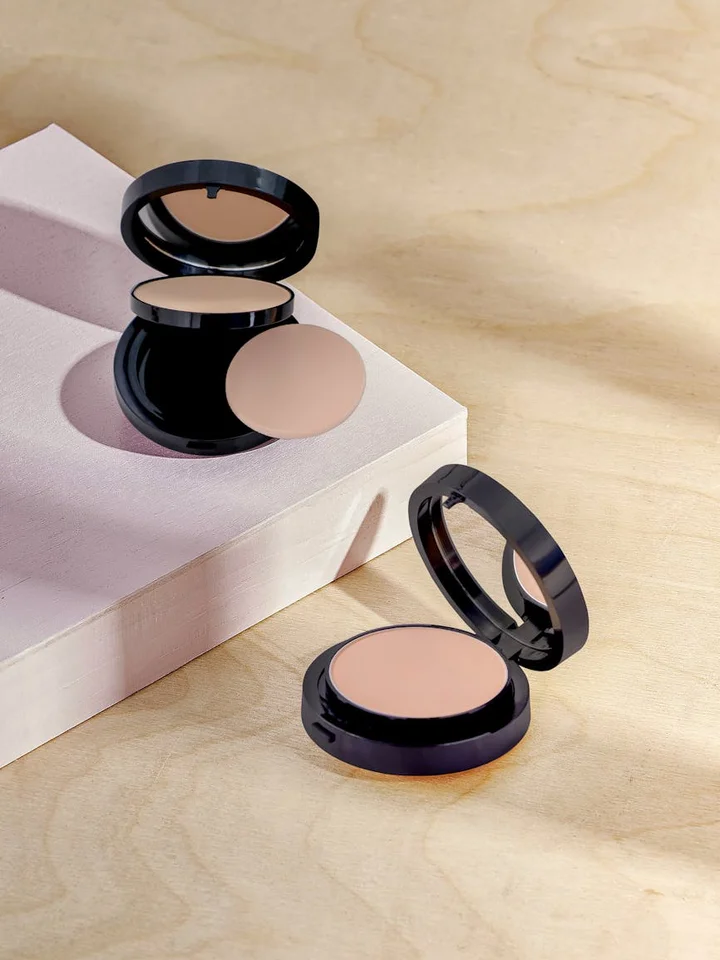
This viral hack is surprisingly versatile, but I never call any technique one-size-fits-all. With a few smart adjustments to the ratio and your finishing steps, most people can make it work for their skin’s unique needs. Think of it like customizing your coffee order, not drinking whatever the person ahead of you got.
The key is to see snail mucin as a hydrating, skin-identical ingredient that mixes with your foundation, not a magic fix for your base formula’s flaws. If your foundation is a bad match for your skin type on its own, mixing won’t solve that core issue.
For Dry or Mature Skin
You’re likely the ideal candidate for this hack. Your skin often craves that extra plumping layer of hydration that snail mucin provides. My client Noah, with his dry, reactive skin, finds that a dewier finish helps his foundation look more skin-like and less likely to settle into fine lines.
- Ratio Adjustment: Start with a 1:1 ratio of snail mucin to foundation. You can even go slightly heavier on the snail mucin if you want maximum glow.
- Setting Advice: You may not need to set with powder at all. If you do, use a minimal, finely-milled powder only in your T-zone to avoid mattifying the beautiful hydration on your cheeks.
For Oily or Acne-Prone Skin
You can absolutely try this, but strategy is everything. The goal is to get the glow without compromising wear time or triggering congestion. For my client Maya, who is oily and acne-prone, the success came from choosing the right foundation partner, like non-comedogenic MAC makeup.
- Ratio Adjustment: Use less snail mucin. A good starting point is one drop of snail mucin for every two pumps of foundation.
- Setting Advice: This is non-negotiable. Always set this mix with a translucent, oil-controlling powder and finish with a setting spray to lock everything in place. Keep blotting papers handy for midday shine control.
For Combination Skin
This is where you get to play artist. Combination skin, like my client Lina’s, lets you apply the hack strategically to different zones of your face.
- Ratio Adjustment: Mix your standard ratio for overall application. For an extra boost on drier cheek areas, you can apply a thin layer of pure snail mucin as a primer before applying your mixed foundation all over.
- Setting Advice: Set your oily T-zone thoroughly with powder, but lightly dust or skip powder on the apples of your cheeks to preserve the glow where you want it.
For Sensitive or Reactive Skin
Proceed with caution and a patch test. While snail mucin is often well-tolerated, mixing it introduces a new variable. The concern is less the snail mucin and more the combined formula sitting on your skin all day.
- Ratio Adjustment: If you pass a patch test, start with a very small amount of snail mucin-just half a drop mixed with your foundation on the back of your hand.
- Setting Advice: Choose a simple, fragrance-free powder. If your skin is easily irritated, consider applying snail mucin as a serum layer, letting it dry, then applying your foundation separately instead of mixing them. This gives you the benefits without the potential reactivity of a new, combined formula.
A final note for all skin types: this hack works best with liquid or cream foundations. Avoid mixing snail mucin with powder or full-coverage matte foundations, as it will break down their formula and create a patchy, uneven texture.
Formulation Pro-Tip: The Chemist’s Perspective on Stability

Think of your foundation and your snail mucin serum like two separate, perfectly balanced recipes. When you combine them in your hand, you’re creating a brand new, untested formula. This can be tricky for a few key scientific reasons.
First, pH matters. Your skin’s acid mantle has a pH of around 4.7 to 5.5. Many skincare actives, including some snail mucin formulas, are formulated to work best within that range. Foundations, however, can vary widely in pH to optimize color and wear. Mixing them can shift the pH, potentially making the snail mucin less effective or irritating your skin.
Texture and pilling are the other big hurdles. Foundations are complex blends of pigments, oils, and film-formers designed to sit evenly on skin. Adding a hydrating, often slippery serum can break this delicate structure. The result can be a patchy, streaky application that separates on your face or balls up into little pills.
My client Noah, who has dry, reactive skin, tried mixing a thick cream with his foundation. He loved the idea of extra moisture but found it made his base look clumpy and emphasized dry patches he didn’t even know he had.
If you’re determined to try the hack, treat it like a mini science experiment. Always patch test the mixed product on your jawline first. Most importantly, only mix a tiny amount for immediate use. Never pre-mix a large batch to use over days, as you compromise the preservative system of both products.
Is Snail Mucin Safe to Mix with Makeup?
From a pure ingredient standpoint, snail mucin filtrate itself is generally safe and non-irritating for most skin types. The immediate safety concern isn’t usually the snail mucin, but what happens when you blend two preserved systems together. That’s where the discussion of natural versus synthetic preservatives in skincare comes into play. How these preservation systems interact helps explain why formulators balance efficacy with safety.
Every cosmetic product has a preservation system to prevent bacteria, mold, and yeast from growing. When you mix them, you dilute these preservatives. This creates a fresh environment where microbes can potentially thrive, especially if you store the mixture. Applying a contaminated product can lead to breakouts, rashes, or infections.
There is also no long-term stability data for these DIY mixes. A formula that seems fine for an hour might cause separation, oxidation, or ingredient degradation over a longer period. We simply don’t know how the active components in snail mucin interact with all the ingredients in a foundation over time.
For a safer approach, think of layering instead of mixing. Apply your snail mucin serum, let it absorb fully, then follow with your foundation. This gives you the skin benefits without the formulation risks.
Your Glass Skin Routine: Before and After Makeup
Think of this hack as your makeup’s best friend, not its replacement. For a true, healthy glow, the work starts with your skin. Mixing snail mucin with foundation can give a beautiful finish, but it builds on a solid, hydrated base.
Start With a Clean, Nourished Canvas
You wouldn’t paint on a dirty, flaky wall. Your skin is the same. A simple, effective routine before you even touch your foundation makes all the difference.
- Cleanser: Use a gentle, non-stripping formula. This removes overnight oils and residue without compromising your skin barrier. For my client Noah, who has reactive skin, a creamy, fragrance-free cleanser is non-negotiable.
- Moisturizer: Hydrated skin plumps up fine lines and helps makeup sit evenly. Apply a moisturizer suited to your skin type. Let it absorb for a minute or two. This step prevents the snail mucin and foundation mix from needing to do all the hydrating work itself.
- Sunscreen: This is your non-negotiable protective layer. Choose a formula you love that doesn’t pill. A lightweight, gel-based sunscreen works well under makeup. Think of it as the final, crucial step of skincare before you begin any makeup application.
How to Mix and Apply Your Snail Mucin Foundation
Now for the main event. The goal is to enhance, not overwhelm.
- Patch Test First: If you’ve never used snail mucin, do a test behind your ear or on your jawline. While rare, sensitivities can happen.
- Dispense your usual foundation amount onto the back of your hand or a palette.
- Add a smaller pea-sized amount of snail mucin essence. A one-to-three ratio (mucin to foundation) is a great starting point. You can always add more mucin for more dew.
- Mix thoroughly with a clean fingertip or the back of a makeup spatula.
- Apply with a damp beauty sponge, stippling brush, or clean fingers. Use gentle, pressing motions to blend. Avoid rubbing or dragging, which can disrupt your skincare base and create streaks.
My client Lina, with her combination skin, loves this. She gets a unified glow without her T-zone looking overly oily, because her cheeks are already soothed and hydrated from her morning routine.
Perfecting and Setting the Look
Glass skin is about strategic glow, not unchecked shine. A couple of finishing touches help lock in the look.
- A Hydrating Facial Mist: Midday, if your skin feels tight or your makeup looks a little too settled, a fine mist of thermal water or a hydrating toner can revive the glow without ruining your base. Just hold the bottle a foot away and gently mist.
- A Light, Non-Drying Setting Powder: If you have oily areas like Maya does, lightly dust a silica-based or finely-milled setting powder only where you get shiny-typically the center of the forehead, nose, and chin. This mattifies just those spots while leaving the rest of your face dewy. The key is a light hand and a fluffy brush.
This approach gives you control. You’re enhancing your skin’s natural texture with hydration, not masking it with a flat, matte layer.
Your Snail Mucin Mixing Questions, Answered
What are the benefits of mixing snail mucin with foundation?
This hack creates a more skin-like, hydrating base by integrating the mucin’s plumping and soothing properties directly with your coverage. The result is a unified, dewy application that can prevent a cakey or separated finish, especially on textured or drier areas.
Does this hack work for all skin types?
Yes, with smart adjustments. Dry skin often thrives with it, while oily types should use less mucin and always set with powder. The key is customizing the ratio and your setting routine to your skin’s needs.
What are the potential downsides of mixing snail mucin with foundation?
The main risks are diluting any SPF in your foundation and potentially breaking down the makeup’s formula, causing it to separate or wear off faster. To minimize issues, mix only a small amount for immediate use and never store a pre-mixed batch.
Your Glass Skin Journey: Mixing with Care
Mixing snail mucin with foundation can boost hydration and create a dewy finish, but always listen to your skin first. Start with a patch test and use a small amount to see how your skin reacts, ensuring your routine stays safe and effective.
- Patch test the mixture on your jawline for 24 hours before applying it to your entire face.
- Use one drop of snail mucin per pump of foundation to avoid thinning it out too much.
- Choose a cruelty-free snail mucin from a sustainable brand to align with ethical skin care values.
- Apply with clean fingers or a sanitized brush to keep bacteria at bay.
- If your skin feels irritated or your makeup separates, revert to applying snail mucin and foundation separately.
We’re dedicated to helping you navigate skin care with confidence. Follow LuciDerma for more practical guides, and send us your questions-we read every one and love sharing advice tailored to your unique skin story.
Lucy Zimmerman
Lucy is an expert author and blogger when it comes to skin care and body care. She has first hand expertise acting as skin care consultant for over 5+ years helping her clients achieve smooth blemish free skin with natural and working remedies. She also has been an avid experimenter and tried out all the natural and artificial remedies and treatments so you can learn from her first hand experience. Additionally, she has traveled to many countries around the world and incorporated the skin care routines she has learnt into this blog. So, wait no more, reach out to Lucy if you have any specific needs and follow her blog, LuciDerma for expert skin care advice.