
Salicylic Acid and Retinol Together: Your Safe Layering Plan for Acne
Mixing salicylic acid and retinol often feels like walking a tightrope between clear skin and irritation, but I promise it’s a balance you can master. In my clinic, I guide clients through this exact combination every week.
By the end of this guide, you will know:
- Why this duo works: Understand how salicylic acid cleans pores and retinol boosts cell renewal for a powerful acne defense.
- How to layer them safely: Follow my clear, step-by-step routine to prevent redness and peeling.
- When to adjust for your skin: Get tips for oily, dry, or sensitive types, inspired by real client routines.
With the right approach, you can make these ingredients work as a team for a calmer, clearer complexion.
What Salicylic Acid and Retinol Actually Do (The Good Cop, Bad Cop Analogy)
Think of your pores as a busy street. Salicylic acid (SA) is the good cop on the beat, managing today’s traffic. It’s oil-soluble, meaning it can dive into your pores to dissolve the sticky mix of oil and dead skin cells that cause clogs. It exfoliates the surface, helping to clear existing blockages and calm inflammation. For my client Maya, a gentle SA cleanser is her go-to for keeping her oily, acne-prone skin clear without stripping it. Some routines blend salicylic acid with glycolic acid for a deeper exfoliation that can tackle acne more aggressively. As always, introduce new combinations gradually to avoid irritation.
Retinol is more like the city planner working from the inside. It’s a cell communicator that encourages your skin to renew itself faster. This helps push out debris from within the pore lining and prevents new clogs from forming so easily. Over time, it helps redesign the “highway” to be less prone to traffic jams.
Their different jobs are why they can be a powerful team, but they also have different working styles, specifically with pH. Salicylic acid needs an acidic environment (low pH) to work effectively. Most retinols are formulated at a more neutral pH and can be temporarily neutralized if you slap an acidic product right on top. This sets the stage for smart layering.
The Interaction Matrix: What Works, What Clashes
Using these two together is about strategy, not force. Here’s how they interact.
The Synergy: They fight acne on two fronts. Benzoyl peroxide helps kill acne-causing bacteria and pairs well with salicylic acid and retinoids. Together, they target bacteria, clogged pores, and skin turnover for clearer skin. Salicylic acid tackles the immediate problem-the clog in the pore right now. Retinol works on the future problem-the cellular process that leads to clogs. Used thoughtfully, they can give you clearance today and prevention for tomorrow.
The Conflict: The risk is over-exfoliation and irritation. Both ingredients can be drying and potentially irritating on their own. Using them without a plan can strip your skin barrier, leading to redness, peeling, and more sensitivity. It’s like double-scrubbing a delicate surface.
Also, applying a low-pH salicylic acid product immediately before a retinol can temporarily lower the retinol’s effectiveness. You’re not causing harm, but you might be wasting the retinol’s effort.
Can combining them cause irritation? Absolutely, yes. This is the most common risk. Your skin might feel tight, look red, or start flaking. This is a sign to pull back, focus on hydration, and re-introduce one product at a time.
Are there products that combine them? Yes, some prescription formulas and advanced over-the-counter treatments combine retinoids with salicylic acid. These are carefully balanced by chemists. I generally advise beginners to start with separate products so you can control the frequency and dose of each.
When You Should Absolutely Not Try This Combo
Some skin conditions and states simply can’t handle this double act. Hold off if you have:
- Active eczema, psoriasis, or a rosacea flare-up.
- Visibly broken skin, cuts, or sunburn.
- A currently damaged moisture barrier (if your skin stings when applying even gentle moisturizer).
If you have very sensitive or reactive skin like my client Noah, extreme caution is needed. You might find your skin does better using them on alternate nights, not together.
Pregnancy and breastfeeding are a hard stop for retinol use. You must avoid retinoids during this time, so this combination is off the table. Always consult your doctor for safe alternatives.
Is it safe if you have sensitive skin? It can be, but it requires a slow, methodical approach. Start with just one ingredient, used once a week, and monitor for a full month. Never introduce two new active ingredients at the same time. Sensitive skin often thrives on consistency and gentleness over power.
The Golden Rules for Safe Layering (Your Step-by-Step Plan)

Think of your skin barrier like a brick wall. Using powerful actives like salicylic acid and retinol is like doing two different types of repairs at once. You need a smart plan so you don’t accidentally weaken the structure. A layered approach to retinoids and barrier repair helps you rebuild strength gradually. By sequencing retinoids with barrier-supporting steps, you protect the wall while you repair it.
For almost everyone, especially if you’re new to either ingredient or have sensitive skin like Noah, the best strategy is separation. This gives your skin time to handle one active before introducing another.
1. Start Slow and Separate
Your first move should not be applying them together. Begin by using them on alternate nights. This is often called the “split-night” method.
- Week 1-2: Use your salicylic acid product (like a cleanser or toner) on Monday and Thursday nights. Use your retinol on Tuesday and Friday nights. Take Wednesday, Saturday, and Sunday as recovery nights with just gentle cleanser, moisturizer, and sunscreen.
- This lets you see how your skin tolerates each one independently. Watch for signs of overdoing it: stinging, excessive dryness, peeling, or increased redness.
Starting with just one or two nights a week for each ingredient builds your skin’s tolerance without overwhelming it.
2. The “Combo Night” – For Experienced Skin
If your skin has handled the alternating schedule well for a month with no irritation, you can consider a carefully timed “combo night.” I usually only recommend this for my clients with resilient, oily, or acne-prone skin, like Maya, who need the combined pore-clearing and cell-renewing power.
Here are the key FAQs for layering them safely on the same night:
- What is the correct order? Always apply salicylic acid first, followed by retinol.
- Why that order? Salicylic acid is usually in a thinner, water-based formula (like a toner or lightweight serum). The golden rule of skincare layering is to apply thin, watery textures before thicker, creamier ones. Also, salicylic acid works best at a lower pH, and applying it first lets it do its job effectively.
- How long should you wait between applying? This is the most critical step. You must wait. After applying your salicylic acid product, wait a full 20-30 minutes. This allows your skin’s surface pH to normalize. Applying retinol immediately on top of an acidic layer can increase irritation and reduce the effectiveness of both ingredients.
Sample Routine: A “Combo Night” for Acne-Prone Skin
This is a sample plan for someone who has already built tolerance. Every step is intentional.
- Gentle, low-pH cleanser. This removes dirt and oil without stripping your skin, creating a clean slate.
- Salicylic Acid toner or serum. Apply a thin layer to the entire face or just to oily, acne-prone zones (like the T-zone for Lina).
- Wait 20-30 minutes. Set a timer. This pause is non-negotiable for comfort and safety.
- Apply retinol serum or treatment. Use a pea-sized amount for the whole face, avoiding the immediate eye area and lips.
- Follow with a soothing, barrier-supporting moisturizer. This final step is your safety net. A moisturizer with ceramides, niacinamide, or panthenol helps calm skin and reinforce your barrier after using two potent actives.
This routine should be used sparingly, no more than 1-2 times per week, even for experienced users. On other nights, stick to one active at a time or take a night off.
What About Morning and Night Splits?
For many of my cautious clients, especially those with sensitivity, this is the winning strategy. Using salicylic acid in the morning and retinol at night is the gentlest way to get the benefits of both without them ever touching.
- Morning: Cleanse, apply your salicylic acid product (like a toner or a leave-on BHA serum), moisturize, and then apply a broad-spectrum SPF 30 or higher sunscreen without fail. Salicylic acid can make your skin more sensitive to the sun.
- Evening: Cleanse, apply your retinol treatment, and follow with a nourishing moisturizer.
This AM/PM split completely eliminates the risk of interaction and irritation from layering, making it the safest introductory method. It’s an excellent long-term plan for maintenance once your skin is acclimated. Yes, you can absolutely use salicylic acid in the morning and retinol at night. For most people, this is the ideal, low-risk approach.
Who Benefits Most from This Power Pair?
This combination is a targeted strategy, not a universal solution. It shines for specific skin concerns where deep exfoliation and cell turnover work together, especially when paired with AHA and BHA exfoliation.
The ideal candidate has acne that stems from a traffic jam of dead skin cells and oil inside the pore. If your breakouts often feel like they’re brewing under the surface or start as tiny, rough bumps, this duo can help clear the road.
- Stubborn, clogged pores (comedonal acne): Salicylic acid dissolves the sticky mix of oil and skin debris that forms blackheads and whiteheads, while retinol helps prevent that debris from building up in the first place.
- Mild to moderate inflammatory acne: For red, tender bumps and pustules, salicylic acid’s anti-inflammatory action can calm present spots, and retinol’s long-term regulating effect helps prevent new ones.
- Oily or combination skin that isn’t highly sensitive: This skin type often produces the excess oil (sebum) that salicylic acid is designed to cut through. Tolerating two active ingredients usually requires a resilient barrier.
Think of my client, Maya. She’s 28 with oily, acne-prone skin. Her breakouts were a mix of blackheads on her nose and chin, plus red, inflamed bumps on her cheeks that would linger. A gentle routine with a salicylic acid cleanser and a low-dose retinol cream on alternating nights helped clear her existing clogs and significantly reduced the number of new inflamed pimples she’d get each cycle.
This pairing is less ideal for certain situations. For purely hormonal or cystic acne that arises deep from internal fluctuations, topical actives can offer limited support and a dermatologist’s guidance is key. If your skin is very dry or reactive like Noah’s, introducing two potent actives at once is often a recipe for irritation, not results. In these cases, focusing on barrier repair with a simple retinoid alone is usually a wiser, gentler path forward.
What type of acne is best treated?
This combination is most effective for acne you can see and feel on the skin’s surface or just beneath it. That includes blackheads, whiteheads, and those red, pus-filled bumps. It works by addressing the root cause of these clogs: excess oil and slowed skin cell shedding. For deep, painful cystic nodules or acne driven primarily by hormones, this routine can be part of a plan but likely won’t be the complete solution on its own.
Spotting and Soothing Trouble: Dryness, Peeling, and Redness
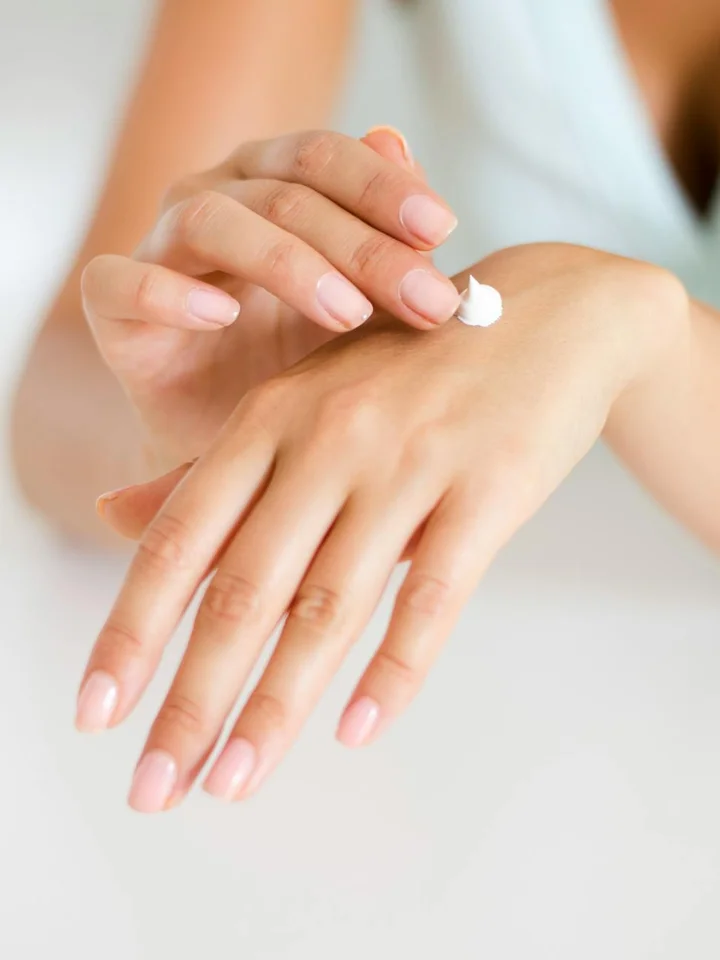
Even with the best plans, your skin might send up a flare. Introducing two powerful actives is an adjustment period, not a failure. Think of it like starting a new workout routine-a little muscle soreness is expected, but sharp pain means you need to pull back. Your skin communicates the same way.
Listen to your skin; it will tell you clearly if the combination is too much, too soon.
Signs You’re Overdoing It
This isn’t about a mild tingle when you apply your serum. These are signs your skin barrier is waving a white flag and needs immediate care:
- A persistent feeling of tightness, like your face is wearing a mask two sizes too small.
- A rough, sandpaper-like texture, especially on your cheeks and around your mouth.
- Visible flaking or peeling that makeup clings to.
- Stinging or burning when you apply even your most gentle, trusted moisturizer or cleanser.
- Widespread redness or irritation that looks more like a rash than a mild flush.
My client Noah, with his dry, reactive skin, is especially prone to this. He once described his cheeks feeling “wind-chapped in July” when he got overzealous with actives. That’s your cue to pivot.
The Gentle Reset Plan
If you see any of those signs, hit pause. Your only goals for the next 3-7 days are to soothe, protect, and repair. Strip your routine back to the bare, gentle essentials.
- Stop all actives. This means no salicylic acid, no retinol, no other exfoliants (like AHAs or vitamin C). Put them away.
- Cleanse gently. Use a creamy, non-foaming cleanser only in the evening. In the morning, just splash your face with lukewarm water.
- Moisturize strategically. Apply a rich, reparative moisturizer to damp skin both morning and night. This locks in hydration.
- Protect diligently. Every single morning, apply a broad-spectrum sunscreen. This is non-negotiable, as your skin is more vulnerable.
Follow this reset plan until all signs of irritation-the stinging, peeling, and significant redness-have completely subsided. Only then should you consider slowly reintroducing one active, not both at once.
Your Soothing Ingredient Toolkit
When choosing products for your reset, look for these barrier-repairing heroes. They are the construction crew that rebuilds your skin’s protective wall.
- Ceramides: These are the mortar that holds your skin cells together. They reinforce your barrier to prevent moisture loss and shield against irritants.
- Panthenol (Provitamin B5): A superstar soother. It draws in hydration, calms redness, and helps your skin heal itself faster.
- Centella Asiatica (Cica): This plant extract is like a cool compress in a bottle. It’s brilliant at reducing inflammation and calming that angry, reactive feeling.
I often recommend a simple routine for Lina during her sensitive phases: a ceramide cream layered over a serum with centella. It’s a one-two punch of repair and calm.
FAQ: What should you do if you experience dryness or peeling?
Stop your actives immediately and switch to a gentle, repair-focused routine. Dryness and peeling are your skin’s direct requests for a break. Forcing the issue by continuing can lead to worse irritation, a compromised barrier, and even more breakouts. Be patient. Let your skin fully recover before trying again, and next time, start even slower—perhaps using the retinol only twice a week and the salicylic acid on completely separate days. Consistency with a gentle routine always beats aggression with a harsh one, especially when working with retinoids on oily or dry skin.
Building Your Protective Foundation: The Non-Negotiables
Mixing these two powerful ingredients is like having a skilled construction crew renovating your skin. But every good crew needs a solid, stable site to work on. Your supportive, protective daily routine is that stable site, and without it, even the best actives can cause more harm than good.
Start with a Truly Gentle Cleanse
Your first step sets the tone for everything that follows. Harsh, stripping cleansers-often loaded with sulfates like SLS or SLES-can dismantle your skin’s protective barrier before you even begin. This leaves skin vulnerable, tight, and primed for irritation when you apply your treatments.
Think of my client Noah, with his dry, reactive skin. Switching to a sulfate-free, milky or creamy cleanser was the single biggest factor in allowing his skin to tolerate a retinoid. Choose a cleanser that removes dirt and sunscreen without making your skin feel squeaky-clean or taut. Your face should feel calm, comfortable, and ready to receive treatment, especially when you’re using retinol for sensitive skin.
Sun Protection is Your Daily Armor
This is the most critical step, full stop. Retinol increases your skin’s sensitivity to UV radiation. Using it without daily sunscreen is like repairing a roof but leaving a tarp off during a rainstorm-you’re undoing all the good work and inviting new damage. There’s a common myth about retinol and sunscreen—some say you don’t need protection or that it won’t be effective. In reality, daily sunscreen is essential to let retinol work safely and effectively.
You need a broad-spectrum sunscreen with SPF 30 or higher, applied every single morning, rain or shine. If you remember only one rule from this guide, let it be this: no retinol routine is complete without unwavering daily sunscreen use. It prevents sunburn, hyperpigmentation, and protects your skin’s repair process. Taken daily, it acts as an anti-aging shield against UV damage. Regular use supports long-term skin tone and texture.
Hydration is the Peacekeeper
Both salicylic acid and retinol can be drying. Your simple, hydrating moisturizer is the buffer that keeps comfort in the equation. It helps maintain your skin’s moisture barrier, reducing the potential for flaking, redness, and that uncomfortable “retinized” feeling.
I recommend this even to my clients with oilier skin, like Maya. A lightweight, non-comedogenic gel-cream provides the hydration her skin needs without feeling heavy. Applying moisturizer every night is non-negotiable; it’s the soothing blanket that helps your skin recover and thrive while using active ingredients. Look for formulas with ingredients like ceramides, glycerin, or squalane to support barrier health.
Your Quick-Reference Layering Questions
Can I use salicylic acid and retinol on the same night?
Yes, but only after your skin has built tolerance on alternate nights for several weeks without irritation. On a “combo night,” apply salicylic acid first, wait 20-30 minutes, then apply retinol, and limit this to 1-2 times per week.
What should I do first if I experience irritation?
Immediately stop all actives and switch to a gentle, reparative routine focused on hydration and barrier repair. Give your skin several days to fully recover before slowly reintroducing a single product at a much lower frequency.
Is using them in separate routines (AM/PM) a good strategy?
Absolutely. Using salicylic acid in your morning routine and retinol at night is the safest, most recommended way to get the benefits of both without any risk of interaction or compounded irritation.
Final Thoughts on Layering Actives
You can absolutely use salicylic acid and retinol together, but the key is never applying them at the exact same time. Think of them as two powerful team members who need separate shifts to work their best without stepping on each other’s toes. A successful routine is built on timing, patience, and listening to what your unique skin tells you.
- Always apply your salicylic acid treatment in the morning and your retinol at night to avoid irritation.
- Start by using each product just 2-3 times a week, then gradually build frequency as your skin adjusts.
- If you notice persistent redness or stinging, scale back and focus on hydration and barrier repair.
- A simple, consistent routine with these two ingredients is far more effective than a complex, harsh one.
I’m here to help you navigate your skin journey. For more guides like this, follow along right here on the blog. If you have specific questions about your routine, send them my way our team of experts and our community are always sharing insights. Want a practical, step-by-step plan to build your routine? Our build skincare routine step guide lays out each stage you can follow. Your skin’s health is a marathon, not a sprint, and I’m cheering you on every step.
Lucy Zimmerman
Lucy is an expert author and blogger when it comes to skin care and body care. She has first hand expertise acting as skin care consultant for over 5+ years helping her clients achieve smooth blemish free skin with natural and working remedies. She also has been an avid experimenter and tried out all the natural and artificial remedies and treatments so you can learn from her first hand experience. Additionally, she has traveled to many countries around the world and incorporated the skin care routines she has learnt into this blog. So, wait no more, reach out to Lucy if you have any specific needs and follow her blog, LuciDerma for expert skin care advice.