
Glycolic Acid and Retinol Together: A Clinician’s Guide to Safe Layering
You’re curious about combining glycolic acid and retinol, and that’s a smart question I get from clients like Noah all the time. The good news is, yes, you can use them together thoughtfully for amazing results.
By the end of this guide, you will know:
- Why these two ingredients are a powerful team for skin renewal and how to introduce them without irritation.
- The exact order and timing for applying them in your routine to keep your skin barrier strong.
- How to recognize your skin’s signals and adjust your plan for a calm, clear complexion.
You have the power to make this combination work beautifully for your unique skin.
Glycolic Acid and Retinol: A Quick Chemistry Check
Let’s start with what these ingredients actually do in your skin. Think of them as specialists with different, but complementary, job sites.
Glycolic acid is an alpha-hydroxy acid (AHA). It’s a small, water-loving molecule that works on the very surface of your skin. Its main job is to break down the “glue” (called desmosomes) that holds dead skin cells together. This is exfoliation. By dissolving that glue, it helps sweep away dull, dead cells to reveal fresher, smoother skin underneath. Many people incorporate glycolic acid into a gentle daily use exfoliation routine to maintain brightness. If you’re trying it for the first time, start with a low concentration and apply it less frequently to gauge your skin’s tolerance.
Retinol is a derivative of vitamin A. It works much deeper. Retinol communicates with your skin cells at a cellular level, encouraging them to renew themselves faster and produce more collagen. It doesn’t exfoliate on contact like glycolic acid. Instead, it sends signals that speed up your skin’s natural turnover process from the bottom up. These retinol properties explain its effects on skin, including improved texture and reduced fine lines. Over time, the skin may look more even and youthful as turnover and collagen production respond.
Here’s my favorite way to picture it: Glycolic acid is like a meticulous window cleaner, wiping away the grime on the surface so you can see in clearly. Retinol is the architect inside, remodeling the building’s structure for better long-term stability. You need both for a truly transformative result, but you have to let them work without getting in each other’s way.
| Ingredient | Primary Job | Works On | Common Feeling |
| Glycolic Acid | Exfoliates surface by dissolving bonds between dead cells | The topmost layer of skin (stratum corneum) | Can cause a slight tingling sensation |
| Retinol | Signals skin cells to renew faster and boost collagen | Deeper living skin cells (epidermis, dermis) | Can cause dryness, peeling, or “retinization” |
The Pros and Cons of This Power Duo
When used thoughtfully, combining these two can feel like a shortcut to your best skin. When used carelessly, it’s a fast track to a raw, reactive mess. Let’s weigh both sides.
The potential benefits are compelling. Using them strategically can create a synergistic effect. You get enhanced cell turnover from two angles for smoother texture and a brighter tone. By clearing the surface debris with glycolic acid, your retinol can potentially penetrate better and work more efficiently. This can mean faster visible results for concerns like fine lines, sun damage, and clogged pores.
My client Maya, who is acne-prone, found that using a glycolic acid toner a few nights a week helped keep her pores clear, which made her prescription retinoid work even better on preventing deep cysts.
Now, let’s talk about the primary risk, which answers the big question: what is the risk of using glycolic acid and retinol together? In one word: over-exfoliation. Both ingredients, in their own ways, accelerate your skin’s shedding process. Using them at the same time, especially if you’re new to either, can overwhelm your skin barrier. This is a common pitfall when dealing with retinol or tretinoin combinations.
This compromised barrier is what leads to the classic signs of irritation: stinging, redness, peeling, tightness, and increased sensitivity to everything else. Your skin’s protective shield gets thin and weak.
I think of my client Noah, who has dry and reactive skin. He once tried a glycolic acid serum in the same routine as his retinol cream because he read about the benefits. Within two days, his cheeks were scaly, pink, and burned when he applied his gentle moisturizer. We had to pause all actives and focus solely on barrier repair for over a week. His skin taught us both a valuable lesson about pacing.
The goal is never to force your skin to tolerate this combination. The goal is to arrange their use so your skin feels strong and resilient while they work. For most people, this means never applying them at the exact same time. Always listen to your skin. If you feel persistent stinging or see unusual redness, that’s your skin asking for a break.
Who Should (and Shouldn’t) Even Try This?

Combining glycolic acid and retinol is an advanced technique, not a starting point. Think of it like running a marathon; you need to train for it first—especially when targeting hyperpigmentation.
This combination is only for skin that has proven itself resilient, non-sensitive, and already comfortable with active ingredients used separately. You might be a candidate if your skin rarely stings from new products, doesn’t flush easily, and has handled a retinoid or an exfoliating acid at least a few times a week without issues for several months.
There are clear situations where you should avoid combining them entirely. Do not attempt this if you have:
- Active eczema, rosacea, or dermatitis.
- A currently compromised skin barrier (skin feels tight, itchy, rough, or burns when applying moisturizer).
- Sunburned, windburned, or physically broken skin (like from waxing or a scratch).
- If you are pregnant, breastfeeding, or trying to conceive. Consult your doctor.
My client Noah, with his dry and reactive skin, is a perfect example of someone who would skip this combo entirely. His skin barrier prefers gentle, reparative ingredients and would likely protest this powerful one-two punch with redness and discomfort. Listening to your skin’s limits is a sign of smart skincare, not missing out.
Your Step-by-Step Plan to Introduce Both
Patience is your most important product here. Rushing this process is the fastest way to irritation. We will build up over several weeks, not days.
Always start by introducing just one new active ingredient to your routine for at least two weeks before even thinking about the second. This lets you see how your skin responds in isolation.
Phase 1: The Foundation (Weeks 1-4)
Choose to begin with either glycolic acid or retinol, not both. Apply it 2-3 nights per week on dry, cleansed skin, followed by a moisturizer. Use only gentle, hydrating products on your off nights. Think of retinol as a night-time product where your night frequency matters for tolerance. If retinol is your pick, begin with the 2-3 nights per week guideline and adjust according to your skin’s response. This phase is about building tolerance.
Phase 2: The Alternating Schedule (Week 5 Onward)
Once your skin is comfortable with your first active, you can introduce the second on separate nights. This is the safest long-term method for most people.
A sample weekly schedule could look like this:
- Monday: Glycolic Acid Toner or Serum
- Tuesday: Retinol Serum or Cream
- Wednesday: Rest Night (just cleanse, moisturize, maybe a hydrating serum)
- Thursday: Glycolic Acid
- Friday: Retinol
- Saturday & Sunday: Rest Nights or gentle hydration focus
Using them on alternate nights with buffer days in between gives your skin time to recover and reduces the cumulative risk of irritation. This is the method I most often recommend, especially for someone like my client Lina, who has combination but sensitive skin. It allows her to target texture with the acid and fine lines with the retinol without overwhelming her cheeks.
Phase 3: The Same-Night Application (For the Very Experienced)
If, after months of successful alternating, your skin shows no signs of sensitivity (no dryness, peeling, or redness), you may cautiously try using both in the same routine. The order is critical: always apply glycolic acid first, wait 20-30 minutes for your skin to dry completely, then apply retinol. This is an expert-level step that many people, including my client Maya who focuses on acne management, never need to take to see fantastic results.
No matter which phase you’re in, sunscreen every morning is non-negotiable. Both ingredients increase sun sensitivity.
How to Apply Them: The Mixing Matrix
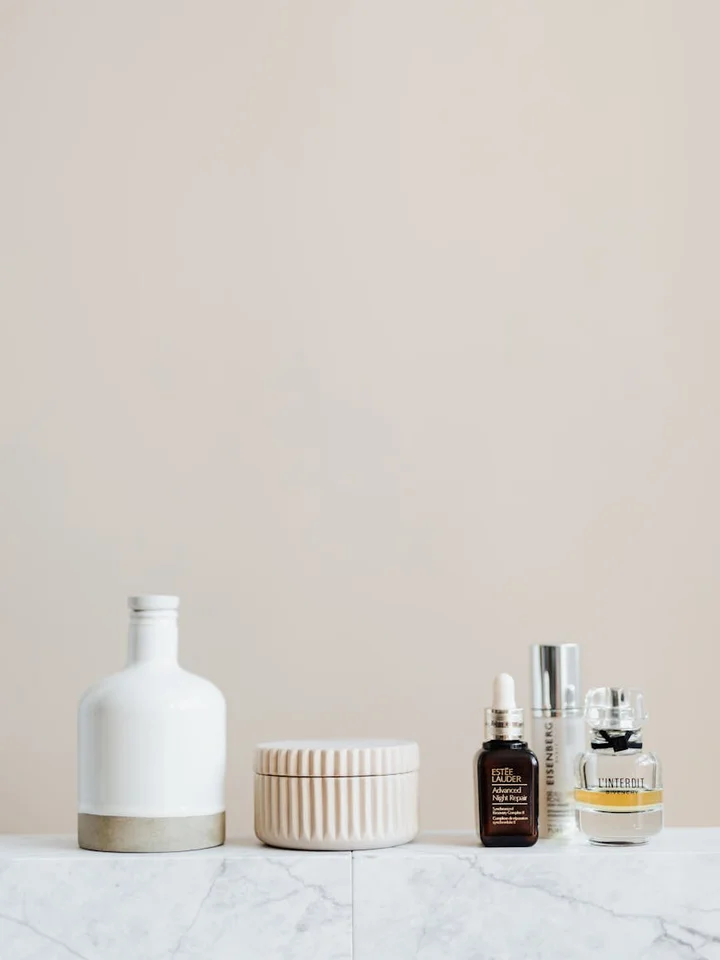
Let’s get straight to the biggest question: should glycolic acid and retinol be applied at the same time? The short, clinical answer is almost always, no. Mixing them in your palm or layering them directly one after the other is a recipe for irritation. Glycolic acid works by lowering your skin’s pH to exfoliate, which can then make the retinol penetrate more aggressively and cause unnecessary redness, stinging, or peeling. Think of it like adding a strong chemical exfoliant to already sensitized skin-it’s a step your barrier doesn’t need, especially when using glycolic acid daily or in professional peels.
So, can you use them on the same day but at different times? It’s possible, but I advise caution. The “wait time” method involves applying your glycolic acid product (like a toner) in the morning, waiting at least 30 minutes for your skin’s pH to normalize, then following with sunscreen. You would then use retinol at night. This splits the actives, reducing the chance of a reaction. This approach is best for seasoned users with resilient skin, like my client Maya who has built up tolerance over years. For anyone new to either ingredient or with sensitivity like Noah, I strongly recommend keeping them on separate days.
Here is a simple list of DOs and DON’Ts to keep your routine safe and effective.
- DO alternate nights. Use glycolic acid one evening and retinol on a different evening. This is the gold-standard method for most people.
- DON’T mix them in the same palm. Applying them as a combined slurry concentrates the irritation potential right where you don’t want it.
- DO buffer with moisturizer if you’re new to retinol. Apply your moisturizer first, wait 10 minutes, then apply a pea-sized amount of retinol. This can help ease your skin into it.
- DON’T forget your sunscreen the next morning. Both ingredients increase sun sensitivity. A broad-spectrum SPF 30+ is non-negotiable.
- DO listen to your skin. If you try the same-day method and feel any persistent tingling or tightness, scale back to alternating nights.
Spotting Trouble: Signs You Need to Stop
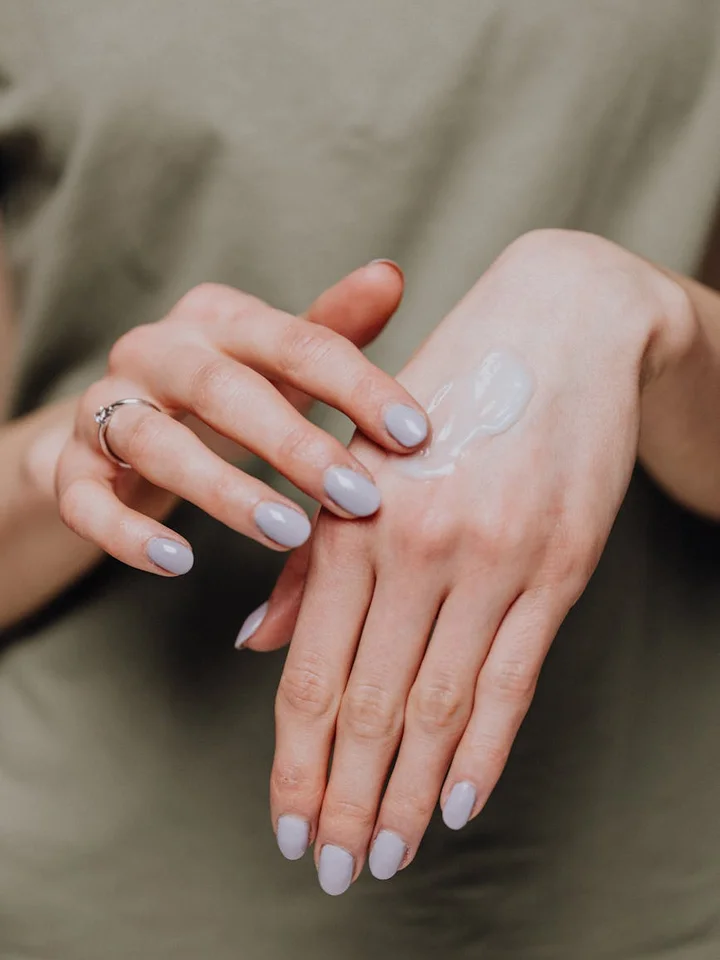
Your skin will tell you when it’s had too much. Over-exfoliation creeps up, and ignoring the signs can compromise your skin barrier, leading to more problems than you started with. Persistent redness that looks more like a rash than a glow is your first major warning sign. It’s your skin’s way of waving a white flag.
So, what specific signs of over-exfoliation should you look for? I tell my clients to watch for a combination of these sensations:
- A texture that feels rough, flaky, or like sandpaper instead of smooth.
- Burning or stinging when you apply even gentle, familiar products like your basic moisturizer.
- Unusual tightness, especially after cleansing, that doesn’t go away with hydration.
- Shiny, almost waxy skin in areas that are usually matte, which can indicate a stripped barrier.
If you spot these signs, it’s time for an immediate skincare intervention. Stop all actives-that means glycolic acid, retinol, and any other acids or potent serums. Your only goal for the next few days to a week is repair.
Follow these immediate “skin rehab” steps:
- Switch to a gentle, creamy, fragrance-free cleanser. Avoid anything foaming or labeled “clarifying.”
- Apply a moisturizer rich in ceramides, cholesterol, and fatty acids. These are the building blocks of your skin barrier. Slather it on.
- Use a mineral sunscreen (with zinc oxide or titanium dioxide) every morning. Mineral filters are less likely to sting sensitized skin than chemical ones.
This simple trio-gentle cleanse, barrier-repair moisturizer, and mineral SPF-is the fastest path to calming inflammation and helping your skin heal itself. Think of it like giving your skin a quiet vacation. You can reintroduce actives, one at a time and very slowly, only after all signs of irritation have completely subsided for at least a week.
What to Pair With Them (And What to Avoid)
Think of your skin barrier like a wall. Glycolic acid and retinol are powerful tools for remodeling it, but you need the right materials to repair and protect it during the process — especially when you layer retinoids for barrier repair. The goal is to support, not stress, your skin.
Your Support Team: Calming & Strengthening Ingredients
On nights you use your actives, and every morning, lean on these gentle powerhouses. They help your skin stay resilient, hydrated, and calm.
- Ceramides: These are the fatty “mortar” that holds your skin cells together. Retinol and glycolic acid can temporarily weaken this mortar. Applying products with ceramides helps reinforce your barrier. My client Noah, with his dry, reactive skin, saw a huge difference when he started using a ceramide cream after his retinol.
- Niacinamide: This is a multitasker. It helps improve barrier function, calm redness, and regulate oil production. It plays very nicely with both retinol and AHAs. For someone like Maya, who deals with oiliness and acne, a niacinamide serum is a perfect daytime partner to her evening actives.
- Centella Asiatica (Cica): This is a superstar for soothing. If your skin feels warm, looks red, or is just feeling sensitive from your new routine, a product with Centella helps dial down the inflammation. It’s like a cool drink of water for irritated skin.
- Hyaluronic Acid: Both actives can be drying. Hyaluronic acid attracts and holds water in your skin. Apply it to damp skin before your retinol or glycolic acid serum to create a hydrated base. Think of it as plumping up a cushion before you lie down on it.
The simplest rule is to apply your active treatment (glycolic or retinol) first on clean, dry skin, then follow it with a layer of these supportive, hydrating ingredients.
Ingredients to Give Their Own Space
More is not better when you’re using potent actives. Adding these on the same night can lead to a parade of irritation: stinging, peeling, redness, and a damaged barrier.
- Other Potent AHAs/BHAs (like Salicylic, Lactic, Mandelic Acid): Using another exfoliating acid with glycolic acid is overkill. You’re doubling up on the same job and massively increasing irritation risk.
- Benzoyl Peroxide: This acne fighter is very drying and can deactivate some forms of retinol. It also creates a harsh environment when combined with glycolic acid. Use it on alternate mornings or as a separate spot treatment.
- Vitamin C (L-Ascorbic Acid): Pure vitamin C (L-ascorbic acid) is highly acidic. Applying it in the same routine as glycolic acid or retinol can severely irritate your skin. They are best used at different times-vitamin C in the morning, your other actives at night.
I tell my clients to treat their evening active routine as a single project: one main active per night, supported by calming agents, and nothing else that competes for attention. Lina, with her combination skin, learned this quickly. When she tried mixing her AHA with a strong vitamin C serum, her cheeks got angry and flaky. Now she keeps them firmly separated.
A Quick Note on Ethyl Ascorbic Acid & Retinol
You might see “ethyl ascorbic acid” and wonder if it’s the same warning. This is a stabilized, often gentler derivative of vitamin C. While it’s less irritating than pure L-ascorbic acid, it’s still an active ingredient. Applying it directly with retinol can be confusing for your skin and may still cause sensitivity for some.
For a calm routine, use them at different times. A safe approach is to use your ethyl ascorbic acid serum in the morning and your retinol at night. This gives each ingredient its own time to work without battling for absorption or overwhelming your skin’s capacity to handle them.
Your Quick-Reference FAQs on Combining Actives
Is it ever okay to apply glycolic acid and retinol at the same time?
For most people, no-simultaneous application significantly raises irritation risk. Only very experienced users with resilient skin might cautiously layer them, always starting with glycolic acid and waiting 20-30 minutes before retinol. For beginners with sensitive skin, the best retinol percentage is typically a low starting point—around 0.25% to 0.3%—and should be increased gradually if tolerated. This helps minimize irritation when introducing retinol alongside glycolic acid.
What are the immediate signs I should stop using both?
Listen for persistent stinging with gentle products or look for unusual redness and rough, sandpaper-like texture. These signal over-exfoliation, requiring an immediate break from all actives to focus on barrier repair.
Who is the best candidate for combining these ingredients?
Ideal users have proven, non-sensitive skin already comfortable with actives used separately. If your skin is reactive, prone to redness, or has a history of barrier issues, alternating or avoiding this combo is wiser.
Final Thoughts on Combining Actives
Combining glycolic acid and retinol is absolutely possible, but success comes down to patience and listening to your skin. Think of it as building a thoughtful partnership, not forcing a quick merger. Even though retinol is not compatible with some ingredients, it works well with glycolic acid if used carefully.
- Always start with a low concentration of each product and apply them on alternate nights.
- If your skin feels tight, stings, or becomes flaky, take a step back and focus on gentle hydration.
- Sun protection is non-negotiable, as both ingredients make your skin more sensitive to UV rays.
If you have questions about your specific routine, I’m here to help. You can always reach out through our blog. Your skin’s journey is unique, and getting it right is a process we can navigate together.
Lucy Zimmerman
Lucy is an expert author and blogger when it comes to skin care and body care. She has first hand expertise acting as skin care consultant for over 5+ years helping her clients achieve smooth blemish free skin with natural and working remedies. She also has been an avid experimenter and tried out all the natural and artificial remedies and treatments so you can learn from her first hand experience. Additionally, she has traveled to many countries around the world and incorporated the skin care routines she has learnt into this blog. So, wait no more, reach out to Lucy if you have any specific needs and follow her blog, LuciDerma for expert skin care advice.