
Mandelic Acid: The Gentle Acid That Calms Acne and Soothes Skin
You might be curious about mandelic acid and if it’s right for your acne or sensitive skin. As an esthetician, I often recommend it because it works effectively without the harshness many of my clients fear.
By the end of this article, you will know:
- What mandelic acid is and why its chemical structure makes it uniquely gentle for skin like Noah’s.
- How it exfoliates to unclog pores, reduce active breakouts, and prevent new ones from forming.
- The specific benefits for fading post-acne dark spots and creating a more even, smooth texture.
- How to safely use mandelic acid in your own routine, step by step.
You’ll have the clear, practical information you need to decide if this ingredient is your skin’s new ally.
Meet Mandelic Acid: The Gentle Exfoliator
Mandelic acid comes from bitter almonds, but don’t worry, the version in your skincare is synthesized in a lab. It’s an alpha hydroxy acid (AHA), but it stands out because of its large molecular size. This single detail is the secret to its gentle nature.
Think of it like transportation. Glycolic acid is a speedy motorcycle, zipping into your skin quickly and sometimes causing irritation. Mandelic acid is more like a large, slow-moving delivery truck. It gets to the same destination-your deeper skin layers-but it takes its time, causing far less disruption along the way. This is especially beneficial for sensitive skin.
This gentle penetration is exactly why it’s a top choice for people with sensitive skin, rosacea, or darker skin tones that are more prone to post-inflammatory hyperpigmentation.
To understand any active ingredient, you need to look at its basic specs. Here’s a quick data sheet on mandelic acid itself.
Your Molecule Spec Sheet
| Property | Why It Matters for Your Skin |
| Effective pH (in product) | Low, typically between 3 and 4. This acidity is necessary for it to work as an exfoliant, but its large size buffers the potential sting. |
| Typical Concentration | Serums and toners often contain 5% to 10%. Professional peels can go higher. Starting low (5%) is wise for beginners or reactive skin like Noah’s. |
| Solubility | It’s water-soluble. This makes it easy for formulators to create lightweight, gentle toners and serums that don’t feel heavy or greasy. |
| Safety Profile | Excellent. It’s generally well-tolerated, photostable (doesn’t break down easily in light), and is a fantastic introductory acid. |
How Mandelic Acid Works: Its Chemical Effects on Your Skin
So, what does this gentle delivery truck actually do once it arrives? Its chemical effects are multi-layered, which is what makes it so useful for common concerns like acne and dullness.
The primary job is desquamation, a fancy word for exfoliation. It works by breaking down the “glue” (desmosomes) that holds dead skin cells together on the surface. As this glue dissolves, those dull, flat cells are released more easily. This instantly brightens your complexion and, crucially, prevents those dead cells from mixing with oil and clogging your pores.
Next, it has a proven antibacterial effect, particularly against Cutibacterium acnes, the bacteria that contributes to inflammatory acne. It creates an environment where these bacteria struggle to thrive. For someone like Maya, this means tackling breakouts at the source with less risk of the redness and peeling that stronger acids can cause.
It also has a mild keratin-regulating action. Keratin is the protein that can sometimes over-produce and contribute to pore blockages. By helping to normalize this process, mandelic acid keeps the path clear for oil to flow out of pores naturally, rather than getting trapped and forming a comedone.
How does mandelic acid work to treat acne? It’s a triple threat: it exfoliates the pore-opening, fights the bacteria inside, and helps regulate the keratin that can clog it.
This combination is why I often recommend it for clients with persistent, low-grade acne or those with combination skin like Lina, who need clarity in the T-zone without upsetting delicate cheeks. It manages oil, smooths texture, and calms inflammation-all without sounding a major alarm on your skin barrier.
The Specific Skin Care Benefits: More Than Just Acne

Think of mandelic acid as your skin’s multi-talented friend who’s great at one main job but secretly excels at several others. While it’s famous for clearing pores, its benefits create a cascade of improvements.
A Brighter, More Even Complexion
One of the most sought-after effects is mandelic acid’s ability to brighten skin and fade dark spots. This includes post-inflammatory hyperpigmentation (PIH)-those stubborn brown or purple marks left behind after a pimple heals-and sun spots. Here’s the chemistry: it gently breaks the bonds between pigmented skin cells, encouraging a faster, more even turnover. Because it’s a larger molecule, it works on the surface more evenly, reducing the risk of causing further irritation or pigmentation that faster, smaller acids sometimes can.
My client Lina, who deals with both acne and the marks it leaves, found that a mandelic acid serum used a few nights a week made a visible difference in her cheek pigmentation within about six weeks. It didn’t happen overnight, but the progress was steady and her skin remained calm.
An Unexpected Hydrating Effect
This is where mandelic acid truly stands out from other AHAs. It has a unique relationship with your skin’s moisture. While all exfoliation can temporarily make skin feel drier, mandelic acid’s gentle action and molecular structure mean it disrupts your protective barrier less. By removing the top layer of dead, flaky cells more smoothly, it allows your hydrating serums and moisturizers to penetrate better and work more effectively. This makes it a particularly suitable exfoliant for sensitive skin.
It doesn’t add moisture itself, but it puts your skin in a better state to receive and retain it. For someone like Noah with dry, reactive skin, this makes mandelic acid a viable exfoliation option where glycolic acid might be too stripping.
Antioxidant Protection
Mandelic acid is derived from bitter almonds, and it brings some natural plant-based benefits to the table. It possesses antioxidant properties, which means it can help neutralize free radicals from pollution and UV exposure before they cause damage. Think of this as a secondary line of defense, supporting your daily sunscreen in protecting your skin’s health at a cellular level. This antioxidant action contributes to an overall brighter, healthier-looking complexion over time.
Your Direct Questions, Answered
Does mandelic acid brighten skin? Yes, consistently. By promoting an even, controlled exfoliation, it helps fade surface pigmentation like sun spots and post-acne marks. It reveals the fresher, less pigmented skin underneath, leading to a more radiant tone.
Does mandelic acid cause peeling? It shouldn’t, if used correctly. Significant peeling or visible flaking is often a sign of overuse or that the concentration is too high for your skin. With mandelic acid, the goal is a “glow,” not a “peel.” You might experience a slight, sandpaper-like texture for a day or two as dead cells loosen, but dramatic shedding is uncommon and a cue to reduce frequency. Always start slowly, perhaps twice a week, and observe how your skin responds.
The Specific Acne Treatment Benefits: A Calm, Targeted Approach
So, what does mandelic acid actually do for acne? It works on two main fronts: calming active, inflamed breakouts and preventing new ones from forming in the first place. Its unique chemical structure lets it tackle acne gently, making it a standout choice for many skin types that get irritated by stronger acids.
Quieting the Red, Angry Bumps
When you have a painful, swollen papule or pustule, it’s often fueled by bacteria and inflammation deep in the pore. Mandelic acid has a documented antibacterial effect, particularly against the bacteria linked to acne. Think of it as sending in a precise cleaning crew that also calms the neighborhood. It helps reduce the bacterial load inside the pore, which can decrease swelling and redness. For inflammatory acne, mandelic acid works under the surface to settle things down without aggressively stripping your skin’s outer layer.
Keeping Pores Clear to Stop Clogs
Prevention is everything with acne. Those tiny, flesh-colored bumps called closed comedones are simply pores plugged with dead skin cells and oil. Mandelic acid’s oil-loving property helps it dissolve into the pore lining. Once there, it breaks apart the sticky bonds holding dead skin cells together, encouraging a steady, gentle exfoliation. This process keeps the pore clear so oil can flow out normally instead of getting trapped and forming a clog. Regular use of mandelic acid acts like consistent maintenance for your pores, preventing the buildup that leads to comedones.
How It Stacks Up: Mandelic vs. Glycolic vs. Azelaic
You might wonder how it compares to other popular options for closed comedones. Glycolic acid is a powerful exfoliator, but its small molecule size can cause irritation, especially for sensitive or darker skin tones, which sometimes leads to more inflammation. Azelaic acid is fantastic for reducing redness and killing bacteria, but it’s not primarily a chemical exfoliant; it doesn’t dissolve pore plugs in the same direct way. Mandelic acid sits in a sweet spot: it exfoliates inside the pore like glycolic but with far less irritation risk, and it offers antibacterial benefits similar to azelaic acid.
I think of it this way: if glycolic acid is a power washer and azelaic acid is a targeted antibiotic, mandelic acid is a skilled locksmith, expertly picking the lock on clogged pores without damaging the door.
A Real-Life Example: Maya’s Story
I remember working with Maya, who has oily, acne-prone skin. She was frustrated because stronger salicylic acid treatments left her cheeks red and stinging, even if they helped her T-zone. We introduced a low concentration mandelic acid serum every other night. Within a few weeks, she noticed a real difference. The frequency of her deep, painful cysts decreased, and the small bumps along her jawline started to smooth out. The best part for her? She could finally use an active ingredient without the predictable flare of redness. Her experience highlights mandelic acid’s superpower: delivering clear results for acne-prone skin without the typical inflammatory side effects. As with any new product, she started slowly and patch tested first, which I always recommend.
Mandelic Acid vs. Other Acids: Finding Your Fit

Choosing an acid can feel like picking a team for a sports match. They all have the same goal, but they play the game differently. The key difference is their molecular size.
Imagine your skin’s surface is a fence. Smaller molecules slip through the gaps easily and go deep. Larger molecules take their time, working more on the surface. Mandelic acid has the largest molecular size of the common AHAs, which is the secret to its gentle nature.
Breaking Down the Common Players
Let’s look at how mandelic stacks up against the other popular acids you’ll find on shelves.
Glycolic Acid (The Power Player)
This is the smallest AHA molecule. It penetrates skin the fastest and deepest. For my client Maya (oily, acne-prone), this can mean dramatic results in texture and clarity. But for Noah (dry, reactive), it often feels like too much, too fast, leading to stinging and redness. Glycolic is potent but requires respect and a well-built skin barrier.
Salicylic Acid (The Pore Cleaner)
This is a BHA, meaning it’s oil-soluble. It dives into pores to dissolve the mix of oil and dead skin that causes clogs. It’s fantastic for blackheads and pustules. I think of it as a targeted pore vacuum. While great for oily and acne-prone types, it can be drying and isn’t typically the first choice for surface-level texture or dryness on its own.
Lactic Acid (The Hydrating Helper)
Slightly larger than glycolic, lactic acid is a gentler exfoliant that also attracts moisture. It’s a wonderful option for addressing dullness with less bite. My client Lina (combination, sensitive) often prefers this for her drier cheeks. It’s kind, but for very sensitive or rosacea-prone skin, it can still sometimes cause a flush.
Azelaic Acid (The Soothing Specialist)
This one is in its own category. It’s not a classic exfoliant. It works by calming inflammation and targeting the bacteria that contribute to acne, making it a star for redness and rosacea-related bumps. It’s a fantastic treatment, but it doesn’t provide the same direct exfoliating “glow” as the AHAs.
| Acid | Type & Size | Works Best For | Good to Know |
| Mandelic | Large AHA | Sensitive, rosacea-prone, oily & acne-prone (surface), first-time users | Gentlest exfoliant, antimicrobial, fades post-acne marks |
| Glycolic | Small AHA | Resilient skin, dullness, fine lines, textured skin | Most potent AHA, higher risk of irritation, needs sunscreen |
| Salicylic | BHA | Oily, acne-prone skin, blackheads, clogged pores | Exfoliates inside pores, can be drying |
| Lactic | Mid-size AHA | Dry, dull skin, mild texture concerns | Offers some hydration along with exfoliation |
| Azelaic | Diol / Dicarboxylic Acid | Redness, rosacea, inflammatory acne (papules & pustules) | Brilliant anti-inflammatory, not a primary exfoliant |
Why Mandelic is the Trusted “Starter Acid”
If your skin is nervous, reactive, or you’re just new to chemical exfoliants, mandelic acid is your safest first bet. Its large size means it works slowly and steadily on the surface, dissolving the “glue” between dead skin cells without causing a panic deep down. Different exfoliating acids have unique properties that suit various skin types. Understanding these properties helps you choose the right acid for your skin.
This makes it uniquely suited for skin types that usually say “no thank you” to acids, including many with rosacea or stubborn post-inflammatory erythema (those red acne marks). It gives you the benefits of exfoliation-brighter skin, smoother texture, better product absorption-with a much lower risk of the stinging, burning, or peeling that can come with smaller acids.
Think of it as the gentle giant. It’s strong enough to make a real difference in acne and aging, but kind enough to listen when your skin says it’s had enough. For anyone building their acid routine, starting here builds confidence and resilience.
How to Use Mandelic Acid Safely in Your Routine
Think of adding any acid like meeting a new friend. You start slow, see how you get along, and build the relationship over time. Rushing in can lead to irritation, which is the last thing your skin needs. My client Noah, with his dry, reactive skin, is a perfect example of someone who benefits from this cautious approach.
Your First Steps with Mandelic Acid
Follow these steps to introduce mandelic acid without upsetting your skin barrier.
- Patch Test First. Apply a small amount to a discreet area like behind your ear or on your inner forearm for 3-5 nights. If you see no redness, itching, or burning, it’s likely safe for your face.
- Start with a Low Frequency. Begin using it once or twice a week, always in the evening. This gives your skin time to adjust without the stress of sunlight or other daytime products.
- Apply It in the Correct Order. After cleansing and gently patting your skin dry, apply your mandelic acid product. Wait 1-2 minutes for it to absorb, then follow with your regular serum and moisturizer. This “thin to thick” layering locks in hydration and buffers any potential sensitivity.
Can Mandelic Acid Burn Your Skin?
Any exfoliating acid can cause irritation if used incorrectly. Mandelic acid is gentler, but it’s not risk-free. A mild tingling sensation for a minute or two is normal. A lasting burn, significant redness, or itchiness is not. For sensitive skin, pay attention to how mandelic acid combines with other active ingredients. Start with low concentrations and patch-test before broader use.
If your skin feels tight, looks shiny in a strange way, or stings when you apply your gentle moisturizer, you’ve likely overdone it. These are classic signs of over-exfoliation. When this happens, stop all actives immediately. Focus on a simple routine of a gentle cleanser, a barrier-repair moisturizer with ceramides, and sunscreen. Give your skin at least a full week to recover before trying again, and reduce your frequency.
Mandelic Acid: AM or PM?
I strongly recommend using mandelic acid in the evening. While its photo-sensitizing effect is lower than other AHAs, using it at night is the safest, most effective strategy. Your skin does its repair work while you sleep, and applying mandelic acid then supports that natural renewal process without any daytime environmental interference.
Using it in the morning adds an unnecessary variable. You would need to be fanatical about sunscreen application and reapplication. For my cautious clients like Noah, the “PM-only” rule removes this worry entirely and simplifies their routine.
Does Mandelic Acid Cause Sun Sensitivity?
Yes. All alpha-hydroxy acids (AHAs), including mandelic acid, can increase your skin’s sensitivity to the sun by exfoliating the top protective layer. This makes daily sunscreen non-negotiable, even on cloudy days and when you’re indoors near windows.
If you are not committed to wearing a broad-spectrum SPF 30 or higher every single morning, you should not use mandelic acid. The sun damage you might incur outweighs the acid’s benefits. Apply your sunscreen as the final step of your morning routine, after moisturizer and before makeup.
A Sample Weekly Routine for Sensitive Skin
This is a conservative plan, similar to what I built with Noah. It prioritizes barrier health while gently introducing the benefits of mandelic acid.
- Every Morning: Rinse with cool water or use a hydrating cleanser. Apply a hydrating serum. Apply moisturizer. Apply broad-spectrum SPF 30+.
- Monday & Thursday Evening (Mandelic Acid Nights): Cleanse with a gentle, creamy wash. Apply mandelic acid serum or toner. Wait 2 minutes. Apply a calming, barrier-support moisturizer.
- All Other Evenings (Recovery Nights): Cleanse. Apply a hydrating serum with ingredients like hyaluronic acid or panthenol. Apply a richer moisturizer to nourish the skin barrier.
After two weeks with no irritation, you could consider adding a third evening. Listen to your skin more than the calendar. If it feels stressed, take a step back.
What to Mix & What to Avoid: Your Ingredient Interaction Matrix

Think of your skincare routine like a team. You want players that work together, not against each other. Mandelic acid is a great team player, but it has a few rules. Here’s a simple matrix to keep your skin happy and effective.
Safe Together
These ingredients support mandelic acid’s work without stepping on its toes.
- Hydrators (Hyaluronic Acid, Glycerin): Mandelic acid can be slightly drying as it works. Following it with a hydrator is like drinking a glass of water after a workout. My client Noah, with his dry skin, always applies a hyaluronic acid serum on damp skin right after his mandelic acid toner to lock in moisture and prevent any tightness.
- Niacinamide: This is a dream pairing for acne-prone or oily skin. While mandelic acid gently clears pores, niacinamide helps regulate oil and strengthens the skin barrier. They work on different pathways to calm inflammation. Maya finds this combination keeps her breakouts at bay without making her skin feel stripped.
- Peptides These skin-repairing ingredients are perfectly safe with mandelic acid. Using them together can address multiple concerns: mandelic acid handles texture and clarity, while peptides support collagen and repair. It’s a smart anti-aging strategy for sensitive skin types.
Proceed with Caution
You can use these with mandelic acid, but not at the exact same time. Space them out in your routine or on alternate days.
- Other Direct Acids (Glycolic, Salicylic, Lactic): Using two exfoliating acids together greatly increases the risk of irritation, redness, and a compromised barrier. If you want to use another acid, apply it on a different night or opt for a product that already blends them in a formulated, stable ratio. Don’t layer separate strong acid treatments.
- Strong Prescription Retinoids (Tretinoin, Tazarotene): This requires a careful, slow approach. Both are potent. I often advise clients using prescription retinoids to use mandelic acid only in the morning, a few times a week, and to watch for any signs of over-exfoliation like stinging or peeling. When in doubt, skip a night.
Best Avoided
For maximum effectiveness and minimal irritation, avoid combining mandelic acid with these.
- Vitamin C (L-ascorbic acid): Especially in its pure form, vitamin C is also acidic. Layering it with mandelic acid can destabilize the vitamin C and irritate your skin. It’s better to use vitamin C in your morning routine and mandelic acid at night.
- High-pH Cleansers (like traditional bar soaps): Mandelic acid needs a slightly acidic environment to work best. Washing your face with a high-pH, alkaline soap right before can temporarily raise your skin’s pH, making the mandelic acid less effective. Use a gentle, low-pH cleanser instead.
Can Mandelic Acid Cause Acne? Purging vs. True Irritation
This is a common worry. Sometimes, when you start a new exfoliant like mandelic acid, you might see more small bumps or pimples in the first 2-4 weeks. This is likely “purging.”
Purging happens because the acid is accelerating your skin’s natural cell turnover, bringing existing, trapped clogs to the surface faster. These breakouts are usually small, appear in areas where you normally get them, and clear up more quickly than usual.
True irritation looks different. You might see:
- Redness, rash, or welts in new areas
- A burning or stinging sensation that doesn’t fade quickly
- Small, itchy bumps
- Peeling or extreme dryness
If you see signs of irritation, scale back. Use the product less often, or take a break entirely to let your skin barrier recover. Purging is a process; irritation is a stop sign.
The Never-Ever Mix Rules
To keep your skin safe, follow these simple rules.
- Never mix mandelic acid with another direct acid or a strong retinoid in the same application. Do not layer them one on top of the other.
- Never apply it to skin that is already visibly irritated, sunburned, or has open wounds. Let your skin heal first.
- Never skip sunscreen the next day. Exfoliated skin is more vulnerable to sun damage. This is non-negotiable.
Choosing Your Mandelic Acid Product: A Simple Guide
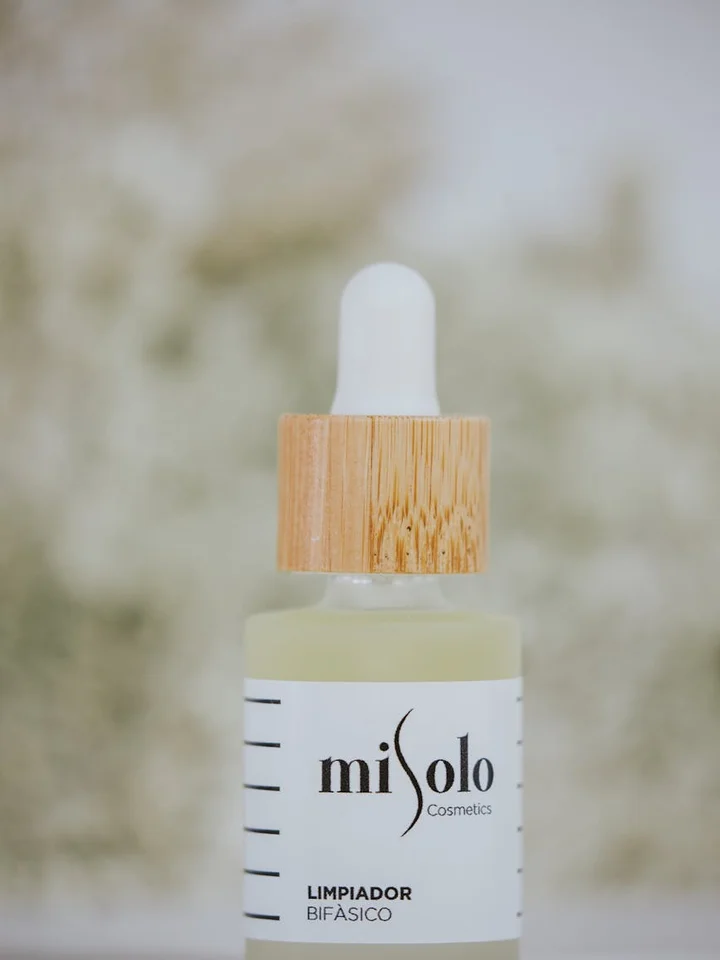
Think of your mandelic acid product like a delivery vehicle. The formula type determines how long it stays on your skin and how deeply it works. This helps you match the product to your skin’s needs and tolerance.
Product Types: From Rinse-Off to Overnight
Cleansers and Washes (Short Contact) are a brilliant, gentle way to start. Since you rinse them off after 30-60 seconds, they offer a light exfoliation with minimal risk of irritation. My client Noah, with his dry, reactive skin, found a mandelic acid wash was the perfect introduction. It helped soften his texture without upsetting his barrier. This is a great option for most skin types, especially the cautious beginner.
Toners and Solutions are applied after cleansing and left on. They provide a consistent, daily-level exfoliation. Look for hydrating ingredients like hyaluronic acid or glycerin in the formula. For someone like Lina, who has an oily T-zone but dry cheeks, using a mandelic acid toner just in her T-zone three times a week helps keep pores clear without drying her out.
Serums and Treatments are where you’ll find higher concentrations. They’re designed for targeted, leave-on application. These are ideal for tackling specific concerns like post-acne marks or more pronounced texture. If you have resilient, oily, or acne-prone skin like Maya, a serum might become your go-to after you’ve built tolerance with a gentler product.
Overnight Masks or Creams are formulated for extended contact, often with added soothing agents. They work while you sleep. I recommend these for people who want a potent treatment but prefer a richer, more emollient texture that supports the skin barrier overnight.
Finding the Right Concentration for You
Concentration matters, but a higher percentage isn’t automatically better. It’s about effectiveness without compromise.
For beginners or sensitive skin, start with a product containing 5% to 10% mandelic acid. This allows your skin to adapt without triggering redness or peeling. The goal is consistency, not intensity.
If your skin tolerates lower concentrations well after 4-6 weeks, you can consider products with 10% to 15%. This is often the “sweet spot” for addressing acne and hyperpigmentation. Always patch test a new, higher-strength product on a small area of your jawline for a few nights before applying it to your whole face.
What to Look For (And What to Avoid) in a Formula
Mandelic acid is gentle, but other ingredients in the bottle can cause problems. To let it work its best, read the ingredient list.
I always advocate for fragrance-free formulas. Synthetic fragrance is a common irritant and serves no skin health purpose. Essential oils, while natural, can also be sensitizing for reactive skin types.
Choose brands committed to cruelty-free practices. Your skincare shouldn’t come at the expense of animal welfare. Look for formulas with minimal, thoughtful ingredients that support your skin’s health without unnecessary fillers.
How to Layer It Safely in Your Routine
Mandelic acid is a team player, but it needs to be placed correctly in your routine to be effective and safe. Follow this simple layering rule: apply products from thinnest consistency to thickest. For context, mandelic acid is part of the AHAs and BHAs family, a topic we’ll explore further in the next steps.
Here is a basic evening routine example:
Always follow your mandelic acid with a good moisturizer. This helps counteract any potential drying effect and supports your skin barrier. If you use a treatment serum, wait a minute for it to absorb before applying your moisturizer.
Applying sunscreen every morning is non-negotiable when using any alpha hydroxy acid, including mandelic acid. It makes your skin more photosensitive. Your morning routine should be cleanse, treat (with antioxidant serums like vitamin C, if you use them), moisturize, and always finish with a broad-spectrum SPF 30 or higher. This protects your new, fresh skin cells and prevents any new dark spots from forming.
Listening to Your Skin: Safety, Side Effects, and When to Pause
Using an acid, even a gentle one like mandelic, is a partnership with your skin. You’re asking it to change its behavior, and it will talk back. Your job is to learn the difference between a friendly hello and a cry for help.
The “It’s Working” Tingle vs. The “Please Stop” Signal
When you first apply mandelic acid, you might feel a slight, fleeting tingle. This is usually normal-it’s the acid doing its job at the surface. Think of it as a gentle nudge.
A mild tingling that fades within a minute or two is typically your skin acclimating to the formula.
Signs that mean you should rinse it off immediately and take a break are very different. If you experience a persistent burning sensation, sharp stinging, significant redness (beyond a faint pink flush), or itchy bumps, your skin is saying the formula is too strong, you’re using it too often, or your barrier is already compromised.
Your Action Plan: The Skip, Soothe, and Protect Method
If you overdo it, don’t panic. I’ve guided many clients, like my client Noah with his reactive skin, through this exact scenario. Here is your clear, three-step recovery plan.
- Skip. Immediately stop using the mandelic acid and all other active ingredients (like retinol, vitamin C, or other acids). Give your skin a complete break from anything that exfoliates or treats.
- Soothe. For the next 3-7 days, switch to a bare-bones, calming routine. Cleanse with a lukewarm water rinse or the gentlest, fragrance-free cream cleanser you own. Follow with a simple moisturizer containing barrier-repair ingredients like ceramides, panthenol, or squalane.
- Protect. During the day, non-negotiable sunscreen is your best friend. A mineral sunscreen with zinc oxide can be extra soothing on sensitized skin.
This method works by halting the assault and giving your skin’s natural repair mechanisms the resources and time to rebuild.
Gentle Consistency Wins the Race
The biggest mistake I see is using a treatment like mandelic acid aggressively to get “fast results,” which leads to irritation, followed by abandoning it completely. This start-stop cycle frustrates your skin and you.
Mandelic acid is designed for the long game. Using a lower concentration product, like a 5% serum, three times a week consistently will deliver better, sustained results with less risk than using a 10% serum every night for a week and then burning out. As you apply mandelic acid serums, stay consistent and monitor your skin’s response. Finish with a moisturizer and sunscreen to protect renewed skin.
Think of it like watering a plant-a little, regularly, keeps it thriving; flooding it once a month does more harm than good.
Remember: Effective Skin Care Shouldn’t Hurt
A final, vital reminder. Discomfort is not a badge of honor in skincare. We choose mandelic acid specifically for its gentler, more forgiving nature. While some initial tingling can be normal, pain, burning, and prolonged redness are signs of damage, not efficacy.
If your skin consistently reacts negatively, the product or its concentration may not be right for you right now. Always patch test a new product on a small area of your jawline or inner arm before applying it to your whole face. And if you have persistent, severe sensitivity, consulting a dermatologist or licensed esthetician is the wisest, safest step you can take.
Your Quick Questions on Mandelic Acid, Answered
How does mandelic acid compare to benzoyl peroxide or salicylic acid for acne?
Mandelic acid offers a gentler, multi-target approach. While salicylic acid excels at clearing pores and benzoyl peroxide is a potent antibacterial, mandelic acid combines gentle exfoliation, antibacterial action, and pigmentation-fading benefits with a much lower risk of dryness or irritation common with those other actives.
Why is mandelic acid specifically recommended for darker skin tones?
Its large molecular size allows for even, controlled exfoliation that is less likely to cause irritation. Since irritation can trigger post-inflammatory hyperpigmentation (dark spots) in melanin-rich skin, mandelic acid’s gentleness makes it a safer choice for addressing acne and texture without worsening pigmentation, especially compared to harsher treatments like AHA or benzoyl peroxide.
How long does it take to see results with mandelic acid?
You may notice improved skin texture and a subtle glow within 2-4 weeks of consistent use. For significant reduction in active breakouts and fading of post-acne marks, allow for 6-8 weeks of steady, gentle application, as its benefits are cumulative and build over time.
Making Mandelic Acid Work for You
Mandelic acid provides a balanced approach to treating acne, working deeply without stripping your skin. I’ve seen clients like Maya find lasting clarity by incorporating it thoughtfully into their nightly routine. It’s one of the best acid treatments for various skin conditions.
- Start with a mandelic acid serum every other night to build your skin’s tolerance gently.
- Always follow with a soothing, barrier-supporting moisturizer to maintain hydration.
- Apply a broad-spectrum sunscreen every morning without fail, as exfoliation increases sun sensitivity.
- Allow at least six weeks of consistent use to see real improvements in breakouts and texture.
Your skin care journey is unique, and I’m here to help guide it. Share your questions or experiences with mandelic acid on the LuciDerma blog for personalized, evidence-based advice that puts your skin’s health first.
Lucy Zimmerman
Lucy is an expert author and blogger when it comes to skin care and body care. She has first hand expertise acting as skin care consultant for over 5+ years helping her clients achieve smooth blemish free skin with natural and working remedies. She also has been an avid experimenter and tried out all the natural and artificial remedies and treatments so you can learn from her first hand experience. Additionally, she has traveled to many countries around the world and incorporated the skin care routines she has learnt into this blog. So, wait no more, reach out to Lucy if you have any specific needs and follow her blog, LuciDerma for expert skin care advice.