
Combine Vitamin C and Hyaluronic Acid for a Hydration and Brightness Boost
You’re probably asking if it’s safe to layer vitamin C and hyaluronic acid, and I’m here to tell you it’s not only safe but highly effective. I often suggest this combo to clients like Lina, who wants to tackle dullness without upsetting her sensitive skin.
By the end of this guide, you’ll know exactly how to make these ingredients work together. Here’s what we’ll cover:
- Why vitamin C and hyaluronic acid are a powerhouse pair for fighting dryness and enhancing radiance.
- The simple, correct order to apply them so your skin gets all the benefits.
- How to select gentle, compatible products that fit your unique skin needs.
Mastering this duo can simplify your routine while visibly improving your skin.
The Dynamic Duo: What Happens When Vitamin C Meets Hyaluronic Acid
Think of your skin like a house. Vitamin C is the crew that repairs and reinforces the structure (your collagen), while hyaluronic acid is the team that fills it with comfortable, plumping moisture. Using them together doesn’t just add benefits, it multiplies them.
This pairing works because they tackle skin health from two different, perfectly complementary angles. You get the proactive defense and repair of vitamin C with the instant comfort and reinforcement of hyaluronic acid. It’s like watering a plant and giving it plant food at the same time. Each step supports the other for a better overall result.
Combining these ingredients leads to visibly brighter, firmer, and supremely quenched skin.
Hydration Meets Defense: A Simple Breakdown
Hyaluronic acid is a moisture magnet. It’s a sugar molecule that can hold up to 1,000 times its weight in water, drawing hydration into the skin’s surface to instantly smooth and plump fine lines. If you’re interested in formulating a hyaluronic acid serum, you’ll want to consider concentration, pH, and compatible carriers. We’ll outline the practical formulation steps in the next section.
Vitamin C is a multi-tasking antioxidant shield. It neutralizes damaging free radicals from pollution and UV exposure, helps fade dark spots, and signals your skin to produce more collagen for long-term firmness. When paired with vitamin E and other antioxidants, it helps fortify the skin barrier, keeping moisture in and irritants out.
While HA works on hydration at the surface level, vitamin C works deeper to protect and rebuild. This layered approach means you’re caring for your skin’s immediate needs and its future resilience simultaneously.
Getting to Know Your Ingredients: A Quick Chemistry Check
Knowing a little about what you’re applying helps you shop smarter. Hyaluronic acid is a humectant, a substance that grabs water. Your body makes it naturally, and in skincare, it acts like an internal drink for your skin cells. In skincare, you’ll often see it listed as hyaluronic acid or sodium hyaluronate, the salt form that helps lock in moisture.
Vitamin C, or L-ascorbic acid, is the most researched form. It’s potent but can be unstable, turning yellow or brown when exposed to air and light. Many serums use vitamin C derivatives like sodium ascorbyl phosphate or magnesium ascorbyl phosphate, which are gentler and more stable, especially for reactive skin like Noah’s.
For pure L-ascorbic acid to absorb properly, the formula needs a low pH (acidic). This is why you might feel a slight, brief tingle. If your skin is sensitive, a derivative is often a better, more comfortable starting point.
If you choose a pure vitamin C serum, apply it to clean, dry skin to ensure the correct pH for absorption.
Formulation Pro-Tip: Texture and Absorption
The golden rule for layering is: thin to thick. A vitamin C serum should go on before a slightly thicker, gel-like hyaluronic acid serum. This allows the vitamin C to make direct contact with your skin without a barrier.
Many modern serums now combine both ingredients in one bottle. A well-formulated blend takes the guesswork out of layering and ensures the actives are balanced to work together effectively.
Let’s clear up a common worry: hyaluronic acid will not destabilize or “feed” vitamin C. They are chemically compatible. You can layer them or use a combined serum with confidence, knowing one ingredient won’t cancel out the other.
Applying a hyaluronic acid serum to damp skin right after vitamin C can help lock in that hydration boost even more effectively.
The Practical Guide: How to Layer Them Correctly
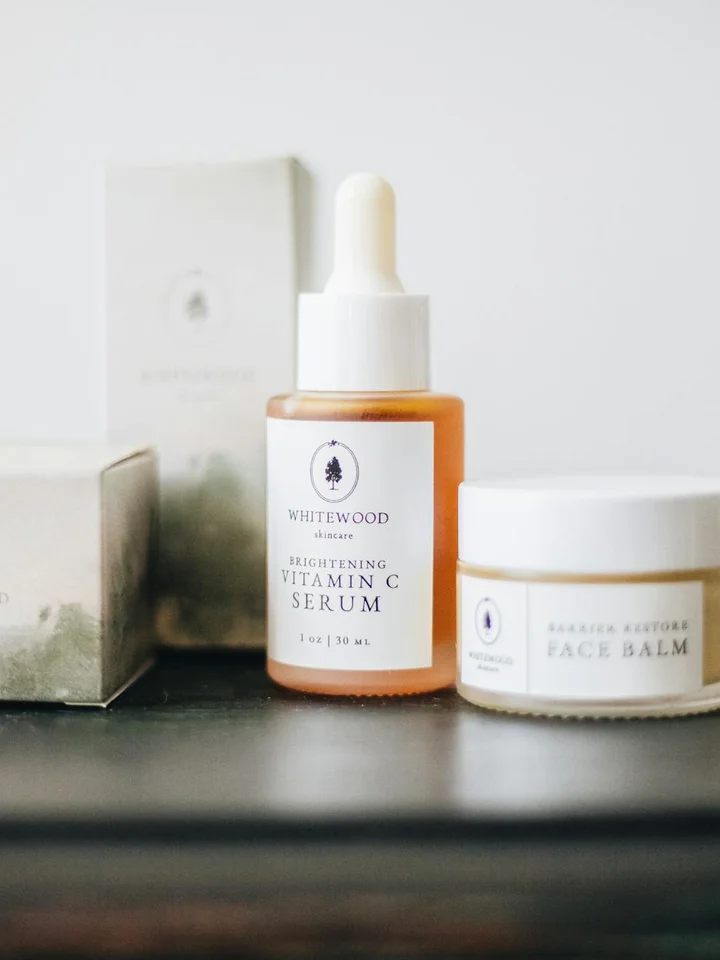
Think of your skincare routine like getting dressed. You start with your base layers and build up. The golden rule is to apply products from thinnest, water-based formulas to thickest, cream-based ones. This ensures each layer can penetrate properly without pilling or blocking the next.
For your morning routine with both serums, the ideal order is: cleanse, tone (if you use one), vitamin C serum, hyaluronic acid serum, moisturizer, and finally, sunscreen. Always apply your vitamin C serum before your hyaluronic acid serum.
This order matters because vitamin C (especially L-ascorbic acid) works best at a lower, more acidic pH. Hyaluronic acid isn’t as pH-dependent. Applying your vitamin C first gives it direct access to clean skin so it can work effectively as an antioxidant. The hyaluronic acid serum that follows acts like a super-charged drink of water, sealing in that vitamin C and plumping the skin.
One non-negotiable tip: apply your hyaluronic acid serum to damp skin. I tell all my clients, from Noah with his dry skin to Maya with her oily complexion, to do this. Hyaluronic acid is a humectant, meaning it draws water to itself. Applying it to a damp face gives it immediate water to pull into your skin, rather than potentially pulling it from deeper layers if your skin is dry. This is particularly important when layering your serums.
Step-by-Step Morning Routine
Here is a simple, effective routine you can follow. I recommend this structure to clients like Lina, who wants her combination skin to feel balanced and bright.
- Cleanse. Use a gentle, water-based cleanser to remove overnight debris without stripping your skin.
- Tone (Optional). If a hydrating toner is part of your routine, apply it now with your hands or a cotton pad.
- Apply Vitamin C Serum. Dispense 4-5 drops into your palms, press and pat it evenly across your face and neck. Wait about 60 seconds for it to fully absorb and settle into its ideal pH before moving on.
- Apply Hyaluronic Acid Serum. Lightly mist your face with water or simply apply to still-damp skin. Gently press a layer of hyaluronic acid serum all over.
- Lock it in with Moisturizer. Smooth on your favorite moisturizer to seal in all the hydration. This is a crucial step for everyone, especially for Noah’s dry skin type.
- Finish with Sunscreen. This is your final, most important protective layer. Vitamin C boosts your sun protection, but it is not a replacement for SPF.
Can You Mix Them in Your Palm?
You can, but I generally advise against it for best results. Here’s my clinical reasoning: layering them separately allows each serum to work at its intended formulation strength and optimal pH. Mixing them together in your palm right before applying isn’t harmful, but it can dilute each ingredient slightly and potentially alter the pH environment for the vitamin C.
If you’re short on time and want to mix, do it only right before application-don’t let them sit mixed together. Dispense a drop of each serum, quickly mix them between your palms, and immediately press onto damp skin. This minimizes any interaction time.
However, for targeted benefits, layering is the more effective method. I had a client, Lina, who was mixing them and not seeing the brightening results she wanted. Once we switched to applying vitamin C first on dry skin and HA after on damp skin, she noticed a visible difference in clarity within a few weeks. Your skin gets the full, undiluted power of each superstar ingredient.
Choosing Your Vitamin C: What Works Best with Hyaluronic Acid
What type of vitamin C is best to pair with hyaluronic acid? The simple truth is, a stable formula matters more than chasing the single “best” type. Your perfect match depends entirely on how your skin feels-its tolerance level and sensitivity are your guiding lights. Pairing hyaluronic acid with any well-formulated, stable vitamin C serum will boost your routine’s hydration and brightening power.
For Tolerant Skin: Potent and Direct L-Ascorbic Acid
If your skin isn’t easily irritated and you want the most direct, research-backed form, L-ascorbic acid is a powerhouse. This is the pure, active form of vitamin C that your skin cells can use immediately.
I often recommend this to clients like Maya, who has resilient, oily skin. She tolerates it well and sees noticeable brightening. L-ascorbic acid is potent, so it works quickly to fade dark spots and defend against daily pollution and sun damage. Look for it in opaque, air-tight packaging, as it’s famous for oxidizing (turning brown and less effective) when exposed to light and air.
For Sensitive or Reactive Skin: Gentle, Stable Derivatives
For many of my clients, like Noah with his dry, reactive skin, pure L-ascorbic acid can be too intense, causing redness or stinging. This is where the gentler vitamin C derivatives shine.
Forms like sodium ascorbyl phosphate or magnesium ascorbyl phosphate are more stable and much less likely to irritate. Think of them as a slow-release version. These derivatives convert to active vitamin C on your skin, offering the same brightening and protective benefits over time, but with a much softer touch. They’re brilliant for sensitive, rosacea-prone, or barrier-compromised skin.
My client Lina, with her combination, curious skin, started with a derivative. It gave her the glow she wanted without upsetting her cheek areas, and she could use it consistently every morning.
The core principle is to find a vitamin C serum that feels good on your skin and remains stable in the bottle. Pairing any effective, stable vitamin C with a hyaluronic acid serum or moisturizer creates a synergistic effect-one fights damage and dullness while the other seals in a flood of hydration. That’s the winning combination for a plump, radiant complexion.
Who Can Use This Power Pair? Safety for All Skin Types
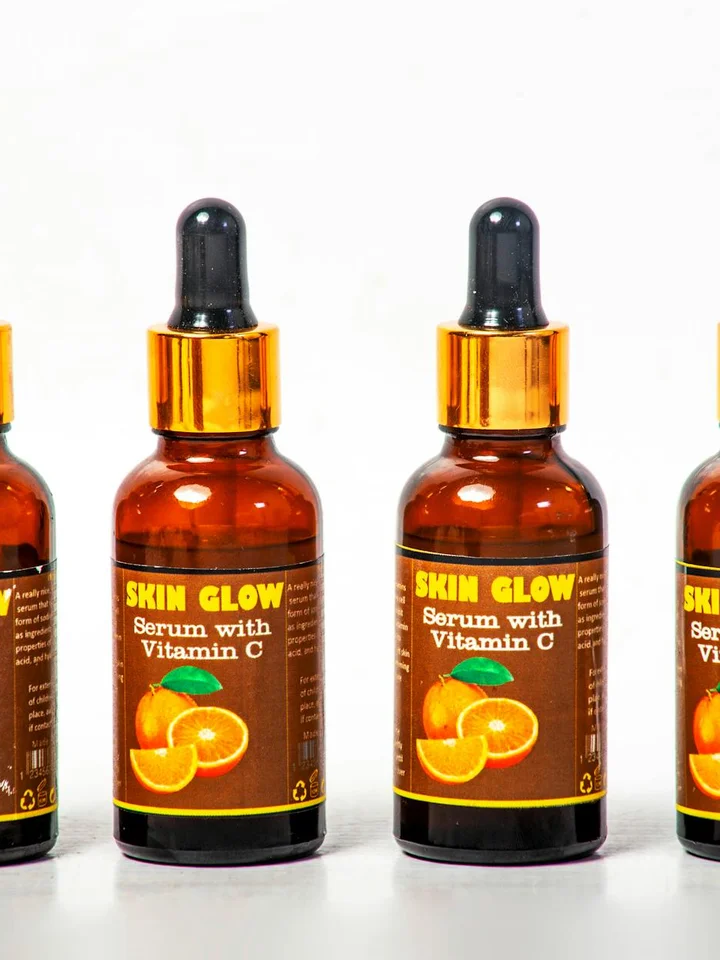
Is it safe for all skin types to use both ingredients? In most cases, absolutely. Vitamin C and hyaluronic acid are a famously compatible duo. Serious side effects are rare, which is why this combination is so widely recommended.
You might feel a slight, temporary tingle when you first apply vitamin C, especially if you’re new to it. This usually fades as your skin acclimates. The main “side effect” to watch for is dryness, which can happen if you use a potent, low-pH vitamin C (like L-ascorbic acid) without proper follow-up hydration. That’s precisely where pairing it with hyaluronic acid becomes your strategic advantage.
Guidance for Oily, Dry, and Combination Skin
This combination is a workhorse for nearly every skin profile.
For my clients with oily or acne-prone skin, like Maya, layering a lightweight vitamin C serum with a hyaluronic acid gel provides antioxidant protection and hydration without adding pore-clogging richness. It helps manage the post-inflammatory redness left by breakouts without feeling heavy.
If you have dry skin like Noah, this pair is a hydration multiplier. The vitamin C supports your skin’s barrier, while the hyaluronic acid draws in and holds onto moisture. Follow it with a richer moisturizer to seal everything in.
For combination skin like Lina’s, it’s perfectly adaptable. Apply both serums all over, then you can tailor your moisturizer-something lighter for the T-zone, more emollient for the cheeks.
Special Considerations for Sensitive Skin
If your skin is reactive or you’re trying actives for the first time, a gentle approach is non-negotiable.
- Always patch test. Apply a small amount of each new product, separately, behind your ear or on your inner arm for a few nights.
- Start with low concentrations. A 10% vitamin C serum is a much friendlier starting point than a 20% formulation.
- Consider a vitamin C derivative. Forms like sodium ascorbyl phosphate or magnesium ascorbyl phosphate are less acidic and often better tolerated by sensitive skin than pure L-ascorbic acid, while still offering brightening benefits.
If your skin barrier is currently compromised-meaning it’s visibly red, flaky, burning, or irritated from over-exfoliation or a condition like eczema-pause on introducing any active serums. Your only job right now is repair. Focus on a simple routine of a gentle cleanser, a ceramide-rich moisturizer, and sunscreen. Once your skin feels calm and resilient again, usually after a few weeks, you can slowly reintroduce your vitamin C and hyaluronic acid.
Building a Full Routine: What Else Plays Nice?
Once you’re confident pairing your Vitamin C and Hyaluronic Acid, the next question is what else you can add to your routine. Think of your skincare like a team where every player has a specific job. You want them to work together, not get in each other’s way.
Here’s a quick guide to which ingredients are team players with your C+HA power duo and which ones need a separate playbook.
Safe & Supportive Combinations
These ingredients complement Vitamin C and Hyaluronic Acid beautifully, often boosting their benefits or adding a new layer of support.
- Niacinamide: This is a classic question: can hyaluronic acid be used with niacinamide? Absolutely, and it’s fantastic with Vitamin C, too. Niacinamide helps strengthen your skin’s barrier, calms redness, and regulates oil. Using it with Vitamin C can target both brightness and barrier health. A client of mine, Noah, who has dry, reactive skin, found that a routine with Vitamin C, niacinamide, and HA gave him a calmer, more even complexion without any irritation.
- Peptides: These are the building blocks that support your skin’s collagen. They’re generally gentle and work at a different “level” in the skin than antioxidants like Vitamin C. Adding a peptide serum or moisturizer is a great way to signal your skin to stay firm and plump while your Vitamin C handles environmental protection.
- Ceramides: If HA is the water magnet, ceramides are the mortar that holds your skin’s barrier wall together. They are the perfect final step to seal in all the hydration from your HA and the antioxidants from your Vitamin C. This combination is a dream team for anyone dealing with dryness or sensitivity.
Ingredients to Schedule Carefully
Some potent actives require a bit of strategy. The main concern is pH and potential irritation.
- Direct Acids (AHAs like Glycolic, Mandelic & BHAs like Salicylic): This is a key caution. Can you mix mandelic acid and Vitamin C? Technically, you can, but I don’t recommend applying them one right after the other. Most Vitamin C serums (especially L-ascorbic acid) work best at a low pH. Direct acids also have a low pH. Stacking two low-pH products back-to-back can overwhelm your skin, leading to stinging, redness, and a compromised barrier.
The safest approach is to use them at different times: apply your Vitamin C serum in the morning and use your acid treatment (like a mandelic acid toner) 2-3 evenings a week. This gives your skin time to benefit from each without the conflict. My client Lina, with her combination skin, uses this exact schedule to manage texture on her T-zone while brightening her overall tone.
Your Mix-and-Match Cheat Sheet
Keep this simple list handy when building your AM or PM routine.
DO:
- Use Hyaluronic Acid and Niacinamide in the same routine for hydration and barrier support.
- Apply Peptides or Ceramides after your Vitamin C and HA serum to complement their actions.
- Use direct acids (AHA/BHA) on alternate nights from your Vitamin C serum.
DON’T:
- Apply a strong mandelic acid or glycolic acid toner right before your Vitamin C serum.
- Mix pure Vitamin C (L-ascorbic acid) powder directly into a product with niacinamide unless the formula is specifically designed for stability.
- Layer multiple low-pH products (like a strong acid toner + Vitamin C serum + another acid treatment) in one sitting.
Making it Work for You: Frequency and Long-Term Results
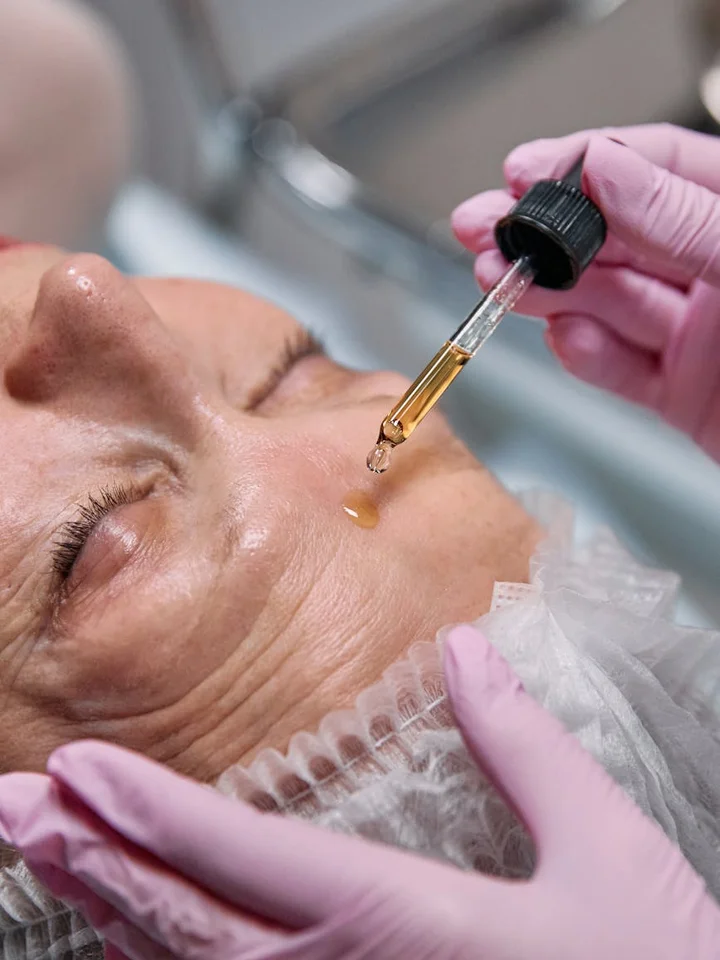
How often should you use vitamin C and hyaluronic acid?
The simple answer is every day, but each ingredient has its own rhythm. Think of them as your skin’s daily necessities: one is a protective shield, the other is a constant drink of water. Consistency is more important than occasional heavy use for seeing real results.
My client Maya uses them daily. She told me skipping her vitamin C serum for a week made her skin look “dull and less even.” That’s the antioxidant protection wearing off.
Your Daily Schedule: Morning vs. Night
Timing these ingredients correctly maximizes their benefits and fits them seamlessly into your life.
- Vitamin C is a morning superstar. Apply it after cleansing and before moisturizer. Its main job during the day is to neutralize free radicals from pollution and UV exposure before they can damage your skin. Using it daily builds up your skin’s environmental defense system.
- Hyaluronic acid can be used morning and night for hydration. It’s a workhorse, not a photosensitizer. In the morning, it preps your skin to stay plump under makeup. At night, it works with your skin’s natural repair cycle to hold moisture in. My client Noah, with his dry skin, applies a hyaluronic acid serum both times he washes his face.
Can this combination help with anti-aging?
Yes, but think of it as a marathon, not a sprint. This duo doesn’t just temporarily improve your skin’s appearance. It supports the structures that keep skin looking youthful over years.
Vitamin C is a key player in your skin’s collagen production line. Using it consistently signals your skin to keep making this supportive protein, which helps maintain firmness. Meanwhile, hyaluronic acid acts like a deep reservoir of moisture within the skin. Well-hydrated skin naturally looks plumper, which subtly smooths the appearance of surface fine lines. It’s like the difference between a raisin and a grape.
Lina noticed this long-term effect. After about six months of steady use, she saw that the fine lines around her eyes looked softer, not because one product erased them, but because her skin was better supported and hydrated from within.
For the best long-term results, pair this daily routine with a broad-spectrum sunscreen every single morning. Sun protection is the most powerful anti-aging step you can take.
Troubleshooting Common Questions and Concerns
Even the best product pairings can have a hiccup. Here’s how to smooth out the most common bumps in the road when using vitamin C and hyaluronic acid together.
If Your Skin Feels Tacky or Products Pill
That sticky feeling or those little balls of product rolling off your skin usually means your layers haven’t fully absorbed. This is more common with certain serum textures.
First, try switching the order of application. If you applied vitamin C first, let it dry completely, then follow with HA. Sometimes doing the reverse-applying your hyaluronic acid serum on damp skin, letting it settle, then applying vitamin C-can prevent pilling.
Patience between layers is your best friend. Give each serum a full 60 to 90 seconds to sink in before moving to the next step. Think of it like letting a coat of paint dry before adding another.
The Hydration Feel on Oily or Combination Skin
If you have oily skin like my client Maya, you might notice a different sensation. Hyaluronic acid pulls water into your skin, which can initially feel like a “wet” hydration rather than a “dry” matte finish.
This hydrated feeling is not the same as adding oil or making your skin greasier. Your skin is just plumper with water. If the finish bothers you, opt for a very lightweight, low-molecular-weight HA serum and follow with a simple, oil-free moisturizer to seal it in without heaviness.
The Non-Negotiable Sunscreen Step
This is the one rule I am absolutely strict about. Vitamin C is a brilliant antioxidant that helps neutralize free radicals from UV exposure, but it is not a substitute for sunscreen.
Using vitamin C serum without sunscreen every single morning is like mopping up a spill while the tap is still running. You are fighting damage without stopping the source. Apply your vitamin C and HA, then always finish with a broad-spectrum SPF 30 or higher. This protects your skin and allows the vitamin C to work effectively.
Your Quick-Reference Guide to Combining Serums
Why does my skin sometimes tingle with vitamin C serum?
A brief, mild tingle is common with pure L-ascorbic acid due to its necessary low pH. If the sensation is strong, persistent, or turns to redness, switch to a gentler vitamin C derivative like sodium ascorbyl phosphate.
Can I use hyaluronic acid serum by itself?
Absolutely. Hyaluronic acid is a superb standalone hydrator for any skin type or routine. Pairing it with vitamin C simply adds a layer of antioxidant protection and brightening for more comprehensive care.
How can I tell if my vitamin C serum has oxidized?
Check the color. A clear or pale yellow serum is fresh and potent; a dark yellow or brown hue means it has oxidized and lost efficacy. For best results, store it in a cool, dark place and aim to use it within 3-6 months of opening.
Building Your Brightening, Hydrating Routine
Combining vitamin C serum with hyaluronic acid is a powerful, safe strategy for most skin types. This pairing delivers antioxidant protection alongside deep, lasting hydration for a more radiant and resilient complexion.
- Always apply your vitamin C serum first on clean, slightly damp skin, followed by your hyaluronic acid serum.
- Perform a patch test when introducing a new product, especially if your skin is sensitive like Noah’s.
- Allow your vitamin C serum a minute to absorb before layering on hyaluronic acid for maximum efficacy.
- Seal everything in with a moisturizer and never skip your morning sunscreen to protect your results.
We love answering your skin care questions here on the blog. If you try this combination, tell us how your skin feels. Remember, what works for Maya’s oily skin might need tweaking for Lina’s combination type, so listen to your skin and adjust as needed.
Written by Lucy Zimmerman. Lucy is an expert author and blogger when it comes to skin care and body care. She has first hand expertise acting as skin care consultant for over 5+ years helping her clients achieve smooth blemish free skin with natural and working remedies. She also has been an avid experimenter and tried out all the natural and artificial remedies and treatments so you can learn from her first hand experience. Additionally, she has traveled to many countries around the world and incorporated the skin care routines she has learnt into this blog. So, wait no more, reach out to Lucy if you have any specific needs and follow her blog, LuciDerma for expert skin care advice.