
Niacinamide and Botanical Blends: Your Guide to Barrier Repair Without Irritation
I hear from clients like Noah all the time: they love niacinamide for barrier repair but worry which botanical extracts will help or hinder their progress.
By the end of this article, you will be empowered to:
- Identify which botanical extracts, like licorice root, boost niacinamide’s barrier-repairing effects for faster healing and deeper hydration.
- Recognize common botanical ingredients that can conflict with niacinamide to prevent unnecessary redness or sensitivity.
- Confidently mix and match products in your routine for a calm, resilient complexion.
Let’s build a routine that makes your skin stronger, not more stressed.
How does a strong skin barrier protect you?
Think of your skin barrier, or the stratum corneum, as your body’s frontline security system. It’s the outermost layer you can touch, and its main job is to keep the good stuff in and the bad stuff out.
I often explain it to my clients like a well-built brick wall. Your skin cells are the bricks, and lipids like ceramides, cholesterol, and fatty acids are the mortar holding them together. A strong, intact wall seals in precious moisture and blocks out irritants, pollutants, and allergens. A weak wall with cracks in the mortar lets everything seep through.
You don’t need a microscope to know if your barrier is happy or struggling. Here’s what to feel for:
- A healthy barrier feels comfortable, resilient, and calm. It might have oiliness or dryness, but it doesn’t sting or react to every new product.
- A compromised barrier often feels tight, itchy, or looks rough and flaky. You might see redness, feel a burning sensation with gentle products, or notice you’re suddenly reactive to things that never bothered you before. My client Noah deals with this often; his dry, reactive skin gets noticeably tighter and more sensitive when his barrier is stressed.
When your barrier is compromised, your first goal is repair, and that’s where ingredients like niacinamide and supportive botanical extracts come in as your dedicated repair crew. They work to replenish that vital “mortar” and soothe the irritation.
What is niacinamide’s specific role in barrier repair?
Niacinamide, or vitamin B3, has become famous for tackling oil and blemishes, but that’s just one of its talents. For barrier health, it’s a true multi-tasking superstar. When paired with vitamin C and ceramides, it helps support barrier repair for a more resilient complexion.
Its repair power comes from its ability to boost your skin’s own production of ceramides and other key lipids. Think of ceramides as the most crucial part of the “mortar” in your brick wall. More mortar means a tighter, stronger seal. Niacinamide also helps your skin produce more keratin and filaggrin, proteins that strengthen the “bricks” themselves. This combined action significantly reduces transepidermal water loss (TEWL), which is just a scientific way of saying it helps your skin hold onto its moisture. Niacinamide is especially beneficial when used alongside ceramides that repair the barrier and reduce wrinkles, enhancing overall skin resilience.
If the repair process were a construction site, niacinamide would be the foreman. It doesn’t just do one job; it coordinates multiple crews (your skin’s cells) to efficiently rebuild the structure from the inside out. It’s stable, works well at a low concentration (around 5%), and is generally compatible with almost every skin type, from Maya’s oily complexion to Noah’s dry sensitivity.
This stability and gentle nature make it an excellent foundation to pair with other soothing ingredients, which is where choosing the right botanical blends becomes essential. A good foreman needs a cooperative team.
Which botanical extracts are the best teammates for niacinamide?

When we talk about synergy in skincare, we mean ingredients that team up to create a result better than what they could do on their own. For barrier repair, niacinamide is a star player, but it performs best with supportive teammates that handle inflammation, hydration, and sensitivity. Think of it like building a house: niacinamide supplies the bricks and mortar, but you need a calm, hydrated, stable worksite for the best results.
Here are the extracts that create that ideal environment.
Madecassoside (from Centella Asiatica)
Madecassoside is a powerful soothing compound. Its primary job is to calm inflammation and redness fast. This makes it a perfect partner for niacinamide’s repair work.
When your skin barrier is damaged, it’s often inflamed and reactive-like a noisy, chaotic construction site. Niacinamide gets to work rebuilding your skin’s protective wall. Madecassoside’s role is to quiet the construction site. It tells the inflammatory signals to settle down, so niacinamide can repair undisturbed without extra background noise. My client Noah, with his dry, reactive skin, finds blends with these two ingredients incredibly stabilizing.
Together, they tackle both the symptom (irritation) and the cause (a weak barrier) for faster, calmer healing.
Panthenol (Provitamin B5)
Panthenol is a humectant hero. It draws water from the air into your skin and holds it there, like a magnet for hydration. This superpower creates the perfect moist environment for skin repair.
Barrier repair happens most efficiently in a well-hydrated setting. Imagine trying to heal a scraped knee in a dry, desert climate versus under a protective, hydrating gel bandage. Niacinamide is the healing agent, and panthenol is that hydrating gel patch. It plumps skin cells with water, making them more receptive to niacinamide’s strengthening messages. This duo is a cornerstone for anyone dealing with flakiness or dehydration.
Panthenol ensures the skin is supple and quenched, so niacinamide’s repair mechanisms have the ideal conditions to function.
Licorice Root Extract
Licorice root extract is renowned for calming redness and helping to even out skin tone. It contains glabridin, which helps quiet the enzymes that trigger discoloration and irritation.
This action perfectly complements niacinamide (not to be confused with niacin). While niacinamide diligently strengthens the skin’s brick wall (your lipids and ceramides), licorice root helps ensure the wall isn’t under constant attack from redness and sensitivity. A calm barrier is a resilient barrier. It’s less likely to overreact to stressors like wind or a new product. For clients like Lina, who have combination skin with sensitive patches, this pairing helps fortify those vulnerable areas without sparking more redness.
Licorice root extract soothes the visible signs of stress, allowing the foundational repair from niacinamide to take hold more effectively.
Chamomile Extract
Chamomile is the gentle guardian. It’s packed with anti-irritant and antioxidant compounds, like bisabolol, that are exceptionally kind to sensitive, stressed skin.
If you’re using niacinamide to repair a compromised barrier, your skin might be in a delicate state. Introducing harsh or stimulating ingredients can set you back. Chamomile is like a calm, soothing cup of tea for your irritated skin cells. It provides a blanket of comfort, reducing the chance of a reaction so niacinamide can do its job. I often recommend formulas with this pair for anyone starting a repair-focused routine, as it minimizes the risk of that initial “adjustment” period feeling like irritation.
Chamomile extract offers a layer of gentle protection, making niacinamide’s barrier-strengthening process feel more comfortable and less risky for reactive skin. This pairing can also help brighten skin and support acne-prone complexions.
The Interaction Matrix: What to Mix & What to Avoid
Now, let’s address conflicts. A key point to remember: most “conflicts” aren’t about ingredients canceling each other out chemically. It’s usually about stability, pH levels, or the potential for combined irritation. Your goal is to keep your skin calm and the actives effective.
Potential Conflicts (Proceed with Caution)
Some combinations require careful timing or formulation to avoid overwhelming your skin.
- Low-pH Direct Acids (AHA/BHA): Using a high-concentration acid toner (like glycolic or salicylic acid) immediately before a niacinamide serum isn’t a chemical neutralization issue. The problem is potential irritation. Both can be slightly stimulating. Applying them back-to-back on damaged or sensitive skin can lead to stinging, redness, and a setback in your repair goals. The fix is to use them at different times of day or on alternate nights, always listening to your skin’s tolerance.
- Highly Fragrant Essential Oils: Oils like citrus (bergamot, lemon), rosemary, or peppermint in high concentrations can be sensitizing. When your barrier is repairing, it’s more vulnerable. These oils might cause reactivity or contact dermatitis, undermining niacinamide’s work. Look for fragrance-free or naturally-scented blends that avoid these potential irritants.
- Pure Vitamin C (L-ascorbic acid): This is a classic “can I mix them?” question. L-ascorbic acid requires a very low pH (acidic) to be stable and effective, while niacinamide prefers a more neutral pH. In the same bottle, this can be tricky for formulators. On your skin, applying one right after the other might slightly reduce the efficacy of one, but it’s not dangerous. The simplest approach is to use your vitamin C serum in the morning and your niacinamide at night to avoid any pH interplay.
Neutral Pairings (They Simply Work on Different Things)
Many great ingredients coexist peacefully with niacinamide. They just focus on different skin concerns.
- Peptides: These are skin-signaling ingredients that support collagen. They work on a completely different pathway and won’t interfere with niacinamide’s barrier repair.
- Hyaluronic Acid: A hydration superstar. Like panthenol, it draws in moisture. It complements niacinamide by ensuring the skin is hydrated, which is always beneficial for repair.
- Most Plant Oils (Squalane, Jojoba, Rosehip): These oils provide occlusive or nourishing lipids. They help seal in moisture and support the lipid barrier, working in harmony with niacinamide’s own lipid-boosting effects.
When in doubt, look for well-formulated products that combine these synergists for you, as cosmetic chemists have already solved the stability puzzle. For any new combination, patch test on a small area of your jawline or inner arm for a few days before applying it to your entire face.
How do I build a barrier-repair routine with these ingredients?
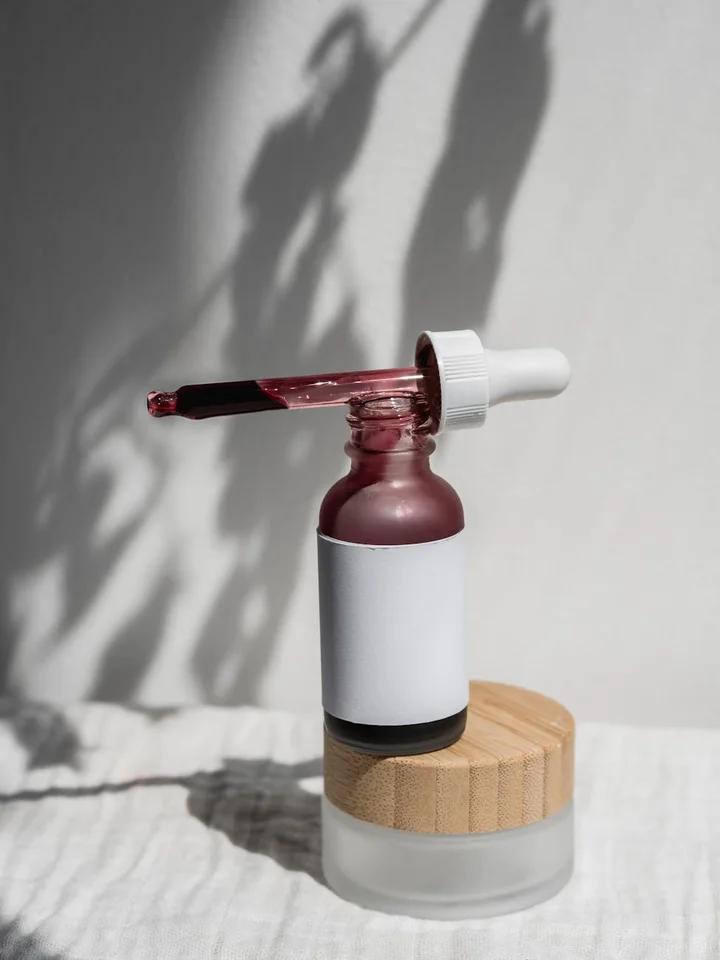
Think of your skin barrier like a brick wall. Your routine is the maintenance crew that carefully replaces damaged bricks and seals the mortar. A good crew works efficiently with the right tools in the right order.
Your niacinamide and botanical serum is a key repair tool. You want to apply it to clean, slightly damp skin so it can penetrate effectively and do its job before you seal everything in.
Your Daily Blueprint
This template works for most skin types. If you have a specific concern like acne, you can slot in a targeted treatment, but the core barrier-support steps stay the same.
Morning Routine (Protect & Fortify)
- Gentle Cleanser: Use a lukewarm water rinse or a non-foaming, creamy cleanser. The goal is to refresh, not strip.
- Niacinamide + Botanical Serum: Apply a few drops to your face and neck while skin is still slightly damp. This is the perfect time for a blend with centella or licorice root to prep skin for the day.
- Moisturizer: Follow with a light to medium-weight moisturizer. This acts like a protective sweater over the serum.
- Sunscreen (Non-Negotiable): Apply last. Niacinamide helps repair past damage, but sunscreen prevents new barrier damage from UV rays.
Evening Routine (Repair & Replenish)
- Cleanser (or Double Cleanse): Remove sunscreen and makeup thoroughly. A gentle oil-based cleanser first, followed by your regular water-based cleanser, works beautifully.
- Treatment Serum (On Alternate Nights): If you use a treatment like retinol or an acid, apply it now on dry skin. Do not layer your niacinamide serum directly with strong acids or retinoids on the same night if your barrier is compromised. Instead, alternate nights.
- Niacinamide + Botanical Serum: On nights you are not using another treatment, this is your star. An evening blend with madecassoside or sea buckthorn is ideal for overnight recovery.
- Moisturizer: Lock in all that goodness with a nourishing moisturizer.
For my client Noah, who has dry, reactive skin, we simplified to this: a milky cleanser, a niacinamide and madecassoside serum morning and night, a rich ceramide moisturizer, and a mineral sunscreen. He skipped other actives for six weeks while his barrier healed, and the consistency made all the difference.
A Sample Evening Routine for a Stressed Barrier
When your barrier is visibly upset (red, tight, flaky, or stinging), pause all other treatments and follow this minimalist routine.
- Step 1: Gentle Cream Cleanser. No scrubbing, no hot water.
- Step 2 (Optional): A Calming Toner with oat extract or panthenol. Pat it on; avoid cotton pads that can drag.
- Step 3: Niacinamide + Madecassoside Serum. This combo is like sending a calm, skilled repair team directly to the damage site.
- Step 4: A Basic, Fragrance-Free Moisturizer with ceramides or shea butter.
- Step 5 (If Very Dry): A Pea-Sized Amount of Occlusive, like petrolatum or a balm, pressed only onto the driest areas (cheeks, around mouth).
Healing a stressed barrier is about patience and protection, not adding more steps. Do this simple routine consistently for 2-4 weeks before even thinking about reintroducing other actives.
Formulation Pro-Tip: Reading a Label for Harmony
Not all “niacinamide + botanical” serums are created equal. The ingredient list (INCI) is your map to a product’s true formula.
First, find niacinamide. In a well-designed barrier repair serum, it should be listed within the first five ingredients. This generally means there’s enough present to be effective, typically between 2-5%.
Next, look for your synergistic botanical. If a product boasts “centella asiatica extract,” but it’s the very last ingredient after preservatives, it’s likely just a marketing sprinkle. For a true synergistic effect, the key botanical should also appear meaningfully high on the list, ideally in the first half, like real centella asiatica products.
Finally, consider the packaging. Ingredients like sea buckthorn oil and certain botanical extracts are stable but can be sensitive to light and air. An airless pump or an opaque, airtight bottle helps preserve the integrity and potency of the blend from the first use to the last.
Your Questions on Niacinamide & Botanicals, Answered
Can I safely layer multiple synergistic botanicals with niacinamide?
Absolutely. Ingredients like madecassoside, panthenol, and licorice root work on complementary pathways, so combining them with niacinamide can enhance overall calming and repair. Look for well-formulated serums that bundle these allies together for you, ensuring stability and simplicity.
How can I tell if a “calming botanical” in a product is present at an effective level?
Check the ingredient list (INCI). For a true synergistic effect, the key botanical should appear in the top half of the list, not just at the end. A meaningful position indicates a concentration high enough to actively support niacinamide’s barrier repair work.
What if my niacinamide serum already contains a potentially conflicting ingredient?
Trust the formulation. Cosmetic chemists design products for stability, so ingredients like vitamin C or acids in the same bottle are often stabilized to work together. The caution applies more to layering separate, high-strength treatment products in your own routine, especially those containing ferulic acid, vitamin E, and vitamin C.
Keeping Your Skin’s Barrier Healthy
Building a resilient skin barrier is less about finding one miracle ingredient and more about understanding how your ingredients work together. Think of niacinamide as your reliable team captain, playing well with soothing, water-loving extracts like green tea and centella, but sometimes clashing with more intense, potentially irritating botanicals. Your most powerful tool is the ingredient list on the back of the bottle, not just the promises on the front.
- Pair niacinamide with hydrating, calming botanicals like green tea, licorice root, or oat extract for a synergistic barrier boost.
- Be cautious combining it with high-potency, potentially sensitizing extracts like pure, high-concentration essential oils or citrus extracts.
- Always patch test a new product containing botanical blends on a small area of skin for several days.
- Remember that formulation is key-a well-made product balances these ingredients for you.
I’m always here to help you decode your skin’s needs. If you have more questions after reading, you can follow the LuciDerma blog for more guides just like this one. Send your questions anytime; learning your ingredients is a wonderful step toward confident, gentle skin care. Remember, the best routine is one that feels as good as it looks, with formulas that are kind to your skin and the planet. If you’re just starting out, a skincare routine step-by-step guide can help you build a regimen that fits your needs. I’ll outline a simple build-your-routine approach next.
Industry References
- r/SkincareAddiction on Reddit: [Routine Help] Would Niacinamide be good for helping to repair my severely compromised skin barrier?
- What Does Niacinamide Do for the Skin Barrier? – Cassandra Bankson
- Liposomal Niacinamide Transforms Sensitive Skin in 6 Days
- Ceramides, Niacinamide & More: Why Everyone’s Talking About Barrier Repair – OROGOLD Cosmetics
- Niacinamide for Skin Barrier Repair: Science-Backed Guide to best Skin – OM Botanical
Lucy Zimmerman
Lucy is an expert author and blogger when it comes to skin care and body care. She has first hand expertise acting as skin care consultant for over 5+ years helping her clients achieve smooth blemish free skin with natural and working remedies. She also has been an avid experimenter and tried out all the natural and artificial remedies and treatments so you can learn from her first hand experience. Additionally, she has traveled to many countries around the world and incorporated the skin care routines she has learnt into this blog. So, wait no more, reach out to Lucy if you have any specific needs and follow her blog, LuciDerma for expert skin care advice.