
Lichen Extract vs. Traditional Botanicals: A Practical Guide to Calming Your Skin
If you’re wondering whether new ingredients like lichen extract can really outshine your trusted aloe or chamomile, I hear you. It’s a smart question I get from clients like Lina, who wants effective care without upsetting her sensitive skin.
By the end of this read, you’ll have a clear path forward:
- You will understand how lichen extract works with your skin’s microbiome, not just on its surface.
- You will see the proven strengths of classic botanicals and when they shine brightest.
- You will know how to pick or blend these actives for a routine that feels both gentle and powerful.
Let’s simplify the science so you can make choices that leave your skin happy and healthy.
Lichen vs. Botanicals: A Simple Ingredient Showdown
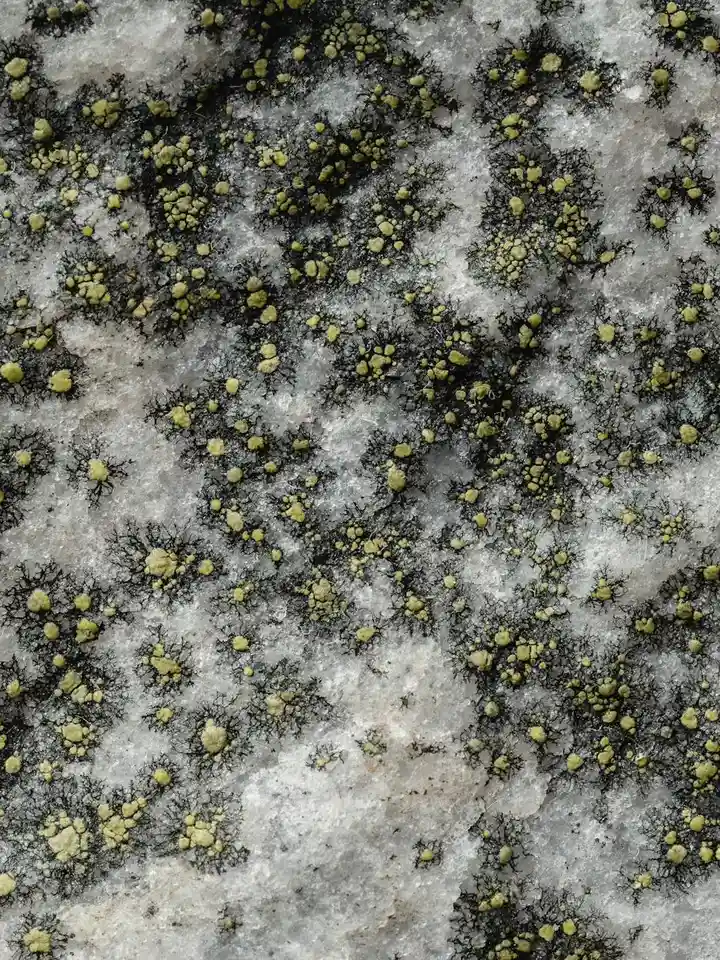
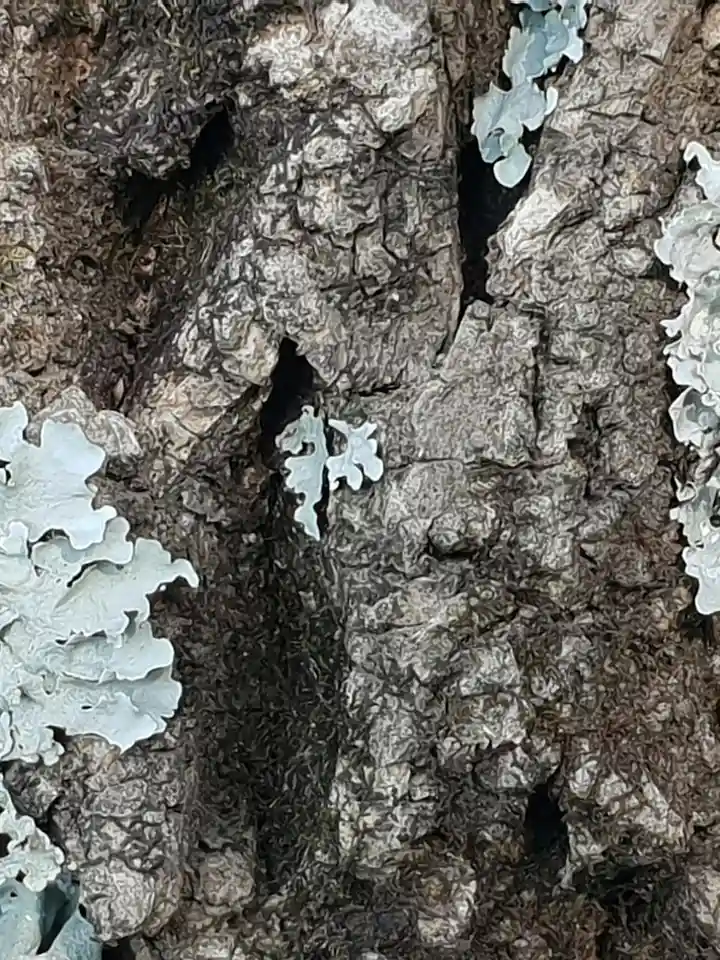
First, let’s clear up what lichen is, because it’s easy to get wrong. It’s not a plant. It’s not a moss. It’s a unique, symbiotic organism. Think of it as a partnership: a fungus provides the structure, and an algae or bacteria lives inside it, providing food through photosynthesis. They can’t live without each other.
Now, compare that to the soothing botanicals you know and love, like aloe vera, chamomile, centella asiatica, and colloidal oat. These are plants. We use extracts from their leaves, flowers, or grains. Preserving these botanical extracts helps keep their beneficial compounds potent. Careful harvesting and gentle processing protect both the plants and their benefits.
Here’s my favorite way to picture it: traditional soothing botanicals are like brilliant solo musicians-a powerful violinist (centella) or a calming cellist (oat). Lichen extract is the entire collaborative band. Its strength comes from the complex, co-evolved chemistry of two organisms working as one.
The core functional difference is this: traditional ingredients are fantastic at directly soothing and supporting your skin cells, while lichen aims to support the skin’s entire living ecosystem.
The Chemistry of Calm: How They Work
Traditional botanicals calm skin through familiar compounds. Aloe vera offers polysaccharides for hydration and healing. Chamomile and centella are rich in flavonoids and antioxidants that quiet inflammation. Oat has beta-glucans that reinforce the skin’s barrier like a comforting blanket.
Lichen brings something different to the formula: unique lichen acids, like usnic acid. These aren’t found in regular plants. In the lab, these compounds show interesting properties. They can act as prebiotics, which means they may serve as food for beneficial skin bacteria. Some also show selective antimicrobial activity, which might help manage less-helpful microbes without wiping out the good ones.
Think of the mechanism like this: traditional ingredients are repairing the fence and putting out a fire in your garden (your skin). Lichen compounds are working to nourish the good soil and ensure the right plants thrive.
Molecule Spec Sheet: Lichen Acids
| pH Range | Stable in typical skincare pH (4.0-7.0) |
| Common Concentration | 0.1% – 2% in finished formulas |
| Solubility | Often oil-soluble, requiring specific emulsification |
| Safety Profile | Generally well-tolerated; potential for irritation at very high concentrations. |
How Lichen Extract Supports Your Skin’s Microbiome
Your skin microbiome is the community of tiny microorganisms (mostly good bacteria) that live on your skin. I explain it to clients like Noah as your personal “skin garden.” A healthy, diverse garden keeps the skin resilient, balanced, and calm, especially when using non-comedogenic products in humid climates.
Traditional botanicals primarily create a “friendly environment” for this garden by reducing inflammation and repairing the skin barrier. If your garden is on fire, chamomile helps put it out. This indirectly helps your good bacteria by removing stressful conditions.
Lichen extract takes a more direct approach. Its compounds may act like a targeted garden supplement. They could work in two ways: by feeding the good gardeners (a prebiotic effect) or by subtly “managing the weeds” (a selective antimicrobial action that doesn’t harm the beneficial flora).
So, how do lichen extracts support the skin microbiome compared to traditional botanicals? Aloe soothes the skin cell itself, making it a better place for bacteria to live. Lichen acids may communicate directly with the bacteria, encouraging a balanced community. It’s a next-level approach to skin calm.
The Evidence for Lichen as a Microbiome-Friendly Active
The scientific story of lichen is fascinating. Its use in traditional medicine for wound healing and skin conditions goes back centuries. Modern research is now investigating why. Laboratory studies show lichen extracts possess significant antioxidant, anti-inflammatory, and antimicrobial properties.
For example, research on usnic acid highlights its potential to combat certain bacteria that can disrupt skin balance. Other studies point to the wound-healing and protective capacities of various lichen species. This historical and preliminary scientific validation is promising.
I need to be perfectly honest about the scale. The research on lichen for topical skincare is emerging but not yet as vast as the decades of studies on aloe vera or oats. We have promising early data and a long history of traditional use, which is a great starting point. More clinical trials on live skin will help us understand its full potential.
If you’re asking, “What scientific evidence supports the use of lichen extract?” the answer is: we have strong in-vitro (lab) evidence for its active properties and a rich ethno-botanical history. We are now building the body of clinical evidence to match its traditional reputation. For someone like Lina, who is curious about novel, ecosystem-focused ingredients, it’s a compelling option to explore cautiously.
Finding Lichen Extract in Products: A Practical Guide
Lichen extract is most effective in skincare products that stay on your skin. I look for it in serums, light lotions, and barrier creams. These textures allow the active compounds to absorb and work over hours, not minutes—especially when the water and oil-based actives are properly balanced.
You typically won’t find meaningful amounts in a foaming cleanser. Cleansers wash off quickly, so lichen extract doesn’t get enough contact time to benefit your skin barrier. It’s a leave-on ally.
For a practical start, look for lichen extract in a calming serum for daily use or in a post-treatment moisturizer after procedures like peels. This directly answers a common question: in what types of skincare products are lichen extracts most effectively formulated? The answer is always in the leave-on steps of your routine.
Formulation Pro-Tip: Pairing for Potency
When brands formulate with lichen acids, they often use lipids or non-ionic emulsifiers. This isn’t just chemistry jargon-it means the ingredient stays stable and effective in the bottle until it reaches your skin.
A key advantage is that lichen extract’s efficacy isn’t highly pH-dependent. This makes it a versatile player that can be blended into many formulas without losing its soothing power.
For a multi-angle soothing effect, lichen extract pairs beautifully with niacinamide to calm redness or with glycerin to pull hydration into the skin. Think of it as building a supportive team, not relying on a single ingredient.
Can You Use Lichen Extract with Aloe or Oat?
Yes, and I often recommend you do. Combining lichen extract with traditional soothers like aloe or oat is beneficial, not an “either/or” choice. They work on different pathways to comfort your skin.
Here’s a sample routine step: apply a lichen serum first to help balance your skin’s environment, then layer an oat cream to soothe and protect the surface. This layering approach is very effective.
Let me share a story about my client Noah, who has dry, reactive skin. He was cautious about new actives. We introduced a lichen extract serum to his routine, followed by his trusted fragrance-free oat cream. This combination allowed his skin to benefit from microbiome-friendly support while getting the immediate, familiar comfort of oat. His barrier felt more resilient within a few weeks.
So, what are the potential benefits of combining these ingredients? Lichen extract can help manage the skin’s microbial balance, while aloe or oat provides direct, physical soothing and hydration. Together, they offer a more complete calming strategy.
What to Know Before You Try Lichen Extract
Lichen extract is celebrated for its gentle, microbiome-friendly nature, making it a strong candidate for many skin types, including sensitive and reactive complexions like my client Noah’s. Its primary job is to soothe and strengthen your skin’s barrier without disrupting the good bacteria that live there.
While it’s generally well-tolerated, individual skin is unique. I’ve seen clients like Lina, who has combination-sensitive skin, react unpredictably to even the gentlest new ingredient. This is why a patch test is non-negotiable. It’s the simplest way to honor your skin’s specific needs before committing your whole face.
Patch Testing and Sensitivities
Think of a patch test as a respectful conversation with your skin. Test the comedogenicity of skincare products by applying a small amount (a pea-sized dab is plenty) behind your ear or on the inner part of your forearm. Do this once daily for three days.
Watch for any signs of protest: redness, itching, burning, or new bumps. If your skin stays calm, you’ve gotten the green light. If it reacts, your skin is telling you this isn’t the right fit for right now. This simple step saves you from potential discomfort and a disrupted skin barrier.
The Sustainability Question: Lichen vs. Farmed Botanicals
This is where your product choice carries weight beyond your bathroom shelf. Traditional soothing botanicals, like chamomile or calendula, are often farmed. This allows for controlled, renewable harvests, which is a good thing.
Lichen, however, is a symbiotic organism that grows slowly in the wild. Ethical sourcing is critical, as over-harvesting can damage delicate ecosystems. The most responsible brands use either cultivated lichen (grown in controlled environments) or practice meticulous wild-harvesting that doesn’t harm the parent organism or its environment.
Choosing a Transparent Brand
Your power as a consumer is in asking questions. Look for brands that don’t just list “lichen extract” on the label but explain their sourcing on their website. Phrases like “wild-harvested with regenerative practices” or “cultivated in a controlled environment” show a commitment to sustainability.
When you choose a transparent brand, you’re voting for skincare that cares for your skin and the planet. You’re supporting a supply chain that ensures this fascinating ingredient is available for years to come, without costing the earth.
Your Gentle Introduction Routine
Once your patch test is clear, introduce lichen extract to your routine with the same calm patience it’s meant to impart. Rushing new products is a common trigger for reactions, even with gentle actives.
- Start with one product. If you have a lichen serum and a moisturizer, pick one to begin. Introducing multiple new formulas at once makes it impossible to pinpoint what’s working or causing irritation.
- Apply it to calm, dry skin in the evening. Your evening routine is typically more focused on repair, and your skin isn’t facing environmental stressors. Apply your lichen product to clean, dry skin before following with your trusted moisturizer.
- Use it 2-3 times a week at first. Observe how your skin responds over the next week. Does it look calmer in the morning? Feel more comfortable? If all is well, you can gradually increase to nightly use.
What to Avoid Pairing It With Initially
While lichen extract plays well with others, give your skin a chance to get to know it without interference. For the first two weeks, avoid applying your lichen product on the same night as strong exfoliating acids like glycolic (AHA) or salicylic acid (BHA).
These acids temporarily make your barrier more permeable. Applying a new active on top, even a soothing one, can increase the chance of sensitivity. Think of it like introducing a new friend to a quiet dinner before bringing them to a loud party. Once your skin is acclimated, they can often be used together or on alternating nights. Choosing pH-balanced formulations supports barrier health as you layer actives. Respecting the skin’s acid mantle helps maintain barrier resilience during these transitions.
Moving slowly isn’t hesitation; it’s the sign of a smart, strategic skincare practice. It’s the method I use with every client, from Maya to Noah, because it builds confidence and delivers clearer, calmer results without the drama.
Your Questions on Lichen Extract, Answered
What are the benefits of combining lichen extract with traditional soothing ingredients?
Combining them creates a multi-layer calming strategy. Lichen works on the skin’s microbial ecosystem, while ingredients like aloe or oat provide immediate, physical comfort to your skin cells.
How does the sustainability of lichen extract compare to farmed botanicals?
Ethical sourcing is paramount, as wild lichen grows slowly. Responsible brands use cultivated lichen or regenerative wild-harvesting, whereas traditional botanicals often come from controlled, renewable farms.
What future research is needed on lichen extracts in skincare?
We need more clinical trials on live skin to confirm the promising lab data. Long-term studies will help us fully understand its role in maintaining a resilient, balanced microbiome for skin health.
Final Thoughts on Soothing Your Skin Smartly
When your skin feels reactive, the smartest move is to choose actives that calm without disrupting your skin’s natural balance. Lichen extract represents a promising step toward microbiome-conscious soothing, working with your skin’s ecology rather than just masking discomfort.
- Always patch test a new product, especially if your skin leans sensitive like Noah’s.
- Look for the full formula, not just a single ingredient on the label.
- For immediate, familiar relief, well-studied botanicals like colloidal oatmeal are a trusted choice.
- When selecting any product, prioritize brands committed to sustainable harvesting and ethical sourcing.
Have more questions about gentle, effective ingredients? We’re always researching and writing about the latest in skin-friendly science right here on the blog. Your journey to calmer skin is a path we’re walking together, especially when it comes to understanding natural and synthetic preservatives in skincare.
References & External Links
- Lichens Uses: Surprising Uses of Lichens that Improve Human Life
- Extraction of lichen bioactive compounds using volatile natural deep eutectic solvents and comparative analytical approaches | Scientific Reports
- Towards the Use of Lichens as a Source of Bioactive Substances for Topical Applications – PMC
- (PDF) Lichen Extracts
- Frontiers | Biological activities of Usnea lethariiformis lichen extracts and UHPLC-ESI-QTOF-MS analysis of their secondary metabolites
- Lichen-Derived Compounds and Extracts as Biologically Active Substances with Anticancer and Neuroprotective Properties – PMC
- Usnea: Overview, Uses, Side Effects, Precautions, Interactions, Dosing and Reviews
- A comprehensive review on secondary metabolites and health-promoting effects of edible lichen – ScienceDirect
- BioLichen | Organic Certified Preservatives & Active Ingredients.
Lucy Zimmerman
Lucy is an expert author and blogger when it comes to skin care and body care. She has first hand expertise acting as skin care consultant for over 5+ years helping her clients achieve smooth blemish free skin with natural and working remedies. She also has been an avid experimenter and tried out all the natural and artificial remedies and treatments so you can learn from her first hand experience. Additionally, she has traveled to many countries around the world and incorporated the skin care routines she has learnt into this blog. So, wait no more, reach out to Lucy if you have any specific needs and follow her blog, LuciDerma for expert skin care advice.