
Probiotics in Skincare: Your Guide to a Calmer, Stronger Complexion
If words like ‘microbiome’ make your eyes glaze over, you’re not alone-many of my clients with sensitive skin, like Lina, initially felt the same until they saw how probiotics transformed their routines.
By the end of this article, you will know how to:
- Understand your skin’s microbiome in simple, practical terms.
- Use probiotics to actively soothe irritation and reinforce your skin’s natural defenses.
- Select gentle, effective probiotic products that fit seamlessly into your daily care.
You’re about to give your skin the supportive care it truly deserves.
Your Skin’s Invisible Ecosystem: Probiotics and the Microbiome Explained
Think of the surface of your skin not as a sterile canvas, but as a thriving, invisible garden. This is your skin microbiome. It’s a diverse community of billions of microorganisms, including bacteria, fungi, and viruses, that live on you.
A balanced, thriving microbiome is fundamental to healthy skin. This ecosystem acts as your first line of defense, crowding out potentially harmful pathogens and teaching your skin’s immune system to react appropriately. It also helps maintain your skin’s slightly acidic pH, which is crucial for barrier function and enzyme activity.
In this garden, you have “good” bacteria (the helpful gardeners) and “bad” bacteria (the weeds). When the good gardeners are thriving, they keep the weeds in check. But factors like harsh cleansers, antibiotics, pollution, or high stress can disrupt this balance, letting the weeds overtake the garden. This imbalance is linked to concerns like dryness, sensitivity, acne, and eczema.
This is where topical probiotics come in. In skincare, “probiotics” typically refer to beneficial bacteria, or their components, applied directly to the skin. Their job is to support your skin’s native good bacteria, helping to restore and maintain that delicate garden balance.
Prebiotics, Probiotics, and Postbiotics: A Simple Family Tree
It can sound like jargon, but think of them as a family with different roles:
- Prebiotics: These are the food. They’re ingredients (like certain sugars or plant extracts) that nourish the good bacteria already living on your skin.
- Probiotics: These are the beneficial living bacteria themselves. For safety and stability, you won’t find live cultures in most jars. Instead, skincare uses inactivated probiotic extracts or their components.
- Postbiotics: These are the beneficial byproducts. When good bacteria digest prebiotics, they produce compounds like enzymes, peptides, and organic acids. These postbiotics are powerhouses for skin health.
Most probiotic skincare products contain probiotic lysates (extracts) or purified postbiotics. These stable, non-living forms deliver the skin-supporting benefits without the complexity of keeping live cultures alive in a bottle. Formulators often balance natural and synthetic preservatives to ensure safety and shelf life in skincare. This balance also matters for probiotic-based products, helping preserve benefits without compromising skin health.
How Probiotics Become Skin Protectors: Strengthening Your Barrier
Your skin barrier is often described as a brick wall. Skin cells are the bricks, and lipids (fats) are the mortar holding them together. A healthy microbiome is like a protective film over this wall, helping to maintain its structure and support the pH acid mantle.
When you apply probiotic ingredients, they get to work reinforcing this structure. They support the skin’s own production of ceramides and other key lipids that make up the mortar. A stronger mortar means a more resilient wall that keeps moisture in and irritants out. This directly translates to better hydration, less trans-epidermal water loss, and a plumper, smoother complexion.
The “Peacekeeper” Effect: Calming Redness and Reactivity
For skin that flushes easily or feels reactive, probiotics can act as skilled peacekeepers. They help “train” the skin’s immune system, calming an overzealous inflammatory response to common triggers like weather, friction, or skincare ingredients.
I think of my client Noah, who has dry, reactive skin. He described his cheeks as constantly “on the verge of a blush.” We introduced a fragrance-free moisturizer with bifida ferment lysate. He didn’t see a change overnight, but after a few consistent weeks, he noted his skin felt less “provoked” by his shaving routine and the winter wind. Probiotics can help dial down that background level of irritation, giving your skin a calmer baseline. In rosacea-prone skin, formulation prioritizes barrier-supporting, fragrance-free ingredients. This hands-on approach informs how we tailor formulas to reduce flare triggers.
Molecule Spec Sheet: Common Probiotic Skincare Actives
| Strain/Component | Typical pH | Common Concentration | Solubility | Safety & Stability Notes |
|---|---|---|---|---|
| Lactobacillus Ferment Lysate | 4.5 – 7.0 | 1-10% | Water-soluble | Very well-tolerated. A stable, non-living ingredient that supports barrier repair and soothing. |
| Bifida Ferment Lysate | 5.0 – 7.0 | 1-5% | Water-soluble | Excellent for sensitive skin. Helps strengthen the skin’s moisture retention and resilience. |
As with any new active, patch test a probiotic product on a small area of your inner arm for a few days before applying it to your face. If you have a known immune condition or severe skin disease, consult your dermatologist before use.
The Probiotic Ingredient List: From Live Cultures to Fermented Extracts
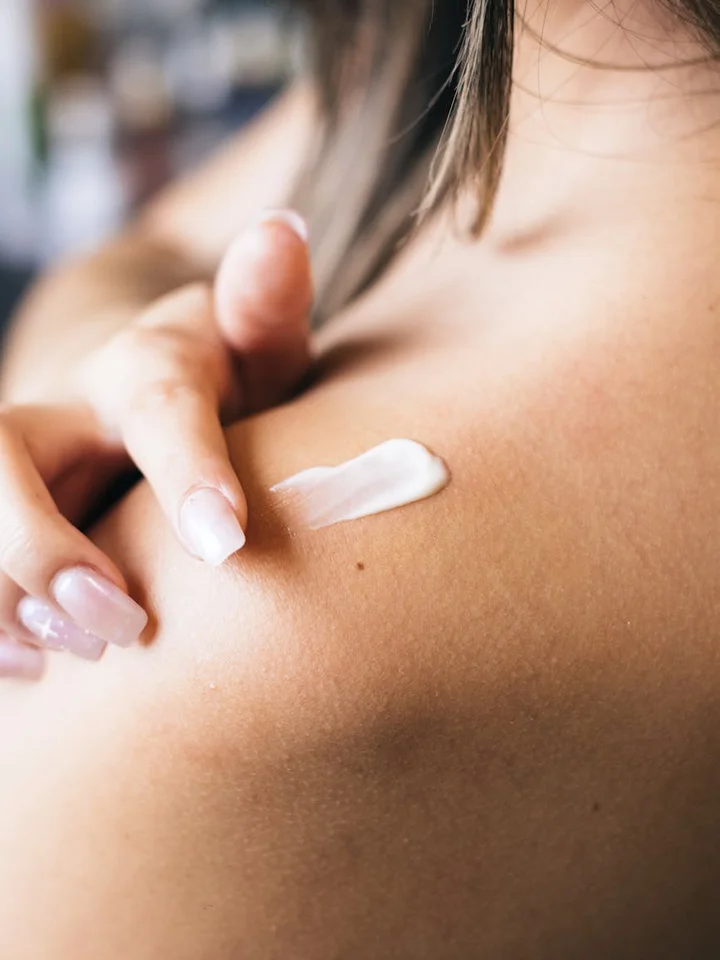
When you see “probiotic” on a skincare label, it rarely means the product is alive with bacteria. Think of it more like a team of skilled helpers, each with a different specialty for supporting your skin’s community.
Breaking Down the Forms
You’ll typically find these forms on an ingredients list:
- Live Probiotics: These are rare in skincare. Keeping live bacteria stable, effective, and safe in a jar is a big challenge. You might find them in some refrigerated masks or fresh formulas, but they’re not the norm.
- Probiotic Lysates or Extracts: This is the most common and practical form. These are beneficial bacteria that have been broken down. They are stable, shelf-safe, and still deliver the calming, strengthening messages your skin barrier needs without the preservation headaches. They’re like sending in a wise mentor instead of the whole team.
- Fermented Ingredients (e.g., Galactomyces, Lactobacillus Ferment): These are superstar byproducts of fermentation. They’re packed with amino acids, vitamins, and antioxidants that skin drinks up. They help with brightness, hydration, and resilience.
- Postbiotics: These are the beneficial compounds produced *by* probiotics, like enzymes or peptides. They’re the direct “tools” that help soothe and repair your skin barrier.
Other Beneficial Fermented Friends
You’ll often see other fermented ingredients grouped with probiotic skincare for their similar skin-loving benefits. These aren’t probiotics themselves, but they come from a similar, thoughtful process.
- Sake (Rice Ferment): A hydration hero that can help improve skin texture.
- Kombucha (Fermented Tea): Often rich in antioxidants and acids that gently exfoliate.
- Bifida Ferment Lysate: A powerhouse for reinforcing the skin barrier and defending against daily stressors.
What Skin Concerns Can a Probiotic Approach Help With?
Think of probiotic and fermented ingredients as diplomats and peacekeepers for your skin. They work to calm disputes and fortify defenses. This approach can be particularly supportive for:
- Dryness and Dehydration: A stronger barrier holds onto moisture better. My client Noah, with his dry, reactive skin, found his dryness was less intense after adding a probiotic serum focused on barrier repair.
- Sensitivity and Redness: By promoting balance, these ingredients can help turn down the volume on inflammatory responses, leading to calmer skin.
- Eczema-Prone Skin: Research suggests supporting the skin microbiome can be a helpful strategy in managing eczema flare-ups and improving resilience.
- Acne-Prone Skin: It’s about balance. Probiotic ingredients can help create an environment where “good” microbes thrive, potentially crowding out the acne-causing bacteria. For my client Maya, using a gentle, probiotic-infused moisturizer helped reduce her post-breakout redness.
- General Barrier Repair: If your skin feels fragile, reactive, or just “off,” probiotic lysates and postbiotics provide the raw materials and signals to help it rebuild its protective wall.
Remember, this is a supportive, long-term strategy. You’re tending to a garden, not using a weed killer. Don’t expect overnight miracles, but with consistent use, you can build a sturdier, happier foundation.
Fitting Probiotics Into Your Routine: A Step-by-Step Guide
Adding these ingredients is simple. They’re team players, not divas. Here’s how to seamlessly fit them into what you already do.
Start Simple: The Product-Based Approach
The easiest way to begin is by swapping in one probiotic-rich product. A serum or a moisturizer is a perfect starting point.
- Cleanser: A gentle, probiotic-fortified cleanser can set a balanced tone without stripping the skin.
- Toner or Essence: These are great for delivering fermented extracts like galactomyces for a first layer of hydration and brightness.
- Serum: This is where I often see the most impact. Apply a probiotic serum after cleansing and toning, when your skin is still slightly damp, to lock in maximum benefits. Look for one with lysates or postbiotics.
- Moisturizer: A cream with probiotics helps seal in all your previous layers while continuing to support your barrier all day or night.
The Layering Order
Probiotic products are generally water-based, so they follow the “thin to thick” rule.
- Cleanser
- Toner/Essence (often with fermented ingredients)
- Probiotic Serum (or your treatment serum)
- Moisturizer (potentially with more probiotics)
- Face Oil or Sunscreen (your final step)
Think of it like getting dressed: the serum is your lightweight base layer, and the moisturizer is your protective sweater. Just make sure to layer hydrating serums and moisturizers properly.
The Golden Rule: Patch Test First
Even the gentlest ingredients deserve respect. Always patch test a new product, especially if you have sensitive skin like my client Lina. Apply a small amount behind your ear or on your inner forearm for a few days to check for any reaction before using it on your face. This step is crucial to avoid comedogenic reactions, which can clog pores and cause breakouts.
Contraindications & Safety Warnings
Probiotic skincare is considered very safe for most people. But there are a few sensible cautions.
- If you have severe, open wounds, infections, or a seriously compromised skin barrier, introduce any new product slowly and with care. Your skin’s priority is healing, not adapting to new ingredients.
- If you have a known allergy to a specific fermented food (like soy or dairy), check the ingredient list carefully, as some extracts may be derived from them.
- You can use topical probiotics while taking oral probiotic supplements; they work in different areas and do not interfere with each other. One supports your gut, the other supports your skin.
- If your skin condition noticeably worsens after starting a new product, which is uncommon, discontinue use. Consult a dermatologist or your healthcare provider for persistent or severe skin issues.
Shopping for Probiotic Skincare: What Matters on the Label
Think of shopping for probiotic skincare like reading a food label. The specifics tell you what you’re really getting.
Look for products that list the specific probiotic strain, like Lactobacillus or Bifidobacterium, instead of just “probiotic complex.” A named strain means the brand has done the research to use a specific, studied ingredient. It’s a sign of a thoughtful formula.
Many effective products pair these live probiotic ingredients with prebiotics. Prebiotics, like inulin or alpha-glucan oligosaccharide, are essentially food for the good bacteria on your skin.
Using a product with both is like planting seeds in well-fertilized soil. The prebiotic helps the probiotic, and your skin’s own good bacteria, thrive for a stronger, more balanced barrier.
Be cautious with products that mix high concentrations of probiotics with other potent actives like retinoids or high-percentage AHAs/BHAs, especially when combining salicylic acid with retinol. While not inherently bad, this combination can be a lot for skin, especially if it’s sensitive or your barrier is already stressed.
I often advise my clients to introduce probiotic products during a “calm” phase of their routine, not when they’re starting a new strong acid or retinol.
Finally, your values matter. Choosing fragrance-free and cruelty-free formulas is a direct way to support sensitive skin and make an ethical choice. Fragrance is a common irritant that can disrupt the very balance you’re trying to build, and compassionate science is better science.
Your Probiotic Routine: A Gentle Sample Plan
Here is a simple, gentle framework for incorporating probiotic skincare. This plan is ideal for sensitive, reactive, or barrier-compromised skin looking for calm and resilience. Pair this approach with pH-balanced skincare formulations that support barrier health to maximize probiotic benefits. When the skin’s pH is balanced, the barrier and microbiome work more harmoniously.
Morning:
- Cleanse: Use a lukewarm water rinse or a supremely gentle, non-foaming cleanser. The goal is to preserve your skin’s morning microbiome, not strip it away.
- Treat: Apply a probiotic serum or toner. Look for formulas with soothing ingredients like panthenol or centella asiatica alongside the probiotics. Pat it gently onto damp skin.
- Moisturize: Follow with a simple, barrier-supporting moisturizer containing ceramides or squalane.
- Protect: Sunscreen is non-negotiable. UV radiation can disrupt your skin’s microbial balance, so this step actively protects your probiotic investment.
Evening:
- Cleanse: Use that same gentle cleanser to remove sunscreen and the day’s debris.
- Treat: Reapply your probiotic serum or use a probiotic-enriched moisturizer. This overnight period is prime time for your skin’s repair and rebalancing processes.
- Moisturize: If your probiotic treatment isn’t already moisturizing, seal it in with your cream. For very dry skin like Noah’s, a richer balm here can work wonders.
You can customize this. For combination skin like Lina’s, a balancing probiotic toner could be perfect for her T-zone, followed by a lighter moisturizer there and something more soothing on her cheeks.
If you have oily, acne-prone skin like Maya, look for a probiotic serum with light, clarifying ingredients like niacinamide. The probiotics can help manage the bacterial landscape that contributes to breakouts, while being far gentler than constant harsh treatments.
Always patch test a new product, even a gentle probiotic, behind your ear or on your inner arm for a few days. And remember, while topical probiotics are excellent for support, consult a dermatologist for persistent skin conditions.
Your Probiotic Skincare Questions, Answered
What’s the real difference between prebiotics and probiotics in skincare?
Think of prebiotics as the fertilizer and probiotics as the expert gardeners for your skin’s microbiome. Prebiotics are ingredients that feed the good bacteria already on your skin, while probiotic extracts provide direct support to strengthen and calm your skin’s barrier.
Are there any side effects to using probiotic skincare?
Topical probiotic ingredients like lysates are generally very well-tolerated and non-irritating. As with any new product, we always recommend a patch test first to ensure compatibility with your unique skin.
What should I look for when choosing a probiotic skincare product?
Prioritize products that list specific, researched strains like *Lactobacillus* or *Bifida Ferment Lysate* on the label. For the best results, choose a fragrance-free formula that pairs these with prebiotics or barrier-supporting ceramides to comprehensively support your skin’s ecosystem. Understanding ceramide types and their concentrations can help you tailor barrier support to your needs. Look for clear labeling of ceramide types and their amounts to guide smarter choices.
Your Daily Routine for a Healthy Skin Microbiome
Think of probiotic skincare as a daily boost for your skin’s own protective community, much like tending a garden keeps plants thriving. By choosing products that respect and reinforce this balance, you build a foundation for calmer, more resilient skin over time.
- Introduce probiotics slowly, perhaps with a gentle serum or moisturizer, and observe how your skin responds over a few weeks.
- Pair probiotic steps with fragrance-free, soothing ingredients to avoid disrupting the delicate microbiome you’re trying to support.
- Be as consistent with your topical probiotics as you are with sunscreen; daily, gentle care yields the best results for barrier health.
- When in doubt, simplify-sometimes a basic routine with one probiotic product is all your skin needs to find its equilibrium.
I’m here to help guide you, just as I do for clients like Noah, who found that a simple probiotic moisturizer made his reactive skin much less temperamental. If you’re dealing with acne-prone skin, non comedogenic moisturizers can hydrate without clogging pores. For more personalized advice, keep exploring the LuciDerma blog where we tackle topics like this regularly. Your questions and experiences are always welcome as we navigate skin care that truly cares for your skin.
References & External Links
- The Role of Gut Health in Skincare: How Probiotics Can Transform Your Complexion – Camelback Dermatology & Skin Surgery
- Topical Probiotics: More Than a Skin Deep – PMC
- The Role of Probiotics in Skin Health and Related Gut–Skin Axis: A Review – PMC
- Probiotic skin care: how does it work? | Darphin
Lucy Zimmerman
Lucy is an expert author and blogger when it comes to skin care and body care. She has first hand expertise acting as skin care consultant for over 5+ years helping her clients achieve smooth blemish free skin with natural and working remedies. She also has been an avid experimenter and tried out all the natural and artificial remedies and treatments so you can learn from her first hand experience. Additionally, she has traveled to many countries around the world and incorporated the skin care routines she has learnt into this blog. So, wait no more, reach out to Lucy if you have any specific needs and follow her blog, LuciDerma for expert skin care advice.