
Hydration Layering Made Simple: How to Pair Serums and Moisturizers for Better Absorption
If your moisturizer feels like it’s just sitting on your skin, you’re not doing anything wrong. I help clients like Lina with this every week, and the fix is often easier than you think.
This guide will show you:
- Why applying products in the right order prevents waste and boosts hydration.
- How to wait between layers so each one can fully sink in without pilling.
- Ways to adapt these steps for sensitive skin like Noah’s or oily skin like Maya’s.
You can master this routine in just a few minutes.
Hydrating Serum vs. Moisturizer: Understanding the Players
Think of your skin like a thirsty plant. A hydrating serum is the water you give it. A moisturizer is the saucer you put underneath to stop the water from evaporating straight out of the pot.
Their jobs are different but they work as a team. A serum’s primary job is to hydrate, meaning it delivers a concentrated dose of water-attracting ingredients directly into your skin. Ingredients like hyaluronic acid, glycerin, or beta-glucan pull moisture from the air and your deeper skin layers to the surface. The texture is usually thin, watery, or slightly gel-like.
A moisturizer’s main role is to prevent that freshly delivered water from escaping. A moisturizer acts as a seal, creating a protective barrier on top of your skin to lock hydration in and shield it from the drying environment. These are your creams, lotions, and balms, which often contain oils, butters, and ceramides, along with natural moisturizing factors (NMFs).
My client Noah, who has dry, reactive skin, needs both steps. His skin lacks water and the means to hold onto it, so a hydrating serum followed by a rich, ceramide-packed cream is non-negotiable for him. For Maya, who is oily and acne-prone, a lightweight serum might be plenty on most days, or she might follow it with a simple gel-cream moisturizer that hydrates without feeling heavy.
The Simple Logic of Layering: Why Thinnest to Thickest Works
This rule isn’t just skincare tradition. It’s basic chemistry and physics. Thin, watery formulas are made of smaller molecules designed to sink in quickly. Thicker creams have larger molecules and oils that sit on the surface.
Applying your products from thinnest texture to thickest ensures each layer can penetrate without getting blocked. Imagine trying to pour a thin syrup through a layer of whipped cream. It would just sit on top. That’s what happens when you put a serum over a cream. The serum’s active ingredients can’t get through the oily barrier, so they’re largely wasted, and you might end up with a sticky, pilling mess.
Reversing the order creates a blockade. The thick moisturizer forms a seal, and anything you put on after just slides around on top. This not only makes your products ineffective but can also lead to clogged pores if lighter layers are trapped underneath heavier ones.
Formulation Pro-Tip: Pay attention to texture and pH for tricky layers. A water-based gel moisturizer can sometimes go before a slightly thicker, but still water-based, serum if the serum has a specific active like a vitamin C that works best at a lower pH. The general “thin to thick” guideline is your safest bet, but if you’re using a treatment serum, apply it after cleansing and toning, but before any cream-based products. When in doubt, feel the texture. The product that feels most like water should go first.
Your Step-by-Step Layering Routine for Glowing Skin
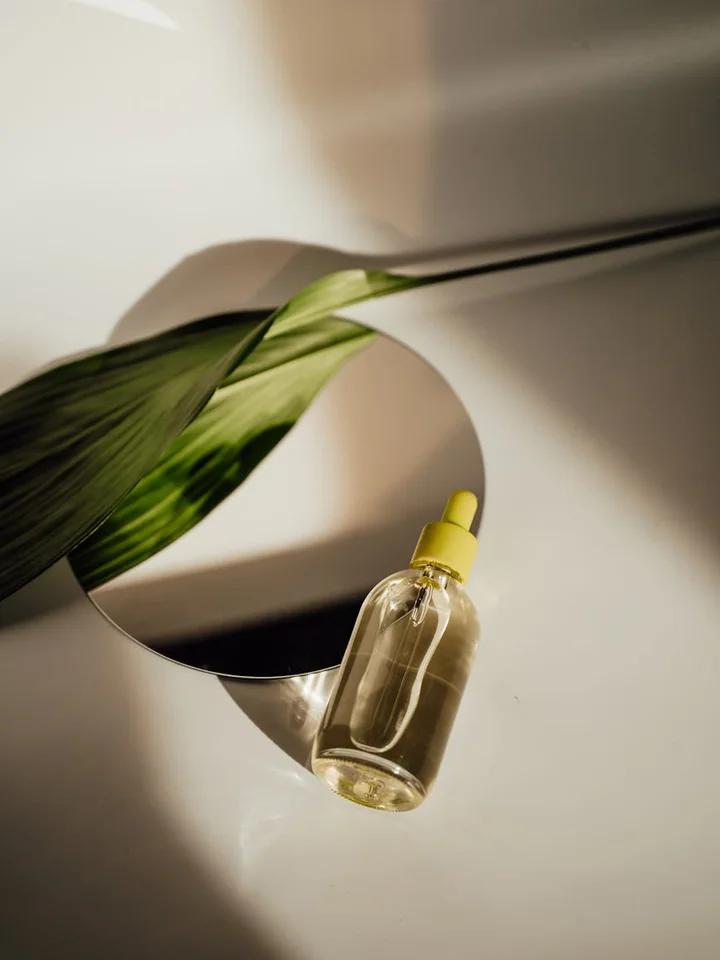
Think of your skin like a dry sponge. You need to wet it first for it to absorb anything properly. Your layering routine makes sure every product you use gets a real chance to work.
- Cleanse on damp skin. This is the non-negotiable foundation. Use a gentle cleanser with lukewarm water on already wet skin. Pat your face with a clean towel until it’s just damp, not bone dry. A damp canvas is a receptive canvas.
- Apply your hydrating serum to damp skin. This is the “damp skin rule” and it’s critical for humectants like hyaluronic acid or glycerin. Humectants draw water to your skin. If your skin is dry, they’ll pull moisture from deeper layers, which can leave you feeling tight. Applying to damp skin gives them immediate water to bind to and pull into the surface. Use about 2-3 drops, press and smooth it over your face and neck.
- The waiting game. You don’t need to wait long. Give it about 60 seconds. The goal isn’t for the serum to dry completely, but for it to sink in until your skin feels slightly tacky or cool to the touch, not visibly wet. This means the water-based formula has been absorbed and it’s time for the next step.
- Apply moisturizer to seal. Your moisturizer’s job is to create a protective layer, trapping all that hydration from the serum. Warm a pea-sized amount between your fingertips, then press it gently into your skin. Pressing, rather than rubbing, helps it adhere without disrupting the serum layer underneath. For my client Noah, with his dry skin, this pressing technique made his moisturizer feel more effective and less likely to irritate.
For your morning routine, sunscreen is your final, non-negotiable step. Apply it after your moisturizer has settled (another 60 seconds). Think of it as the protective roof on your well-hydrated house.
Can You Mix Hydrating Serums, or Is That a Mistake?
You can layer them, but I don’t recommend mixing them together in your palm. Mixing can dilute the precise formulas and potentially cause them to pill on your skin before they even touch your face.
The safe way is to layer serums one at a time, following the “thinnest to thickest” or “water-based first” rule. A simple hydrating serum with hyaluronic acid is almost always water-based and should go on first. You can learn how to properly apply a hyaluronic acid serum before adding a second serum with a different target-like niacinamide for pores or a peptide serum for support – apply it after the first one has become tacky.
My practical advice is to stick to 1-2 serum layers maximum. More than that, and you risk overwhelming your skin or creating a barrier that prevents anything from absorbing properly. My client Lina, with combination skin, found that a hydrating serum followed by a lightweight niacinamide serum for her T-zone was her perfect two-step cocktail. Anything more felt heavy.
Your skin will tell you when it’s had enough. The feeling of “too much” is a persistent slickness that never absorbs, or products starting to ball up (pilling) as you apply the next layer. If that happens, simply scale back. It’s better to have two products fully absorbed than four sitting on the surface.
The Ingredient Mixology Guide: What to Mix & What to Avoid
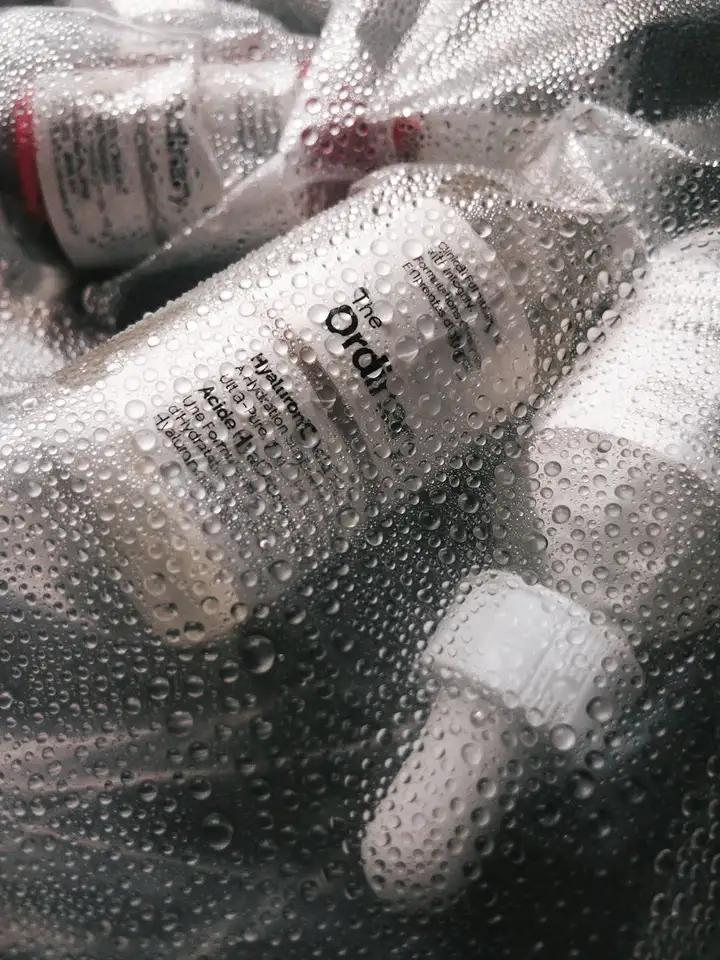
Think of your skincare layers like ingredients in a recipe. Combining them thoughtfully creates a better result, while throwing everything in at once can lead to a mess. This is about synergy, not stacking.
Great Together: The Power Pairings
Some ingredients actively support each other’s work. Here are a few classic combinations I rely on in the treatment room.
Keep Separate: The Delicate Acts
Other ingredients need their own space to work effectively and comfortably. Directly layering them can cause irritation or render one ineffective.
Pure Vitamin C (L-ascorbic acid) and direct acids (AHA/BHA) or some retinoids can be a tricky combination. Both are potent and can lower the skin’s pH. Using them together, especially in high concentrations, can overwhelm your skin barrier, leading to redness and sensitivity. The same goes for layering multiple potent acids (like glycolic and salicylic) in one routine—even if combined with vitamin E or other antioxidants.
My advice? Alternate your nights. Use your vitamin C serum in the morning (followed by sunscreen). Reserve your exfoliating acids or retinoid for evening routines, and don’t apply them on the same night. Patience with these ingredients always wins over aggression.
How to Know Your Skin Is Actually Drinking It In
Perfect layering should feel seamless. Your skin should feel nurtured, not buried. Here’s how to tell if your products are absorbing or just sitting there.
Signs of Good Absorption
- Your skin feels settled and comfortable within a few minutes, not sticky or greasy.
- There’s a visible improvement in plumpness and suppleness, not a shiny film.
- Subsequent layers (like sunscreen or makeup) apply smoothly without pilling or rolling.
When your routine is balanced, your skin should feel like itself, just better hydrated and supported.
Signs of Poor Absorption or Overloading
- A perpetual damp or tacky feel that doesn’t go away.
- Products ball up (pill) when you apply the next step.
- A white, milky residue forms on the skin’s surface.
- Your skin feels congested or looks overly shiny hours later.
This often means you’re using too much product, too many thick layers, or formulas that simply don’t work well together.
The Damp Skin Debate: A Clear Recommendation
Should you apply moisturizer to damp or dry skin? For most people, on damp skin is more effective. Here’s why.
Applying your hydrating serum or moisturizer to slightly damp skin (just patted dry after cleansing) helps trap that extra water. This gives humectant ingredients like hyaluronic acid more water to pull into the skin. Hyaluronic acid is a star in many serum formulations for its water-holding and plumping benefits. Choosing a serum then means looking at how the HA is formulated to boost hydration. Think of it as sealing in hydration.
My client Lina, with her combination skin, found this trick transformative. Her cheeks would drink up a hyaluronic acid serum on damp skin, feeling plump without oiliness. She then applies a lighter moisturizer only where she needs it. Applying to damp skin helps her achieve deep hydration without overloading her T-zone, a perfect balance for her combination type. If you have extremely sensitive or eczema-prone skin, applying to completely dry skin can sometimes feel less irritating—always listen to your skin first, especially if you need to customize skincare for oily and dry areas.
When Layering Goes Wrong: Troubleshooting Common Problems
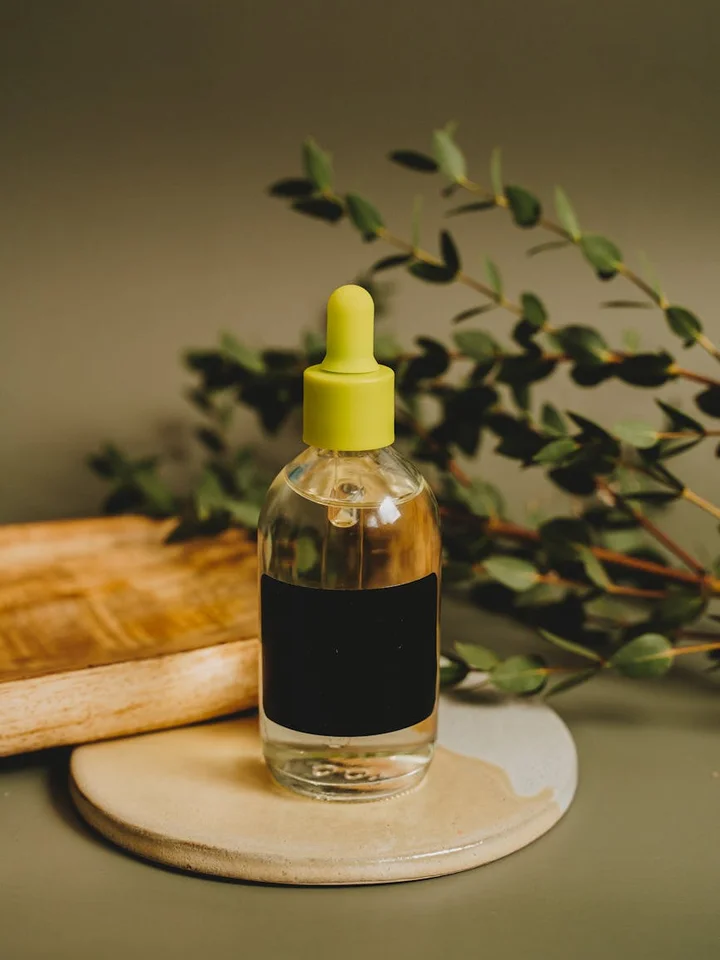
Even with the best intentions, your layered routine can hit a snag. Don’t see this as failure-see it as your skin giving you specific feedback. Here’s how to translate that feedback into a fix.
Problem: “My serum is pilling.”
You’re gently applying your product, only to find it rolling up into little balls on your skin. This is pilling, and it’s almost always a formulation clash, not a problem with your skin.
The most common culprit is a conflict between silicones (ingredients like dimethicone) and certain polymers or electrolytes. When they meet, they can form those pesky little rolls instead of a smooth film.
- Check your ingredient decks. If your water-based serum has a lot of carbomers or cationic polymers, and your next product is silicone-heavy, you might have found the clash. Try applying them in a different order, or with more time between layers.
- Apply to damp skin. A slightly damp face helps water-based products spread thinly and absorb better, reducing the chance of them balling up.
- Press, don’t rub. After smoothing a product on, use the palms of your hands to gently press it into your skin. This minimizes friction that can cause pilling. Think of it like sealing in the goodness instead of rubbing it around.
My client Maya, who loves a light gel moisturizer after her hyaluronic acid serum, solved her pilling issue simply by switching from a rubbing motion to a firm pressing technique.
Problem: “My face feels tight or still dry.”
You’ve applied your layers, but 20 minutes later your skin feels parched or taut. This usually means your moisture is evaporating into the air instead of staying in your skin.
This is a classic sign that you’re missing the final, sealing step in your routine.
- You likely skipped the moisturizer. Serums are brilliant at delivering hydration and actives, but many are not designed to seal. A moisturizer’s job is to create a protective barrier. If you have dry or mature skin like Noah, skipping this is like filling a bathtub but never putting in the stopper.
- You may need a more occlusive moisturizer. If you are using a moisturizer and still feel dry, it might not be substantial enough. Look for formulas with barrier-supporting ingredients like ceramides, fatty acids, and cholesterol, or slightly more occlusive agents like squalane or shea butter for nighttime.
Problem: “It feels heavy and never sinks in.”
Your skin feels slick, congested, or like products are just sitting on top all day. This is a signal that the balance of your routine is off for your skin type.
- You may be using too many layers. More is not always better. If you have combination or oily skin like Lina, three serums followed by a rich cream might simply be overload. Try scaling back to one or two targeted hydrators and a lighter lotion.
- Your formulas might be too rich for your skin. Heavy creams and oil-based serums are fantastic for very dry skin, but can feel suffocating on oilier complexions. Opt for gel-cream hybrids, watery essences, or lotions labeled “non-comedogenic.”
- Give each layer time to absorb. Wait a minute or two between applying products. This allows each one to partially set, preventing them from mixing into a single, heavy layer on the surface of your skin.
Adjusting your layers is not a sign you’re doing it wrong-it’s the exact process of personalizing your routine. Your skin’s needs change with the weather, your cycle, and your stress levels. Listening to these cues is the smartest skincare step you can take.
Your Layering Questions, Answered
Can I mix my serums together in my palm, or should I layer them separately?
Always layer them separately. Mixing can destabilize the formulations and cause pilling. Apply the thinnest, most water-based serum first, let it become tacky, then apply the next.
My skin feels tight after my routine. What am I missing?
This often means hydration is evaporating because you’re missing an effective seal. Ensure you’re following your hydrating serum with an adequate moisturizer to lock all that water in.
How can I tell if my products are truly absorbing?
Your skin should feel comfortably settled, not persistently slick or tacky, within a few minutes. A key sign of poor absorption is pilling when you apply the next layer, which often happens when you don’t wait enough between applying skincare products.
Putting It All Together for Hydrated Skin
Remember, the golden rule for layering is to always go from thinnest to thickest texture. Following this simple sequence ensures each hydrating layer can fully absorb and work effectively without feeling heavy or causing pilling. Trust this method to build a routine that leaves your skin supple and resilient.
- Begin with a cleansed, slightly damp face to help products bind to your skin.
- Apply your water-based serum first, like one with hyaluronic acid, and gently press it in.
- If using a second serum, choose a slightly denser formula and wait a minute between layers.
- Always lock everything in with a moisturizer tailored to your skin type, whether it’s a light lotion or a rich cream.
- In your morning routine, sunscreen is the non-negotiable final step to protect your newly hydrated skin.
I see clients like Lina perfect her combination skin routine by adjusting layers daily, and I encourage you to listen to your skin’s needs too. For a clear, step-by-step plan, my build skincare routine step guide can help you tailor each layer to your skin story. If you’re curious about a product or how to adapt this for your skin story, I love hearing from readers. Your questions help me provide even more tailored guidance for everyone on this blog.
Further Reading & Sources
- Layering Guide | The Ordinary
- How to Layer Serums in Your Skincare Routine | Dermstore
- Moisturizer Layering Hacks: Get the Perfect Skincare Routine
- Layer Serums & Balms – Max Hydration Guide | Jouer
- A Guide to Layering Your Serums, Moisturizers, and More
Lucy Zimmerman
Lucy is an expert author and blogger when it comes to skin care and body care. She has first hand expertise acting as skin care consultant for over 5+ years helping her clients achieve smooth blemish free skin with natural and working remedies. She also has been an avid experimenter and tried out all the natural and artificial remedies and treatments so you can learn from her first hand experience. Additionally, she has traveled to many countries around the world and incorporated the skin care routines she has learnt into this blog. So, wait no more, reach out to Lucy if you have any specific needs and follow her blog, LuciDerma for expert skin care advice.