
Alpha Arbutin Layering: How to Safely Mix It with Vitamin C, Retinol, or Niacinamide
If you’re staring at your serums wondering if Alpha Arbutin can team up with your Vitamin C or retinol, take a breath-this is a common puzzle I solve daily in my practice.
By the end of this guide, you will:
- Understand exactly why Alpha Arbutin works with (or against) each powerhouse ingredient.
- Build a confident, step-by-step routine for morning and night without irritating your skin.
- Spot the simple mistakes that can undermine your brightening goals.
Let’s create a layered routine that makes your skin look its best.
The Quick, Reassuring Answer
Yes, you absolutely can layer alpha arbutin with vitamin C, retinol, and niacinamide.
The real question isn’t if you can, but how and when you should do it for your specific skin. Think of it like making a good soup. You can add vegetables, broth, and herbs, but the order you add them and how long they cook changes the final result. Layer your skincare with the same thoughtful intention.
Combining these ingredients is not only safe but often more effective for targeting concerns like dark spots and uneven tone. I will explain the simple, skin-friendly rules for layering them so you can build a routine that works without confusion or irritation.
What Exactly Is Alpha Arbutin (And What Does It Do For You)?
Alpha arbutin is a gentle, skin brightening molecule naturally found in bearberry plants. Its main job is to quietly communicate with your pigment producing cells, called melanocytes, and gently tell them to ease up on making so much melanin. This makes it a champion for fading dark spots, sun spots, and post acne marks without being harsh. Its brightening effect is influenced by concentration, with different levels offering varying results. Selecting the right alpha arbutin concentration helps maximize brightening while maintaining gentleness.
I think of it as a diplomatic negotiator for your skin. Client stories help here. Lina, who has combination skin, came to me with stubborn post acne marks that her daily sunscreen alone couldn’t fade. We introduced a serum with alpha arbutin and licorice root extract. Within a few consistent weeks, those marks softened significantly. It worked because it addressed the pigment at its source, not just on the surface.
This gentle approach is why I prefer it over harsher, prescription only lighteners like hydroquinone for most everyday concerns. It’s a more sustainable and skin respectful alternative for long term use.
Alpha arbutin is most stable and effective at a skin friendly pH, generally between 5 and 7. This is crucial for mixing because it plays nicely with most other common actives that thrive in a similar, slightly acidic environment. You don’t have to worry about it becoming ineffective if your vitamin C serum or moisturizer is in the same pH ballpark.
The Ingredient Mixing Matrix: What Works, What Waits
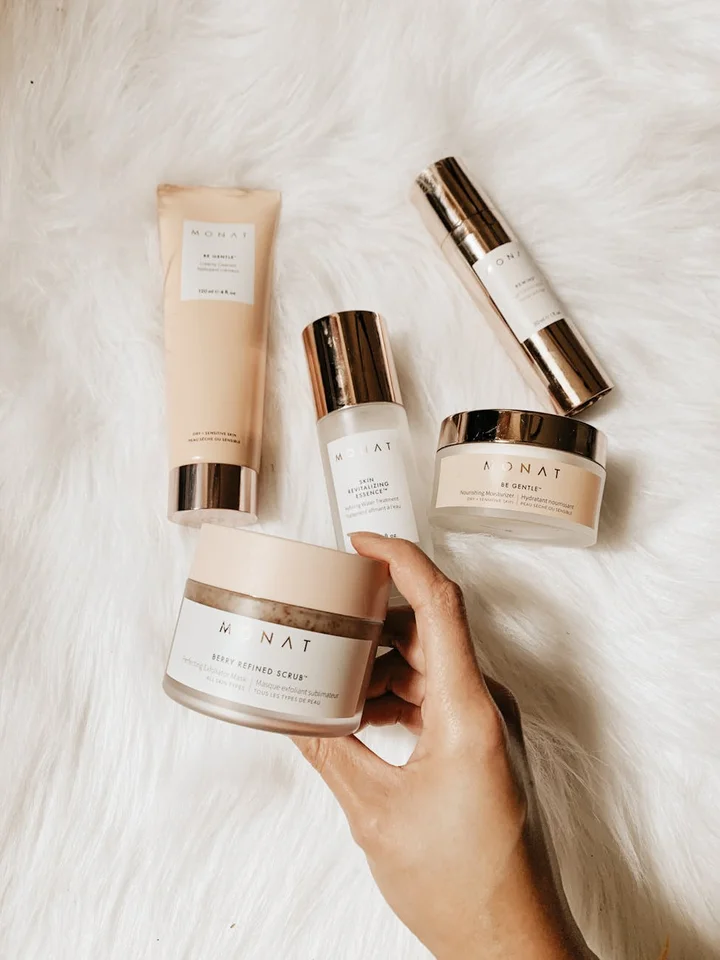
Think of your skin like a canvas. Alpha Arbutin is one color you’re using to correct dark spots, but the final masterpiece depends on how you blend it with others. Some combinations create harmony. Others need more careful layering. Here’s your practical guide.
Strong Synergies: Your Dream Team
These are the partnerships that make your routine more effective. They play nicely together because they work in similar environments or support each other’s goals.
Alpha Arbutin + Niacinamide
This is one of my favorite combinations for clients dealing with post-acne marks and general uneven tone. They are fantastic roommates. Together, they offer a gentle path to brighten acne-prone skin while evening out post-inflammatory discoloration. Both ingredients are generally stable and effective at a skin-friendly pH. Niacinamide strengthens your skin barrier, calms redness, and helps regulate oil. Alpha Arbutin then gets to work more effectively on the pigmentation beneath that now healthier barrier.
For a client like Maya, who has oily, acne-prone skin, this duo tackles both active breakouts and the marks they leave behind. You can apply them together. I often suggest applying the niacinamide serum first, as its barrier-supporting action creates an ideal base for the Alpha Arbutin to follow.
Alpha Arbutin + Vitamin C (L-ascorbic acid)
This pairing is about attacking discoloration from two different angles. Vitamin C is a powerful antioxidant that can also help brighten skin, and it thrives in a low pH (acidic) environment. Alpha Arbutin is also effective at a low pH. This means they can be applied in the same routine without canceling each other out.
The key is order and timing. Apply your Vitamin C serum first, as it needs that direct contact with clean skin. Wait a minute or two for it to absorb and do its work. Then, layer your Alpha Arbutin serum directly over it. Think of it as a one-two punch: Vitamin C defends and brightens, Alpha Arbutin targets and fades specific dark spots.
Proceed with Care: The Strategic Partnerships
These combinations have powerful potential, but they require a more cautious approach. The goal is efficacy without irritation.
Alpha Arbutin + Retinol or Retinoids
This can be a highly effective strategy for treating both wrinkles and sunspots. Retinol encourages skin cell renewal, which can help Alpha Arbutin penetrate deeper into the skin to reach pigment-producing cells. The major caution is that both can be drying, and retinol temporarily weakens the skin barrier as it works. Combining them recklessly can lead to redness, peeling, and sensitivity.
If you want to use them together, start slowly. My client Noah, with his dry, reactive skin, introduced them on alternate nights for a full month before trying a combined application. If your skin tolerates it, apply Alpha Arbutin first, wait 10-15 minutes for it to fully dry, then apply your retinol. Always, always follow with a rich, barrier-repairing moisturizer. And sunscreen the next morning is non-negotiable.
Better Apart: The Schedule Shuffle
These ingredients have a fundamental conflict that makes applying them together counterproductive. It’s not about danger, but about wasted effort.
Alpha Arbutin + Direct Acids (Glycolic, Lactic, Salicylic)
Here’s the chemistry: Alpha Arbutin needs a specific, stable pH to effectively convert to its active form (hydroquinone) right on your skin. Strong direct acids, like a glycolic acid toner or peel, drastically lower your skin’s surface pH to work. If you apply Alpha Arbutin immediately after, that acidic environment can change how its properties are affected by exfoliation, potentially making it less effective.
The simple solution is to separate them by time. Use your acid toner or treatment in the evening. Use your Alpha Arbutin serum in the morning. This gives each ingredient its own time to work without interference. For someone like Lina with combination skin, she might use a salicylic acid cleanser for her T-zone at night and apply Alpha Arbutin to her cheeks and forehead in her AM routine.
Layering Alpha Arbutin with Vitamin C: A Brightening Power Duo
Can you use alpha arbutin and vitamin C together? Absolutely. This is one of my favorite morning combinations for tackling dark spots and preventing new ones.
Think of them as a perfect team. Vitamin C, especially in forms like L-ascorbic acid, acts first. It’s a potent antioxidant that neutralizes free radicals from pollution and UV rays before they can trigger more pigment production. By defending your skin, vitamin C creates a stable environment for alpha arbutin to do its focused work. Alpha arbutin then goes in and gently interrupts the enzyme (tyrosinase) that tells your skin to make melanin, the pigment in dark spots. It’s this combination that makes ascorbic acid and alpha arbutin a powerhouse for skin brightening.
The order matters because of pH. Vitamin C serums, particularly effective ones, need a low pH (acidic environment) to be stable and absorb well. Alpha arbutin serums often have a more neutral pH.
Here’s the golden rule for layering them:
- Cleanse your face.
- Apply your vitamin C serum to slightly damp skin.
- Wait 60-90 seconds for it to fully absorb and dry down.
- Follow with your alpha arbutin serum.
This short wait lets the vitamin C settle without disrupting its pH. Then the alpha arbutin can layer on top without issue.
Let’s build a real morning routine. My client Maya, who has oily, acne-prone skin and is left with post-acne marks, uses this sequence:
- Step 1: A gentle, sulfate-free cleanser.
- Step 2: A lightweight, L-ascorbic acid vitamin C serum (she finds it less greasy than some creams).
- Step 3: A hydrating serum with 2% alpha arbutin, focusing on her cheeks and jawline where marks linger.
- Step 4: An oil-free, broad-spectrum SPF 50 moisturizer. Sunscreen is non-negotiable here, as UV exposure can undo all the brightening work.
This routine gives her antioxidant protection for the day ahead while steadily working to fade existing discoloration.
Some products combine both ingredients in one bottle, which is perfectly fine and simplifies your routine. These formulas are engineered to keep both actives stable together. If you choose a combined serum, you follow the single application step. Layering them separately simply gives you more control over the concentration and texture of each product.
Combining Alpha Arbutin with Retinol (or Tretinoin)
Yes, you can use alpha arbutin and retinol together. You can also pair it with the prescription-strength version, tretinoin. This combination is a powerful strategy for tackling hyperpigmentation and signs of aging simultaneously.
Think of them as a specialized team: alpha arbutin works to fade existing dark spots, while retinol encourages faster skin cell turnover to prevent new ones from forming and smooths texture.
This power comes with a need for caution, especially for those with dry or sensitive skin. I think of my client, Noah. His dry, reactive skin thrives on gentle, barrier-supporting ingredients. When he first introduced a retinoid, we did it alone, twice a week, over moisturizer. Adding another active like alpha arbutin right away would have been a recipe for redness and peeling for him.
A Safe, Simple Starting Protocol
If you are new to either ingredient or have sensitive skin, do not use them on the same night initially. An alternating schedule lets your skin acclimate to each one separately.
- Night A: Cleanse, apply your alpha arbutin serum to slightly damp skin, follow with moisturizer.
- Night B: Cleanse, apply your moisturizer, wait 10-15 minutes for it to absorb, then apply a pea-sized amount of retinol.
- You can have “rest nights” with just a gentle cleanser and moisturizer in between as needed.
This method minimizes irritation while letting both ingredients do their jobs. Patience here prevents setbacks.
An Advanced, Same-Night Routine
For skin that has built a tolerance to retinol (you use it most nights without dryness or sensitivity), you can apply both in one routine. The order and buffering are key.
- Cleanse with a gentle, non-stripping formula.
- Pat your face until just slightly damp.
- Apply your alpha arbutin serum. Its water-based texture absorbs well first.
- Apply a layer of your hydrating moisturizer. This acts as a protective buffer.
- Wait 15-20 minutes for your skin to fully dry. This is crucial.
- Apply your retinol product. The wait time helps prevent the retinol from penetrating too deeply too quickly, which lowers irritation.
This “serum, moisturizer, wait, retinol” sequence is a classic, gentle way to layer actives for resilient skin types. It is not a race. Listen to your skin; if you see persistent redness or peeling, revert to the alternating nights schedule.
Your Barrier Support is Non-Negotiable
Using alpha arbutin with retinol makes your moisturizer and barrier-repair ingredients the most important part of your routine. Retinol can be drying, and managing potential irritation is how you stay consistent.
Hydrating creams with ceramides, fatty acids, and glycerin are not optional with this combo-they are your foundation. Think of your moisturizer as the protective blanket that allows the actives to work effectively without causing harm. Skipping this step is how someone like Noah would end up with a raw, irritated complexion, undoing all the potential benefits.
Pairing Alpha Arbutin with Niacinamide: The Soothing Superteam
If you’re new to combining brightening ingredients, start here. This is one of the easiest and most recommended pairings in my clinic.
Think of them as a perfect support system. Alpha arbutin gets to work fading dark spots and post-acne marks. Meanwhile, niacinamide acts like a calm, capable manager in the background. It soothes inflammation (the redness that often comes with treating discoloration) and actively reinforces your skin’s barrier. This creates a stable environment where alpha arbutin can do its job effectively, without causing the irritation that can sometimes derail a brightening routine. These niacinamide skin barrier benefits help keep moisture in and irritants out. A stronger barrier makes the routine gentler and more consistently effective.
Application is wonderfully straightforward. There’s no strict, fussy order needed. You can apply them one after the other, or even mix a few drops of each in your palm before applying. They play very nicely together.
For a simple, elegant solution, I often suggest looking for a serum that formulates both ingredients together. This takes the guesswork out of layering and ensures the concentrations are designed to work in harmony. It’s a fantastic one-step option.
I position this combo as the ideal starting point for anyone, but especially for my clients like Noah with reactive skin, or Lina who is curious but cautious. If you have sensitive or redness-prone skin and want to brighten, the alpha arbutin and niacinamide duo is your most gentle, effective first move.
Your Step-by-Step Layering Guide: Morning vs. Night
Let’s move from theory to practice. Think of your routine like getting dressed: you start with the lightest layers closest to your skin and build outwards for protection. The goal is to let each active ingredient do its job without getting in each other’s way.
Morning Routine: The Brightening & Shielding Shift
Your morning mission is to address discoloration and defend against daily damage. This is where Alpha Arbutin and Vitamin C can be a powerful duo. We’ll build a routine that’s effective yet gentle enough for most skin types.
Beginner-Friendly AM Routine
This sequence is perfect if you’re new to active ingredients or have sensitive skin like my client Noah. It focuses on one key active (Vitamin C) and uses a moisturizer that contains other beneficial ingredients like Niacinamide.
- Cleanser: Use a gentle, water-based cleanser.
- Vitamin C Serum: Apply a few drops of your L-ascorbic acid or ethylated vitamin C serum to damp skin. This goes first because it works best at a low pH.
- Patience is a skincare step: Give your serum a full 60 seconds to absorb and let your skin’s pH stabilize.
- Moisturizer: Apply a fragrance-free moisturizer. Many good moisturizers already contain Niacinamide and other barrier-supporting ingredients, which is a perfect, gentle way to incorporate it.
- Sunscreen (Non-Negotiable): Finish with a broad-spectrum SPF 30 or higher. This protects your skin and prevents the dark spots you’re trying to fade from getting worse. Sun protection is the most critical step in any brightening routine.
Experienced AM Routine
For those comfortable with actives, this routine directly layers Alpha Arbutin with Vitamin C for a targeted approach to hyperpigmentation.
- Cleanser: Gentle, water-based formula.
- Vitamin C Serum: Apply to damp skin as your first treatment layer.
- Wait Time: Allow 60-90 seconds for the vitamin C to fully absorb.
- Alpha Arbutin Serum: Apply a layer of your Alpha Arbutin serum next. Its water-like consistency means it layers beautifully over another serum.
- Lightweight Moisturizer: Use a simple, hydrating gel-cream to seal everything in.
- Sunscreen (Non-Negotiable): Your essential final shield. Never skip it.
Night Routine: The Repair & Renewal Shift
Nighttime is for repair and renewal. This is when we bring in retinol. I recommend keeping Alpha Arbutin in your morning routine with Vitamin C and letting retinol have the spotlight at night to avoid overwhelming your skin.
Beginner-Friendly PM Routine (Retinol Focus)
This simple routine introduces retinol slowly, which is the smartest way to avoid irritation. We’ll save Alpha Arbutin for the mornings.
- Cleanser: Thoroughly remove sunscreen and makeup.
- Toner or Essence (Optional): A hydrating, non-active toner can prep your skin.
- Moisturizer: Here’s a pro tip: apply your moisturizer first. This “buffer” method reduces potential retinol irritation. Look for one with Niacinamide to soothe skin.
- Retinol: After your moisturizer has settled for a minute, apply a pea-sized amount of retinol or retinoid cream all over your face.
- Patience is a skincare step: Wait 5-10 minutes before your next step to let it absorb.
- Night Cream or Face Oil: If your skin feels dry, lock everything in with a richer cream or a few drops of a calming oil like squalane.
Experienced PM Routine (Targeted Treatment)
For resilient skin accustomed to actives, this routine pairs retinol with Niacinamide to boost benefits and manage potential side effects.
- Cleanser: Double cleanse if you wear heavy sunscreen or makeup.
- Niacinamide Serum: Apply a 5% Niacinamide serum. This preps your skin barrier and can help mitigate retinol-induced redness.
- Wait Time: Let it dry down completely, about 2 minutes.
- Retinol: Apply your retinol treatment directly to skin. Doing it this way (without a buffer) maximizes potency.
- Patience is a skincare step: Give it a good 10-15 minutes. Read a book, fold laundry.
- Reparative Moisturizer: Apply a moisturizer packed with ceramides and peptides to support overnight recovery. This final step of nourishment is what helps your skin repair itself gracefully while using potent ingredients like retinol.
Important Safety & Contraindications: When to Press Pause
Think of your skin barrier like a well-built brick wall. When it’s intact, it protects beautifully. But if the wall is cracked or missing mortar, pouring in potent ingredients just causes more damage. Layering actives is a powerful strategy, but only when your skin’s foundation is solid.
Do not start mixing these actives if your skin is currently in a state of distress. This includes active rashes (like eczema or allergic contact dermatitis), visibly broken skin (from picking, wounds, or severe cracking), or a severely compromised moisture barrier that feels tight, raw, or burns with most products. Your only job here is repair with simple, soothing ingredients.
If you are pregnant, planning to become pregnant, or breastfeeding, your skincare game changes. While alpha arbutin and vitamin C are generally considered safe, the retinol family is a different story. You must consult your doctor or dermatologist before using any retinol, retinoid, or prescription tretinoin during this time. It’s a non-negotiable step for your safety and your baby’s.
Here is the one rule that applies every single day, without exception: using any brightening active without daily SPF is counterproductive. Alpha arbutin, vitamin C, and retinoids make your skin more photosensitive and can increase sun damage if you skip protection. Sun exposure is the fastest way to undo all your hard work and trigger more pigment production. Your morning antioxidant serum is only as good as the sunscreen you layer over it.
Your skin will talk to you. You just have to listen. Signs that your layered routine is too much and you need to stop include:
- Increased, persistent redness that wasn’t there before.
- Stinging or burning that lasts more than a minute after application.
- Peeling or flaking beyond mild, expected retinoid adjustment.
- A new, uncomfortable sensitivity to products you used to tolerate.
When I see Noah, my client with dry, reactive skin, pushing too hard with a new acid, his cheeks tell me immediately. We always scale back to a bare-bones moisturizer and sunscreen until his comfort returns. Gentle consistency with one well-tolerated active will always beat an aggressive cocktail that leaves your barrier in flames. Slow and steady truly wins the race for lasting, healthy skin.
Your Alpha Arbutin Layering Questions, Answered
Can I use Alpha Arbutin with Vitamin C, Retinol, and Niacinamide all together?
While you can, I don’t recommend using all four potent actives in one routine, as it can overwhelm your skin barrier. A smarter approach is to pair them strategically across your AM and PM routines, like Vitamin C and Arbutin in the morning and Retinol with Niacinamide at night.
What should I do if my skin gets irritated after layering?
Immediately pause all actives and simplify your routine to just a gentle cleanser, a reparative moisturizer, and sunscreen. Once your skin is fully calm, reintroduce one active at a time, every other night, to identify the culprit.
How long until I see results from these combinations?
When layered correctly, you may notice improved brightness within 4-6 weeks, but significant fading of dark spots typically takes a consistent 8-12 weeks. Patience and daily sunscreen are the true keys to unlocking these ingredients’ brightening potential.
Building a Brighter Skincare Routine
Layering Alpha Arbutin with other actives like Vitamin C, Retinol, or Niacinamide can be both effective and gentle when you understand your skin’s needs. Focus on formulation compatibility and listen to your skin’s signals to avoid irritation while achieving your glow goals with Alpha Arbutin’s skin brightening benefits.
- Combine Alpha Arbutin with Niacinamide in your PM routine for synergistic brightening and barrier support.
- Apply Vitamin C in the morning and Alpha Arbutin at night to prevent potential conflicts and maximize antioxidant protection.
- Space out Retinol and Alpha Arbutin by using them on alternate evenings to minimize sensitivity.
- Never skip broad-spectrum sunscreen during the day, as Alpha Arbutin can increase sun sensitivity.
I’m here to guide you through these skincare puzzles with evidence and empathy. If you’re curious about other ingredient pairings or have a unique skin story, I invite you to share it with our LuciDerma community. Together, we can navigate your skincare journey with practical, cruelty-free advice that puts your skin’s health first.
Lucy Zimmerman
Lucy is an expert author and blogger when it comes to skin care and body care. She has first hand expertise acting as skin care consultant for over 5+ years helping her clients achieve smooth blemish free skin with natural and working remedies. She also has been an avid experimenter and tried out all the natural and artificial remedies and treatments so you can learn from her first hand experience. Additionally, she has traveled to many countries around the world and incorporated the skin care routines she has learnt into this blog. So, wait no more, reach out to Lucy if you have any specific needs and follow her blog, LuciDerma for expert skin care advice.