
Glycolic Acid for Body Odor and Skin Texture: Your Esthetician’s Action Plan
If you’re wondering whether glycolic acid can tackle stubborn body odor and rough skin, you’re asking a brilliant question. I discuss this with clients regularly, and the solution is both effective and simple.
This article will give you clear, trusted guidance so you can make informed choices. Here’s what you’ll learn:
- How glycolic acid works to minimize odor by creating an unfriendly environment for bacteria.
- Why it’s a powerful ally for smoothing bumps and texture on your arms, legs, and underarms.
- A safe, step-by-step method to add it to your body care routine without causing irritation.
- My insights on selecting gentle, cruelty-free formulas that truly work.
You have the power to transform your body care routine into something that feels genuinely refreshing.
Glycolic Acid 101: Your Skin’s Gentle Eraser
Glycolic acid is the smallest member of the alpha hydroxy acid (AHA) family, and it’s derived from sugar cane. Its size is its superpower. Because the molecule is so tiny, it can penetrate skin more easily than other AHAs to get to work. That work? Dissolving the material that holds dead skin cells together. Think of these bonds like stubborn glue.
Your skin constantly makes new cells and sheds old ones, but sometimes the shedding process gets lazy. Dead cells stick around, leading to a dull, rough, or congested surface. Glycolic acid breaks those bonds, allowing the dead cells to slough away. It acts like a gentle, chemical eraser, buffing away the top layer to reveal the fresher, smoother skin underneath.
Using glycolic acid is about encouraging your skin’s natural renewal process, not scrubbing it raw. It’s important to use it with care, especially if you’re considering daily exfoliation.
Molecule Spec Sheet: Glycolic Acid
| pH (Optimal Range) | 3.5 – 4.5 |
| Typical Body Concentrations | 5% – 10% (Start low if new to acids) |
| Solubility | Water-soluble. Works on the skin’s surface. |
| Key Safety Note | Causes sun sensitivity. Daily sunscreen on treated areas is non-negotiable. |
How This Tiny Acid Makes a Big Difference on Body Skin
That erasing action translates to real changes you can see and feel. By clearing away the buildup of dead cells, glycolic acid directly addresses common body skin complaints. It smooths sandpapery texture, unclogs pores that lead to body bumps, and over time, can help fade the dark marks leftover from old insect bites or ingrown hairs.
It’s helpful to know how it differs from an acid like salicylic acid, which is oil-soluble. Salicylic acid is fantastic for diving into oily pores. Glycolic acid, being water-soluble, is your expert for surface-level texture and dullness. My client Noah, with his dry, reactive skin, finds a low-concentration glycolic body lotion perfect for softening his rough elbows and knees without causing irritation.
For body care, glycolic acid is your go-to for tackling roughness, uneven tone, and the bumpy texture that feels trapped under the surface.
The Science of Smell and Smoothness: How Glycolic Acid Helps
The magic of glycolic acid for your body boils down to two powerful benefits: it can create a less stinky environment and it dramatically improves skin texture. Beyond these perks, glycolic acid can help clear blackheads and refine pores. We’ll explore how this ingredient targets pore health and skin texture.
Fighting Odor: It’s Not a Deodorant, It’s a Preemptive Strike
First, a key fact. Sweat itself is mostly odorless. Body odor happens when the bacteria that naturally live on your skin feast on your sweat and the dead skin cells present. It’s the bacterial digestion process that creates the smell.
This is where glycolic acid steps in. By consistently exfoliating and removing that layer of dead skin cells, you’re essentially taking away the bacteria’s favorite buffet table. You create a cleaner, less hospitable surface for them to thrive on. With less bacterial activity, there can be less odor.
It’s crucial to understand that glycolic acid is not an antiperspirant. It won’t stop you from sweating, which is a healthy, natural process. It simply aims to make the aftermath less noticeable. For results, consistency is key. When people ask ‘glycolic acid armpits for smell how long,’ I tell them it’s not instant. You might notice a change in a week or two of regular use, but it works best as part of a sustained routine.
Transforming Texture: From Bumpy to Baby-Soft
This is where glycolic acid truly shines. The regular exfoliation it provides prevents many common texture issues. By keeping hair follicles clear of dead skin cell debris, it helps prevent ingrown hairs. It can smooth the rough, chicken-skin bumps of keratosis pilaris (KP) by dissolving the plugs of keratin that cause them. Elbows, knees, and heels become noticeably softer.
Now, about the question, ‘can glycolic acid reduce underarm darkness?’ The answer lies in its effect on post-inflammatory hyperpigmentation. Dark underarm areas can be caused by chronic irritation from shaving, friction, or old inflamed bumps. Glycolic acid helps fade this type of dark mark by accelerating cell turnover, slowly lifting away pigmented surface cells to reveal more even-toned skin underneath. Patience is vital here, as this fading process happens over months, not days.
For my client Lina, who deals with sensitive skin and occasional bumps, a gentle glycolic toner used a few times a week on her body keeps her skin smooth and helps old marks from her last bout of folliculitis fade more quickly.
Your Step-by-Step Guide to Safe Application
Think of using glycolic acid on your body like following a recipe. If you skip steps or mix things out of order, the result isn’t quite right. This guide gives you the exact order of operations for smooth, happy skin.
Prepping the Canvas: Clean, Dry, and Ready
Great results start with the right base. Always apply your glycolic acid treatment to clean skin. Use your regular body wash in a lukewarm shower, then pat your skin thoroughly dry with a towel. Rubbing can cause micro-irritations.
Wait at least 15-20 minutes after your shower before applying glycolic acid. Your skin should feel completely cool and dry to the touch. Applying it to warm, damp skin from a hot shower can drive the acid deeper and cause stinging or irritation.
Application How-To: Armpits, Body, and Beyond
Your method depends on the area you’re treating. Here’s how to handle different zones.
For armpits, a cotton pad gives you the most control. Yes, you can put glycolic acid on your armpits. Soak a cotton pad with your glycolic acid toner or solution. Sweep it over the entire underarm area once. Start using it just 2-3 times per week, ideally in your evening routine, to see how your skin responds.
For larger areas like your arms, legs, or back, using your hands can be faster. Pour a small amount of product into your palm and smooth it over the skin. A spray formulation is another convenient option for hard-to-reach spots.
What about more sensitive areas? You can use glycolic acid on your bikini line to help with texture and occasional bumps, but you must proceed with caution. Only use a very low concentration product here (5% or less) and patch test first on a small area. Avoid applying it immediately after hair removal.
This leads to a critical rule: never use glycolic acid on your underarms or bikini line right after waxing, shaving, or any hair removal. Your skin has micro-tears and is too vulnerable. You must wait until any redness, bumps, or sensitivity has completely calmed down, which typically takes 2-3 full days. Applying acid to compromised skin is a direct ticket to burning and a damaged skin barrier.
The Non-Negotiable Follow-Up: Moisturize and Protect
Glycolic acid works by loosening the glue between dead skin cells. This process can temporarily weaken your skin’s moisture barrier. Hydration is not a suggestion; it’s a required step to keep your skin strong and resilient, especially when using products like daily glycolic acid peels.
After the glycolic acid dries (about 1-2 minutes), lock in moisture with a basic, fragrance-free body lotion or cream. Think of the acid as clearing the way and the moisturizer as rebuilding a protective, comfortable layer.
If any treated area will be exposed to daylight, sunscreen is absolutely mandatory the next morning. Freshly exfoliated skin is far more susceptible to sun damage, which can lead to dark spots and undo all your good work. Make it a non-negotiable part of your daily routine.
Contraindications & Safety Warnings: When to Press Pause
Glycolic acid is a powerful tool, and every powerful tool comes with a manual of safety precautions. Ignoring these can set your skin health back.
Absolute “No-Go” Zones and Conditions
Do not apply glycolic acid if your skin barrier is already compromised. This includes:
- Broken skin (cuts, scrapes, open wounds)
- Active razor burn, ingrown hairs, or rash
- Sunburn
- Active flares of eczema, psoriasis, or dermatitis
- Skin that has been waxed, lasered, or epilated within the last 48-72 hours
If you are pregnant or breastfeeding, the conservative and recommended approach is to consult with your doctor or dermatologist before introducing any new acid into your routine.
Potential side effects from using glycolic acid on your armpits or body are usually a sign of overuse or applying to sensitive skin. If you feel a persistent sting, see significant redness, or experience a burning sensation, these are clear signs your skin is irritated and you should stop immediately.
Listening to Your Skin: Signs You’re Overdoing It
Your skin will tell you when it’s had enough. Pay attention to these signals of over-exfoliation:
- Stinging that lasts more than a minute after application
- Persistent redness or visible inflammation
- A feeling of tightness or dryness, like your skin is stretched
- Increased sensitivity to products that never bothered you before
If you notice any of these, it’s time for a skin reset. Stop all exfoliants and active ingredients (like retinols or other acids) for at least one week. Wash with a gentle, non-foaming cleanser and moisturize generously with a bland, repairing cream. Only when all signs of irritation are gone should you consider reintroducing glycolic acid, and then only once per week to start.
Choosing Your Product: A Thoughtful Shopper’s Guide
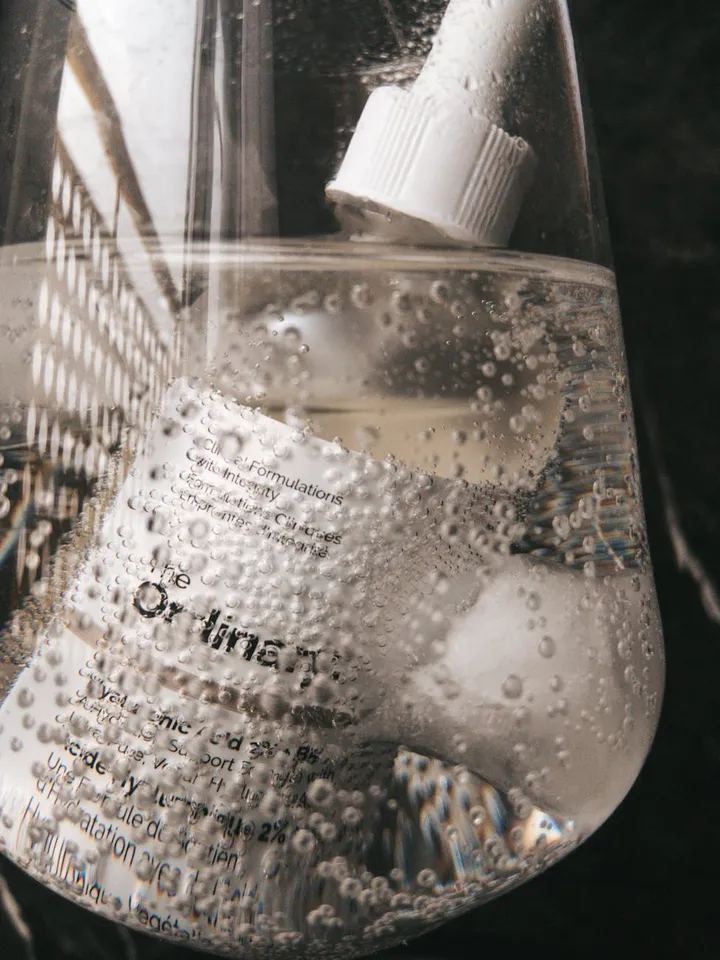
Walking down the skincare aisle can feel overwhelming, but choosing the right glycolic acid product comes down to a few smart decisions. I help clients like you skip the guesswork by focusing on formulation details that truly matter for your skin’s comfort and results.
Concentration and Formulation: What to Look For
Your body skin is thicker than your face, but the underarm area is surprisingly delicate. For both safety and effectiveness, start with a product containing 5% to 7% glycolic acid. This range is potent enough to work on body texture and odor without overwhelming your skin barrier, a lesson my client Noah (with his dry, reactive skin) appreciates.
Next, consider the format. Here’s how they typically break down:
- Toners or Liquids: This is the most common and versatile form. Think of it like a thin layer of water you can swipe on with a cotton pad. It’s excellent for large areas like arms or legs and allows for easy, even application on underarms.
- Creams or Lotions: These offer a bit more slip and can feel more soothing. They’re a good choice if your skin tends toward dryness, as they provide light hydration while exfoliating.
- Pre-soaked Pads: These are all about convenience-no spills, no mess. They’re perfect for travel or quick application, though they can be less economical for treating larger body areas.
No matter the format, read the ingredient list. For underarm use especially, seek out fragrance-free and dye-free formulas to minimize the risk of irritation in that sensitive fold of skin. Your goal is to introduce an active ingredient, not a cocktail of potential irritants.
Glycolic Acid vs. Mandelic Acid: A Gentler Alternative?
If you have very sensitive skin or are new to chemical exfoliants, you might wonder, ‘can i use mandelic acid on my armpits?’ The answer is often yes, and it can be a brilliant starting point.
Picture glycolic acid as a small, speedy molecule. It penetrates skin quickly, which makes it effective but also means it can be more intense. Mandelic acid, derived from almonds, has a larger molecular size. This means it works a little slower and more gently on the surface, which is why many people with reactive skin tolerate it better.
Mandelic acid also has natural antibacterial properties, making it a strong contender for odor control, especially for those who find glycolic acid too strong at first. If you’re hesitant, starting with a mandelic acid product on your underarms is a cautious and effective strategy. My client Lina, with her combination, sensitive skin, found this switch made her routine much more comfortable.
Setting Realistic Expectations: What “Before and After” Really Looks Like
I always tell my clients that consistency is your best friend here. Instant miracles are rare in skincare, but predictable, steady progress is absolutely possible when you know what to expect.
The Odor Reduction Timeline
Let’s talk about the ‘glycolic acid armpits smell’ question. The pH-lowering effect can start to discourage odor-causing bacteria quite quickly. You might notice a fresher feel within a few days to a week of regular use, typically every other day.
This leads to a common query in ‘glycolic acid armpits for smell before and after’ stories. The key is understanding that this is a maintenance strategy. Think of it like brushing your teeth-it’s a regular part of your hygiene that manages the issue, not a one-time permanent cure. If you stop, the bacteria (and odor) will likely return.
The Texture and Tone Transformation Timeline
For smoothing rough bumps like keratosis pilaris (KP) or preventing ingrown hairs, patience pays off. With consistent application 3-4 times a week, you may see a noticeable smoothing of skin texture in about two to four weeks. The acid is diligently dissolving the glue-like bonds holding dead skin cells to the surface.
Fading dark marks or underarm darkness is a longer journey. These pigmentation concerns are deeper in the skin. Meaningful lightening often requires six to eight weeks or more of consistent use, and sunscreen on exposed areas is non-negotiable to protect your progress. This is a critical point that often gets lost in ‘glycolic acid armpits before and after’ photos.
When you read ‘glycolic acid armpits reviews’, you’ll see a range of experiences. Some people see fast texture results, others focus on odor control. Your unique skin biology, consistency, and the specific product formulation all play a role. What’s universal is the need for a gentle, steady approach and a good patch test behind your knee or on your inner arm before going all in.
Your Glycolic Acid Body Care Questions, Answered
I have sensitive skin. Is there a gentler acid I can use on my armpits?
Absolutely. Mandelic acid, derived from almonds, has a larger molecule that works more gently on the skin’s surface and possesses natural antibacterial properties. It’s an excellent, less irritating alternative for odor and texture control for acne-prone skin, especially for reactive skin.
How long should I wait to apply glycolic acid after shaving my underarms?
You must wait a full 48-72 hours after any hair removal, like shaving or waxing. Applying it to skin with micro-tears can cause significant burning and damage your skin barrier.
Is it better to use glycolic acid on my body in the morning or evening?
Evening application is ideal. This allows the acid to work overnight without immediate sun exposure, and you can follow with your mandatory sunscreen the next morning to protect the freshly exfoliated skin.
Final Thoughts on Glycolic Acid for Your Body
Glycolic acid can be a brilliant multitasker for your body, helping to smooth texture and manage odor by gently exfoliating and creating a skin-friendly environment. The key is to introduce it slowly and listen to your skin’s response above all else. For glycolic acid on the face, start with a thin layer and do a patch test, increasing use gradually if tolerated. Remember to wear sunscreen daily, as glycolic acid can increase sun sensitivity.
- Always patch test a new glycolic acid product on a small area of your inner arm before wider use.
- Start with once-weekly applications to see how your skin tolerates it, especially in the armpits.
- You can use it alongside your regular deodorant; just let the acid serum dry completely first.
- Follow with a gentle, fragrance-free moisturizer to support your skin barrier.
- Never skip sunscreen on areas you treat, as exfoliation makes skin more sun-sensitive.
For more tips on caring for your skin from head to toe, follow along right here on the LuciDerma blog. We’re always exploring gentle, effective routines. If you have a question about your specific skin story, send it our way-we’re here to help you find your calmest, healthiest skin.
Research and Related Sources
- How To Use Glycolic Acid for Smooth Skin – Glo Skin Beauty Blogs
- Glycolic Acid 7% Exfoliating Toner | The Ordinary
- Glycolic acid for the skin: Benefits and how to use it
Lucy Zimmerman
Lucy is an expert author and blogger when it comes to skin care and body care. She has first hand expertise acting as skin care consultant for over 5+ years helping her clients achieve smooth blemish free skin with natural and working remedies. She also has been an avid experimenter and tried out all the natural and artificial remedies and treatments so you can learn from her first hand experience. Additionally, she has traveled to many countries around the world and incorporated the skin care routines she has learnt into this blog. So, wait no more, reach out to Lucy if you have any specific needs and follow her blog, LuciDerma for expert skin care advice.