
Hyaluronic Acid for Acne-Prone Skin: The Clear, Chemistry-Backed Truth
If you have acne-prone skin, you might look at hyaluronic acid serums and wonder if all that hydration could backfire. I hear this concern daily, and the science behind it is more reassuring than you might think.
- You’ll learn the simple chemistry of hyaluronic acid, so you can see why it’s not a pore-clogger.
- You’ll understand how strategic hydration can calm inflamed skin and help regulate oil, giving you a practical tool for management.
- You’ll get my esthetician-tested tips for picking the right formula and pairing it with your acne treatments, empowering you to build a smarter routine.
Let’s turn that hesitation into confidence for your clearest skin yet.
Your Hydration Hero: What Hyaluronic Acid Really Is
Let’s start by demystifying the name. Hyaluronic acid sounds like something harsh, but it’s actually a sugar molecule your body makes naturally. Think of it as your skin’s built-in moisture magnet.
I love to explain it as a microscopic, super-thirsty sponge. One gram of hyaluronic acid can theoretically hold up to six liters-or about 1000 times its weight-in water. This incredible capacity is why it’s a star player for plumping and hydrating your skin from within.
This brings us to a key distinction: HA is a humectant, not an emollient or oil. A humectant works by drawing water to itself. It’s like putting out a welcome mat for hydration. This is different from a rich cream or oil, which works by laying down a protective, occlusive layer to seal moisture in. For my client Maya with oily, acne-prone skin, this is perfect news. She gets the deep hydration her skin craves without the heavy, pore-clogging feel of some traditional moisturizers.
Not all HA is the same, and this is where molecular weight comes in. Imagine the molecule as a chain. A high molecular weight HA is a long chain that sits on the skin’s surface, providing immediate smoothing and protection. A low molecular weight HA is a shorter chain that can penetrate a bit deeper into the upper layers of skin. Using a product with multiple weights can be a smart strategy for layered hydration.
The Molecule Spec Sheet: HA’s Chemistry Card
When you’re choosing any skin care ingredient, especially for acne-prone skin, it helps to look at its basic chemistry. Here’s a quick reference table for hyaluronic acid.
| Property | The Detail | Why It Matters for Acne |
|---|---|---|
| pH | Typically neutral (around 7) | It plays well with others. A neutral pH means it’s unlikely to disrupt your skin’s acid mantle or interfere with other active ingredients like salicylic acid or retinoids in your routine. |
| Typical Concentration | 0.1% – 2% | A little goes a very long way. Effective hydration happens at low concentrations, so there’s no need for super-high doses that could potentially feel sticky or tacky on the skin. |
| Solubility | Water-soluble | This is a major plus for acne-prone skin. Because it dissolves in water, it rinses off cleanly and doesn’t leave a greasy, pore-clogging residue. It hydrates without “sitting” heavily in your pores. |
| Safety Profile | Non-comedogenic, non-irritating for most | It’s generally very well-tolerated. While any ingredient can cause a reaction, HA is famous for being gentle. My cautious client Noah, with his dry, reactive skin, finds it to be a reliable, fragrance-free hydration boost that doesn’t trigger redness. |
The water-soluble nature is the real takeaway here. For skin that’s prone to congestion, ingredients that wash away cleanly are often a safer bet than heavier oils or butters that might linger and trap debris.
The Big Question: Can Hyaluronic Acid Cause Breakouts or Irritation?

Let’s get straight to it. Hyaluronic acid itself does not cause acne. It is a naturally occurring molecule in your skin, not an oil or a substance that clogs pores. Think of it like a microscopic sponge designed only to hold water, not to block the exit of a pore.
Its molecular structure is too large to sink into and congest a pore. Hyaluronic acid is classified as non-comedogenic, meaning it is formulated not to clog pores, which makes it a safe hydrator for all skin types, including acne-prone skin.
The Real Culprits Are Often Hiding in the Formula
If a product with hyaluronic acid causes a breakout, the acid itself is almost never the villain. The issue usually lies with the other ingredients in the bottle. A serum or moisturizer is a team effort, and sometimes a teammate doesn’t play well with your particular skin.
Common pore-clogging (“comedogenic”) ingredients that can be mixed into HA products include certain heavy oils, synthetic fragrances, and some thick, waxy emulsifiers. My client Maya, who has oily, acne-prone skin, once tried a “hydrating” night cream that broke her out. The hyaluronic acid was listed high up, but so was coconut oil, which is known to be comedogenic for many. We switched her to a pure HA serum followed by a lightweight, oil-free gel moisturizer, and her hydration improved without a single new blemish.
Always check the full ingredient list, not just the hero ingredient on the front of the bottle. If you’re acne-prone, look for formulas that are also labeled non-comedogenic, oil-free, and fragrance-free to minimize risk.
That Tight, Uncomfortable Feeling Isn’t a Breakout
There’s one strange scenario I’ve seen, especially with clients who live in very dry, desert-like climates or use indoor heating constantly. If you apply a high concentration of hyaluronic acid serum to very dry skin and don’t “seal” it in, it can theoretically pull moisture from the deeper layers of your skin if there’s no humidity in the air to pull from.
This leads to “transient dehydration” a temporary feeling of tightness, roughness, or even flakiness. It can feel alarming, but it’s not acne. It’s a sign your hydration strategy needs a small tweak. The fix is simple: apply your hyaluronic acid serum to damp skin and always follow it with a moisturizer to lock that water in. This creates a moisture sandwich your skin will love.
When Compromised Skin Says “Ouch”
For skin with a severely damaged barrier think redness, stinging with most products, extreme sensitivity even gentle ingredients can cause a temporary reaction. If your skin barrier is compromised, applying any active, including HA, might cause a brief sting or mild redness.
This isn’t an allergy or a breakout. It’s a signal that your skin’s protective shield is down. In cases like this, which I often see with clients like Noah who have reactive skin, we pause all actives and focus solely on barrier repair with ultra-gentle cleansers and ceramide-rich creams. Once the skin is calm and strong again, hyaluronic acid can usually be reintroduced without issue. If you experience stinging, listen to your skin. It might be asking for a simpler routine temporarily.
How Hyaluronic Acid Actually Helps Calm Acne-Prone Skin
Many people with oily or acne-prone skin fear that adding more hydration will make things worse. I see this all the time in the treatment room. The logic seems sound: if your skin is already oily, why add more moisture? But skin chemistry is rarely that straightforward.
Hydration Builds a Stronger, Less Reactive Barrier
Think of your skin’s outermost layer, the stratum corneum, like a brick wall. The skin cells are the bricks, and lipids (fats) are the mortar that holds them together. When this wall is dehydrated, the mortar cracks. Gaps form. This compromised barrier can’t do its job of keeping irritants out and moisture in.
Acne-prone skin is already in a state of inflammation, and a damaged barrier lets in more irritants, triggers more inflammation, and can make breakouts look and feel angrier. Hyaluronic acid works by patching some of those cracks with water, helping the barrier repair itself so it’s less reactive.
It Soothes the Redness and Swelling
Beyond just filling cracks, HA has a direct, calming effect. Research shows it can help regulate the skin’s inflammatory response. When a pimple forms, your skin sends out distress signals called cytokines, which cause the redness, heat, and swelling you see and feel.
Hyaluronic acid can help quiet some of those signals. Applying a well-formulated HA serum to an active breakout doesn’t feed the pimple; it helps soothe the inflamed, swollen tissue around it. It’s like giving your skin a cool drink of water when it’s having a heated argument with itself.
Proper Hydration Can Normalize Oil Production
This is the part that often surprises my clients. When your skin is dehydrated, it can go into panic mode. Your sebaceous glands get the signal that the surface is too dry, so they pump out more oil (sebum) to compensate. This creates a vicious cycle: you strip oil because you feel greasy, your skin gets dehydrated, and then it produces even more oil.
By consistently delivering lightweight, non-pore-clogging hydration with an ingredient like HA, you’re telling your skin, “It’s okay, we’ve got the moisture handled.” Over time, this can help signal your oil glands to ease up, leading to a more balanced complexion. It doesn’t turn off oil production-healthy skin needs some oil-but it can prevent the overcompensation that leads to excess shine and clogged pores.
A Real-World Example: Maya’s Story
My client Maya, who has oily, acne-prone skin, used to avoid moisturizer entirely. She’d use a foaming cleanser, treatment toner, and spot treatments, thinking any cream would cause new breakouts. Her skin was often shiny yet tight, and her breakouts were persistently red and irritated.
We introduced a simple, fragrance-free hyaluronic acid serum. She applied it to damp skin after cleansing, followed by a tiny amount of gel-cream moisturizer. She was skeptical, but within two weeks, she noticed a change. The tight feeling was gone, the overall redness in her complexion had decreased, and her active breakouts seemed to settle down faster. The surface of her skin felt smoother and more resilient, not greasier. She learned that hydration was the support system her acne treatments needed, not the enemy. This curiosity led her to explore source hyaluronic acid skin care and how the ingredient is sourced. Understanding its origins helped her choose products that were both gentle and effective.
If you’re considering this path, do a patch test first. And always apply hyaluronic acid to damp skin, then seal it with your next step (like a moisturizer or sunscreen) to lock in that hydration.
Contraindications & Safety Warnings: When to Pause

Think of hyaluronic acid as a team player that follows the rules. For it to work properly, your skin needs to be in the right condition to receive it. In most cases, it’s a gentle ally, but there are a few specific times when it’s wise to press pause.
Active, Weeping Acne Lesions (Broken Skin)
When you have an open pimple that’s oozing or a spot you’ve accidentally scratched open, that area is no longer intact skin. It’s a tiny wound. Applying a concentrated humectant like HA serum directly onto broken skin can sometimes sting or irritate the delicate healing tissue. Your priority here is to protect the wound and prevent infection, not to deliver hydration topically. Think of my client Maya; when she has an angry, open blemish, she skips her all-over HA serum and focuses instead on a simple, healing ointment or a hydrocolloid patch on that specific spot until the skin seals over.
Severely Compromised Skin Barrier from Over-Exfoliation
If your skin feels tight, raw, burns when you apply water, or looks shiny and red in patches, your protective lipid barrier is likely damaged. This often happens after using too many acids, retinoids, or physical scrubs. In this state, even benign ingredients can cause a tingling sensation. HA isn’t causing the problem, but applying it to skin that’s in crisis can add to the discomfort because your nerves are hypersensitive. Your first job is barrier repair. Noah, with his dry and reactive skin, knows this well. He temporarily switches to a routine of only a gentle, pH-balanced cleanser and a ceramide-rich moisturizer until his calm baseline returns, then slowly reintroduces HA.
- Pause active treatments (acids, retinoids).
- Cleanse with lukewarm water and a non-foaming wash.
- Apply a bland moisturizer with lipids like ceramides and cholesterol first.
- Once stinging stops (usually in 3-7 days), layer HA under that moisturizer.
Using It in Extremely Arid Environments Without “Sealing” It
Remember, hyaluronic acid is a moisture magnet. In very dry climates (like desert air) or during winter when indoor heating sucks moisture from the air, HA will look for water from the most available source. If there’s no humidity in the air and you don’t provide a “seal,” it can theoretically pull tiny amounts of water from the deeper layers of your skin. This isn’t HA “worsening” acne, but it can lead to transient tightness or dryness if used incorrectly. The fix is simple: always lock it in. Apply your HA serum to damp skin, then immediately follow with a moisturizer or facial oil. This creates a barrier that keeps all that drawn-in hydration from escaping.
A Note on Pregnancy and Breastfeeding
Topically applied hyaluronic acid is generally considered safe during pregnancy and breastfeeding. It’s a substance already found in your body and isn’t known to be absorbed in significant amounts. That said, I always advise my clients who are pregnant or nursing to run any new product, even a simple hydrator, by their obstetrician or dermatologist first. Your comfort and safety are paramount, and a quick check provides total peace of mind.
Building Your Routine: How to Use HA with Acne Treatments
Knowing the science is one thing, but putting it into practice is another. This is where I help clients like Maya create a routine that supports her acne treatments without sabotaging her hydration.
The Step-by-Step Application Guides
Think of hyaluronic acid as a hydrating teammate that sets the stage for your other players. Here’s how to fit it into your lineup.
Morning Routine
- Cleanse your face with a gentle, non-stripping gel or cream cleanser.
- Pat your skin until it’s just damp, not dripping wet. This is your canvas.
- Apply 2-3 drops of a hyaluronic acid serum evenly over your face and neck.
- While your skin is still slightly dewy from the serum, apply your acne treatment (like a salicylic acid toner or a niacinamide serum).
- Follow with a lightweight, oil-free moisturizer to seal everything in.
- Finish with a broad-spectrum sunscreen (non-negotiable).
Evening Routine
- Double cleanse if you wear sunscreen or makeup to ensure a perfectly clean base.
- Again, pat skin to a damp state.
- Apply your hyaluronic acid serum.
- This is your treatment slot. If you use a prescription retinoid or an over-the-counter retinol, apply it now. The damp skin and HA layer can help buffer potential irritation.
- Lock it all in with your nighttime moisturizer. For drier, reactive types like Noah, this might be a richer barrier-repair cream.
Consistency with this order-cleanse, damp skin, HA, treatment, moisturizer-creates a supportive environment for both hydration and acne-fighting actives to work effectively.
Mastering the “Damp Skin” Technique
This is the single most important tip I give. Hyaluronic acid is a humectant, which means it draws water to itself. On a dry surface, it has nowhere to pull that water from except the deeper layers of your skin, which can backfire and leave you drier, especially in dry climates.
Applying it to damp skin gives it an immediate source of surface water to hold onto and pump into your skin. Think of it like a sponge; you get better results on a wet countertop than a dry one.
Layering with Actives: The Support Player
Many people worry that using HA will dilute their acne treatments. It won’t. Applied to damp skin first, it acts as a hydrating primer.
For a treatment like salicylic acid, this pre-hydration can help the active penetrate more evenly. For potentially irritating ingredients like retinoids, the HA layer and dampness provide a slight buffer, which can help sensitive skin types like Lina’s tolerate the treatment better without compromising its effectiveness.
Choosing Your Product Wisely
Not all hyaluronic acid products are created equal for acne-prone skin. The format matters.
- Pure Serums or Lightweight Gels: These are your best bet. They’re typically formulated with a few molecular weights of HA and minimal additional ingredients, reducing the chance of pore-clogging.
- Proceed with Caution on Heavy Creams: A moisturizer marketed with hyaluronic acid is fine, but be wary of thick HA creams. Sometimes, to get a rich texture, brands add heavier oils or butters that could be comedogenic for some people.
Look for a serum where hyaluronic acid (or sodium hyaluronate) is high on the ingredient list, and the formula feels slick and watery, not greasy.
Reading the Label: What to Look For & Avoid
Turn the bottle around. Your goal is hydration without clogging or irritation.
- Look For: Terms like “sodium hyaluronate” (a more stable form), “hydrolyzed hyaluronic acid,” or “hyaluronic acid crosspolymer.” These indicate different molecular sizes for multi-depth hydration. “Fragrance-free” and “non-comedogenic” are good signs.
- Avoid or Patch Test: Be cautious of products that list HA but also contain known pore-cloggers high on the list, like coconut oil, cocoa butter, or some waxes. Heavily fraganced formulas or those with a high concentration of essential oils can irritate sensitized, acne-prone skin.
When in doubt, patch test a new product on a small area of your jawline or cheek for a week before committing your full face to it.
Choosing Your Champion: What to Look for in an HA Product
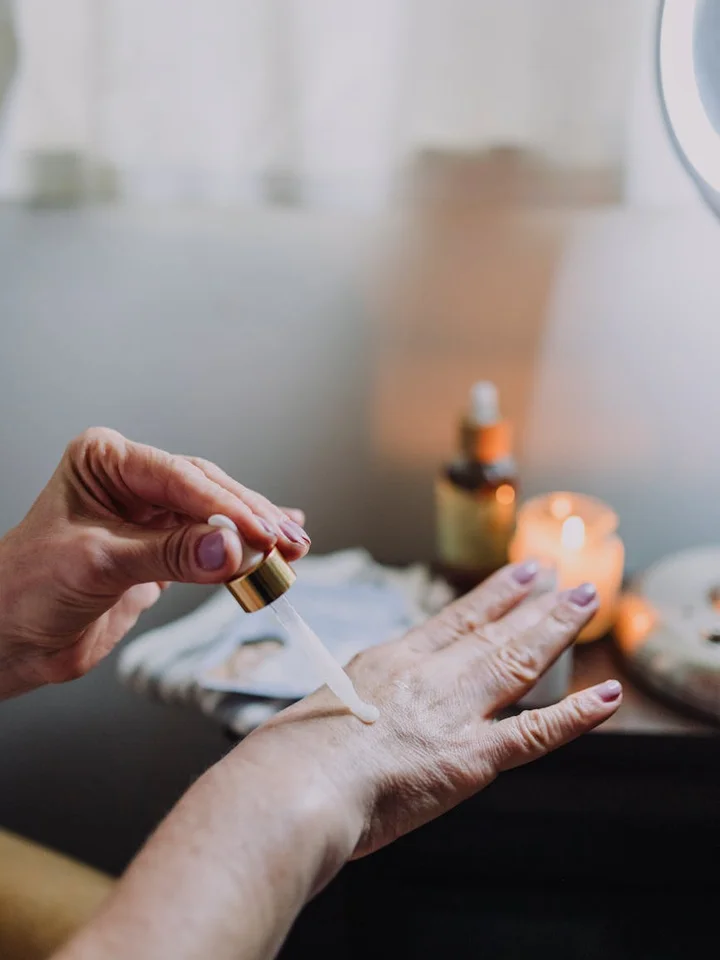
Not all hyaluronic acid is created equal. The molecule’s size, or its molecular weight, determines how deeply it can penetrate and what it does once it gets there. Think of it like sponges of different sizes. Some products use sodium hyaluronate, the salt form of hyaluronic acid, which can behave a bit differently in formulations. Understanding the hyaluronic acid sodium hyaluronate difference helps explain how ingredients feel and work on your skin.
Low vs. High Molecular Weight: A Depth Chart
High-molecular weight HA is a surface-level hydrator that acts like a protective, cushiony blanket for your skin. Its molecules are too large to sink in deeply, so they sit on top of the skin, forming a flexible film that pulls moisture from the air and locks it in. This immediately plumps the look of fine lines and soothes feelings of tightness. For someone like my client Noah with dry, reactive skin, this top-layer shield is a godsend for calming irritation.
Low-molecular weight HA is a smaller molecule designed to travel deeper into the skin’s surface layers, delivering hydration where it’s needed most. This can help support the skin’s natural repair processes and improve elasticity over time. For my client Maya, who has oily, acne-prone skin, this deeper hydration can help balance oil production without adding surface shine.
The Winning Formula: Multi-Weight Blends
Why choose one when you can have both? The most effective products layer different molecular weights. A multi-weight HA serum provides a tiered approach: the low-weight HA hydrates deeply, while the high-weight HA seals in that moisture and protects the surface. This creates a complete hydration network, addressing dehydration at multiple levels, which is often the root cause of excess oil and inflammation in acne-prone skin.
Serum vs. Moisturizer: How They Fit In Your Routine
It’s easy to confuse an HA serum with your moisturizer, but they play different roles. An HA serum is a humectant-it’s a hydration magnet. A gel-cream or lightweight lotion is an emollient or occlusive-it helps soften skin and prevent water loss.
For acne-prone skin, the order matters:
- Apply your HA serum to damp skin after cleansing.
- Follow it with a simple, non-comedogenic moisturizer to seal everything in.
This two-step method gives you intense hydration without the risk of a heavy, pore-clogging cream. A serum alone might not be enough, especially in dry climates, where it can pull moisture from your skin instead of the air if not sealed in. Proper layering of hydrating serums and moisturizers is essential to maximize their benefits.
The Label Detective Work
Before anything goes on your face, turn the bottle around. Always look for “non-comedogenic,” which means the formula is less likely to clog pores. This is non-negotiable for acne-prone types like Maya.
I also strongly advise choosing fragrance-free formulas. Synthetic fragrance is a common irritant that can trigger redness and compromise your skin barrier. For clients like Noah with reactive skin, skipping fragrance eliminates a major potential trigger and lets the hydrating ingredients do their peaceful work.
Your Hyaluronic Acid and Acne FAQs
How does hyaluronic acid compare to heavy moisturizers for acne-prone skin?
Hyaluronic acid is a lightweight, water-soluble humectant that hydrates by attracting water, unlike heavier oils or creams that can sit on pores. This makes it a superior, non-clogging choice for delivering essential moisture without exacerbating shine or congestion, especially when compared to comedogenic acids.
What are the key signs that an HA product isn’t suiting my acne-prone skin?
If you experience new breakouts, look to the full ingredient list for common comedogenic additives like coconut oil or heavy waxes. Persistent tightness or flakiness often means you need to apply HA to damp skin and seal it with a moisturizer to lock in hydration.
Can hyaluronic acid help repair skin barrier damage from harsh acne treatments?
Absolutely. By drawing hydration into the skin’s upper layers, HA helps fortify the lipid barrier, reducing trans-epidermal water loss and calming sensitivity. This repair process makes your skin more resilient and better able to tolerate active acne-fighting ingredients.
Your Hyaluronic Acid Game Plan for Clear Skin
Hyaluronic acid is a friend to acne-prone skin, not a foe, when you pick the right formula and use it correctly. Think of it as a smart hydrator that quenches your skin’s thirst without feeding the factors that lead to breakouts. Formulation matters: the right molecular weight and concentration in a serum can boost hydration without heaviness. In the next steps, we’ll look at how hyaluronic acid serum formulations maximize these benefits for acne-prone skin.
- Always select a lightweight, non-comedogenic serum or gel, avoiding heavier creams that might trap oil.
- Apply your hyaluronic acid product to damp, clean skin to pull moisture in, then seal it with a moisturizer.
- Stick with a simple, consistent routine-gentle cleansing, this hydrator, and daily sunscreen-to see the best results.
- If you try a new product, do a patch test on your jawline for a few days to check for any unusual reactions.
I love sharing these details from my work with clients like Maya, who found her oily skin balanced beautifully with a simple HA serum. For more guidance tailored to your skin’s story, keep following along here on the blog. Send your questions anytime-taking care of your skin is a team effort, and I’m right here with you.
Lucy Zimmerman
Lucy is an expert author and blogger when it comes to skin care and body care. She has first hand expertise acting as skin care consultant for over 5+ years helping her clients achieve smooth blemish free skin with natural and working remedies. She also has been an avid experimenter and tried out all the natural and artificial remedies and treatments so you can learn from her first hand experience. Additionally, she has traveled to many countries around the world and incorporated the skin care routines she has learnt into this blog. So, wait no more, reach out to Lucy if you have any specific needs and follow her blog, LuciDerma for expert skin care advice.