
Layering Vitamin C and Alpha Arbutin: A Brighter, Even-Toned Routine
You’re curious about combining vitamin C and alpha arbutin serums, and I get it-mixing actives can feel tricky. Let me reassure you, this pairing is not only possible but can be brilliant for your skin.
By the end of this article, you will know:
- Why vitamin C and alpha arbutin work better together than alone.
- The exact order to apply them for safe, effective results.
- How to adjust this routine if your skin is oily like Maya’s or sensitive like Noah’s.
I promise, mastering this combination is simpler than you think.
Vitamin C and Alpha Arbutin: Your Brightening Dream Team, Explained
In my treatment room, this is one of the most common questions I get from clients like Lina, who sees a few dark spots from past breakouts and wants a glow without irritation. The goal is clear: a brighter, more even complexion where dark spots fade into the background.
Here is your clear, reassuring answer: yes, you can absolutely layer Vitamin C and Alpha Arbutin together. In fact, they often work better as a team. Layering these two serums correctly can target hyperpigmentation from multiple angles for a more effective result. When you explore alpha arbutin hyperpigmentation formulations, you’ll often find guidance on compatible Vitamin C pairings. This makes a thoughtful combination a practical way to address uneven skin tone.
The magic isn’t just in using them, but in the *how*-the specific order you apply them, the formulation you choose, and the timing in your routine makes all the difference for your skin’s tolerance and the ingredients’ performance.
What Does Vitamin C Do for Your Skin?
While it’s famous for brightening, calling Vitamin C just a brightener is like calling a Swiss Army knife just a blade. Its most critical role is as a potent antioxidant. Think of it as your skin’s daily shield. Together with vitamin E and other antioxidants, it helps strengthen the skin barrier and protect against environmental stressors. This makes it a cornerstone of barrier-supporting skin care.
Every day, environmental stressors like pollution and UV rays create free radicals that bully your skin, breaking down collagen and triggering discoloration. Vitamin C neutralizes these bullies on contact. By acting as this protective shield, Vitamin C prevents new damage from forming, which is the first step in any effective brightening strategy.
Its key actions for your skin include:
- Fading post-acne marks and sun spots by interrupting pigment production.
- Boosting collagen synthesis to help improve skin firmness over time.
- Enhancing your sunscreen’s protection when worn underneath, making your SPF work even harder.
For clients with reactive skin like Noah, the form of Vitamin C matters greatly. I often recommend starting with gentler, stable derivatives like Ascorbyl Glucoside or Sodium Ascorbyl Phosphate. They offer the antioxidant and brightening benefits with a much lower risk of stinging or redness, especially when you’re introducing new actives.
What Does Alpha Arbutin Do for Your Skin?
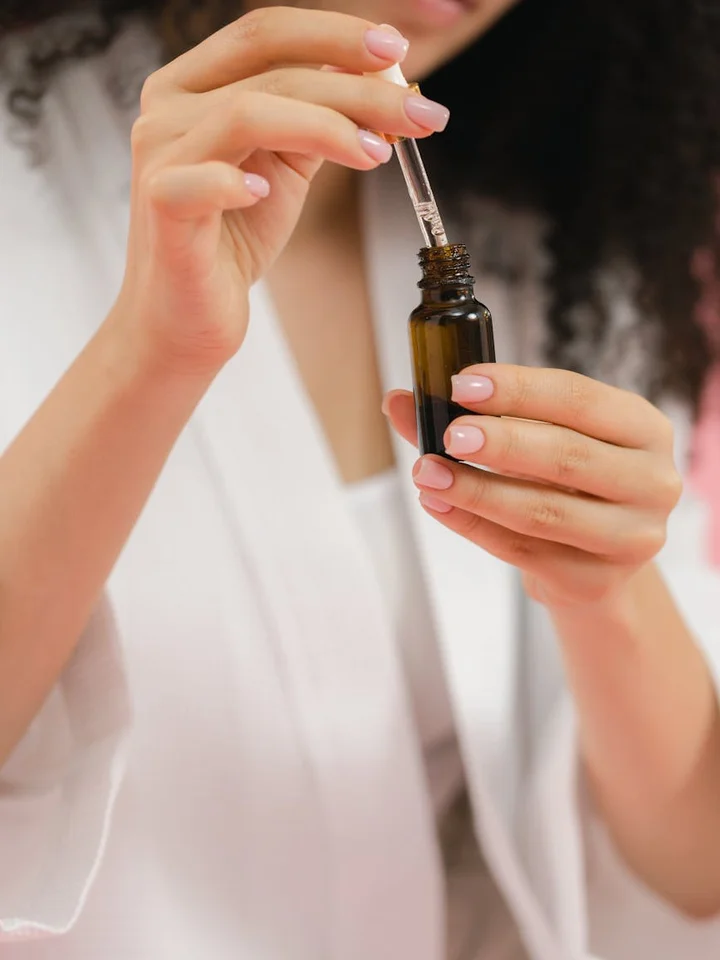
Think of Alpha Arbutin as a targeted pigment fighter that works quietly at the source. While Vitamin C is the bustling antioxidant security guard, Alpha Arbutin is the specialist inside the melanin factory, calmly adjusting the controls. Its benefits include reducing dark spots and promoting even skin tone.
Your skin’s pigment cells, called melanocytes, can sometimes go into overdrive. This creates dark spots from sun exposure, hormonal shifts (like melasma), or the aftermath of a pimple (post-inflammatory hyperpigmentation). Alpha Arbutin’s primary job is to help reduce the look of these spots by gently inhibiting the enzyme needed to produce melanin.
If melanin production is a factory, Alpha Arbutin works by quietly turning down the production line, leading to a more even-toned complexion over time.
One of its best features is its gentle nature. It’s a stable, water-soluble ingredient that’s generally well-tolerated, even by my sensitive-skin clients like Noah. It doesn’t typically cause the stinging or irritation that some other brightening agents can, making it a reliable friend for reactive skin types.
You’ll find it most effective for:
- Fading sun spots and age spots.
- Helping to manage the patchy discoloration of melasma.
- Lightening the dark marks leftover from acne.
Remember, it’s a treatment, not an instant eraser. Consistency is key. And as with any new active, doing a patch test behind your ear for a few days is always a smart, safe first step.
The Powerful Benefits of Using Them Together
Think of layering Vitamin C and Alpha Arbutin not as a simple step in your routine, but as forming a strategic skincare partnership. When used together, they create a synergistic effect where each serum amplifies the other’s brightening power, offering more than either could achieve alone. This isn’t just using two products; it’s building a targeted defense system for your skin’s clarity. An ordinary ascorbic acid alpha arbutin serum can streamline this approach by delivering both actives in one bottle.
Vitamin C, a potent antioxidant, does the crucial upfront work by neutralizing free radicals from sun exposure and pollution that trigger melanin production. By calming this oxidative stress, it creates a clearer, less inflamed environment for your skin. This calmer state allows Alpha Arbutin to work more efficiently on inhibiting the tyrosinase enzyme directly at the source of dark spots. It’s like Vitamin C clears the noisy static so Alpha Arbutin’s precise signal to fade discoloration comes through loud and clear. Stabilizing Vitamin C with Alpha Arbutin in formulas helps keep their benefits stable over time. In stable blends, antioxidant protection and tyrosinase inhibition stay strong for consistent results.
I saw this teamwork in action with my client Lina. Her combination, sensitive skin showed both the fresh red post-acne marks and stubborn older brown spots on her cheeks. Introducing a gentle Vitamin C serum followed by Alpha Arbutin allowed her to tackle both concerns in one routine. The Vitamin C helped calm the newer redness and shield her skin, while the Alpha Arbutin steadily worked on fading the deeper pigmentation, all without overwhelming her sensitivity.
Combining these ingredients delivers three key advantages for a more even complexion:
- Comprehensive Brightening: Vitamin C offers overall radiance and protects against future dulling, while Alpha Arbutin provides focused fading of existing dark spots.
- Multi-Angle Dark Spot Defense: You address pigmentation both at the surface level and at its root cause in the melanin production pathway.
- Enhanced Antioxidant Protection: The combined antioxidant boost helps guard against daily environmental damage that can lead to new discoloration.
Remember, consistency is your friend here. Always patch test new serums, and if you have persistent or severe hyperpigmentation, consulting a dermatologist is the wisest step. For most, this layered approach can be a gentle yet effective path to clearer skin.
The Golden Rule: How to Layer Vitamin C and Alpha Arbutin Correctly

You have the two serums in front of you. Which one goes on first? The short answer is Vitamin C, then Alpha Arbutin. This order isn’t arbitrary, it’s strategic for getting the best results from both.
Think of your skin routine like getting dressed. You put on a thin, active base layer first, then add a targeted treatment layer. Vitamin C, especially in its pure L-ascorbic acid form, needs direct contact with clean skin to be most effective. Applying it first allows it to penetrate and start its protective work without any barrier, especially when you follow the right layering techniques. Alpha Arbutin follows, sitting comfortably on top to focus on brightening specific areas of discoloration.
Applying your Vitamin C serum first ensures it can act as your primary antioxidant shield against daily environmental damage.
Here is your simple, effective morning routine for combining these powerhouses:
- Cleanser: Start with a gentle, pH-balanced face wash.
- Toner (Optional): Use a hydrating, alcohol-free toner if it’s part of your routine.
- Vitamin C Serum: Apply a few drops to your entire face and neck.
- Brief Wait Time: Let the Vitamin C serum absorb until your skin feels just slightly tacky or dry to the touch. This usually takes about 60 seconds.
- Alpha Arbutin Serum: Gently smooth the Alpha Arbutin serum over your entire face, paying extra attention to darker spots or patches.
- Moisturizer: Lock everything in with a good moisturizer.
- Sunscreen (Non-Negotiable): Finish with a broad-spectrum SPF 30 or higher. This step is critical, as both ingredients help with sun damage but do not replace sunscreen.
You don’t need to wait a long time between serums. The goal is to let the first layer settle so the second doesn’t just slide it off your face. If you apply your Vitamin C, then immediately apply your Alpha Arbutin, you risk diluting both. A minute is typically perfect.
Choosing the Right Vitamin C Form for Your Skin Type
Not all Vitamin C serums are created equal. The classic, most researched form is L-ascorbic acid. It’s potent and effective, but it can also be unstable and irritating for some, especially when layered with other actives.
This is where gentler, more stable derivatives like Sodium Ascorbyl Phosphate, Magnesium Ascorbyl Phosphate, or Tetrahexyldecyl Ascorbate come in. They are converted by your skin into active Vitamin C, often with less sting or redness.
- If you have Maya’s oily, acne-prone skin, look for a serum with Sodium Ascorbyl Phosphate. It offers the antioxidant benefits of Vitamin C and has been shown to help reduce acne lesions. A lightweight, water-based formula won’t feel heavy under your Alpha Arbutin and moisturizer.
- If you have Noah’s dry, sensitive skin, a derivative like Magnesium Ascorbyl Phosphate is a stellar choice. It’s exceptionally gentle and often formulated with extra hydrators. This minimizes the risk of irritation, letting you use both serums consistently without compromising your skin barrier.
- If you have Lina’s combination, sensitive skin, a stable oil-soluble derivative like Tetrahexyldecyl Ascorbate can be a smart match. It penetrates well without the high acidity, making it less likely to cause a reaction on your cheeks while effectively treating oilier zones.
For a layered routine you can use every day, a gentler, stable Vitamin C derivative is often the more reliable and comfortable choice than a potent but finicky L-ascorbic acid.
Remember, the best routine is the one you can stick with consistently. A slightly gentler Vitamin C that you apply every morning without fail will yield better long-term results than a super-potent one that causes irritation and forces you to stop.
What to Mix and What to Avoid: Your Ingredient Safety Guide
Can mixing Vitamin C and Alpha Arbutin cause irritation? For most people, the answer is no. These two brightening agents are stable, effective partners. The main risk of irritation comes not from their combination, but from using a Vitamin C serum that’s too potent or acidic for your skin’s current tolerance level. If your skin is new to actives or is sensitized, a highly concentrated L-ascorbic acid formula might cause temporary tingling or redness, which can be mistaken for a bad reaction to the pairing.
Are there side effects? The goal is brightening, but overdoing it can backfire. Using too many active ingredients at once can compromise your skin barrier, leading to dryness, increased sensitivity, and inflammation. Think of your skin barrier like a brick wall; you want to reinforce it, not accidentally chip away at it with too many tools at once.
My client Noah, who has dry and reactive skin, once came to me with a red, stinging complexion after layering a new Vitamin C serum directly over a glycolic acid toner. The issue wasn’t the Vitamin C itself, but the “actives overload” that weakened his barrier. We simplified his routine, and his skin calmed down in days.
Green Light: Ingredients That Pair Perfectly
Think of these ingredients as supportive friends for your Vitamin C and Alpha Arbutin. They hydrate, soothe, and protect without interfering with the brightening work. Together with ascorbic acid and alpha arbutin, they support skin-brightening goals. They keep hydration and comfort intact, helping the brightening work shine.
- Hyaluronic Acid: A hydration hero. Applying it on damp skin before your serums helps plump the skin and can even enhance the absorption of the actives that follow.
- Niacinamide (Vitamin B3): A superb partner. It helps strengthen the skin barrier, regulate oil, and reduce redness. This combo is a powerhouse for addressing hyperpigmentation from multiple angles.
- Peptides: These are skin-repairing signals. They support collagen production and are perfectly gentle to use alongside your brightening serums for an anti-aging boost.
- Ceramides & Cholesterol: The building blocks of a healthy skin barrier. Using a moisturizer rich in these lipids after your serums helps lock in benefits and keep skin resilient.
Proceed with Caution: Timing is Everything
Some ingredients are powerful on their own but can be too stimulating when used simultaneously with your Vitamin C and Alpha Arbutin. The solution is almost always strategic timing.
- Direct Acids (AHA/BHA like Glycolic, Lactic, Salicylic): These exfoliate by lowering skin’s pH, which can alter the stability and effectiveness of Vitamin C if applied together. They are still in your routine; just give them their own time to shine, like in your evening regimen.
- Prescription-Strength Retinoids (Tretinoin, Tazarotene): These are potent. Using them at the same time as your Vitamin C serum can increase the potential for irritation and dryness. Separation is key for comfort and efficacy.
- Benzoyl Peroxide: This acne fighter can oxidize and deactivate L-ascorbic acid Vitamin C on contact. They cancel each other out, so it’s a wasteful pairing.
Here is the most practical tip I give my clients, especially Lina who loves a multi-targeted routine: Use your Vitamin C and Alpha Arbutin in the morning to harness their antioxidant protection against daily pollution and UV exposure. Then, reserve your exfoliating acids or prescription retinoids for your nighttime routine. This simple AM/PM split prevents conflicts, gives each ingredient its optimal working environment, and keeps your skin barrier happy.
When You Might Want to Press Pause: Contraindications & Safety
Can you use this powerhouse duo if you have sensitive skin? The answer is a careful ‘yes, but.’ My client Noah, who has dry, reactive skin, taught me that sensitive skin can often tolerate potent actives when introduced with immense patience and respect for the skin’s barrier.
The key is to prioritize barrier health first and introduce each serum separately, waiting at least two weeks between new additions. If your skin is currently experiencing flare-ups, redness, or feels tight and uncomfortable, this is not the time to start.
Recognize Your Skin’s “Stop” Signals
Even with a healthy barrier, your skin might protest. Listen to it. Temporary, mild tingling for a minute or two can be normal as actives work. What you need to watch for are signs of irritation that persist or worsen:
- Stinging or burning that lasts more than 60 seconds after application.
- Visible redness that looks like a rash, not a mild flush.
- Intense itching or a feeling of heat.
- New patches of dryness, flaking, or tiny bumps where you applied the product.
If you experience any of these warning signs, stop using the new serum immediately and return to a simple, soothing routine of gentle cleanser, moisturizer, and sunscreen.
The Non-Negotiable Patch Test
Never skip this step. It’s a five-minute insurance policy for your face. After cleansing, apply a small dab of the serum (or the layered combination if you’ve already tested each solo) behind your ear or on the inside of your elbow. Leave it on for 24 hours without washing the area.
This hidden spot will reveal if your skin has an adverse reaction, saving the delicate skin on your cheeks and forehead from potential distress. If all is clear after a day, you can proceed with cautious application to your face.
Build Your Foundation: The Barrier Repair Week
Think of your skin barrier as the brick wall protecting your skin. If the mortar is crumbling, adding strong actives just causes more damage. If your skin feels compromised, dedicate a week to repair.
I often suggest this reset protocol:
- Cleanse: Use only a gentle, non-foaming cream or milky cleanser, morning and night.
- Treat: Pause all actives (vitamin C, alpha arbutin, retinoids, exfoliating acids).
- Moisturize: Apply a richer moisturizer with barrier-supporting ingredients like ceramides, fatty acids, and cholesterol.
- Protect: Wear a mineral sunscreen daily without fail.
Once your skin feels supple, calm, and no longer reactive to your basic products, you can slowly reintroduce one active at a time. Start with vitamin C every other morning, then after two weeks, consider adding alpha arbutin at night.
A Special Note for Pregnancy and Breastfeeding
While topical vitamin C and alpha arbutin are generally considered safe and are not systemically absorbed in significant amounts, I am not a medical doctor. Your body undergoes profound changes during this time, and skin sensitivity can shift unexpectedly.
Always consult your obstetrician or dermatologist before starting any new active skincare regimen while pregnant or breastfeeding. It is the safest course of action for you and your baby.
Troubleshooting Your Brightening Routine
Even the best partnerships can have a rocky start. If your skin feels tender, looks red, or feels tighter than usual after introducing these serums together, your barrier is asking for a break. This is common, especially for my clients like Noah with reactive skin.
When irritation happens, your first step is to simplify your routine for a few days. Switch to a gentle, fragrance-free cleanser, a basic moisturizer with ceramides, and your sunscreen. This gives your skin a chance to recover without any additional active ingredients.
Is It Safe in the Same Routine?
Yes, it can be perfectly safe, but safety depends on your skin’s tolerance. Think of it like building a new workout habit you start slow to avoid injury.
To build tolerance safely, do not begin using both serums together every day. Start by applying them together just two or three evenings a week. On your “off” nights, focus on hydration with a simple serum containing hyaluronic acid or a soothing moisturizer. If your skin handles that well for two weeks, you can gradually increase frequency.
This slower approach allows your skin to acclimate to the brightening power without overwhelming its defenses.
Your Real Priorities: Consistency and Shield
Using both serums daily is not the goal. Seeing results without compromising your skin health is the goal.
Consistency with a routine you can sustain and relentless sun protection will do more for your brightness than forcing a daily double serum application that causes irritation. A well-formulated SPF 30 (or higher) sunscreen every single morning is non-negotiable. It protects your skin from new UV damage that creates dark spots and it safeguards the work your Vitamin C and Alpha Arbutin are doing.
If using both serums every other day feels right for your skin, that is your perfect routine. Skipping a day is not a setback it is a strategy.
You Hold the Tools
Your skin’s needs are unique, and they can change with seasons, stress, or your cycle. You now understand how these ingredients work as a team and how to listen if your skin calls for a timeout.
You can customize this powerful combination. Use them together on calm skin days, alternate them if you feel sensitive, or use Alpha Arbutin in the morning and Vitamin C at night if that fits your life better. The power is in understanding the mechanism and having the confidence to adjust. Your brightest, most even skin comes from a routine that works with you, not against you.
Your Quick-Reference Guide to Layering Vitamin C & Alpha Arbutin
Can I mix Vitamin C and Alpha Arbutin serums in my palm before applying?
No, we don’t recommend mixing them in your hand. Applying them separately in thin, layered steps ensures each formula can penetrate and work at its full potential without dilution.
Is a long wait necessary between applying Vitamin C and Alpha Arbutin?
No, a long wait isn’t needed. A brief pause of about 60 seconds for the first serum to become slightly tacky is perfect-it prevents pilling and ensures proper layering.
Is it safe to use Vitamin C and Alpha Arbutin together long-term?
Yes, it can be a safe and effective long-term strategy for sustained brightening. The key is consistent use on well-tolerating skin, always paired with daily sunscreen to protect your results.
Your Path to Brighter, More Even Skin
Layering Vitamin C and Alpha Arbutin together can be a powerful strategy for tackling dullness and dark spots. To make it work, apply your Vitamin C serum first on clean skin, then follow with Alpha Arbutin, and always finish with sunscreen. This order helps each ingredient do its job without interference. If you’re addressing discoloration, the alpha arbutin discoloration fix is a common focus.
- Start with Vitamin C on dry skin to shield against daily environmental damage.
- Layer Alpha Arbutin next to directly target areas of hyperpigmentation.
- Never skip sunscreen in the morning to protect your new brightness and prevent new spots.
- Do a patch test behind your ear for a few days before using them together on your face.
- Choose formulas that are fragrance-free and cruelty-free to support your skin’s health and your ethics.
I love hearing how these combinations work for you. Share your experiences or questions in the comments below. For more guidance on building a routine that fits your skin’s needs, keep following along here on the blog.
Lucy Zimmerman
Lucy is an expert author and blogger when it comes to skin care and body care. She has first hand expertise acting as skin care consultant for over 5+ years helping her clients achieve smooth blemish free skin with natural and working remedies. She also has been an avid experimenter and tried out all the natural and artificial remedies and treatments so you can learn from her first hand experience. Additionally, she has traveled to many countries around the world and incorporated the skin care routines she has learnt into this blog. So, wait no more, reach out to Lucy if you have any specific needs and follow her blog, LuciDerma for expert skin care advice.