
Is Avobenzone in Sunscreen Safe? Your Guide to UVA Protection
If you’ve ever squinted at a sunscreen label and wondered about avobenzone, you’re not alone-and as an esthetician, I hear this question from clients like Noah and Lina all the time.
By the end of this guide, you’ll have clear answers to navigate your choices:
- Why this common ingredient is used for strong UVA protection.
- How to tell if a formula is stable and gentle for your skin type.
- What we know about its impact on coral reefs and waterways.
- How to pick a sunscreen that aligns with your skin’s needs and your values.
My goal is to help you feel confident, not confused, about what you’re putting on your skin.
The Avobenzone Cheat Sheet: Your Quick Guide
Think of avobenzone as the specialized UVA-absorbing workhorse in many chemical sunscreen formulas. While ingredients like homosalate or octisalate handle the UVB rays that cause sunburn, avobenzone dives deeper to protect against the UVA rays responsible for premature aging and long-term skin damage—unlike some synthetic filters found in reef-safe sunscreen formulas.
The core thing to know about avobenzone is this tension: it’s brilliantly effective at its job, but its stability in sunlight and its environmental footprint are legitimate questions we need to address.
How Avobenzone Works: A Simple Chemistry Lesson
Avobenzone works by absorbing UVA photons, the kind that penetrate deep into your dermis. Imagine each molecule as a tiny, dedicated security guard posted in your skin’s deeper layers. When a UVA ray shows up, the avobenzone “guard” absorbs its energy, gets briefly excited, and then releases that energy as harmless, low-level heat. Your skin stays protected without the ray causing DNA damage or breaking down collagen.
This is different from mineral sunscreens (zinc oxide, titanium dioxide), which sit on top of skin and block or scatter UV rays. It’s also different from other chemical filters that only absorb UVB. For broad-spectrum protection in a chemical sunscreen, avobenzone is often the key player handling the UVA side of the spectrum.
Why Stability is Its Biggest Weakness
Here’s the catch: the very sunlight it’s meant to protect you from can break avobenzone down. This process is called photodegradation. Think of it like that security guard getting tired and less effective the longer they’re in the sun without support.
Over the course of a few hours of sun exposure, unprotected avobenzone molecules can degrade, which means your UVA protection drops. This is why you can’t just apply a sunscreen with avobenzone in the morning and assume you’re covered for an entire beach day. The ingredient’s natural tendency to break down in sunlight is why formulation science and reapplication are non-negotiable.
The Octinoxate Problem: A Bad Roommate
You might wonder how avobenzone interacts with other common sunscreen ingredients, like octinoxate. In simple terms, octinoxate can be a bad roommate for avobenzone. When these two are combined in a formula without proper stabilizers, octinoxate actually speeds up avobenzone’s photodegradation.
It’s like the tired security guard (avobenzone) being paired with a roommate (octinoxate) who keeps turning up the heat and making them even more exhausted, faster. This is a well-documented chemical interaction. This destabilizing effect is precisely why you will almost always see avobenzone paired with stabilizers like octocrylene or newer booster compounds in modern, well-formulated sunscreens. These stabilizers act like a supportive friend, helping the avobenzone stay effective longer.
For someone like Maya, who needs reliable, sweat-resistant protection for her acne-prone skin, choosing a formula that explicitly mentions photostability or contains these stabilizing agents is a practical, evidence-minded choice.
Solving the Stability Puzzle: How Good Sunscreens Protect Avobenzone

On its own, avobenzone is a bit like a talented musician who gets stage fright. It needs a good band to back it up. That’s where stabilizers come in. These ingredients are the bodyguards of the sunscreen world, shielding the avobenzone molecule so it can do its job without breaking down.
Common stabilizers you’ll see on labels include:
- Octocrylene: This is the most frequent partner. Think of octocrylene as a sponge that soaks up the UV energy before it can destabilize the avobenzone.
- Butyl Methoxydibenzoylmethane: This isn’t a typo, it’s the chemical name for avobenzone itself. A stabilized formula often contains a specific, more stable form of the molecule to support the primary avobenzone.
- Specific Polymers and Other Filters: Ingredients like Polyester-8 or filters like Mexoryl SX can act like a protective cage or a supportive net around the avobenzone.
When you’re checking a label, your mission is to confirm avobenzone isn’t listed alone. Look for it to be paired with one of these stabilizers, especially octocrylene. A well-formulated sunscreen will list them close together in the ingredient list. If you see avobenzone near the top and no obvious stabilizer, that’s a red flag for potential instability. It’s also important to understand the safety profile of avobenzone compared to other compounds like benzene.
Shelf Life & Oxidation Signs: When to Toss Your Bottle
Even the best-stabilized sunscreen has a lifespan. Heat, light, and air are its enemies. To protect your product (and your skin), treat it like you would a good face oil. Store it in a cool, dark place, not your hot car or a sunny bathroom windowsill. This is especially important for sunscreen sticks, sprays, and lotions that might degrade faster under exposure.
Your senses are your best tools for spotting a sunscreen that’s turned. Here’s what to watch for:
- A drastic color change (e.g., from white to a deep yellow).
- Visible separation that doesn’t mix back together with a gentle shake.
- A distinct, chemical, or “off” smell that wasn’t there before.
If you notice any of these signs, it’s time to let that bottle go. Using a degraded sunscreen means you likely aren’t getting the protection stated on the label. For formulas with avobenzone, I’m extra cautious. If you’re weighing avobenzone-containing formulas, a quick avobenzone vs oxybenzone comparison can help you decide. I advise my clients, especially cautious ones like Noah with reactive skin, to discard any sunscreen that’s been open for more than 12 months. When in doubt, throw it out. It’s better to use a fresh, stable product you can trust. The next steps will include a concise side-by-side link to that comparison.
Your Skin’s Reaction: Acne, Sensitivity, and Dark Spots
Let’s get practical. When you put a sunscreen on your face every day, you need to know how it will behave with your unique skin. Here’s what I see in my practice.
Does Avobenzone Cause Acne?
It can, but not for everyone. Avobenzone itself is not a classic pore-clogger. The issue often lies in the vehicle-the cream or lotion it’s mixed into. Some formulas that contain avobenzone are heavier and more occlusive, which can trap sweat and oil. Think of it like wearing a thick, non-breathable hat on a hot day. For clients like Maya with oily, acne-prone skin, that extra layer can sometimes lead to congestion.
If your sunscreen feels heavy or greasy and you notice new bumps, the formula, not necessarily the avobenzone, might be the culprit. The solution is to look for sunscreens labeled “non-comedogenic” or “oil-free,” which are formulated to be less likely to block pores.
The Sensitivity and Allergy Picture
Any chemical filter has the potential to cause a reaction in skin that is predisposed to sensitivity. For avobenzone, the rate of allergic contact dermatitis is considered low, but it’s not zero. I have clients, like Noah, who have reactive skin and approach every new product with caution.
Noah learned that his skin sometimes tingled or turned slightly red with certain chemical sunscreens. We pinpointed it to a combination of ingredients, not just one. If you have a history of sensitive skin or eczema, performing a patch test behind your ear or on your inner arm for a few days is a wise, cautious step. Mineral sunscreens with zinc oxide are often a gentler, effective alternative for reactive types.
Does Avobenzone Darken Skin?
This is a crucial distinction. Pure, stable avobenzone on its own does not darken your skin. The danger comes from a sunscreen that isn’t doing its job. Avobenzone is famously unstable when exposed to sunlight alone-it breaks down and loses its protective power very quickly.
Modern sunscreens combat this by pairing it with stabilizers like octocrylene. If you use an unstable or poorly formulated product, you are essentially getting far less SPF protection than the bottle claims. Using an unstable sunscreen is like sitting under a faded, threadbare beach umbrella; you think you’re protected, but damaging UVA rays are still reaching your skin and triggering pigment-producing cells. This can absolutely lead to new dark spots or melasma. The key is to choose well-formulated, photostable products from reputable brands.
The Hormone Question: Parsing the Science
This is the worry I hear most often: “Does avobenzone disrupt my hormones?” It’s a valid question rooted in concerns about other chemical filters.
The current scientific consensus, based on numerous studies, is that avobenzone shows very weak or negligible endocrine (hormone) activity. Its chemical structure is different from filters like oxybenzone, which has been more clearly shown to have estrogenic effects in laboratory studies. While research is ongoing, the absorption of avobenzone through skin is minimal, and the body metabolizes and excretes it rapidly.
Major global regulatory bodies, including the U.S. FDA and the European Commission, permit the use of avobenzone at specific concentrations because the weight of evidence does not indicate a risk to human health from endocrine disruption. These agencies continuously review new data. For now, based on what we know, the benefit of robust UVA protection-which prevents skin cancer and premature aging-far outweighs the hypothetical and unproven risks regarding hormones with this particular ingredient.
Making a personal choice is always okay. If this concern still makes you uneasy, mineral sunscreens using zinc oxide and titanium dioxide are recognized as not absorbing into the bloodstream and are a fantastic, effective alternative that provides peace of mind.
Avobenzone’s Environmental Footprint

When my client Maya came back from snorkeling, she asked me a question I hear more often: “Is my sunscreen hurting the reefs?” It’s a responsible question, and the answer isn’t simple. Let’s look at what the science says about avobenzone in our oceans.
Does Avobenzone Harm Coral Reefs?
The short answer is that evidence suggests it can, but it’s not the primary villain. Early, alarming studies often grouped all chemical filters together. More recent, specific research on avobenzone shows it can contribute to coral bleaching and damage under certain laboratory conditions. The key concern is that avobenzone can generate free radicals when exposed to sunlight in water, which may stress and bleach coral. However, its impact is generally considered less severe and less studied than that of filters like oxybenzone.
Comparing the Common Chemical Filters
It helps to see where avobenzone stands next to other ingredients often mentioned in “reef-safe” conversations.
| Ingredient | Primary Environmental Concern | Relative Concern Level |
|---|---|---|
| Oxybenzone | Extremely well-documented. Causes coral bleaching, DNA damage in coral, and is a severe endocrine disruptor for aquatic life. It’s also highly persistent. | Highest |
| Octocrylene | It is bioaccumulative (builds up in tissue over time) and is toxic to certain fish and coral species. It also breaks down into benzophenone, a potential carcinogen and endocrine disruptor. | High |
| Avobenzone | Can cause coral bleaching via free radical generation. Less data exists on bioaccumulation, but it is not considered as immediately toxic or disruptive as oxybenzone. | Moderate |
Think of it this way: if oxybenzone is a major oil spill, avobenzone is more like chronic chemical runoff. Neither is good for the ecosystem, but one demands more urgent action.
Aquatic Life and Biodegradability
The issue goes beyond coral. These chemicals enter waterways from our skin when we swim and through wastewater. Avobenzone is not readily biodegradable, meaning it can linger in aquatic environments and potentially affect other marine organisms. Studies have shown it can cause toxicity in algae, mussels, and fish, disrupting growth and development. For someone like Noah, who is thoughtful about his choices, this persistence is a valid reason to consider mineral alternatives.
Regulatory Restrictions: Hawaii and Palau
This scientific concern has led to legal action. Hawaii and the Republic of Palau have passed laws banning specific sunscreen chemicals to protect their delicate reef ecosystems.
- Hawaii’s Ban: Prohibits the sale of sunscreens containing oxybenzone and octinoxate. Avobenzone is not currently banned under this law.
- Palau’s Ban: One of the strictest in the world, banning oxybenzone, octinoxate, octocrylene, and several other ingredients. Avobenzone is also not on Palau’s banned list.
The fact that avobenzone has been excluded from these initial bans suggests regulators see it as a lower immediate priority, but its environmental effects are still under review globally. If you’re planning a trip to any sensitive marine area, checking the local legislation is a smart move.
Chemical vs. Mineral: A Side-by-Side Comparison
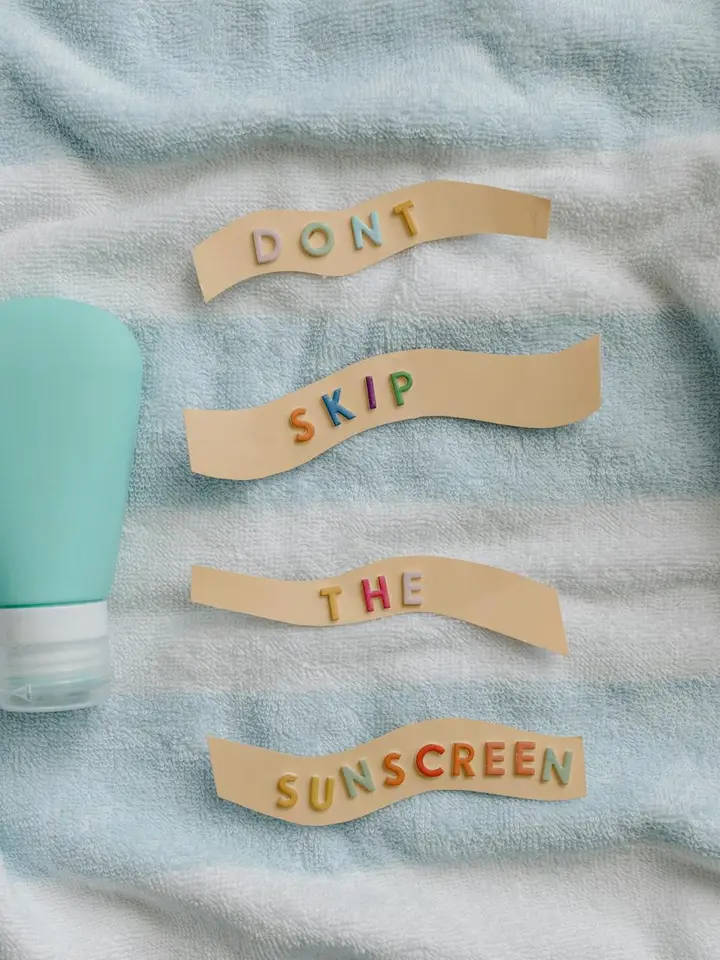
Think of it like choosing between two different types of window coverings for your skin. Avobenzone is like a high-tech film that absorbs UV rays. Zinc oxide and titanium dioxide are like thick, light-colored curtains that sit on top of your skin and reflect those rays away. Both block the sun, but they feel and act differently.
Here’s a quick breakdown to help you compare.
The best choice depends entirely on your skin’s needs and your values. For my client Lina, who has combination, sensitive skin, a well-formulated mineral sunscreen is often her hero. It calms her reactive cheeks without clogging her T-zone. If you’re planning a beach vacation where reef-safe products are encouraged or mandated, a mineral formula is the straightforward, ethical choice.
Are These Chemical Combos Safe?
I hear this question all the time: “Are avobenzone and octocrylene safe?” or “What about mixes with homosalate and octisalate?” My answer is usually the same: Safety isn’t about the ingredient list alone; it’s about the quality of the formulation sitting in the bottle.
Let’s take “avobenzone and octocrylene.” On its own, avobenzone can break down in sunlight. Octocrylene is often added specifically to stabilize it, making the sunscreen last longer and work effectively on your skin. In a well-made formula, this is a smart pairing.
Similarly, homosalate and octisalate are common partners that primarily absorb UVB rays. They help build a complete, broad-spectrum shield when combined with a stabilized UVA filter like avobenzone.
The real-world concern isn’t typically the ingredients themselves when used in regulated concentrations, but how your unique skin reacts. Any chemical filter has the potential to cause warmth, redness, or stinging on reactive skin. This is why I always suggest a patch test.
For someone like my client Noah, who has dry, reactive skin, we always patch-test any new chemical sunscreen blend on the side of his neck for a few days. If his skin stays calm, we know it’s a safe bet for his face.
Making Your Choice: A Practical Decision Guide
Let’s move from theory to your bathroom shelf. Choosing sunscreen isn’t about finding a mythical “perfect” ingredient. It’s about finding the perfect sunscreen for you, your skin, and your life.
Think of it like finding the right moisturizer. My client Noah, with his dry, reactive skin, would never use the lightweight gel Maya loves. Your sunscreen should fit just as well.
Ask yourself these three simple questions to narrow your search.
1. Is Your Skin Sensitive or Reactive?
If you answered yes, your priority is a formula that minimizes potential irritation.
- Look for mineral-based (zinc oxide/titanium dioxide) sunscreens. They sit on top of the skin and are less likely to cause a reaction. These are often the best choice for conditions like rosacea or eczema.
- If you prefer a chemical formula, seek out modern “clean chemical” filters like Tinosorb S or Mexoryl SX, which are known for being gentle and photostable.
- For a stabilized avobenzone formula, check the packaging. Labels that say “fragrance-free,” “for sensitive skin,” or “dermatologist-tested” are good starting points. Always, always patch test behind your ear for a few days.
2. Will You Be Swimming in the Ocean?
This is about your environmental footprint. If you’re planning a beach or snorkeling trip, what you put on your skin washes off into the water.
- Choose a “Reef-Safe” labeled mineral sunscreen. Look for non-nano zinc oxide as the active ingredient. It’s the current gold standard for protecting both your skin and coral ecosystems.
- Avoid oxybenzone and octinoxate entirely for aquatic activities, as these are the chemicals most strongly linked to coral harm. While avobenzone’s impact is less clear, mineral options eliminate the question.
3. Do You Hate a White Cast or Greasy Feel?
Texture matters. If a sunscreen feels awful, you won’t use enough of it. This is where modern chemical blends, including those with avobenzone, often shine. When combined with physical sunscreens, they offer both feel and protection.
- For a sheer, invisible finish, chemical sunscreens are usually the winners. They absorb UV light without leaving a white residue, which is a big reason my client Lina prefers them for daily wear under makeup.
- Mineral sunscreens have come a long way. Many now use micronized particles for a more elegant feel. Tinted versions can completely eliminate the white cast while offering a light coverage bonus.
Your final choice might be a hybrid. Many brilliant sunscreens now combine mineral and chemical filters to balance protection, feel, and gentleness. Some even incorporate nano and non-nano mineral particles for optimal performance.
Here is the most important rule, one I repeat to every single client: The best sunscreen in the world is the one you will use generously, every single day, rain or shine. A half-applied “perfect” sunscreen is far less effective than a fully applied “good” one.
So, where does this leave avobenzone? After all this dive into stability and choices, let’s be clear. Stabilized avobenzone, in a well-formulated modern sunscreen, is considered safe and effective for daily human use by the current scientific and regulatory consensus. It’s a powerful, proven tool in the fight against UV damage. Your job isn’t to fear it, but to find the right vehicle for it—or choose a different path based on your personal skin profile and values, especially when considering your anti-aging sunscreen needs.
Your Avobenzone Questions, Answered
If avobenzone degrades, are the byproducts harmful?
The byproducts of photodegradation aren’t well-studied for direct skin harm, but the main issue is the loss of UVA protection. Modern, stabilized formulas are specifically designed to prevent this degradation from occurring in the first place.
Can avobenzone cause allergic reactions?
Documented allergic contact dermatitis to avobenzone alone is relatively rare. However, any chemical filter can cause stinging or redness in individuals with very reactive skin, which is why we always recommend a patch test.
What’s the final word on overall safety?
The current scientific and global regulatory consensus affirms that stabilized avobenzone is safe and effective for human use. Choosing a well-formulated product from a reputable brand ensures you get its proven UVA-protective benefits.
Your Sunscreen, Your Informed Choice
When it comes to avobenzone, focus on formulation over fear. Stable, well-made sunscreens containing avobenzone are a safe and effective option for daily UV protection for most people. If your skin is reactive or you’re passionate about environmental care, mineral sunscreens are an equally powerful, conscientious alternative.
- Choose avobenzone products labeled as photostable, often paired with stabilizers like octocrylene.
- Apply sunscreen generously every morning and reapply every two hours when outdoors.
- For swimming or sensitive skin, zinc oxide and titanium dioxide formulas are reliable, gentle picks.
- Perform a patch test behind your ear with any new sunscreen for two days.
I approach sunscreen like I do with my client Noah: with a focus on gentle, effective protection that aligns with your values. Your trust is built on clear, evidence-based advice, not on hype. I’m always reviewing and writing to help you care for your skin. If you have more questions, I’m here-send them my way, and I’ll tackle them with the same honest depth.
Lucy Zimmerman
Lucy is an expert author and blogger when it comes to skin care and body care. She has first hand expertise acting as skin care consultant for over 5+ years helping her clients achieve smooth blemish free skin with natural and working remedies. She also has been an avid experimenter and tried out all the natural and artificial remedies and treatments so you can learn from her first hand experience. Additionally, she has traveled to many countries around the world and incorporated the skin care routines she has learnt into this blog. So, wait no more, reach out to Lucy if you have any specific needs and follow her blog, LuciDerma for expert skin care advice.