
Retinol Side Effects and Soothing Retinol Burn: Your Practical Guide
If retinol has left your skin feeling tight, looking red, or flaking unexpectedly, I want you to know this is a normal part of the process for many people. Think of it like your skin’s way of asking for a gentler introduction, and I’m here to show you how.
- You’ll recognize the common side effects of retinol, from mild dryness to full retinol burn, so you know exactly what your skin is telling you.
- You’ll understand why this irritation happens in the first place, which helps you make smarter choices about product strength and frequency.
- You’ll have a clear, step-by-step plan to treat active retinol burn, empowering you to calm your skin and get back on track confidently.
Managing retinol’s effects is completely within your reach, and I’ll walk you through it.
What Retinol Actually Does to Your Skin
Think of your skin as having its own internal refresh button. Retinol gently presses that button.
It does not scrub like an exfoliant or dissolve surface cells like an acid. Instead, it communicates with your skin cells, encouraging them to turn over at a faster, more youthful rate. It tells your skin to speed up its refresh cycle.
This accelerated cell renewal is the single action behind all of retinol’s celebrated benefits. By clearing out clogged pores more efficiently, it fights acne. By prompting the deeper layers of skin to make fresh, plump collagen, it softens fine lines and improves texture.
It’s this powerful, foundational communication that makes retinol a cornerstone ingredient, even though starting the conversation can come with some temporary side effects.
The Common (and Not-So-Common) Side Effects of Retinol
When you first introduce retinol, your skin needs time to adjust to this new, faster pace. This adjustment phase is often called the “retinization” period, and it comes with a few predictable visitors.
- Dryness and Flaking: As old skin cells are shed more quickly, you might see papery flakes, especially around areas that move a lot like the mouth and eyes.
- Redness and a Tingling Sensation: Mild pinkness or a slight tingle upon application is very common as blood flow increases and new cells come to the surface.
Then there’s the big question: can retinol cause acne? The answer is yes, but it’s usually not a true breakout. This process is called “purging,” where retinol brings existing, trapped clogs to the surface all at once. These pimples typically appear in your usual breakout zones and resolve faster than normal, similar to tretinoin’s initial breakouts.
I think of my client, Maya. When she started a low-dose retinol for her oily, acne-prone skin, she got several small whiteheads on her chin within two weeks. Because they were in her typical trouble area and faded quickly, we knew it was a purge. A true breakout from irritation would appear in new areas and feel more inflamed.
A non-negotiable side effect is dramatically increased sun sensitivity. Retinol makes your new skin vulnerable. Skipping sunscreen not only risks a burn but undoes all the good work the retinol is trying to do, especially protection from UV rays that accelerate skin aging.
Less common reactions are your skin’s way of saying “stop.” A spreading, itchy rash around the nose and mouth (which can resemble perioral dermatitis), intense peeling, or even headaches mean you should discontinue use immediately and speak with a dermatologist.
How to Spot a Real Retinol Burn vs. Normal Flaking
Knowing the difference keeps you safe and prevents you from giving up too soon. Normal flaking feels rough and dry, like a bit of shedding snake skin. It might look a little messy, but it doesn’t hurt.
A retinol burn feels entirely different. Your skin will feel persistently hot, sting with any product (even a gentle moisturizer), and may look significantly swollen or feel tender to the touch.
Imagine the difference between the dry, tight skin you get in winter and the painful, sensitive burn you get from a day at the beach without protection. One is a lack of moisture, the other is active damage. If your face feels like it has a sunburn, you’ve likely overdone it and need to pause and repair your skin barrier.
How to Treat Retinol Burn: The “Skin Barrier First Aid” Protocol
When your skin feels like it’s on fire after using retinol, your first job is to become a barrier paramedic. I’ve guided many clients through this, like Noah, whose dry, reactive skin once flared up from a new serum. The plan is simple: stop the damage and start the repair.
Immediately pause every active ingredient in your routine-retinol, acids, and even potent antioxidants like vitamin C. Your skin’s protective layer is injured, and adding more stimulation is like scrubbing a scraped knee.
Follow this first-aid sequence for quick relief.
- Apply a cool compress for instant comfort. Hold a clean washcloth soaked in cool water against irritated areas for five minutes. This calms the burning feeling and reduces initial swelling.
- Clean your skin with extreme gentleness. Use only lukewarm water or a creamy, fragrance-free cleanser. Avoid any rubbing or hot water, which can strip more moisture away.
- Follow the “moisturize, seal, protect” method. On damp skin, apply a moisturizer packed with repairing ingredients. Think of ceramides as the bricks that rebuild your skin wall, oat extract as a calming cup of tea for redness, and panthenol (vitamin B5) as a moisture magnet that draws hydration in.
- For severely tight or peeling spots, add an occlusive seal. A tiny amount of a simple balm over those areas creates a protective shield, locking all that good hydration in place overnight.
This protocol focuses on ingredient families, not specific brands, so you can find what works for you. A good repair cream feels like a comforting hug for your skin.
Your Soothing Routine: A Sample Day
Here is a bare-bones schedule to follow until your skin feels resilient again. I recommend this to clients like Lina when her combination skin gets overwhelmed-it’s predictable and kind.
Morning:
- Cleanse: Rinse with lukewarm water only. If you must use a cleanser, pick a milky, non-foaming formula.
- Moisturize: Smooth a panthenol or oat-infused moisturizer onto your damp face and neck.
- Protect: Applying a mineral sunscreen is the most critical step of your day. Zinc oxide or titanium dioxide sit on top of skin to block rays without the sting chemical filters can cause on compromised skin.
Evening:
- Cleanse: Gently wash with the same mild cleanser you used in the morning.
- Moisturize: Liberally apply your barrier-repair cream or lotion.
- Seal: As a final step, pat a plain petroleum jelly or a zinc oxide ointment onto any extra-dry or flaky patches. This acts like a breathable bandage, protecting the delicate healing skin underneath while you sleep.
Stick to this routine for several days. You’ll know your skin is recovering when the stinging stops and it no longer feels tight or raw. Only then should you think about slowly testing retinol again.
Who Should Be Extra Cautious With Retinol? Contraindications and Warnings
Retinol is powerful, which is why we love it. But power demands respect. Think of it like a potent spice: fantastic for many dishes, but you wouldn’t add a habanero to a recipe for someone with a stomach ulcer. Certain skin conditions and life stages mean you should pause before introducing this active.
Here are clear scenarios where you should avoid starting a new retinol product or take a break from your current one.
Pregnancy and Breastfeeding
This is the most critical contraindication. High-dose, oral prescription retinoids (like isotretinoin) are known to cause severe birth defects. While topical, over-the-counter retinol has a much lower systemic absorption, the conservative and universally recommended advice is to avoid it entirely during pregnancy and while breastfeeding.
The concern is linked to vitamin A derivatives. It’s simply not a risk worth taking. Many excellent, pregnancy-safe alternatives exist for concerns like acne and hyperpigmentation.
Currently Compromised Skin Barrier
If your skin is already yelling for help, retinol will be like shouting into a megaphone. A compromised barrier feels tight, looks flaky or red, stings when you apply even gentle products, and may be itchy. Understanding the retinol vs retinaldehyde difference in skin care can help you choose gentler options for a compromised barrier. We’ll break down how they differ in strength and irritation potential.
Imagine your skin barrier is a brick wall that’s cracked and crumbling. Retinol’s job is to accelerate renewal, which is like taking down weak bricks to replace them. But if the wall is actively damaged, you need to repair it first with cement (ceramides) and mortar (cholesterol). Focus on a simple, soothing routine with barrier-repair ingredients for at least two weeks before even considering retinol. Once your barrier has rebuilt, you can begin layering retinoids over a foundation of barrier-repair steps. This approach supports renewal while protecting the barrier, reducing irritation as you progress.
Active Eczema or Rosacea Flare-Ups
During an active flare, skin is in a state of significant inflammation. Retinol can further irritate that delicate, angry skin and potentially worsen the flare. It’s like adding fuel to a fire.
For my client Noah, who has reactive, dry skin, we only discuss retinoids during periods of total calm for his skin. The goal is always to strengthen the skin first, making it more resilient, before introducing any potential irritant. If you have these conditions, stability is your primary goal before enhancement, especially when considering the right retinol percentage for beginners with sensitive skin.
Right Before or After Professional Treatments
If you have a chemical peel, laser treatment, microneedling, or dermabrasion scheduled, your clinician will give you specific pre- and post-care instructions. A universal rule is to stop all retinoids (and other exfoliants) for at least 5-7 days before the treatment and wait until your skin is fully healed afterward.
Using retinol too soon after an in-office procedure can lead to severe irritation, delayed healing, and even scarring. Your skin needs a peaceful environment to recover, not another active pushing it to renew.
Consult a Dermatologist First If…
You have a history of sensitive skin or diagnosed inflammatory skin conditions (like psoriasis or severe dermatitis). A professional can assess your skin’s baseline resilience and may even prescribe a gentler retinoid alternative or a specific application plan.
You are using multiple other prescription topicals. Mixing actives without guidance can lead to a chemical burn. A dermatologist can map out a safe routine that layers products effectively.
You’ve tried retinol before and experienced severe, persistent irritation. This signals your skin may need a different approach, a much lower concentration, or a different formulation entirely.
Starting retinol is not a race. The safest journey begins with knowing when to wait, when to ask for directions, and when your skin just needs a quiet moment to itself.
The Gentle Retinol Start-Up Guide to Avoid Side Effects
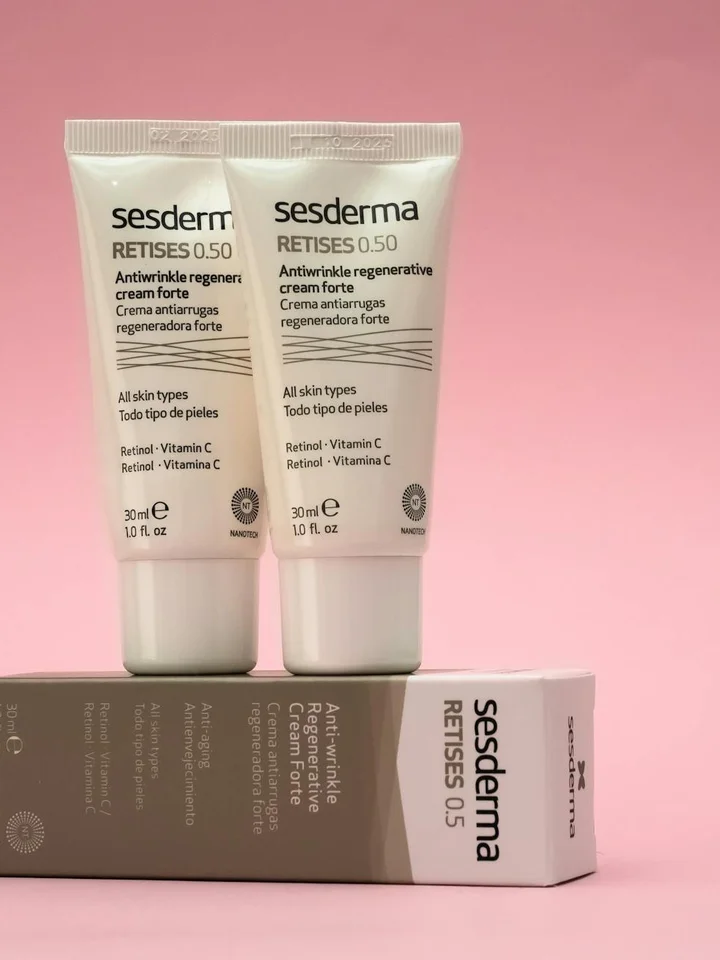
Think of starting retinol like training for a marathon. You wouldn’t run ten miles on your first day. You’d start with a short, manageable distance and build up slowly. Your skin needs the same thoughtful approach. The single best way to prevent a retinol burn is to begin with a low concentration and use it infrequently, allowing your skin to adapt without panic.
Master the “Low and Slow” Method
This isn’t about being timid, it’s about being smart. A potent 1.0% formula might sound impressive, but it’s often a one-way ticket to irritation for a new user.
- Start Low: Look for a product labeled between 0.01% and 0.03% retinol. This gives your skin cells a gentle nudge instead of a shove.
- Start Slow: Apply it just one night during your first week. The second week, try two nights, with at least one full night off in between. This gives your skin crucial repair time.
My client Noah, with his dry, reactive skin, learned this the hard way. He used a moderate-strength retinol three nights in a row, convinced that more would be better. The resulting tightness and flaking took two weeks to soothe. We reset with a 0.025% formula, once a week, and his skin finally began to reap the benefits without the drama.
The “Sandwich” Technique for Sensitive Skin
If your skin is prone to reactivity or you’re simply feeling cautious, the “sandwich” or “buffering” method is your best friend. It creates a protective buffer that slightly slows the retinol’s delivery, minimizing shock.
- Cleanse your face gently and pat it dry.
- Apply a thin layer of your basic, fragrance-free moisturizer. Let it soak in for a minute.
- Apply your pea-sized amount of retinol.
- Finish with another light layer of the same moisturizer.
This technique is like applying a serum between two layers of a protective blanket. It doesn’t stop the retinol from working, it just ensures the experience is more comfortable for your skin barrier. That buffering concept also applies when layering brighteners with retinoids, helping you balance effectiveness with comfort. In the next steps, we’ll outline practical layering orders for brighteners and retinoids.
Smart Product Pairing: Your Retinol Allies and Foes
Retinol doesn’t exist in a vacuum. What you pair with it, especially in the beginning, makes all the difference.
Avoid These on Retinol Nights:
- Other Exfoliants: This includes AHAs (like glycolic acid), BHAs (like salicylic acid), and physical scrubs. Using them with retinol is a classic recipe for over-exfoliation and a damaged barrier.
- Vitamin C (Initially): Both are fantastic, but they thrive at different pH levels. Using a potent L-ascorbic acid serum in the same routine as retinol can be irritating. It’s safer to use Vitamin C in the morning and retinol at night once your skin is acclimated.
Embrace These Soothing Partners:
- Hyaluronic Acid: Apply this hydrating serum to damp skin before your retinol. It acts like a moisture magnet, plumping skin cells and creating a more resilient environment.
- Niacinamide: This ingredient is retinol’s perfect companion. Used together, niacinamide can help strengthen the skin barrier, improve tolerance, and manage any potential redness. Look for it in your moisturizer or as a separate serum.
Lina, with her combination skin, found that layering a niacinamide serum before her low-dose retinol completely eliminated the minor redness she used to get on her cheeks.
Building Your Tolerance: A Sample 6-Week Schedule
This calendar is a flexible blueprint, not a rigid rulebook. The most important step is always “listen to your skin.” If you experience stinging, significant redness, or peeling, pause for two nights, then resume at the previous frequency.
Weeks 1 & 2: The Introduction
- Monday: Cleanse, moisturizer, retinol, moisturizer (“sandwich” method).
- Tuesday – Sunday: Focus on gentle cleansing, hydration, and sunscreen. No retinol, no other actives.
Weeks 3 & 4: Building Consistency
- Monday & Thursday: Your retinol nights. You can try skipping the initial moisturizer layer if your skin feels fine.
- Other Nights: Hydration and recovery focus.
Weeks 5 & 6: Establishing a Routine
- Monday, Wednesday, Friday: Retinol application.
- Other Nights: Continue with gentle, nourishing products. This is when you might cautiously reintroduce a weekly exfoliant on a non-retinol night, if your skin feels strong and shows no signs of irritation.
If your skin feels tight, looks windburned, or starts to flake, that’s your cue to take a break. Return to just moisturizer and sunscreen for a few nights until comfort returns, then step back to the previous week’s schedule. Patience here prevents weeks of recovery from a full retinol burn. I always recommend doing a patch test with any new retinol product on your inner arm for a few nights first, it’s a simple step that can save your face from unnecessary distress.
When to See a Dermatologist or Doctor
While most retinol irritation is manageable at home, your skin sometimes sends signals that demand a professional opinion. Think of it like your skin raising a red flag instead of just waving a yellow one of caution.
Schedule an appointment if you experience any of the following signs, as they indicate a reaction beyond typical “retinization”:
- A severe, spreading rash that doesn’t improve after several days of stopping retinol and using only gentle, soothing products.
- Significant swelling, especially around the eyes or lips.
- Blisters, open sores, or weeping skin.
- Intense pain or a burning sensation that persists, not just mild stinging upon application.
- Signs of a bacterial infection, like yellow crusting or pus.
It’s also crucial to get help for specific conditions that retinol can sometimes unmask or trigger. For instance, retinol can worsen or initiate perioral dermatitis, a bumpy, red rash around the mouth and nose that often requires prescription treatment. Similarly, if you suddenly develop a flare of deep, painful cystic acne after starting retinol, a dermatologist can help you navigate whether to push through or adjust your approach.
Seeking help is a sign of good skincare stewardship, not failure. I see clients like Noah, who has reactive skin, come in worried they’ve “broken” their barrier. In almost every case, their dermatologist or esthetician has seen it many times before. Retinol reactions are incredibly common, and there’s no prize for suffering through a severe one alone. A professional can provide targeted treatments, like a short-course prescription cream, to calm the inflammation swiftly and get your skin journey back on track.
Retinol Friends and Foes: How It Works With Other Ingredients
Think of your new retinol as the star player on a team. It performs best when supported by the right teammates, and things can go badly if it’s fighting with others on the field. Getting the combinations right is key to a calm, effective routine.
I use a simple traffic light system with my clients to make this clear. Here’s how to pair ingredients safely.
Green Light: Your Retinol Support Crew
These ingredients are retinol’s best friends. They help it do its job while keeping your skin comfortable. Noah, with his dry and reactive skin, lives in this zone. Understanding the properties and effects of retinol on skin helps him choose the right products.
- Hyaluronic Acid: This is a hydration magnet. Applying it on damp skin before your retinol helps plump the skin with water, creating a more comfortable base.
- Peptides and Ceramides: These are the building blocks and mortar for your skin barrier. A moisturizer rich in them, applied after retinol, helps reinforce your skin’s natural defenses against irritation.
- Niacinamide: This multi-tasker is a true ally. Research shows it can help improve skin barrier function and reduce redness, which can help offset potential retinol irritation.
Your goal is to sandwich retinol between hydration and barrier repair for a smoother experience.
Yellow Light: Proceed with Caution and Timing
These ingredients aren’t enemies, but they require a strategic plan. Using them at the wrong time can lead to a traffic jam of irritation on your skin’s surface.
- Vitamin C (L-ascorbic acid): Both vitamin C and retinol are powerful, and using them together can be too much for many skins, especially at first. The best practice is to use them at separate times. I recommend vitamin C in your morning routine and retinol at night once your skin has built a solid tolerance.
Space out your actives to let each one work without overwhelming your skin.
Red Light: Avoid These Combinations
Mixing these with retinol, especially in the same routine, is asking for trouble. It’s like using two strong exfoliants at once your skin barrier doesn’t stand a chance.
- AHA/BHA Exfoliants (Glycolic, Lactic, Salicylic Acid): Retinol already encourages cell turnover. Adding a chemical exfoliant on top dramatically increases the risk of redness, peeling, and a painful impaired barrier. Use them on alternate nights, or better yet, take a night off between them.
- Benzoyl Peroxide: This acne fighter can actually deactivate some forms of retinol, making both products less effective. More importantly, combining them is notoriously drying and irritating. If you need both, use benzoyl peroxide in the morning and retinol at night.
Applying retinol with other direct exfoliants is the most common cause of severe “retinol burn” I see in my practice.
When Maya first started retinol for her acne, she made the classic mistake of using her salicylic acid cleanser on the same night. We scaled back, focused on gentle hydration, and reintroduced her acid cleanser only on mornings after a retinol free night. Her skin settled and the results followed.
Your Retinol Side Effect Questions, Answered
How can I tell if my skin is purging from retinol or just irritated?
Purging appears as small pimples or blackheads in areas where you typically break out and clears relatively quickly. True irritation involves redness, burning, or peeling in new areas and means you should pause and soothe your barrier.
What’s the single best way to prevent a retinol burn before it starts?
Consistently using the “sandwich method”-applying retinol between two layers of a simple moisturizer-dramatically reduces initial irritation by buffering its intensity. Starting with a low concentration, like 0.01%, and using it just once a week builds tolerance safely.
Why is sunscreen non-negotiable with retinol, and what type is best?
Retinol increases sun sensitivity, making new skin vulnerable to damage that can reverse benefits and cause hyperpigmentation. A gentle, mineral-based sunscreen with zinc oxide is ideal for sensitive, retinized skin as it blocks rays without stinging. There’s a common myth that sunscreen hinders retinol, but protection is essential for preserving benefits. Using sunscreen consistently supports retinol effectiveness by shielding new skin from UV damage.
Moving Forward with Retinol Confidence
Retinol rewards patience and a gentle hand more than rushing. Your most powerful tool is listening to your skin and adjusting your routine accordingly, which builds resilience over time.
- Start slowly, using a pea-sized amount just two or three nights a week.
- Always follow retinol with a soothing, fragrance-free moisturizer.
- If irritation flares, pause use and focus on barrier repair with simple hydrators.
- Apply broad-spectrum sunscreen every single morning without fail.
Skin care is a personal journey, and I’m dedicated to walking it with you. I share more guidance like this on the LuciDerma blog, where we prioritize safe, effective routines. Your experiences and questions are always welcome here.
Lucy Zimmerman
Lucy is an expert author and blogger when it comes to skin care and body care. She has first hand expertise acting as skin care consultant for over 5+ years helping her clients achieve smooth blemish free skin with natural and working remedies. She also has been an avid experimenter and tried out all the natural and artificial remedies and treatments so you can learn from her first hand experience. Additionally, she has traveled to many countries around the world and incorporated the skin care routines she has learnt into this blog. So, wait no more, reach out to Lucy if you have any specific needs and follow her blog, LuciDerma for expert skin care advice.