
Glycolic Acid Face Time: How Long to Leave It On and How to Apply It Safely
If you’re nervous about how long to leave glycolic acid on your face or how to apply it without irritation, you’re in the right place. I’ve guided many clients through this exact concern, and getting it right turns a potent ingredient into a skin-smoothing friend.
In this article, you will:
- Learn the ideal leave-on times for different glycolic acid products, from gentle toners to stronger peels, so you can avoid redness.
- Master the correct application steps to ensure even coverage and better absorption, maximizing your results.
- Discover how to fit glycolic acid into your routine without disrupting other products, creating a balanced approach for your skin type.
With a clear plan, you can use glycolic acid confidently for a radiant, healthy complexion.
What Is Glycolic Acid, and How Does It Actually Work on Your Skin?
Glycolic acid is the smallest member of the alpha hydroxy acid (AHA) family, which means it has the tiniest molecular structure. It’s naturally derived from sugar cane. That small size is its superpower-it can slip into your skin more easily than other AHAs.
Think of it like a gentle, dissolving cleaner for the surface of your skin. Your skin cells are held together by a kind of “glue.” Over time, dead cells stick around, leading to a dull, rough texture. Glycolic acid works by loosening that glue between the dead skin cells. This allows them to shed away naturally, a process we call exfoliation.
This gentle shedding is what reveals the fresher, brighter, and smoother skin waiting underneath. It’s a fantastic tool for improving skin texture, smoothing fine lines, and fading marks left by old breakouts. My client Maya, who deals with oily and acne-prone skin, finds a weekly glycolic acid treatment helps keep her pores clear and her complexion even.
Understanding this dissolving action is the key to using glycolic acid safely and effectively-it’s working even when you don’t feel a tingle.
The Glycolic Acid Molecule: Your Quick Clinician’s Spec Sheet
Not all glycolic acid products are created equal. Two factors-concentration and pH-tell you almost everything about a product’s strength and how gentle it will be. Here’s your cheat sheet.
| Property | Why It Matters for Your Skin |
|---|---|
| pH (ideal range) | A pH between 3.5 and 4.5 makes the acid effective without being too harsh. If a product isn’t acidic enough, it won’t exfoliate well. |
| Concentration (common ranges) | This is the amount of acid in the product. 5-10% is great for at-home, regular care. Formulas over 20% are considered professional-grade peels. |
| Solubility | Glycolic acid dissolves in water. This means it rinses off cleanly and is perfect for formulations like toners, serums, and cleansers that don’t leave a heavy residue. |
| Safety Profile | It’s well-tolerated by many, but can irritate very sensitive or compromised skin. Its most critical safety rule is that it makes your skin more sensitive to the sun, so daily sunscreen is non-negotiable. |
When I’m helping someone like Noah, who has dry and reactive skin, we always start with a product at the lower end of the concentration range and a pH around 4. This allows his skin to reap the benefits without upsetting his delicate barrier.
So, How Long Should You Leave Glycolic Acid on Your Face?
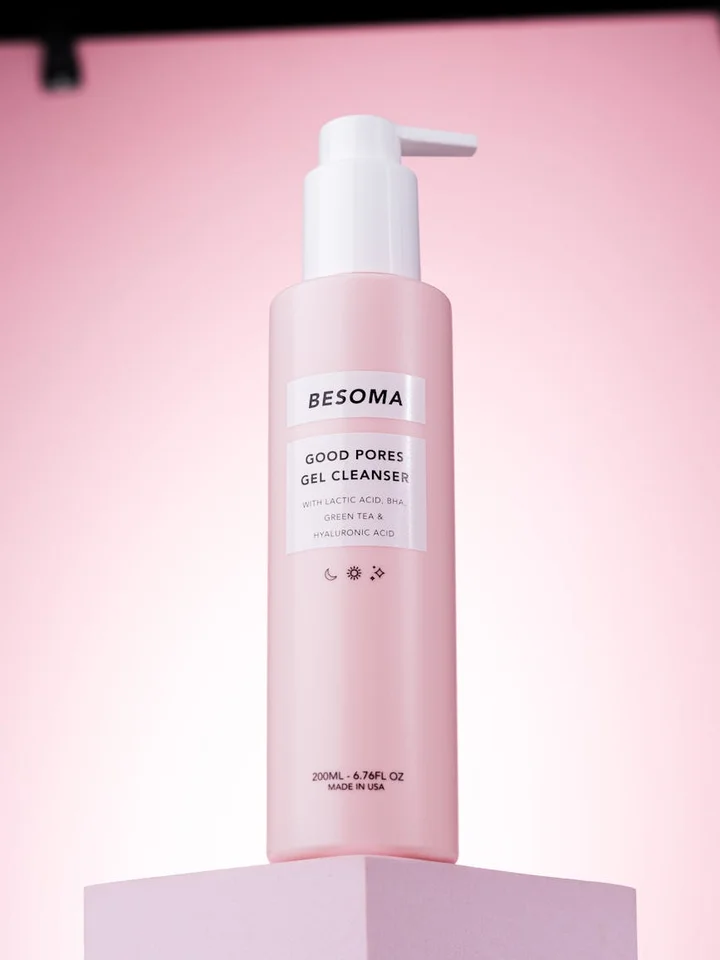
The most important rule is this: the clock starts when you apply it, but it stops based on the product in your hand. You treat a glycolic acid cleanser completely differently than a glycolic acid serum.
Your routine depends entirely on whether your product is a leave-on treatment or a wash-off formula. Getting this wrong is the fastest way to irritation.
Product Formats and Their Timings
Here is your quick-reference guide for how long to leave glycolic acid on your face:
- Cleanser (Wash-Off): Apply to damp skin, massage gently for 30-60 seconds, then rinse thoroughly. Think of this as a quick, daily refresh.
- Treatment Mask or Peel (Wash-Off): Apply a thin layer to dry, clean skin. Leave it on for the time specified on the label, typically 5-10 minutes for at-home formulas, then rinse. Set a timer.
- Serum, Toner, or Treatment (Leave-On): Apply after cleansing to dry skin. These are designed to absorb and work over several hours. You typically leave them on overnight.
Do You Wash Glycolic Acid Off Your Face?
This is the most common question I get from clients like Noah, who is cautious about new steps. The answer is a definitive “sometimes.”
You always wash off a product labeled as a cleanser, scrub, or mask. You do not wash off a product labeled as a serum, toner, or overnight treatment. If you accidentally leave a wash-off formula on too long, it can disrupt your skin barrier, leading to stinging and redness.
My advice is to start with shorter contact times, even if the bottle allows for longer. If you’re new to glycolic acid, try a wash-off mask for 3 minutes instead of 10. Or, use a leave-on serum just twice a week at first. Your skin’s comfort is your best guide.
Can You Leave Glycolic Acid on Overnight, or Is That Too Harsh?
Yes, you absolutely can leave glycolic acid on overnight. Many effective serums are formulated for this purpose. My client Maya, who has resilient oily skin, uses a gentle glycolic serum this way to keep her pores clear.
Overnight use is only safe if your skin barrier is healthy and you’ve patiently built up a tolerance. If your skin feels raw, looks flushed, or stings with your regular moisturizer, your barrier is compromised. Overnight acid use will make it worse.
How do you know if it’s too harsh? Your skin will tell you. Look for excessive redness, a feeling of tightness or sandpaper-like texture, or peeling that goes beyond mild flaking. For someone like Lina, with combination sensitive skin, I recommend applying a nourishing moisturizer right over the serum to buffer it slightly on her drier cheeks.
Think of it like training for a marathon. You don’t run 26 miles on your first day. You start with a mile and build from there. Listen to your skin. It’s the most honest feedback you’ll get.
Your Step-by-Step Guide to Applying Glycolic Acid Correctly
Think of applying glycolic acid like brewing a perfect cup of tea. The timing, temperature, and technique all matter. Getting the steps right maximizes the glow-up and minimizes the freak-out. Here’s the exact routine I walk my clients through.
How to Apply Glycolic Acid: The Official Steps
- Start with a completely clean, dry face. Wash with a gentle, non-exfoliating cleanser and pat your skin dry. Damp skin can allow the acid to penetrate more deeply, which often leads to irritation. This is a step my client Noah, with his reactive skin, never skips.
- Pour a small amount (about 3-4 drops for a serum, a thin layer for a toner) into your clean palm. Your fingertips are the best tool you have. Cotton pads can soak up and waste precious product, and they can drag on your skin.
- Gently pat and smooth the product onto your face, starting from the center and moving outward. Avoid the immediate eye area, the corners of your nose, and any irritated or broken skin. The skin here is thinner and more sensitive.
- Let it do its work. This is the “how long” part. For a rinse-off formula (like a wash or mask), follow the product’s directions, usually 1-5 minutes. For a leave-on treatment (serum or toner), you simply let it absorb and move to the next step. There’s no need to rinse it off unless your skin feels overly sensitive.
- Follow with a hydrating serum and a good moisturizer. Glycolic acid can be temporarily drying, so sealing in hydration right after is non-negotiable. This step helps calm the skin and support your moisture barrier.
- During the day, your final step must be a broad-spectrum sunscreen. Glycolic acid makes your skin more photosensitive. Sun protection isn’t a suggestion; it’s a critical part of the process.
Pro Tips for a Smooth Application
These little adjustments make a big difference in comfort and results.
- Patch test a new product on your inner arm or behind your ear for 24 hours before using it on your face. This helps you avoid a full-face reaction to an unfamiliar formula.
- Begin by using it just 1-2 nights a week, slowly increasing frequency as your skin tolerates it. My client Maya, who is acne-prone, started with once weekly and now uses it twice with no issues.
- If you feel a noticeable tingle or sting, that’s common. A burning sensation is not. Rinse it off immediately if it burns.
- On the nights you use glycolic acid, skip other potent actives like retinol, vitamin C, or benzoyl peroxide. Let the acid have its solo moment to prevent overwhelming your skin.
Listening to your skin’s response is more valuable than following any rigid schedule. If your skin feels tight, looks red, or flakes, take an extra night off to focus on gentle hydration and repair.
Where Does Glycolic Acid Fit in Your Skincare Routine?

Think of your skincare routine like getting dressed. You wouldn’t put your coat on before your shirt. The order matters because it lets each product work its best without creating a traffic jam on your skin. Glycolic acid is a bit like a key that unlocks the door for the products that follow.
A Sample Evening Routine with Glycolic Acid
Glycolic acid should almost always be used in the evening. Sun exposure can make newly exfoliated skin more sensitive, and your skin does its best repair work while you sleep. Here’s a simple, effective way to slot it in.
- Cleanser: Start with a gentle, non-stripping cleanser to remove makeup, sunscreen, and the day’s grime. This gives your glycolic acid a clean canvas.
- Glycolic Acid Product: Apply your chosen toner, serum, or treatment to dry skin. Use your fingers or a cotton pad. Let it absorb for 1-2 minutes.
- Toner (Optional): If you use a toner, it should be a hydrating or calming one, free from alcohol or other exfoliants. This step is for adding moisture back, not stripping.
- Treatment Serum: Now apply any treatment serums, like hyaluronic acid for hydration or niacinamide for calming. The exfoliation helps these ingredients sink in deeper.
- Moisturizer: Seal everything in with a good moisturizer. This is non-negotiable. Glycolic acid can be drying, so following up with a nourishing cream or lotion supports your skin barrier. For someone like Noah, with dry skin, a richer, barrier-repair cream would be perfect here.
The Golden Rule: Don’t Mix Your Potent Actives (At First)
Glycolic acid is a team player, but it needs the right teammates. When you’re new to using it, your skin needs time to adjust.
Avoid using glycolic acid on the same night as other potent actives like prescription retinoids, retinol, or vitamin C serums. Using them together can overwhelm your skin, leading to redness, peeling, and irritation. It’s like doing two intense workouts back-to-back your first day at the gym.
Instead, space them out. You might use glycolic acid on Monday and Thursday evenings, and your retinol or vitamin C on other nights. Once your skin is fully accustomed (after several weeks), some people can tolerate using them together, but it’s not a race. My client Lina, with combination skin, found her complexion was happiest when she gave each active its own dedicated evening.
Can You Wear Makeup After a Glycolic Acid Peel?
If you’re using a gentle, leave-on glycolic product, you can typically apply makeup the next morning without issue. Just follow your normal PM routine and AM sunscreen.
However, after a stronger at-home peel or treatment, your skin needs a breather. I recommend waiting at least 12-24 hours before applying foundation or concealer. The skin’s surface is temporarily more permeable and sensitive.
When you do apply makeup, choose gentle, non-comedogenic formulas. Mineral-based makeup is often a great choice post-exfoliation as it’s less likely to cause irritation. Always be extra gentle when removing it, using a soft cleansing oil or balm.
How Often Should You Use Glycolic Acid for Glowing Skin?
Finding your rhythm with glycolic acid is more like tuning a guitar than following a rigid calendar. The right frequency depends entirely on your skin’s unique needs and tolerance.
For most people, starting slow is non-negotiable.
A Simple Frequency Guide
Think of this as your starting point, not a final destination.
- Beginners & Sensitive Skin: Start with once a week. This gives your skin a full cycle to adjust and recover.
- Oily, Acne-Prone, or Resilient Skin: After a few weeks, you might build up to 2-3 times a week, if your skin feels calm and hydrated.
- Dry or Reactive Skin: You may never need to go beyond 1-2 times a week. Listening to your skin is more important than hitting a number.
The best schedule is the one that gives you results without irritation, tightness, or new redness.
Learning From Real Skin: Maya vs. Noah
Let me show you how this plays out in practice with two regular clients.
My client Maya has oily, acne-prone skin. Her pores clog easily, and her skin tolerates actives well. After a month of using a 5% glycolic acid toner once a week with no issues, we moved her to twice a week. Her skin became clearer and more radiant. For her, using it three times a week might eventually be an option.
Then there’s Noah, who has dry, reactive skin. His goal is gentle exfoliation for dullness without compromising his fragile moisture barrier. We started with a 5% formula every ten days. He now uses it once a week, and that’s his sweet spot. Pushing for twice a week would likely leave his skin feeling tight and look irritated.
Their stories show that skin type dictates the pace, not the other way around.
What Happens If You Use It Too Much?
More is not better with acids. Over-exfoliation is a fast track to damaging your skin’s protective barrier.
Signs you’re overdoing it include:
- Persistent redness or stinging when applying gentle products
- A feeling of tight, shiny skin (like plastic wrap)
- Increased sensitivity, flakiness, or tiny bumps
- Paradoxically, more breakouts as your stressed skin overproduces oil
If you notice any of this, stop all exfoliants immediately. Focus on a simple routine of a gentle cleanser, a ceramide-rich moisturizer, and sunscreen for at least a week until your skin feels resilient again.
The Connection to Professional Glycolic Peels
This brings us to a common question: are glycolic peels good for your skin? Professional peels use much higher concentrations that a dermatologist or esthetician controls and neutralizes. They can be excellent for addressing specific concerns like deep hyperpigmentation or wrinkles.
The key takeaway from peels applies to your at-home routine, too: moderation and professional guidance win. A weekly 10% serum used consistently is often more beneficial and safer than a daily 20% product that wrecks your barrier. A gentle, consistent approach lets you harness the glow-inducing power of glycolic acid without the drama of a recovery phase.
Contraindications & Safety Warnings: When to Absolutely Skip Glycolic Acid
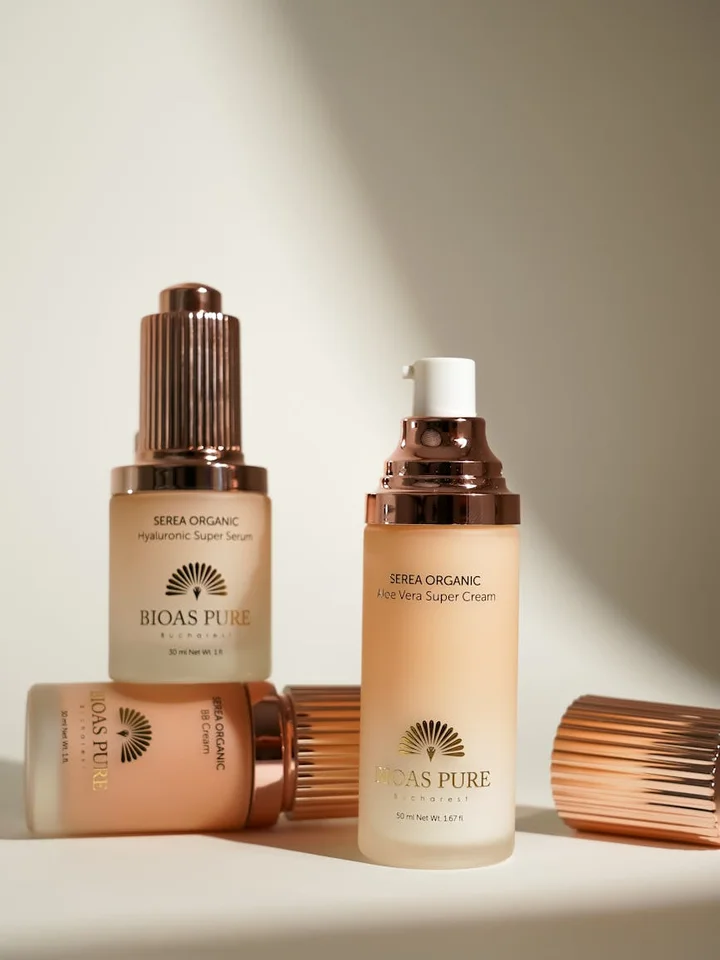
Glycolic acid is a powerful tool, but even the best tools aren’t right for every job. Using it when your skin is vulnerable can do more harm than good. When exploring best acid treatments for skin conditions, consider your skin’s sensitivity and the condition. This helps you choose the right option and use it safely.
Think of your skin barrier like the mortar between bricks; if it’s cracked and damaged, applying an acid is like pouring in a harsh cleaner-it just breaks things down further. Here are the clear red-flag situations where you should pause your glycolic acid serum.
Red-Flag Skin Conditions
If your skin is in a state of active distress, glycolic acid will almost certainly worsen it. Hold off if you have sensitive skin or any other ongoing skin issues.
- Active breakouts with open wounds: Applying acid to broken skin is intensely irritating. It feels like pouring lemon juice on a paper cut. Let any popped pimples or scrapes heal fully first.
- Eczema or rosacea flares: During a flare-up, skin is inflamed, reactive, and its barrier is impaired. An AHA like glycolic acid will amplify that sensitivity and discomfort. My client Noah, with his reactive skin, only uses his gentlest, fragrance-free creams during a flare.
- Sunburned skin: This is non-negotiable. Sunburn is a clear injury. Adding an exfoliant disrupts the healing process and can cause severe irritation or even blistering.
- A visibly compromised barrier: How do you know? Your skin feels tight, rough, stings with most products, looks flaky or feels like sandpaper, and may be unusually oily as it overcompensates. This is your skin begging for a break and some simple hydration.
Pregnancy and Nursing
If you are pregnant, nursing, or trying to conceive, the general advice is to consult with your obstetrician or dermatologist before using glycolic acid. While topical application is typically considered low-risk because very little is absorbed into the bloodstream, many prefer to err on the side of caution during this time. There are plenty of other effective, gentle ingredients you can explore with your doctor’s blessing.
The Non-Negotiable Patch Test
Before any new active touches your face, give it a trial run. This simple step can prevent a full-face reaction.
- Clean a small, discreet patch of skin behind your ear or on your inner arm.
- Apply a small amount of the glycolic acid product as you normally would.
- Wait 24-48 hours. Do not wash it off prematurely.
Check for any signs of a negative reaction: redness, itching, burning, swelling, or hives. If your skin is calm, you can proceed to use it on your face. If you see a reaction, your skin is telling you this formula or concentration isn’t a good fit right now.
Answering “Can I Use Glycolic Acid on My Face?”
If you’re searching that question, the answer starts right here. Checking these safety points is your essential first step-it’s how you move from uncertainty to confident, safe application. Listen to your skin’s current condition over any rigid routine. Skipping an acid night to repair your barrier isn’t a setback; it’s the smartest skincare move you can make.
Navigating Common Glycolic Acid Conundrums
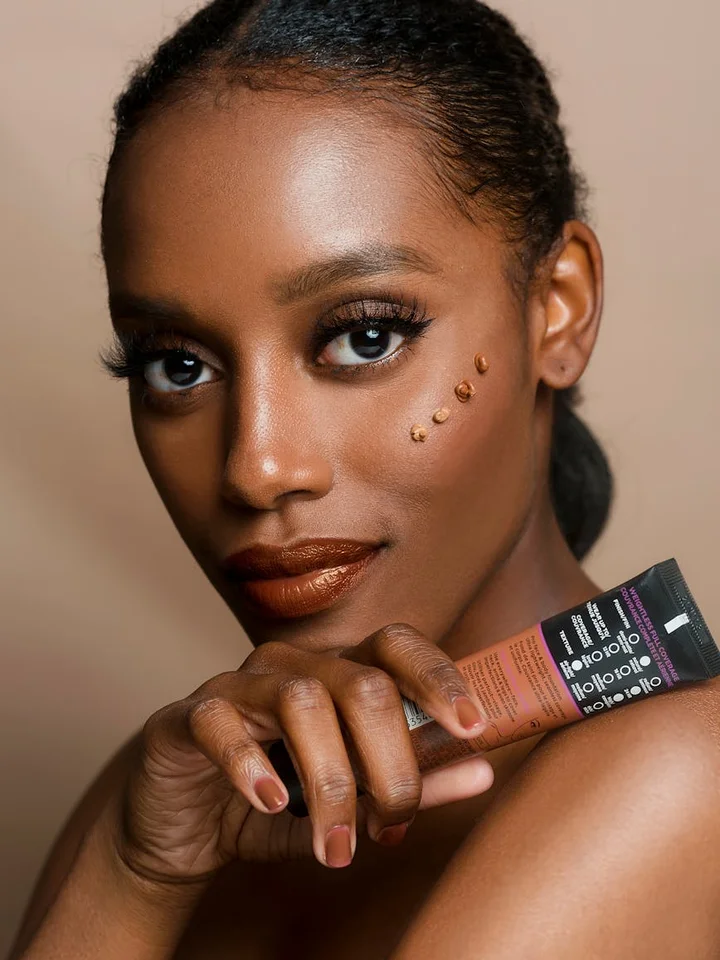
When you start using a new active ingredient, questions pop up. I hear them from clients all the time. Let’s tackle the most frequent ones about glycolic acid, so you can apply it with confidence.
Can You Use a Body Product on Your Face?
My client Noah asked this after finding a great glycolic acid body lotion. It’s a smart question, but the general rule is no. Body skincare is formulated differently.
Body lotions and creams are often thicker and may contain higher concentrations of actives or different emulsifiers meant for tougher skin on the arms and legs. The skin on your face is more delicate and has more oil glands. Using a body product there can lead to irritation, clogged pores, or a disrupted skin barrier. Formulations are created for specific areas, and facial skin needs the gentler, more precise chemistry of a face product.
How Long Should You Wait Before Applying Your Next Product?
Timing matters. You want your glycolic acid to work without interfering with the next step in your routine.
After applying your glycolic acid toner or serum, give it a minute or two to dry and be absorbed. You’ll feel the product settle, and your skin will no longer be wet or tacky to the touch. This brief window lets the acid adjust the skin’s pH and do its job without immediately being diluted or neutralized by your moisturizer.
Think of it like this: let the acid have its quiet moment before you send in the hydration team. Wait until your skin feels dry, usually 1-2 minutes, before gently layering on your next serum or moisturizer.
Tingling vs. Stinging: What Your Skin is Telling You
This is the most important distinction to learn. A mild, fleeting tingle is normal, especially when you’re new to glycolic acid. It’s a sign the acid is active. But a sharp, hot, or persistent stinging or burning sensation is a red flag.
- A Normal Tingle: Lasts 30-60 seconds, feels like a slight warming or fizzing sensation, and fades completely.
- A Problematic Sting: Feels hot, itchy, or painful, lasts longer than a minute, and may be accompanied by immediate redness.
If you feel a true sting, remove the product immediately with a cool, damp cloth. Your skin barrier might be compromised, you might be using it too frequently, or the concentration is too high for you. I had to remind Lina of this when she got overzealous. She took a few nights off to focus on barrier repair with a simple ceramide cream, and the tingling returned to a normal level when she tried again. Listen to your skin; a tingle is a conversation, but a sting is a shout to stop.
Choosing Your Glycolic Acid Product: A Matchmaking Guide
Think of picking a glycolic acid product like choosing a workout partner. You want one that challenges you just enough without causing injury. The right formula depends entirely on your skin type, your goals, and your routine’s other players.
Breaking Down the Product Types
Glycolic acid comes in different vehicles, each with a specific job. Using the wrong one is like using a sledgehammer to hang a picture.
Toners & Solutions (Best for Oily, Congested Skin)
These are typically water-thin liquids you apply with a cotton pad or your hands after cleansing. They offer a swift, even layer of exfoliation. This format is a favorite for my client Maya, as it helps clear her oily T-zone without adding any heaviness. It’s a great entry point for many because you control the pressure and can easily skip drier areas.
Serums (Best for Targeted Treatment)
Glycolic acid serums are slightly more viscous, designed to be pressed into the skin and left on. They often contain a higher, more potent concentration or are blended with other active ingredients like vitamin C. This is your targeted treatment step, ideal for addressing texture, fine lines, or post-acne marks directly. They work well layered under moisturizer. Some routines pair glycolic acid with salicylic acid to address texture and pore clarity. This salicylic acid–glycolic acid skincare approach can be integrated for a balanced regimen.
Cleansers (Best for Gentle, Daily Exfoliation)
A wash-off glycolic acid cleanser is one of the gentlest ways to start. The acid is in contact with your skin for a short time, providing a mild exfoliating cleanse. This is a brilliant, low-commitment option for building tolerance or for those with sensitive skin who still want the benefits. For those with particularly sensitive or reactive skin, mandelic acid can be a gentler alternative to glycolic acid. Some people prefer formulations that combine mandelic and glycolic acids at low strengths to balance exfoliation with tolerance. My client Noah often prefers this method for his reactive skin.
Masks & Peels (Best for Intensive Weekly Care)
These are your heavy lifters. They contain higher acid concentrations and are designed to be left on for 5-10 minutes before rinsing. Treat a weekly glycolic acid mask like a reset button for dull, flaky skin, but respect its power-overuse is a fast track to irritation.
The Ingredient Shortlist: What to Look For
The supporting cast in your glycolic acid product is just as important as the star. Smart formulations use other ingredients to buffer and soothe.
- Look for fragrance-free and cruelty-free formulas as a baseline for happy, calm skin.
- Seek out bottles that pair glycolic acid with hydrators like hyaluronic acid or glycerin, or soothers like aloe vera or panthenol. This combo exfoliates while supporting your moisture barrier.
- Avoid pairing it with other potent exfoliants (like a salicylic acid cleanser or a retinoid serum) in the same routine unless you have expert-level tolerance.
Start Low and Go Slow: Concentration is Key
Higher concentration does not mean better or faster results. It often means a higher risk of redness and stinging. I always advise starting with a lower concentration, between 5% to 7%, to see how your skin responds. You can use this consistently for several weeks. Only consider moving to a 10% formula if your skin tolerates the lower strength perfectly and you feel you need more. For most people, a well-formulated lower-strength product used regularly is more than enough.
So, can you use glycolic acid on your face? Absolutely. But the difference between a good experience and a bad one almost always comes down to choosing the right product for your skin’s current needs. Match the formula to your skin type, start with a gentle concentration, and always listen to what your skin tells you the next day.
Your Glycolic Acid Questions, Answered
Can I use glycolic acid with vitamin C?
Yes, but not at the same time. To avoid irritation, use glycolic acid in your evening routine and vitamin C in the morning, ensuring your skin gets the benefits of both without overwhelm.
What should I do if I leave a wash-off glycolic acid product on too long?
Rinse it off immediately with cool water and follow with a soothing, barrier-supporting moisturizer. If stinging or redness persists, pause use for a few days to let your skin recover.
How will I know when my skin is tolerating glycolic acid well?
Your skin will feel smooth and look radiant without persistent redness, stinging, or excessive tightness. Successful tolerance means you see the positive results without the negative reactions.
Your Glycolic Acid Roadmap
Using glycolic acid effectively comes down to one simple principle: work with your skin, not against it. Think of it as a consistent, gentle conversation with your skin, not a weekly interrogation. Lasting results build from patience and a routine that respects your skin’s barrier.
- Always conduct a patch test behind your ear or on your inner arm before applying any new acid to your face.
- Start with a low concentration formula and a short contact time of 5-10 minutes, then rinse.
- Applying your glycolic acid treatment to clean, dry skin ensures even absorption and prevents irritation.
- Sunscreen the next morning is non-negotiable, as glycolic acid makes your skin more sensitive to the sun.
- If your skin feels tight, stings persistently, or looks red and shiny, take a break for a few nights to focus on barrier repair.
I’m here to help you navigate your skincare journey. For more guides like this, follow along right here on the blog. If you have questions about your specific routine or product choices, feel free to reach out. Your skin’s comfort and health are the ultimate goals. Next, I’ll share a build skincare routine step guide to help you assemble your regimen with confidence. It will break down each step, from cleansing to moisturizing, so you know exactly what to do.
Lucy Zimmerman
Lucy is an expert author and blogger when it comes to skin care and body care. She has first hand expertise acting as skin care consultant for over 5+ years helping her clients achieve smooth blemish free skin with natural and working remedies. She also has been an avid experimenter and tried out all the natural and artificial remedies and treatments so you can learn from her first hand experience. Additionally, she has traveled to many countries around the world and incorporated the skin care routines she has learnt into this blog. So, wait no more, reach out to Lucy if you have any specific needs and follow her blog, LuciDerma for expert skin care advice.