
Retinol vs Retinaldehyde: Which Vitamin A Derivative is Right for Your Skin?
Choosing between retinol and retinaldehyde can feel confusing, but it doesn’t have to be. I guide clients through this decision regularly to find the best fit for their skin goals.
By the end of this article, you’ll know:
- What retinol and retinaldehyde are and why their chemical structures matter for your skin’s response.
- How each one works on a cellular level so you can match it to your skin type, whether you’re dealing with acne like Maya or sensitivity like Noah.
- The practical differences in strength and irritation to use them safely and effectively in your routine.
You’ll have the confidence to choose a product that aligns with your skin’s unique needs.
Clearing Up the Retinoid Confusion
Think of retinoids as a family. Retinoic acid is the active, hard-working family member your skin cells actually listen to. It’s the form that directly binds to receptors in your skin to speed up cell turnover, boost collagen, and clear pores.
Retinol and other forms are like cousins that need to be introduced and converted before they can get to work. So, are retinoids and retinol the same? Not exactly. “Retinoids” is the family name, and retinol is one popular member you can buy over the counter. Is “retina” and retinol the same? This is usually a misspelling or mishearing of “retinal” or “retin-A” (a brand name for prescription tretinoin, which is retinoic acid).
Now, about retinal. Is retinal and retinaldehyde the same? Yes. “Retinal” is just a common shorthand for retinaldehyde (you might also see “retinal”). It’s like calling someone “Alex” instead of “Alexander.”
Here’s a simple way to picture the journey these ingredients take on your skin:
- Retinol: Takes two conversion steps to become retinoic acid. First, it becomes retinaldehyde. Then, retinaldehyde becomes retinoic acid.
- Retinaldehyde: Is just one step away. It only needs to convert once to become the active retinoic acid.
This journey matters because each conversion step takes time and depends on your skin’s enzymes. The fewer steps, the faster and more efficiently the ingredient can start working for you.
The Molecule Spec Sheet: Retinol vs. Retinaldehyde
Let’s break down their profiles side-by-side. This table answers the core questions about speed, strength, and stability.
| Feature | Retinol | Retinaldehyde |
| Chemical Name | Retinol | Retinaldehyde (often called retinal) |
| Conversion Steps to Retinoic Acid | Two steps | One step |
| Typical OTC Concentration | 0.1% to 1% | 0.05% to 0.1% |
| Stability | Less stable. Degrades easily with light and air. | More stable. The aldehyde group makes it less prone to oxidation. |
| Prescription Required? | No | No |
Which converts to retinoic acid faster? Retinaldehyde does. With one less conversion step, it gets to work more directly. This often means you might see results a bit sooner, and it can be effective at lower concentrations compared to retinol.
Is one more stable than the other? Yes, retinaldehyde is generally more stable. Retinol is famously finicky and can lose potency if the formula isn’t airtight and opaque. Retinaldehyde’s chemical structure gives it a bit more innate resilience, though a good formula is still key for both.
A quick note on marketing: you might see “pro-retinol” on labels. This isn’t a distinct chemical. It’s usually a term for retinyl esters (like retinyl palmitate), which are actually *further* steps away from retinoic acid than retinol itself. They need to convert to retinol first, then to retinaldehyde, then to retinoic acid. They are gentler but also significantly less potent.
So, who might prefer which? My client Noah, with his dry, reactive skin, often does better starting with a low-dose retinaldehyde formula. It’s a more direct route, so his skin doesn’t have to work as hard to convert it, which can sometimes mean less irritation. From a chemistry standpoint, retinol and retinaldehyde convert differently in skin. This helps explain why some people tolerate one form better than the other. My client Maya, with her oily, resilient skin, might start effectively with a well-formulated retinol. The best choice depends on your skin’s sensitivity, your patience for the process, and the quality of the product formula. Always, always patch test.
How They Work: The Path to Your Skin Cell

Think of your skin cells as having a locked door. Vitamin A (retinoic acid) is the only key that fits. Retinol and retinaldehyde are different versions of that key, and they need to be cut and shaped before they can work.
Retinol’s Two-Step Journey
When you apply retinol, your skin cells have to do some homework. First, an enzyme converts the retinol into retinaldehyde. Then, a second enzyme converts that retinaldehyde into the active retinoic acid. It’s a two-part process.
Imagine mailing a package that requires two separate delivery stops before it reaches its final destination. This extra step means retinol is gentler for many people, but it also means results can take longer to appear.
My client Maya, who is new to retinoids, started with a low-dose retinol. Her skin adapted slowly over a few months with minimal irritation, which was perfect for her cautious start.
Retinaldehyde’s Direct Route
Retinaldehyde skips the first step. It’s already the direct precursor to retinoic acid. Your skin only needs one enzyme to convert it into the active form that your cell receptors recognize.
Using our analogy, it’s like the package only needs one delivery stop. Because it’s closer to the active form, retinaldehyde is often more efficient and can show results faster than traditional retinol. This directly answers “how does retinaldehyde work?”-it takes a more express route.
Efficiency and the Irritation Question
So, does retinaldehyde work? Yes, and its efficiency is the reason. But this brings us to the core trade-off: speed versus potential sensitivity. A more direct conversion can sometimes be more stimulating to the skin.
However, this isn’t a strict rule. In my experience, some people with reactive skin, like Noah, actually tolerate a well-formulated retinaldehyde better than a retinol. Why? The shorter pathway can mean less opportunity for the ingredient to cause oxidative stress or irritation during its conversion in the skin.
The best choice depends on your skin’s unique sensitivity and your tolerance for a gradual versus a potentially faster timeline. Both are excellent paths to the same destination.
Irritation vs. Effectiveness: Finding the Balance
Think of your skin cells as having a locked door. Retinol is a key that needs to be cut and shaped twice to fit the lock. Retinaldehyde only needs to be shaped once. Every extra step creates more potential for irritation before your skin gets the active ingredient it needs, which can lead to purging.
Retinaldehyde is typically gentler on the skin because it requires one less conversion step, which means less opportunity for irritation during the process. For someone like Noah, with dry, reactive skin, this single conversion step is often the deciding factor. He tried a retinol serum last year and experienced flaking and redness for weeks. When we switched him to a retinaldehyde formula, his skin adapted within days, letting him finally enjoy the benefits without the prolonged irritation.
When it comes to speed, retinaldehyde has a clear edge. Since it’s closer to retinoic acid, it starts working on your skin’s receptors faster. You might see noticeable improvements in texture and clarity in 4 to 8 weeks with retinaldehyde, whereas retinol can take 12 weeks or longer to show similar visible results.
Which is More Effective for Anti-Aging?
This is where people get tangled. If you define “effective” as which one gives you retinoic acid’s gold-standard results, they are both effective. They just take different roads to get to the same destination.
A 2018 study published in the International Journal of Cosmetic Science found that retinaldehyde at a 0.1% concentration produced significant improvements in wrinkles and skin elasticity over several months. The real difference isn’t in the final destination, but in the efficiency and comfort of the journey there. Retinaldehyde’s shorter path means it can deliver firming, line-smoothing results more quickly and with less fanfare for many skin types.
For addressing acne, like with my client Maya, speed and potency matter. Her oily, acne-prone skin responds well to stronger, faster-acting ingredients. For her, a retinaldehyde product can help clear congestion and prevent new breakouts more swiftly than a retinol, making it the more effective choice for her specific goals.
So, Is Retinal Better Than Retinol?
It’s not about one being universally “better.” It’s about which one is better for you.
Choose retinaldehyde if your priority is getting results more quickly with a potentially gentler experience, especially if you have sensitive or reactive skin. Choose retinol if you have proven, resilient skin that tolerates it well, you’re on a budget, and you’re patient for results.
The best retinoid for you is the one you can use consistently, without irritation, as part of your long-term routine. Always, always patch test a new retinoid product on your jawline for a week before applying it to your full face. This simple step saves you from potential widespread redness and tells you exactly how your unique skin will react.
Who Should Use Which? Matching Molecule to Concern
Think of your skin concern as a destination and the retinoid as your vehicle. You wouldn’t take a monster truck to pick up groceries, and you wouldn’t use a scooter for a cross-country move. Picking the right one gets you better results with less fuss.
What Each One Targets Best
Both retinol and retinaldehyde can improve the skin concerns you’re likely researching, but their efficiency and gentleness differ. Understanding how retinaldehyde works compared to retinol can help you make an informed choice.
- Fine Lines & Early Wrinkles: Retinol is an excellent, gentle starter here. It reliably boosts collagen over time. Retinaldehyde works faster and may create more noticeable firmness.
- Deep Wrinkles & Significant Sun Damage: Retinaldehyde is often the more effective choice because it delivers active vitamin A to the skin more directly, supporting stronger collagen rebuilding.
- Acne & Congestion: Both work by speeding up cell turnover to prevent pores from clogging. Retinaldehyde has a stronger, more direct antibacterial effect against acne-causing bacteria, making it a powerhouse for stubborn breakouts.
- Texture (Roughness, Large Pores): Both ingredients smooth skin by promoting exfoliation. Retinaldehyde tends to refine texture more quickly.
- Hyperpigmentation & Dullness: By accelerating renewal, both help fade dark spots and reveal brighter skin. Retinaldehyde’s faster conversion can lead to quicker brightness.
Your Skin Profile: Which Molecule Fits?
Let’s match the ingredient to a real skin situation. I often think of my clients when explaining this.
For Stubborn Acne and Resilient Skin
Consider retinaldehyde. I think of my client Maya, who has oily, acne-prone skin. After gentle options failed, we introduced a low concentration of retinaldehyde. Its direct antibacterial action helped calm her persistent breakouts faster than retinol ever had, and her skin tolerated it well because it wasn’t overly dry or sensitive to begin with. If your skin can handle stronger actives and acne is your main battle, retinaldehyde is your strategic ally.
For Retinoid Newbies and Sensitive Skin
Start with retinol. This is the path for someone like my client Noah, who has dry, reactive skin. Retinol gives his skin a slower, gentler introduction to vitamin A’s effects. Starting with a low concentration of retinol, used just once or twice a week, allows sensitive skin to build tolerance with minimal redness or peeling. It’s the training wheels before the road bike.
Your Top Questions, Answered
Two questions come up every single time I explain this difference in the treatment room.
Which is better for sensitive skin?
Retinol is generally the safer first choice for sensitive skin. Its multi-step conversion process acts like a slow-release mechanism, giving skin more time to adjust. You can find many retinol formulas specifically buffered with calming ingredients like niacinamide or ceramides, which is ideal for a delicate barrier. These properties drive its effects on texture, tone, and resilience over time. Understanding retinol properties helps explain what you may notice in your skin. Some sensitive skin can eventually tolerate retinaldehyde, but retinol is the gentler on-ramp.
Which ingredient is better for acne?
Retinaldehyde has a clinical edge for acne. Because it converts to retinoic acid in one step, its antibacterial properties activate more immediately in the skin. For inflammatory acne (those deep, painful bumps) and persistent clogged pores, retinaldehyde is often the more effective over-the-counter option. Like adapalene, retinoids help keep pores clear and can gradually minimize their appearance. This dual action is part of why adapalene and related retinoids are often recommended for both acne and pore concerns. Retinol still helps, but it may take longer to see the same level of clearing.
A Quick Note on Prescriptions
Neither retinol nor retinaldehyde requires a prescription. They are both available in over-the-counter skincare products. This is a key difference from prescription retinoids like tretinoin, which is pure retinoic acid and is significantly more potent. Think of OTC retinol and retinaldehyde as the strong, capable cousins of prescription formulas, giving you powerful results without the doctor’s visit.
Your Practical Guide to Application
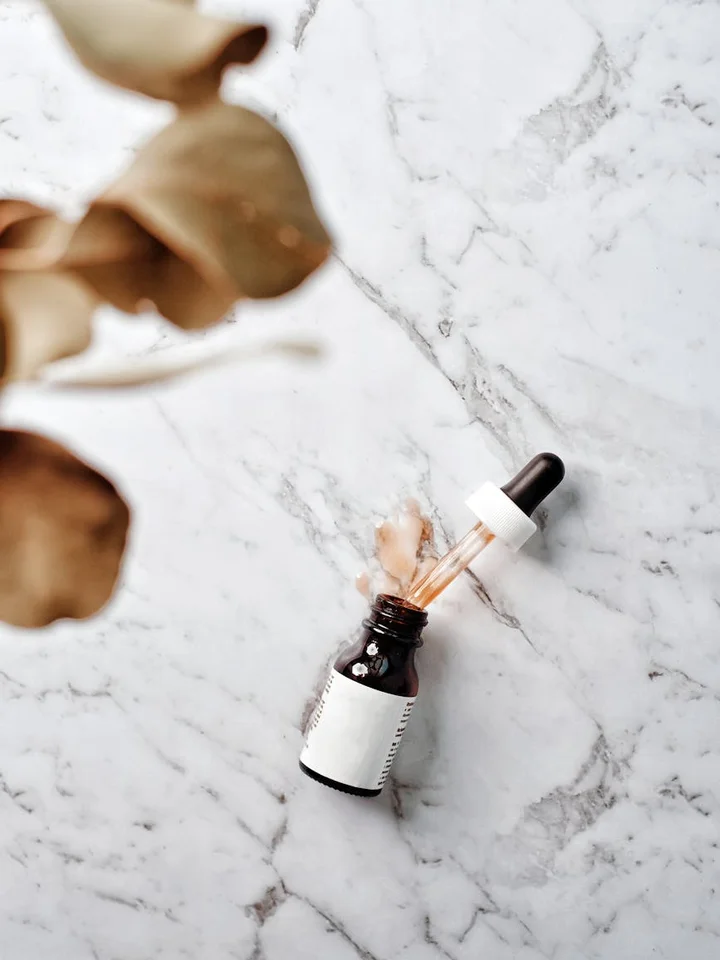
Thinking about adding retinol or retinaldehyde to your routine? I guide clients through this every week. The right start makes all the difference between glowing skin and a frustrated, red face. This is your step-by-step map.
Your First Nightly Routine: A Simple Blueprint
Whether you choose retinol or retinaldehyde, begin with this gentle, numbered process. I recommend doing this on a night when you can relax, not before a big event.
- Wash your face with a mild, creamy cleanser. Pat your skin dry with a clean towel.
- Wait for 15 minutes. Let your skin get completely dry. This simple wait time dramatically cuts down on stinging or irritation.
- Dispense a pea-sized amount of product. This is enough for your entire face and neck.
- Dot the product on your forehead, cheeks, chin, and nose. Gently smooth it outward, avoiding the delicate skin around your eyes and lips.
- Seal it in with your moisturizer. For retinol, any good moisturizer works. For retinaldehyde, I often reach for a barrier-repair cream with ceramides.
Consistency with this gentle routine is far more important than using a large amount of product.
The “Sandwich Method” for Sensitive Skin
If you have skin like Noah’s-dry and reactive-or if you’re just feeling cautious, the sandwich method is a game-changer. It buffers the active ingredient between layers of hydration.
- Step 1: Cleanse and dry your skin.
- Step 2: Apply a thin layer of your usual moisturizer. Let it soak in for a minute.
- Step 3: Apply your pea-sized amount of retinol or retinaldehyde.
- Step 4: Immediately follow with another light layer of the same moisturizer.
This method slows absorption, giving your skin time to adjust without the shock of a direct application. Many of my clients use this method indefinitely for comfort.
How Often Should You Apply It?
Start slow. Use your chosen product only one night a week for the first two weeks. Watch for signs of tightness, flaking, or redness.
If your skin feels calm, you can add a second night in week three. The goal is to work up to using it every other night, which is a sustainable, effective frequency for most people.
Increasing frequency too quickly is the most common mistake I see; it can compromise your skin barrier and set you back weeks. If irritation pops up, take a break for a few nights and return to the sandwich method.
How to Use Retinaldehyde
Retinaldehyde is a potent ally, but it demands respect. Here’s my specific advice for handling this powerhouse.
Retinaldehyde works faster than retinol, so your skin might feel tingly or look slightly pink at first. That’s normal, but pain or peeling is a sign to pull back.
- Always choose a low concentration to start, like 0.05%.
- Apply it to bone-dry skin. Any dampness can drive it deeper and increase irritation.
- You might only need to use it once a week for a full month before increasing. My client Lina uses her retinaldehyde serum just twice a week and gets fantastic results.
- Pair it with calming ingredients. Follow with a moisturizer containing centella asiatica or oat extract to soothe any potential reactivity.
With retinaldehyde, think of yourself as a careful gardener tending a delicate plant-gentle, consistent care yields the best growth.
The Non-Negotiable Final Step: Sunscreen
This is not a suggestion. It is a rule. Both retinol and retinaldehyde make your skin more vulnerable to sun damage, so using sunscreen with retinol is crucial.
You must apply a broad-spectrum sunscreen with SPF 30 or higher every single morning after use. This protects your new, fresh skin cells and prevents dark spots from forming.
Skipping sunscreen the day after using a vitamin A derivative can undo weeks of progress in a single afternoon. Make it as automatic as brushing your teeth.
Contraindications & Safety Warnings
These are powerful ingredients. Think of them like prescription-strength tools for your skin. To use them safely, you need to know when to step back.
Who Should Avoid or Press Pause
Retinol and retinaldehyde are not for everyone at every time. You should avoid starting them or pause your current use if you fall into any of these categories:
- Pregnant or Breastfeeding: Topical retinoids are generally not recommended during pregnancy or while nursing. Always consult your OB/GYN or dermatologist for personalized guidance.
- Severely Compromised Skin Barrier: If your skin feels raw, burns with most products, or is extremely flaky, your barrier is likely damaged. Introducing a retinoid will worsen it. Focus on repair first.
- Active Skin Conditions: If you are experiencing an active flare of eczema, rosacea, or perioral dermatitis, a retinoid will almost certainly aggravate the inflammation. Wait until your skin is calm and managed.
- Recent Procedures: Hold off for at least one week after procedures like chemical peels, microdermabrasion, or laser treatments, or until your clinician gives you the all-clear. Your skin needs to heal.
When in doubt, a conversation with your dermatologist or a trusted esthetician is the safest path forward.
Managing the “Retinoid Adjustment” Period
Some level of reaction is common, especially when you’re new or have increased strength. This “retinization” period is your skin adapting. Here’s what you might see and how to handle it:
- Redness & Dryness: Your skin may look flushed and feel tight or rough.
- Peeling & Flaking: This is often superficial peeling, not a deep wound. Do not pick or scrub it.
My client Noah, with his dry, reactive skin, experienced this. We managed it with a method called “buffering.” He applied his moisturizer first, waited 20 minutes, then applied a pea-sized amount of retinaldehyde. This created a gentle buffer that reduced irritation without stopping the ingredient from working.
Other tactics include using it only every other night and applying a richer, barrier-supporting moisturizer on top. If irritation is significant, take two nights off to let your skin recover.
What Not to Mix In Your Routine
Retinoids are team players, but they don’t play well with everyone on the same team, especially not at the same time. Avoid layering them directly with:
- Potent AHAs/BHAs (Glycolic, Lactic, Salicylic Acid): Using these exfoliating acids in the same routine as your retinoid is a recipe for irritation. It’s like a chemical wrestling match on your skin’s surface. Use them on alternate nights.
- Vitamin C (L-ascorbic acid): While both are fantastic antioxidants, using a potent, low-pH vitamin C serum at the same time as your retinoid can be overly stimulating for many people. I recommend vitamin C in the morning and your retinoid at night.
- Other Potent Actives: Be cautious with ingredients like benzoyl peroxide or physical scrubs on retinoid nights. Simplicity is key during the adjustment phase.
The golden rule is to listen to your skin: if a combination causes stinging or major redness, separate those ingredients.
Can You Use Retinol and Retinaldehyde Together?
In a word: no. There is no clinical benefit to using both a retinol and a retinaldehyde product simultaneously.
They work on the same pathway in your skin. Using both doesn’t mean double the results; it means a dramatically higher risk of irritation, redness, and peeling. It’s redundant and stressful for your skin barrier.
Choose one based on your skin’s tolerance and goals. Stick with it consistently. More is not better when it comes to retinoids. Consistency with one well-chosen product is. Understanding how retinol and tretinoin differ in strength and efficacy can guide your choice. This helps set realistic expectations as you compare options.
Making Your Choice: A Gentle Esthetician’s Final Note
Think of building a retinol routine like training for a marathon, not a sprint. The goal is long term skin health, not overnight drama. Gentle, consistent application will always deliver better and safer results than aggressive, irritating use. Redness, peeling, and stinging are signs your skin is overwhelmed, not that the product is “working.”
For most people just starting out, I suggest a low concentration retinol. This is especially true for someone like my client Lina, who has combination and sensitive skin. Her cheeks can get reactive while her T-zone craves the exfoliation. Starting low allows her skin to adapt without triggering a major flare up. Begin with a formula at 0.1% or 0.3% concentration, and use it just two nights a week, always on dry skin. You can even apply your moisturizer first to “buffer” it. Slowly work up to every other night over a few months.
Retinaldehyde is my go to recommendation for someone who has used a basic retinol reliably for six months or more without irritation, and feels ready for more noticeable results. It’s the logical next step before considering a prescription. If you’ve acclimated to retinol and your fine lines or acne aren’t responding as much as you’d like, retinaldehyde offers that stronger, more direct conversion in the skin. It’s a powerful over the counter option, but it’s not a starting point for beginners.
Your skin’s feedback is the most important review you’ll ever read. Before using any new retinoid product, patch test it on a small area of your jawline or behind your ear for a week. Notice any persistent redness or itching? That’s your skin saying this formula or concentration isn’t right for you right now. Listen to your skin’s signals over any marketing claim or influencer recommendation. If a product causes significant irritation, step back, focus on barrier repair, and try a gentler option designed for sensitive skin. Progress should feel comfortable.
Your Retinoid Questions, Simply Answered
Which is better for sensitive skin?
Retinol is often the gentler starting point due to its multi-step conversion, giving sensitive skin more time to adjust, especially when using products with a lower retinol percentage. That said, some reactive skin may tolerate a low-dose retinaldehyde formula well, as its direct path can sometimes reduce oxidative stress during conversion.
Can I use retinol and retinaldehyde together?
No, combining them is unnecessary and increases irritation risk, as both work on the same cellular pathway. Consistency with one well-chosen retinoid is key for effective, safe results.
Are there products that combine both retinol and retinaldehyde?
Formulations with both are uncommon and not advised, as they offer no clinical advantage and can overwhelm the skin. Your focus is best placed on selecting a single, stable retinoid that matches your skin’s needs.
Choosing Your Skin’s Retinoid Partner
The most important step is picking the retinoid that matches your skin’s tolerance and your timeline for results. Retinaldehyde often delivers changes more quickly and calmly, while retinol offers a gentle introduction for building resilience.
- Always apply your retinoid at night on dry skin, and follow it with a moisturizer to support your barrier.
- Non-negotiable morning sunscreen protects your skin’s new cells and prevents sun damage.
- Give any retinoid a consistent 12-week trial before judging its effects on fine lines or acne.
- If you have sensitive skin like Noah, a low-dose retinol serum can be a wiser first step than jumping to stronger formulas.
I’m here to help you navigate these choices. For more practical advice on gentle, effective routines, explore the other guides on the LuciDerma blog. Your questions and experiences, like Maya’s with acne or Lina’s with combination skin, are what make our community strong-feel free to share them.
Lucy Zimmerman
Lucy is an expert author and blogger when it comes to skin care and body care. She has first hand expertise acting as skin care consultant for over 5+ years helping her clients achieve smooth blemish free skin with natural and working remedies. She also has been an avid experimenter and tried out all the natural and artificial remedies and treatments so you can learn from her first hand experience. Additionally, she has traveled to many countries around the world and incorporated the skin care routines she has learnt into this blog. So, wait no more, reach out to Lucy if you have any specific needs and follow her blog, LuciDerma for expert skin care advice.