
Retinol for Acne Scars: A Practical Guide to Better Texture and Less Discoloration
If you’re staring at acne scars and wondering if retinol can really help, I hear you-it’s a common question in my treatment room, and the answer is a careful yes.
Think of this article as your personal consultation. Here’s exactly what you’ll walk away knowing:
- How retinol works beneath the surface to smooth both pitted and raised acne scars.
- Why it’s so effective at fading the dark spots left behind after a breakout.
- A simple, safe plan to start using retinol, whether your skin is oily like Maya’s or dry like Noah’s.
Let’s get you on the path to skin that feels as good as it looks.
Retinol Unpacked: Your Skin’s Cellular Messenger
Think of retinol as a very specific form of vitamin A your skin cells understand. It works as a cellular messenger, delivering instructions that encourage your skin to act younger and healthier. It tells older, sluggish cells to move along and prompts newer, brighter cells to come to the surface.
Imagine your skin’s natural renewal process is a conveyor belt. When you have acne scars or textural bumps, that belt is jammed with old, damaged cells and uneven pigment. Retinol helps clear the jam. It gets the belt moving at a smoother, more efficient pace, delivering fresher, more uniform skin to the surface over time.
It’s helpful to understand the retinoid family. The strongest forms, like prescription tretinoin, are a direct, urgent phone call to your skin cells. Over-the-counter retinol is more like a text message. Your skin receives it and converts it into that same active message, but the delivery is gentler and takes a bit more time. This makes retinol a fantastic, accessible starting point for most people.
The Molecule Spec Sheet: Retinol’s Key Facts
Let’s look at the chemistry. Knowing these details helps you choose an effective product and use it correctly.
| Property | Typical Range | Why It Matters |
|---|---|---|
| pH Compatibility | Neutral to Slightly Acidic (pH 5-7) | Retinol works best in a stable environment. Using very low-pH acids (like a strong AHA/BHA toner) right before retinol can degrade it. Apply acids earlier in your routine or on alternate nights. |
| Effective Concentration | 0.01% to 1.0% | Higher isn’t always better. Start low (0.1% or 0.3%) to build tolerance. My client Noah, with his reactive skin, saw great texture improvement with a 0.25% formula, avoiding the irritation he feared from stronger options. |
| Solubility (Oil vs. Water) | Oil-Soluble | This is why many retinol serums have an oily feel. The oil base helps carry the retinol into your skin’s lipid layers. If you have oily skin like Maya, look for lightweight, fast-absorbing oil formulations to avoid a greasy finish. |
| Stability (Air & Light Exposure) | Unstable; degrades easily | Retinol breaks down when exposed to air and light, turning ineffective. Always choose packaging in opaque, airtight tubes or pumps, not clear jars. Store it in a cool, dark cupboard, not on your sunny bathroom counter. |
How Retinol Tackles Two Major Types of Scarring
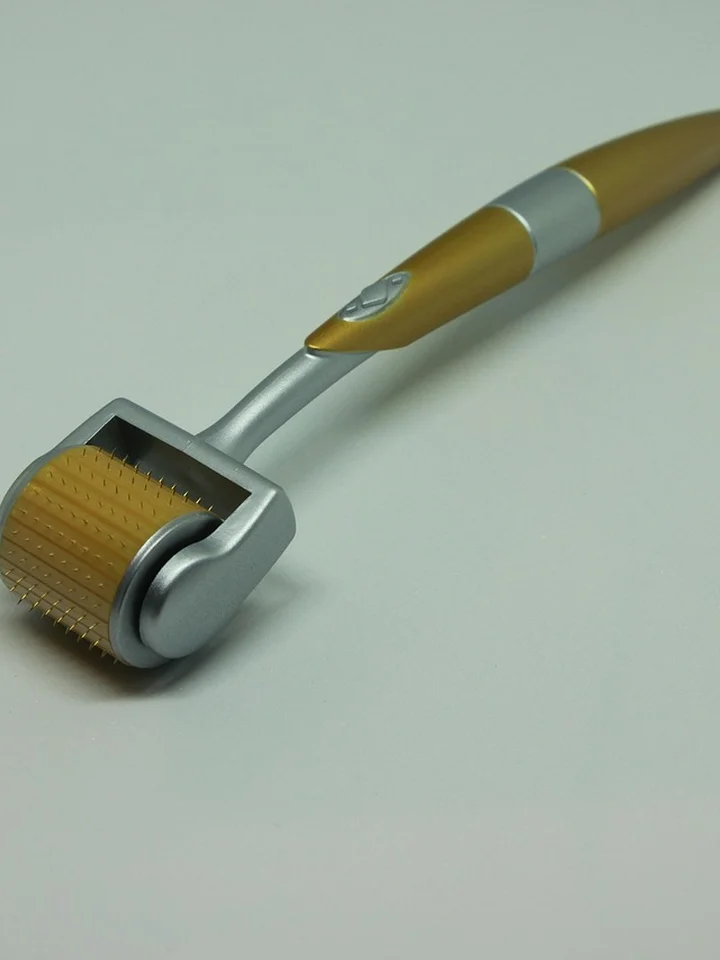
Let’s get right to it: does retinol help with acne scars? Yes, it absolutely can, but it’s not a magic wand. Its power lies in its ability to remodel your skin from the inside out, which makes it uniquely effective for two very common types of scarring.
When my client Maya first came to me, she was frustrated by the lingering marks after her breakouts cleared. We had to identify what we were actually treating. Was it a color problem or a texture problem? Often, it’s both. Retinol addresses each in a different, but powerful, way.
Fading the Shadow: Retinol for Hyperpigmentation
These are the flat marks left behind-shades of pink, red, purple, or brown. They’re not a change in your skin’s texture, just a stain on its surface from past inflammation. This is where retinol truly shines.
Think of hyperpigmentation like a tattoo on the very top layers of your skin. Retinol works by speeding up your skin’s natural renewal cycle. It encourages your skin to shed those pigment-loaded surface cells more quickly, like a gentle, constant eraser. More importantly, it gets right into the melanocyte cells (your skin’s pigment factories) and tells them to slow down production.
The main benefit of retinol for hyperpigmentation is this dual action: it stops new pigment from being made in excess while helping your body clear out the old, discolored cells.
This is a marathon, not a sprint. For my client Noah, who developed dark spots after sun exposure on sensitive skin, we saw noticeable lightening after about 12 weeks of steady, gentle use. Think 3 to 6 months of consistent application, not 3 to 6 weeks. Pairing it with a vitamin C serum in the morning can enhance this brightening effect.
Smoothing the Landscape: Retinol for Textured Scars
These are the physical changes: the small dips (like boxcar or rolling scars) or sharp pits (icepick scars). They happen when the inflammation from a severe breakout damages the collagen that holds your skin’s structure smooth.
Here, retinol acts like a skilled construction manager deep within your skin. It signals your fibroblasts (the cells that build collagen) to get to work. By stimulating new, healthy collagen production over months, retinol helps to fill in those shallow depressions from the bottom up and soften the edges of raised scars.
The benefit of retinol for texture is this foundation-building effect; it remodels your skin’s support structure to gradually smooth out uneven terrain.
For deep, “pitted” icepick scars, retinol’s improvement will be more subtle. It softens their appearance and improves overall skin plumpness, but it may not completely erase them. In these cases, I position retinol as the essential home-care foundation that prepares your skin and supports the results of professional treatments like laser therapy.
Remember, this smoothing process is slow. You’re literally encouraging your skin to rebuild itself. Consistent use for 6 months to a year is needed to see significant textural changes. Patience and daily sunscreen are non-negotiable partners in this process.
Your Gentle Retinol Integration Plan
Think of starting retinol like training for a 5K. You wouldn’t run ten miles on your first day. You’d start with a short, manageable walk. Your skin needs the same thoughtful approach. Rushing in with a high concentration is like sprinting before you can walk-it almost guarantees a painful setback in the form of redness, peeling, and irritation. The “low and slow” method isn’t boring, it’s strategic. It’s how you build tolerance and see real, lasting results.
A Simple, Starter Weekly Schedule
This is the exact framework I give to clients like Noah, who has reactive skin. It prioritizes safety and comfort.
- Weeks 1 & 2: Apply retinol one night only. Always pick a night where you don’t have big plans the next day, just in case.
- Weeks 3 & 4: If your skin feels calm (no stinging, significant redness, or tight peeling), increase to two nights a week. Keep those nights spaced out, like Monday and Thursday.
- Month 2 Onward: Slowly add a third night if tolerated. Many people see excellent results maintaining at 2-3 nights per week. You do not need to use it every night.
If at any point your skin feels angry or sensitive, take a step back. Skip a week, nourish your barrier with a simple moisturizer, and then resume at a slower pace.
How to Apply Retinol, Step-by-Step
Technique matters as much as timing. Here’s how to get it right.
- Start with a completely dry face. Pat your skin dry after cleansing and then wait 10-15 minutes. Applying retinol to damp skin can increase irritation.
- Dispense a pea-sized amount for your entire face. This is not a “more is better” ingredient. A little goes a very long way.
- Dot the product on your forehead, cheeks, and chin, then gently smooth it outward. Avoid the eye area, the corners of your nose, and your lips, as these spots are more prone to dryness.
- Let it absorb for a minute or two. Then, apply your moisturizer. This is called “buffering.” It helps dilute the retinol slightly right at the skin’s surface, making it gentler while still effective.
- Use only at night. Retinol can break down in sunlight, making it useless, and fresh skin is more vulnerable to UV damage.
When to Use Retinol on a Healing Pimple
My client Maya used to make this mistake. She’d apply retinol directly on a fresh, red pimple, hoping to zap it away. It only made it angrier and more inflamed. You must wait until the active blemish is fully healed-no more redness, swelling, or broken skin. A flat, post-blemish mark is your signal to start treating it.
Applying retinol to inflamed, broken skin drives the ingredient too deep, causing severe irritation and potentially worsening the scar. Focus on calming and healing the spot first with a simple routine. Once the skin is smooth and intact again, your retinol can get to work on the lingering discoloration or texture safely.
What to Pair With Retinol (And What to Pause)
Think of starting retinol like joining a new fitness class. You wouldn’t run a marathon the same day. You need the right supportive gear and rest days. Your skin needs the same thoughtful approach. Building a supportive routine around retinol is how you get the results without the rebellion. Starting with the right retinol percentage matters, especially for beginners with sensitive skin. We’ll dive into best retinol percentages for beginners with sensitive skin in the next steps.
Your Retinol Partners: The Support Team
These ingredients don’t compete with retinol; they help your skin handle it better and amplify the overall benefits.
- Hydrators (Hyaluronic Acid, Glycerin): Retinol can be drying, especially at first. Applying a hydrating serum on damp skin before your retinol is like giving your skin a tall drink of water before a workout. My client Noah, with his dry skin, found this step non-negotiable for comfort.
- Barrier-Repair Creams (Ceramides, Peptides, Cholesterol): These are the security detail for your skin’s outer layer. Using a moisturizer rich in these ingredients after retinol helps fortify your skin, reducing irritation and locking in hydration. It’s the difference between leaving your skin vulnerable and wrapping it in a protective blanket.
- Morning Antioxidants (Vitamin C, Niacinamide): This is the perfect tag-team. Use your retinol at night to renew. Follow with Vitamin C serum in the morning to protect from environmental damage and brighten. Niacinamide is a superstar partner, helping to calm redness and regulate oil production, which clients like Maya and Lina appreciate.
Your Retinol Pauses: Give These Space
When you’re new to retinol or increasing strength, your skin is learning a new skill. Adding too many other active ingredients at the same time can lead to confusion, seen as redness, peeling, and stinging.
- Direct Acids (AHA like glycolic, BHA like salicylic): Both retinol and chemical exfoliants work by speeding up skin cell turnover. Using them in the same routine, especially at night, is a classic recipe for over-exfoliation. You can use them on alternate nights or stick to using acids only in the morning, with careful sun protection.
- Benzoyl Peroxide: This acne fighter can actually deactivate some forms of retinol if applied together, making both less effective. If you use both for acne, apply benzoyl peroxide in the morning and your retinol at night.
- Physical Scrubs or Brushes: Your skin will be more sensitive. Using a gritty scrub or a cleansing brush on top of retinol is like scrubbing a sunburn. It disrupts your barrier and can cause micro-tears. Stick to gentle, non-abrasive cleansing.
The goal is to listen to your skin. If it feels tight, stings, or looks angry, simplify. Sometimes, the most powerful step is giving your retinol routine a night off with just a gentle cleanser and a soothing moisturizer.
Contraindications & Safety Warnings
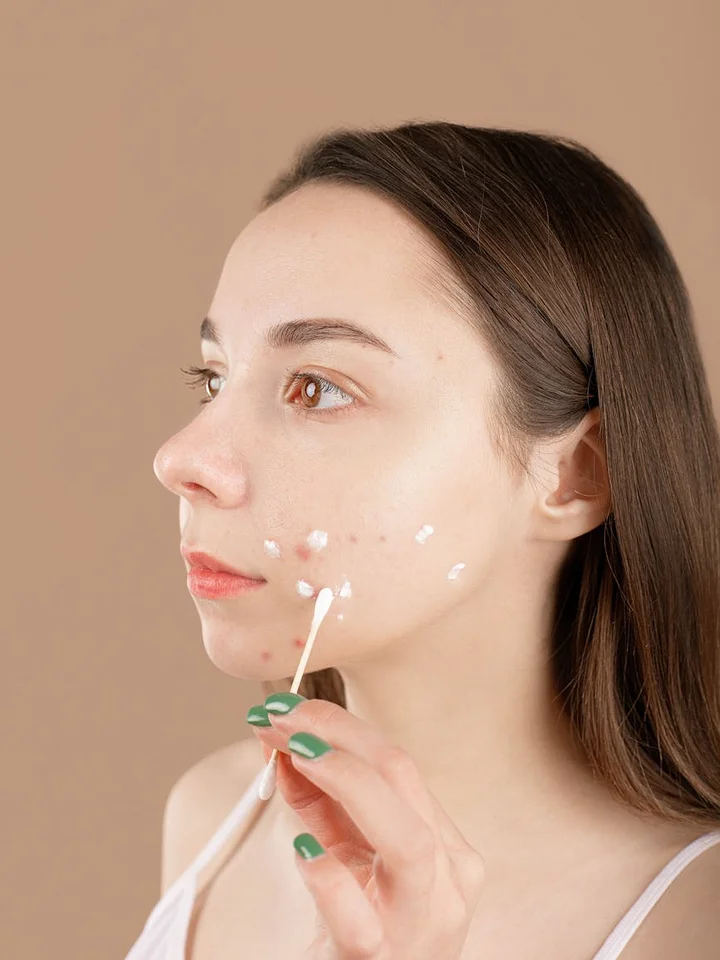
Retinol is a powerful ally, but it’s not for every situation or every skin. Using it at the wrong time can set your skin back instead of moving it forward. Here are the clear scenarios where you should pause or get professional guidance, especially when incorporating retinoids into your routine.
You should avoid starting retinol or stop using it and consult your doctor if you are pregnant, breastfeeding, or trying to conceive. If you’re considering starting retinol at a younger age, discuss safety guidelines with a dermatologist. Age-appropriate recommendations can help ensure safe, gradual use. While topical retinoids are generally considered low-risk, many healthcare providers recommend erring on the side of caution due to the vitamin A connection.
Do not apply retinol to an actively damaged skin barrier. If your skin is red, feels tight, stings with your usual moisturizer, or is visibly peeling from a sunburn or another treatment, retinol will only worsen the irritation. Think of your skin barrier as a brick wall that’s currently missing mortar; retinol’s job is to remodel, not repair. You must fix the wall first. After the barrier is repaired, a gentle, layered retinoid approach can be considered. In the next steps, we’ll outline how to layer retinoids with barrier-repair strategies to minimize irritation.
Hold off on retinol immediately after professional procedures like chemical peels, microdermabrasion, or laser treatments. Your clinician has already initiated a controlled renewal process, and adding retinol on top can lead to severe irritation and compromise your results. Always follow your provider’s specific aftercare instructions.
If you are experiencing severe, active cystic acne, a prescription retinoid like tretinoin may be the appropriate first-line treatment. Over-the-counter retinol can help with post-acne marks and texture, but for deep, painful cysts, a dermatologist can provide a more targeted and effective plan that addresses the active inflammation.
A Special Note for Sensitive Skin (This is for you, Noah)
If you have reactive, dry, or sensitive skin, you can often use retinol successfully-it just requires a more strategic, gentle approach. Rushing in will almost certainly lead to redness and peeling that makes you want to quit.
Your priority must be establishing a strong, hydrated barrier before introducing any retinoid. For at least two weeks, focus on a simple routine with a gentle cleanser, a fragrance-free moisturizer packed with ceramides or peptides, and a mineral sunscreen. When your skin feels calm, resilient, and no longer reactive to your core products, you can consider the next step, such as starting a retinoid routine tailored for your skin type.
Start slower than the bottle says. While a standard recommendation might be “apply every other night,” your starting point could be “apply once a week.” I had a client with skin like Noah’s who began by applying her retinol serum for just one hour before washing it off, slowly increasing the time each week. This “short-contact therapy” lets your skin adapt without overwhelm.
Always, always patch test. Apply a small amount to a discreet area like behind your ear or on your jawline for three to five nights. If you see no adverse reaction, you can proceed to your full face with your ultra-slow schedule. Listen to your skin; a slight tingle might be normal, but persistent redness or burning is a sign to pull back and hydrate more.
Realistic Expectations: The Retinol Journey Timeline
Think of starting retinol like hiring a contractor to gently renovate your skin. The work happens in phases, not overnight. Understanding the retinol work timeline helps you anticipate when to adjust your routine and what signs to look for. Knowing what to expect helps you stay calm and committed.
Your Week-by-Week, Month-by-Month Guide
This is the general roadmap. Your personal journey might be a bit faster or slower, and that’s perfectly normal.
- Weeks 2-3: The Adjustment Period. This is when your skin is getting acquainted with its new taskmaster. You might notice some flaking, tightness, or a few new spots. This is often “purging” where retinol accelerates the turnover of clogged pores that were already on their way to the surface. My client Maya saw this phase. She stuck with her gentle, fragrance-free moisturizer, and the flaking settled down in about ten days.
- Month 2: The First Glimmers of Change. The initial dryness or purging typically levels off. You’ll likely notice your complexion looks brighter and more even. Skin starts to feel smoother to the touch. This is the “glow” people talk about, and it’s a great sign retinol is working.
- Month 4 and Beyond: The Transformation Phase. This is where the real work on scars and texture becomes visible. Post-acne marks (hyperpigmentation) begin to fade more noticeably. The uneven, rough texture from shallow scars starts to soften. For deeper concerns, full results often take 6 months to a year of consistent use. Retinol remodels your skin’s texture slowly, like a gentle, persistent sculptor.
Consistency is Your Superpower
Retinol doesn’t work if you don’t. Using it sporadically confuses your skin and resets progress.
Skipping a week is like skipping workouts in the middle of a training plan-you lose momentum. I advise my clients to build it into their evening routine, just like brushing teeth. Start slow (2-3 nights a week), and as your skin tolerates it, you can work up to more frequent use. The goal is a rhythm you can maintain forever.
Navigating the Start-Up Phase with Confidence
Initial dryness or a brief purge is common, not a sign of failure. It means the ingredient is actively speeding up cell turnover.
If you experience this, it’s usually manageable. Think back to the gentle plan: you’re already buffering with moisturizer before applying tretinoin, using a pea-sized amount, and avoiding other harsh actives. For dryness, my client Noah found that applying his hyaluronic acid serum to damp skin before his retinol made a huge difference. For flaking, a soft washcloth can gently lift away dead skin during your cleanse.
If irritation is significant (red, burning, itchy skin), take a break for a few nights and focus on barrier repair with a simple moisturizer. Then resume use less frequently. Your skin’s comfort is the priority. This initial phase is temporary, and smooth, clearer skin is on the other side.
Your Retinol for Scars Questions, Answered
How long does it take to see results on acne scars with retinol?
For fading post-acne dark spots, look for initial brightening around 8-12 weeks. Improving skin texture and softening shallow scars requires patience, with more significant changes typically visible after consistent use for 6 months to a year.
Can I use retinol with professional scar treatments?
Retinol is an excellent at-home foundation that can support professional treatments like lasers. However, you must pause retinol use immediately before and after any in-office procedure; always follow your clinician’s specific pre- and post-care instructions to avoid irritation.
What’s a good retinol alternative for very sensitive skin?
For skin that can’t tolerate retinol, consider a bakuchiol serum. It works through a different pathway to offer similar smoothing and brightening benefits with far less irritation, making it a gentle starting point for reactive skin types.
Final Thoughts on Retinol for Scarred Skin
Retinol can be a game-changer for acne scars, but it’s a marathon, not a sprint. The most important advice is to be patient and consistent, letting this ingredient work gradually to improve your skin’s texture and tone over months.
- Start slowly, using it just 1-2 nights a week to build tolerance.
- Never skip sunscreen in the morning, as retinol makes skin more sun-sensitive.
- Pair it with a gentle, hydrating routine to support your skin barrier.
- Manage expectations: it improves the look of scars but may not erase them completely.
- For deeper scars, consult a dermatologist about professional treatments you can pair with retinol.
If you have more questions about your specific skin journey, you’re always welcome to explore more articles right here on the blog. We’re dedicated to providing clear, compassionate guidance you can trust, and we’re here to help you navigate your skincare choices with confidence.
Lucy Zimmerman
Lucy is an expert author and blogger when it comes to skin care and body care. She has first hand expertise acting as skin care consultant for over 5+ years helping her clients achieve smooth blemish free skin with natural and working remedies. She also has been an avid experimenter and tried out all the natural and artificial remedies and treatments so you can learn from her first hand experience. Additionally, she has traveled to many countries around the world and incorporated the skin care routines she has learnt into this blog. So, wait no more, reach out to Lucy if you have any specific needs and follow her blog, LuciDerma for expert skin care advice.