
Layer Hyaluronic Acid and Retinol Correctly for a Calm, Hydrated Complexion
You’re not alone if you’ve ever stared at your hyaluronic acid serum and retinol cream, unsure which to apply first. I’ve guided many clients through this exact puzzle to prevent dryness and irritation.
- Why the layering order is non-negotiable: Understand how these ingredients interact so you can avoid common mistakes like increased sensitivity.
- A clear, step-by-step nighttime routine: Follow a simple order that reduces redness and locks in moisture for smoother skin by morning.
- How timing boosts each product’s power: See how waiting between steps ensures your serum plumps and your retinol works without overwhelming your skin.
With this guide, you can confidently build a routine that nourishes your skin overnight.
The Short Answer: Your Nighttime Layering Blueprint
The golden rule is simple: apply your hyaluronic acid serum first to damp skin, wait a moment, then follow with your retinol cream. This order isn’t arbitrary; it sets your skin up for success.
Think of it like building a foundation before painting. Hyaluronic acid provides a plump, hydrated base that helps support your skin’s barrier. Applying retinol on top of this prepared canvas allows the active ingredient to work effectively while the surrounding skin is cushioned with moisture. This can help minimize the dryness that sometimes comes with retinol use.
Following this specific order helps your skin get the most benefit from both powerhouse ingredients while managing potential sensitivity.
For a quick, skimmable guide, here is your step-by-step blueprint:
- Cleanse your face gently and pat it until it’s slightly damp.
- Apply your hyaluronic acid serum evenly across your face and neck.
- Wait about 60 seconds for the serum to settle into the skin.
- Apply a pea-sized amount of retinol cream, avoiding the immediate eye area.
- Finish with your preferred nighttime moisturizer to seal everything in.
Meet Your Nighttime Allies: HA & Retinol, Demystified
Using hyaluronic acid and retinol together is a classic case of a perfect skincare partnership. They address different but complementary concerns. One is a hydration hero, and the other is a renewal expert. Pairing them means you’re tackling dehydration and supporting skin renewal all in one routine.
My client Noah, who has dry and reactive skin, was initially nervous about starting retinol. By layering it over a hydrating HA serum, he built a tolerance without the severe flaking he feared. This combo allowed him to reap the long-term benefits comfortably. For those with sensitive skin, it’s crucial to follow a tailored retinoid routine.
Using these ingredients together lets you proactively hydrate the skin while you actively encourage its renewal process, which is the smartest way to approach nighttime repair.
Hyaluronic Acid: The Ultimate Hydration Magnet
Hyaluronic acid is a substance your skin makes naturally, and it acts like a microscopic sponge. One gram can hold up to six liters of water. In skincare, it draws moisture from the air and your damp skin into the surface layer, creating a plumping effect.
A key point I remind everyone: HA is a hydrator, not a moisturizer. Its job is to bind water to the skin, but it needs that water to be present on a damp face to pull from, and it often needs a moisturizer on top to prevent that water from evaporating.
You might see products mention different molecular weights. Larger molecules sit on the surface for immediate plumping, while smaller ones are designed to penetrate slightly deeper. A good serum often contains a mix for multi-level hydration.
Retinol: Your Skin’s Renewal Coach
If HA is the hydrating sponge, retinol is the tough-but-fair coach in your skincare lineup. It’s a form of vitamin A that communicates with your skin cells, gently encouraging them to turn over at a faster, healthier rate. This process helps clear pores, smooth fine lines, and fade dark spots over time by boosting collagen.
This accelerated renewal can come with an adjustment period, often called “retinization.” You might experience some dryness, flaking, or mild irritation as your skin acclimates. This is normal for many people when starting out.
Retinol is powerful, and that power needs to be managed with respect and the right support system-which is exactly where applying it over a layer of hyaluronic acid becomes a brilliant strategy. It’s like sending that coach into a well-hydrated, resilient arena instead of a dry, brittle one. Always start slowly, using it just 2-3 nights a week, and never skip sunscreen in the morning.
Why Order Matters: The Science of Skin Absorption
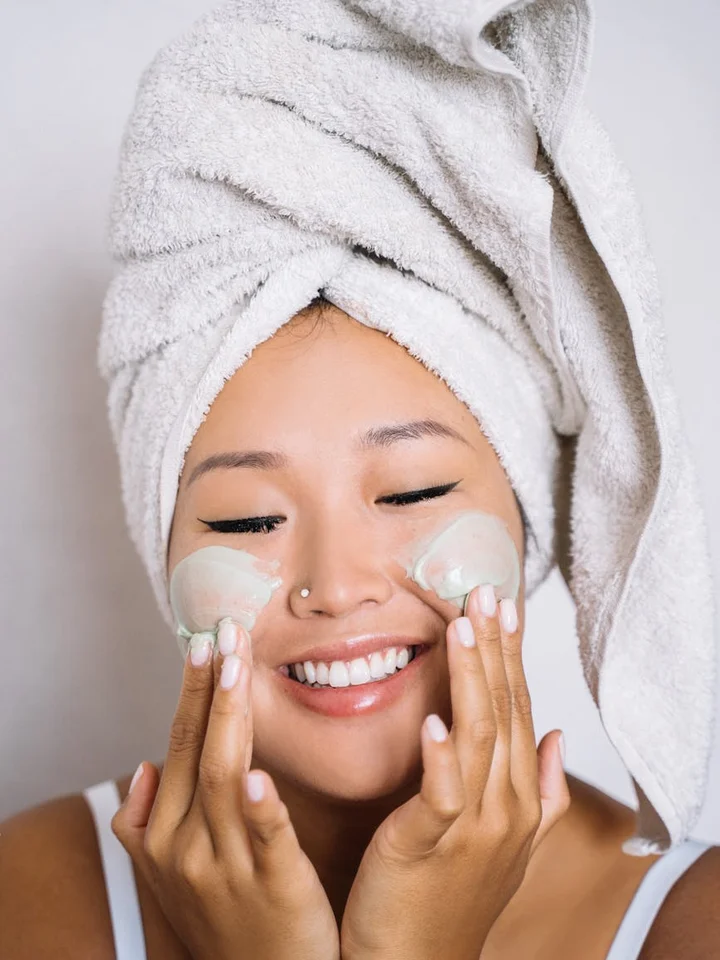
Think of your skin like a thirsty sponge. The golden rule for getting ingredients to sink in effectively is to apply products from the thinnest, most watery consistency to the thickest, most occlusive one. This isn’t just about texture, it’s about chemistry. Water-based products, like most hyaluronic acid serums, can’t properly penetrate through a layer of oil or a heavy cream.
Here’s how to apply this rule for your HA serum and retinol cream. Start with a clean, slightly damp face. Pat it dry, but leave it a little dewy. Hyaluronic acid is a humectant, which means it grabs onto water. Applying it to damp skin gives it immediate water to bind to, plumping up the surface layer and creating a hydrated, receptive canvas for everything that follows. This step is like giving your skin a big drink of water before you ask it to do any work. That makes it a perfect base for serum layering. In a layering routine, apply this first, then add your other serums.
After your HA serum has settled for a minute or so, it’s time for your retinol. Retinol is an active ingredient that needs to get into your skin to work on cell turnover and collagen production. It penetrates most effectively when applied to skin that’s prepared but not blocked by heavier products. A layer of lightweight, hydrating serum underneath helps condition the skin barrier, which can actually make the retinol step more comfortable, especially for someone like Noah with dry, reactive skin.
What Happens If You Put Retinol On First?
Applying your retinol cream directly after cleansing might seem efficient, but it can backfire. Retinol can be irritating, particularly for new users or those with sensitive skin like Lina. When you put a potent active directly onto bare skin, you’re maximizing its penetration and, unfortunately, its potential to cause redness, peeling, or stinging. Using a hydrating serum first acts as a gentle buffer, slowing the delivery of retinol just enough to make it more tolerable without blocking its benefits.
There’s another problem with the wrong order. If you layer a water-based hyaluronic acid serum over a cream-based retinol, the HA molecules will struggle to reach your skin. They’ll mostly sit on top of the cream, unable to pull moisture into your skin effectively. You’ll miss out on that critical hydrating prep step.
I explain it to my clients this way: putting retinol on before hyaluronic acid is like applying a foundation primer after you’ve already put on your full face of makeup. The primer’s job is to create a smooth, even base, but it can’t do that if it’s sitting on top of everything else. The sequence matters for the result.
The LuciDerma Nighttime Routine: Step-by-Step
Think of this routine as building a comfortable, protective bed for your skin to rest and renew in. The order keeps each ingredient effective and your skin happy.
- Cleanse
- Apply Hyaluronic Acid Serum
- Wait 1-2 Minutes
- Apply Retinol Cream
- Apply Moisturizer
If your skin is very dry or sensitive like my client Noah’s, you might extend the wait time after HA. This gives your skin more time to pull in that hydration before the retinol arrives.
Step 1: The Clean Cleanse
Every great skincare routine starts with a blank canvas. This step isn’t just about washing away dirt. It’s about fully removing the day’s sunscreen, makeup, and pollution. If you don’t, the next steps can’t work properly.
Choose a gentle, non-stripping cleanser. I often recommend a creamy or milky formula for dry skin, and a gel cleanser for oilier types. The goal is skin that feels clean and soft, not tight or squeaky.
Thorough cleansing is non-negotiable; it allows your treatment products to actually reach your skin.
Step 2: Apply Hyaluronic Acid to Damp Skin
Here’s the secret most people miss. Do not dry your face completely after cleansing. Instead, gently pat it with a towel until it’s still slightly damp. Think of your skin like a sponge. A damp sponge absorbs water better than a dry one.
Take a few drops of your hyaluronic acid serum. Press and pat it gently into your damp skin. Avoid rubbing or pulling. You’re helping the HA grab onto that surface moisture and pull it deep into your skin layers. This directly answers the question of how to use these ingredients together. Applying HA to damp skin first creates a hydrated base, which can help cushion your skin for the retinol to come.
Step 3: The Patience Minute (Your Timing Key)
This is the step that makes or breaks the routine. After applying your HA serum, you must wait. Set a timer for 1 to 2 minutes. Use this time to brush your teeth or put away your cleanser.
The goal is for your skin to feel touch-dry, not wet or overly tacky. The HA has done its initial job of absorption. This brief pause prevents you from diluting your retinol cream with a wet serum. For my client Noah with his dry, reactive skin, I sometimes advise waiting a full 3 minutes to be sure his skin is perfectly ready.
This waiting period is the correct timing for layering; it allows each product to work without interfering with the other.
Step 4: Apply Your Retinol Cream
Now, take a pea-sized amount of retinol cream. This is enough for your entire face and neck. Dot it on your forehead, cheeks, chin, and neck, then gently smooth it outward. You do not need a thick layer.
If you are new to retinol, start by using it only 2 or 3 nights a week. You can gradually increase frequency as your skin adjusts. The hydrated base you created with HA helps buffer potential irritation, making this a gentler way to begin. Using a pea-sized amount and starting slowly are your best defenses against redness and peeling.
Step 5: Seal It All In With Moisturizer
Think of your moisturizer as the top blanket on the bed. It seals everything in. This step locks the HA’s hydration into your skin and creates a protective barrier over the retinol, helping it work effectively without evaporating.
Choose a simple, nourishing moisturizer here. Look for ingredients like ceramides, squalane, or shea butter. For this final step, I avoid moisturizers with other active ingredients (like AHA or vitamin C). You want a calm, supportive finish. For someone like Maya with oily skin, a light lotion works. For Noah, a richer cream is perfect.
Your final moisturizer is the seal that locks in the benefits of your entire routine, ensuring your skin stays hydrated and calm all night.
The Interaction Matrix: What to Mix & What to Avoid
Think of your skincare routine like a team. Some players work brilliantly together, while others need to be on separate shifts. This chart helps you see the lineup at a glance.
For the common question about using vitamin C, hyaluronic acid, and retinol together: you absolutely can, just not all at once. I tell my clients to think of it as a morning and evening handoff. Apply your vitamin C serum with hyaluronic acid in the AM before sunscreen. At night, use your hyaluronic acid serum followed by retinol. This gives each active its own time to work without conflict.
Retinol’s Best Supporting Acts
Retinol is effective, but it works best with friends that keep your skin calm and resilient. These ingredients are like a soothing security blanket for your skin barrier, especially when used alongside retinol’s properties and effects.
- Ceramides: These are the lipids that make up your skin’s natural mortar. Using a moisturizer with ceramides after retinol helps reinforce your barrier, locking in moisture and keeping irritants out. My client Noah, with his dry, reactive skin, saw a huge difference once he started using a ceramide cream over his retinol.
- Niacinamide: I mentioned it in the matrix, but it deserves a second spotlight. Niacinamide is a multi-tasker that reduces redness, improves hydration, and helps regulate oil. It’s the ideal teammate to have in your serum or moisturizer when using retinol.
- Centella Asiatica (Cica): This is a hero ingredient for soothing. If your skin ever feels warm or looks flushed after starting retinol, a product with centella asiatica can help calm that reaction down quickly. It’s like a cool drink of water for irritated skin.
Ingredients That Need Their Space
Some ingredients are too potent to share the stage with retinol in a single routine. It’s not that they’re bad, they just need their own night to shine.
Potent exfoliating acids like glycolic acid and salicylic acid can severely compromise your skin barrier when used alongside retinol. You’re essentially giving your skin a double command to exfoliate and renew at the same time, which often leads to painful sensitivity, peeling, and redness.
If you want or need to use both, you must schedule them. Here’s a simple way to do it:
- Night 1: Use your AHA or BHA exfoliant. Follow with a simple, soothing moisturizer.
- Night 2: Take a “rest night” with only gentle cleanser, hydrating serum, and moisturizer.
- Night 3: Use your retinol. Follow with your barrier-supporting moisturizer.
This gives your skin a recovery day in between active treatments. Lina, with her combination and sensitive skin, follows a schedule like this, using a salicylic acid treatment for her T-zone one night and her retinol for overall texture two nights later. She never uses them back-to-back. Start with using an acid just once a week to see how your skin responds.
| Condition | Action to Take |
|---|---|
| Active, angry breakouts or rash | Pause. Treat the acute issue first with a simple, soothing routine. |
| Sunburn or windburn | Pause. Your skin is injured and needs recovery, not actives. |
| After professional procedures (e.g., laser, peel) | Pause. Follow your provider’s aftercare instructions exactly. |
| Using other potent exfoliants (e.g., AHA/BHA toners) | Proceed with extreme caution or separate nights. This is a common route to irritation. |
| When starting a new prescription retinoid | Do not add an OTC retinol. Follow your doctor’s plan only. |
If your skin feels sore, looks red, or stings with products that never bothered you before, that is your barrier asking for a break. Layering active ingredients on a weakened barrier worsens sensitivity and slows your progress down.
Listen to Your Skin Barrier
Think of your skin barrier like the mortar between bricks. When it’s strong, everything stays protected. When it’s compromised, moisture gets out and irritants get in.
Signs your mortar might be cracking include a persistent tight feeling, new areas of redness, stinging when you apply even gentle moisturizer, or a rough, sandpapery texture. My client Lina learned this the hard way when she tried to push through the tingling from a new vitamin C serum while also using retinol. Her cheeks became so reactive we had to stop everything for two weeks.
If you recognize any barrier distress signals, your only job is repair. Pause the hyaluronic acid and retinol combo immediately. Switch to a minimalist routine for at least one to two weeks.
- Cleanse: Use a gentle, non-foaming cream or milky cleanser.
- Treat: Apply a serum or cream with barrier-repair ingredients like ceramides, panthenol, or squalane.
- Moisturize & Protect: Seal it in with a simple moisturizer and, during the day, a mineral sunscreen.
Only reintroduce retinol after your skin feels calm, comfortable, and resilient again, and then start slowly, maybe just once a week, especially when using retinoids in your routine.
Special Considerations: Pregnancy & Prescriptions
This is non-negotiable: avoid all retinol and other retinoid products if you are pregnant, trying to conceive, or breastfeeding. While the amount absorbed from a topical cream is low, the recommendation from obstetricians and dermatologists is universal caution. Your skin journey can safely continue with fantastic alternatives like bakuchiol or peptide serums.
If a dermatologist has prescribed you a retinoid like tretinoin, adapalene, or tazarotene, you are already using a much more potent formula. Do not layer an over-the-counter retinol cream on top of it. You do not need both, and combining them is a fast track to severe irritation. Use your prescription as directed by your doctor, and you can typically apply hyaluronic acid serum beforehand as a buffer if they approve.
Always inform any doctor or esthetician you see about all the products you are using, prescription and over-the-counter. This helps them give you the safest, most effective advice for your unique skin.
Troubleshooting Your Layered Routine
Even with the best plan, your skin might have thoughts. This is normal, especially when introducing an active like retinol. Here’s how to handle common speed bumps, inspired by the exact questions my clients bring to me.
“My Skin is Flaking or Stinging”
This is your skin’s way of saying the retinol is working a bit too hard, too fast. Think of it like starting a new workout; you need to build tolerance. Flaking or stinging means your skin barrier is getting irritated. Noah, who has dry and reactive skin, experienced this when he first tried a retinol cream every night.
The goal isn’t to power through the irritation, but to soothe your skin while letting the retinol do its job gently.
Here is your action plan:
- Pause and Reset: Take a break from retinol for 2-3 nights. Focus on hydration and barrier repair with a simple routine of cleanser, hyaluronic acid serum, and a rich, soothing moisturizer.
- Dilute the Retinol: When you restart, apply your moisturizer before the retinol cream. This creates a gentle buffer. You can also mix a pea-sized amount of retinol with your moisturizer in your palm just before applying for a more diluted dose.
- Reduce Frequency: Switch to using retinol just 2-3 nights a week, slowly building up as your skin adjusts over a month.
- Double Down on Hyaluronic Acid: Make sure your HA serum step is non-negotiable. Apply it to damp skin every single night, even on your off-retinol nights. This constant hydration helps support your skin as it retinizes.
“My Products Are Pilling”
Pilling-when products roll up into little balls on your skin-is a texture issue, not a sign the products are bad. It usually happens when layers don’t have time to absorb or when you apply too much. Lina often asks about this when she’s in a rush.
Pilling is a fixable problem with a few simple technique changes.
- Apply Thinner Layers: Use less product. A pea-sized amount of retinol and 2-3 drops of serum are often enough for the entire face.
- Honor the Wait Time: After applying your hyaluronic acid serum to damp skin, give it a full minute to sink in and feel tacky before moving on. This prevents the retinol from sliding over a wet layer.
- Press, Don’t Rub: For both serum and cream, press the product into your skin with your fingertips instead of rubbing it in circles. This helps absorption and minimizes friction that causes pilling.
- Check Your Base: If you’re applying over another treatment (like a toner with a film-forming ingredient), that could be the culprit. Simplify your routine to just cleanser, HA, retinol, and moisturizer to see if it stops.
“Can I Mix Them Together to Save Time?”
I hear this question all the time. It’s tempting to squirt your hyaluronic acid serum and retinol cream into your palm, mix, and apply. While it might seem efficient, it’s not the most effective strategy.
Mixing retinol and hyaluronic acid together in your hand can destabilize both formulas and make them less effective.
Each product is carefully formulated with specific pH levels and ingredient structures. Blending them haphazardly can alter the pH, potentially deactivating the retinol or breaking down the HA’s moisture-grabbing matrix. Think of it like a sandwich-you layer the ingredients in a specific order for the best experience and to prevent the bread from getting soggy.
Layering, with that brief wait time in between, ensures each product can work from its ideal state directly on your skin. The hyaluronic acid plumps and hydrates first, creating a perfect, supple canvas for the retinol to work on without as much irritation. It’s a small step that protects your investment in both products, especially when you layer retinoids for barrier repair.
Your Layering Questions, Answered
Should I “buffer” the retinol if my skin is sensitive?
Yes, and your hyaluronic acid serum is the perfect first buffer. For extra sensitivity, you can apply a simple moisturizer immediately after your HA serum, wait a minute, then apply retinol.
Can I mix my HA serum and retinol together to save a step?
We don’t recommend it. Mixing can destabilize the formulations, making both less effective. Layering in the correct order ensures each ingredient works from its ideal state on your skin.
Can I use hyaluronic acid with retinol in the morning?
Absolutely-use HA in your morning routine for hydration. However, save retinol for night, as it can make skin more sun-sensitive and sunlight degrades its potency.
Your Nighttime Layer Routine, Simplified
The most important step is to let hydration pave the way for treatment. Apply your hyaluronic acid serum to damp skin first, then follow with retinol to work effectively without overwhelming your skin barrier.
- Start with a clean, slightly damp face to help hyaluronic acid bind water.
- Press hyaluronic acid serum into your skin and wait for it to feel tacky, about a minute or two.
- Follow with a pea-sized amount of retinol, avoiding the eye and lip areas.
- Always finish with a moisturizer to seal everything in and support your skin overnight.
- If irritation occurs, scale back to using retinol every other night and focus on hydration.
I’m always reviewing routines for clients like Noah, who needs that extra care for sensitive skin, so feel free to share your questions on our blog. Your skin’s story is unique, and we’re committed to helping you write it with clear, ethical guidance.
Lucy Zimmerman
Lucy is an expert author and blogger when it comes to skin care and body care. She has first hand expertise acting as skin care consultant for over 5+ years helping her clients achieve smooth blemish free skin with natural and working remedies. She also has been an avid experimenter and tried out all the natural and artificial remedies and treatments so you can learn from her first hand experience. Additionally, she has traveled to many countries around the world and incorporated the skin care routines she has learnt into this blog. So, wait no more, reach out to Lucy if you have any specific needs and follow her blog, LuciDerma for expert skin care advice.