
The Ordinary Alpha Arbutin Serum Guide: Benefits, Uses, and How to Apply It Right
If you’re looking at those little bottles of Alpha Arbutin and wondering if they can really help your dark spots or uneven tone, you’re in the right place.
By the end of this guide, you’ll know:
- Exactly how Alpha Arbutin works to fade post-acne marks and sun spots.
- The real difference between the two popular Ordinary serums with this ingredient.
- A simple, safe way to add it to your morning or night routine.
Think of this as your first step toward a clearer, more even complexion you can feel confident about.
Alpha Arbutin Decoded: Your Gentle Fade Solution
Let’s get familiar with the star of the show. Alpha arbutin is a molecule naturally found in plants like bearberry and blueberry leaves. In the lab, we’ve learned to create it in a stable, pure form that’s wonderfully gentle on skin. Think of it as the kinder, more patient cousin of hydroquinone, a powerful pigment fighter that requires a doctor’s prescription and careful monitoring. It’s also important to know that alpha arbutin can be sensitive to certain ingredients, so not all actives mix well. In the next steps, we’ll cover alpha arbutin incompatible ingredients to help you avoid common formulation pitfalls.
Its job is beautifully specific. Your skin contains an enzyme called tyrosinase, which is the main worker responsible for creating melanin, the pigment that gives our skin its color. When skin is injured by a pimple or exposed to too much sun, this enzyme can go into overdrive, creating too much pigment in one spot (hello, dark mark). Alpha arbutin works by gently blocking the pigment-making enzyme. It acts like a shield, preventing new excess pigment from forming in the first place, which allows your skin to gradually clear existing dark spots from the bottom up. In other words, arbutin targets the pigment-making process itself, slowing melanin production at the source. Over time, this mechanism helps even out skin tone as new pigment forms less readily.
Here’s my favorite way to picture it. If a dark spot is like a fresh ink stain on a white shirt, many harsh lighteners try to bleach the whole fabric. Alpha arbutin is different. It’s like using a precise, gentle solvent to carefully lift the ink molecules before they permanently set, leaving the fundamental fabric of your skin-your healthy cells-completely intact.
This targeted action makes it a fantastic team player. It’s generally well-tolerated, even by my sensitive-skin clients like Noah, and it plays nicely with most other ingredients in a routine, especially when formulated at an effective yet gentle concentration, like the 2% found in The Ordinary’s serum.
Molecule Spec Sheet: Alpha Arbutin
| Property | Typical Detail |
| Common Source | Synthesized from bearberry plant derivative |
| Effective Concentration | 1% to 2% in serums (2% is a well-studied, effective level) |
| Solubility | Water-soluble, which is why it’s often in lightweight, watery serums |
| Optimal pH Range | Works effectively at skin’s natural pH (around 4.5 to 5.5) |
| Key Safety Note | Considered non-irritating for most. Always patch test. Stable in formulas, reducing risk of degradation and irritation. |
Who Should Use This Serum? Matching Benefits to Your Skin Story
This serum answers one specific call for help: the visible aftermath of skin distress. It’s your go-to for fading the evidence, not fighting active battles.
You should reach for an alpha arbutin serum if you are dealing with:
- Post-Acne Marks (PIH): Those flat, brown or purple marks left behind after a pimple heals. My client Maya uses it precisely for this, applying it directly to the lingering shadows from her breakouts.
- Sun Spots (Solar Lentigines): Those small, darkened areas from accumulated sun exposure on the cheeks, forehead, or hands.
- General Uneven Tone or Dullness: A overall murkiness or lack of clarity where your complexion just doesn’t look uniform.
It’s just as important to know what this ingredient won’t do. Alpha arbutin is not a treatment for active, inflamed acne, deep wrinkles, or textured scarring like icepick or boxcar scars. It works on color, not on texture or active infection. For many, it helps achieve a more uniform complexion and brighter appearance over time. Consistent use and sun protection help maximize these benefits.
I think of my client Lina. She has combination skin and went through a period of stubborn “maskne” along her cheeks and jawline. Even after the active bumps cleared, she was left with a patchwork of brown marks that makeup couldn’t fully hide. Frustrated, she started applying a 2% alpha arbutin serum every night. She didn’t see change overnight, but after about six consistent weeks, those marks had faded significantly. The skin there looked calm and even, not bleached or irritated. It gave her the confidence to go without foundation again.
To sum up its benefits:
- Gradually fades existing dark spots and hyperpigmentation.
- Promotes a more even, balanced skin tone over time.
- Works gently, making it a strong option for sensitive or reactive skin types.
- Often formulated with hydrators like Hyaluronic Acid (HA), providing a layer of light moisture that suits most skin types.
Your Step-by-Step Guide to Applying Alpha Arbutin 2% + HA
First, let’s get comfortable saying it. You pronounce it al-fuh ar-byoo-tin. Knowing its name makes it feel less like a mysterious chemical and more like a trusted tool in your routine.
This serum has a watery, slightly viscous texture. Think of it as a light layer of water, not a thick blanket. That tells us exactly where it belongs in your routine: after cleansing and toning, but before any heavier treatments or creams.
How to Use It in Your Morning Routine
In the AM, this serum works under your sunscreen to protect your progress. Follow these steps after washing your face.
- Cleanse your skin with a gentle, pH-balanced face wash.
- Apply your toner or essence, if you use one. Pat your skin until it’s just slightly damp.
- Dispense 3 to 4 drops of The Ordinary Alpha Arbutin 2% + HA into your palm. This is the perfect amount for your face and neck.
- Gently press and pat the serum into your skin. Avoid rubbing or pulling. Let it absorb for 60 seconds.
- Follow with your moisturizer, if needed, and then your non-negotiable broad-spectrum sunscreen (SPF 30 or higher). Alpha arbutin helps fade marks, but sun exposure can darken them, making sunscreen your most crucial partner.
How to Use It in Your Evening Routine
Nighttime is when your skin focuses on repair, making it an ideal moment for this treatment. Here is your PM sequence.
- Double cleanse to remove sunscreen and makeup thoroughly.
- Apply your toner to a damp complexion.
- Apply your 3-4 drops of Alpha Arbutin serum, pressing it in gently.
- This is the stage for other treatments. You can safely layer it with most hydrating serums or niacinamide. For safety, avoid combining it with direct acids (like AHA/BHA) or pure Vitamin C (L-ascorbic acid) in the same routine, as this can irritate some skins.
- Seal everything in with your nighttime moisturizer.
Pro Tips for The Ordinary’s Formula
The dropper bottle gives you great control. My client Noah, who has dry skin, finds the included hyaluronic acid gives an extra plump, hydrated base before his richer cream. For someone like Maya with oily skin, it can sometimes be the only hydrating step she needs before sunscreen.
Always do a patch test before using any new product. Apply a small amount behind your ear or on your inner arm for a few nights to check for any reaction.
Consistency is key. You might see subtle brightening in a few weeks, but significant fading of post-acne marks or sun spots often takes a committed 2-3 months of daily use. Be patient with your skin-it’s worth it.
Making Friends With Your Other Products: The Mixing Guide
Think of your skincare routine like a dinner party. You want guests that get along. Alpha Arbutin is a friendly, well-mannered guest, but even good friends can clash if you seat them wrong.
Here’s a simple guide to who it pairs with, and when.
With Vitamin C (like L-ascorbic acid or derivatives): A Bright Morning Duo. This is a fantastic pairing for tackling dark spots from multiple angles. Vitamin C is a powerful antioxidant that also helps brighten. Use your Vitamin C serum in the morning, and save your Alpha Arbutin for the evening. This separates them to ensure each works at its best and keeps your routine feeling comfortable.
With Retinol: A Powerful Evening Partnership. This combination is where many see their best fading and smoothing results. Apply your Alpha Arbutin serum first, wait a minute for it to absorb, then follow with your retinol. The Alpha Arbutin can help soothe and hydrate, creating a slightly more comfortable base for the retinol to work. Always start retinol slowly, like once or twice a week, to see how your skin responds.
Avoid Mixing It In The Same Routine With Direct Acids. Do not apply Alpha Arbutin in the same routine (morning or night) as exfoliating acids like glycolic (AHA) or salicylic (BHA). Using them together can increase your risk of redness, stinging, and irritation. It’s like asking your skin to do two intense workouts back-to-back. If you’re curious how alpha arbutin interacts with AHA/BHA acids, stay tuned for safe layering tips in the next steps.
For my clients like Noah, who have dry, reactive skin, I often suggest a “gentle nights” schedule. It gives the skin a break while still making progress.
- Monday, Wednesday, Friday: Alpha Arbutin 2% + HA serum.
- Tuesday, Thursday: Your retinol treatment.
- Weekend: A focus on gentle cleansing and barrier-repair moisturizers.
Remember, Alpha Arbutin is a team player, not a lone wolf. Its job is to integrate smoothly into your existing, thoughtful routine.
Building Your Fading Routine: AM vs PM
Let’s put this into practice. Here are two straightforward routines, one for day and one for night, built around your Alpha Arbutin serum.
The Morning (Protect & Prevent) Routine:
- Cleanser: A gentle, water-based cleanser to refresh skin.
- Treatment (Optional): Your preferred Vitamin C serum, if using.
- Moisturizer: A lightweight lotion or cream.
- Sunscreen: A broad-spectrum SPF 30 or higher. This is the most crucial step.
Using any ingredient that works on dark spots makes your skin more photosensitive. Sun exposure is the main driver of pigment production. If you use a fading agent but skip SPF, it’s like mopping the floor with the faucet still running. You must protect your skin to see and keep your results.
The Evening (Treat & Repair) Routine:
- Cleanser: An oil-based balm or gentle cream cleanser to remove sunscreen and makeup, followed by your water-based cleanser.
- Toner (Optional): A simple, hydrating toner without exfoliating acids.
- Treatment: Your Alpha Arbutin 2% + HA serum. Apply 4-5 drops to your entire face, focusing on areas with discoloration.
- Next Step (On Alternate Nights): If it’s a retinol night, apply it now after the Alpha Arbutin absorbs.
- Moisturizer: A nourishing cream to seal everything in. For dry skin like Noah’s, this is a great time to use a richer formula.
Keep it simple. Listen to your skin. If you feel any persistent stinging or see unusual redness, scale back to just cleanser, moisturizer, and SPF for a few nights to let your barrier recover.
Contraindications & Safety: When to Press Pause
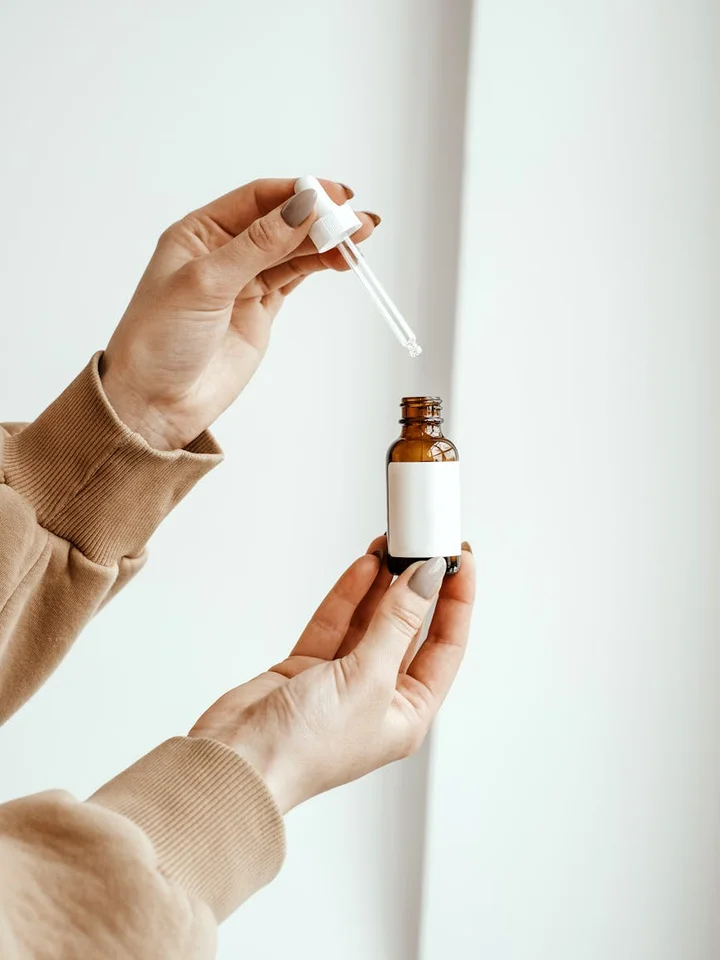
Alpha arbutin is famously gentle, but even the gentlest ingredient needs the right canvas to work on. Think of it like painting a wall. You need a smooth, intact surface. Applying it to damaged or reactive skin can cause more problems than it solves. Remember, there can be alpha arbutin side effects in sensitive individuals. Patch-testing is a wise precaution.
Here is when you should press pause and let your skin heal first.
When to Avoid Use Entirely
Do not apply this serum, or any active treatment, in these specific scenarios.
- On broken or wounded skin: This includes cuts, scrapes, sunburns, or areas you’ve picked at. The skin barrier is physically open, and applying anything other than a healing ointment can cause stinging and delay repair.
- During an active allergic reaction or rash: If your face is reacting to something else-like a new product, pollen, or a food-adding any new ingredient can confuse the situation and worsen irritation.
- If you have a known sensitivity to alpha arbutin or any component in the formula: This is rare, but it happens. If you’ve reacted to bearberry extract or specific serums before, proceed with extreme caution or skip it.
My client Noah, with his dry and reactive skin, always waits until his skin is completely calm before testing anything new, and that patience saves him weeks of potential discomfort.
A Note for Pregnancy and Breastfeeding
Alpha arbutin is often categorized as a lower-risk, topical alternative to stronger brighteners like hydroquinone. Many dermatologists consider it a safer option during these sensitive times. These discussions often focus on hyperpigmentation and the comparison of alpha arbutin versus hydroquinone in safety and effectiveness. Such comparisons help patients weigh safety and results when choosing a brightening approach.
However, the official, responsible advice is always the same: consult your doctor or dermatologist. They know your full health history and can give you personalized guidance that no article can replace. Treat this as a non-negotiable step.
The Non-Negotiable: A Healthy Skin Barrier First
This is the most common reason a gentle product might not feel gentle. If your skin is screaming for help, listen to it.
Signs your barrier is compromised include persistent redness, a feeling of tightness, itchiness, flaking, or stinging when you apply even basic moisturizers. In this state, your skin is vulnerable.
Your only job when your barrier is damaged is repair. Focus on a simple routine with a gentle cleanser, a fragrance-free moisturizer with ceramides, and a mineral sunscreen. Once your skin feels resilient, calm, and no longer reactive-usually after a few weeks-you can reconsider introducing alpha arbutin.
The Good News: Most Tolerate It Exceptionally Well
After all these cautions, let me offer a big sigh of relief. For the vast majority of people, including those with sensitive skin like Lina, a well-formulated alpha arbutin serum like The Ordinary’s is a breeze.
It’s water-based, typically fragrance-free, and plays nicely with most other ingredients. The goal of these guidelines isn’t to scare you, but to equip you. Knowing when to pause means you can start again with total confidence, which is the real secret to effective skincare.
Realistic Expectations: How Long Until You See a Glow?
Let’s talk timelines. When you start using a brightening serum, it’s easy to stare in the mirror every morning expecting a revolution. My client Maya did exactly that. The truth is, skin transformation is a marathon, not a sprint.
The first benefit you’ll notice is hydration, and that can happen almost immediately. The hyaluronic acid in this formula pulls water into your skin, so your complexion might look plumper and feel softer after just one or two uses. This is the quick win that keeps you motivated.
For the real star of the show-the visible lightening of dark spots and post-acne marks-you need to settle in. Think of it like growing out a haircut. You don’t see the length day-to-day, but after a couple of months, the change is undeniable. Most people need a consistent 6 to 8 weeks of daily use, morning and night, to see a noticeable fade in pigmentation. Your skin cells need that full cycle to turn over and reveal the newer, more even-toned skin underneath.
This slow pace is why I tell everyone, from Noah to Lina, to take weekly progress photos. Use the same bathroom mirror and the same lighting every time. Our eyes adjust so quickly that we miss the subtle shifts happening week by week. A photo from week one side-by-side with week six often reveals a change you couldn’t see day-to-day.
Be patient with your spots, as they all have different histories. A fresh, red post-pimple mark from last month will often respond faster than a sunspot that’s been camping on your cheek for five years. The older, deeper pigment has simply been there longer, so it requires more time and consistent effort to dismantle. Don’t get discouraged if some areas lighten quicker than others; it’s completely normal.
Troubleshooting Common Questions and Concerns
Even the most straightforward serums can raise a few questions. Let’s clear up some common ones so you can use your serum with total confidence.
Will This Serum Pill Under My Moisturizer?
Pilling-when products ball up on your skin-is frustrating. Good news: a well-formulated Alpha Arbutin serum like The Ordinary’s version typically does not pill. The key to avoiding pilling is all in your application technique.
Apply the serum to slightly damp skin right after cleansing or toning. This helps it absorb cleanly. Use just a few drops, gently press it in until it’s mostly absorbed, and then wait a minute before layering your next product, like moisturizer or sunscreen. Rubbing it in vigorously or applying too much can sometimes cause issues. My client Maya, who layers multiple treatments, found this “press and wait” method solved her pilling worries completely.
Should It Tingle or Sting When I Apply It?
This is a critical safety point. A genuine Alpha Arbutin serum should not tingle, sting, or cause any noticeable sensation when applied. If you feel any tingling or stinging, that’s a clear signal of irritation-stop and rinse it off immediately.
The sensation might mean your skin barrier is compromised, you’re using it alongside another incompatible active, or you’re having a reaction to another ingredient in the formula. Always patch test a new serum on your inner arm or behind your ear before using it on your face. For someone like Noah, with reactive skin, this step is non-negotiable.
How Should I Store My Serum?
To keep your active ingredients effective for as long as possible, storage matters. Think of your serum like a fresh juice-it’s best kept cool and out of direct light. Store your Alpha Arbutin serum in a cool, dark place, like a medicine cabinet or a drawer away from the bathroom’s heat and humidity.
Keeping it in its original opaque bottle helps protect it from light degradation. There’s no need to refrigerate it, but definitely avoid leaving it on a sunny windowsill.
How Much Does an Alpha Arbutin Serum Cost?
When you search for “how much is alpha arbutin serum,” you’ll find a wide range. One of the major benefits of this ingredient is its accessibility. Alpha Arbutin is widely considered a budget-friendly, high-efficacy active, making targeted hyperpigmentation care available without a luxury price tag.
Brands like The Ordinary have built their philosophy around this, offering single-ingredient-focused formulas at approachable price points. You’re paying for the active ingredient and smart formulation, not elaborate packaging or heavy fragrance, which aligns perfectly with a mindful, effective skincare budget.
Beyond the Face: Unexpected Uses for Body Care
We often reserve our most targeted serums for our faces, but the skin on our body can face similar challenges. If you have a bottle of this serum and are curious, it can be a thoughtful addition to a focused body care routine for specific concerns.
Targeting Areas of Discoloration
Think about areas that often appear darker due to friction, pressure, or past inflammation. The inner thighs, elbows, knees, and underarms are common spots. Applying a small amount of Alpha Arbutin serum to these localized areas can help address uneven tone, working to fade marks just as it does on the face. I’ve suggested this to clients like Lina, who noticed darker skin on her knees and elbows, with good results over consistent use.
It’s a more targeted approach than slathering a brightening lotion everywhere. You’re delivering the active ingredient exactly where you want it, which is both effective and economical.
A Critical Word of Caution
Body skin varies greatly in sensitivity. The formula is generally gentle, but you must proceed with care. Absolutely avoid using this serum on intimate areas or mucous membranes, as the skin there is too delicate and prone to irritation. Also, resist the urge to use it all over your back or chest unless you have first done a patch test.
Apply a dime-sized amount to a small, discreet area on your inner arm and wait 48 hours. My client Noah, who has reactive skin, always does this. It’s the safest way to see how your body’s skin will respond before committing to a larger area.
How to Pair It for Best Results
For the most effective body brightening routine, think of three steps: prep, treat, and seal. This creates the ideal environment for the alpha arbutin to work.
- Prep: Once or twice a week, use a gentle body exfoliant (like a washcloth or a chemical exfoliant wash) in the shower. This removes dead skin cells so the serum can absorb better.
- Treat: After showering, pat your skin dry and apply a thin layer of the Alpha Arbutin serum directly to the areas of concern. Wait a minute for it to absorb.
- Seal: Lock everything in with a rich, nourishing moisturizer or body butter. This step is non-negotiable. Hydrated, supported skin heals and responds to treatment much more effectively than dry, compromised skin.
Consistency with this gentle routine is far more valuable than using a harsher product aggressively. Your body’s skin deserves the same patient, informed care as your face.
Is This Your Skin’s Next Best Friend? A Final Checklist
Before you welcome this serum into your routine, let’s do a quick gut check. I always walk my clients through this kind of self-assessment because the right product feels like a solution, not a guess.
Grab a mental note of your skin’s current story and see if these points ring true.
- You notice dark spots lingering for weeks after a pimple has healed.
- Sun spots or patches of discoloration on your cheeks or forehead bother you.
- You want to address pigmentation but your skin is sensitive to stronger actives like pure vitamin C or high-percentage acids.
- Your skin barrier feels intact (no persistent stinging, tightness, or major flare-ups) and you’re ready to add a targeted treatment.
- You are committed to daily sunscreen use. This isn’t optional.
If you nodded along to most of these, Alpha Arbutin 2% + HA is speaking your language. It’s formulated for exactly this scenario: tackling unwanted pigment with a gentle, focused approach.
Think of this serum as both a corrective and a preventative measure. It helps fade the marks already visible on the surface by interrupting the pigment-making process. Just as importantly, it acts as a guard against those spots getting darker or new ones forming from future inflammation or sun exposure. It’s the steady, reliable workhorse in your brightening routine.
Getting to an even, radiant complexion is a marathon, not a sprint. There are no magic erasers, only consistent, smart choices. This serum is like a dependable running partner for that journey it keeps pace with you, supports your skin’s health, and helps you get where you want to go, one even-toned step at a time.
Your Alpha Arbutin Serum Questions, Answered
How is Alpha Arbutin different from other dark spot correctors?
Alpha Arbutin is a gentler, more stable alternative to potent ingredients like hydroquinone. It works by specifically blocking the enzyme that creates excess pigment, fading spots without harshly stripping or bleaching your healthy skin. Some readers also explore how alpha arbutin can pair with hydroquinone and peptide-based formulations. This broader topic—alpha arbutin, hydroquinone, and peptides—helps set up related links for the next steps.
Does Alpha Arbutin only fade existing spots, or does it prevent new ones too?
It does both beautifully. By inhibiting melanin production at the source, it helps fade current discoloration while also acting as a shield to prevent new dark marks from forming due to future inflammation or sun exposure.
Once my dark spots fade, do I need to keep using the serum?
Yes, for lasting results. Think of it as ongoing maintenance; consistent use helps manage pigment production and prevent marks from returning. This, paired with daily sunscreen, is the key to maintaining your even tone.
Your Path to a More Even Glow
Alpha arbutin is a gentle but mighty tool for anyone on a journey to fade dark spots and achieve more even-toned skin. Think of it as a quiet, consistent worker that needs your patience and daily sunscreen to do its best work. Unlike some fixes that claim to be one size fits all, alpha arbutin is gentle and just a part of a broader approach.
- Apply your alpha arbutin serum to clean, slightly damp skin every morning and night for consistent results.
- Always follow it with a broad-spectrum sunscreen during the day; it’s non-negotiable for protecting your progress.
- Pair it with vitamin C in the morning for a brightening boost, or with a retinoid at night for a comprehensive evening routine.
- Give it time-meaning a full 2-3 months-to see significant fading, as skin cell turnover is a slow process.
- Listen to your skin; if you notice any unusual sensitivity, scale back to once-daily use or take a brief break to let your barrier recover.
If you have more questions about incorporating this serum into your routine, I’m here to help. Follow along on the LuciDerma blog for more guides that break down ingredients and routines. Your specific skin story is what makes this work meaningful, so never hesitate to reach out with your questions.
Lucy Zimmerman
Lucy is an expert author and blogger when it comes to skin care and body care. She has first hand expertise acting as skin care consultant for over 5+ years helping her clients achieve smooth blemish free skin with natural and working remedies. She also has been an avid experimenter and tried out all the natural and artificial remedies and treatments so you can learn from her first hand experience. Additionally, she has traveled to many countries around the world and incorporated the skin care routines she has learnt into this blog. So, wait no more, reach out to Lucy if you have any specific needs and follow her blog, LuciDerma for expert skin care advice.