
Adapalene for Acne: How It Targets Breakouts and the Right Way to Apply It
If you’re looking at adapalene for those deep, stubborn pimples, you’re in good company-I guide clients through this exact question every week in my practice.
This article will give you a clear action plan so you can use adapalene with confidence:
- How adapalene works inside your pores: You’ll see how it tackles acne at the source, which helps you trust the process even on tough days.
- The step-by-step method for application: Follow my clinic routine to apply it correctly, so you minimize redness and get better results faster.
- How to match it to your skin: Learn to adjust frequency and pairing products, whether your skin is oily like Maya’s or reactive like Noah’s, for a personalized fit.
You’re doing a great thing for your skin by learning this now.
What Exactly Is Adapalene, and How Is It Different?
Adapalene is a third-generation synthetic retinoid, which is a fancy way of saying it’s a lab-made cousin of Vitamin A that’s now available over-the-counter. Think of it as a modern, focused upgrade. It’s designed specifically to target acne with precision.
You might be more familiar with other retinoids like retinol or prescription tretinoin. Here’s how adapalene stands out: it’s generally gentler and less irritating than tretinoin for many people, especially when starting out. It’s also more stable when exposed to light and air than some other forms, so it doesn’t break down as easily in your bathroom cabinet.
While its primary and FDA-approved job is treating acne, it has wonderful off-label benefits. By normalizing skin cell turnover, it can smooth texture and help fade post-acne dark spots over time. It’s a multi-tasker that goes beyond just clearing a current breakout.
Here’s a quick “Molecule Spec Sheet” to give you the technical snapshot I use when explaining it to clients like Noah, who appreciates knowing the specifics.
| Property | Details |
|---|---|
| Common OTC Concentration | 0.1% (Higher strengths are prescription) |
| Typical pH | Around 5.0 (compatible with skin’s natural acid mantle) |
| Solubility | Lipophilic (oil-loving, so it penetrates pores well) |
| Key Safety Note | Do not use if pregnant, nursing, or trying to conceive. Always patch test. |
How Does Adapalene Work on Acne? A Step-by-Step Skin Story
Adapalene doesn’t just zap a pimple. It works on the root causes to prevent new ones from forming. I explain its four key actions to my clients as a coordinated cleanup crew. However, advising them on the correct application is equally important.
First, it unclogs pores. Adapalene helps break up the sticky mixture of oil and dead skin cells that forms a clog, or microcomedone. This is the very beginning of every pimple. By keeping pores clear, it stops acne before you can even see it.
Second, it calms inflammation. This is a huge one. Many painful, red pimples are inflamed from the start. Adapalene has anti-inflammatory properties right at the source. For a client like Lina, who gets tender, swollen breakouts on her chin, this action is what brings the most immediate relief from pain and redness.
Third, it normalizes skin cell turnover. In acne-prone skin, cells shed unevenly and stick together. I like to tell my client Maya that adapalene acts like a gentle traffic director for her skin cells. It encourages them to shed at a regular, orderly pace so they don’t pile up and block pores.
Finally, it creates an environment less friendly to acne bacteria. By reducing the clogged pore “food source,” it indirectly helps manage the C. acnes bacteria that can worsen inflammation.
So, let’s follow this process for a real skin story. Take Maya, with her oily, clog-prone skin. A pore on her cheek starts to get blocked with excess sebum. Adapalene in her nightly routine works to dissolve that clogging material, calm any brewing irritation, and guide the skin cells lining that pore to behave. The result? That potential deep, painful cyst becomes nothing more than a clear pore. This is the core of targeted treatment: it addresses the lifecycle of acne, not just the spot you see today.
Who Is Adapalene For (And Who Should Pause)?
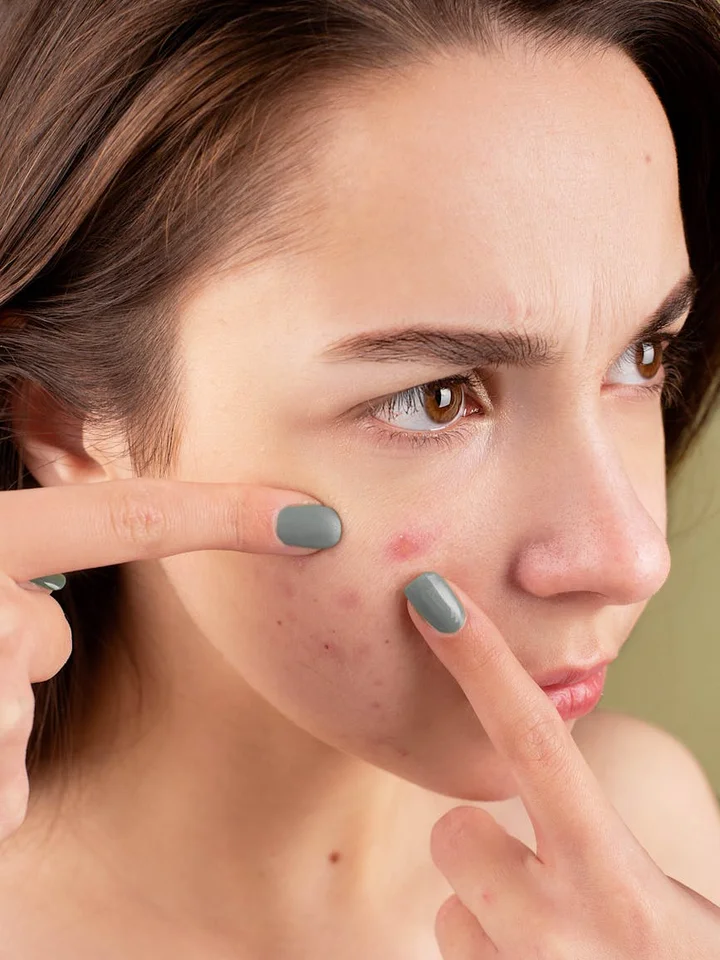
Think of adapalene as a targeted communication tool for your skin. It tells your pores to behave better, preventing the clogging process that leads to acne. It works best for specific skin situations. In fact, adapalene gel is commonly used to treat mild-to-moderate acne and improve skin texture. Its effectiveness often becomes noticeable after several weeks of consistent nightly use.
I typically recommend it to clients who are dealing with persistent, stubborn acne that hasn’t responded well to basic over-the-counter washes. Its ideal candidates are people with comedonal acne (those blackheads and whiteheads that feel bumpy under the skin) and inflammatory acne (the red, tender bumps). My client Maya, for instance, found it incredibly effective for the clusters of closed comedones on her jawline that felt like sandpaper.
Contraindications & Safety Warnings
As powerful as it is, adapalene isn’t a free-for-all. Some people should hit pause or have a detailed chat with their doctor before starting. If you experience persistent irritation, discontinue use and talk to a dermatologist. Knowing when to stop can help you manage side effects safely.
- Pregnancy & Breastfeeding: Current medical guidance advises against using retinoids like adapalene during pregnancy or while breastfeeding.
- Actively Broken Skin: Do not apply it to cuts, open wounds, or sunburned skin. It will cause significant stinging and can slow healing.
- Severe Eczema or Rosacea Flare-ups: During an active, inflamed flare of these conditions, adapalene can be like adding fuel to a fire. The skin barrier is too compromised.
- A Severely Compromised Skin Barrier: If your skin already feels tight, burns with most products, and is flaky all over, repair your barrier first. Using adapalene on this foundation will backfire.
If you have highly reactive skin like my client Noah, a patch test is non-negotiable. Apply a tiny dot behind your ear or on the side of your jaw for three nights. Watch for extreme redness or itching. When in doubt, a quick consultation with a dermatologist or your doctor is the safest path forward.
Remember, adapalene is a pharmaceutical treatment, not a casual daily moisturizer. It demands respect and a careful routine to work effectively without causing a revolt on your skin—especially when you integrate it into your skincare routine.
The Gentle Esthetician’s Guide to Applying Adapalene
How you apply adapalene makes all the difference between a smooth journey and a rocky, irritating one. Follow these steps to keep your skin calm while it adjusts.
Your Evening Adapalene Routine
- Cleanse Gently: Wash your face with a mild, non-drying cleanser. Pat your skin completely dry with a towel. This is key-applying to damp skin can drive the product deeper and cause more irritation.
- Wait for Dryness: Seriously, wait. Give your skin a full 5-10 minutes after patting dry. Your face should feel completely cool and dry to the touch.
- Apply a Pea-Sized Amount: Squeeze out a single pea for your entire face. Dot it on your forehead, cheeks, nose, and chin, then smooth it into a thin, even layer. Avoid the delicate skin right at the corners of your eyes, nostrils, and lips.
- Follow with Moisturizer: After letting the adapalene sit for a minute or two, lock everything in with a simple, fragrance-free moisturizer. This step is your best friend for preventing dryness.
Spot Treatment vs. Full-Face Application
You can use adapalene both ways, but your goal determines the method.
Full-Face Application: This is the standard, most effective approach for preventing new acne from forming. By treating the entire area, you’re clearing existing clogged pores and preventing new ones from developing in seemingly clear zones. I recommend this for most people, as acne is often a condition of the entire facial skin, not just the spots you see today.
Spot Treatment: Dabbing it only on active pimples can work for an occasional, isolated breakout. The pro is potentially less overall irritation. The major con is it does nothing to prevent the next pimple. The acne-causing process is still happening in your other pores. For someone like Lina, who gets one or two hormonal spots a month, spot treating might be sufficient. For Maya with more widespread issues, full-face is better.
Tips to Minimize the “Retinization” Period
That initial phase of redness, peeling, and dryness is called “retinization.” Your skin is adapting. You can ease this transition.
- Start Slow: Begin by applying it just two nights a week, gradually increasing to every other night, then nightly as your skin tolerates it.
- Use the “Sandwich Method”: This is a game-changer for sensitive skin. Apply your moisturizer first, let it absorb, then apply adapalene, then follow with another light layer of moisturizer. It buffers the treatment without blocking its efficacy.
- Be Diligent with Sunscreen: Adapalene makes your skin more photosensitive. A broad-spectrum SPF 30+ every single morning is mandatory, not optional.
What to Avoid Pairing With It
To prevent a chemical traffic jam on your skin that leads to irritation, avoid using these at the same time of day as your adapalene.
- Other Acne Fighters (Benzoyl Peroxide, Salicylic Acid): Using these simultaneously can be overly harsh. If you need to use benzoyl peroxide, many dermatologists suggest applying it in the morning and adapalene at night.
- Exfoliating Acids (AHAs like Glycolic, BHAs like Salicylic): Skip potent acid toners, peels, or exfoliating serums on your adapalene nights. You can use them cautiously on alternate mornings if your skin isn’t feeling sensitive.
- Physical Scrubs or Harsh Cleansing Brushes: These can create micro-tears and compromise your barrier, making adapalene side effects much worse. Stick to gentle cleansing with your hands.
Navigating the First Weeks and Beyond: Troubleshooting and Results
Starting a new retinoid can feel like a leap of faith. I guide my clients through this phase with a simple mantra: trust the process, but listen to your skin. The first month is about adaptation, not perfection.
What to Expect: The “Purging” Phase vs. a Bad Reaction
Your skin may seem worse before it gets better, and it’s vital to know the difference between a normal purge and a problematic breakout. A purge happens because adapalene accelerates your skin cell turnover. It’s essentially bringing existing, lurking clogs to the surface all at once.
You can usually identify a purge if breakouts are in your typical acne zones, appear as small whiteheads or blackheads, and clear up faster than your usual pimples. This phase often peaks around weeks 2-4. A true adverse reaction, like a painful rash or severe irritation, tends to happen everywhere you apply the product, including areas where you don’t normally break out.
Visible improvement in acne typically takes patience. You might see fewer new bumps after 4-6 weeks, but for clearer, more resilient skin, commit to a full 8-12 week timeline. My client Maya noticed her deep, painful cysts became less frequent around week 10, which kept her motivated through the initial purge.
Managing Dryness, Peeling, and Sun Sensitivity
Flakiness and tightness are common visitors in the early weeks. Think of adapalene as gently encouraging your top skin layers to renew; a bit of peeling is part of the process. You can manage it without quitting.
- Apply a Soothing Moisturizer First. Try the “sandwich method”: apply your gentle moisturizer, wait 10 minutes, then apply a pea-sized amount of adapalene. This buffers the effect without blocking it.
- Switch to a non-foaming, creamy cleanser. Avoid any physical scrubs or rough washcloths on peeling skin.
- If peeling occurs, don’t pick. Gently pat your skin dry after washing and apply moisturizer to damp skin to lock in hydration.
Adapalene makes your skin more vulnerable to sun damage, so applying a broad-spectrum SPF 30 or higher every single morning is non-negotiable. This isn’t just about preventing burns; it’s about protecting your skin barrier and preventing the dark spots that can follow acne. Reapply every two hours if you’re outdoors.
How to Start Slowly and Build Tolerance
Your goal is to build a long-term relationship with this ingredient. Starting with force is a recipe for a red, angry reaction. Here is the gradual introduction plan I give to clients like Noah, who has reactive skin.
- Weeks 1 & 2: Apply a pea-sized amount for your entire face, two nights a week (e.g., Monday and Thursday). Always apply to completely dry skin, 20-30 minutes after washing.
- Weeks 3 & 4: If tolerance is good, increase to three nights a week with a day off in between.
- Month 2+: You can consider moving to every other night, and eventually, most nights if your skin handles it well. Listen for signs of overdoing it, like persistent stinging or sensitivity.
On your nights off, focus on hydration and repair. Use a simple routine with a gentle cleanser and a moisturizer containing ceramides or panthenol.
When to Consult a Dermatologist
While some redness and dryness are expected, severe irritation is a sign to pause and seek guidance. Stop using adapalene and contact your dermatologist if you experience:
- Intense burning, swelling, or blistering that doesn’t subside.
- Eczema-like patches or severe itching.
- No improvement in your acne after 12 weeks of consistent use.
Your dermatologist can help adjust your plan, suggest a lower strength, or combine adapalene with other treatments for better results. A personalized plan is always more effective than pushing through discomfort alone.
Your Adapalene Questions, Answered
Can I use adapalene with my other serums, like vitamin C or niacinamide?
Yes, but timing is key for harmony. Use your antioxidant vitamin C serum in the morning and reserve adapalene for your nighttime routine. Niacinamide is an excellent, calming partner and can be used at the same time-just apply your moisturizer or serum with niacinamide first, let it absorb, then follow with your pea-sized amount of adapalene.
How long does the initial “purging” phase typically last, and how can I ease it?
The purging period, where skin clears out lurking clogs, commonly peaks around weeks 2-4 and usually subsides within 6 weeks. You can ease this phase by diligently using the sandwich method (moisturizer, adapalene, moisturizer) and ensuring your morning sunscreen and evening hydration are non-negotiable.
Once my acne is clear, should I stop using adapalene?
To maintain your results, continue using adapalene, but you can often reduce the frequency. Think of it as a long-term maintenance treatment; many of my clients successfully shift to applying it just 2-3 nights a week to keep pores clear and prevent new breakouts from starting.
Mastering Adapalene for Clearer Skin
Adapalene rewards consistency more than anything else, so focus on building a gentle, sustainable routine around it. I’ve seen clients like Maya transform their acne-prone skin by sticking with a simple, nightly application and pairing it with soothing hydration.
- Start with every other night to let your skin adapt without excessive dryness or redness.
- Use just a pea-sized amount for your entire face-more isn’t better and can cause irritation.
- Always apply to bone-dry skin after cleansing to maximize effectiveness and minimize stinging.
- Layer a fragrance-free moisturizer over or before adapalene (the “sandwich method”) if your skin feels reactive.
- Commit to daily broad-spectrum sunscreen; adapalene makes your skin more vulnerable to sun damage.
Your skin’s response is unique, and I’m always here to help you adjust your approach. If you have specific questions or hit a bump in the road, send them my way via our contact page. For more evidence-based tips and cruelty-free product guides, keep reading right here on the LuciDerma blog.
Sources and Additional Information
- A review of the use of adapalene for the treatment of acne vulgaris – PMC
- Adapalene Acne Treatment: Uses & Side Effects
- Effaclar Adapalene Gel 0.1% | Retinoid for Acne | La Roche-Posay
- Adapalene – StatPearls – NCBI Bookshelf
- Adapalene: Uses, Side Effects, Interactions, Pictures, Warnings & Dosing – WebMD
- What is Adapalene Topical Retinoid for Acne? | Differin
- Adapalene: MedlinePlus Drug Information
- Adapalene Gel USP, 0.1% Acne Treatment | PanOxyl
- Adapalene Retinoid Acne Treatment | Differin Gel for Acne
- Acnefree Adapalene Gel USP 15g – AcneFree Dermatology Inspired Care
Lucy Zimmerman
Lucy is an expert author and blogger when it comes to skin care and body care. She has first hand expertise acting as skin care consultant for over 5+ years helping her clients achieve smooth blemish free skin with natural and working remedies. She also has been an avid experimenter and tried out all the natural and artificial remedies and treatments so you can learn from her first hand experience. Additionally, she has traveled to many countries around the world and incorporated the skin care routines she has learnt into this blog. So, wait no more, reach out to Lucy if you have any specific needs and follow her blog, LuciDerma for expert skin care advice.