
Adapalene Gel for Acne: A Practical Guide to How It Works
If you’re staring at that tube of Adapalene gel and wondering if it’s the right move for your acne, I hear you. Let’s cut through the confusion with some straight talk from the treatment chair.
By the end of this guide, you’ll have the facts to use Adapalene gel wisely:
- You’ll know exactly what Adapalene gel treats, from clogged pores to inflammatory breakouts, so you can target your specific acne.
- You’ll understand how it works on a cellular level to normalize skin turnover, empowering you to apply it correctly and avoid common pitfalls.
- You’ll see its effectiveness backed by both science and real-world results, helping you set realistic goals for clearer, calmer skin.
You’ve got this, and I’m here to guide you through every step.
The Adapalene Molecule Spec Sheet
Think of this like the ingredient label on your favorite product, but for the active hero itself. This is what makes adapalene tick.
| Property | Specification | What It Means For Your Skin |
| pH | Around 5.0 | This is skin-friendly. Your skin’s natural barrier is slightly acidic, so adapalene gel works with it, not against it. It won’t strip or destabilize your skin’s surface like a harsh alkaline product might. |
| Typical Concentration | 0.1% (prescription), 0.3% (prescription), 0.1% (over-the-counter) | This is the standard effective dose range. Higher percentages are not necessarily better, they can mean a higher risk of irritation. For most people starting out, the 0.1% concentration is the sweet spot for balancing results with tolerance. |
| Solubility | Lipophilic (oil-loving) | This is its superpower. Because it’s attracted to oil, it can dive into your pores more effectively than some other retinoids to unclog them at the source, which is exactly where acne begins. |
| Safety Profile | Third-generation retinoid | This is the updated, more stable model. It’s designed to target acne-specific receptors with less irritation than older retinoids like tretinoin, making it a gentler entry point for many. When you see “adapalene,” it refers specifically to this modern molecule. |
What Is Adapalene Gel Designed to Treat?
Let’s cut straight to the point. Adapalene gel is a topical retinoid with one primary, FDA-approved job: treating acne vulgaris. That’s the medical term for common acne.
It works like a multitool inside your pores. Here’s what it’s built to handle:
- Comedonal Acne: These are the plugs that start it all, like blackheads and whiteheads. Adapalene helps normalize the way your skin cells shed inside the pore, preventing them from sticking together and forming a clog.
- Inflammatory Acne: This includes the red, tender papules and pus-filled pustules. By keeping the pore clear, it prevents the buildup that leads to this inflammation. It also has direct anti-inflammatory properties to help calm existing angry spots.
So, what is adapalene gel used for? Officially, it’s your frontline treatment for preventing and clearing both non-inflammatory and inflammatory acne lesions. I’ve seen clients like Maya, who deals with stubborn hormonal breakouts, find real relief as it helps keep her pores clear and reduces the frequency and severity of her flares.
Beyond its official use, it’s often used “off-label” (a common clinical practice) for concerns related to cell turnover and pigmentation. Because it encourages fresh, healthy skin to the surface, many people and dermatologists use it to:
- Improve skin texture and roughness.
- Fade post-inflammatory hyperpigmentation (PIH), those dark marks left behind after a pimple heals.
While it can help with these, its core strength and most predictable results are for acne. If your main concern is fine lines, other retinoids might be a more direct choice, but the smoothing effect is a welcome bonus for anyone using it for breakouts.
How Adapalene Works Inside Your Pore
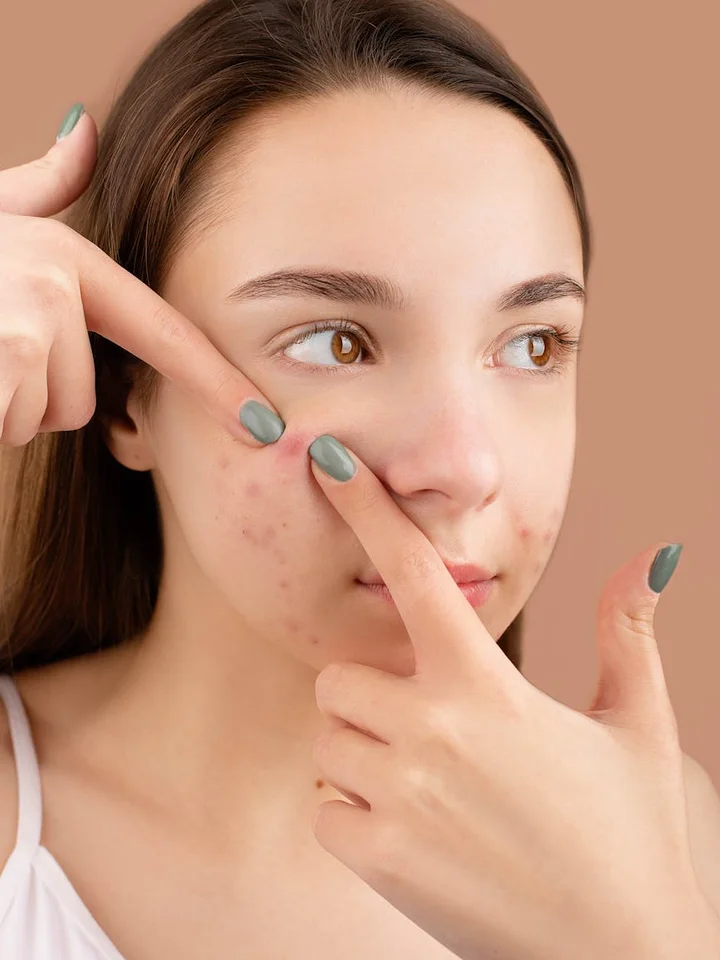
Think of a healthy pore as a well-organized, one-way street. Skin cells (keratinocytes) travel up and out, sebum (oil) flows freely to the surface, and everything stays clear. Acne happens when that street becomes a traffic jam. Dead skin cells start piling up, stick together with excess oil, and block the exit. This creates the perfect, airless home for acne bacteria to throw an inflammatory party, resulting in those red, painful bumps.
Adapalene is like a highly skilled traffic controller and city planner rolled into one. It doesn’t just clear the current jam; it helps redesign the system to prevent future blockages.
The Cellular Traffic Control: Normalizing Turnover
Your skin is constantly renewing itself. With acne-prone skin, that renewal process gets messy. Cells inside the pore shed too slowly and stick together, forming the initial plug, or microcomedone (the start of every pimple).
Adapalene is a retinoid, which means it communicates with your skin cells at a receptor level. It tells those sluggish, sticky cells to behave normally. Adapalene normalizes the life cycle of follicular cells, encouraging them to shed properly and preventing them from clumping together to form a clog. This is its primary preventative action. By keeping the pore’s “street” clear of debris, there’s no place for a pimple to start.
Calming the Inflammation: Quieting Red, Angry Bumps
Preventing new clogs is one thing, but what about the large, tender, inflamed pimple that’s already taken up residence? This is where adapalene’s second major strength comes in. It has direct anti-inflammatory properties.
When acne bacteria proliferate in a clogged pore, your immune system sends in inflammatory signals (like cytokines). This causes the redness, swelling, and pain. Adapalene interferes with those signals. It helps dial down the inflammatory response at the cellular level, which can reduce the size and tenderness of existing pimples more quickly. Think of it as sending a peacekeeping force to calm the riot happening inside your pore.
The Step-by-Step Skin Reasoning
So, how does this all translate from cellular science to a clearer complexion? Here’s the biological play-by-play.
- Adapalene binds to specific receptors in your skin cells. It doesn’t just sit on the surface; it gets to work where cell behavior is dictated.
- It reprograms clog-prone cells. It encourages regular, orderly shedding (desquamation) so dead cells don’t accumulate and stick.
- The pore lining stays clear. With less cellular debris, sebum can flow out naturally instead of getting trapped.
- Without a clog, acne bacteria (C. acnes) lose their home. Their food source (trapped oil) is cut off, and population growth slows.
- Inflammatory signals are suppressed. For pimples already forming, adapalene helps quiet the immune overreaction, reducing redness and swelling.
This dual-action is why it’s so effective. My client Maya, who deals with persistent clogged pores and occasional angry cysts, found that after the initial adjustment period, her skin simply “got less congested.” New clogged pores became rare, and the pimples she did get were less severe and resolved faster.
It’s a treatment that works on the root causes of acne-abnormal cell behavior and inflammation-not just the surface symptoms. For someone like Noah, who has sensitive, reactive skin, this targeted anti-inflammatory action can be a gentler alternative to some other acne treatments, though careful introduction is non-negotiable.
The Real-World Effectiveness: Does Adapalene Actually Work?
As a skincare ingredient, adapalene has a strong resume. It’s been studied for decades and is FDA-approved specifically for treating acne, which means its effectiveness is backed by substantial clinical research. It works on the root causes of most common acne, making it a versatile frontline treatment. When integrated into a consistent skincare routine, its benefits are amplified.
Adapalene is clinically proven to be effective against both inflammatory acne (the red, painful bumps) and comedonal acne (blackheads and whiteheads). It does this by normalizing the skin cell turnover process in your pores. Think of it as a skilled traffic controller inside a follicle, preventing the pile-up of dead skin cells and oil that leads to clogs and inflammation.
What Does the Research Say?
Studies consistently show that adapalene reduces both the number and severity of acne lesions. It’s often compared favorably to older retinoids like tretinoin, with many finding it to be equally effective but less irritating, which is a major win for consistent use. For my client Maya, who deals with stubborn hormonal breakouts along her jawline, introducing adapalene was a turning point. It didn’t stop every single pimple, but it drastically reduced their frequency and intensity.
Your Adapalene Timeline: What to Expect Week by Week
Patience is non-negotiable with retinoids. Your skin needs time to adjust and respond, especially when starting with a gentle retinol for sensitive skin. Here’s a realistic roadmap.
- Weeks 1-4 (The Adjustment Phase): This is when “retinization” often happens. You might experience dryness, peeling, or a slight increase in breakouts (often called “purging”) as the adapalene accelerates the clearing of deep-seated clogs. This is typically a sign it’s working, not a sign of failure. Redness and sensitivity are common. This phase is why a simple, gentle moisturizer and a dedicated sunscreen become your best friends.
- Weeks 5-12 (The Turning Point): If you stay consistent, you should start seeing real improvements. New breakouts slow down. Existing blackheads and whiteheads begin to clear. Inflammation from active pimples reduces more quickly. The texture of your skin often feels smoother.
- Beyond 12 Weeks (Maintenance & Results): For lasting control, adapalene is a long-term player. Continued use helps prevent new clogs from forming, maintaining clearer skin. Many people, like my client Noah who used it for texture, find their skin looks more even-toned and refined with ongoing use.
Answering Your Specific Questions
Let’s tackle a couple of common sub-questions that come up in my consultations.
Does Adapalene Control Oil?
Not directly. Adapalene doesn’t shrink your oil glands or change your skin type. Its primary job is to keep pores clear so that the oil (sebum) your skin produces can flow out freely instead of getting trapped. By preventing blockages, it can make oily skin look less congested and shiny over time, but it won’t stop your skin from producing oil altogether. You’ll still benefit from using oil-free, non-comedogenic moisturizers.
Does Adapalene Help with PIH or PIE?
It can help with post-inflammatory hyperpigmentation (PIH, the dark spots left after a pimple) but is less effective for post-inflammatory erythema (PIE, the red or pink marks). Adapalene speeds up skin cell turnover, which helps fade dark spots by encouraging the pigmented surface cells to shed more quickly. For the red vascular marks (PIE), ingredients that target blood vessels and strengthen the skin barrier, like niacinamide or centella asiatica, are often more targeted allies.
How Effective Is It for Acne Treatment? A Realistic Take.
Adapalene is one of the most effective over-the-counter tools we have for treating mild to moderate acne. It’s a foundation, not necessarily a full one-product solution for everyone. Its effectiveness hinges on three things. For many, combining adapalene with other acne-fighting ingredients can boost results. In the next section, we’ll cover the best adapalene combinations for acne and how to choose among them.
- Consistency. Using it regularly, every other night or as tolerated, is more important than using a large amount.
- Combination. It often works best as part of a routine. Pairing it with a gentle benzoyl peroxide wash or a niacinamide serum can address multiple acne pathways (bacteria, oil, inflammation) for better results.
- Management. Success requires managing the initial side effects with proper moisturizing and SPF protection. If irritation is severe, scaling back to twice a week and slowly building up can make all the difference.
For persistent cystic acne or severe cases, adapalene is a powerful component, but it’s often used under a dermatologist’s guidance alongside prescription oral or topical medications. It’s a testament to its strength that it’s used both as a first step and as part of advanced treatment plans.
Adapalene vs. Other Acne Fighters: A Sensible Comparison
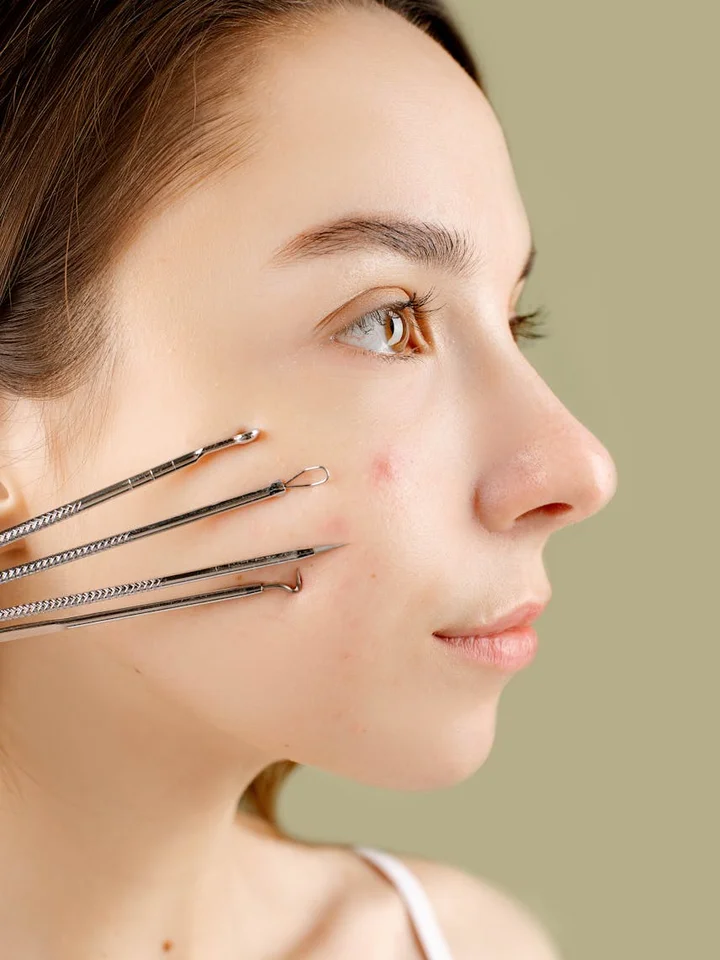
Choosing an acne treatment can feel overwhelming. Is adapalene the right pick, or should you consider something else? If you’re weighing adapalene vs tazarotene acne, a quick comparison can help. Let’s put it side-by-side with other common options to see where it fits into a smart skincare strategy.
Adapalene vs. Other Retinoids (Like Tretinoin)
Think of retinoids as a family. Tretinoin is a powerful older sibling, while adapalene is a more stable, focused younger sibling. Both are vitamin-A derivatives that work by normalizing skin cell turnover, but they have key differences.
Adapalene is uniquely stable. It doesn’t break down when exposed to light or benzoyl peroxide, making it easier to formulate into gentle, effective products. This stability often means adapalene is less irritating for many people starting out, especially those with sensitive skin like my client Noah.
While tretinoin tackles a broader range of skin concerns (like deep wrinkles and severe sun damage), adapalene is specifically engineered to target the microcomedone-the very beginning of a pimple. It’s a precision tool for acne.
Adapalene vs. Benzoyl Peroxide & Salicylic Acid
Benzoyl peroxide (BPO) is a bacteria-killing powerhouse. It’s great for attacking the P. acnes bacteria that inflame pimples. Salicylic acid (BHA) is a superb exfoliant that dives into pores to dissolve the sticky mix of oil and dead skin cells that cause clogs.
So, can you use adapalene with them? Yes, but with strategy.
- With Benzoyl Peroxide: This is a classic, effective combination. You can use them separately (BPO in the AM, adapalene in the PM) or seek a prescription fixed-dose combination gel that contains both. Using them together can enhance results and reduce the chance of bacterial resistance.
- With Salicylic Acid: Tread carefully. Using both can be very drying and irritating. If you want to incorporate both, I often advise my client Maya to use her salicylic acid cleanser in the morning and reserve adapalene for her nighttime routine, with several days in between to let her skin adjust.
Adapalene works on the cellular process of acne formation, while BPO kills bacteria and salicylic acid clears pore debris-they attack the problem from different, sometimes complementary, angles.
Where Adapalene Fits Versus Oral Treatments
For moderate to severe acne that doesn’t respond to topical treatments alone, oral medications become an option.
Oral antibiotics (like doxycycline) are typically used for short-term courses to quickly reduce severe inflammation and bacteria. Adapalene is often prescribed alongside them to address the underlying skin cell turnover issue, providing a long-term topical solution after the oral antibiotic course ends.
Isotretinoin (formerly Accutane) is a potent oral retinoid reserved for severe, cystic, or scarring acne. It’s a major commitment with significant monitoring requirements. Adapalene, as a topical retinoid, is a fundamental first-line and maintenance therapy. For someone like Lina, who manages persistent but not severe breakouts, a consistent adapalene routine could prevent the need for stronger oral interventions.
Your Step-by-Step Guide to Using Adapalene Gel
Think of adapalene as a powerful tool that needs careful handling. Using it correctly is the difference between seeing great results and dealing with unnecessary irritation. Follow this routine to get the benefits with minimal fuss.
The Nightly Routine: Order of Operations
Consistency is everything. Do this at night, as sunlight can break down the formula.
- Cleanse. Wash your face with a gentle, non-drying cleanser. Pat your skin completely dry with a clean towel.
- Wait. This is the most skipped, yet most helpful, step. Give your skin 5-10 minutes to fully dry. Applying adapalene to damp skin can drive it in too deep and increase irritation.
- Apply. Dispense a pea-sized amount for your entire face. Dot it on your forehead, cheeks, nose, and chin, then gently smooth it into a thin, even layer. Avoid the delicate skin around your eyes and lips.
- Moisturize. After letting the adapalene absorb for another minute or two, apply your moisturizer. This helps soothe skin and support your moisture barrier.
Using more gel will not make it work faster; it will only increase your risk of redness and peeling.
The “Sandwich Method” for Sensitive Skin
If you have reactive skin like my client Noah, or you’re just starting out and feeling cautious, the sandwich method is your best friend. It buffers the retinoid to gently introduce it to your skin.
- Step 1: Cleanse and pat dry.
- Step 2: Apply a thin layer of your basic, soothing moisturizer.
- Step 3: Wait 10-15 minutes for it to fully absorb.
- Step 4: Apply your pea-sized amount of adapalene gel.
- Step 5: After a brief wait, apply a second layer of moisturizer.
This method places the active between two protective layers of hydration, which can dramatically reduce that initial dryness or stinging sensation.
How Often Should You Use It? Building Tolerance
Your skin needs time to adjust. Do not start using it every single night.
- Weeks 1 & 2: Apply every other night. This gives your skin a night off to recover.
- Weeks 3 & 4: If your skin is tolerating it well (minimal dryness, no major redness), you can try using it two nights in a row, then taking one night off.
- After 1 Month: Many people can comfortably use it every night. Listen to your skin. If it feels tight or looks angry, scale back to every other night again for another week.
Some peeling or mild dryness in the first few weeks is normal. This is often called the “retinization” period.
Adapalene Before or After Moisturizer? The Final Answer.
This is the most common question I get. The standard, most effective method is adapalene first on bare, dry skin, followed by moisturizer. This allows for the most direct contact and absorption.
However, if you have sensitive skin or are experiencing irritation, applying moisturizer first (the “sandwich” method) is a perfectly effective way to build tolerance. You can always transition to applying it before moisturizer once your skin has acclimated in a few weeks.
Whether you put it on before or after, the key is that you use it consistently and follow it with a good moisturizer.
Contraindications & Safety: When Not to Try Adapalene

As powerful as adapalene is, it isn’t a universal solution. Using it when your skin can’t handle it can set you back weeks in your barrier repair journey. Think of it like running a marathon with a sprained ankle-you’re just going to cause more damage.
Absolute No-Go Scenarios
There are specific situations where you should not start adapalene under any circumstances without direct medical supervision. If any of these apply to you, put the tube down and consider alternative acne treatments.
- Pregnancy, Planning for Pregnancy, or Breastfeeding: While adapalene is a third-generation retinoid, and some studies suggest it may have lower systemic absorption than older retinoids, the official medical guidance is clear. Topical retinoids are not recommended during pregnancy or breastfeeding due to potential risks. Always consult your OB-GYN or dermatologist.
- Broken Skin or Open Wounds: Applying adapalene to cuts, scrapes, or recently picked spots is a direct ticket to severe irritation, stinging, and delayed healing. It’s like pouring lemon juice on a paper cut.
- Active Rashes or Sunburn: If you have eczema, dermatitis, rosacea flare-ups, or a sunburn, your skin barrier is already compromised and in defense mode. Introducing a retinoid will amplify inflammation and discomfort.
Proceed with Extra Caution
For some skin types, adapalene isn’t an outright “no,” but it requires a slow, careful, and strategic approach. My client Noah, with his dry, reactive skin, falls squarely into this category.
If you have a history of very sensitive skin, eczema, or a skin barrier that feels easily compromised (think tight, flaky, or stings with many products), you must adopt a “slow and low” method. This might mean using the “short-contact therapy” method (applying for 10-20 minutes then rinsing off) once a week for a month before attempting overnight use. It always means pairing it with a dedicated barrier repair moisturizer loaded with ceramides and cholesterol.
Pausing Before Professional Treatments
If you’re planning an in-office treatment, communication with your esthetician or dermatologist is non-negotiable. You must pause adapalene use before undergoing procedures like laser hair removal, vascular lasers, or medium-to-deep chemical peels. Retinoids increase skin cell turnover and can make your skin more reactive to energy-based devices and deeper exfoliating acids, raising the risk of burns, scarring, or excessive peeling.
A general rule is to stop adapalene at least 5-7 days before your scheduled appointment, but always follow the specific instructions given by your treating professional. They need to know every active ingredient in your routine to keep you safe.
Navigating the “Adapalene Uglies” and Common Side Effects

Starting a new active ingredient can feel like a leap of faith, especially when your skin reacts first. I see this with clients all the time. The key is knowing what’s a normal adjustment and what’s a sign to pull back.
The Initial Adjustment Period
Your skin is a living organ, and adapalene asks it to change its behavior. This often leads to a phase affectionately (or not-so-affectionately) called the “purge” or “Adapalene Uglies.”
This “purge” is typically a temporary increase in breakouts as adapalene accelerates skin cell turnover, bringing pre-existing clogs to the surface much faster. Think of it like cleaning out a backlog. You’ll often see more blackheads or small pimples in areas where you usually break out. This phase can last 4 to 6 weeks.
True irritation looks different. It involves persistent stinging, burning, significant redness, rough texture, or raw skin that wasn’t there before. Ironation means your skin barrier is overwhelmed.
My client Noah, who has dry skin, experienced classic dryness and flaking around his mouth and nose in his second week. We expected this. Expect some level of dryness, peeling, and possible redness as your skin acclimates to the increased cell turnover. This is often most noticeable in drier areas or if you apply too much product.
Smart Strategies to Soothe Your Skin
You can absolutely manage this adjustment period and support your skin. The goal is calm, hydrated skin that can tolerate the treatment.
- Apply your gentle, fragrance-free moisturizer before adapalene. This is called buffering and it helps reduce irritation without reducing efficacy. Wait a few minutes for it to absorb.
- For extra dry patches, seal in moisture with a tiny dab of plain petrolatum or a balm on top. This acts like a protective shield.
Sun protection isn’t optional with adapalene it is a daily requirement, as retinoids make your skin more sensitive to UV damage. Use a broad-spectrum SPF 30 or higher every single morning, even if you’re indoors.
Many of you ask: can you use adapalene and niacinamide together? I actively recommend it for clients like Lina. Niacinamide is a brilliant, soothing antioxidant that helps strengthen the skin barrier, regulate oil, and reduce redness. Using a niacinamide serum in your morning routine or before adapalene at night can significantly ease irritation and improve your skin’s tolerance.
Choosing Your Formula: Are All Adapalene Gels the Same?
Short answer? No. While the active ingredient, adapalene, is consistent, the vehicle-the gel, cream, or lotion that carries it-makes a huge difference for your skin’s comfort and the treatment’s success. Think of it like this: adapalene is the active driver, but the vehicle determines how smooth or bumpy the ride will be for your skin barrier.
Gel vs. Cream vs. Lotion: Finding Your Fit
The formula you choose should match your skin type. Getting this wrong can lead to unnecessary irritation or a less effective feeling product.
- Gels: These are typically alcohol-based and have a light, matte finish. They absorb quickly. Gels are ideal for oily, acne-prone skin like my client Maya’s, as they help control shine and feel weightless. However, the alcohol can be drying, so pairing it with a good moisturizer is non-negotiable.
- Creams: These are emollient-rich and hydrating. They have a richer texture. Creams are the go-to for dry or sensitive skin types, like Noah’s, because they buffer the adapalene and provide immediate moisture to counteract dryness.
- Lotions: These fall in the middle. They’re lighter than creams but more hydrating than some gels. A lotion can be a great compromise for combination skin, allowing you to treat an oily T-zone without stripping drier cheeks.
The Foundation Matters: Non-Comedogenic and Fragrance-Free
Adapalene is working to unclog pores. It makes no sense to apply it in a formula loaded with pore-clogging ingredients or unnecessary irritants.
Always opt for a non-comedogenic formula, which is specifically designed not to block pores. This is critical. I also strongly advise choosing fragrance-free versions. Fragrance is a common sensitizer, and when you’re introducing a potent active like adapalene, you want to minimize all other potential sources of redness or reaction. This is a rule I follow for all my reactive clients.
Prescription Strength vs. Over-the-Counter
This is a key distinction. Prescription adapalene is typically 0.3% strength, while over-the-counter (OTC) versions are 0.1%. The higher strength may be more effective for stubborn, inflammatory acne but comes with a higher risk of irritation. The 0.1% OTC strength is a fantastic, accessible starting point for most people dealing with blackheads, whiteheads, and mild pimples. Starting with an OTC formula allows your skin to build tolerance with less drama, a strategy I often recommend before considering a prescription.
So, Are All Adapalene Gels the Same?
Absolutely not. The percentage of adapalene (0.1% vs. 0.3%), the type of vehicle (gel, cream, lotion), and the supporting ingredient list create different products for different needs. An OTC 0.1% gel in a simple, fragrance-free base is not the same as a prescription 0.3% cream with added emollients. Your skin type and sensitivity level should guide your choice more than the name alone.
Your Quick Adapalene Questions, Answered
Can I use adapalene if I have sensitive skin?
Yes, but start slowly using the “sandwich method” with moisturizer to buffer sensitivity. This approach helps your skin build tolerance while still receiving the full benefits.
How soon will I see results from adapalene gel?
Initial improvements often appear within 4-6 weeks, but consistent use over 8-12 weeks yields the best results for clearer, calmer skin. Patience during the adjustment phase is key to long-term success.
Is adapalene effective for preventing future breakouts?
Absolutely-adapalene works preventatively by normalizing skin cell turnover to stop clogs before they form. This makes it a powerful tool for ongoing acne management, not just treating active pimples. It’s also less irritating than traditional chemical exfoliants that peel the skin.
Your Path to Clearer Skin with Adapalene
Adapalene gel works by steadily unclogging pores and calming inflammation, but its success hinges on your patience and a supportive routine. Timing your application—when you apply it and how long you leave it on—can influence both efficacy and irritation. Think of it as a long-term partner for your skin, one that asks for consistency and gentle care to reveal its full benefits.
- Apply a pea-sized amount to clean, dry skin three nights a week, gradually increasing frequency as your skin adjusts.
- Always follow with a calming, fragrance-free moisturizer to combat dryness and reinforce your skin’s barrier.
- Sun protection is non-negotiable; use a broad-spectrum, cruelty-free sunscreen every single morning.
- Expect a purge period where acne may seem worse for 4-6 weeks-this is normal and a sign it’s working.
- Give the process a full 12 weeks before assessing results; good skin doesn’t rush.
Remember, your skin journey is unique, and I’m here to guide you through it on the LuciDerma blog. If you have questions about adjusting your routine or managing sensitivity, sharing your story helps us all learn. Like my client Noah, who found his balance with adapalene by listening to his skin, you have the power to navigate this with confidence.
Lucy Zimmerman
Lucy is an expert author and blogger when it comes to skin care and body care. She has first hand expertise acting as skin care consultant for over 5+ years helping her clients achieve smooth blemish free skin with natural and working remedies. She also has been an avid experimenter and tried out all the natural and artificial remedies and treatments so you can learn from her first hand experience. Additionally, she has traveled to many countries around the world and incorporated the skin care routines she has learnt into this blog. So, wait no more, reach out to Lucy if you have any specific needs and follow her blog, LuciDerma for expert skin care advice.