
Your Realistic Tretinoin Timeline: What to Expect for Acne and Anti-Aging
Starting tretinoin can feel like a leap of faith, especially when everyone online promises instant results. I’ll walk you through the actual, month-by-month journey so you know exactly what’s normal for your skin.
By the end of this article, you will have a clear, practical map for your treatment. Here’s what you’ll know:
- The honest timeline for acne clearance, from the initial “purge” to clearer skin.
- When you can realistically expect to see anti-aging benefits like smoother texture and fewer fine lines.
- How to adjust your routine at each phase to support your skin barrier and manage sensitivity.
- A straightforward way to track your progress without feeling overwhelmed by daily changes.
Think of this as your personal consultation, giving you the confidence to stick with a treatment that truly works.
Let’s Get Real About Tretinoin: More Than Just a Timeline
Waiting for your skin to change can feel like watching paint dry. I get it. You’ve made the commitment to a prescription treatment, and you’re eager for a glow up. Let’s set the record straight from my treatment chair: tretinoin is a marathon, not a sprint.
Think of starting tretinoin like learning to play the piano for your skin. You don’t sit down and play a concerto on day one. You start with scales, you practice consistently, and you build skill over weeks and months. Your skin is relearning how to behave, and that takes patience and the right technique.
I’m here to be your guide, not to sell you a fantasy. Below, you’ll find a clear, month-by-month map of what truly happens. We’ll cover the good, the flaky, and the glowing-so you know exactly what to expect and when you might start seeing answers to ‘how long does it take for tretinoin to work’.
Tretinoin Explained: The Skin Cell Conductor
At its core, tretinoin is a concentrated form of vitamin A, called a retinoid. Imagine it as a meticulous conductor for your skin’s orchestra. It directs your skin cells to perform better and in harmony. When it comes to tretinoin usage, start slowly and follow professional guidance. Regular, careful application helps the skin adjust and reveal its benefits over time.
It primarily does two powerful things. First, it dramatically increases cell turnover. This is the process of shedding dead skin cells and generating new ones. For acne prone skin like Maya’s, this is the key. It helps keep pores clear by preventing dead cells and oil from sticking together to form a clog.
Second, it signals your skin to produce more collagen. Collagen is the protein that gives your skin its plump, firm, springy quality. As we age, our natural production slows. Tretinoin effectively turns the volume back up on that process, which helps soften fine lines and improve skin texture over time. This is the long game Noah appreciates for his drier, maturing skin.
Because it’s so powerful, tretinoin is only available by prescription, which is a good thing. Your doctor or dermatologist can determine the right strength for you and monitor your progress, ensuring you use it safely and effectively. Starting without guidance often leads to unnecessary irritation and frustration.
The timeline for results directly depends on these biological actions. Clearing a clog takes less time than rebuilding collagen. So, while you might see acne improvements in a matter of weeks, the anti-aging benefits require steady, consistent use over several months.
Pre-Tretinoin Prep: Building Your Skin’s Safety Net
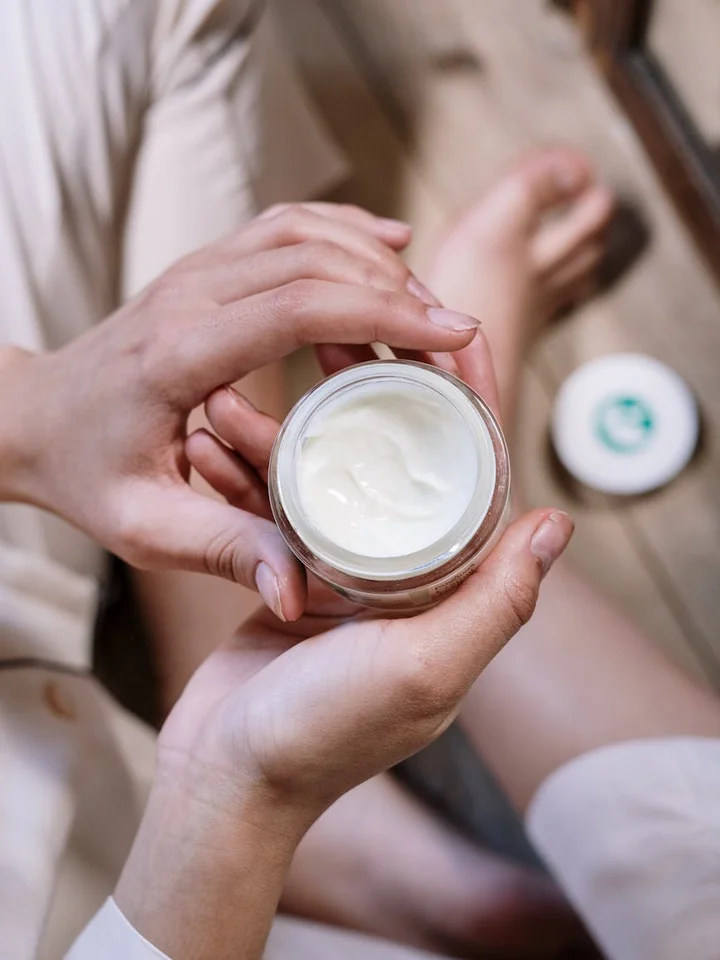
Think of this step like training before a marathon. The prep work you do now dictates your comfort and success during the first few challenging months. It’s about building a resilient barrier so your skin can handle the powerful change tretinoin brings.
You’ll need a simple, gentle, and fragrance-free toolkit. This isn’t the time for other active ingredients like acids or potent vitamin C.
- Cleanser: A non-foaming, creamy, or hydrating formula that cleans without stripping.
- Moisturizer: A reliable, bland cream or lotion with ingredients like ceramides, glycerin, or squalane to support your skin barrier.
- Sunscreen: A broad-spectrum SPF 30 or higher. This is non-negotiable, as tretinoin makes your skin more susceptible to sun damage.
One of the best tips I give clients is the “sandwich method” for tretinoin. After cleansing and patting your face dry, apply a thin layer of moisturizer first. Wait about 15 minutes for your skin to dry completely-this is crucial to minimize irritation. Then, apply your pea-sized amount of tretinoin. Follow it with another light layer of moisturizer. This method buffers the tretinoin, helping your skin adjust gently. Some people find that layering moisturizer before and after tretinoin helps their skin adjust.
Start slow, using just a pea-sized amount for your entire face, no more than twice a week. Patience here prevents panic later. A common question is how long tretinoin takes to absorb. It sinks in relatively quickly on dry skin, which is why waiting after cleansing is key. Applying to damp skin can drive it deeper and cause more irritation.
Your First 3 Months: The Retinization Period
This is the essential adjustment phase, called “retinization.” Your skin cells are literally learning to behave differently. Normalize this process-almost everyone goes through some version of it.
Let’s tackle the big question: what does the “tretinoin purge” timeline typically look like? The purge happens because tretinoin increases skin cell turnover, pushing hidden, pre-existing clogs to the surface faster. It’s not creating new acne; it’s accelerating a process that was already happening beneath the skin.
It is vital to distinguish the purge from irritation. A purge typically looks like small whiteheads or papules in areas where you usually break out. True irritation presents as widespread redness, burning, stinging, or peeling in unusual spots. If you experience the latter, scale back frequency and double down on moisturizing.
Here’s a general week-by-week guide for that first month:
- Weeks 1-2: You might feel some tightness or see slight flaking. This is often just initial dryness, not yet the purge.
- Weeks 3-6: This is the most common window for the purge. Breakouts may seem worse before they get better.
- Week 8+: The purge typically begins to subside. Your skin starts to adjust, and you may notice the first hints of improvement.
Side effects like flaking and redness are common. Manage them with precise, gentle steps. Never pick or scratch at flakes. Instead, use a soft washcloth very gently when cleansing. Layer a rich, barrier-repairing moisturizer. During the day, a non-irritating mineral sunscreen can be soothing.
So, what is the realistic timeline for seeing initial results with tretinoin for acne? You might notice subtle texture changes first-skin feeling smoother. For a reduction in active, inflamed breakouts, give it a solid 6 to 12 weeks of consistent use post-purge.
For anti-aging, what is the realistic timeline for seeing initial results with tretinoin? An initial glow and smoother, more refined skin texture can appear in as little as 4 to 8 weeks. Fine lines may look softer because the skin is plumper and more hydrated. Deeper wrinkles take more time, often 6 months or more of dedicated use.
I remember my client Noah, who has dry, reactive skin. His first month on tretinoin left him with patches of dryness that felt like parchment paper. We paused for two nights, slathered on a fragrance-free barrier cream with ceramides, and restarted using the sandwich method only once a week. That buffer made all the difference. His skin acclimated without the painful irritation, proving that slowing down is often the fastest way to results.
The Turning Point: Months 4 to 6 and Measurable Change
This is the payoff period. If you stayed consistent through the initial months, your patience is about to be rewarded with visible changes you can actually see and feel.
For acne, the big milestone is a dramatic reduction in new breakouts. My client Maya, with her oily, acne-prone skin, reported that by month five, her weekly battle with painful cysts had nearly ended. You will likely notice you are not getting new pimples as frequently, which gives your existing marks the quiet space they need to fade. Those post-inflammatory hyperpigmentation spots, the leftover red or brown marks, begin to lighten more noticeably as tretinoin steadily accelerates skin cell renewal, even more so than retinol for acne scars.
For anti-aging, this is when fine lines start to look softer. The creases around your eyes and mouth may appear less defined. You might also feel a difference in your skin’s firmness. Noah, who has dry, reactive skin, mentioned his forehead lines seemed less deep after five months. This softening happens because tretinoin has been quietly stimulating collagen production deep within your skin, providing more structural support.
So, how long does it take for tretinoin to fully clear acne? While some see major improvement earlier, most people achieve significant clearance by month six. For fine lines and wrinkles, you can expect to see substantial improvement within this 4 to 6 month window.
If your skin has fully adapted without redness or peeling, this is often the safe zone to consider applying tretinoin every night. Increasing frequency can enhance results, but always prioritize your skin’s comfort. If you feel any new tightness or sensitivity, simply return to your previous schedule.
When people ask how long does it take to see results from tretinoin, the 4 to 6 month mark is the honest answer where the evidence becomes clear in the mirror.
The Long Game: Maintenance and Lasting Results (Month 6+)
After six months, you graduate. Your goal shifts from treating a problem to maintaining a new standard of skin health. Tretinoin transitions from a project to a permanent, non-negotiable part of your routine.
How long should you use tretinoin to maintain acne-free skin? Indefinitely, with ongoing guidance from your dermatologist. Acne is a chronic condition for many, and stopping tretinoin removes the very mechanism that keeps pores clear and inflammation in check, so breakouts can return.
How long do you need to use tretinoin to maintain anti-aging benefits? The same rule applies: ongoing use preserves the gains. The new collagen you’ve built is not a one-time deposit. Think of it like a savings account you need to keep contributing to. Consistent use is what keeps your skin looking firm and lines from reappearing.
This directly answers how long can you use tretinoin. It is a lifelong ally for skin health when used responsibly under medical supervision, especially for maintaining skin barrier function.
Let’s get practical. How long does a tube of tretinoin last? Using a true pea-sized amount for your whole face, a standard 20-gram tube typically lasts two to three months. Using more is wasteful and only invites irritation.
If you hit month six and your progress seems to flatline, like acne isn’t improving further or fine lines have stopped softening, schedule a visit with your dermatologist. They can assess if you need a formula adjustment or a complementary treatment.
Contraindications: When Tretinoin Isn’t the Right Path
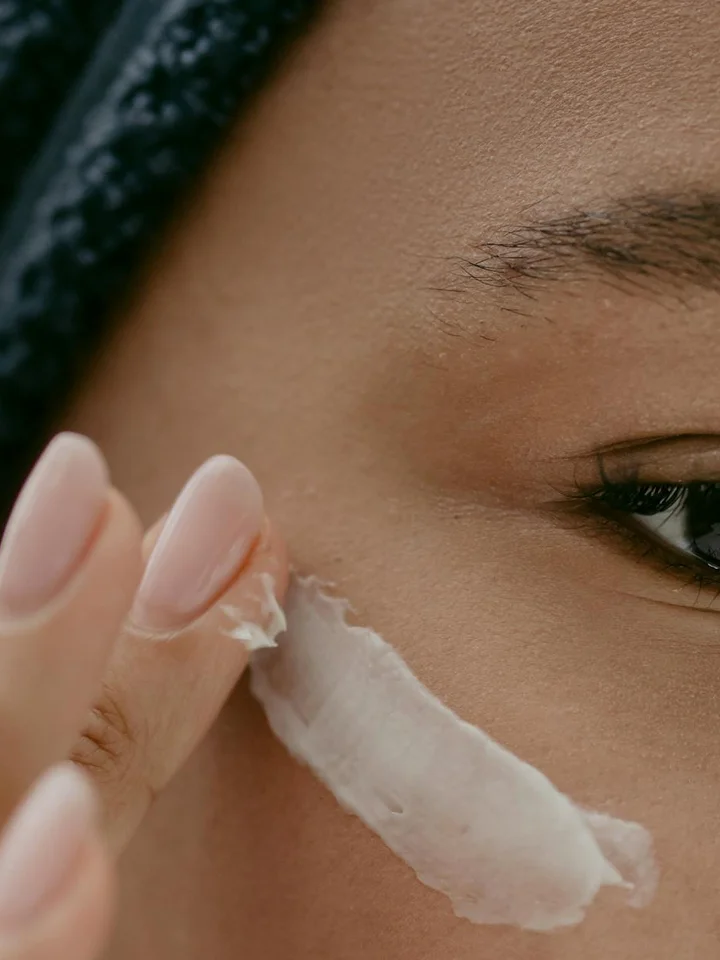
Before we talk about timelines, we have to talk about safety. My first duty is to give you advice that protects your skin’s health, even when that means advising against a popular treatment.
There are clear, non-negotiable situations where tretinoin should not be used. The most critical is during pregnancy, while breastfeeding, or if you are actively trying to conceive. Tretinoin is a retinoid, and oral retinoids are known to cause severe birth defects. While topical absorption is low, no ethical clinician would recommend taking that risk. This is especially important to keep in mind when considering tretinoin’s side effects and usage safety.
You should also never apply tretinoin to skin that is actively wounded, broken, or sunburned. Imagine pouring lemon juice on a scraped knee-that’s the level of discomfort and potential damage you’re inviting. Tretinoin accelerates skin cell turnover, and applying it to compromised skin bypasses your natural protective layers, driving the ingredient too deep, too fast.
If you have a skin condition like rosacea or eczema, tread with extreme caution. For my client Noah, who has reactive, dry skin, starting tretinoin without a dermatologist’s direct supervision would be like throwing gasoline on a fire. These conditions involve a fragile skin barrier and heightened inflammation, which tretinoin can dramatically worsen.
This leads to the most common reason to pause: a compromised moisture barrier. If your skin stings when you apply a gentle moisturizer, feels tight and rough, or looks red and flaky, tretinoin is not your next step. You must repair your skin barrier first with a simple routine of gentle cleansers, ceramides, and soothing ingredients. Introducing tretinoin to angry skin guarantees a painful, counterproductive experience.
When to Partner With a Dermatologist
As an esthetician, I can guide you on how to use a product and manage common side effects. But there are firm lines where my expertise ends and a doctor’s begins.
Your journey with tretinoin legally starts with a dermatologist, as it’s a prescription medication. This isn’t a formality; it’s a vital safety check. They assess your full health history and skin to prescribe the correct strength and formulation for you.
You should schedule a follow-up or seek care immediately if you notice specific warning signs. These include severe cystic acne that doesn’t respond, intense irritation that doesn’t calm down after two weeks of adjusting your routine, or any signs of an allergic reaction (like a rash or hives far beyond the application area).
Think of your dermatologist as your strategic partner for the complex stuff. They are the experts in combination therapies, like pairing tretinoin with an antibiotic or a specific topical for stubborn acne. They can also manage complex conditions I mentioned, like rosacea, where tretinoin might be used in very specific, controlled ways.
Finally, if you’ve been using tretinoin correctly and consistently for six months with no improvement in your target concern, it’s time to book an appointment. This isn’t failure; it’s data. It tells your doctor that your skin may need a different approach, and they have the tools and knowledge to find it.
Your Tretinoin Timeline, Simplified
How long should I use tretinoin to see lasting results?
Tretinoin is a long-term commitment for lasting benefits. To maintain clear skin or sustained anti-aging results, consistent, ongoing use is necessary, as stopping can allow concerns to gradually return. Used consistently, tretinoin can help reduce wrinkles by boosting collagen and renewing skin texture. This makes ongoing use a key part of an anti-aging plan.
What should I expect after one full year of treatment?
By your 12-month mark, your skin should have reached its peak improvement and be in a stable maintenance phase. You’ll enjoy maximized clarity or smoothing benefits with minimal sensitivity by following your established, gentle routine.
Why does the timeline look different for acne versus wrinkles?
Clearing a pore happens faster than rebuilding collagen. You’ll see acne improvements within months as clogs resolve, but the significant softening of deeper lines requires sustained collagen production over six months to a year.
Staying Patient on Your Tretinoin Journey
Your skin’s transformation with tretinoin is a marathon, not a sprint, built on steady renewal and care. Trust the process, prioritize a gentle and consistent routine, and you’ll witness realistic improvements in acne scars and hyperpigmentation as your skin gracefully adapts over time.
- Start slowly, applying tretinoin just 2-3 nights a week to build tolerance without irritation.
- Never skip sunscreen during the day; it protects your sensitive, renewing skin from sun damage.
- Always follow tretinoin with a simple, fragrance-free moisturizer to soothe dryness and reinforce your skin barrier.
- Give it at least 3-6 months of regular use to fairly judge results for both breakouts and aging signs.
- Choose complementary products that are cruelty-free and sustainable, supporting your skin and values.
I love guiding readers through these routines, much like I do with Noah in my clinic when he needs that extra reassurance. For more practical insights and evidence-based advice, keep reading here on LuciDerma, and always feel welcome to share your questions-we’re here to help you care for your skin confidently and kindly.
Written by Lucy Zimmerman. Lucy is an expert author and blogger when it comes to skin care and body care. She has first hand expertise acting as skin care consultant for over 5+ years helping her clients achieve smooth blemish free skin with natural and working remedies. She also has been an avid experimenter and tried out all the natural and artificial remedies and treatments so you can learn from her first hand experience. Additionally, she has traveled to many countries around the world and incorporated the skin care routines she has learnt into this blog. So, wait no more, reach out to Lucy if you have any specific needs and follow her blog, LuciDerma for expert skin care advice.