
Are Neutrogena Products Non-Comedogenic? Decoding the Label for Clearer Skin
If you’re acne-prone, you’ve likely squinted at the ‘non-comedogenic’ promise on a Neutrogena bottle, hoping it’s the green light you need. Let’s unpack what that label really means for your skin.
By the end of this article, you’ll be able to:
- Understand what “non-comedogenic” actually guarantees (and what it doesn’t).
- Look beyond the label to identify key ingredients in Neutrogena products that can help or hinder breakouts.
- Select Neutrogena formulas with greater confidence for your specific acne concerns.
- Build a smarter, pore-friendly routine that focuses on real results.
With the right knowledge, you can turn a confusing claim into a clear path for your skin.
What “Non-Comedogenic” Really Means (And What It Doesn’t Promise)
Let’s start with the word itself. A “comedone” is simply a clogged pore. Think of it as the very beginning of many breakouts, whether it turns into a tiny blackhead or a deep, painful cyst. So, “non-comedogenic” literally means “not pore-clogging.” In practical terms, that label points to a product’s tendency to avoid clogging pores, which is the meaning we’ll unpack in the next step.
Here’s the key part many people miss: this label is a claim, not a guarantee regulated by the FDA. It’s not like the SPF number on your sunscreen, which has strict testing rules. Instead, companies perform their own tests, often on human panels, to see if their formula is unlikely to cause clogs.
When you see “non-comedogenic” on a bottle, it means the formula has been designed and tested to be less likely to clog pores for most people under test conditions. It’s a helpful filter, especially if you’re like my client Maya, who needs to avoid heavy, waxy ingredients that can trap oil and dead skin cells.
Don’t confuse it with “non-acnegenic,” though they’re often used together. A product that is “non-acnegenic” is formulated not to cause inflamed, red pimples. A product can be non-comedogenic (won’t start a clog) but still contain an ingredient that irritates your skin and triggers an acne flare-up. It’s a subtle but important difference.
I like to compare it to the term “hypoallergenic.” It’s a useful guide that points you toward gentler options, but it can’t promise zero reaction for every single person. Your unique skin biology always has the final say.
Neutrogena’s Non-Comedogenic Claim: A Brand-Wide Review
Let’s get straight to a common question: are all Neutrogena products non comedogenic? No. Neutrogena makes hundreds of products, and this claim is not universal. You must check each product’s packaging.
For a large, research-driven brand like Neutrogena, determining this claim likely involves a mix of analyzing ingredient lists against known comedogenic data and conducting panel tests. They formulate certain lines with acne-prone skin as the primary audience.
You’ll find the “non-comedogenic” promise front and center on lines specifically made for breakout-prone skin, like their Clear Face sunscreens and many of their Oil-Free Acne washes. For acne-prone skin, a non-comedogenic sunscreen is a smart daily shield that won’t clog pores. It helps you stay protected without triggering breakouts.
The crucial nuance is that a product can carry the “non-comedogenic” label and still not be right for you. It might contain fragrance, denatured alcohol, or other ingredients that cause redness, stinging, or irritation for sensitive skin types like my client Noah. That irritation can compromise your skin barrier, leading to breakouts that look like clogged pores but have a different root cause.
Checking Your Neutrogena Products: A Quick Guide
Don’t guess. Look at the packaging, usually on the front of the bottle or box. The phrase “non-comedogenic,” “won’t clog pores,” or “oil-free” is often placed near the product name or its key benefits. Brands assess non-comedogenic formulations to ensure they perform without clogging pores. This evaluation helps you compare products that are truly suitable for acne-prone or sensitive skin.
Also, glance at the ingredient list. Even if it’s labeled non-comedogenic, be cautious if you see “fragrance” or “parfum” high on the list, or alcohols like “denatured alcohol” or “SD alcohol 40.” If you’re choosing a foundation, favor non-comedogenic ingredients such as dimethicone or glycerin.
These ingredients are not necessarily comedogenic, but they can cause irritation that weakens your skin’s defense, making it act like it’s clogged. For someone like Lina, with combination, sensitive skin, this distinction is everything. Knowing the comedogenic ratings of common skincare ingredients helps you pick products that won’t clog pores. That way, you can focus on formulas aligned with your skin’s needs.
Spotlight on Specific Products: Answering Your Searches
Let’s tackle some of the specific products you’re searching for.
Is Hydro Boost non comedogenic? Yes. Neutrogena’s Hydro Boost Water Gel line is famously lightweight and is typically labeled as non-comedogenic and oil-free. Its hyaluronic acid gel formula is designed to hydrate without a heavy, pore-clogging feel.
Is Neutrogena Clear Face sunscreen non comedogenic? Absolutely. This is a core feature of that entire line. It’s formulated to be a mineral-based (with zinc oxide) or chemical sunscreen that avoids common pore-clogging ingredients, making it a top pick for facial use on acne-prone skin.
Is Neutrogena body oil non comedogenic? This is trickier. Oils are not inherently bad, but their comedogenic potential varies. A lightweight, refined sesame oil (often used in body oils) may be fine for your shoulders but could be too rich for your chest or back if you’re prone to body acne. Heavier oils are more likely to sit on the skin and trap debris, so patch test on a small area of your back before full use.
Is Neutrogena Beach Defense sunscreen non comedogenic? This line is engineered for heavy-duty water resistance and beach use, not specifically for the face. It is less likely to carry the non-comedogenic label. For your face, the Clear Face line is a much safer bet. Using a heavy body sunscreen on your face can lead to clogged pores and milia for many people.
Building a Safe Routine for Acne-Prone Skin with Non-Comedogenic Products
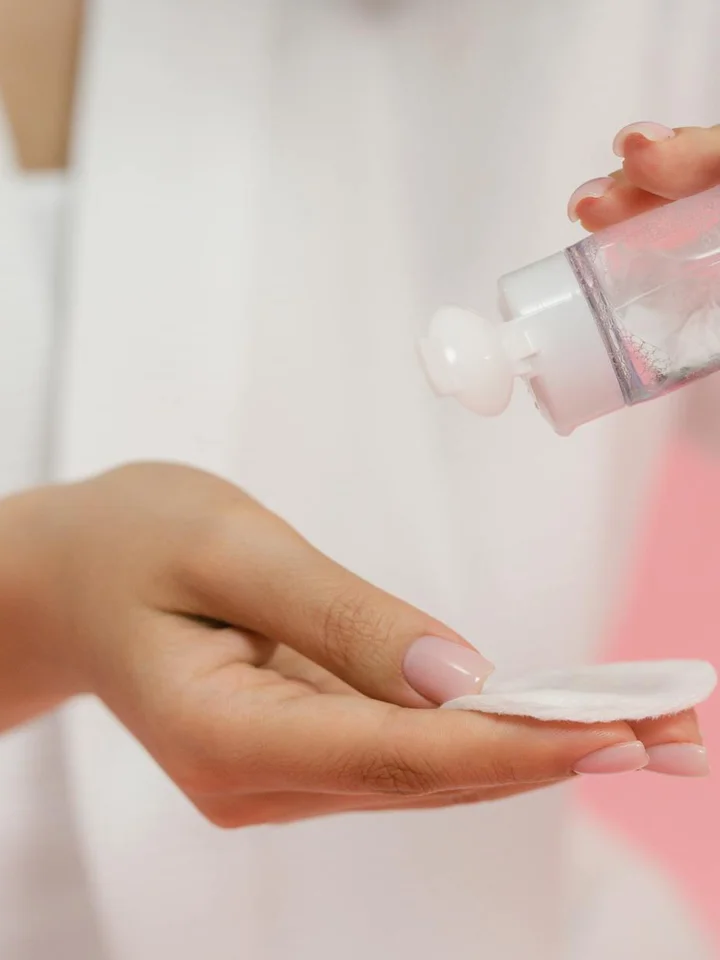
Think of a non-comedogenic label as a helpful filter when shopping, not a magic wand. It screens out formulas that are known to be heavy pore-cloggers for many people.
A clear skin routine rests on three pillars: gentle cleansing, consistent hydration, and daily sun protection. A non-comedogenic moisturizer won’t help if you’re scrubbing your skin raw or skipping sunscreen, which can worsen post-acne marks. For acne-prone skin, choosing a non-comedogenic moisturizer can support balanced hydration without clogging pores. When you shop, look for products labeled non-comedogenic or oil-free.
Start with this simple template, using “non-comedogenic” as your baseline search term for each step:
- Morning: Gentle cleanser, non-comedogenic moisturizer, sunscreen (many are non-comedogenic).
- Evening: Gentle cleanser, any treatment serum (like for acne), non-comedogenic moisturizer.
Texture matters. A lightweight, non-comedogenic serum absorbs like a splash of thin water, delivering ingredients without weight. A good non-comedogenic gel-cream feels like a cool, breathable blanket, sealing in moisture without smothering your pores. Gel creams are especially popular for their light feel.
My client Maya, who has oily, acne-prone skin, saw a real shift when she started this. She was using a strong prescription treatment but her skin felt tight and would get randomly clogged. We swapped her thick moisturizer for a simple, non-comedogenic gel cream, and it was the missing piece. It kept her barrier happy so her treatment could work without driving her oil production into overdrive or creating new blockages. We also started considering makeup choices, leaning toward non-comedogenic formulas for oily skin to avoid extra clogging. This helped keep her routine cohesive from skincare to makeup as her treatment progresses.
Ingredients Your Pores Will Love (And a Few to Question)
Some ingredients have a stellar reputation for being pore-friendly. Look for these heroes in non-comedogenic products. These ideas also apply to non-comedogenic face primers, which can help keep pores clear. A non-comedogenic primer can minimize the appearance of pores for a smoother base.
- Niacinamide: Calms redness, regulates oil, and strengthens your skin’s barrier.
- Hyaluronic Acid: A hydration magnet that plumps skin without clogging.
- Squalane (plant-derived): Mimics your skin’s own oils, providing lightweight moisture.
Other ingredients are a “proceed with caution” zone. They work beautifully for countless people but can be triggers for some. Always patch test:
- Shea Butter: Rich and nourishing, but its heavier texture may not suit very oily or congestion-prone skin types.
- Certain Silicones (like Dimethicone): They create a smooth, protective feel. While non-comedogenic, some individuals find they can trap heat or other products, leading to bumps.
The most important list is your own personal trigger list. If you know coconut oil breaks you out, a non-comedogenic product containing it might still cause trouble. Cross-check every ingredient list against your history.
When a “Non-Comedogenic” Product Still Causes Trouble
Your skin might react for reasons that have nothing to do with clogged pores. If your skin barrier is damaged from over-exfoliation, even the gentlest ingredients can sting. Sensitivity to a botanical extract or preservative can cause redness. Fungal acne, which isn’t true acne, feeds on certain oils and can flare up with products that are fine for bacterial acne.
This is why patch testing is non-negotiable. Apply a small amount of the new product behind your ear or along your jaw for five to seven nights in a row. Watch for any itching, tiny bumps, or redness in that spot.
If a product stings, burns, or causes visible redness immediately, “non-comedogenic” is irrelevant. Your skin is telling you it’s irritated. Listen to it and stop using the product.
Contraindications & Safety Warnings
For my sensitive-skin clients like Noah, I always steer them toward fragrance-free non-comedogenic options. The “non-comedogenic” claim addresses clogging, but added fragrance is a common irritant that can cause a separate reaction.
If you have active, inflamed acne or broken skin from picking, your priority is extreme gentleness. Some non-comedogenic products contain actives like salicylic acid, which could further irritate raw skin. Stick to the most basic, soothing formulas until your skin calms down.
If you are pregnant, nursing, or trying to conceive, remember that “non-comedogenic” speaks only to pore-clogging potential. It does not evaluate ingredient safety for pregnancy. Some acne-fighting ingredients common in these lines are not recommended. Always consult your doctor or dermatologist for guidance.
No label, certification, or claim can replace the knowledge you gain from observing your own skin’s patterns. Use these tools as guides, but let your personal experience have the final say.
When to See a Dermatologist or Esthetician
Trusting a non-comedogenic label is a great start, but sometimes your skin needs a guide. Think of a pro as your personal navigator for tricky skin terrain.
I often remind clients like Noah that a label can’t diagnose. If you’re dealing with deep, painful cysts, widespread bumps that hurt to touch, or persistent redness that looks like acne but might be rosacea, it’s time to make an appointment. These conditions often need a treatment plan that goes beyond what you can find on a shelf.
Your Gentle Routine Isn’t Working
You’ve been diligent for 6 to 8 weeks. You’ve chosen gentle, non-comedogenic cleansers and moisturizers, but your skin is still angry or breaking out. This is a key signal.
This was the case for my client, Maya. She built a solid routine but still had stubborn chin acne. It turned out she needed a targeted treatment her gentle products couldn’t provide. If consistent, careful product use isn’t showing you any improvement after two months, a professional can identify the hidden triggers or necessary treatments you’re missing.
Pairing Prescriptions with Your Base Routine
This is where an expert is invaluable. Let’s say a dermatologist prescribes a retinoid or another potent treatment for you. These are powerful tools, but they can be harsh.
Your skin will need compatible, non-comedogenic support. A pro helps you build the rest of your routine-the soothing moisturizer and the essential sunscreen-so your prescription can work effectively without wrecking your skin barrier. A dermatologist or esthetician ensures your calming, non-pore-clogging products work in harmony with your medical-grade treatments, preventing a cycle of irritation and new breakouts.
Seeing a professional is one of the smartest, most proactive steps you can take for your skin’s long-term health. It’s not a last resort. It’s a strategic move to get you clear, confident results faster and with more confidence.
Your Quick Guide to Non-Comedogenic Claims
How can I be sure a Neutrogena product won’t clog my pores if “non-comedogenic” isn’t a guarantee?
Use the label as a helpful first filter, then become your own expert by cross-checking the ingredient list against your personal known triggers. The most reliable test is always how your unique skin responds over time.
What should I do if a product labeled non-comedogenic still breaks me out?
This often signals irritation, not clogging. Immediately stop use if you experience stinging or redness, as a compromised skin barrier can trigger breakouts that mimic clogged pores.
When should I seek professional advice over trusting a non-comedogenic label?
Consult a dermatologist or esthetician if you have deep, painful cysts or if a consistent, gentle routine fails to improve your skin after 6-8 weeks. They can identify underlying issues and tailor a truly effective plan.
Making Sense of Labels for Your Skin’s Sake
When you see “non-comedogenic” on a bottle, let it be a helpful hint, not a hard promise. Your own skin is the ultimate test, and listening to its reactions will guide you better than any marketing term ever could, especially when trying non-comedogenic skin creams.
- Always perform a patch test with new products, even non-comedogenic ones, behind your ear or on your jawline.
- Read the ingredient list yourself, looking for lightweight, water-based formulas if you are acne-prone.
- Introduce one new product at a time so you can pinpoint what truly works for your skin.
- If a product causes new bumps or clogged pores, pause its use, regardless of its label.
Navigating product claims is a shared journey. I’m here in your corner, offering the same practical, kind-of-sciencey advice I give in my treatment room. Your questions and experiences are welcome as you explore more skin care stories right here on LuciDerma.
Written by Lucy Zimmerman. Lucy is an expert author and blogger when it comes to skin care and body care. She has first hand expertise acting as skin care consultant for over 5+ years helping her clients achieve smooth blemish free skin with natural and working remedies. She also has been an avid experimenter and tried out all the natural and artificial remedies and treatments so you can learn from her first hand experience. Additionally, she has traveled to many countries around the world and incorporated the skin care routines she has learnt into this blog. So, wait no more, reach out to Lucy if you have any specific needs and follow her blog, LuciDerma for expert skin care advice.