
Non-Comedogenic Skincare Demystified: A Science-Based Guide to Pore Health
If you’ve ever squinted at a skincare label wondering if ‘non-comedogenic’ is a meaningful promise or just clever marketing, you’re not alone. I hear this question weekly from clients in my practice, like Maya, who needs confidence that a new moisturizer won’t lead to breakouts.
By the end of this article, you will:
- Know the precise scientific definition and testing standards for ‘non-comedogenic’ claims, cutting through the industry jargon to see what’s really behind the label.
- Understand why this designation matters most for acne-prone and oily skin types, empowering you to select products that align with your skin’s needs.
- Be equipped to identify genuinely pore-friendly formulations in your own routine, using practical comparisons I share with clients every day.
Let’s clear up the confusion so you can shop for your skin with clarity and confidence.
The Simple Promise: What ‘Non-Comedogenic’ Actually Means for Your Skin
In the simplest terms, a product labeled “non-comedogenic” promises it is formulated not to clog your pores. That’s the entire translation. The word breaks down to “non” (not) and “comedogenic” (causing comedones). Comedones are the medical name for clogged pores, which show up as either blackheads (open comedones) or tiny flesh-colored bumps (closed comedones), especially when using face products like non-comedogenic face primers.
Think of a comedogenic ingredient as something that can act like a plug. It mixes with your skin’s natural oils and dead skin cells inside the hair follicle, creating a blockage. This is the very beginning stage of many types of pimples. For someone like my client Maya, who has oily, acne-prone skin, avoiding these pore plugs is a top priority to prevent breakouts.
Here’s a useful analogy. A truly non-comedogenic moisturizer should feel like a breathable, soft cotton shirt for your skin. It provides a layer of comfort and hydration without sealing everything in. A pore-clogging formula, in contrast, can act more like wrapping your skin in plastic wrap. It traps everything underneath, which can lead to congestion and breakouts.
So, what does ‘non-comedogenic’ mean on skincare labels? It’s the manufacturer’s claim that their product is less likely to contribute to clogged pores. It’s a helpful guide, especially for acne-prone or oily skin types, but it’s not an absolute guarantee for every single person. For acne-prone skin, non-comedogenic moisturizers can be a practical next step. Patch-testing and ingredient awareness help ensure a good fit. Your unique skin biology always has the final say.
The Science Behind the Claim: How Is ‘Non-Comedogenic’ Officially Defined?
This is where things get interesting. Unlike terms like “SPF,” there is no single, universal legal definition or standardized test mandated by the FDA for the “non-comedogenic” claim on cosmetics. Brands use different methods and criteria to justify the label.
Historically, the “gold-standard” test was the Rabbit Ear Assay. This involved applying an ingredient to the inner ear of a rabbit (an area with many follicles) for several weeks and then examining the tissue for comedones. The ethical concerns here are significant and clear. At LuciDerma, we advocate for modern, cruelty-free science, which is why this outdated method is not used by ethical brands today.
Modern, humane testing uses methods like the Human Repeat Insult Patch Test (HRIPT). In this test, concentrated amounts of a formulation are applied under patches on human volunteers (often on the back, which is prone to clogging) for an extended period. Dermatologists then grade the skin for any comedogenic reaction. It’s a more relevant test since it uses human skin.
How is it scientifically defined for product claims? It’s defined by the specific test protocol a company chooses. A reliable brand will be able to tell you the testing method behind their claim, and the most trustworthy ones use human clinical studies. When you see “non-comedogenic” on a LuciDerma product, it’s based on this kind of human-focused, ethical safety data.
The Molecule Spec Sheet: Niacinamide
| Property | Details |
|---|---|
| pH Compatibility | Stable across a wide range (pH 4-7), fits into most routines. |
| Typical Concentration | 2-5% for barrier support, 5-10% for visible benefits like improving tone and texture. |
| Solubility | Water-soluble, often found in lightweight serums and gels. |
| Safety & Non-Comedogenic Profile | Well-tolerated, considered non-comedogenic and non-irritating for most skin types. |
Niacinamide is a perfect example of a superstar ingredient that aligns with non-comedogenic goals. Its water-soluble nature means it doesn’t add a heavy, oily feel. I often recommend it to clients like Lina (combination) and Noah (dry and reactive) because it strengthens the skin barrier without risking new clogs. Its excellent safety profile makes it a versatile and trustworthy choice for nearly everyone.
How Do You Know If a Product Is Truly Non-Comedogenic?

You see the word on the bottle, but how can you trust it? Finding a product that won’t clog your pores starts with looking at the label, but it doesn’t end there. The term “non-comedogenic” is a claim made by the brand, not a guarantee certified by a government agency. This means a company is stating their formula is unlikely to cause comedones, but the testing methods behind that claim can vary widely.
The Comedogenic Scale: A Helpful, But Imperfect, Map
To understand which ingredients might be pore-clogging, scientists and formulators often refer to a comedogenic rating scale, typically ranging from 0 to 5. A rating of 0 means an ingredient is non-comedogenic and shouldn’t clog pores, while a 5 is considered highly comedogenic.
This scale originated from research in the 1970s and 80s that involved applying pure ingredients to rabbit ears-a model chosen because rabbit skin is very reactive. While this research gave us a foundational understanding, it has major limitations for predicting how an ingredient behaves in a complex, modern formula on human skin. An ingredient rated a “3” by itself might be perfectly fine in a well-designed, rinsed-off cleanser or at a very low concentration in a serum.
Think of the comedogenic scale like a list of individual food ingredients. Coconut oil might be a “5” for some acne-prone skin, just as dairy can be a trigger for some people. But whether a whole recipe (your skincare product) causes a problem depends on the amount used, what it’s combined with, and your unique skin.
Better Than a Label: Look for Modern Human Testing
So if the old rabbit ear data is flawed, what should you look for? The most reliable indicator is a product tested via a modern human patch test or clinical study. Brands that invest in this testing will often say so on their website or packaging with phrases like “clinically tested for non-comedogenicity” or “tested on acne-prone skin.”
My client Maya, who is oily and acne-prone, has learned to do this detective work. She looks past the front label and heads straight to the brand’s science page. She also knows that a simple, shorter ingredient list is often easier to vet than a extremely long one filled with complex blends.
Your Personal Pore Checklist
Here is your practical, step-by-step plan to evaluate any product:
- Use the label as a first filter. A “non-comedogenic” claim is a positive sign that the formulator had your pores in mind.
- Research the ingredients. Cross-reference key oils, butters, and waxes (like coconut oil, cocoa butter, or myristyl myristate) with updated comedogenic lists from reputable dermatology sources. Remember, context matters.
- Seek out proof of human testing. Prioritize brands that transparently share their testing methodology for non-comedogenic claims.
- Conduct your own ultimate test: the patch test. Apply the product to a small area of your face (like along the jaw) or behind the ear for at least a week. This is the only way to know for sure how your unique skin will react.
For my cautious client Noah, patch testing is non-negotiable. He applies a pea-sized amount to his cheek for several nights before committing to a full-face routine. This simple step saves him from widespread congestion and confirms if a product’s claim holds true for him.
How to Check Ingredients Yourself: A Practical Guide
You don’t need to be a cosmetic chemist to make smarter choices. Think of it like reading a nutrition label for your skin. Here is a simple process you can follow.
- Scan the Full List: Flip the product over and read the ingredients (the INCI list). They are in order of concentration, from highest to lowest.
- Spot the Usual Suspects: Look for ingredients known to have a higher comedogenic potential, especially in the first half of the list where they are more concentrated.
- Cross-Reference with a Database: Use a free online tool (I’ll list my favorites below) to check any ingredient you’re unsure about.
- Consider the Product Type: A heavy oil high on the list of a night cream is a bigger red flag than the same oil appearing last in a lightweight, water-based toner.
Some common ingredients with a higher potential to clog pores include certain oils and butters. This is not a “never use” list, but a “proceed with caution if you’re very clog-prone” list.
- Coconut Oil: Highly comedogenic for many. My client Maya, who is acne-prone, breaks out every time she tries it as a moisturizer.
- Cocoa Butter & Shea Butter: Wonderful for very dry body skin, but their rich, occlusive texture can be problematic on acne-prone facial skin.
- Lanolin: A great emollient, but it can be comedogenic for some people.
- Algae Extract: A tricky one. While packed with minerals, some forms can be pore-clogging for certain skin types.
- Isopropyl Myristate & Isopropyl Palmitate: These synthetic esters help products feel silky, but they are frequent culprits in breakouts.
Formulation is everything. An ingredient’s behavior changes based on what it’s mixed with. Pure coconut oil might clog a pore, but a tiny amount of coconut-derived surfactant in a rinsed-off cleanser likely won’t. A thick shea butter balm is different from a serum containing a micro-emulsified droplet of shea for softness. The size of the molecule, how it’s processed, and what carries it into your skin all matter.
When in doubt, I use these free, trusted resources to check ingredients:
- INCIdecoder: Explains what each ingredient does and often flags comedogenic ratings.
- CosDNA: Provides comedogenic and irritant ratings sourced from various databases, great for a quick cross-check.
Contraindications & Safety Warnings
Labels are guides, not guarantees. Your skin’s opinion is the final verdict.
For Acne-Prone Skin: Your skin might simply dislike an ingredient that’s technically “non-comedogenic,” like a specific silicone or ferment. A patch test is non-negotiable. Apply the product behind your ear or on a small part of your jaw for five nights before using it all over your face.
For Severely Compromised Barriers: If your skin is red, stinging, or flaky, your priority is healing, not just avoiding clogging. Look for simple, reparative ingredients like ceramides and panthenol first. My client Noah learned that chasing a “non-comedogenic” label with actives made his dry, reactive skin worse until he focused solely on barrier repair for a few weeks.
During Active Breakouts or Broken Skin: Do not apply any new product directly onto inflamed cysts or open lesions. This can increase irritation and delay healing. Treat the active breakout first, then introduce the new product on calm areas of skin.
A non-comedogenic label does not mean “acne-treatment.” It means the product is formulated to be less likely to cause comedones. It won’t necessarily clear existing acne. That requires targeted ingredients like salicylic acid or retinoids. This label is about prevention, not cure.
The Regulation Reality: Are Companies Required to Prove This Claim?
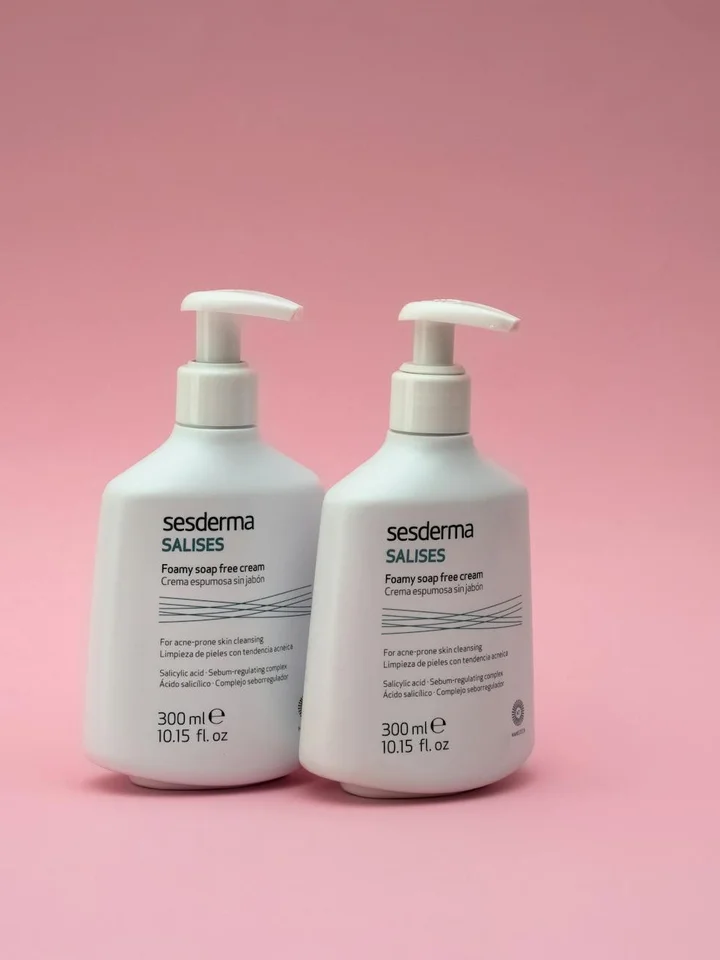
Here’s the part that often surprises people. In the United States, the term “non-comedogenic” is what’s called a cosmetic claim. The FDA, which oversees these labels, does not have a formal, standardized test that companies must pass to use it.
Think of it this way: a product claiming to treat acne is making a drug claim, which requires rigorous clinical trials and FDA approval. A product claiming it won’t clog pores is making a cosmetic claim about its likely behavior on skin.
This means the responsibility for proving the claim falls to the company making the product, not a government agency. They must have data to “substantiate” or back up their claim, but they get to decide what kind of test they use.
The Role of Internal Testing and “Substantiation”
So, how do companies decide if their formula is non-comedogenic? Many use a method called the Rabbit Ear Assay. It’s a bit old-fashioned and, as the name suggests, was originally tested on rabbit ears. Today, most ethical brands use reconstructed human skin models or carefully monitored human trials instead.
In these tests, a concentrated amount of the ingredient or final product is applied to skin for several weeks. Researchers then look for the formation of microcomedones (those tiny beginning clogs we talked about). If very few or none form compared to a control area, the company can substantiate its non-comedogenic claim.
The catch is that the standards for “passing” this test are not universal. One company might deem a 10% clogging rate as a pass, while another holds a stricter 5% standard. You, the consumer, rarely get to see that data sheet. This is why I tell clients like Maya to view the term as a helpful clue, not an absolute guarantee for their unique skin.
Third-Party Certifications: A Step Toward Verification
How can you find products with more verified claims? Look for seals or certifications from independent third-party organizations.
For example, some products carry a certification from the Comedogenicity Certification Program. To earn this, a product’s formulation is reviewed by a board of dermatologists and pharmacologists who analyze every ingredient against published comedogenicity research. It’s a more holistic review than a single test.
Seeing a trusted third-party seal is a stronger signal that the formula has been vetted for pore-clogging potential. It doesn’t mean it will work for everyone, but it adds a meaningful layer of scrutiny. For my cautious clients like Noah, who have reactive skin, I often suggest starting with products that have this extra verification.
Building a Safe Routine: What to Look For (And What to Be Cautious Of)
Knowing the definition of a term is one thing. Using that knowledge to choose your products is another. Let’s translate theory into practice.
Look for These
When you’re scanning a label or a product description, certain keywords and ingredient types are good signals for clog-prone skin.
For someone like Maya (oily, acne-prone), I recommend starting with gel or water-based textures. These feel light, absorb quickly, and provide hydration without the weight of oils or heavy butters. Think of a gel moisturizer as a splash of cool water for your skin, not a thick blanket.
Focus on these non-comedogenic hero ingredients that are known for playing well with pores:
- Squalane: A weightless, plant-derived oil that mimics your skin’s own moisture. It hydrates without a greasy feel, making it a star for both oily and dry types.
- Niacinamide (Vitamin B3): This multitasker helps regulate oil production, calms redness, and strengthens the skin barrier. It’s a foundational ingredient for many of my clients.
- Certain Silicones (like Dimethicone): I know silicones get a bad rap. But in lightweight formulas, they create a smooth, breathable barrier that locks in hydration and doesn’t sink into pores. They’re often the reason a primer or serum feels so silky.
- Hyaluronic Acid: A hydration magnet that can hold many times its weight in water. It plumps skin from the surface layers, which is where clogged pores often start.
Be Cautious With These
“Non-comedogenic” isn’t a guarantee. Some ingredients, while fantastic for other skin types, are more likely to cause issues for those prone to clogs, especially when they are comedogenic ingredients that clog pores.
Heavy oils and butters are the most common culprits I see in clients who suddenly develop congestion. This doesn’t mean they are “bad” ingredients. They are deeply nourishing for very dry, mature, or compromised skin. But for oily or acne-prone skin, they can be too much.
Be mindful of these in your moisturizers, sunscreens, and makeup:
- Coconut Oil: Highly comedogenic for most. It’s wonderful on the body but a frequent pore-clogger on the face.
- Lanolin: A rich emollient derived from sheep’s wool. It’s fantastic for healing very dry patches but can be problematic for facial acne.
- Cocoa Butter & Shea Butter: These are thick, occlusive butters. They form a strong protective seal, which is perfect for barrier repair in someone like Noah (dry, reactive), but may trap too much for oilier skin types.
- Isopropyl Myristate/Palmitate: These are synthetic esters used to make textures feel light and non-greasy. Ironically, they are often moderately comedogenic and can sneak into products marketed as “oil-free.”
Texture is a huge clue. A rich, balmy cream in a jar is designed for dry skin. A fluid lotion or clear gel is formulated for lightweight hydration. Match the texture to your skin’s need for moisture without excess oil.
Always patch test a new product for a week on a small area of your jawline or cheek. A product can be non-comedogenic on paper but still not agree with your unique skin. If you notice clogged pores or irritation during the test, that may signal a comedogenic reaction. A patch test helps you screen for these reactions before using the product more broadly.
Your Personal Pore-Check: How to Test Any Product at Home
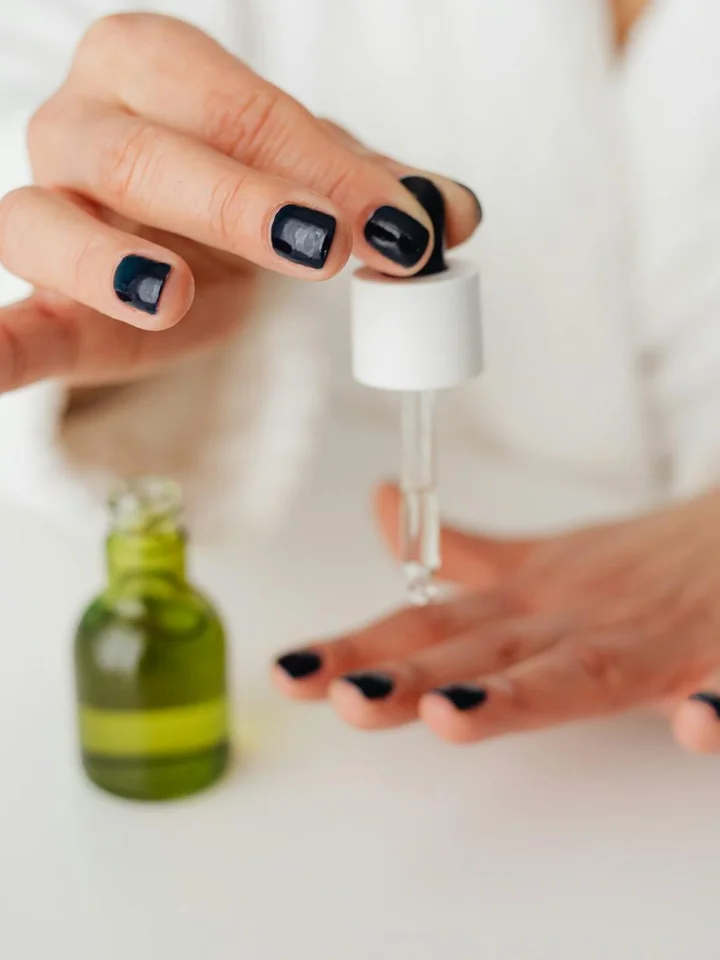
You can read every label, but your skin gets the final vote. A product can pass all the lab tests and still decide to throw a tiny, clogged pore party on your chin. That’s why your own at-home patch test is the most valuable tool you have.
Think of it as a two-week audition for the product before you give it a starring role in your routine.
The Two-Week Patch Test Protocol
Follow these steps for any new cream, serum, or lotion. Consistency is key.
- Night One: Wash and dry the test area. Apply a small pea-sized amount of the new product.
- Week One: Apply the product to the same spot every night for seven nights. Do not apply it to your full face.
- Week Two: If your skin seems happy after week one, you can start applying it every morning and night for the second week.
- The Watchful Period: Keep a simple note on your phone. Jot down what you see and feel each day.
This slow introduction gives your skin time to reveal its true reaction, not just a first-impression flare.
Where to Apply Your Test
Location matters. You need a spot that’s sensitive like your face, but not front and center.
- Behind Your Ear: This skin is delicate and often reacts to pore-cloggers quickly.
- The Side of Your Jaw: Just below your ear and along the jawbone. This area is prone to congestion for many people, making it a great real-world test site.
Avoid testing on your inner forearm. That skin is very different from your facial skin and won’t give you a reliable result for pore-clogging.
What You’re Actually Looking For
Redness or stinging is a sign of irritation or allergy, and it’s a clear “stop” sign. But for clogged pores, you need to be a detective.
You’re searching for comedones-those tiny, flesh-colored bumps that feel like sandpaper. They might not be red or angry. They’re just… there. A client of mine, Noah, once described them as “a subtle traffic jam under the skin.” That’s exactly it.
Run your fingertips gently over the test area. Is it perfectly smooth, or do you feel new, grain-like bumps? A mirror and good lighting are your best friends here. Irritation often fades quickly; a new cluster of micro-clogs means the product formula is likely too rich or occlusive for your unique pore biology.
Spotting these tiny clogs is how you catch a “non-comedogenic” product that doesn’t work for you before it causes a full breakout.
You Are the Final Judge
Science gives us the definition, but biology makes it personal. Your hormones, your skin microbiome, your lifestyle-they all influence how your pores react.
A moisturizer that is a holy grail for my client Maya’s oily skin might be too much for Lina’s combination cheeks. The “non-comedogenic” claim is a helpful starting filter, but it is not an absolute guarantee for your individual skin.
You are the final judge of what is non-comedogenic for you. Trust the data your own skin gives you. If a product clogs your test area after two weeks, it doesn’t matter what the label says. For your routine, that product is comedogenic. Listen to that, and choose something else. Your clear skin will thank you for the extra detective work.
Beyond the Label: Your Complete Strategy for Clear, Unclogged Skin
Finding a product labeled non-comedogenic is a great first step, but it’s only one piece of your skin’s puzzle. Think of it like finding a breathable fabric for a workout shirt—it helps, but you still need to wash it and care for it properly. Pairing that with non-comedogenic skin creams can moisturize without clogging pores and support longer-term balance. We’ll cover how to choose one in the next steps.
A non-comedogenic moisturizer is a supportive teammate, not a solo player that can make up for skipped cleansing or harsh routines. Your overall habits determine the health of your pores.
The Pillars of a Pore-Friendly Routine
Clear skin is built on consistent, gentle practices. Here’s how to support your non-comedogenic products:
- Gentle Cleansing: This is non-negotiable. You need to remove sunscreen, pollutants, and excess oil without stripping your barrier. I remind my client Noah that for his dry, reactive skin, a creamy, fragrance-free cleanser is perfect. For someone like Maya with oily skin, a gentle foaming or gel cleanser works well. Cleansing twice daily is the foundation.
- Consistent, Smart Exfoliation: This helps keep pore openings clear of dead skin cell buildup. The key is matching the exfoliant to your skin type. Chemical exfoliants (like AHAs or BHAs) are often more predictable and gentle than physical scrubs. Lina, with her combination skin, uses a salicylic acid (BHA) serum on her T-zone twice a week and a mild lactic acid (AHA) on her cheeks once a week. This targeted approach prevents irritation.
- Daily Sunscreen: Sun damage thickens skin and can impair pore function over time. A lightweight, non-comedogenic mineral or hybrid sunscreen is a final, protective layer that keeps everything working smoothly.
Your Skin Is Your Unique Blueprint
The most important lesson from my treatment room is that skin is deeply personal. An ingredient that is perfectly fine for one person can be a trigger for another, regardless of comedogenic ratings. Scientific models give us a general map, but you are the expert on your own terrain.
I once had two clients with similar oily skin types try the same “non-comedogenic” oil. For Maya, it was a dream hydrator. For another client, it led to small bumps along the jawline within days. This doesn’t mean the label was false; it means her individual skin chemistry reacted differently. Observation is your most powerful tool.
Building Your Product Confidence
Feeling confident in your choices comes from a simple, safe process. You don’t need to guess.
- Introduce one new product at a time. Wait at least two weeks before adding another. This way, you know exactly what is working or causing a reaction.
- Always, always patch test. Apply a small amount of the product behind your ear or on the side of your neck for three to five nights. If you see no redness or new bumps, it’s likely safe to try on your face.
- Listen to your skin’s signals, not just the marketing. A little purging (a minor increase in breakouts that clears quickly) can happen with actives like retinoids. But persistent, angry bumps or itching are a sign to stop and reassess.
Start with the non-comedogenic label as a helpful filter, then let your own experience be the final guide. Your clear-skin routine is a personal experiment in what makes your face feel balanced, healthy, and comfortable.
Your Non-Comedogenic Questions, Answered
Is “non-comedogenic” the same as “oil-free”?
No, they are different claims. “Oil-free” means the formula contains no traditional oils, while “non-comedogenic” means it’s tested to not clog pores-some non-comedogenic products contain lightweight, non-clogging oils like squalane.
Can a non-comedogenic product still cause breakouts?
Yes, it’s possible. A non-comedogenic product is formulated not to clog pores, but you could experience breakouts from irritation, an allergy to an ingredient, or a purging reaction from an active like a retinoid.
What’s the safest way to try a new “non-comedogenic” product?
Always conduct a two-week patch test on your jawline. This allows your unique skin to be the final judge, confirming the claim works for you before applying it to your entire face.
Your Skin, Your Final Say on Non-Comedogenic Claims
The core takeaway is this: ‘non-comedogenic’ is a useful clue from brands, but it is not an ironclad promise for your unique skin. Your personal experience and a careful patch test are the only real ways to know if a product will clog your pores.
- Perform a patch test on a small area like your jawline for 5-7 days before applying a new product to your entire face.
- Read ingredient lists actively, looking for known comedogenic ingredients like coconut oil or cocoa butter if you are prone to congestion.
- Simplify your routine to a gentle cleanser, a non-comedogenic moisturizer, and sunscreen to establish a clear baseline.
- Observe how your skin feels over time; increased blackheads or small bumps are your skin’s direct feedback.
- Prioritize brands that align with your values, offering cruelty-free testing and clear, sustainable sourcing.
I’m dedicated to providing clear, evidence-based guidance you can trust. If you have more questions about your products or routine, I welcome you to explore the other articles here on LuciDerma. Consider this your ongoing resource for compassionate, clinical advice that puts your skin’s health and your ethics first.
Lucy Zimmerman
Lucy is an expert author and blogger when it comes to skin care and body care. She has first hand expertise acting as skin care consultant for over 5+ years helping her clients achieve smooth blemish free skin with natural and working remedies. She also has been an avid experimenter and tried out all the natural and artificial remedies and treatments so you can learn from her first hand experience. Additionally, she has traveled to many countries around the world and incorporated the skin care routines she has learnt into this blog. So, wait no more, reach out to Lucy if you have any specific needs and follow her blog, LuciDerma for expert skin care advice.