
Is Maybelline Makeup Non-Comedogenic? Your Guide to Pore-Clogging Ingredients
If you’re worried your favorite Maybelline concealer could be clogging your pores and causing breakouts, I understand completely. I help clients like Maya decode their makeup labels all the time.
By the end of this article, you will know exactly how to protect your skin:
- What “non-comedogenic” really means on a makeup label and why it’s not a guarantee.
- How to spot the specific pore-clogging ingredients that might hide in Maybelline formulas.
- My esthetician-approved method for testing any new product safely on your unique skin.
With a few key insights, you can wear makeup confidently and keep your skin clear.
What “Non-Comedogenic” Really Means (And Why the Label Isn’t a Guarantee)
Let’s start with the word itself. “Comedo” is just a dermatologist’s term for a clogged pore. Think of a blackhead or a whitehead. So, a product labeled “non-comedogenic” aims not to create those clogs.
Picture your pores as tiny tunnels. Sebum (your skin’s natural oil) and skin cells need to travel through them to reach the surface. Comedogenic ingredients act like thick, sticky traffic in those tunnels, causing a jam that becomes a clog. A non-comedogenic formula is designed to be lighter traffic, flowing through without creating a blockage. Similarly, non-comedogenic face primers are crafted to sit on the skin and move with those pores without adding clutter. They prep the surface for makeup while keeping pores open and breathable.
Here’s the part you need to know: “Non-comedogenic” is not a strictly regulated term. There’s no government agency that tests every product before the claim goes on the bottle. A company can base the claim on its own internal testing or ingredient lists. This means the label is a good starting point, but it’s not an ironclad promise for your unique skin.
So, what does non-comedogenic mean? It’s a manufacturer’s assertion that their product is formulated to be less likely to clog pores. It’s a helpful signpost, especially if you’re acne-prone like my client Maya, but it’s not the only factor to consider. To be precise, the non comedogenic meaning definition describes formulations designed not to clog pores. With that in mind, understanding this definition helps you compare brands more confidently.
How Makeup Ingredients Can Clog Your Pores: A Simple Chemistry Lesson
Makeup stays on your skin through a mix of ingredients that provide coverage, texture, and wear. Some of these ingredients are more occlusive, meaning they create a barrier. For skin that already produces a lot of oil or sheds cells unevenly, that barrier can trap everything underneath.
It’s not that these ingredients are “bad.” Rich emollients like cocoa butter are fantastic for very dry, non-reactive skin like Noah’s. The issue is fit: an ingredient that’s too occlusive for acne-prone skin can seal in debris and oil, leading to a clog.
Everyone’s skin chemistry is different. An ingredient that causes a problem for Maya (oily, acne-prone) might be perfectly fine for Lina (combination, sensitive) or essential for Noah (dry, reactive). This is why patch testing a new product on a small area of your cheek or jawline is always a smart move.
What are pore-clogging ingredients in makeup? While reactions are personal, some common culprits identified in clinical studies include:
- Isopropyl Myristate & Isopropyl Palmitate: Lightweight emollients that can feel silky but are frequent cloggers for many.
- Coconut Oil & Cocoa Butter: Heavy, rich oils and butters that are highly occlusive.
- Some Algae Extracts: Can be comedogenic for some skin types.
- Lanolin: A wax derived from sheep’s wool that is nourishing but potentially clogging.
- Certain Silicones (like Dimethicone): This is a big “it depends.” Lightweight dimethicone is often well-tolerated, but thicker forms or formulas layered under other heavy products can contribute to clogging for some people.
Look at the entire formula, not just one ingredient. A well-balanced makeup product with a potential clogger low on the list may be fine, while a skincare product loaded with it could cause issues.
Does Maybelline Test Its Makeup to Be Non-Comedogenic?
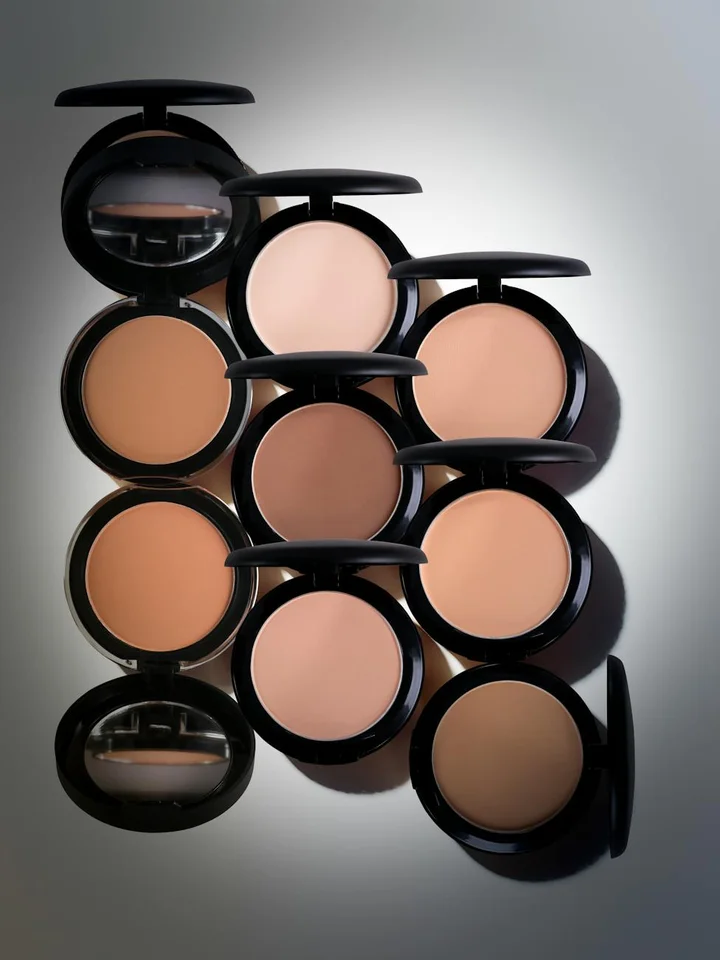
This is the big question, and the answer requires some unpacking. Maybelline does not make a universal, brand-wide claim that all its products are non-comedogenic. You will find the term on some specific products, but not on others. Brands typically assess non-comedogenic formulations through testing and ingredient evaluation. This helps explain why some products carry the label while others do not.
When a product is labeled non-comedogenic, it means the company has conducted tests—often using historical methods like the Rabbit Ear Assay—to determine it didn’t cause comedones (clogged pores) in that specific test. It’s vital to understand that ‘non-comedogenic’ is not a regulated, guaranteed standard, and your unique skin chemistry is the ultimate test. Sometimes, ingredients rated as non-comedogenic can still cause breakouts in sensitive individuals.
The older Rabbit Ear Assay, while informative, is not considered ethical by today’s cruelty-free standards and doesn’t perfectly mimic human facial skin. More modern methods use lab-grown skin models or carefully monitored human trials. Maybelline does not typically publish the detailed methodology or full results of these tests for consumers.
What this means for you is that a label is a starting point, not a promise. Real-world wear, your skin type, how you remove the makeup, and your overall routine play massive roles. A foundation that is non-comedogenic for my client Noah might still feel heavy on Maya’s oilier skin. Your lived experience with a product matters most.
The Maybelline Molecule Spec Sheet: Breaking Down Key Products
Let’s get practical and look at some of the most popular products. This table breaks down key details to help you make an informed choice based on ingredient profiles and textures.
| Product Name | Key Ingredient Notes | Texture & Finish | Best For Skin Type | Watch-Out Ingredient |
|---|---|---|---|---|
| Maybelline Fit Me Matte + Poreless | This is not labeled non-comedogenic. It’s designed to control oil with silica and clays. While it contains dimethicone (a silicone), which is generally considered safe and low-risk for clogging, the matte formula can be drying. | Liquid, sets to a flat matte finish. | Oily, combination skin. Can be too drying for normal or dry skin types. | Some may find the alcohol denat. drying, which can lead to rebound oil production and irritation for sensitive skin. |
| Instant Age Rewind Concealer | A fan-favorite that is also not labeled non-comedogenic. Its key feature is a creamy, buildable coverage. It uses isododecane, a lightweight solvent that evaporates, and nylon-12, a powder for texture. | Creamy, blendable with a natural satin finish. | Most skin types seeking under-eye or spot coverage. The sponge applicator tip requires regular cleaning to avoid bacterial buildup. | The question is maybelline age rewind non comedogenic comes up often. While it’s generally well-tolerated, watch for the isopropyl myristate-a known comedogenic ingredient for some-further down its list. |
| Dream Fresh BB Cream | This multitasker is labeled non-comedogenic. It’s a very sheer, hydrating formula with SPF 30. It relies heavily on silicones like dimethicone for a smooth feel and contains glycerin for moisture. | Very lightweight, dewy, skin-like finish. | Dry, normal, or sensitive skin wanting minimal coverage and hydration. Often too light for oily skin. | If you’re asking is maybelline bb cream non comedogenic, the label says yes. For ultra-sensitive skins, the chemical sunscreen filters (like homosalate) could be a potential irritant. |
| Super Stay 4-in-1 Perfector | This product is a primer, foundation, concealer, and powder in one. It is not marketed as non-comedogenic. It has a high concentration of silicones for pore-blurring and a long-wear, transfer-resistant finish. | Mousse-like, sets to a full-coverage powder finish. | Those seeking full, long-lasting coverage. Can feel heavy or congesting on oily or acne-prone skin if not removed thoroughly. | The dense, water-resistant formula is the main note for is maybelline 4 in 1 non comedogenic queries. It requires a dedicated double-cleansing routine with an oil or balm first to prevent residue from clogging pores. |
Reading this table, you might notice a pattern. Texture and your removal routine are just as critical as the ingredient list when preventing clogs. A lightweight BB cream labeled non-comedogenic can still cause issues if you sleep in it. A heavier foundation might be fine if you cleanse it away meticulously every single night. Listen to your skin-it gives you the final report.
How to Be Your Own Detective: Is Your Maybelline Product Comedogenic?
Seeing “non-comedogenic” on a label is helpful, but it’s not the whole story. To reliably identify non-comedogenic makeup and skincare, look beyond the label. A quick check of ingredients and user experiences can guide your choices. Since the term isn’t strictly regulated, it’s best to do a little investigating yourself. Here’s a step-by-step guide you can use for any makeup or skincare product.
Step 1: Check the Label, Then Look Past It
Take “non-comedogenic” as a positive hint from the brand, not a scientific fact. Think of it as the product promising, “I’m designed not to clog pores.” It’s a good first filter, but your investigation is just beginning. Even when using non-comedogenic branded moisturizers, you should always check how they perform with your skin type.
Step 2: Become an Ingredient Sleuth
This is the most powerful step. Find the full ingredient list (INCI list) on the packaging or the brand’s website. Ingredients are listed in order of concentration, so focus on the first ten.
Grab a reliable comedogenic ingredient list to cross-reference. We publish and maintain one here on LuciDerma you can use, especially to identify ingredients that clog pores. Look for common pore-cloggers like certain heavy oils, waxes, or esters.
For example, coconut oil is highly comedogenic for many, so if it’s in the first five ingredients of a foundation, that’s a red flag for acne-prone skin like Maya’s. Remember, an ingredient’s potential to clog depends on its concentration and how your unique skin reacts.
Step 3: The Ultimate Test: The Patch Trial
Your skin gets the final say. You need to conduct a controlled patch test.
- Choose your testing ground: Apply a pea-sized amount of the product to a small, discreet area. The side of your jaw near your ear is perfect-it’s facial skin but easy to hide.
- Set your timeline: Apply the product to that same spot for 5 to 7 nights in a row. Do this as the last step in your evening routine.
- Control your variables: Do not introduce any other new products during this test. Keep the rest of your skincare routine simple and familiar.
Step 4: Observe Like a Clinician
After the testing period, look closely. Use good lighting and gently feel the area.
Are there new, tiny flesh-colored bumps (comedones) you can see or feel? That’s your skin telling you the product is likely clogging your pores. General redness or a one-off pimple might be a reaction to something else, but a cluster of new small bumps is the classic sign.
The result of your patch test is more reliable than any marketing claim on the bottle. If you get bumps, that product is comedogenic for you, regardless of its label.
Contraindications & Safety Warnings: When to Press Pause
Being a smart skincare detective also means knowing when not to experiment. Your skin’s health and safety always come first.
Do not trial new makeup, even if it’s labeled non-comedogenic, if your skin barrier is compromised or severely inflamed. This includes periods with actively inflamed cystic acne, broken skin from picking, or a major barrier repair crisis like you might experience after over-exfoliation.
Think of it like this: if your skin is screaming with a major issue, adding any new variable, even a gentle one, can make it harder to diagnose the root cause and can worsen irritation. It’s like trying to listen to a quiet song in the middle of a thunderstorm.
For my clients with extreme sensitivity or diagnosed conditions like rosacea (I’m thinking of someone cautious like Noah), I always recommend consulting a dermatologist before changing your base makeup. They can provide guidance tailored to your skin’s specific needs and triggers.
Finally, lock this in mind: “Non-comedogenic” is a helpful descriptor, but it is not a universal guarantee of safety for every single skin scenario. Your personal reaction, guided by smart testing and timing, is the most important data point you have.
Building a Clog-Free Routine: Maybelline Picks for Acne-Prone and Sensitive Skin
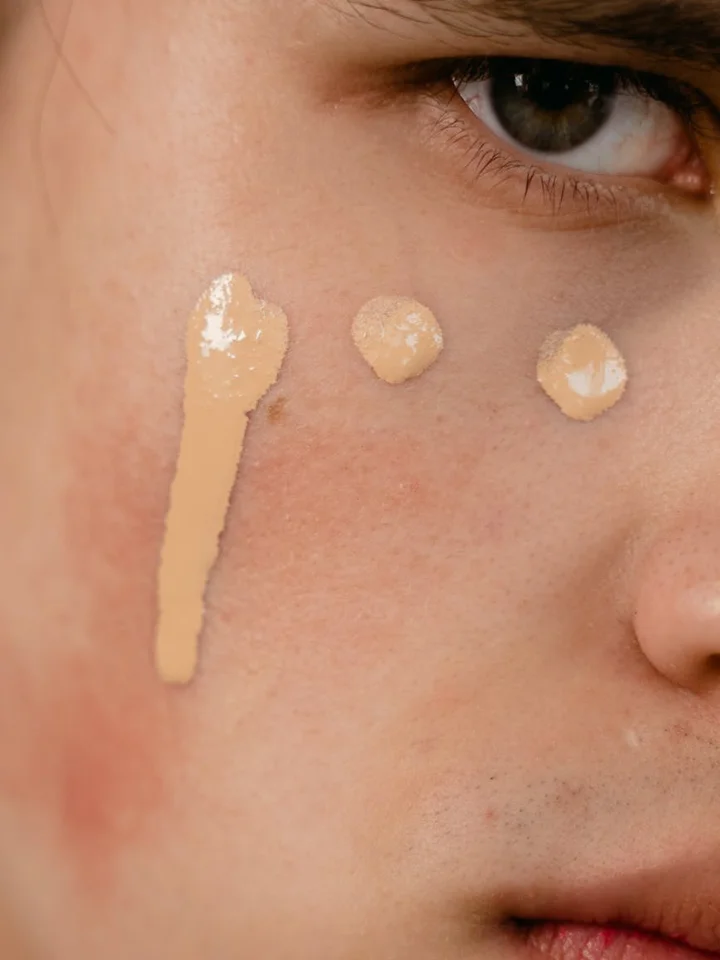
Let’s get practical. You’re standing at the drugstore aisle, looking at a wall of Maybelline. Which tube won’t sabotage your clear-skin goals? The good news is, many of their best-sellers are formulated to be skin-friendly.
FAQs: Finding Your Formula
“Which Maybelline products are best for acne-prone skin?” Look for the words “matte,” “poreless,” “non-comedogenic,” and “oil-free” on the label. These formulas are designed with lighter textures that aim to avoid adding extra oil or heavy emollients to skin that’s already prone to congestion.
“Are there specific Maybelline concealers for sensitive skin?” The key here is to skip fragrance. Fragrance is a common, unnecessary irritant that can trigger redness and reactivity. Opt for fragrance-free options and avoid anything labeled “scented” or with botanical extracts high on the list if your skin is like my client Noah’s-quick to protest.
Product Picks: A Skin-Tailored Guide
Based on formulations and textures, here are a few reliable starting points:
- For Oily & Acne-Prone Skin (like Maya’s): The Fit Me Matte + Poreless Foundation is a standout. It’s oil-free and designed to control shine and blur the look of pores without a heavy, mask-like feel. It uses absorbent powders like silica to manage oil.
- For Dry or Sensitive Skin (like Noah’s): The Dream Fresh BB Cream offers a sheer, hydrating tint. It’s a much lighter alternative to foundation and contains glycerin for moisture. While not all shades are fragrance-free, check the box for the “FRAGRANCE-FREE” notation.
- For Concealing Without Clogging: The Instant Age Rewind Eraser Concealer has a cult following for a reason. Its sponge-tip applicator allows for precise, light application, and the formula blends smoothly without feeling thick or greasy. For the most sensitive skin, their Fit Me Concealer offers a good, fragrance-free option.
Always patch test a new product on a small area of your jawline for a few days before applying it to your entire face. A formula can be non-comedogenic in general but still not agree with your unique skin.
A Simple, Skin-Friendly Makeup Routine
Less is more when you’re managing breakouts or sensitivity. Here’s a minimalist routine I’ve seen work well:
For my client Maya (oily, acne-prone), a simple routine keeps her skin clear and covered. She starts with a pea-sized amount of the Fit Me Matte + Poreless Primer just in her T-zone. Then, she applies a light layer of the Dream Fresh BB Cream with her fingers for even coverage. For any active blemishes or dark spots, she uses the Age Rewind Concealer to dab and blend only on the spot itself-not the surrounding skin. This “spot-concealing” approach avoids layering product on areas that don’t need it, minimizing the chance of congestion.
The Non-Negotiable Step: Perfect Removal
The most non-comedogenic makeup in the world can clog a pore if it’s left on overnight. Your makeup is only as safe as your removal routine. I recommend a double-cleanse in the evening: start with a gentle, fragrance-free cleansing balm or oil to melt away makeup and sunscreen, then follow with a water-based cleanser to wash away any residue.
Think of it like washing a greasy pan-you need to break down the oil first before you can get it truly clean. This two-step process ensures your pores are clear for your evening skincare treatments and helps maintain a healthy skin barrier, which is your best defense against sensitivity and breakouts.
Your Top Questions on Maybelline & Non-Comedogenic Makeup
Is Maybelline concealer non-comedogenic?
Some, like the Dream Fresh BB Cream, are labeled non-comedogenic, but most concealers, including the popular Instant Age Rewind, are not. Always check the specific product’s ingredient list and label, as formulations vary.
How can I tell if a Maybelline product is truly non-comedogenic for me?
First, look for the “non-comedogenic” or “oil-free” claim on the label as a positive indicator. Then, cross-reference the first ten ingredients with a reliable comedogenic list and conduct a patch test-your skin’s reaction is the final, most important result.
Which Maybelline products are generally best for acne-prone skin?
Start by seeking out formulas labeled “oil-free,” “matte,” and explicitly “non-comedogenic,” like the Dream Fresh BB Cream. The product table in our guide highlights textures and ingredients to help you match a formula to your skin type.
Making Peace with Your Makeup Bag
Finding makeup that works for your skin is less about hunting for a magic “non-comedogenic” stamp and more about becoming a savvy ingredient detective. Your skin’s reaction is the most honest review you’ll ever get, so trust it above any marketing claim.
- Always patch test a new concealer on your jawline for at least five days before applying it all over.
- Prioritize products labeled oil-free and fragrance-free, especially if your skin is like Noah’s and leans reactive.
- Commit to a double cleanse at night to gently but thoroughly remove every trace of makeup.
- When evaluating ingredients, be extra mindful of heavy silicones and certain emollients if you’re acne-prone.
I’m always writing with your real skin questions in mind. If you’re puzzling over a product ingredient or want to share what worked for you, I read every comment. Your experiences, like Lina’s careful observations about her T-zone, help build a community of smarter, clearer-skinned people.
Lucy Zimmerman
Lucy is an expert author and blogger when it comes to skin care and body care. She has first hand expertise acting as skin care consultant for over 5+ years helping her clients achieve smooth blemish free skin with natural and working remedies. She also has been an avid experimenter and tried out all the natural and artificial remedies and treatments so you can learn from her first hand experience. Additionally, she has traveled to many countries around the world and incorporated the skin care routines she has learnt into this blog. So, wait no more, reach out to Lucy if you have any specific needs and follow her blog, LuciDerma for expert skin care advice.