
Your Guide to Branded Moisturizers That Hydrate Without Clogging Pores
If you’re worried your moisturizer might be causing breakouts, I see you-clients like Maya come to me with this exact concern, and it’s a valid one to have.
In this article, I’ll help you cut through the marketing noise so you can choose with confidence. You will be empowered to:
- Decode what “non-comedogenic” actually means for your skin.
- Spot common pore-clogging ingredients hiding in moisturizers.
- Select from trusted, ethical brands that align with your skin’s needs.
Let’s find a moisturizer that truly cares for your skin as much as you do.
What Does “Non-Comedogenic” Really Mean for Your Skin?
Picture a pore like a tiny tunnel. A comedone is what happens when that tunnel gets jammed. Dead skin cells and sebum, your skin’s natural oil, form a plug. If the plug is open to the air, it oxidizes and turns dark, forming a blackhead. If it’s covered by a thin layer of skin, it stays a whitehead. Both are forms of acne, and both start with a clog.
Brands use the term “non-comedogenic” to suggest their product won’t cause these clogs. Here’s what you need to know: it’s not a regulated, standardized term. There’s no governing body that tests every product and certifies this claim. A company can put it on a label based on their own internal testing or simply because they formulated it without certain ingredients known to be problematic. Brands often assess non-comedogenic formulations by testing how ingredients interact with pores and oil in real-world use. This ongoing evaluation helps explain why such claims can vary between brands.
This is why my client Maya gets so frustrated. Her oily, acne-prone skin acts like a magnet for pore-cloggers. She’ll buy a moisturizer with “non-comedogenic” splashed across the front, only to find a new crop of bumps along her jawline a week later. For skin like hers, a single heavy wax or a certain type of oil in the formula is all it takes to start that traffic jam inside the pore.
The only way to know if a moisturizer will work for you is to become a label detective and learn to read the ingredient list, not just the marketing promises.
How to Research Any Moisturizer Yourself: The 5-Minute Label Check
You don’t need a chemistry degree. You just need a method. Follow these steps every time you consider a new product.
- Find the INCI list. INCI (International Nomenclature of Cosmetic Ingredients) is the standardized ingredient list, usually on the box or the bottom of the container. Ingredients are listed in order of concentration, from highest to lowest.
- Scan the first five ingredients. These make up the bulk of the formula. If you see heavily occlusive ingredients like petroleum jelly, mineral oil, or certain heavy plant butters (like cocoa butter) here, it might be a risk for congestion if your skin is prone to it.
- Look for known comedogenic culprits. Some ingredients have a reputation for being pore-clogging for many people. Common ones include coconut oil (highly comedogenic for many), algae extract, and some forms of lanolin. This doesn’t mean they are bad for everyone-my client Noah with very dry skin handles some of them well-but they are red flags for acne-prone types.
- Search for “acne-friendly” heroes. Now, look for ingredients known to be non-comedogenic and beneficial. Hyaluronic acid, squalane (derived from sugarcane or olive), niacinamide, and glycerin are excellent, lightweight hydrators that typically play nice with pores.
To make this easier, use a free online ingredient analyzer. I frequently use CosDNA or INCIDecoder. You can copy and paste the entire INCI list into their search bar. These sites will break down each ingredient and often provide a “comedogenicity” rating on a scale, usually from 0 to 5. Focus on ingredients rated 3 or higher, as these are considered moderate to high risk for clogging pores.
Let’s apply this to those common searches. If you type “is Bubble Slam Dunk moisturizer non-comedogenic” or “are Kiehl’s products non-comedogenic,” you’ll get opinions. Your job is to find the specific product’s ingredient list and run it through the steps above. A brand isn’t universally non-comedogenic; each formula is different. A Kiehl’s cream with avocado oil might be risky for Maya, while their Ultra Facial Oil-Free Gel Cream could be perfect.
So, how can you tell if a moisturizer is truly non-comedogenic? The honest answer is you can’t be 100% sure until you patch test it on your own skin. For acne-prone skin, non-comedogenic moisturizers that hydrate without clogging pores are a common choice. A truly non-comedogenic product for you is one that delivers hydration without causing new clogs or breakouts, and you confirm that through careful, personal testing. Science gives us the clues, but your skin has the final say.
Ingredients That Commonly Clog Pores: A Friendly Red Flag List
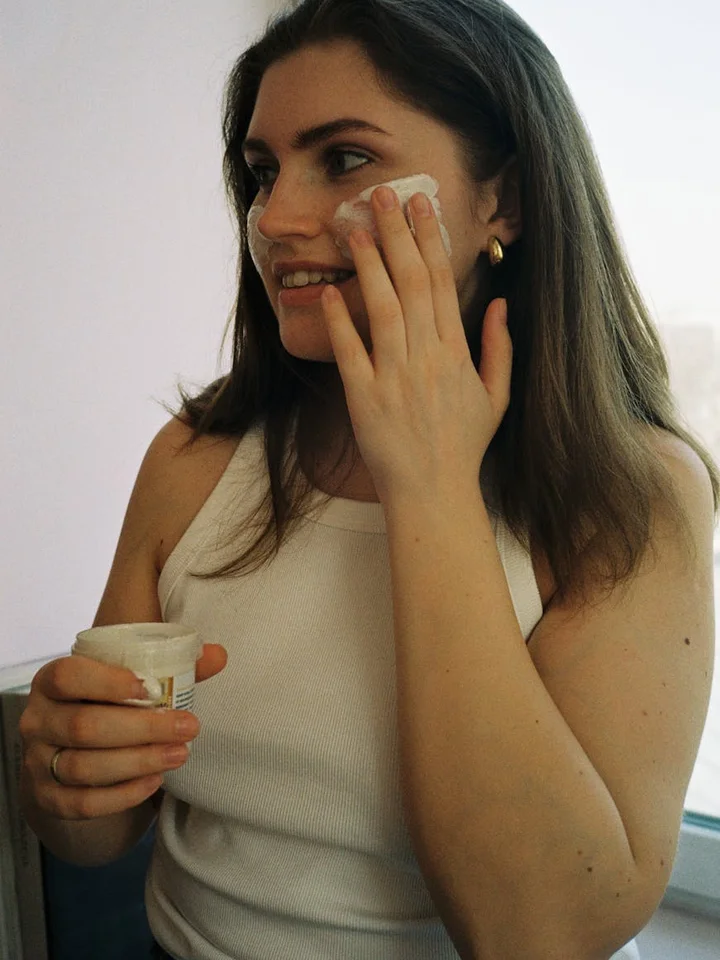
Think of your pores as tiny doorways. Some ingredients are like oversized furniture they just can’t get through, while others are sticky and gummy, gluing dead skin cells together to form a plug. These are the common culprits.
Heavy oils and butters with large molecules are frequent offenders because they sit on top of the skin and can easily block those pore doorways.
- Coconut Oil: Highly comedogenic for many. Its fatty acid structure is great for body skin but often too occlusive for facial pores, especially if you’re prone to congestion.
- Cocoa Butter: A rich emollient that’s fantastic for very dry body skin but is known to be pore-clogging on the face for a lot of people.
- Certain Waxes: Like beeswax or carnauba. They create a protective seal, which is wonderful in lip balms, but that same sealing action can trap debris in facial pores.
- Heavy Esters: Ingredients like isopropyl myristate or ethylhexyl palmitate. These synthetic emollients give a smooth, silky feel but have a reputation for clogging pores due to their occlusive nature.
You don’t have to give up moisture. Swap those heavy players for lighter, skin-similar alternatives.
- Instead of Coconut Oil, try Squalane. Squalane is a lipid that mirrors your skin’s own sebum. It’s lightweight, hydrating, and almost never causes clogging.
- Instead of Cocoa Butter, try Shea Butter (with caution). Unrefined shea butter can be heavy. Look for highly refined shea butter, which is lighter, or better yet, opt for a product that uses shea as one component among many lighter hydrators.
- Instead of Comedogenic Esters, look for Caprylic/Capric Triglyceride. This ester, derived from coconut oil and glycerin, is generally well-tolerated and considered non-comedogenic, providing lightness and slip.
What ingredients should I look for in a non-comedogenic moisturizer?
Focus on hydrators that work with your skin’s biology, not against it. Look for these proven, lightweight team players.
Hyaluronic Acid is a superstar because it can hold 1000 times its weight in water, plumping skin without any oily residue. It’s like giving your skin a tall drink of water. Glycerin is another classic humectant that pulls moisture into the skin safely and effectively. Together with hyaluronic acid, glycerin forms a powerful duo of humectants that draw moisture in and lock it into the skin. These hyaluronic acid glycerin humectants are a staple in many hydrating formulas.
Niacinamide (Vitamin B3) is a must-consider. It helps regulate oil production, strengthens the skin barrier, and reduces redness, making it a triple threat for keeping pores clear and calm.
| pH Range | Optimal between 5.0 – 7.0. It’s stable and effective in this neutral to slightly acidic range, which matches skin’s natural pH. |
| Typical Concentration | 2% to 5%. Studies show benefits for barrier function and oil regulation at 2%. Higher concentrations (up to 10%) are used for more targeted concerns but may cause irritation for some. |
| Solubility | Water-soluble. It mixes easily into serums, toners, and light lotions, which is why it’s so common in non-greasy formulations. |
| Safety Profile | Generally very well-tolerated. A small percentage of people may experience flushing or temporary redness, especially at higher concentrations. Always patch test. |
Are Oil-Free Moisturizers Always Non-Comedogenic?
This is a huge myth I help clients untangle every week. “Oil-free” is a marketing term, not a guarantee. It just means no plant or animal-derived oils. The formula can still be loaded with synthetic waxes, silicones, or those heavy esters we talked about that are just as likely to clog pores.
An oil-free label does not automatically mean the product is safe for acne-prone or congestion-prone skin. You must look at the full ingredient list.
My client Lina learned this the hard way. She has combination, sensitive skin and bought a popular “oil-free” moisturizer. It broke her out along her jawline and cheeks within days. When we checked the ingredients, the second item was an isopropyl ester, a known pore-clogger for many. She switched to a moisturizer with squalane and niacinamide, and her skin cleared up. The takeaway? “Oil-free” can be a helpful clue, but it’s not the whole story—especially when it comes to non-comedogenic ingredients.
Are There Any Guarantees? The Truth About Brand Promises
Here’s the first thing you should know: “non-comedogenic” is not a term regulated by the FDA. Any brand can print it on a bottle. It’s like a restaurant calling a dish “gentle” it’s a description, not a guarantee backed by a standard test. This is why two people can have completely different reactions to the same “non-comedogenic” product. Regulatory bodies in some regions issue guidance on cosmetic claims, though standards and enforcement differ. In the next steps, we’ll look at what regulators say and how to evaluate non-comedogenic claims beyond marketing language.
Because there’s no official standard, the promise on the label is only as trustworthy as the brand behind it.
What Trustworthy Brands Actually Do
Responsible companies don’t just slap the label on. They build their formulas with intention. This usually involves two key practices. First, they rely on published comedogenicity ratings from ingredient libraries. These are historical studies (often on rabbit ears, which is why we advocate for modern, cruelty-free testing methods) that rank ingredients like certain oils and waxes on their pore-clogging potential. A good formulator will avoid ingredients consistently rated high.
Second, they conduct rigorous patch testing on real people with different skin types. This is where a brand’s ethics really show. My client Lina, with her combination, sensitive skin, is a perfect example of why this matters. A formula might look clean on paper, but only human skin can reveal if it causes tiny clogs or redness for someone with her sensitivity.
Look for brands that transparently discuss their testing panels or formulation philosophy, as this is a stronger signal than the buzzword alone.
Your FAQ: The Brand Breakdown
Let’s tackle those common questions directly.
“Are there any moisturizers that are guaranteed not to clog pores?”
No. I wish I could give you a magic list, but skin is too personal. A moisturizer that’s perfect for my client Maya’s oily skin might be too lightweight for Noah’s dry barrier. The only guarantee is your own skin’s response, which is why a patch test is your most powerful tool. A “guarantee” would ignore your unique genetics, environment, and other products in your routine.
“Are Cetaphil and CeraVe moisturizers non-comedogenic?”
Both brands formulate with a “less is more” approach, often avoiding common comedogenic offenders like coconut oil or heavy lanolin. They are generally well-tolerated by many. For instance, their Daily Facial Moisturizers with SPF are often a safe starting point for someone like Noah, who needs simple, effective hydration. Additionally, considering Cetaphil ingredients’ comedogenicity ratings can help you compare formulations more precisely. These ratings are often used to guide decisions, especially for acne-prone or sensitive skin.
But “generally” is the key word. They are not universally pore-proof. Some people, especially those with very reactive or fungal-acne prone skin, might find even these simple formulas problematic. Their strength is in minimalist, barrier-supporting formulas, not in an absolute no-clog promise. Always check the ingredient list against your own known triggers.
Top Formulas by Concentration: Choosing by Active, Not Just Hype
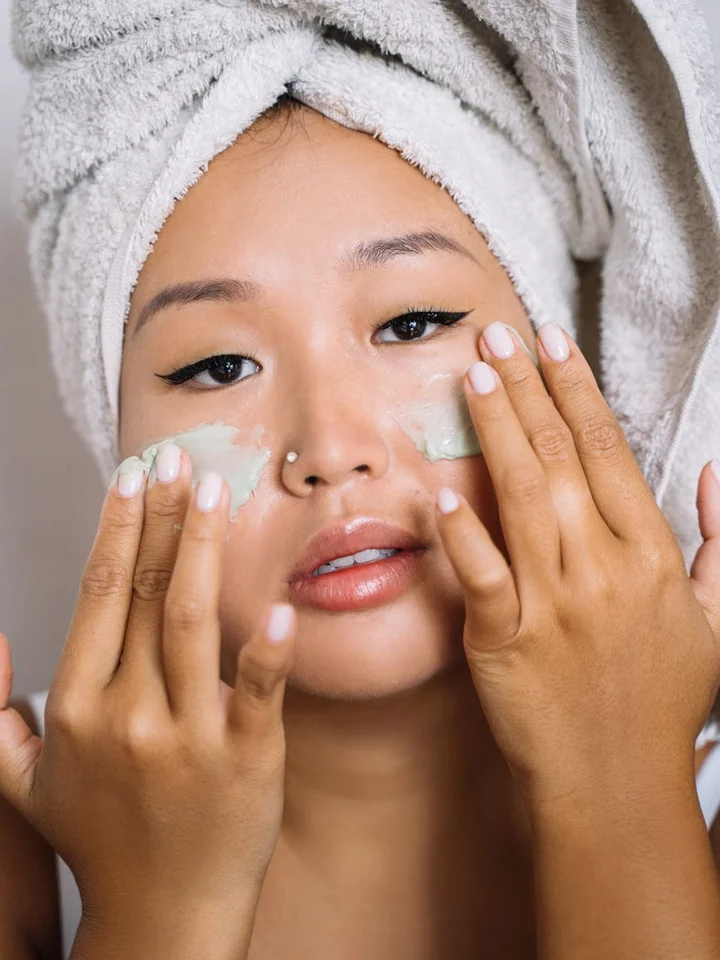
Choosing a moisturizer based on a trendy brand name can lead you astray. The real magic is in the formulation. I guide my clients to look for products built around specific, well-studied actives at effective concentrations. This approach is far more reliable than marketing claims alone.
Here is a practical guide to some standout, consistently non-comedogenic formulas organized by their key active ingredient.
| Key Active & Concentration | Texture | Best For Skin Type | Why It’s a Safe Bet |
|---|---|---|---|
| Niacinamide 4-5% | Lightweight Gel | Oily, Acne-Prone, Combination (like my client Maya) | This concentration is the gold standard for regulating oil and calming redness without irritation. Gel textures are almost always non-comedogenic and absorb quickly. |
| Ceramide-Rich Blend (with Cholesterol & Fatty Acids) | Rich Cream | Dry, Reactive, Compromised Barriers (like my client Noah) | It mimics your skin’s natural lipid barrier. A complete “cocktail” of ceramides 1, 3, and 6-II works better than a single type. These formulas are intensely reparative and typically free of common cloggers. |
| Simple Hydration (Glycerin, Hyaluronic Acid, Squalane) | Light Lotion or Gel-Cream | Sensitive, Combination, or “Normal” Skin (like my client Lina) | These humectant and emollient ingredients provide fundamental hydration without complex actives that could upset sensitive skin. They are the bedrock of a safe routine. |
Think of your moisturizer as a targeted treatment, not just a finish to your routine. A 5% niacinamide gel isn’t just moisture; it’s actively working to minimize pores and soothe your complexion. A ceramide cream is emergency repair for a flaky, tight barrier.
Texture is a major clue. If you are prone to congestion, lean towards gels, gel-creams, and fluid lotions. They use lighter emulsifiers. Richer creams can be non-comedogenic too, but they’re better suited for skin that needs that heavier occlusive layer.
Always patch test a new formula along your jawline for a few days. Even the most elegant, non-comedogenic ingredient list can contain something your unique skin decides to protest. If you’re especially concerned about pore-clogging, look for products that have been tested for comedogenicity.
Gentle Routines for Different Skin Types That Fear Clogged Pores
Finding a moisturizer you trust is one thing. Fitting it into a routine that actively works against clogged pores is another. The key is layering lightweight, non-pore-clogging products in the right order.
Skipping moisturizer can backfire, even for oily skin, because a dehydrated barrier can overproduce oil and become more prone to irritation and breakouts. Here is how I build simple, effective routines for my clients Maya, Lina, and Noah.
For Maya: Acne-Prone & Oily Skin
Maya’s skin produces plenty of oil but still needs balanced hydration. Her routine focuses on gentle cleansing, treating acne, and locking in moisture without adding heavy oils.
Her morning routine is about protection and oil control.
- Cleanser: A gentle, water-soluble foaming cleanser. This removes overnight oil without stripping.
- Treatment (Optional): A swipe of a salicylic acid or niacinamide toner on oily areas. This helps keep pores clear.
- Lightweight Moisturizer: An oil-free, gel-cream formula. It should feel like a splash of cool water, hydrating without a trace of grease.
- Sunscreen (Non-Negotiable): A mineral or chemical sunscreen labeled oil-free and non-comedogenic. This is her final morning layer.
Her evening routine focuses on treatment and repair.
- Double Cleanse: First, an oil-based balm to dissolve sunscreen and makeup. Follow immediately with her morning foaming cleanser.
- Treatment Serum: A product with salicylic acid, azelaic acid, or a gentle retinoid. She applies this to dry skin and waits a few minutes.
- Moisturizer: The same lightweight gel-cream. Applying it over her treatment serum helps soothe any potential dryness and supports her skin barrier overnight.
For Lina: Combination & Sensitive Skin
Lina has an oily T-zone but drier, sensitive cheeks. Her routine is about treating different areas with care, using light layers that won’t trigger reactivity.
Patience is your skin’s best friend when you’re managing two different zones.
Her morning routine balances and protects.
- Cleanser: A milky or cream cleanser. It cleans without disrupting her drier areas.
- Hydrating Toner: An alcohol-free toner with ingredients like glycerin or centella. This adds a first layer of hydration all over.
- Targeted Moisturizing: A light, non-comedogenic lotion on her entire face. On her drier cheeks only, she follows with a single drop of a calming plant oil like squalane.
- Sunscreen: A gentle, fragrance-free sunscreen suitable for sensitive skin.
Her evening routine is where she can address congestion without upsetting sensitivity.
- Gentle Oil Cleanse: A fragrance-free cleansing oil to melt away the day.
- Second Cleanse: Her same milky morning cleanser.
- Spot Treatment: A clay mask or a dab of salicylic acid treatment on the T-zone only, once or twice a week.
- Moisturizer: She repeats her morning moisturizing method: lotion everywhere, a drop of oil just on the cheeks.
For Noah: Dry & Reactive Skin
Noah’s skin feels tight and flares up easily. His primary goal is barrier repair with deeply hydrating but non-clogging layers. We avoid anything heavy with pore-clogging oils or butters.
For dry skin, the right moisturizer is a healing agent, not just a cosmetic step.
His morning routine is a hydration sandwich.
- Cleanser: A supremely gentle, non-foaming cream cleanser. He often rinses with lukewarm water only in the AM.
- Hydrating Serum: A serum with hyaluronic acid applied to damp skin. This pulls water into his skin.
- Barrier Moisturizer: A ceramide-rich cream that’s still formulated to be non-comedogenic. It should feel comforting, not suffocating.
- Sunscreen: A mineral sunscreen often works well for his reactivity, as it’s less likely to cause stinging.
His evening routine is a chance for intensive recovery.
- Single Cleanse: His cream cleanser is often enough to remove sunscreen. If needed, he uses a microfiber cloth with water first.
- Soothing Treatment: A serum with panthenol or centella asiatica to calm any redness.
- Moisturizer: He applies a slightly thicker layer of his barrier repair cream. On extra-dry nights, he seals it all in with a thin layer of pure petrolatum on the driest spots, which is non-comedogenic and acts as a protective shield.
Finding Your Perfect Match: A Practical Roadmap
Think of your skin as a unique puzzle. The right moisturizer is the piece that fits perfectly, without forcing it. Finding it is a process, but you can skip a lot of the guesswork with a clear plan.
Your Three-Step Action Plan
This isn’t about memorizing a thousand ingredients. It’s about building your personal filter.
- Learn Your Trigger Ingredients. Your skin’s reaction is the most honest review you’ll ever get. If a coconut oil-rich cream breaks you out, note it. My client Noah learned his dry skin hated most fatty alcohols, so we focused on ceramide and squalane-based creams instead. Your notes become your guide.
- Decode the Labels, Not Just the Claims. Look past the “non-comedogenic” banner on the front. Turn the bottle over. Scan the first five to seven ingredients, which make up the bulk of the formula. Are you seeing lightweight humectants like glycerin, hyaluronic acid, or propanediol? Or is a heavy butter or wax sitting at the top? This tells you the product’s true weight.
- Patch Test Every New Product. I treat every new moisturizer like a first date, I let my skin get to know it slowly. Apply a small amount to a discreet area like the side of your jaw or behind your ear for five to seven nights. This simple step can save you from a full-face reaction. Your skin will tell you if it’s a good match.
Answering Your Final Questions
Let’s apply these principles to the two most common questions I hear.
“Which drugstore moisturizers are non-comedogenic?”
Excellent, affordable options exist. The key is to apply our label-decoding skill. Look for gel-cream textures and ingredient lists that start with water and humectants. Many effective drugstore formulas use propanediol or caprylic/capric triglycerides as light, non-pore-clogging emollients. Brands that frequently offer these lighter bases often label them as “oil-free,” “gel,” or “for oily skin.” Refer back to the “Top Formulas” table and look for similar ingredient profiles in your local pharmacy aisle. A simple, fragrance-free glycerin and dimethicone lotion can often outperform a fancy, heavy cream for someone like Maya.
“Which luxury brands offer non-comedogenic moisturizers?”
Luxury pricing does not automatically mean non-comedogenic. You are often paying for exquisite textures, unique botanical blends, or patented complexes. The same rule applies, inspect the ingredient deck. Some luxury brands excel at creating incredibly rich-feeling creams that still use refined, low-comedogenic risk esters. Others might load a light gel with rare hydrating extracts. It comes down to the brand’s formulation philosophy. Again, cross-reference with the “Top Formulas” table, look for those key lightweight ingredient markers, and remember that a higher price tag is not a guarantee of compatibility for your particular pores.
The Kindness of Observation
Finding your perfect moisturizer is a process of kind observation, not punishment. Your skin is not being difficult, it’s communicating. Some days it might want a little more, some days a little less. Trust what you learn from it more than any marketing claim. When you approach your routine with this curiosity, you move from fighting your skin to working with it. That shift changes everything.
Your Top Non-Comedogenic Moisturizer Questions, Answered
Which drugstore moisturizers are non-comedogenic?
Effective options are plentiful when you know what to look for. Focus on finding lightweight gel or lotion textures where the first ingredients are water, glycerin, or hyaluronic acid, as these are rarely pore-clogging. Gel-cream moisturizers marketed as non-comedogenic are a common choice for lightweight hydration. They balance the refreshing feel of a gel with the richer moisture of a cream, while staying pore-friendly.
Which luxury or high-end brands offer non-comedogenic moisturizers?
A high price tag isn’t a guarantee. The same rules apply: analyze the ingredient list for lightweight bases like squalane or niacinamide, as luxury brands often excel at creating rich-feeling yet non-occlusive formulas.
How can I tell if a moisturizer is truly non-comedogenic for me?
Science provides clues, but your skin holds the final answer. Use an online ingredient analyzer to check for high-risk components, then confirm compatibility with a careful patch test behind your ear or along your jawline.
Finding Your Perfect, Pore-Friendly Match
The single most important step is to remember that “non-comedogenic” is a guideline, not a guarantee for your unique skin. Your most reliable tool is a careful patch test, observing how your own skin responds to a new formula over several days.
- Start simple: when trying a new moisturizer, apply it only to a small area like your jawline for a week before using it all over your face.
- Read with purpose: look for key terms like “oil-free” and “fragrance-free” on the label, and be wary of heavy oils like coconut oil if you’re prone to clogs.
- Texture tells a story: if you have oily or combination skin, begin your search with lightweight gels or fluid lotions before considering richer creams.
- Trust the process: give your skin at least a full month with a new product to truly assess its impact on your pores and overall comfort.
Choosing skincare is a personal journey, and I’m here to help guide you. For more advice like this, keep exploring the LuciDerma blog. If you ever have a question about a specific ingredient or your skin’s reaction, I welcome you to share it. Your experiences, like those from my client Maya who found her perfect gel cream after some trial and error, are what help build our collective knowledge for happier, healthier skin.
Lucy Zimmerman
Lucy is an expert author and blogger when it comes to skin care and body care. She has first hand expertise acting as skin care consultant for over 5+ years helping her clients achieve smooth blemish free skin with natural and working remedies. She also has been an avid experimenter and tried out all the natural and artificial remedies and treatments so you can learn from her first hand experience. Additionally, she has traveled to many countries around the world and incorporated the skin care routines she has learnt into this blog. So, wait no more, reach out to Lucy if you have any specific needs and follow her blog, LuciDerma for expert skin care advice.