
Non-Comedogenic Foundation Decoded: Your Clear Skin Ingredient Guide
If you worry your foundation is causing breakouts, you’re right to question what “non-comedogenic” really means. As an esthetician, I help clients like you cut through the marketing noise to find makeup that truly supports clear skin.
This article will empower you to:
- Spot common pore-clogging ingredients hidden in foundation lists.
- Understand how non-comedogenic claims are tested and why some fail.
- Confidently choose a foundation that won’t sabotage your skin care routine.
Let’s find your perfect match together.
What “Non-Comedogenic” Really Means for Your Foundation
In the simplest terms, a “non-comedogenic” foundation is one that is formulated with the goal of not clogging your pores. The word itself breaks down: “non” meaning not, and “comedogenic” meaning pore-clogging. It’s a promise from the brand that they’ve tried to avoid ingredients known to trigger those tiny traffic jams in your skin. Brands often flag the ingredients that help foundations stay breathable—lightweight silicones, humectants, or oil-free carriers. In the next steps, we’ll look at the specific non-comedogenic foundation ingredients to seek out.
It’s vital to know that “non-comedogenic” is a marketing claim, not a guarantee certified by the FDA. There’s no government test a product must pass to use the label. This is why learning to read an ingredient list becomes your superpower. You move from trusting a slogan to understanding what you’re actually putting on your skin. That’s where comedogenic ratings for common skincare ingredients come in, helping you gauge pore-clogging potential. Understanding these ratings helps you choose products that align with your skin’s needs.
Think of your foundation as the final layer in your routine. If your skin care or your own sebum (oil) isn’t fully absorbed, foundation can act like a cap, sealing it all in. Throughout the day, this mix of oil, skincare product, and dead skin cells can get trapped under that layer of makeup, creating the perfect environment for a clog to form.
I saw this firsthand with my client, Maya. She had her oily, acne-prone skin mostly balanced with a gentle routine. But every time she wore a certain “full-coverage” foundation for a few days in a row, she’d get a line of painful, deep bumps along her jawline. The foundation wasn’t necessarily causing brand-new acne, but it was trapping everything underneath, making her existing congestion much worse.
The Skin Science Behind Clogged Pores
Let’s picture a single pore. A healthy pore is like a clear, one-lane road. Sebum (your skin’s natural oil) travels up from the oil gland at the bottom, carrying away dead skin cells, and exits smoothly onto your skin’s surface to keep it moisturized.
Comedogenesis-the process of forming a clog-is what happens when that road gets blocked. Too much sticky sebum, an overproduction of dead skin cells that don’t shed properly, or certain thick, occlusive cosmetic ingredients can all pile up in the pore’s opening.
This creates a plug, called a comedone, which can be open (a blackhead) or closed (a whitehead). It’s a physical blockage that stretches the pore.
Here’s a key distinction: “comedogenic” specifically refers to ingredients that cause these blockages (comedones). “Acnegenic” refers to ingredients that can trigger inflammatory acne-the red, tender, swollen bumps. An ingredient can be one, both, or neither. Many common foundation culprits are comedogenic; they create the initial clog that can then become inflamed and turn into a pimple. For those seeking non-comedogenic options, Ilia Foundation offers formulations designed to minimize acne-triggering ingredients while still delivering coverage. This can help keep skin clear and reduce the risk of breakouts.
Imagine the difference. A healthy pore is a clean, microscopic tube. A clogged pore is like that same tube packed with a mixture of soft wax and tiny bits of sand, stretching the walls and preventing anything from getting in or out.
Molecule Spec Sheet: Dimethicone
This silicone is a superstar in many non-comedogenic foundations, and it’s often misunderstood. It feels silky, helps makeup spread evenly, and fills in fine lines temporarily. It’s one of those silicones used in skincare which usually aren’t comedogenic.
| pH | Concentration | Solubility | Safety & Comedogenic Rating |
|---|---|---|---|
| Neutral (7) | 1-30% in cosmetics | Oil-soluble | Generally safe, non-comedogenic; acts as a breathable barrier. |
Dimethicone is considered non-comedogenic because its large molecules sit on top of the skin, forming a flexible, breathable barrier that doesn’t typically sink into and block pores. It can actually help by preventing moisture loss and protecting skin from external irritants. For someone like Noah, with dry, reactive skin, a foundation with dimethicone can be a protective shield. However, if you have very oily skin like Maya, you might prefer lighter, water-based formulas, as heavy silicone-based ones can sometimes feel trapping.
Ingredient Deep Dive: The Clear Skin Allies and The Pore Cloggers
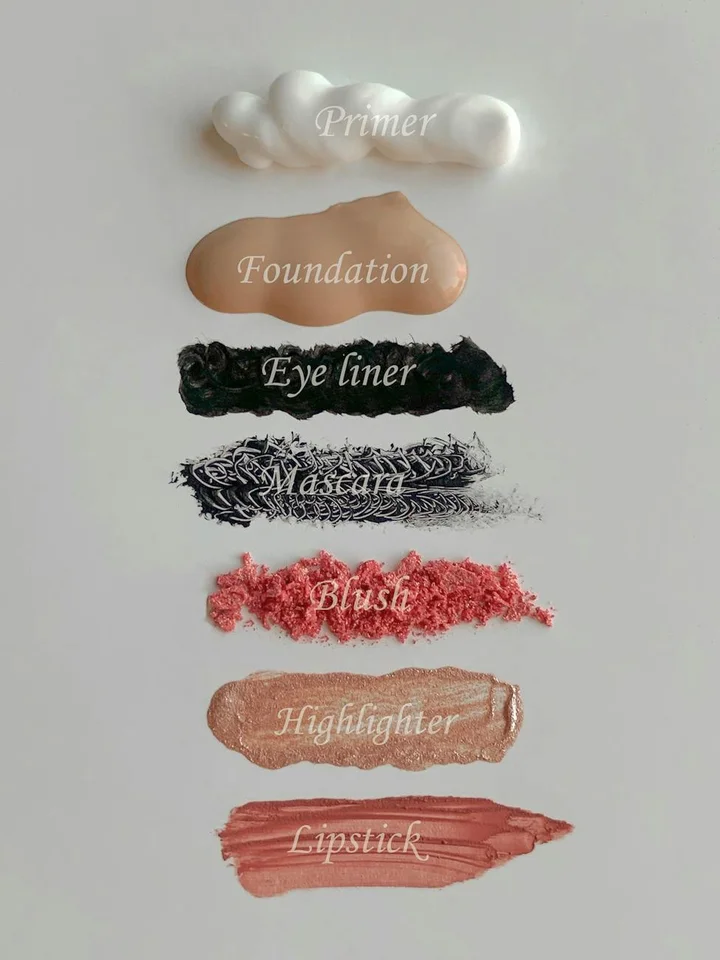
Think of your pore as a tiny tunnel. A non-comedogenic foundation uses ingredients that are less likely to form a sticky plug at the opening of that tunnel. By avoiding comedogenic ingredients that clog pores, you help keep the tunnel clear. Here are the allies your skin will thank you for.
Dimethicone and other silicones (like cyclopentasiloxane) are often star players in non-comedogenic formulas. They create a smooth, breathable film on the skin that doesn’t sink into and block pores. For my client Maya, who has oily skin, silicones help control shine without adding heavy grease.
Mineral powders like silica and mica are excellent for oil absorption. They give a blurring effect without the paste-like feeling that can lead to congestion.
Certain plant-derived oils can be surprisingly skin-friendly. Squalane (often derived from sugarcane) mimics our skin’s own sebum and is lightweight. Hemi-squalane is even lighter. Jojoba oil is another good option because its structure is very close to human sebum, so it’s less likely to confuse your pores.
A Short List of Common Pore-Clogging Ingredients
While individual reactions are everything, some ingredients have a higher reputation for causing trouble. Scan labels for these:
- Heavy Oils & Butters: Coconut oil (highly comedogenic for many), cocoa butter, wheat germ oil.
- Certain Esters: Isopropyl myristate, isopropyl palmitate, myristyl myristate. These are thick, waxy emollients that can sit heavily in pores.
- Lanolin: While great for very dry skin, it can be problematic for acne-prone types.
- Algae Extract: A common thickening agent that can be problematic for some.
Your skin’s reaction is the ultimate test. What causes a breakout for my client Noah might be perfectly fine for Lina. A classic example is coconut oil. For some, it’s a miracle moisturizer; for others (like Maya), it’s an instant invitation for closed comedones.
FAQ: Why Do Non-Comedogenic Ingredient Lists Contradict Each Other?
You’ll see one list calling an ingredient safe and another flagging it as a clogger. This is frustrating but normal. Most comedogenicity ratings come from older rabbit-ear tests, which don’t perfectly translate to human facial skin. Modern formulations also matter. A potentially problematic oil can be used in such a tiny amount, or paired with the right other ingredients, that it behaves perfectly in the final formula. This is why patch testing is non-negotiable.
Texture Tells a Story: What to Feel For
Don’t judge a foundation solely by its viscosity. A watery gel can still contain pore-clogging film-formers, and a rich cream might be full of non-comedogenic silicones.
Generally, lightweight, fluid formulas (think serum-foundations) spread easily and leave a thin layer. Thick, balmy textures often rely on heavier oils and butters for that luxurious feel, which can be riskier for congestion-prone skin.
Look for the term “breathable film-former.” Ingredients like dimethicone cross-polymer create a flexible, water-resistant net over your skin. This net evens out tone and texture but has microscopic “holes” that allow sweat and vapor to escape, so your pores aren’t suffocated.
How to Choose Your Perfect Non-Comedogenic Foundation
Follow this step-by-step process to become your own ingredient detective.
- Start with the Claim. See “non-comedogenic,” “oil-free,” or “acne-friendly” on the bottle. Treat this as a hint, not a guarantee. It means the brand formulated with clear skin in mind.
- Go Directly to the INCI List. This is the ingredient list, usually on the box or website. Ingredients are listed from highest concentration to lowest.
- Scan the First Five Ingredients. These make up the bulk of the formula. Look for your allies (silicones, silica, squalane) and check if any common cloggers are high on the list.
- Consider the Finish You Need. A matte, oil-free formula might use more silica and clay, perfect for Maya’s oily skin. A luminous, hydrating formula might use hemi-squalane, which could be better for Noah’s dry-but-clog-prone skin.
- Remember Your Ethos. Choosing cruelty-free and ethically sourced brands aligns with caring for your skin and the planet. Many brands like IT Cosmetics and Almay promote non-comedogenic properties within a cruelty-free framework.
When checking if a luxury foundation like Armani Luminous Silk is non-comedogenic, you’d look for dimethicone high on its list-a good sign-and then patch test to see how your unique skin responds to the full blend.
Patch Testing: Your Skin’s Safety Net
Never skip this. It’s the only way to know for sure.
Cleanse a small area along your jawline and cheek. Apply a small amount of the new foundation there each morning for 3 to 5 days. Wear it for your full day. Do not apply it to your entire face.
Watch that specific area for new, small bumps (closed comedones) or inflamed pimples. This is your skin giving you direct feedback. If the patch area stays clear, you can likely proceed to using the foundation more broadly. If you see new congestion, that formula isn’t for you, regardless of its “non-comedogenic” marketing, including popular ones like L’Oréal Foundations tested for acne-prone skin.
Applying Foundation Without Clogging Your Pores

Think of your foundation as the final layer of your skincare. What you put underneath it is just as important as the formula itself. A solid pre-makeup routine creates a smooth, balanced canvas and a protective buffer.
For my acne-prone clients like Maya, we follow this simple three-step ritual every morning.
- Cleanse with a Gentle Gel or Cream. Start with clean skin. Use a non-stripping cleanser to remove overnight oils and residue without compromising your skin barrier. This prevents you from sealing dirt onto your skin.
- Apply a Lightweight, Hydrating Moisturizer. Even oily skin needs hydration. A light, water-based lotion or gel cream plumps the skin and prevents your foundation from grabbing onto dry patches. It acts like a primer, helping your makeup sit evenly.
- Finish with a Non-Comedogenic Sunscreen. This is non-negotiable. Look for sunscreens labeled oil-free or with zinc oxide. It’s your most important protective layer against post-inflammatory hyperpigmentation, which acne-prone skin is very susceptible to.
Your application tools matter almost as much as the product. I recommend using clean brushes with synthetic bristles or a silicone applicator. These tools help you apply a more even, thin layer and minimize the transfer of bacteria and oils from your fingers to your face and the product jar.
The most critical step happens at night. You must remove every trace of foundation gently but thoroughly. A double-cleanse method is your best friend. Start with an oil-based cleanser or micellar water to break down the makeup, then follow with your regular gentle facial cleanser. Sleeping in foundation is a guaranteed way to invite clogged pores and morning breakouts.
Contraindications & Safety Warnings
If your skin barrier is severely compromised, you have active cystic acne, or open lesions, it’s best to avoid foundation on those areas altogether. Makeup can further irritate open skin and hinder healing.
Remember my client Noah, with his reactive skin? A label that says “non-comedogenic” is a promise not to clog pores, but it is not a promise not to cause redness or stinging. Always patch test a new foundation on your jawline for a few days, especially if you have sensitive skin. This helps in identifying any skincare or foundation that might cause adverse reactions.
Foundation is a cosmetic, not a treatment. If you are dealing with persistent, painful, or widespread acne, please consult a dermatologist. They can help you address the root causes, while your non-comedogenic foundation helps you feel confident in the meantime.
When Your Foundation Still Causes Problems: Troubleshooting
You found a foundation with a great ingredient list, but you’re still noticing small bumps or clogged pores. Don’t blame yourself. Often, the foundation is just one piece of the puzzle. Let’s play detective.
First, check your tools and product shelf life. A dirty makeup brush is a breeding ground for bacteria that can cause breakouts independently of your foundation’s formula. Wash your brushes weekly. Also, check the expiration date on your foundation. Old formulas can separate and harbor bacteria.
Next, examine the skincare you’re wearing underneath. Are you layering a heavy silicone-based serum under a silicone-based foundation? That could create a suffocating film. For clients like Lina, I often suggest simplifying the morning routine to just a hydrating toner and a light moisturizer under makeup to see if that improves things.
The single most useful thing you can do is keep a simple skin journal. Note any new products, changes in your cycle, stress levels, and how your skin looks. You might discover the breakout you blamed on your new foundation actually coincided with a change in your moisturizer or a particularly stressful week.
Finding your perfect foundation is a process of elimination, not a single magic find. It requires patience and observation. Your growing awareness of ingredients and how your skin responds is the most powerful tool you have for clear skin, with or without makeup.
Your Non-Comedogenic Foundation Questions, Answered
1. How long should I truly patch test a new foundation?
Commit to 3-5 full days of wear on a small patch of your jawline. This gives your skin time to reveal a reaction to the complete formula, not just an initial sensitivity.
2. Do my application tools really affect breakouts?
Yes, unclean tools can introduce bacteria that lead to breakouts independently of your foundation’s formula. For the cleanest application, use a freshly washed synthetic brush or a silicone applicator.
3. If a foundation is non-comedogenic, why might I still get clogged pores?
The foundation itself may be fine, but layering it over incompatible skincare (like heavy serums) can create a pore-clogging film. Your skin’s reaction is the ultimate test, so always consider your full routine.
Choosing Your Clearest Skin Future
The most powerful tool for clear skin isn’t a specific foundation, but the knowledge of how to read its label. Trust the ingredient list over any marketing claim, and you’ll always be able to find a formula that lets your skin breathe. Your perfect match is out there, waiting for you to decode the back of the bottle.
- Always cross-check the first five ingredients on any foundation against a reliable comedogenic ingredient list.
- When in doubt, choose liquid or serum foundations with dimethicone or silica over heavy, oil-based creams.
- Perform a patch test on your jawline for three days before committing to a new foundation all over your face.
- Remember that “non-comedogenic” is a guideline, not a guarantee-your unique skin has the final say.
If you have a question about a specific ingredient or product, send it my way. This is exactly the kind of detective work I help clients like Noah with every day. For more guides that help you shop with confidence, follow along right here on the blog. Here’s to finding your flawless, breathable base.
Related Guides and Information
- My top 8 foundations & skin tints for acne-prone skin – Notes by Alice
- Acne Is the Last Thing Anyone Wants for Christmas-These Foundations Effortlessly Cover Breakouts & Redness
- Acne-Safe Makeup List – Emme Diane
- 10 Best Non-Comedogenic Foundations (Tested and Reviewed 2025)
- 14 Best Non-Comedogenic Foundations 2023
- The Best Non Comedogenic Makeup for a Full Beat, Sans Breakout | Vogue
- Official Non-Comedogenic Acne Makeup List • Over 140+ Acne-Safe Foundations, Concealers, Sunscreens, and more…
- Foundation that is Non-comedogenic | CosDNA
Lucy Zimmerman
Lucy is an expert author and blogger when it comes to skin care and body care. She has first hand expertise acting as skin care consultant for over 5+ years helping her clients achieve smooth blemish free skin with natural and working remedies. She also has been an avid experimenter and tried out all the natural and artificial remedies and treatments so you can learn from her first hand experience. Additionally, she has traveled to many countries around the world and incorporated the skin care routines she has learnt into this blog. So, wait no more, reach out to Lucy if you have any specific needs and follow her blog, LuciDerma for expert skin care advice.