
Is Beauty of Joseon Skincare Non-Comedogenic? Your Ingredient Guide for Acne-Prone Skin
If you’re hesitant to try Beauty of Joseon because you fear clogged pores, I get it-my client Maya feels the same way with her oily, acne-prone skin.
By the end of this analysis, you will know:
- What “non-comedogenic” really means for your specific skin type and why the label alone isn’t a guarantee.
- How to spot key ingredients in Beauty of Joseon formulas that are either pore-friendly or potentially problematic.
- My esthetician-tested method for introducing any new product to your routine without triggering breakouts.
Arming yourself with this knowledge will help you shop with confidence, not anxiety.
What “Non-Comedogenic” Really Means for Your Skin
“Non-comedogenic” is a label that promises a product won’t clog your pores. Think of it as a ‘won’t-clog-pores‘ badge that companies put on packaging.
This label is not a regulated guarantee from health authorities like the FDA. It is a helpful guide based on a brand’s own ingredient testing, not a universal law for every skin type.
Your personal triggers matter most. My client Noah, who has dry, reactive skin, taught me this. He once tried a moisturizer labeled non-comedogenic, but it contained an oil his skin personally hated. He developed small, stubborn bumps because his barrier was sensitive to that specific compound. A product can be non-comedogenic in general but still be a pore-clogger for you.
We will evaluate Beauty of Joseon’s formulas through this practical lens: looking at the ingredient science while remembering your skin’s unique needs.
A Closer Look at Beauty of Joseon’s Signature Ingredients
Instead of a long list, let’s focus on two hero ingredients you’ll see often in their serums and creams: Niacinamide and Propolis.
Niacinamide (Vitamin B3) is a multitasker. It helps calm redness, regulate oil production, and strengthen your skin’s barrier. Its molecules are small and water-soluble, so they sink in easily without sitting heavily on pores. This makes it very unlikely to clog pores.
Propolis is a resin-like material from bees. It is prized for its soothing and antioxidant properties. While it has a sticky texture in its raw form, in skincare it is used as an extract. Its compounds are typically broken down in fermentation, making it lightweight for skin absorption compared to other palmitate-based ingredients in skincare.
Many Beauty of Joseon formulas use a gentle, fermented base. Fermentation breaks ingredients into smaller particles, which can make them easier for your skin to use without causing congestion. It is like pre-digesting food for your skin.
Niacinamide: Molecule Spec Sheet
| Property | Detail |
| Typical pH Range | Works well at skin’s natural pH (4.5-5.5) |
| Common Concentration | 2% to 5% for effective, gentle treatment |
| Solubility | Water-soluble, rinses clean without oily residue |
| Safety for Acne-Prone Skin | High; studies show it can reduce excess oil and inflammation |
Ingredient Deep Dives: Friends or Foes for Pores?
Let’s get specific about three common components.
Rice Ferment Filtrate is a star in their glow serum. This fermented ingredient is full of amino acids and vitamins. The fermentation process makes these nutrients very lightweight, almost like a thin hydrating tea for your skin. It is not a “feeding” ground for acne bacteria; instead, it helps balance and hydrate without heaviness.
Propolis and Honey Extracts sound sticky, but in formulas they are used for their antimicrobial and healing properties. Think of them like a protective bandage that calms irritation. For most, including my client Lina with combination skin, these extracts soothe rather than clog. However, if you have a specific allergy to bee products, you should patch test carefully—especially with propolis, honey, and royal jelly skincare products.
Lightweight Oils like squalane are sometimes used. Squalane is a version of a substance your skin makes naturally. It is a dry oil that mimics your skin’s sebum, so it hydrates without feeling greasy or clogging pores. It is like giving your skin a drink of water instead of a coat of butter.
The Pore-Clogging Ingredient Check: What to Watch For
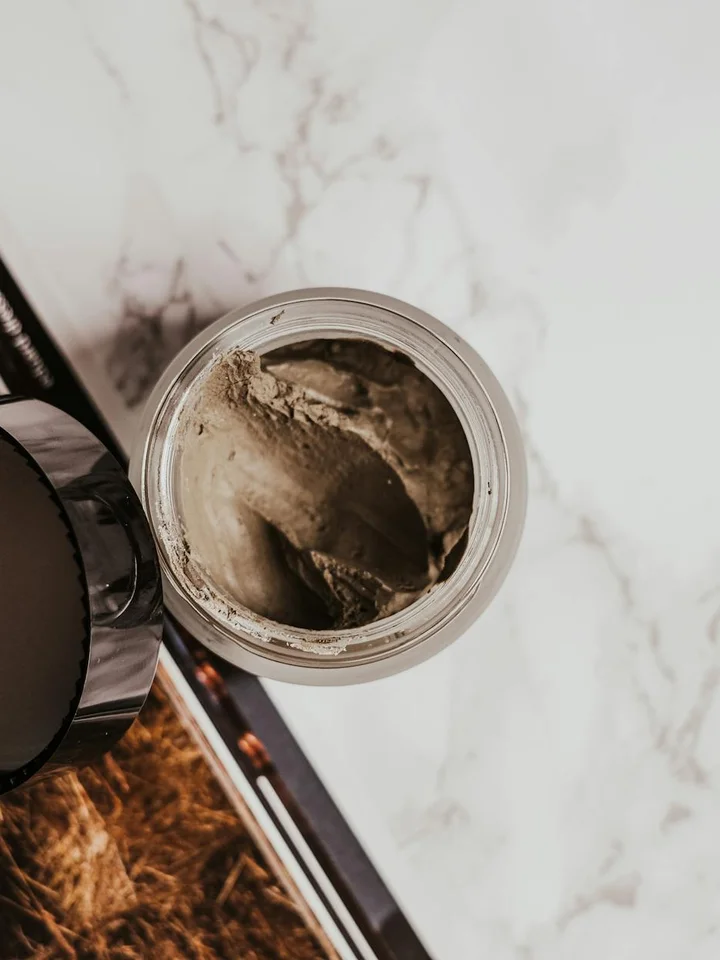
Let’s get practical. When I check a product for a client like Maya, who is acne-prone, I look for two things: the presence of known pore-cloggers and the overall formulation. A single ingredient isn’t always the villain, but some are frequent offenders, especially when it comes to non-comedogenic makeup for acne treatment.
Beauty of Joseon formulas consistently avoid heavy, comedogenic ingredients like coconut oil, cocoa butter, and myristyl myristate, which are common in thicker creams. Instead, they build their products around lightweight, skin-compatible oils and fermented extracts that nourish without smothering.
Cleansing Oil & Balm: A Safe First Cleanse?
Is the Beauty of Joseon Cleansing Oil comedogenic? For most people, no. The key is that it’s designed to rinse away completely. Its main oil is sunflower seed oil, which has a low comedogenic rating. It emulsifies into a milky texture with water and washes off without leaving a greasy film that could trap debris in pores.
Compared to their Cleansing Balm, the oil is often a better pick for visibly congested skin. The balm has a lovely, buttery texture that melts, but some skin types feel a slight residue. The oil tends to feel more thoroughly “clean” after rinsing, making it a safer bet if you’re nervous about clogging.
The Sunscreen Test: A Major Hurdle
Sunscreens are tricky for acne-prone skin. Many use heavy silicones or oils to make the UV filters spreadable. The Beauty of Joseon Relief Sun: Rice + Probiotics (often called the Aqua Sunscreen) is a standout. It uses modern chemical filters that are less likely to irritate, and its finish is dewy, not greasy. For acne-prone skin, opting for a non-comedogenic sunscreen helps keep pores clear. A true non-comedogenic formula can protect without clogging pores or triggering breakouts.
This sunscreen is water-based, leaving a lightweight layer that hydrates without feeling like a pore-clogging mask, making it a top choice for oily and combination skin types.
My verdict? Beauty of Joseon formulations are generally considered pore-safe. They prioritize fermented ingredients and light hydrators over pore-clogging butters and waxes. Still, skin is personal. Patch test any new product behind your ear or on your jawline for a few days.
Building a Safe Routine: The Best Beauty of Joseon Products for Acne-Prone Skin
Think of your routine as building light, breathable layers. The goal is to cleanse effectively, treat gently, hydrate without weight, and protect. Here’s how I might structure a simple routine for acne-prone skin using their lineup.
Morning (Fast & Protective)
- Cleanse: Splash with water or use a tiny bit of the Beauty of Joseon Green Plum Refreshing Cleanser. It’s low-pH and gentle, removing overnight sweat without stripping.
- Treat & Hydrate: Apply the Beauty of Joseon Glow Serum (with propolis and niacinamide). This is a light, watery layer that helps calm redness and regulate oil.
- Protect: Follow with the Beauty of Joseon Relief Sun: Rice + Probiotics. This is your non-negotiable final step.
Evening (Cleansing & Repair)
- First Cleanse: Use the Beauty of Joseon Cleansing Oil. Massage it onto dry skin for 60 seconds to dissolve sunscreen and makeup, then emulsify and rinse thoroughly.
- Second Cleanse: Use the Green Plum Cleanser again to wash away any last traces.
- Treat: On dry skin, apply the Beauty of Joseon Relief Serum (with centella asiatica and panthenol). This is like a cooling drink for irritated, post-breakout skin.
- Moisturize: If you need a cream, the Beauty of Joseon Dynasty Cream is surprisingly light. But for active breakouts, you can often stop at the serum. Let your skin breathe.
For active breakouts, I always recommend focusing on serums over richer creams. Serums deliver active ingredients in a lightweight, water-based format that’s less likely to sit on top of clogged pores. The Glow and Relief serums are perfect examples-they treat and hydrate without adding heaviness.
Remember Noah, my client with dry, reactive skin? He prefers the calming balm. But for Maya, with her oily, acne-prone skin, I always steer her toward the cleansing oil and the Aqua Sunscreen. It’s about choosing the texture that gets the job done without overstaying its welcome.
Contraindications & Safety Warnings
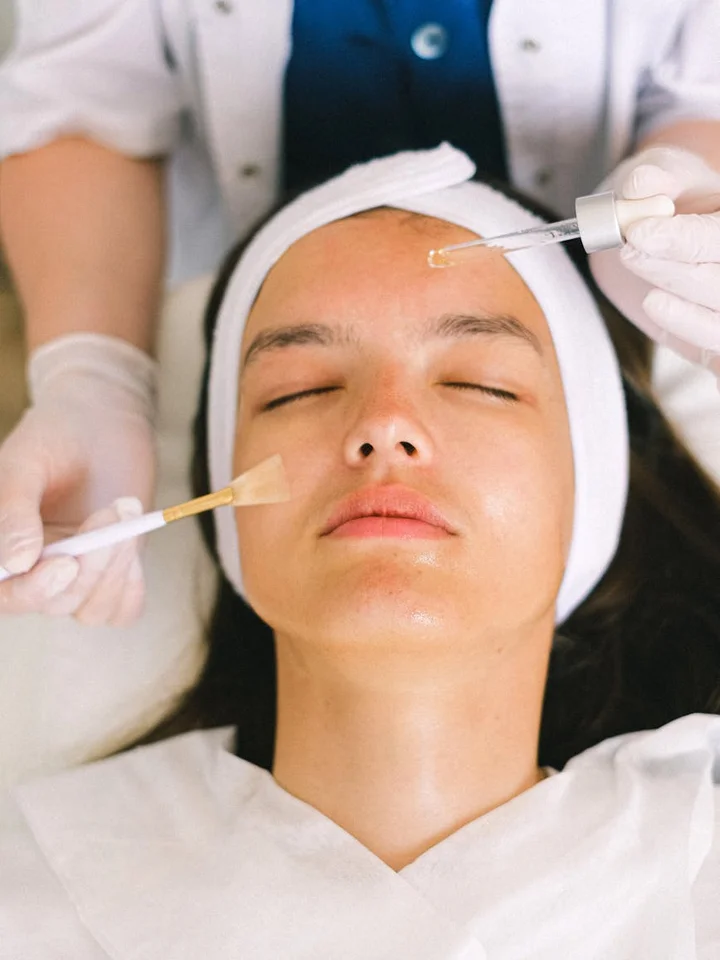
While the formulas are designed to be gentle, your skin’s current condition is the most important factor. Think of it like putting on a soft sweater-it feels great on healthy skin, but it might scratch if your skin is already raw.
You should proceed with extra caution and do a diligent patch test if any of the following describe you.
- You have a severely compromised skin barrier. This means your skin is consistently red, flaky, tight, and stings when you apply even water. Your priority is repair, not introducing new actives.
- You are experiencing a major flare of active, inflamed cystic acne. Applying new products over angry, deep breakouts can worsen inflammation and delay healing.
- You have a known allergy to bee-derived ingredients like propolis or royal jelly, which are stars in several BoJ serums.
My client Noah, with his dry, reactive skin, always reminds me that “gentle” is subjective. A product can be beautifully formulated and still cause a reaction on skin that’s cracked or broken. Always apply to intact, calm skin first.
For persistent, painful, or prescription-level acne, a dermatologist is your best first stop. They can provide targeted treatments that over-the-counter skincare can’t match, creating a stable foundation you can then supplement with gentle products like these.
Potential Irritants and How to Spot Them
Here’s a key distinction I make with every client: a pore can get clogged (comedogenic), or your skin can get angry (irritated). They are two different problems.
“Non-comedogenic” is a promise about clogging, but it is not a guarantee against stinging, redness, or sensitivity. Irritation often comes from fragrance, certain extracts, or even overuse of beneficial actives. Keep in mind that non-comedogenic guarantee breakouts are not promised to be zero. Individual skin can react to ingredients regardless of the label.
Beauty of Joseon avoids synthetic fragrance, but some formulas do contain botanical extracts and essential oils. For example, their Ginseng Essence Water contains fragrant sandalwood oil. For my client Lina, who has combination, sensitive skin, oils like this on her cheeks could trigger reactivity even if the product doesn’t clog a single pore.
Your job is to become a label detective for your skin. Look beyond the marketing and scan the ingredient list (INCI) for known irritants if you have reactive skin. Common ones include high concentrations of certain citrus oils or strong floral extracts.
The only way to know for sure how your skin will react is through a patch test, no matter how clean and beloved the brand is. Apply a small amount behind your ear or on the inner forearm for a few days, then try it on a small area of your jawline or cheek for another few days before committing your whole face. It’s the safest way to explore.
The Final Verdict: Can Sensitive, Acne-Prone Skin Trust This Brand?
Based on a thorough look at their formulas, the short answer is yes, Beauty of Joseon is a brand that acne-prone skin can generally approach with confidence. Their core philosophy actively avoids many of the common pore-clogging and irritating ingredients that trigger breakouts and inflammation. You won’t find mineral oil, synthetic fragrances, or harsh alcohols as cornerstones in their serums and creams.
Most of their celebrated formulas are thoughtfully designed with pore-friendly hydration in mind. They often use light, plant-derived oils and butters that mimic your skin’s natural lipids without feeling heavy. Think of their Glow Serum propolis and niacinamide blend like a nourishing, calming tea for your pores, not a thick syrup. Their iconic Relief Sun sunscreen is a prime example, using modern chemical filters in a rice and grain ferment base that feels like a light lotion, not a greasy film.
The most important truth in all skincare is that your individual skin is the final and most reliable test. A formula can be non-comedogenic on paper and still not agree with your unique biology. My client Noah, with his dry, reactive skin, adores their Dynasty Cream for its rich yet breathable feel. Maya, who is oily and acne-prone, found their Green Plum cleanser perfect, but needed to use their heavier cream only at night. To avoid unexpected comedogenic reactions, try a simple patch test before integrating a new product into your routine. This quick check helps you see how your skin truly responds before applying it across your face.
How to Introduce Any New Product Safely
To truly know if a product will work for you, you must introduce it to your skin with patience and a plan. Throwing multiple new things at your barrier at once is a recipe for confusion and potential flare-ups.
- Start with one product. Choose the item that addresses your most pressing concern, like a sunscreen or a serum.
- Perform a patch test. Apply a small amount to a discreet area like your jawline or behind your ear for 3-5 days. Watch for redness, itching, or new small bumps.
- Integrate slowly. If the patch test is clear, use the product just once every other day for a week. Observe how your skin responds in your usual problem areas.
- Only after two successful weeks should you consider adding another new product from the line.
Skincare is a conversation, not a lecture. Your skin’s signals-a sudden bout of small bumps, a feeling of tightness, or a newfound calm-are the most valuable feedback you will ever get. Trust that feedback more than any blanket claim. If a beautifully formulated, fragrance-free product like Beauty of Joseon’s Calming Serum still causes a reaction, it doesn’t mean you failed. It means you listened, and that knowledge guides you to what will truly work.
Your Questions on Beauty of Joseon & Acne-Prone Skin, Answered
Is Beauty of Joseon considered a non-comedogenic brand?
Yes, based on ingredient analysis. Their formulations consistently avoid heavy, known pore-cloggers like coconut oil and instead use lightweight, fermented ingredients and skin-compatible oils designed not to smother pores.
Does “non-comedogenic” also mean it won’t irritate my sensitive skin?
Not necessarily. Non-comedogenic refers specifically to pore-clogging, not irritation. While Beauty of Joseon avoids synthetic fragrance, some products contain botanical extracts; always patch test to check for sensitivity.
How do I choose the right Beauty of Joseon product for my acne-prone skin?
Focus on texture and function. For active breakouts, start with their water-based serums (like Glow or Relief) and lighter textures (cleansing oil, aqua sunscreen) before considering any richer creams.
Caring for Acne-Prone Skin with Confidence
The most reliable approach is to see “non-comedogenic” as a helpful guideline, not an absolute guarantee. Your skin’s unique response is the final, most important test. In practice, you can run a patch test to gauge a product’s comedogenicity before full use. This practical check helps translate the guideline into real results for your skin.
- Focus on ingredient lists, not just claims, and watch for known pore-cloggers.
- Always patch test a new product for at least a week before committing.
- Introduce one new product at a time to clearly identify what works.
- Listen to your skin; persistent congestion means a formula isn’t right for you, regardless of its label.
I’m here to help you navigate these choices. If you have more questions after trying a product, you can always find me and other skin care enthusiasts on the LuciDerma blog. Share your experiences-your journey helps inform the advice we all trust.
Deep Dive: Further Reading
- Why We Love Beauty of Joseon Sunscreens | Skin-Nomad
- r/AsianBeauty on Reddit: Beauty of joseon relief sun rice+probiotics on acne-prone skin
- Amazon.com: Beauty of Joseon Daily Relief Sunscreen for face Sun moisturizing with Broad Spectrum SPF 40 Korean sunscreen skincare 50ml, 1.69 fl.oz : Beauty & Personal Care
- AffiliateFix Store on LinkedIn: Is Beauty Of Joseon Sunscreen Non Comedogenic – AffiliateFix Store
- Beauty of Joseon Relief Sun : Rice + Probiotics | Korelu
Lucy Zimmerman
Lucy is an expert author and blogger when it comes to skin care and body care. She has first hand expertise acting as skin care consultant for over 5+ years helping her clients achieve smooth blemish free skin with natural and working remedies. She also has been an avid experimenter and tried out all the natural and artificial remedies and treatments so you can learn from her first hand experience. Additionally, she has traveled to many countries around the world and incorporated the skin care routines she has learnt into this blog. So, wait no more, reach out to Lucy if you have any specific needs and follow her blog, LuciDerma for expert skin care advice.