
Dove Soap vs. Castile Soap: Your Guide to Non-Comedogenic Cleansing
You’re wondering if Dove or castile soap will clog your pores, and I hear this concern daily in my practice. Let’s cut through the confusion together with clear, evidence-based advice.
By the end of this article, you will know:
- How the core ingredients in Dove and castile soap work on your skin, so you can predict their pore-clogging potential.
- Why comedogenicity matters differently for your face and body, helping you tailor your routine without guesswork.
- A safe method to test either soap on your skin, empowering you to avoid breakouts and irritation.
You’re already on the right track to making a smarter choice for your skin.
What “Comedogenic” Really Means (Not as Scary as It Sounds)
Let’s demystify the term. “Comedogenic” simply describes an ingredient’s potential to clog pores. A comedone is the technical name for a clogged pore, which can appear as a blackhead or a small, flesh-colored bump.
The “non-comedogenic” label on a bottle is a marketing claim, not a regulated guarantee from a skin doctor. There’s no standard test every company must use. One brand’s idea of “non-comedogenic” might not match another’s, or more importantly, your skin’s reality. For a clearer assessment, look for products that have undergone independent comedogenicity testing. This can help you compare how likely a formula is to clog pores across different skin types.
Think of it like a recipe. A single ingredient, like coconut oil or derived esters, might be flagged as comedogenic for some people. But in a formula, it’s combined with emulsifiers, cleansers, and other ingredients that change how it behaves on your skin. The final product’s texture, how well it rinses off, and what else is in it matter more than any one component.
This is exactly why folks search “is dove beauty bar non comedogenic” or “is castile soap non comedogenic.” They’re smartly looking for a simple cleanser that won’t back up their pores. The answer isn’t a simple yes or no. It depends on the soap’s formula and, crucially, your unique skin.
The Soap Breakdown: How Dove and Castile Work on Skin
First, a key chemistry distinction. What we call “soap” often falls into two different categories.
Dove Beauty Bar: The Gentle Syndet
Dove isn’t a traditional soap. It’s a syndet (short for synthetic detergent). Instead of being made from fats and lye, it’s built from milder, lab-created cleansing agents. Its most famous ingredient is sodium lauroyl isethionate, which creates a rich, creamy lather that’s less disruptive to skin’s natural acid mantle.
Dove bars are known for being pH-neutral or slightly acidic, which is much closer to your skin’s natural pH than traditional soap. They also contain moisturizing cream (stearic acid) that gets deposited on the skin during washing. For someone like Noah, with his dry, reactive skin, this can mean less stripping and tightness after cleansing compared to harsh soaps.
Castile Soap: The Traditional True Soap
Pure Castile soap is a true soap, historically made from olive oil and lye (sodium hydroxide) through a process called saponification. Today, it can be made from other plant oils like coconut, hemp, or avocado. The lye is necessary for the chemical reaction but is not present in the final product.
True soaps like Castile have a high, alkaline pH (usually around 9-10). This is effective at cutting through oil and grime, but it can also disrupt your skin’s slightly acidic protective barrier. For my client Lina, with her combination skin, using a strong Castile soap on her already dry cheeks often led to redness and a squeaky-clean feeling that signaled over-stripping.
Why Formulation Changes the Game
This pH difference is a big clue to their comedogenic potential. Maintaining the skin’s pH helps support acid mantle and its protective barrier. When the barrier stays intact, dryness is less likely and oil production can stay balanced. A cleanser that strips your barrier can lead to dryness, which triggers your skin to produce more oil to compensate. That excess oil can mix with dead skin cells and lead to-you guessed it-clogged pores.
A cleanser’s comedogenicity isn’t just about it clogging pores on its own, but about how it changes your skin’s environment and behavior. A gentle, pH-balanced syndet like Dove may be less likely to trigger this cycle of rebound oiliness for many people. A traditional alkaline soap might set the stage for congestion by compromising your skin’s first line of defense, especially when combined with surfactants and emollients that can be comedogenic.
Molecule Spec Sheet: The Chemistry of Clean
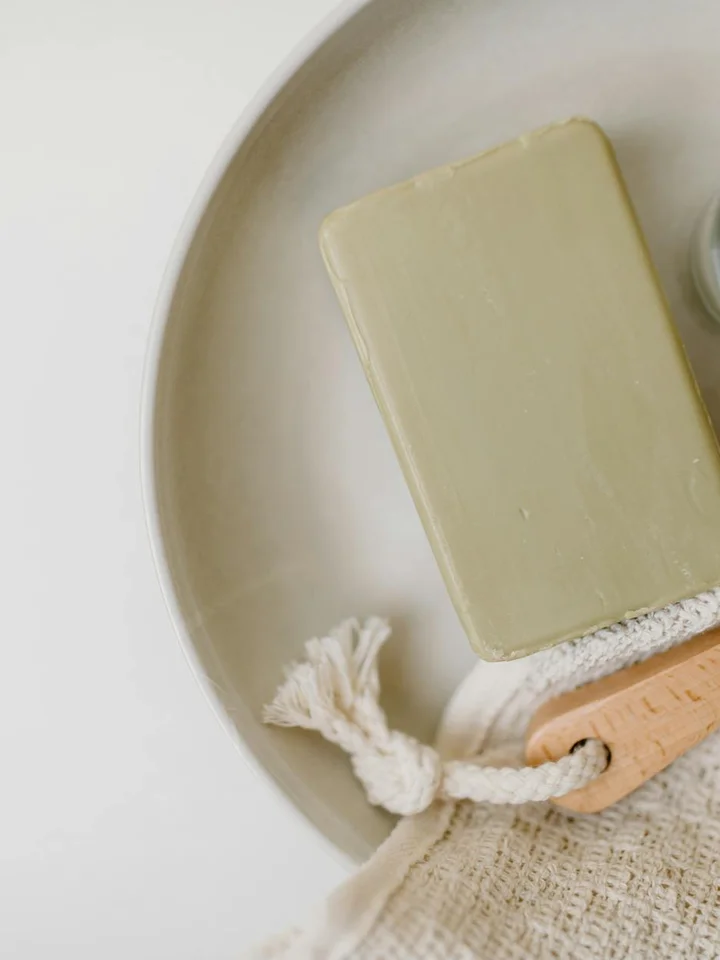
Let’s break this down to a science. The words “soap” and “cleanser” are often used interchangeably, but their chemical blueprints are different. This difference is the key to understanding how they interact with your skin.
| Parameter | Traditional Soap (e.g., Castile) | Syndet Bar (e.g., Dove) |
| Typical pH | High (Alkaline, ~9-10) | Neutral to Low (Acidic to Neutral, ~5.5-7) |
| Primary Cleansing Agent | Sodium salts of fatty acids | Synthetic surfactants (e.g., sodium lauroyl isethionate) |
| Solubility Profile | Forms insoluble “soap scum” with hard water | More soluble, less residue |
| Safety & Skin Feel | Can disrupt skin barrier pH; often leaves a “squeaky clean” feel. | Often more pH-balanced for skin; leaves a moisturizing film. |
Why does pH matter so much? Your skin’s acid mantle, a protective film with a pH around 4.5-5.5, is your first defense against irritation and bacteria. A high-pH soap can temporarily disrupt this barrier. Think of it like using a harsh cleaner on a delicate wood finish it strips away the protective layer. That “squeaky clean” feel? That’s often a sign your skin’s natural oils are gone. This barrier disruption can lead to dryness, irritation, and what I call “reactive clogging” your skin pumps out more oil to compensate, which can then get trapped in pores.
The solubility issue is practical. If you have hard water, traditional soap can leave a filmy residue on skin, which some people find bothersome and potentially pore-clogging.
Is Dove Soap Comedogenic? A Deep Dive on the Beauty Bar
When you search “is dove bar soap non comedogenic,” you’re asking the right question. Dove is not a true soap it’s a syndet (synthetic detergent) bar. Its classic Beauty Bar cleans with a gentle surfactant called sodium lauroyl isethionate and includes a moisturizing cream base with stearic acid.
The comedogenicity debate usually centers on stearic acid, a fatty acid that has a mixed rating on comedogenic scales. However, stearic acid is just one of many ingredients whose comedogenic ratings vary across sources, and cross-referencing these ratings can inform safer skincare choices. Understanding comedogenic ratings of common skincare ingredients helps compare products more effectively. In a leave-on product like a heavy cream, it might be problematic for very acne-prone skin. But in a rinse-off cleanser, most of it is washed away. The formula is designed to leave a thin, emollient film to prevent that tight, stripped feeling.
Here’s my clinical take. For general body skin care, Dove is a gentle, pH-friendly choice for most. For facial skin, it’s person-specific. My client Maya, with her oily, acne-prone skin, found the residual emollient film too much for her face, leading to occasional congestion. She switched to a gel cleanser for her face but still uses Dove on her body with no issues. If your skin is normal to dry and not prone to clogging, you might love it.
The answer to “is dove body wash non comedogenic” is similar. The liquid forms are also syndets with moisturizing ingredients. They are generally well-tolerated for body use, but the same face-versus-body rule applies. Your back and chest can be as acne-prone as your face, so if you’re using it there, watch for new clogs. If you’re shopping for less pore-clog risk, look for a non comedogenic body wash shampoo option designed for body skin. These products cleanse without contributing to breakouts.
Is Castile Soap Comedogenic? The Pure Olive Oil Truth
Pure castile soap is made by saponifying oils (like olive oil) with an alkali. This process chemically transforms the oils into soap. So, when you look up “castile soap comedogenic,” know this: the original olive oil is gone.
The primary concern with castile soap isn’t that the soap molecules themselves clog pores, but that its high alkalinity can compromise your skin barrier. A weakened barrier is inflamed, dry, and more prone to all sorts of issues, including breakouts. It’s an indirect trigger. Think of it like this: scrubbing a sensitive wound with a rough cloth doesn’t introduce new dirt, but it severely irritates the area and slows healing.
For resilient, non-sensitive skin types using it on the body, diluted castile soap can be a simple, natural option. For the face, especially for anyone with dryness, sensitivity, or eczema (like my client Noah), I typically advise against it because the pH is so disruptive. The same logic applies to other traditional soaps, like African black soap. These are high-pH cleansers whose potential to cause problems is less about specific clogging ingredients and more about their overall impact on your skin’s ecosystem and barrier health.
How to Patch Test Any Soap (Your Safe Trial Run)
You can read all the analysis in the world, but your skin has the final vote. Patch testing is your safety protocol. Here’s how to do it right.
- Choose two test sites: the inner forearm (for general irritation) and the side of your neck or behind your ear (facial sensitivity).
- Wash the area with the soap, using your normal method. Rinse and pat dry.
- Repeat this process once daily for 5-7 days.
You’re looking for two different types of reactions over 1-2 weeks. Immediate redness, itching, or burning signals irritation. The development of tiny, flesh-colored bumps (pustules or papules) in the area indicates a true comedogenic reaction your pores are clogging.
If the test area on your neck is clear, you can consider a cautious trial on a small part of your jawline or cheek. This is the only way to know for sure if a product like Dove or castile soap has a place in your face and body skin care routine. It saves you from a full-face reaction and gives you real data about what your skin accepts.
Contraindications & Safety Warnings: When to Skip These Soaps
Even a soap that doesn’t clog pores can still be the wrong choice. Your skin’s current condition is the most important factor.
If you have a compromised skin barrier or a chronic inflammatory condition, the high pH of traditional bar soaps can feel like pouring lemon juice on a paper cut. It delays healing and causes more irritation. You should avoid using Dove or pure Castile soap on your face if you are experiencing:
- Active Eczema or Dermatitis: The compromised skin is desperately trying to repair itself. A high-pH cleanser strips away what little protective lipids remain, worsening dryness and itch.
- Rosacea Flare-Ups: Skin with rosacea is incredibly reactive. The surfactants, even mild ones, can trigger stinging, redness, and visible blood vessels.
- A Damaged Moisture Barrier: If your skin feels tight, rough, scaly, or burns when you apply any product, your barrier is likely impaired. Cleansing should be ultra-gentle, not further stripping.
- Highly Sensitive, Reactive Skin: This is my client Noah’s skin type. His skin reacts to fragrance, essential oils, and even slight pH imbalances. For him, even a gentle bar soap is a potential trigger for redness and discomfort.
You also need to be cautious if you’re using powerful prescription or over-the-counter treatments. If you’re on a retinoid (like tretinoin) or using strong acne treatments like benzoyl peroxide, your barrier is already under stress from the treatment itself. When your regimen includes benzoyl peroxide, salicylic acid, or other retinoids for acne, introduce products gradually to avoid irritation. A gentle cleanser supports the skin barrier as these actives work. Using a suboptimal cleanser can push your skin into a state of chronic irritation, making your treatment less effective and more unpleasant.
For all these scenarios, your best move is to switch to a dedicated, pH-balanced facial cleanser. Look for gentle, non-foaming formulas like cream, milky, or gel-to-milk cleansers. These are designed to clean without compromising your skin’s delicate acid mantle, helping you heal and tolerate your treatments better.
Building a Safe Cleansing Routine for Clog-Prone Skin
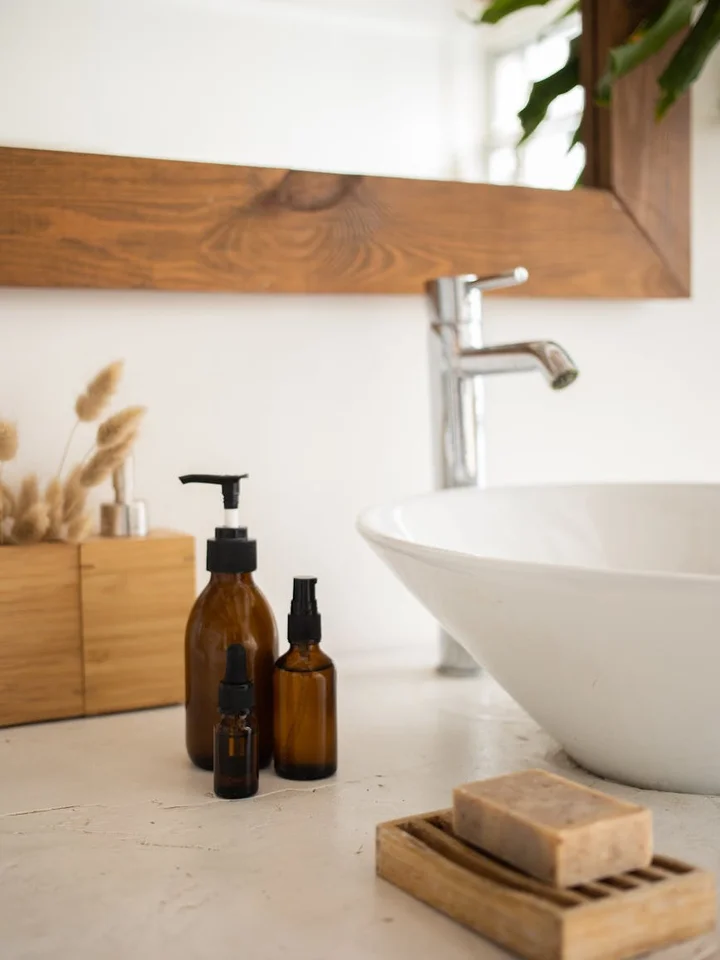
For skin that’s prone to clogged pores, your cleansing routine isn’t just about removing dirt. It’s about setting the stage for everything that follows.
The safest, most effective strategy is to use a gentle, targeted facial cleanser for your face and reserve bar soaps only for the body, if your body skin tolerates them well. Your facial skin is thinner, has more oil glands, and is more exposed to the elements-it deserves specialized care.
Here is a simple, actionable framework for a cleansing routine that supports clog-prone skin:
- Choose a Face-Specific Cleanser: Pick a gentle, water-soluble facial cleanser. If you are oily or acne-prone (like Maya), a mild foaming or gel cleanser with ingredients like salicylic acid can be helpful. If you’re more sensitive or dry, a hydrating cream cleanser is a better bet.
- Cleanse with Lukewarm Water: Hot water strips the skin. Use lukewarm water to wet your face, massage the cleanser in for about 60 seconds, then rinse thoroughly.
- Pat Dry, Never Rub: Use a clean, soft towel to gently pat your skin dry. Rubbing creates friction and irritation.
The routine does not stop at cleansing. Applying a moisturizer to damp skin within 60 seconds of cleansing is non-negotiable for maintaining barrier health. This seals in hydration. For daytime, your moisturizer should be followed by a broad-spectrum sunscreen. Sun damage worsens post-inflammatory marks from old breakouts and can increase inflammation.
The most empowering product knowledge you can have is understanding how your own skin reacts. A “non-comedogenic” label is a helpful guide, but your personal experience is the ultimate authority. Paying attention to how your skin feels and looks over time is more valuable than any marketing claim.
Your Cleansing Questions, Answered
Can I use Dove or Castile soap on my face every day?
For daily facial cleansing, we recommend a dedicated, pH-balanced face wash instead. While Dove is gentler, a true soap like Castile can be too alkaline for daily use on delicate facial skin, risking barrier compromise over time.
Which soap is safer for acne-prone body skin, like on the back or chest?
For acne-prone body areas, the gentler, pH-neutral formulation of a Dove syndet bar is typically a safer starting point than traditional Castile soap. Its lower risk of barrier disruption helps avoid the reactive oil production that can worsen body breakouts.
If both soaps irritate my skin, what should I look for instead?
Seek a fragrance-free, hydrating facial cleanser with a pH close to your skin’s (around 4.5-5.5). For the body, a simple, non-foaming wash or even a sensitive-skin syndet bar can provide a gentler clean without the alkalinity of true soaps.
Choosing Your Soap with Confidence
Your skin’s reaction is the ultimate guide, not a single word on a label. Listen to it, and you can find a cleanser-whether it’s Dove, Castile, or something else entirely-that leaves you feeling clean, comfortable, and balanced.
- Focus on your skin’s unique response over broad comedogenic labels.
- If you have dry or sensitive skin, opt for a super-fatted bar like Dove Sensitive Skin.
- For oily or congestion-prone skin, try a simple, diluted liquid Castile soap.
- Always perform a patch test on your jawline or inner arm before full-face use.
- Follow every wash with a moisturizer suited to your skin type to support your barrier.
If you’re still feeling unsure about what your skin is telling you, you’re always welcome to send me a question. I read every comment and email from readers like Maya and Noah, and I’m here to help you navigate your routine. For more guidance like this, follow along right here on the blog.
Relevant Resources for Further Exploration
- Are Dove Soap Ingredients Good for Your Skin? – Goat Milk Stuff
- Dr. Bronner’s Pure-Castile Liquid Soap Cherry Blossom VS Dove
- Dove Sensitive Skin Beauty Bar VS Dr. Bronner’s Pure Castille Bar Soap
- r/soapmaking on Reddit: What are the main differences between Castile soap, dove soap, and soaps that use a mixture of different vegetable oils?
- Non-Comedogenic Unscented Soaps For Preventing Clogged Pores – Mild Soaps
- castile soap vs dove Old Whippersnapper’s soaps | Old Whippersnapper’s® Natural Handmade Manly Soaps
- r/SkincareAddiction on Reddit: [Product Question] Dove sensitive beauty bar – good for acne or not?
- Soothing Care Beauty Bar for Sensitive Skin | Dove
- Acne Soap | What’s the Best Soap for Acne Skin Care?
- Amazon.com: Customer Questions & Answers
Lucy Zimmerman
Lucy is an expert author and blogger when it comes to skin care and body care. She has first hand expertise acting as skin care consultant for over 5+ years helping her clients achieve smooth blemish free skin with natural and working remedies. She also has been an avid experimenter and tried out all the natural and artificial remedies and treatments so you can learn from her first hand experience. Additionally, she has traveled to many countries around the world and incorporated the skin care routines she has learnt into this blog. So, wait no more, reach out to Lucy if you have any specific needs and follow her blog, LuciDerma for expert skin care advice.