
Olay’s Non-Comedogenic Promise: A Practical Look at Pores & Products
You’re eyeing that Olay serum on the shelf, but a little voice is asking, “Will this actually be kind to my breakout-prone skin?” I hear that question from clients like Maya all the time, and it’s a smart one to ask.
By the end of this article, you’ll have a clear, practical understanding of:
- What “non-comedogenic” really means on an Olay label and why that’s a good starting point.
- How to spot specific ingredient patterns in their formulas that are friendly to oily or acne-prone skin.
- A straightforward method to test any new product, giving you confidence in your choice.
Let’s get you the answers you need to make a confident decision for your skin.
A Quick Snapshot: What “Non-Comedogenic” Really Means for Your Pores
Let’s clear up the jargon first. “Comedogenic” simply means an ingredient has a tendency to clog pores. “Non-comedogenic” means it’s formulated to avoid that.
Think of your pore like a narrow, one-lane street. Skin cells and oil need to travel up and out smoothly. Some ingredients act like wide, slow-moving trucks. They’re too bulky for the street and cause a traffic jam, leading to a clogged pore (a comedone) that can turn into a blackhead or a pimple.
A non-comedogenic label suggests the formula uses ingredients that are more like compact cars, designed to move through the pore without causing a backup.
Molecule Spec Sheet: Niacinamide (A Common Non-Comedogenic Player)
| pH Range | Stable across a wide range, ideal around 5-7 for skin compatibility. |
| Typical Concentration | 2-5% for barrier support, up to 10% for more targeted concerns. |
| Solubility | Water-soluble, making it a common, lightweight serum ingredient. |
| Safety & Comedogenic Rating | Rated 0-1 (highly non-comedogenic). Generally well-tolerated, even for reactive skin. |
Ingredients like niacinamide are stars in non-comedogenic products. They deliver serious hydration and skin benefits without the pore-clogging risk. My client Noah, with his dry, reactive skin, finds niacinamide serums incredibly soothing without any heaviness.
Here’s the critical part to remember: “non-comedogenic” is a marketing claim, not a tightly regulated standard like SPF. Brands use different methods to test this claim. One brand’s “non-comedogenic” might be tested on oily, acne-prone skin, while another’s might not be tested on human skin at all.
You should treat “non-comedogenic” as a helpful starting point, not an absolute guarantee your skin won’t react. Understanding the comedogenic ratings of common skincare ingredients helps you evaluate products more reliably. This context sets up the next steps, where we’ll look at specific ingredients and their ratings.
The Ingredient Detective’s Guide: Spotting Pore-Cloggers in Disguise
Becoming a label reader is your best defense. Some ingredients have a notorious reputation for being comedogenic, though your mileage will always vary. What clogs Maya’s pores might be fine for Lina.
Common culprits often include:
- Certain natural oils: Coconut oil and cocoa butter are frequent offenders for many, though not everyone.
- Heavy emollients: Ingredients like isopropyl myristate, isopropyl palmitate, and myristyl myristate are often used for texture but can be problematic.
- Some silicones: Not all silicones are bad. Lightweight ones like cyclopentasiloxane evaporate. Thicker ones like dimethicone at high concentrations can sometimes trap debris if not properly cleansed.
Let’s compare two common texture agents:
- Isopropyl Myristate: A synthetic oil often used to make products feel smooth. It has a high comedogenic rating (3-5 out of 5). For acne-prone skin, it’s often the wide truck causing the traffic jam.
- Cyclopentasiloxane: A lightweight, volatile silicone. It gives a silky feel upon application but then evaporates, leaving other beneficial ingredients behind without a heavy film. It has a comedogenic rating of 0-1.
So, are Olay’s non-comedogenic serums and moisturizers formulated without pore-clogging ingredients? Based on their publicly stated standards, yes, they specifically formulate these lines to avoid known heavy comedogens like the ones listed above. Brands assess non comedogenic formulations by evaluating ingredients for pore-clogging potential. This helps explain why related resources may be implicitly linked to illustrate the assessment process.
The more precise answer is that they avoid ingredients with a high known risk, but you must still check the full ingredient list for your personal triggers. The question “is Olay moisturizer non-comedogenic” completely depends on the specific product line. Their “Regenerist” line, for example, often markets specific creams as non-comedogenic, while other classic lines may not. In practice, focus on non comedogenic moisturizer ingredients in the formula. Skimming the ingredient list for pore-clogging components makes the choice clearer.
Your final step is always a patch test. Apply a small amount behind your ear or on your jawline for a few nights. If no new clogged pores appear, it’s likely a safe bet for your face.
Contraindications & Safety Warnings: When to Proceed with Caution
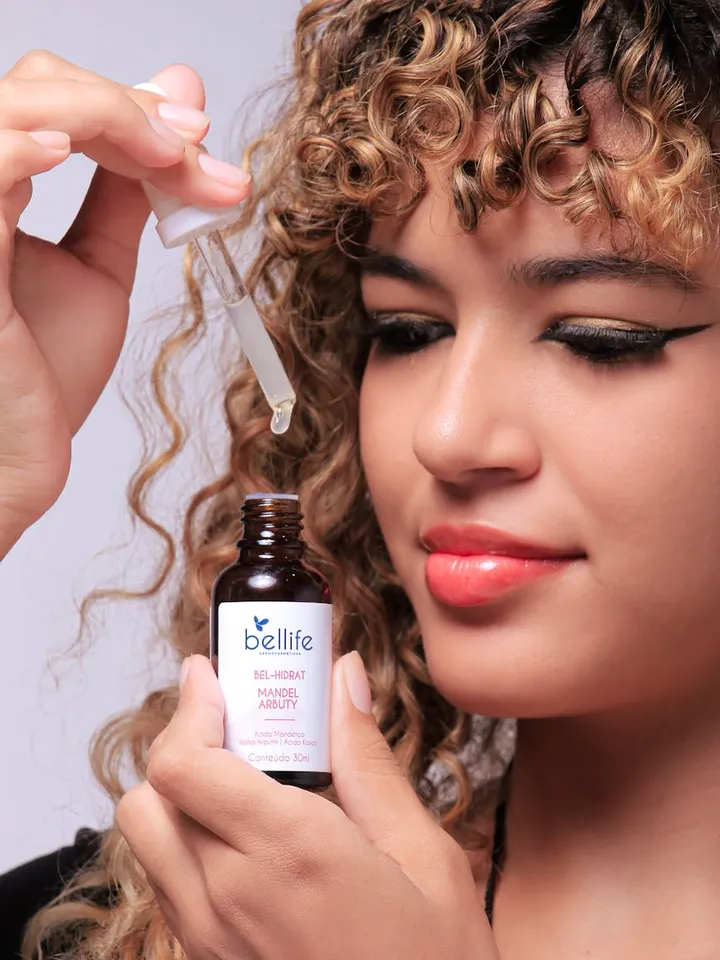
Even with a trusted “non-comedogenic” label, your skin’s current condition matters more than a marketing term. A patch test is your best first step, especially in these situations.
If you have actively inflamed, red, or painful acne, your skin barrier is compromised and more reactive. Introducing any new product, even a gentle one, can sometimes worsen irritation. Heal the active flare first with your dermatologist’s guidance.
For those with a severely damaged moisture barrier (think tight, flaky, stinging skin), your priority is repair with simple, soothing ingredients. My client Noah learned this the hard way after over-exfoliating. He now knows to avoid any new actives or complex blends until his skin feels resilient again.
Known allergies or sensitivities are a major stop sign. If you react to fragrance, certain preservatives like phenoxyethanol, or specific plant extracts, you must scrutinize the ingredient list. The non-comedogenic claim doesn’t guard against allergic contact dermatitis.
If you have a diagnosed skin condition like perioral dermatitis or rosacea, or are using prescription medications like topical retinoids or antibiotics, always check with your dermatologist before adding a new product. Layering can change how your treatments work or trigger a flare.
Here’s the most important reminder I give my clients: “Non-comedogenic” is not a promise that a product will treat acne. It simply means the formula is less likely to cause new breakouts. You still need proven acne-fighting ingredients like salicylic acid or benzoyl peroxide to treat existing breakouts.
Decoding Olay: A Line-by-Line Look at Key Serums and Moisturizers
Let’s put on our ingredient detective hats and look at some popular Olay products. I’ll break down what’s inside, who it might work for, and point out any potential clogging ingredients that lurk despite the “non-comedogenic” banner.
Remember, texture is a big clue. Lightweight gels or fluid serums often work well for oily skin, while richer creams and “whips” (typically silicone-heavy) may be better for normal to dry skin types.
Olay Regenerist Micro-Sculpting Serum & Cream
This line is famous for its peptide and niacinamide complex, which are fantastic for supporting skin’s elasticity and improving tone. The serum has a slick, silky feel that my client Lina enjoys on her combination cheeks for a hydration boost.
However, the elegant feel often comes from a cocktail of silicones like cyclopentasiloxane and dimethicone. While these are not typically pore-clogging for most, they can create a occlusive layer that some very acne-prone individuals, like Maya, find leads to congestion over time. The formula also contains fragrance, a known irritant for sensitive or reactive skin types like Noah’s. So, while it’s marketed as non-comedogenic, the fragrance and heavy silicone load mean it’s not a universal “safe” choice.
Olay Total Effects 7-in-1 Moisturizer
Yes, the Olay Total Effects 7-in-1 line is marketed as non-comedogenic. It’s a multitasking moisturizer with a nice blend of antioxidants (like vitamins C and E) and niacinamide. The texture is a classic cream, not too heavy but substantial.
The main ingredient to note here is dimethicone, a silicone used for its smooth, softening effect. For the majority of people, dimethicone in this concentration is non-problematic and will not clog pores. It acts like a lightweight primer, filling in fine lines and sealing in moisture. But if you know your skin revolts against silicones, this could be a trigger. It’s a “proceed with caution” ingredient for the exceptionally clog-prone. Other lotion ingredients—like certain oils or thickeners—can clog pores for some people. If you’re prone to breakouts, check ingredient lists for potential pore-clogging components.
Olay Moisturizers with SPF (like Olay Complete)
Olay Complete moisturizers with SPF are also labeled non-comedogenic. This is a crucial product category because daily sun protection is non-negotiable for skin health, especially when using non-comedogenic moisturizers.
The tricky part is that some chemical sunscreen filters can be comedogenic for a small subset of very acne-prone individuals. Olay Complete SPF 30 for Sensitive Skin, for instance, uses avobenzone and oxybenzone. While these are effective filters, oxybenzone in particular has a higher comedogenic rating and can be a trigger for some. If you’re like Maya and every sunscreen seems to cause bumps, you might need to explore mineral (zinc oxide/titanium dioxide) options instead. For many others, this formulation is a perfectly fine, lightweight daily protector.
Building Your Safe Routine: How to Incorporate Non-Comedogenic Products
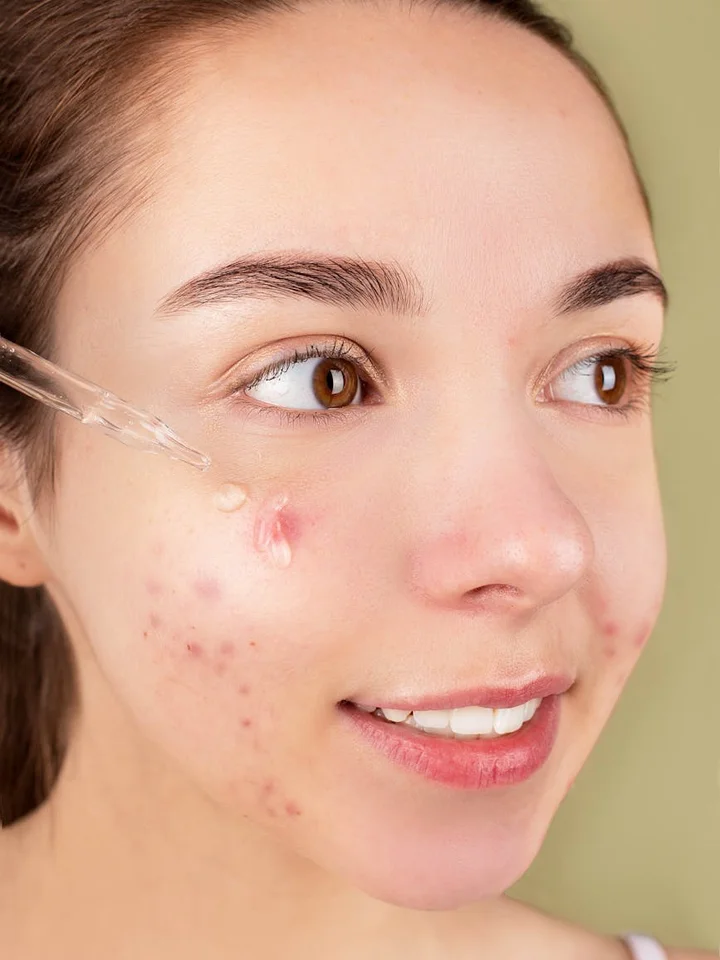
Think of a non-comedogenic serum and moisturizer as the reliable, breathable base layer of your skincare wardrobe. They hydrate and protect without trapping anything underneath. Here’s a simple framework to build upon.
A Simple, Supportive AM/PM Framework
This routine uses your non-comedogenic picks as the hydration core. You can slot in treatments (like a vitamin C serum or retinoid) carefully around them.
The golden rule is to introduce only one new product at a time, waiting at least one to two weeks before adding another. This way, if your skin reacts, you know exactly which product is the culprit.
Always Start With a Patch Test
Before putting any new product all over your face, do a patch test. Apply a small amount behind your ear or along your jawline for five to seven nights in a row. This spot-testing helps you catch any redness, itching, or new bumps before they happen on your entire face.
Tips for Acne-Prone Skin
For my clients with skin like Maya’s (oily and acne-prone), layering is everything. She uses a lightweight, watery serum first, which feels like a sip of water for her pores. Then, she follows with a non-comedogenic gel moisturizer. This two-step hydration gives her skin what it needs without feeling heavy or slick.
Her non-negotiable step is double cleansing at night, especially if she’s worn sunscreen or makeup. A first cleanse with a gentle cleansing oil ensures all pore-clogging residues are dissolved, so her second cleanse can actually clean her skin. Skipping this can leave a film that even the best non-comedogenic moisturizer can’t fix.
If Not Olay, Then What? Gentle, Trustworthy Alternatives

If you’re looking for brands that prioritize cruelty-free practices, clear ingredient lists, and consistently non-comedogenic formulas, you have excellent options. I tend to recommend brands that are upfront about what’s in their bottles and why.
Choosing Your Texture: Gel, Lotion, or Cream?
The texture of your moisturizer is just as important as its ingredient list. Matching it to your skin type makes all the difference.
- Gel Moisturizers are like pure aloe vera. They’re water-based, cool, and absorb quickly, leaving a matte finish. They’re perfect for oily or acne-prone skin (like Maya’s) that needs hydration without any extra oil. A great example is the Versed Dew Point Moisturizing Gel-Cream.
- Lotions are like a light, silky body milk. They have a bit more emollient content than a gel, offering balanced hydration. This texture often works beautifully for combination skin (like Lina’s) or normal to dry skin. The Paula’s Choice Clear Oil-Free Moisturizer is a reliable, fragrance-free lotion.
- Creams are like a protective, cozy blanket. They’re richer, oil-based, and designed to fortify the skin’s barrier. This is the go-to for dry or reactive skin (like Noah’s) that needs lasting comfort. The First Aid Beauty Ultra Repair Cream is a classic, intensely moisturizing cream that’s famously non-irritating.
Finding your perfect product is a personal journey of trial, observation, and a little patience. What works wonders for Noah’s dry, sensitive skin might feel too rich for Maya. What Lina’s combination skin loves might not be enough for Noah. That’s completely normal. Your skin’s needs are unique, and listening to them is the most effective step in any routine.
Your Questions on Non-Comedogenic Formulas, Answered
How do I know if a ‘non-comedogenic’ product is right for my specific skin type?
Treat the label as a helpful filter, not a final answer. Your personal skin history is the ultimate guide, so always cross-reference the ingredient list with your known triggers and perform a patch test.
Can I use a non-comedogenic moisturizer if I’m already using acne treatments?
Absolutely, and you should. A compatible, non-comedogenic moisturizer helps maintain your skin barrier, which can become compromised with treatments like retinoids or benzoyl peroxide. Apply your treatment first, let it absorb, then follow with your moisturizer to soothe and hydrate.
Why might my skin still react to a product labeled non-comedogenic?
“Non-comedogenic” specifically refers to pore-clogging potential, but your skin can react to other aspects of a formula. You might be sensitive to fragrance, a particular preservative, or even an active ingredient, which is a separate issue from comedogenicity.
Your Skin’s New Confidence
Finding a serum or moisturizer that hydrates without causing congestion is a huge win. While Olay formulates many products to be non-comedogenic, the most reliable test is how your own unique skin responds. Your personal experience is the final piece of evidence that matters most.
- Always patch test a new product on a small area of your jawline or neck for a few days.
- Remember that “non-comedogenic” is a helpful guide, not an absolute guarantee for every skin type.
- Focus on your entire routine-gentle cleansing is just as important as the moisturizer you choose.
- When in doubt, simplify: a basic, proven formula is often the kindest place to start, just like my client Noah prefers.
We’re here to help you navigate these choices. For personalized advice, especially if you have specific skin conditions, consulting a dermatologist is always the best step. If you have more questions as you explore what works for you, this blog is a great resource for honest, expert-backed guidance on your skincare journey.
Sources and Additional Information
- Olay Complete Cream All Day Moisturizer SPF 15 2oz jar | Olay
- Sensitive Soothing Moisturizer
- Amazon.com: Customer Questions & Answers
- Skincare 101: Your Beauty Questions Answered | Olay UK
- Olay Total Effects 7 In One, Anti-ageing, Fairness Cream (PH)
- Non-Comedogenic/Won’t Clog Pores Olay | Walgreens
- Best Non Comedogenic Moisturizer – Jen Reviews
- r/SkincareAddiction on Reddit: [Product Request] Non-comedogenic moisturizers?
Lucy Zimmerman
Lucy is an expert author and blogger when it comes to skin care and body care. She has first hand expertise acting as skin care consultant for over 5+ years helping her clients achieve smooth blemish free skin with natural and working remedies. She also has been an avid experimenter and tried out all the natural and artificial remedies and treatments so you can learn from her first hand experience. Additionally, she has traveled to many countries around the world and incorporated the skin care routines she has learnt into this blog. So, wait no more, reach out to Lucy if you have any specific needs and follow her blog, LuciDerma for expert skin care advice.