
Stopping Adapalene Gel: What Your Skin Needs Next and How Long Side Effects Last
Considering a break from your Adapalene gel? It’s a common and thoughtful question, and as your esthetician, I’m here to walk you through what to expect with clarity and care.
By the end of this guide, you will be equipped to:
- Predict how your acne may behave after stopping treatment so you can create a proactive, gentle skincare plan.
- Gauge the realistic timeline for side effects like dryness to fade, helping you spot what’s normal and when to simply support your skin barrier.
- Identify compassionate, cruelty-free product strategies to maintain your skin health with ethics and efficacy in mind.
You have the power to manage this transition smoothly for your skin’s long term well being.
First Things First: Should You Stop Using Adapalene?
This is a question I hear often in the treatment room. People consider stopping their adapalene gel for a few common reasons. Sometimes the initial dryness and flaking feel overwhelming. Others find their acne is under control and wonder if they need to continue. A prescription from a dermatologist might also change, leading to a switch in treatment.
It’s helpful to remember that adapalene doesn’t accumulate or “go bad” in your body like some medications. Stopping adapalene simply means you are no longer giving your skin the daily signal to accelerate cell turnover and clear pores. Its presence and effects are not permanent. This process also intersects with how inflammation resolves as fresh cells replace the inflamed ones. By guiding orderly cell turnover, adapalene helps reduce inflammation while clearing clogged pores.
If your adapalene was prescribed by a doctor or dermatologist, your first step should always be a conversation with them before you stop. They can help you understand if stopping is right for your skin goals and guide you on the safest way to transition, especially to avoid any interactions with other skincare medications.
The First Days After Your Last Application
The adapalene molecule itself is cleared from your skin’s surface relatively quickly. But the changes it sparked within your skin cells don’t just vanish overnight. Think of it like turning off a light in a room you just painted; the paint job (the cellular changes) is still there, even without the light (the daily application).
What does this mean for your acne? You might still see new pimples appear for a little while. These are often the result of blockages that were already forming deep in the pore before you stopped. The gel’s preventative action has ceased, so those blockages can now travel to the surface.
For your skin’s comfort, you may notice a positive shift quickly. The most common side effects-that feeling of tightness, noticeable dryness, or stinging-often begin to ease within a few days as your skin barrier isn’t being challenged by the retinoid daily. For my client Noah, who has reactive skin, he noticed his tight, dry feeling eased up in about 72 hours after his last application, which was a big relief for him.
How Long Do Side Effects Like Dryness and Redness Last?
Most surface-level irritation, like peeling, sandpaper-like texture, and redness, typically fades within one to two weeks after you stop. This is your skin’s outermost layer recovering and rebalancing.
The deeper “retinization” process-where your skin cells learned to turn over faster-takes longer to slow down. This isn’t a side effect you feel, but it’s why your acne might slowly return to its pre-treatment pattern over several weeks to a few months.
If some dryness or sensitivity lingers, you can gently support your skin’s recovery. Focus on ingredients that soothe and reinforce your skin barrier. A fragrance-free moisturizer with ceramides or a glycerin-rich serum can be very comforting. I often suggest using a soft, non-foaming cleanser and applying your moisturizer to damp skin to lock in hydration during this period.
Does Your Acne Come Back? The Long-Term Picture
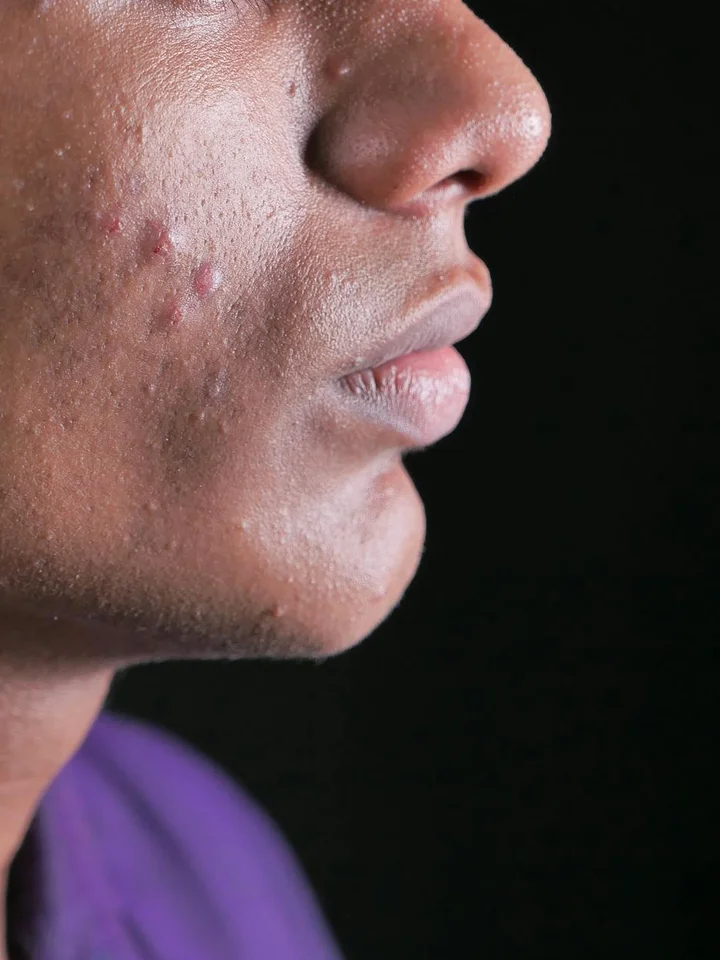
If you’re thinking about stopping, your biggest question is probably this: will my acne come raging back? For most people, the honest answer is yes, it can. Adapalene is a maintenance treatment, not a permanent cure for acne. It works by continuously keeping pores clear and calming inflammation underneath your skin.
Think of it like consistently cleaning your house to prevent dust from building up. If you stop cleaning, the dust comes back. Similarly, when you stop using adapalene, the underlying causes of your acne-like clogged pores and rapid skin cell production-are no longer being managed daily.
Several factors influence how quickly or severely acne might return:
- Your Hormones: If your acne is primarily hormonal (like breakouts along your jawline that cycle with your period), stopping treatment often leads to a relapse. My client Maya noticed this pattern whenever she tried to skip her adapalene applications.
- Your Core Skin Type: If you have naturally oily or acne-prone skin, your baseline is set for clogged pores. Treatment presses pause on that process.
- What You Replace It With: Going to a routine with no active ingredients gives acne the green light to return. Having a gentle backup plan is key.
Can Your Skin Revert to Its Pre-Treatment State?
While breakouts may return, not all progress is lost. Your skin isn’t simply resetting like a computer. The benefits you gained from increased cell turnover can have a lasting impact on your skin’s texture and clarity.
Those months of treatment helped shed layers of old, dull skin. Even after stopping, your skin may remain smoother and more even-toned than it was before you ever started. You’ve also given your skin a lasting gift by using it consistently: sun damage prevention. By accelerating cell renewal, retinoids like adapalene help prevent the long-term accumulation of sun damage, which is a win that stays with you.
A Smart Plan for How to Stop Using Adapalene
Quitting cold turkey can shock your skin and lead to a swift rebound. The gentler strategy is to taper off. This gives your skin barrier time to adapt and allows you to introduce supportive products.
Here is a step-by-step guide for how to stop using adapalene safely:
- Shift to Every Other Night for two weeks. Apply your moisturizer first to buffer the application.
- Move to Twice a Week for the next two weeks. Pay close attention to how your skin feels.
- Apply Once a Week for a final two-week phase before stopping completely.
During this taper and after, adopt a simple, repairing routine. This is your skin’s safety net.
- Gentle Cleanser: Use a non-foaming, hydrating cleanser that won’t strip your skin, especially in the morning.
- Barrier-Repair Moisturizer: Look for formulas with ceramides, fatty acids, and cholesterol. These ingredients act like mortar between your skin bricks, rebuilding strength. This is the step my client Noah swears by for his reactive skin.
- Daily Sunscreen: Non-negotiable. Your skin will be more vulnerable to sun sensitivity for a few weeks, and daily SPF protects your long-term results.
For future maintenance, consider gentler, over-the-counter actives. A salicylic acid cleanser used a few times a week can help manage oil and pores. Azelaic acid is a superb option for addressing both redness and minor breakouts without the intensity of a retinoid. Always patch test any new product behind your ear for a few nights first.
Contraindications & Important Safety Warnings

Before we discuss stopping, it’s vital to know when you should absolutely not start, or when you must pause. I treat this with the same seriousness as I would in my treatment room.
Pregnancy and Breastfeeding
This is non-negotiable. Adapalene is a retinoid, and systemic retinoids are known to cause severe birth defects. While topical absorption is low, the risk is not worth taking. Do not use adapalene or any retinol if you are pregnant, planning to become pregnant, or breastfeeding. If you discover you are pregnant while using it, stop immediately and consult your obstetrician.
Compromised Skin Barrier
Think of your skin barrier like a well-built wall. Retinoids work by encouraging renewal, which temporarily makes that wall a bit thinner and more sensitive. Applying adapalene to skin that’s already damaged is like trying to renovate a wall that’s actively on fire.
Never start or stop adapalene during an active skin flare like eczema, a severe sunburn, or if you have open wounds or cuts. I think of my client Noah, who has dry, reactive skin. Introducing any active on his angry, compromised barrier would guarantee a terrible reaction and set his healing back weeks. Your skin must be calm and baseline healthy before you consider this ingredient. If irritation occurs, there are gentle ways to manage adapalene irritation without stopping the treatment. A calm, barrier-supporting routine helps your skin tolerate the ingredient better.
Very Sensitive or Reactive Skin
If you have a history of sensitive skin or know your barrier is easily damaged, you must proceed with extreme caution. This doesn’t mean you can’t use retinoids, but it means you need a strategy and likely a professional guide, especially when choosing the right retinol percentage for sensitive skin.
You might need to start with a much lower concentration, use the “short-contact” method (applying for only 10-15 minutes before washing off), or buffer it heavily with moisturizer. If your skin is notoriously sensitive, partnering with a dermatologist or licensed esthetician from the start is your safest path to success without causing more problems.
When to See a Dermatologist About Stopping
Stopping adapalene is often straightforward, but sometimes your skin sends signals that it’s time to call in the experts. Here’s when I would absolutely book that appointment.
For Managing Severe, Cystic Acne
If you were using adapalene to control deep, painful cystic acne, stopping on your own can feel like stepping off a cliff. The acne often comes back, sometimes with a vengeance. If you have a history of severe cystic acne, consult a dermatologist before or immediately after stopping to create a new, effective management plan. They can discuss options like oral medications, hormonal treatments, or alternative topicals that might be a better long-term fit.
If Acne Returns Aggressively or Rosacea is a Concern
Sometimes, what returns isn’t just acne. You might notice persistent redness, flushing, or bumps that look different from your old breakouts. This could indicate underlying rosacea that was being managed by the anti-inflammatory effects of the adapalene. Understanding the adapalene acne timeline can help you interpret these changes as part of the treatment, and what to expect next. In the following steps, you’ll find more on how the timeline unfolds week by week.
My client Lina, with combination, sensitive skin, found that after stopping, her cheeks stayed red and bumpy. Her dermatologist identified it as mild rosacea, a condition that needs a completely different treatment approach. If your skin behaves in a new or aggressively inflamed way after stopping, professional guidance is key to getting the right diagnosis and treatment.
Prolonged, Severe Irritation
While some dryness or irritation after stopping is normal and should fade, severe symptoms are a red flag. If you experience intense redness, burning, stinging, or peeling that doesn’t start to improve after 7-10 days of a super gentle, reparative routine, don’t just suffer through it.
Prolonged severe irritation can further damage your moisture barrier, making your skin vulnerable to more issues. A dermatologist can assess if you’re dealing with retinoid-induced dermatitis or another condition and prescribe treatments to calm your skin down effectively and safely.
Your Questions on Stopping Adapalene, Answered
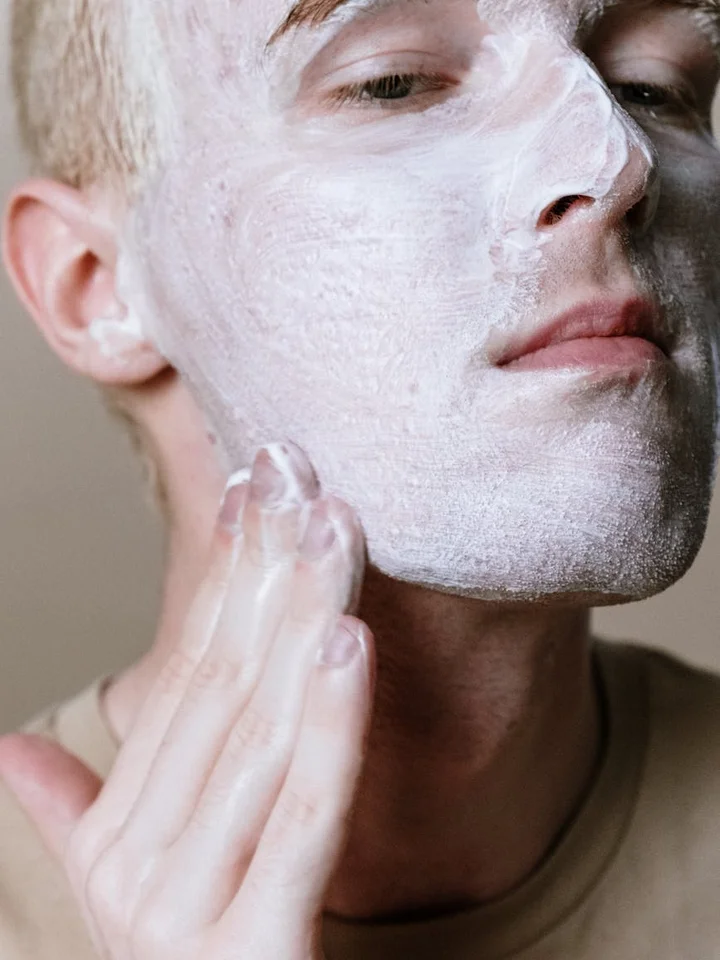
How can I keep my skin clear after I stop?
Transition to a consistent, gentle routine focused on barrier support with a ceramide moisturizer and daily SPF. Incorporating a non-drying active, like salicylic acid used sparingly, can help manage pores without the intensity of a retinoid.
If my acne returns, does that mean the treatment failed?
Not at all-adapalene controls acne while you use it, but isn’t a permanent cure. Its return simply means your underlying skin physiology needs ongoing management, which is perfectly normal and very common. Exploring adapalene gel uses and its effectiveness in acne can help set expectations for long-term management. Understanding this can guide discussions about ongoing treatment options with your clinician.
Are there signs I should consider restarting treatment?
If your acne returns to its original pattern and a gentle maintenance routine isn’t enough, it may be a sign to consult your dermatologist. They can help determine if resuming adapalene or trying a different approach is best for your long-term skin goals.
Your Skin’s Journey After Adapalene
Stopping Adapalene is a shift in your skincare strategy, not an endpoint. The core takeaway is to taper off gradually and double down on barrier support to ease the transition and maintain your progress. I remind my clients, like cautious Noah, that patience and a gentle routine are your best tools here.
- Slowly reduce use to every other night for a few weeks before stopping completely.
- Anchor your routine with a soothing, fragrance-free moisturizer to combat dryness.
- Protect new skin with a daily mineral sunscreen from a sustainable brand.
- If breakouts resurface, explore a gentle, non-prescription active like azelaic acid.
- Mark your calendar for a 6-week check-in with yourself to assess your skin’s new baseline.
Navigating changes in your skin can feel uncertain, but you don’t have to do it alone. I invite you to keep reading the LuciDerma blog for more trustworthy guides, and always feel welcome to share your questions or experiences. My goal is to provide you with clear, ethical advice that puts your skin’s long-term health first.
Related Guides and Information
- Adapalene: Uses, Side Effects, Interactions, Pictures, Warnings & Dosing – WebMD
- 5 Adapalene Side Effects You Should Know About – GoodRx
- Adapalene: MedlinePlus Drug Information
- Adapalene (topical route) – Side effects & dosage – Mayo Clinic
- Adapalene Topical Side Effects: Common, Severe, Long Term
- what happens when you stop Differin Gel (Adapalene 0.1%) – YouTube
- r/SkincareAddiction on Reddit: [Acne] Should I stop using Differin?
Written by Lucy Zimmerman. Lucy is an expert author and blogger when it comes to skin care and body care. She has first hand expertise acting as skin care consultant for over 5+ years helping her clients achieve smooth blemish free skin with natural and working remedies. She also has been an avid experimenter and tried out all the natural and artificial remedies and treatments so you can learn from her first hand experience. Additionally, she has traveled to many countries around the world and incorporated the skin care routines she has learnt into this blog. So, wait no more, reach out to Lucy if you have any specific needs and follow her blog, LuciDerma for expert skin care advice.