
Adapalene and Moisturizer: Your Guide to a Soothing, Effective Routine
If you’re using adapalene and worried about dryness or irritation, I understand that finding a moisturizer that works with it, not against it, can feel tricky.
This guide will help you choose confidently. By the end, you’ll know:
- Which moisturizer ingredients soothe adapalene’s side effects without reducing its power.
- How to layer products to protect your skin barrier and prevent peeling.
- My top tips for a simple, gentle routine that keeps your skin calm and clear.
You can achieve the smooth, healthy skin you deserve with the right partner for your treatment.
Why Your Skin Needs a Moisturizer with Adapalene
Starting adapalene is a bit like training for a marathon. Your skin is working hard to renew itself, and that initial phase, called retinization, often comes with side effects. You might experience dryness, peeling, flaking, and a feeling of tightness or irritation. This is normal, but it’s not something you just have to endure.
Think of a good moisturizer as your skin’s supportive training partner. It’s not an optional extra. Using the right moisturizer is a non-negotiable step that allows your skin to tolerate the treatment so you can see the long-term benefits without unnecessary discomfort.
I often explain it to my clients this way: your skin barrier is like a sturdy brick wall. The skin cells are the bricks, and the lipids (fats) and natural moisturizers between them are the mortar. Adapalene speeds up how quickly you replace the bricks, which can temporarily loosen the mortar. A well-formulated moisturizer helps repair and replenish that mortar, keeping your protective wall intact.
My client Noah, who has dry and reactive skin, learned this quickly. When he first tried adapalene without a dedicated moisturizer, his cheeks became so irritated he wanted to quit. We paired it with a simple, fragrance-free barrier repair cream, and within a week his skin settled down. The adapalene could keep working, but his comfort level was completely different.
The Golden Rules for Layering: When to Apply What
The order you apply your products makes a big difference in comfort and efficacy. The most common questions I get are about timing.
Can I apply moisturizer before adapalene?
Yes, absolutely. This is called the “buffering” method. Applying moisturizer first creates a gentle buffer that can help reduce potential irritation, making it an excellent strategy for sensitive, dry, or reactive skin types. It does not stop the adapalene from working; it just moderates how much your skin feels it all at once.
This is the method I typically start with for clients like Lina or Noah. It’s a kinder, gentler way to introduce the active ingredient and build tolerance.
Can I apply moisturizer after adapalene?
Yes, this is the standard or direct method. Applying adapalene to clean, dry skin followed by moisturizer is often preferred by those with resilient or oily skin who want the full intensity of the treatment. It allows the adapalene to have direct contact with the skin with no dilution.
My client Maya, who has oily, acne-prone skin, uses this method. After her skin acclimated, she found applying her lightweight gel moisturizer after the adapalene gave her the results she wanted without extra dryness.
Your Step-by-Step Routine Plans
Patience between layers is your secret weapon. Waiting for your skin to dry minimizes stinging and helps each product work as intended.
The Buffering Method (Great for sensitive skin)
- Cleanse your face with a gentle, non-stripping formula. Pat dry.
- Wait 5-10 minutes for your skin to be completely dry.
- Apply your moisturizer to slightly damp or dry skin.
- Wait another 5-10 minutes for the moisturizer to absorb.
- Apply a pea-sized amount of adapalene, avoiding the delicate eye and lip areas.
- You can apply a second, thin layer of moisturizer if needed, or simply end your routine here.
The Standard Method (For resilient skin)
- Cleanse your face with a gentle formula. Pat dry.
- Wait 5-10 minutes for your skin to be completely dry.
- Apply a pea-sized amount of adapalene to your face, avoiding the eye and lip areas.
- Wait 10-15 minutes for the adapalene to fully absorb and dry down.
- Apply your moisturizer over the top to lock in hydration and support your barrier.
You can experiment to see which sequence feels best for your skin. Many people start with buffering and switch to the standard method after a few weeks once their skin has adjusted. The key is consistency and listening to your skin-if it feels raw or overly irritated, pulling back to the buffering method is always a smart move.
The Chemistry of Compatibility: What Makes a Moisturizer “Safe”

Adapalene is a sturdy, third-generation retinoid. Unlike some of its cousins, it’s not easily broken down by light or air, and it doesn’t demand a very specific skin pH to work. This makes it less fussy in your routine compared to other retinoids or retinol.
The real question isn’t if it will destabilize, but how your moisturizer’s ingredients interact with your skin while using adapalene. Think of your skin barrier as a team. Adapalene is the coach pushing the team to work harder and renew faster. Your moisturizer should be the supportive teammate, not one that argues with the coach or gets in the way.
- Supportive Teammates: These are ingredients that help your skin handle adapalene’s renewal process. Look for barrier-repairing ingredients like ceramides, cholesterol, and fatty acids. Soothing agents like niacinamide, panthenol, and oat extract are also excellent. They calm the redness and tightness that can sometimes come with retinoid use.
- Competing Teammates: These are ingredients that might fight for your skin’s attention or add unnecessary stress. Directly mixing adapalene with high concentrations of other exfoliating acids (like AHA, BHA, or vitamin C) can increase irritation. It’s not that you can’t use them, but it’s safer to use them at different times of day or on alternate nights.
The safest path is to choose a simple, fragrance-free moisturizer focused on repair and hydration, avoiding a long list of other potent actives.
Formulation Pro-Tip: Texture and Absorption
Order matters. A good rule is to apply products from thinnest, water-based consistency to thickest, oil-based consistency. This allows each layer to absorb properly.
For my client Lina, who has combination skin, this layering is key. She does well with a hydrating hyaluronic acid serum on damp skin, followed by her adapalene gel, and then a lighter moisturizer on her oily T-zone with a richer cream on her drier cheeks.
- Before Adapalene (The Buffer): Lightweight gels, serums, or toners. If your skin is sensitive or new to treatment, applying a basic moisturizer first can act as a gentle buffer. This slightly dilutes adapalene’s initial contact, potentially reducing dryness while still letting it work. This is a method I often start with for clients like Noah, who have reactive skin.
- After Adapalene (The Seal): Richer creams and lotions. Once your adapalene has dried down (wait 2-3 minutes), apply your primary moisturizer. This locks in the treatment and provides the emollients and occlusives your skin needs to stay hydrated overnight.
Occlusives like petrolatum or dimethicone are fantastic final steps, but only after everything else has fully absorbed. Think of them as a protective wrap. If you apply them too soon, they can trap the adapalene and potentially increase irritation. A pea-sized amount of plain petrolatum jelly over very dry patches is a trick I’ve shared with many clients for targeting flaky areas without disrupting the whole treatment.
Your Ingredient Cheat Sheet: What to Look For
When your skin is adjusting to adapalene, your moisturizer isn’t just for comfort-it’s a critical tool for repair. The right formula acts like a supportive teammate, working to offset dryness without interfering with the retinoid’s job. Think of it as building a calm, hydrated environment where adapalene can work effectively.
Barrier-Repair Stars: The Reinforcements
Adapalene can temporarily weaken your skin’s barrier as it speeds up cell turnover and exfoliates your skin. These ingredients are the building blocks your skin uses to repair that protective wall.
- Ceramides: These are like the mortar that holds your skin’s brick wall together. They fill the gaps between skin cells, locking in moisture and keeping irritants out. A moisturizer with ceramides helps reinforce your barrier daily. My client Noah, with his dry, reactive skin, found that a ceramide-rich cream made his nightly adapalene use much more tolerable.
- Cholesterol: This ingredient acts like the flexible, smart glue that helps ceramides and fatty acids organize themselves into a strong, functional barrier. It ensures your skin’s repair process is smooth and efficient.
- Fatty Acids: Think of these as the protective, sealing layer of paint on top of that brick wall. They help create a slightly occlusive layer that prevents water loss. Look for oils like safflower, sunflower, or shea butter which are rich in these soothing fats.
For the best repair, look for products that contain all three of these ingredients (ceramides, cholesterol, and fatty acids) in a similar ratio to what’s found in healthy skin.
Gentle Humectants: The Hydration Magnets
Humectants draw water from the air into your skin’s surface layers. With adapalene, you need effective ones that won’t sting or cause additional irritation.
- Hyaluronic Acid (HA): This is a powerhouse molecule that can hold up to 1000 times its weight in water. Imagine it as a microscopic sponge sitting on your skin, plumping and hydrating. For use with adapalene, look for multi-weight HA formulas that hydrate at different depths. Apply it to damp skin for the best effect.
- Glycerin: This is a classic, reliable humectant. It’s like a dependable moisture magnet that’s very unlikely to cause any drama on sensitized skin. Almost every skin type can tolerate glycerin, making it a safe bet.
- Panthenol (Provitamin B5): This ingredient is a overachiever. It acts as a humectant to hydrate, but it also soothes and supports skin healing. Think of it as giving your skin a tall, calming drink of water while helping to calm any redness.
Soothing Agents: The Calm Crew
These ingredients help manage the redness, warmth, and irritation that can sometimes come with retinoid adjustment. They’re the cooling balm for your adapalene routine.
- Niacinamide (Vitamin B3): This is a multi-tasking champion, especially at concentrations around 5%. It helps improve your skin’s barrier function, reduces redness, and can help regulate oil. For someone like my client Lina with combination skin, it’s perfect for soothing her cheeks while keeping her T-zone balanced. It plays very well with adapalene.
- Centella Asiatica (Cica): This plant extract is like a cool, calming compress for angry skin. It’s packed with compounds that actively soothe irritation and support wound healing. If your skin feels hot or looks red, a product with Centella can provide noticeable relief.
- Oat Extract: This is the gentle, protective hug of ingredients. It contains compounds called avenanthramides that are clinically shown to relieve itching and soothe inflammation. It’s an excellent choice for skin that feels raw or uncomfortably dry from treatment.
When in doubt, a simple moisturizer with glycerin and ceramides is a fantastic, no-fuss starting point that will support your skin through the adapalene adjustment period.
The Interaction Matrix: What to Avoid Mixing

Starting adapalene feels like you’re learning a new language for your skin. It’s powerful, and you want to support it, not start a fight on your face.
One of the first questions I get is, “Can I use my other favorite acids and treatments with it?” The short, clinical answer is to pause them when you begin. Think of your skin barrier as a stack of books. Adapalene is like carefully removing a few books to reorganize the shelf. Adding a strong AHA or BHA on the same night is like yanking out several more at once. The whole stack gets wobbly and stressed. This is why clients like Maya, who loves her salicylic acid toner, saw better results when we paused it for her first month on adapalene, letting her skin adjust without extra exfoliation.
During the initial adjustment phase, temporarily pause using strong chemical exfoliants like glycolic acid (AHA) or salicylic acid (BHA) in the same routine as your adapalene.
Beyond actives, certain common moisturizer ingredients can turn a simple routine into an irritating one. Your goal is to calm and protect, not provoke. Here’s what I guide my clients to skip:
- High concentrations of denatured alcohol (often listed as SD alcohol or ethanol). It can feel bracing but often strips the barrier adapalene is already challenging.
- Essential oils (like citrus, lavender, peppermint) and strong synthetic fragrances. These are frequent culprits for redness and stinging, especially on sensitized skin.
- Harsh physical scrubs with large, jagged particles. Your skin is in a more delicate state.
You might also hear that some ingredients “cancel out” retinoids. That’s mostly a myth for adapalene. Ingredients like vitamin C or very low pH formulas don’t neutralize adapalene, but they can significantly increase irritation by overwhelming your skin’s tolerance. It’s not a chemistry conflict, it’s a traffic jam on your skin’s surface. For someone like Noah, with reactive skin, introducing a potent L-ascorbic acid serum at the same time as adapalene guaranteed a flare-up. We waited until his skin was fully acclimated.
What About Sunscreen?
This isn’t a suggestion. It’s the rule. Adapalene increases your skin’s photosensitivity, making it more vulnerable to sun damage. Sunscreen is your non-negotiable final step every single morning, rain or shine. Especially when using Adapalene.
Applying a broad-spectrum sunscreen every morning is mandatory when using adapalene to protect your sensitized skin and prevent increased dark spots or burns.
The qualities you want in your nighttime moisturizer apply here, too. Look for a sunscreen that is gentle and fragrance-free. Many mineral sunscreens with zinc oxide are excellent for this, as zinc is naturally soothing. You can use a dedicated sunscreen or a daytime moisturizer with built-in SPF, as long as it provides adequate protection (SPF 30 or higher) and doesn’t contain the irritants we just discussed. For Lina, who has combination skin, a lightweight, fragrance-free mineral SPF lotion became her perfect morning shield, protecting without clogging her T-zone.
Building Your Simple, Soothing Routine
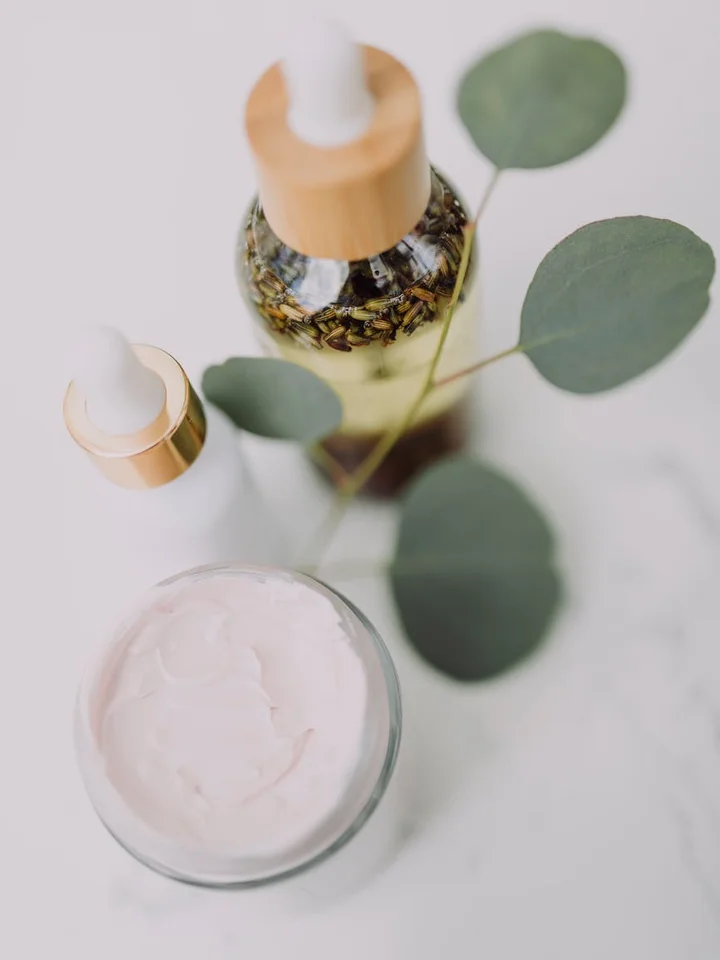
Think of your new routine as a partnership between treatment and comfort. Your goal is to let the adapalene work on renewing your skin while your moisturizer actively manages dryness and reinforces your barrier. We’ll also explore safe skincare routine product combinations with adapalene, like pairing it with a gentle moisturizer. These pairings support renewal while keeping comfort intact. Here are two frameworks to follow, depending on where you are in your journey.
Routine 1: The Sensitive Start (The Buffering Method)
This method is your best friend for the first few weeks. Applying moisturizer first creates a gentle buffer that slows the adapalene’s absorption, reducing the initial “retinization” side effects like flaking and stinging. In the next steps, we’ll outline the exact adapalene moisturizer application order to follow for best results and comfort.
Buffering is the single most effective technique for preventing early irritation from adapalene in the initial stages of its application.
- Cleanse with a gentle, non-foaming cream or lotion cleanser.
- Pat your face dry and immediately apply a dime-sized amount of your hydrating, barrier-support moisturizer to slightly damp skin.
- Wait 15-20 minutes for the moisturizer to fully absorb. Your skin should feel calm, not tacky.
- Apply a pea-sized amount of adapalene to your entire face, avoiding the immediate eye area and lips.
- You are done. Do not layer another moisturizer on top tonight.
I often start my more reactive clients, like Noah, on this exact schedule. Noah has dry, sensitive skin and was nervous about redness. We began with this buffered routine just three nights a week (Monday, Wednesday, Friday), using a rich, fragrance-free cream packed with ceramides. It gave his skin the time and support it needed to adapt without a major flare-up.
Routine 2: For Established Use
Once your skin has acclimated (usually after 4-6 weeks with minimal dryness or redness), you can switch to applying adapalene directly to clean skin. This allows for maximum efficacy while still prioritizing repair.
- Cleanse with your gentle face wash.
- Pat skin dry and wait 5-10 minutes for it to be completely dry. This step is non-negotiable applying to damp skin can increase irritation.
- Apply your pea-sized amount of adapalene.
- Wait another 15-20 minutes. This lets the treatment settle in.
- Seal it all in with a generous layer of your compatible moisturizer. This is when a slightly richer cream can really help lock in hydration overnight.
Listening to Your Skin & Adjusting Frequency
Your skin’s tolerance, not a calendar, dictates your pace. A standard plan might look like this, but always defer to what your skin tells you.
- Weeks 1 & 2: Use adapalene 2-3 times per week, always with the buffering method.
- Weeks 3 & 4: If you’re tolerating it well, try increasing to every other night. You can experiment with removing the buffer if your skin feels resilient.
- Week 5+: Aim for nightly use if your goal is acne treatment, or stick to every other night for anti-aging if that’s what your skin prefers.
If you experience persistent redness, burning, or sandpaper-like texture, scale back immediately. Take two nights off to moisturize intensively, then resume your previous, gentler frequency. For my client Lina, moving to nightly use was too much for her combination cheeks. She found her sweet spot at four nights a week, which cleared her T-zone without compromising her sensitive areas.
Troubleshooting: If Irritation Still Happens
Even with the most compatible moisturizer, your skin might send a clear signal that it needs a break. Listen to your skin-persistent stinging, a burning sensation, or severe redness that looks more like a rash than a flush are your cues to pull back. This isn’t failure; it’s your skin asking for a gentler approach.
How to Reset Your Routine
When irritation hits, think of it as hitting the pause button, not stopping for good. Here is a simple reset protocol.
- Pause Adapalene. Stop applying the treatment immediately. Your goal now is to calm your skin, not treat acne.
- Simplify Your Cleanser. Use a gentle, non-foaming, fragrance-free cleanser. You’re not trying to deeply purify, just to remove impurities without stress.
- Apply a Bland, Soothing Moisturizer. This is the star of your reset. Look for a formula with ingredients like ceramides, glycerin, and colloidal oatmeal. Avoid anything with active acids, retinoids, or even vitamin C during this time.
Follow this simplified routine for 3 to 5 nights, or until all stinging and significant redness subside. My client Noah, who has dry, reactive skin, finds this reset essential whenever he tries a new product. It gives his skin barrier the dedicated repair time it needs.
Returning to Your Treatment
Once your skin feels calm and comfortable again, you can reintroduce adapalene. Start by applying it just one night a week, always over your moisturizer, to rebuild tolerance slowly. This “moisturizer buffer” technique significantly reduces the risk of re-irritation.
Finding a moisturizer that truly supports your skin through adapalene treatment is the foundation for long-term success, not just a temporary comfort. The right one doesn’t fight the treatment; it creates a resilient, hydrated environment so the adapalene can work effectively without a constant battle against dryness and irritation. Your routine should feel supportive, not punishing.
Your Quick-Start Adapalene Moisturizer FAQ
Does applying moisturizer first make the adapalene less effective?
No, buffering with moisturizer first does not reduce adapalene’s efficacy. It simply moderates absorption to significantly lower the risk of initial dryness and irritation, helping your skin build tolerance.
Can I use a facial oil as my moisturizer with adapalene?
Facial oils are excellent, supportive occlusives but are not a complete replacement for a barrier-repair moisturizer. Use a few drops to seal in your treatment after applying a moisturizer containing humectants and ceramides for full-spectrum support.
Should I switch moisturizers as my skin gets used to adapalene?
Your moisturizer needs may evolve. You might start with a richer, soothing cream and later find a lighter lotion sufficient as irritation subsides. Let your skin’s comfort level-not the calendar-guide any change.
Keeping Your Skin Happy with Adapalene
The right moisturizer acts as a protective partner, shielding your skin from dryness so adapalene can focus on clearing breakouts without distraction. Your goal is to select a gentle, supportive formula and apply it with timing that maintains your treatment’s strength while coddling your skin barrier.
- Prioritize moisturizers labeled fragrance-free and non-comedogenic to avoid irritation and clogged pores.
- Apply your adapalene treatment to clean, dry skin first, then follow with moisturizer once it absorbs to lock in comfort.
- Seek out ingredients like ceramides or oat extract to actively soothe and repair any sensitivity.
- If your skin feels tight or flushed, temporarily reduce adapalene use to every other night and boost moisturizer application.
- Before full-face use, always test a new product behind your ear or on your jawline for a few days.
I’m here to support your skin journey with evidence based, ethical guidance at LuciDerma. If you have questions about balancing actives with hydration, remember that our blog is filled with real client stories and practical tips, and I welcome your thoughts, just like how Lina’s curiosity about layering helped refine our approach.
Lucy Zimmerman
Lucy is an expert author and blogger when it comes to skin care and body care. She has first hand expertise acting as skin care consultant for over 5+ years helping her clients achieve smooth blemish free skin with natural and working remedies. She also has been an avid experimenter and tried out all the natural and artificial remedies and treatments so you can learn from her first hand experience. Additionally, she has traveled to many countries around the world and incorporated the skin care routines she has learnt into this blog. So, wait no more, reach out to Lucy if you have any specific needs and follow her blog, LuciDerma for expert skin care advice.