
Adapalene vs Retinol: Choosing the Right Retinoid for Your Skin
If the choice between adapalene and retinol has you scratching your head, you’re in good company. I help clients like Lina and Noah demystify retinoids all the time.
This guide will walk you through the essentials so you can make a smart, personalized choice:
- Learn how all retinoids, including adapalene and retinol, fit into one skin-loving family.
- Compare their strengths directly to see which one targets your specific concerns, like stubborn acne or fine lines.
- Gain the confidence to introduce your chosen retinoid into a routine that keeps your skin happy and healthy.
Think of this as your first, reassuring step toward a more informed skincare shelf.
The Retinoid Family Tree: Where Do Adapalene and Retinol Fit?
Every single retinoid you’ve ever heard of starts its life as a form of vitamin A. Calling them all the same is like calling every member of your extended family by your brother’s name. They’re related, but they have different personalities, strengths, and ways of getting things done.
I like to picture the retinoid family as a relay race happening on your skin. The finish line is delivering “active retinoic acid” to your skin cells, which is the only form they can directly use to kickstart renewal and collagen production.
The key difference lies in who’s carrying the baton and how many handoffs they need to make.
On one team, you have the prescription-strength “runners,” like tretinoin and tazarotene. They are already active retinoic acid. They get the baton right at the starting line and sprint to the finish. They’re powerful and direct.
On the other team, you have the over-the-counter “converters,” like retinol. They start the race holding a precursor. Retinol has to pass the baton once (to retinaldehyde) and then again to finally become active retinoic acid. More steps mean a gentler, but slower, journey.
So, is adapalene a form of retinol? No, it’s not. Adapalene is a unique, synthetic retinoid. Think of it as a specialized runner on a parallel track. It binds directly to specific skin cell receptors involved in acne, making it a targeted pro. It’s gentler and more stable than some prescription options, which is why it earned an OTC status for acne treatment, but it still operates with more directness than retinol.
Retinol Unpacked: The Gentle Convertor
Retinol is the workhorse of the over-the-counter retinoid world. When you see “vitamin A” or “retinol” on a serum bottle, this is usually what they mean.
Its primary job is conversion. As we saw in the relay race, retinol must transform twice within your skin to become the active retinoic acid your cells crave. This two-step process is why retinol is celebrated for being more tolerable for many people, especially those new to vitamin A or with sensitive skin like my client Noah. The trade-off is time; results build gradually over consistent months of use.
With patience, retinol delivers classic, well-researched benefits:
- Gently accelerates cell turnover to smooth rough texture and fade post-acne marks.
- Encourages collagen production to soften the look of fine lines.
- Helps improve the appearance of sun damage and uneven tone.
You’ll typically find it in night serums and creams at concentrations ranging from 0.1% (a great starting point) up to 1%. Higher percentages aren’t automatically better; they require a more resilient skin barrier. I often guide clients like Lina to start low, apply it over moisturizer to buffer initial sensitivity, and only use it a few nights a week at first.
Adapalene Explained: The Targeted Acne Fighter
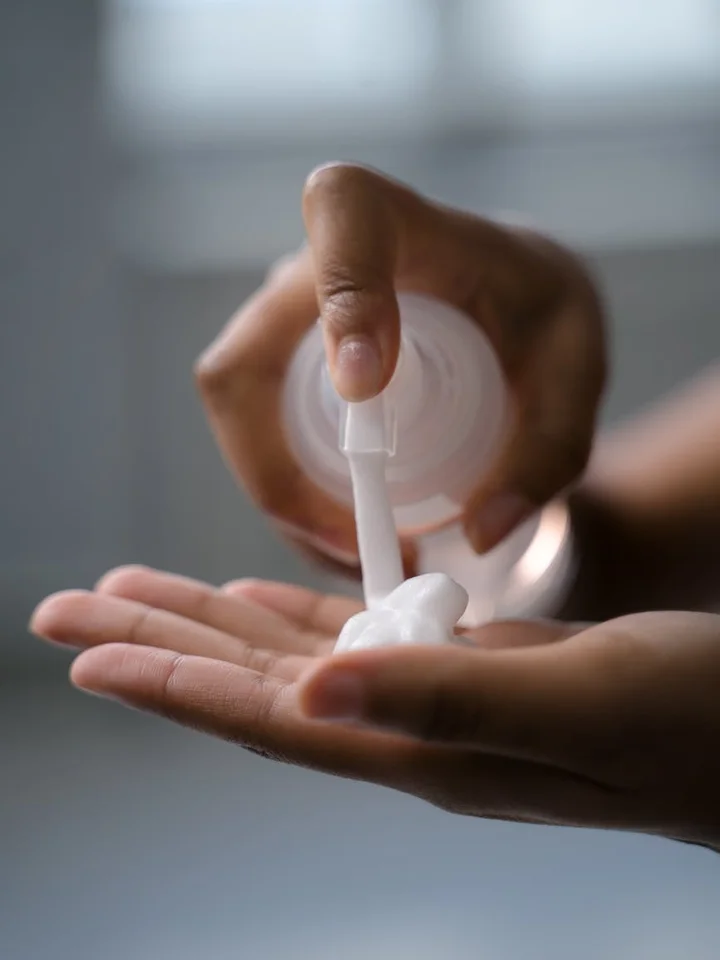
Think of adapalene as the focused specialist in the retinoid family. It’s a synthetic, third-generation retinoid, designed in a lab to be very good at specific jobs. Its primary, FDA-approved job is treating acne.
Adapalene excels at unclogging pores and reducing the inflammation that makes pimples red and angry. It’s like sending in a precision tool to clear out the congestion and calm the area, which is why it’s so effective for persistent breakouts.
You might know it by its old prescription name, Differin. The great news is it’s now available over-the-counter, making this powerful acne treatment more accessible. Let’s clear up two common questions right away. Adapalene does not contain retinol; they are distinct molecules. And adapalene is not Retin-A. Retin-A is the brand name for tretinoin, which is a different, older prescription retinoid.
Molecule Spec Sheet: A Quick Chemistry Breakdown
This quick table shows why they behave differently on your skin. The chemistry impacts stability and how your skin interacts with each ingredient.
| Property | Adapalene | Retinol |
| pH Preference | Works across a wide pH range | Prefers a neutral to slightly acidic environment |
| Common Concentration (OTC) | 0.1% is standard | Varies widely from 0.01% to 1% |
| Solubility | Lipophilic (oil-loving) | Lipophilic (oil-loving) |
| Key Safety Note | More stable in light and air than retinol | Can degrade quickly; look for stabilized, airtight packaging |
Side-by-Side: The Core Differences Between Adapalene and Retinol
So, how is adapalene different from retinol? Are adapalene and retinol the same? Absolutely not. Choosing between them comes down to your primary skin goal.
- Primary Purpose: Adapalene is first and foremost an acne treatment. Retinol is primarily for anti-aging, targeting fine lines, wrinkles, and dullness.
- Speed of Results: You may see acne improvements with adapalene in about 4-12 weeks. Retinol works more slowly for anti-aging, often taking 3-6 months for visible changes.
- Irritation Potential: Both can cause dryness and peeling initially. However, adapalene binds to specific receptors in the skin, which can make it less irritating for some people compared to early-generation retinoids.
- Skin Type Suitability: Adapalene is a star for oily, acne-prone skin. Retinol has a broader range, with gentle formulas made for drier or more sensitive types concerned with aging.
For my client Maya and her stubborn, painful chin acne, adapalene was the clear choice over a basic retinol serum. The retinol helped with overall texture, but it wasn’t targeted enough to tackle the deep, inflammatory breakouts she was dealing with monthly.
Choosing Your Champion: Which One Matches Your Skin Type?
Let’s match the molecule to your main concern. This is where you make your choice.
If your main concern is active acne, clogged pores, and persistent blackheads, lean toward adapalene. It’s the most direct over-the-counter path for treating acne mechanistically.
If your main concern is fine lines, sun damage, dullness, and overall skin renewal, a well-formulated retinol is your best starting point.
For sensitive skin, the answer is nuanced. Some find adapalene’s targeted action less irritating overall. Others do better with a slow-release, encapsulated retinol formula designed for sensitivity. My strong advice is to never use adapalene and retinol at the same time. Pick one. Using both will likely overwhelm your skin barrier and cause significant irritation without extra benefit.
Your Step-by-Step Integration Plan: How to Start Without the Riot
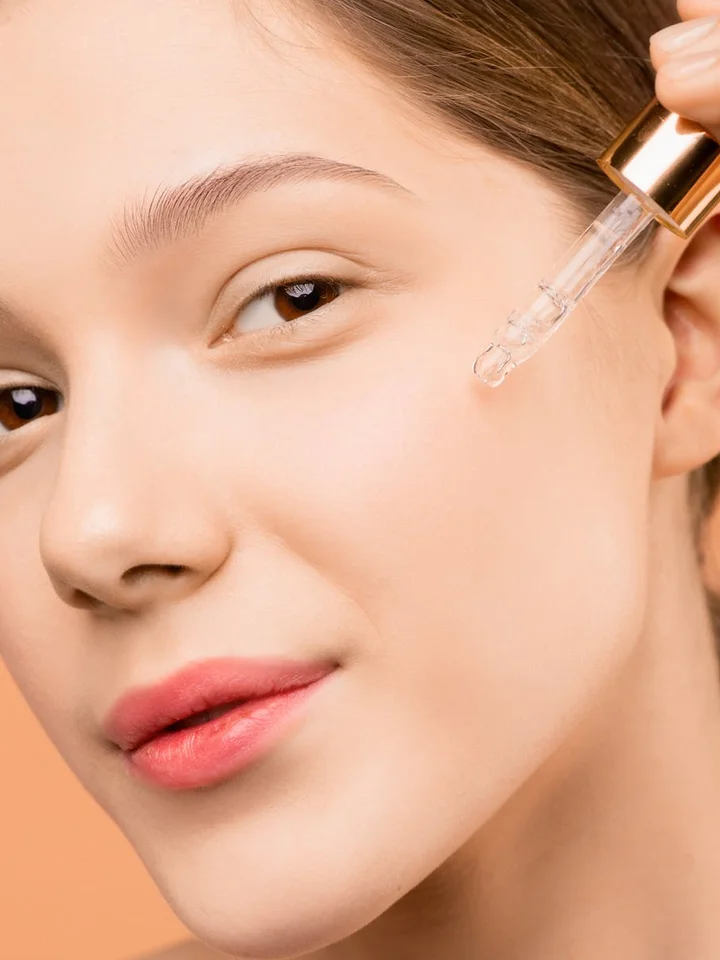
Starting any retinoid is about patience and strategy, not force. Here is a foolproof plan.
- Start slow. Apply your chosen product 1-2 nights per week for the first two weeks.
- Use the “sandwich method” if you’re reactive like Noah. Apply a layer of fragrance-free moisturizer, then your retinoid (a pea-sized amount for the whole face), then another layer of moisturizer. This buffers the intensity.
- Your routine’s non-negotiable partners are a gentle, fragrance-free cleanser and a daily mineral sunscreen. Retinoids make your skin more sun-sensitive. Sunscreen every morning is mandatory.
Expect a “retinization” period. This is your skin adapting. You might see some peeling, dryness, or mild redness. This often peaks around week 2-4. Cope by slathering on soothing ingredients like ceramides and centella asiatica, and never skip moisturizer.
What to Absolutely Avoid Pairing With Your Retinoid
To prevent a damaged skin barrier and extreme irritation, keep this “Do Not Mix” list in mind on the nights you use your retinoid.
- Benzoyl Peroxide: This classic acne fighter can destabilize some retinoids and is overly drying when used together.
- Direct Use of Other Exfoliants: Do not apply AHAs (like glycolic acid) or BHAs (like salicylic acid) in the same routine. It’s too much for your skin to handle at once.
The safe alternate is to use exfoliants on your “off” nights from your retinoid. Space them out. For example, use your retinoid on Monday and Thursday, and use a gentle exfoliant on Sunday.
Beyond the Big Two: Retinoid Derivatives & Gentler Alternatives
If adapalene or retinol feel like too much, you have great options. Retinaldehyde (or retinal) is one step closer to retinoic acid than retinol is, so it can work faster but is often still gentler than prescription formulas.
For those seeking a retinol-like effect without the sensitivity risk, bakuchiol is a plant-based alternative. It’s not a retinoid, but studies show it can mimic some of retinol’s collagen-boosting effects with far less irritation.
For stronger results, the next steps are prescription-only retinoids like tretinoin or tazarotene, which require a consultation with a dermatologist. They are more potent and effective for both severe acne and photoaging, but come with a higher likelihood of side effects that need professional management.
Side-by-Side: The Core Differences Between Adapalene and Retinol
So, are adapalene and retinol the same? No, they are distinct tools for different jobs. Think of the entire retinoid family as a toolbox. Retinol is your versatile all-purpose wrench, good for many general maintenance tasks. Adapalene is your specialized socket wrench, designed for a specific, tougher job.
Primary Purpose: Targeted Acne Fighter vs. Multi-Tasker
This is the biggest split in their job descriptions.
- Adapalene’s Main Job: It is FDA-approved to treat acne. It works by normalizing skin cell turnover to prevent pores from clogging and by reducing inflammation. While it offers anti-aging benefits over time, its primary design and strength is for clearing breakouts.
- Retinol’s Main Job: It is a gold-standard anti-aging and skin-renewing ingredient. It gently encourages cell turnover to smooth fine lines, fade dark spots, and improve texture. Its effect on acne is more indirect and generally milder.
For my client Maya’s stubborn chin acne, adapalene was the clear choice over a basic retinol serum because it directly targeted the inflammation and clogging that caused her deep, painful pimples.
Speed of Results: The Express Lane vs. The Scenic Route
How is adapalene different from retinol in terms of timing? Adapalene often works faster for its intended purpose.
- You may see improvements in acne in as little as 4-8 weeks with consistent adapalene use.
- Retinol requires more patience. Significant anti-aging results like smoothing fine lines typically take 3-6 months of dedicated use.
Both require consistency, but adapalene gives acne-prone skin a more immediate path to clarity.
Irritation Potential: Predictable Adjustment vs. Variable Sensitivity
Both can cause dryness, peeling, and redness-the famous “retinization” period. But their profiles differ.
- Adapalene is more stable and less irritating to many people than prescription tretinoin. Its irritation is often predictable: dryness and peeling at the start that subsides with proper moisturizing.
- Retinol must convert in the skin to become active, and this process can sometimes lead to unpredictable irritation, especially with high concentrations or sensitive skin like Noah’s.
Starting with a low concentration of either and applying it over your moisturizer can dramatically reduce initial irritation.
Skin Type Suitability: Who Benefits Most?
| Ingredient | Best For | Proceed With Caution If You Have… |
|---|---|---|
| Adapalene | Oily, combination, or acne-prone skin (like Maya’s or Lina’s T-zone). Those seeking a direct path to clear skin. | Extremely dry or eczema-prone skin without a superb barrier-repair routine in place. |
| Retinol | Dry, normal, or aging skin focused on texture and wrinkles. Sensitive skin (like Noah’s) using a very low, well-formulated concentration. | Highly reactive, rosacea-prone skin without medical guidance. |
Your choice here isn’t just about your goal, but about how your skin typically behaves. A gentle retinol can be a wonderful introduction for someone new to retinoids, while adapalene offers a more targeted solution for persistent breakouts.
Choosing Your Champion: Which One Matches Your Skin Type?
Think of this less like picking a “best” ingredient and more like choosing the right tool for your specific job. Your main skin concern is your best guide here.
For Acne and Clogged Pores: Lean Toward Adapalene
If your primary battle is with persistent breakouts, blackheads, or a consistently congested complexion, adapalene is often the most direct path. It’s like sending a specialized cleanup crew right to the pore where the clog is happening.
I think of my client, Maya. She’s 28 with oily, acne-prone skin. When she started using adapalene, the goal was clear: unclog pores and prevent new pimples from forming. It worked systematically on that exact issue. Because it’s designed to target the microcomedone (the very beginning of a clog), adapalene is exceptionally effective for treating and preventing acne. A nice bonus? By speeding up cell turnover and clearing congestion, it often improves texture and faint post-acne marks over time, too.
For Fine Lines, Dullness, and Overall Aging: Start with Retinol
If your main goals are tackling early signs of aging like fine lines, sun spots, and a lackluster glow, a well-formulated retinol is a brilliant starting point. It’s the multi-tasking communicator, giving a gentler, broader signal to your skin to refresh itself.
Retinol encourages collagen production and helps fade discoloration from sun damage. The results can be fantastic, but they require more patience. Retinol works comprehensively on photoaging, but because it converts in multiple steps, it can take several months of consistent use to see visible changes in wrinkles and firmness. For someone like Lina, who has combination skin and is starting to notice fine lines, a gentle retinol serum can integrate smoothly into her routine, offering gradual improvement without overwhelming her skin.
Navigating Sensitive or Reactive Skin
This is where personal tolerance becomes key. There’s no universal answer, but there are helpful guidelines.
Sometimes, adapalene’s single-target action can be less irritating for reactive skin than the broader activity of retinol. It’s a more stable molecule and often formulated for tolerance. For some with sensitive skin, the precise, stable nature of adapalene causes less overall irritation than traditional retinols.
On the other hand, the beauty of modern retinol is its versatility in formulation. Encapsulated retinols or those combined with soothing ingredients like niacinamide release slowly, minimizing potential redness and peeling. For someone like Noah, who has dry, reactive skin, a very low concentration of a slow-release retinol in a calming base can be a manageable entry point.
The rule is to start low, go slow, and always pair your retinoid with a superb moisturizer and sunscreen.
The Non-Negotiable Rule: Do Not Use Them Together
This is a critical safety and skin-saving point. More is not better here. Using adapalene and retinol simultaneously is a guaranteed recipe for a damaged skin barrier, severe irritation, redness, and peeling.
Think of it like taking two different medications for the same condition; you’re overloading the system. You must choose one retinoid pathway for your routine-using both adapalene and retinol together will overwhelm your skin and cause significant harm. Stick with your chosen champion, apply it consistently, and give it time to work. If you feel one isn’t working after several months, consult a dermatologist about switching, don’t layer them.
Your Step-by-Step Integration Plan: How to Start Without the Riot
Think of starting a retinoid like training for a marathon, not a sprint. Your skin needs time to build tolerance. I guide all my clients, from Maya to Noah, with this same slow and steady approach.
Here is your foolproof, three-step evening routine for the first month.
- Cleanse your face with a gentle, fragrance-free formula. Pat your skin dry.
- Apply a pea-sized amount of your retinoid. Start using it only one or two nights a week, always with a day off in between.
- Follow immediately with a moisturizer to lock in hydration and soothe your skin.
Starting just once or twice a week is the single most effective way to prevent redness and peeling.
If you have sensitive or dry skin like Noah, I always recommend the “sandwich method.” After cleansing, apply your moisturizer first, then your retinoid, then another light layer of moisturizer. This creates a protective buffer that helps deliver the benefits with much less irritation.
Your routine has two non-negotiable partners. First, a gentle, fragrance-free cleanser is mandatory. It removes impurities without stressing your skin barrier before application. Second, you must use a daily mineral sunscreen (with zinc oxide or titanium dioxide). Retinoids increase sun sensitivity, and sunscreen protects your new, fresh skin cells.
During the first 2 to 6 weeks, you may experience the “retinization” period. This is your skin adapting. Flaking, dryness, or a slight purge of pimples can happen. This adjustment phase is normal, and you can manage it by pausing your retinoid for a night or two and leaning on soothing ingredients. Look for moisturizers with ceramides, which repair your skin’s barrier, or centella asiatica, which calms redness. A client like Lina finds that a simple, fragrance-free oat moisturizer gets her through any dryness.
What to Absolutely Avoid Pairing With Your Retinoid
More is not better when you’re using a retinoid. Mixing certain ingredients can trigger a skin riot. Here is your clear “Do Not Mix” list for your retinoid nights.
- Benzoyl Peroxide: This acne fighter can destabilize and deactivate some retinoids, making both less effective.
- Other Direct Exfoliants: Do not apply alpha hydroxy acids (AHAs like glycolic acid) or beta hydroxy acids (BHAs like salicylic acid) in the same routine.
- Harsh Physical Scrubs: Avoid grainy scrubs or cleansing brushes, which can cause micro-tears on sensitized skin.
The reason is straightforward: combining these potent ingredients overwhelms your skin. It strips away protective layers, leading to a damaged moisture barrier, stinging, extreme redness, and peeling. I’ve seen patients come in with raw, irritated skin from using their retinoid and an acid serum on the same night.
You can still use exfoliants, but timing is everything. Use them on your “off” nights when you are not applying your retinoid.
This gives your skin a day to recover and allows each ingredient to work effectively without conflict. For example, Maya uses her salicylic acid treatment on Wednesday and Sunday nights, and her adapalene gel on Monday and Thursday nights. This scheduled separation keeps her acne in check without the irritation.
Beyond the Big Two: Retinoid Derivatives & Gentler Alternatives
If adapalene and retinol both feel like too much for your skin, you are not alone. Many people, like my client Noah, have reactive skin that needs a more gradual introduction. The retinoid family has other members that can be perfect for building tolerance or for those who want a gentler, plant-based approach.
Retinaldehyde: The Efficient Middle Ground
Think of retinaldehyde as the halfway point between retinol and prescription retinoids. Your skin only needs to convert it one time to become active retinoic acid, while retinol needs two conversions. This makes it work faster than retinol, often showing results in a shorter time.
Retinaldehyde is a smart choice if you found retinol too slow or irritating but aren’t ready for a prescription. It offers a noticeable boost in effectiveness with a gentler profile than adapalene or tretinoin. It’s a favorite for those targeting fine lines and texture without the intense dryness.
Bakuchiol: The Plant-Based Soother
For anyone who wants a retinol-like effect but can’t tolerate any traditional retinoid, bakuchiol is a game-changer. Derived from the babchi plant, it’s not a retinoid at all but behaves similarly in the skin by supporting collagen and easing inflammation.
It doesn’t cause the classic retinoid side effects like peeling or sun sensitivity. I often recommend it to clients like Lina, who has combination, sensitive skin and wants to address early signs of aging without disrupting her fragile moisture barrier. Bakuchiol is a superb, gentle alternative for calming redness and improving skin smoothness with virtually no risk of irritation.
When to Consider a Prescription
For stubborn, cystic acne like Maya sometimes gets, or for more pronounced photodamage, over-the-counter options may reach their limit. The next steps are prescription-strength retinoids like tretinoin or tazarotene.
These are potent medications that work faster and more powerfully on all classic retinoid concerns. Consulting a dermatologist is non-negotiable here; they will assess your skin and prescribe the correct strength and formulation for you. They can also create a plan to manage the initial adjustment period, which often includes significant dryness and peeling.
No matter which retinoid path you choose, always start slowly. Apply it to dry skin, use it only a few nights a week, and pair it with a simple, nourishing moisturizer. Your skin’s comfort is the best guide you have.
Your Retinoid Questions, Answered
Can I switch from using retinol to using adapalene?
Yes, you can switch, but treat it as a completely new introduction. Pause your retinol, then start adapalene slowly-just 1-2 nights a week-to let your skin adapt to this different, more targeted retinoid. This cautious approach helps you monitor for any new sensitivity and ensures a smooth transition for your skin barrier.
What can I safely use alongside my retinoid in a routine?
On your retinoid nights, pair it with soothing, barrier-supporting ingredients like niacinamide, ceramides, and hyaluronic acid. You can use antioxidants like vitamin C in your morning routine, but avoid direct use of other exfoliating acids (AHAs/BHAs) or benzoyl peroxide at the same time as your retinoid application.
Do I need to use a retinoid forever to maintain results?
For sustained benefits, consistent long-term use is key, but the frequency can often be reduced once your skin goals are met and tolerance is built. If you wish to pause, results will gradually fade, and gentler alternatives like bakuchiol can help maintain some skin clarity and renewal in the interim.
Your Retinoid Journey, Simplified
The core of using retinoids well is patience and listening to your skin. Think of retinol as your training wheels and adapalene as a more focused tool, with both requiring a commitment to gentle care and daily sunscreen. Your perfect fit depends on whether you’re starting your anti-aging journey or targeting specific acne.
- Always introduce any retinoid slowly, starting with just one or two nights a week.
- Apply a pea-sized amount to dry skin at night, followed by your moisturizer.
- Make SPF 30 or higher your non-negotiable morning step to protect your new skin.
- If irritation occurs, take a break for a few nights and focus on barrier repair with a simple moisturizer.
- Consistency for 8-12 weeks is key; visible change takes time.
Navigating retinoids can feel complex, but you’re not doing it alone. I’m here to help demystify it all on the LuciDerma blog, where we tackle topics just like this with clear, evidence-based guidance. Send your skin questions our way anytime-your journey toward healthy, resilient skin is one we love supporting.
Lucy Zimmerman
Lucy is an expert author and blogger when it comes to skin care and body care. She has first hand expertise acting as skin care consultant for over 5+ years helping her clients achieve smooth blemish free skin with natural and working remedies. She also has been an avid experimenter and tried out all the natural and artificial remedies and treatments so you can learn from her first hand experience. Additionally, she has traveled to many countries around the world and incorporated the skin care routines she has learnt into this blog. So, wait no more, reach out to Lucy if you have any specific needs and follow her blog, LuciDerma for expert skin care advice.