
Skincare Ingredient Fears Solved: The Real Facts on Parabens, Formaldehyde, and “Chemical-Free” Labels
If you’ve ever side-eyed an ingredient list and wondered if you’re accidentally harming your skin, take a deep breath. I see this worry every day in my practice, and it’s time for some calm, clear facts.
This guide will walk you through the evidence so you can shop without fear. You’ll finish knowing:
- Why parabens get a bad rap and the real role they play in keeping your products stable and safe.
- How formaldehyde-releasing preservatives actually work in your bottle and what the science says about your risk.
- Why “chemical-free” is a meaningless claim and what to look for instead to find gentle, effective formulas.
Consider this your permission slip to stop worrying and start understanding.
The Real Reason We Need Preservatives (It’s Not Scary)
Think of your favorite water-based serum or moisturizer like a container of fresh soup. Leave the soup out on the counter, and what happens? It spoils. It grows fuzzy, unpleasant things you definitely don’t want near your face.
A preservative system in skincare does the same job as your refrigerator. It keeps the product stable, safe, and effective from the moment you open it until the last drop.
Their job is straightforward: to prevent the growth of bacteria, mold, and yeast. These microbes love the warm, wet environment inside your lotion bottle. Without preservatives, using a contaminated product could lead to infections, rashes, or worsened acne.
Water-based products absolutely must have a preservative system to protect your skin’s health.
Some brands use natural preservative alternatives, like certain botanicals or ferment-derived ingredients. These can work well, but they often need to be used at higher concentrations or paired with other ingredients, and they may have a shorter shelf life or a distinctive scent. The challenge is finding one that’s as broadly effective and stable as the established options.
Parabens: The Public Enemy No. 1 of Skincare
Parabens are a class of synthetic preservatives you’ll see on labels as methylparaben, propylparaben, butylparaben, or ethylparaben. For decades, they were the gold standard because they work exceptionally well at very low concentrations against a wide range of microbes.
They’re like a highly efficient, low-dose security system. Because so little is needed to protect a formula, they allowed other beneficial ingredients to take center stage.
Molecule Spec Sheet: Methylparaben
It’s frequently used with another paraben, like propylparaben, to create a broader shield against different types of bacteria and fungi.
Why Did Parabens Get a Bad Reputation?
The controversy started with studies showing that parabens could mimic estrogen, a hormone, in very high doses in laboratory settings. This raised theoretical concerns about a link to breast cancer and reproductive issues.
Here’s the critical context often lost in the fear. Those studies used amounts far, far greater than what is absorbed through the skin from a cosmetic product. The dose makes the poison.
Current scientific consensus from global regulators states that parabens, as used in cosmetics and skincare, are safe. The EU, which has some of the world’s strictest cosmetic regulations, restricts certain longer-chain parabens but explicitly states that methylparaben and ethylparaben are safe at the approved concentrations.
Who Might Still Want to Avoid Them?
For most people with healthy, intact skin, the risk from topical paraben use is considered negligible. My client Noah, with his reactive skin, uses paraben-preserved products without issue because his barrier is now strong.
However, specific situations call for caution. Consider avoiding parabens if you:
- Are pregnant or nursing and are following a precautionary approach on your clinician’s advice.
- Have extremely sensitive, reactive, or compromised skin barrier and find they trigger a response.
- Have a clinically diagnosed paraben allergy (which is rare but possible).
If you don’t fall into these categories and your skin tolerates them, there is no compelling evidence to fear parabens in your skincare. Throwing out a perfectly effective, safe product because of a misunderstood label is often a bigger loss for your routine (and your wallet) than for your health.
Formaldehyde Releasers: The Sneaky Preservatives

Think of a formaldehyde releaser like a time-release capsule. It’s not pure formaldehyde in the bottle. Instead, it’s a different chemical that breaks down slowly, releasing tiny, measured amounts of formaldehyde over the product’s shelf life to keep it free from bacteria and mold. It’s a preservation strategy.
On an ingredient list (the INCI names), you’ll find them under aliases like:
- DMDM Hydantoin
- Imidazolidinyl Urea
- Quaternium-15
- Diazolidinyl Urea
- 2-Bromo-2-Nitropropane-1,3-Diol (Bronopol)
Their job is to provide a steady, low-level defense against microbes, which is effective, but it’s the “steady release” part that matters for your skin.
Are the Released Amounts Actually Dangerous?
The science here is about concentration and exposure. The amounts released in a cosmetic are typically far below the limits considered safe by global regulatory bodies like the Cosmetic Ingredient Review Expert Panel. We’re talking parts per million.
The primary issue isn’t systemic poisoning from your moisturizer. The documented risk is that formaldehyde is a potent and common allergen. Formaldehyde and its releasers are among the leading causes of preservative-related allergic contact dermatitis. Your immune system can recognize and react to these tiny released amounts if you’re sensitized.
Regulations reflect this. For example, the EU mandates that if the released formaldehyde exceeds 0.05%, it must be labeled as “contains formaldehyde.” Most formulas aim to stay well under this threshold for preservation while minimizing sensitization risk.
Spotting Them and Making Your Choice
Your quick-check list is above, but here’s the practical takeaway for your routine:
- If you have sensitive skin, a history of eczema, or a known formaldehyde allergy (common if you’re allergic to certain fabric finishes or disinfectants), I recommend avoiding these ingredients proactively.
- If your skin is generally non-reactive, the risk from these preservatives is low, but being aware helps you troubleshoot if a new product causes unexpected redness or itch.
For the vast majority of people, the concern with formaldehyde releasers is allergic potential, not toxicity. It’s a personal tolerance call, not a universal danger.
The Biggest Myth of All: “Chemical-Free”
Let’s be clear: water is a chemical. Oxygen is a chemical. Every single ingredient in your skincare, from aloe vera to zinc oxide, is a chemical or a mixture of chemicals. A “chemical-free” product is an impossibility, like a “water-free” ocean.
The term is scientifically meaningless. It’s a powerful marketing tactic designed to tap into fear and sell a vague idea of “purity.” Don’t let the “chemical-free” label fool you; it tells you nothing about the safety, efficacy, or quality of the formula.
Focus instead on specific, meaningful terms. “Fragrance-free” means no masking perfumes. “Dye-free” means no added colorants. “Preservative-free” indicates a different preservation system (often requiring airtight packaging). These are concrete claims you can evaluate.
Why “Free-From” Marketing Works on Us
Fear is a powerful sales tool. Marketing that highlights what a product lacks (“paraben-free!” “sulfate-free!”) implicitly suggests those ingredients are dangerous and that the product is safer. This often overlooks a crucial fact: the substitute ingredients may be less studied or more irritating for some people.
I see this with my client Noah, who has dry, reactive skin. He once brought me a “natural, chemical-free” cream that touted being “preserved with grapefruit seed extract.” It made his cheeks red and tight. The issue wasn’t synthetic chemicals; it was that the “natural” preservative system wasn’t robust enough, and the product contained several essential oils known to be sensitizing. A “free-from” label doesn’t automatically make a product gentler or better for your unique skin. Whether you lean toward natural or synthetic preservatives in skincare, the choice matters for sensitive skin. In the next steps, I’ll unpack how each type works and what to look for.
It creates a false good-versus-evil narrative. Your skin doesn’t know if an ingredient was synthesized in a lab or extracted from a plant. It knows whether the molecule is effective, soothing, or irritating. Look past the fear-based slogans and learn what specific ingredients actually do for your skin type.
So, What Are the Preservative Alternatives?

When brands remove parabens or formaldehyde-releasers, they still need to keep products safe. They turn to other preservative systems. Here are the common substitutes you’ll now find on labels.
- Phenoxyethanol: This is a very common broad-spectrum preservative. Think of it as a reliable security guard for your moisturizer. It’s effective at low concentrations, but some people with very reactive skin can find it slightly irritating.
- Potassium Sorbate & Sodium Benzoate: These are often used as a duo. They’re like a good cop, bad cop team that works best in acidic environments (low pH formulas). You’ll frequently see them in cleansers and toners.
- Ethylhexylglycerin & Caprylyl Glycol: These are multifunctional ingredients. They help moisturize the skin and boost the power of other preservatives, allowing the formula to use lower amounts of them overall. They’re the helpful assistants in the mix.
You might also see “self-preserving” systems that use ingredients like certain sugars or acids (e.g., gluconolactone). These work by making the environment inhospitable to microbes, but they require very specific conditions regarding pH and water content to be effective.
The honest trade off is that some alternative preservatives need to be used in higher concentrations, or a product might require airtight, pump-top packaging instead of a jar to stay stable and safe. A well-preserved product in a jar isn’t automatically bad, but for ingredients that degrade with air exposure, a pump is smarter.
Are “Natural” Preservatives Always Gentler?
This is where marketing can really lead us astray. The word “natural” on a label feels comforting, but it’s not a safety guarantee for your skin—especially when it comes to peptides in skincare.
Take grapefruit seed extract. It’s often marketed as a natural preservative, but the pure extract isn’t potent enough to preserve a water-based lotion on its own. It is frequently fortified with synthetic preservatives like benzethonium chloride, which aren’t always listed on the label.
Then there are essential oils like tea tree or rosemary oil. While they have antimicrobial properties, they are also potent allergens and can be highly irritating, especially for clients like Noah with dry, reactive skin. Using a product preserved solely with a high concentration of fragrant oils to avoid “chemicals” can trigger more redness and sensitivity than a product with a tiny, tested amount of a synthetic preservative, especially when it comes to preserving natural botanical extracts.
“Natural” tells you the source of an ingredient, not how your skin will react to it. Poison ivy is natural, but you wouldn’t want it in your serum. Always prioritize your skin’s known sensitivities over a comforting label claim.
Your Practical Guide to Reading Labels Without Panic
You don’t need a chemistry degree. You just need a simple method.
- Find the ingredient list (INCI). It’s usually on the back of the bottle or box.
- Look at the bottom third of the list. Preservatives are typically used in small amounts, so they’re listed near the end.
- Scan for the names we’ve discussed. See a paraben? A formaldehyde-releaser? Phenoxyethanol? Now you know what’s in there.
- Check the packaging. Is it a wide-mouth jar you dip fingers into? An airtight pump? This tells you about the formula’s stability needs.
Your skin’s individual response is the most important review. A preservative that is fine for millions can still be a trigger for you. This is why patch testing is non-negotiable. Apply a small amount of any new product behind your ear or on your inner arm for a few days before using it on your face. This simple step is the best way to shop with confidence, regardless of whether a product shouts “clean” or “clinical.”
Building a Routine Based on Your Skin’s Needs, Not Fear
Let’s apply this logic to real skin types, like our clients.
For sensitive skin like Noah’s, the goal is to minimize variables. He should prioritize formulas with minimal, well-studied preservative systems and a balanced pH level to support barrier health. Fragrance-free products preserved with something like sodium benzoate or a combination of caprylyl glycol and phenoxyethanol (if he tolerates it) can be excellent choices. His mantra is simplicity and tolerance.
For acne-prone skin like Maya’s, effective preservation is actually a hero. Maya often uses treatments like salicylic acid and touches her face to apply spot treatments. A product in a jar without robust preservation is a playground for bacteria. For her, a well-preserved product, especially in treatment serums or moisturizers, is a critical line of defense against contaminating her products and skin.
For combination skin like Lina’s, she needs products that perform consistently on her oily T-zone and drier cheeks. A stable, effectively preserved formula means the active ingredients won’t degrade and the product won’t harbor microbes, making it a reliable part of her routine for all areas. She can focus on how the product functions, not fear it’s spoiling.
Final Truths from the Treatment Room
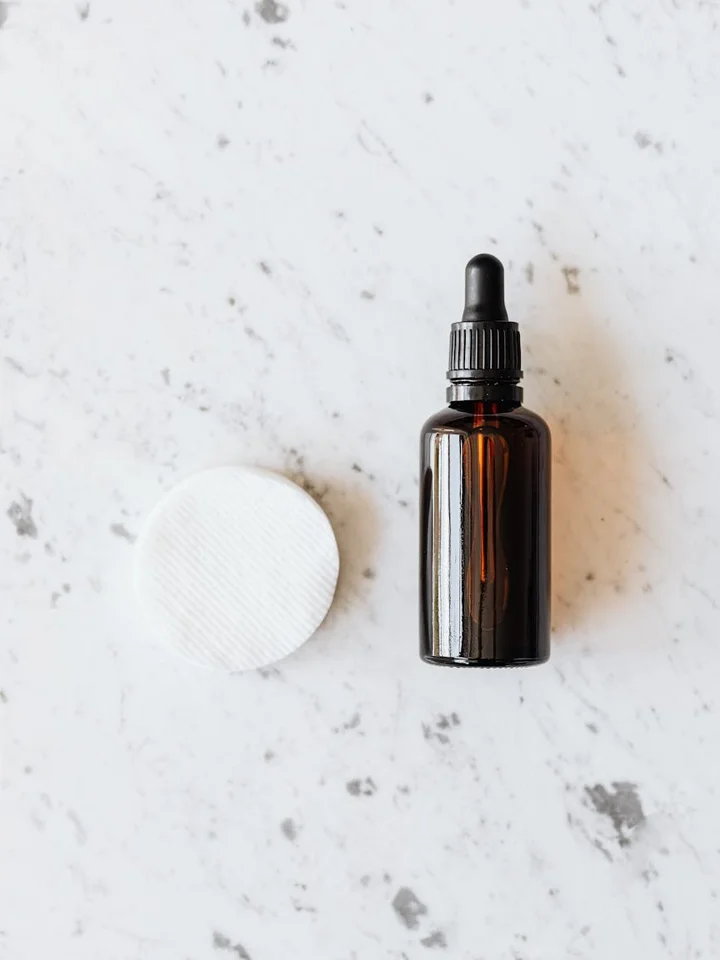
Let’s get one thing straight: a preservative-free, water-based product sitting in your warm, humid bathroom is an invitation for bacteria and mold. Preservatives are not the enemy; they are a non-negotiable requirement for product safety and shelf life. I think of it like the difference between fresh milk and shelf-stable almond milk. One needs constant refrigeration and spoils quickly, while the other is safely sealed for everyday use. Your skincare needs that same practical protection – especially when it comes to preservative boosters like EDTA.
My client Noah, with his reactive skin, taught me this. He once brought in a “preservative-free” cream that had developed a faint, off smell. His skin flared up after using it. We switched to a formula with a gentle, broad-spectrum preservative system, and his barrier healed without a single new reaction. The right preservative kept the product-and his skin-stable and safe.
Your New Superpower: Reading the Function, Not Just the Name
Chasing a “chemical-free” label is a fool’s errand. Everything is a chemical, including water. A far more useful skill is learning what an ingredient is *for*. Is it a humectant to bind water? An emollient to smooth? A preservative to keep it stable? When you know what an ingredient does, its long name loses its scare factor and becomes a simple description of its job.
Look at your product label like a recipe. You wouldn’t fear “sodium chloride” in your soup; you’d recognize it as salt, there for flavor and preservation. Skincare is similar.
- Phenoxyethanol: A common preservative. It’s there to prevent microbial growth. For most, it’s well-tolerated. If you’re like Noah and have supremely sensitive skin, you might choose formulas without it, but you understand its purpose.
- Caprylic/Capric Triglyceride: Sounds intense. It’s just a lightweight, skin-identical emollient derived from coconut oil and glycerin. It helps soften skin without clogging pores-perfect for someone like Maya with oily skin who still needs hydration.
The Only Rule That Truly Matters
After years in the treatment room, I’ve landed on one core principle that guides all my advice. The best skincare routine is the one that is demonstrably safe for your body, genuinely effective for your skin, and makes you feel calmly confident in your own skin. Not anxious. Not overwhelmed. Confident. To put this into practice, I offer a simple, step-by-step guide to building your skincare routine. In the next steps, you’ll find a practical plan you can tailor to your skin.
This means your routine could include parabens if they don’t irritate you and you trust the science. It could be entirely free of formaldehyde releasers if that aligns with your personal comfort. For my curious client Lina, it meant choosing a serum with a clear, limited preservative system she understood, which allowed her to use potent actives without worry.
Your knowledge is your greatest filter. Use it to choose products that work, from brands you trust, and build a routine that feels like self-care, not a chemistry exam. That’s the real truth.
Your Ingredient Safety Questions, Answered
Why would a brand choose a formaldehyde-releasing preservative?
Formaldehyde-releasers provide a steady, low-dose protective effect against a wide range of microbes, which can be very effective and compatible with many formulas. They are a regulated preservation strategy, with the primary concern being allergic potential for some individuals rather than systemic toxicity.
Does a ‘paraben-free’ or ‘clean’ label make a product better?
Not necessarily. These are often marketing terms that don’t guarantee safety, gentleness, or efficacy for your skin. The alternative preservatives used may be less studied or even more irritating for some people than the ingredients they replaced, such as phenoxyethanol.
What should I look for in a preservative system if I have sensitive skin?
Focus on formulas that are fragrance-free and contain preservatives with a lower risk of sensitization, like certain organic acids or specific multifunctional blends. This approach also ties into exploring the best acid treatments for common skin conditions. You can use that context to guide safe, effective choices. Always patch test a new product, as your skin’s unique tolerance is the most important factor.
Navigating Skincare Myths with Confidence
Your skin thrives on choices made from evidence, not anxiety. I advise looking at the full formula and how it interacts with your unique skin, rather than fixating on isolated ingredient fears. This approach, which helped my client Noah move past his worries about preservatives, builds a smarter, more effective routine.
- Trust that parabens are well-studied preservatives safe for use in cosmetic concentrations.
- Understand that formaldehyde releasers are different from formaldehyde and are used in safe, minimal amounts.
- Recognize that “chemical-free” is an impossible claim; focus on the safety and purpose of the ingredients present.
- Always patch test a new product on your inner arm for a few days before using it on your face.
- Choose brands committed to transparency and ethical sourcing for a routine you can feel good about.
Skin care is deeply personal, and my goal is to equip you with clear, science-backed information you can trust. I’m dedicated to answering your questions and exploring your concerns, so you can care for your skin with knowledge and calm assurance. I’ll also guide you on how to integrate new products like adapalene into your skin care routine effectively.
Relevant Resources for Further Exploration
- Parabens in Cosmetics | FDA
- r/SkincareAddiction on Reddit: [PSA] There’s nothing wrong with parabens in your skincare
- What are parabens? | Environmental Working Group
- Are Parabens in Skincare Products Bad for Your Health?
- A perspective on the safety of parabens as preservatives in wound care products – PMC
- What You Need To Know About Parabens – Skincare’s Biggest Bad Guy
- Guide to Paraben-Free Product
Lucy Zimmerman
Lucy is an expert author and blogger when it comes to skin care and body care. She has first hand expertise acting as skin care consultant for over 5+ years helping her clients achieve smooth blemish free skin with natural and working remedies. She also has been an avid experimenter and tried out all the natural and artificial remedies and treatments so you can learn from her first hand experience. Additionally, she has traveled to many countries around the world and incorporated the skin care routines she has learnt into this blog. So, wait no more, reach out to Lucy if you have any specific needs and follow her blog, LuciDerma for expert skin care advice.