
The Antioxidant Power Trio: Vitamin C, E, and Ferulic Acid for Brighter, Stronger Skin
If you’re curious about why top serums often pair Vitamin C with E and Ferulic Acid, you’re onto something brilliant. I’ve helped clients like Lina see real results with this combination, and I’m here to show you why it’s more than just a trend.
In this article, you’ll get clear, actionable insights so you can:
- Understand exactly how Vitamin C, E, and Ferulic Acid protect and repair your skin better together than alone.
- Learn to spot stable, effective formulations that won’t irritate sensitive skin.
- Feel empowered to build a morning routine that fights daily damage with confidence.
Let’s simplify the science so you can give your skin the intelligent defense it deserves.
The Antioxidant Team: Why They’re Stronger as a Trio
Think of free radicals like tiny sparks flying off a bonfire. These unstable molecules are created by sun exposure, pollution, and even normal body processes. When they hit your skin, they cause oxidative stress. This is a fancy term for cellular damage that, over time, shows up as fine lines, dark spots, and a loss of firmness.
You can see this process easily. Slice an apple and leave it out. The brown color that creeps across the surface is oxidative stress in action. Your skin faces a slower, less visible version of this every single day.
This is where synergy changes everything. On its own, a potent antioxidant like Vitamin C is a hard worker, but it’s also unstable and can be used up quickly fighting those “sparks.” When you add Vitamin E and Ferulic Acid, they don’t just work side by side. They actively protect and recharge each other.
Vitamin E helps stabilize Vitamin C, Ferulic Acid boosts the power of both, and Vitamin C can even help regenerate spent Vitamin E molecules. Together, this trio creates a protective network that is far more powerful and long-lasting than any single ingredient could ever be.
The primary goal of this powerhouse combination is multi-layered defense. It provides enhanced photoprotection against daily sun damage, promotes a more even skin tone by brightening existing dark spots, and supports your skin’s natural collagen production to maintain a firm, smooth texture.
You’ll often see this combination referred to as a “ce ferulic” serum in online searches and product descriptions, named for the initials of its star players.
Meet the Key Players: A Molecule Spec Sheet
Let’s get to know each team member, both as an individual and as part of the squad. Understanding their unique personalities helps explain why they work so well together.
Vitamin C (L-ascorbic acid) is the brightening powerhouse. Its main job is to disrupt the process that creates dark spots and to shield skin from pollution and UV rays. It’s famously unstable, turning from clear to a rusty orange when it oxidizes and loses potency. For my client Maya, who deals with post-acne marks, finding a stable Vitamin C formula was a game-changer for fading those stubborn spots. Solo, it’s brilliant but high-maintenance and can be tricky for acne-prone skin.
Vitamin E (tocopherol) is the stabilizing guardian. This oil-soluble antioxidant is naturally found in your skin’s lipid barrier. Its solo role is to neutralize free radicals that target fatty cell membranes, preventing a chain reaction of damage. In the team, it’s the perfect partner for water-soluble Vitamin C. It donates an electron to stabilize the Vitamin C molecule, dramatically extending its shelf-life and effectiveness. Different tocopherol forms (such as tocopherol acetate or tocopherol succinate) can have distinct safety profiles on the skin. Understanding these forms helps ensure safe, effective use in skincare.
Ferulic Acid is the brilliant facilitator. Derived from plants, this ingredient is a stabilizer and a force multiplier. On its own, it has soothing and protective properties. But when added to a Vitamin C and E formula, it performs magic. It increases the chemical stability of the solution, effectively doubling the photoprotection benefits of the other two. Think of it as the conductor that makes the entire orchestra sound better.
This table breaks down their key specs for quick reference.
Molecule Spec Sheet
| Ingredient | Common Form & Concentration | pH Sweet Spot | Key Solubility & Safety Notes |
|---|---|---|---|
| Vitamin C (L-ascorbic acid) | 10-20% | Below 3.5 | Water-soluble, unstable. Can cause tingling; avoid on broken skin. |
| Vitamin E (Tocopherol) | 0.5-1% | Wide range | Oil-soluble. Generally well-tolerated, acts as a natural preservative. |
| Ferulic Acid | 0.5% | Acidic (low pH) | Works in water-based formulas. Known for its stabilizing and soothing properties. |
My client Noah, with his dry, reactive skin, was initially wary of Vitamin C because of its acidity. Vitamin C works best with vitamin E and other antioxidants to support the skin barrier. That synergy helps protect dry, reactive skin from irritation. Finding a well-formulated CE Ferulic serum where the low pH was properly balanced and the ingredients were stabilized made all the difference-he got the antioxidant benefits without the irritation he feared.
How Do These Ingredients Actually Work on Your Skin?
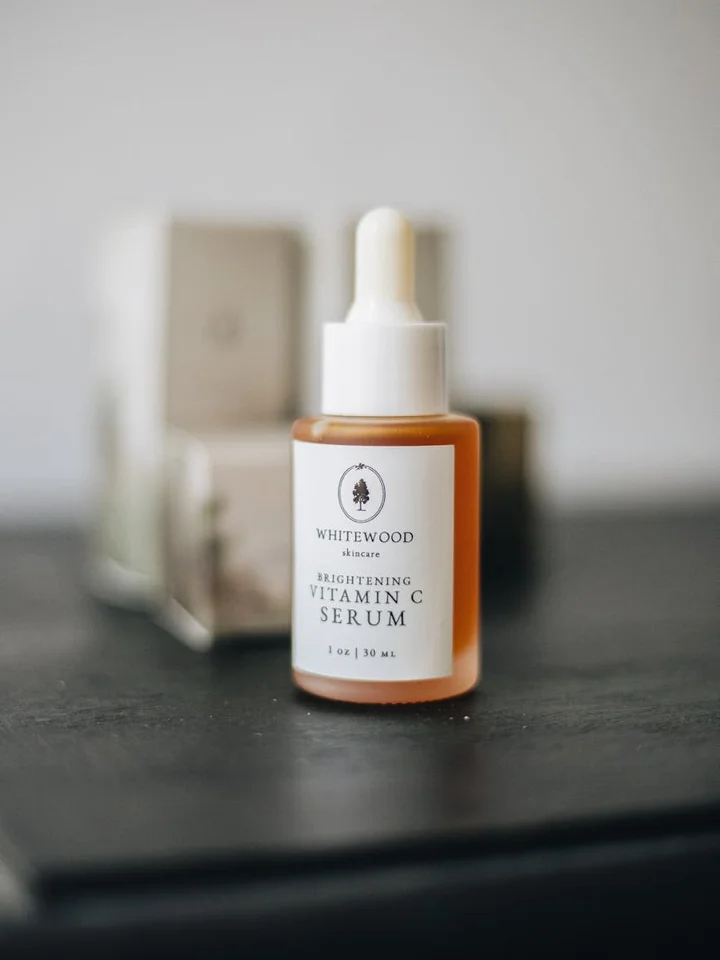
Think of these three ingredients as a protective relay team for your skin. Their synergy is what makes a classic “c e ferulic serum” so powerful.
First, a free radical-an unstable molecule from pollution or sun exposure-tries to steal an electron from your skin cells, causing damage. Vitamin C (ascorbic acid) is the first responder. It generously donates an electron to neutralize the free radical.
Here’s the clever part: after that donation, Vitamin C becomes unstable itself. That’s where Vitamin E (tocopherol) steps in. Vitamin E resets Vitamin C, allowing it to go back out and neutralize more free radicals. It’s a perfect partnership where each ingredient recharges the other.
Ferulic Acid is the team manager. It dramatically stabilizes both Vitamin C and E, preventing them from breaking down too quickly in the bottle or on your skin. It also has its own antioxidant powers and can boost the effectiveness of your sunscreen.
The Results You Can See and Feel
In practice, this teamwork translates to real skin changes. My client Lina, with her combination skin, noticed her usual midday dullness faded. Her complexion looked more even-toned from morning to evening.
For clients like Noah, who has reactive skin, the calming effect on redness was a game-changer, especially after gentle exfoliation treatments.
This potent antioxidant shield also helps soften the appearance of fine lines by protecting the collagen you have from daily environmental damage. It’s not an instant wrinkle remover, but a daily defender that preserves your skin’s youth.
When people search for “c e ferulic reviews,” the most common praise is for brightening. “Ce ferulic before and after” photos often show a more radiant, unified complexion with less noticeable dark spots. This happens because a stable, effective Vitamin C formula can gently slow down melanin production over time.
This is precisely why a “c e ferulic serum” is a morning skincare staple. You’re applying a layer of environmental armor before you face the day.
Shelf Life & Oxidation Signs: Keeping Your Serum Potent
Because pure Vitamin C is so active, it can oxidize when it’s exposed to too much light, air, or heat. You’ll see this happen as the serum changes color. Many people incorporate a vitamin C serum morning and night to maximize its benefits. Used consistently, it can help protect skin during the day and support renewal overnight.
A fresh, effective serum is typically clear or a very pale straw yellow. As it oxidizes, it turns a deeper yellow, then orange, and finally a rusty brown.
A dark brown serum means most of the Vitamin C has oxidized and is no longer effective. It’s not harmful to use, but it won’t provide the antioxidant benefits you bought it for.
How to Be a Serum Preservation Pro
Your storage habits make all the difference. Follow these tips to keep your investment potent:
- Store it in a cool, dark place, not on a sunny bathroom counter.
- Keep the lid tightly closed to limit air exposure.
- Don’t transfer it to a bigger bottle; more air space speeds up oxidation.
The best packaging is a small, opaque, air-tight bottle with a dropper that limits how much air gets in each time you use it.
Most quality, stabilized “c e ferulic” serums should stay clear to pale yellow for 3 to 6 months after opening. If you use it daily, you should finish the bottle well before then. I remind cautious clients like Noah to note the date they open a new bottle on the label.
This careful preservation is the “enhanced stability” part of the equation, which directly protects the “efficacy” of the formula on your skin.
What’s the Best Way to Use a Vitamin C Serum?
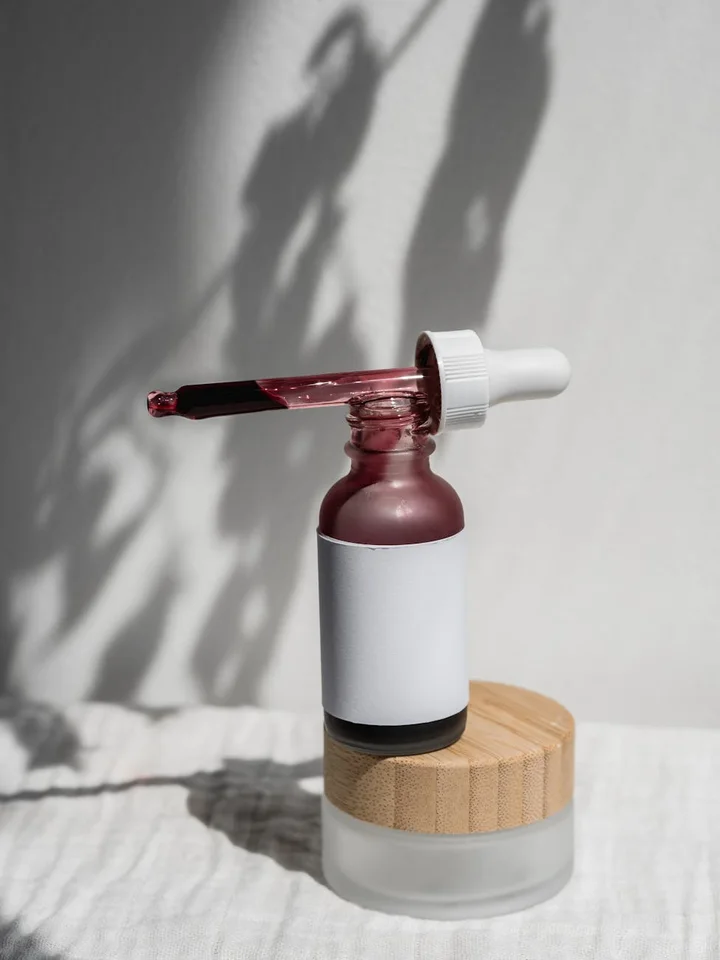
Think of your antioxidant serum as the first line of defense for your skin each morning. To get the most from it, consistency and order are everything.
Here’s a simple, effective morning routine:
- Cleanse. Use a gentle, low-pH face wash to remove any overnight residue without stripping your skin.
- Apply your antioxidant serum to clean, slightly damp skin. Dry skin can hinder absorption. Pat your face with a towel so it’s just barely damp, then apply 4-5 drops of your vitamin C, E, and ferulic acid serum. Gently press and pat it in-don’t rub aggressively.
- Wait about 60 seconds. This gives the formula time to absorb and lower the skin’s pH, creating a perfect base for your next steps.
- Apply your moisturizer. This step seals in the antioxidants and provides necessary hydration.
- Always, always follow with sunscreen. This is non-negotiable. Vitamin C works with your sunscreen to boost protection against UV damage, but it is not a replacement for it.
Pairing your serum with other powerful ingredients requires a bit of scheduling. Retinol is a perfect nighttime partner, so use your antioxidant serum in the morning and your retinol at night. This separation keeps both ingredients stable and effective. Niacinamide, however, gets along famously with vitamin C. Using them together can actually help soothe potential irritation and strengthen the skin barrier.
Your specific skin type might need a small tweak to this routine. Noah, with his dry, reactive skin, should layer a hydrating hyaluronic acid toner on damp skin right after cleansing, before the vitamin C serum. This gives his barrier extra cushion. Maya, who is oily and acne-prone, should look for a lightweight, water-based moisturizer to follow her serum so she doesn’t feel greasy.
For anyone searching for a “ce ferulic dupe,” the goal is to find a formula that mimics the original’s stability and potency. Look for a product that clearly lists L-ascorbic acid (vitamin C), tocopherol (vitamin E), and ferulic acid high on the ingredient list. The packaging should be airtight and opaque to prevent oxidation, and the formula should have a low pH (around 3.5) for proper absorption.
Common Mistakes and Smart Alternatives
Even with the best product, small missteps can reduce your results. Here’s what to watch for.
- Using an oxidized serum. If your clear or light yellow serum has turned a deep amber or brown, it’s lost its potency. Toss it and start fresh.
- Mixing it with incompatible actives in the same routine. Directly mixing pure vitamin C with benzoyl peroxide or certain exfoliating acids (like AHAs/BHAs) can destabilize it. Use them at different times of day.
- Skipping sunscreen. This negates one of vitamin C’s primary jobs, which is to be your sunscreen’s supportive sidekick against free radicals.
If classic L-ascorbic acid stings or causes redness, you have great options. Sodium Ascorbyl Phosphate (SAP) or Ethyl Ascorbic Acid are more stable, gentler derivatives. They convert to active vitamin C in the skin and are excellent for sensitive types or those new to antioxidants. Lina, with her combination, sensitive skin, often finds these derivatives are her gateway to brighter, more even skin without the flush.
Let’s clear up two frequent worries. First, vitamin C does not cause purging. Purging happens with ingredients that increase cell turnover, like retinoids. If you break out after starting vitamin C, it’s likely irritation or a reaction to another ingredient in the formula.
If you experience irritation, don’t force it. Start by applying the serum just two or three mornings a week. You can also “buffer” it by applying your moisturizer first, waiting 15 minutes, then applying the serum on top. This slightly dilutes the initial contact. The most effective antioxidant formula isn’t the strongest one on the shelf-it’s the one you can use comfortably, every single day.
Your Questions on CE Ferulic Serums, Answered
How can I identify a truly effective ‘dupe’ for a classic CE Ferulic serum?
Look beyond the ingredient list to the formulation details. An effective alternative will specify L-ascorbic acid at 10-20%, include tocopherol (Vitamin E) and ferulic acid, and use opaque, airtight packaging to ensure stability-potency is worthless if it oxidizes on your shelf, especially when considering the different properties of L-ascorbic acid.
What should I realistically expect from ‘before and after’ photos and reviews?
Consistent use over 4-8 weeks typically shows improved radiance and a more even skin tone, not an overnight transformation. Reviews praising gentle brightening and less midday dullness are often more reliable indicators of a well-formulated, stable product than dramatic single-image comparisons.
Can I get the same antioxidant benefits with a gentler Vitamin C derivative?
Absolutely. For sensitive skin, serums using stabilized derivatives like Sodium Ascorbyl Phosphate (SAP) alongside Vitamin E and Ferulic Acid offer excellent antioxidant protection with less risk of irritation. The most effective formula is the one you can use comfortably every single morning.
Building Your Antioxidant Defense
The most powerful step you can take is to stop thinking of vitamin C, E, and ferulic acid as separate ingredients. Think of them as a team where each member makes the others stronger, more stable, and more effective at protecting your skin. This synergy is the key to a simpler, more potent routine that truly defends against daily environmental stress.
- Choose a pre-formulated serum that combines vitamin C, E, and ferulic acid for guaranteed stability and the right proportions.
- Apply your antioxidant serum every morning after cleansing and before moisturizer and sunscreen.
- Store your serum in a cool, dark place and use it within the product’s recommended timeframe.
- Always follow your antioxidant layer with a broad-spectrum sunscreen to complete the protective cycle.
- Patch test any new product, even with gentle ingredients, to see how your unique skin responds.
Have more questions about building your ideal routine? We’re here to help. Follow along with us here at LuciDerma for more evidence-based guides, including our step-by-step guide on building a skincare routine, and feel free to reach out with your specific skin story. We’re committed to providing clear, compassionate advice that prioritizes your skin’s health and champions ethical, cruelty-free choices every step of the way.
Expert Resources and Citations
- SkinCeuticals C E Ferulic (1 fl. oz.) | Dermstore
- C E Ferulic® L-ascorbic Acid – Serum – SkinCeuticals CA
- 20% Vitamin C Serum + E Ferulic Acid Travel Size | Timeless Skin Care
- The 6 Best Vitamin C Serums of 2025 | Reviews by Wirecutter
- Bright Icon Brightening Vitamin C Serum + E + Ferulic Acid | e.l.f. Cosmetics
- Vitamin C E + F – DRMTLGY
- Amazon.com: Vitamin C Serum With Ferulic Acid: C & E Ferulic Face Serum With 15% Ascorbic Acid, Vitamin E, Hyaluronic Acid – Vit C Serum for Hydration, Brightening, Anti-aging, Anti Wrinkle, Skin Repair 1 Fl Oz : Beauty & Personal Care
- Best Vitamin C Serums of 2025: Tested And Reviewed | Weather.com
- 14 Best Vitamin-C Serums 2025 | The Strategist
- This is the best vitamin C serum for 2026 – it’s potent, innovative and long lasting
Lucy Zimmerman
Lucy is an expert author and blogger when it comes to skin care and body care. She has first hand expertise acting as skin care consultant for over 5+ years helping her clients achieve smooth blemish free skin with natural and working remedies. She also has been an avid experimenter and tried out all the natural and artificial remedies and treatments so you can learn from her first hand experience. Additionally, she has traveled to many countries around the world and incorporated the skin care routines she has learnt into this blog. So, wait no more, reach out to Lucy if you have any specific needs and follow her blog, LuciDerma for expert skin care advice.