
Your Guide to Tocopherol: Safe Vitamin E Forms in Skincare
If tocopherol on a label has ever made you pause, I get it. Let’s demystify this common ingredient together.
By the end of this read, you will:
- Easily identify natural versus synthetic tocopherol in your products.
- Understand which forms support sensitive skin and which might cause reactions.
- Confidently select tocopherol-infused skincare that works for your routine.
You’re about to turn a confusing ingredient into a trusted part of your skin health toolkit.
Tocopherol Unpacked: More Than Just “Vitamin E”
If you see “tocopherol” on an ingredient list and think “Vitamin E,” you’re on the right track. Tocopherol (pronounced toh-KOFF-uh-rawl) is the scientific family name for the group of compounds that together make up what we call Vitamin E.
Here’s where it gets tricky on labels. “Vitamin E” can sometimes refer to a synthetic version, while “tocopherol” typically points to the natural form. For clarity, think of it this way: all tocopherols are Vitamin E, but not all Vitamin E on a label is pure, natural tocopherol.
Its main job in your skincare is to act as a powerful antioxidant. Imagine it as a dedicated shield for your skin cells. It neutralizes free radicals from sun exposure and pollution that would otherwise break down collagen and cause premature aging. Peptides in skin health and anti-aging play a key role by signaling collagen production and aiding repair. Together with antioxidants, they help keep your skin firm and resilient over time.
When you apply a product with tocopherol, you’re giving your skin a daily defense unit against environmental damage.
Meet the Family: A Guide to the Four Tocopherol Forms
Tocopherol isn’t a single ingredient. It has four main forms: alpha, beta, gamma, and delta. Picture them like siblings in a family. They’re related and work well together, but each has its own unique personality and strengths.
On an ingredient list, you’ll most often see “Tocopherol” or “Alpha-Tocopherol.” This usually means the product contains the alpha form, which is the most common and researched for skin care. A product listing “Mixed Tocopherols” is like getting the whole talented family working for your skin at once.
Alpha-Tocopherol: The All-Round Protector
Alpha-tocopherol is the overachieving eldest sibling. It’s the most abundant form in our bodies and the most studied in dermatology. I recommend it most often to clients like Noah and Maya who want reliable, all-purpose antioxidant protection.
Its primary function is as a front-line antioxidant, but it has a great side job: it can boost the effectiveness of your sunscreen. By stabilizing other ingredients, it helps your SPF last longer and work better. You’ll often find it in day serums and moisturizers for this reason.
It can be derived naturally, often from vegetable oils like sunflower or soybean oil, or produced synthetically. Natural-source tocopherol is generally preferred in clean, sustainable skincare because it’s bio-identical to what’s in your skin. It’s suitable for nearly all skin types, though those with very oily skin may prefer it in a serum over a heavy oil base.
Beta, Gamma, and Delta: The Specialized Support Team
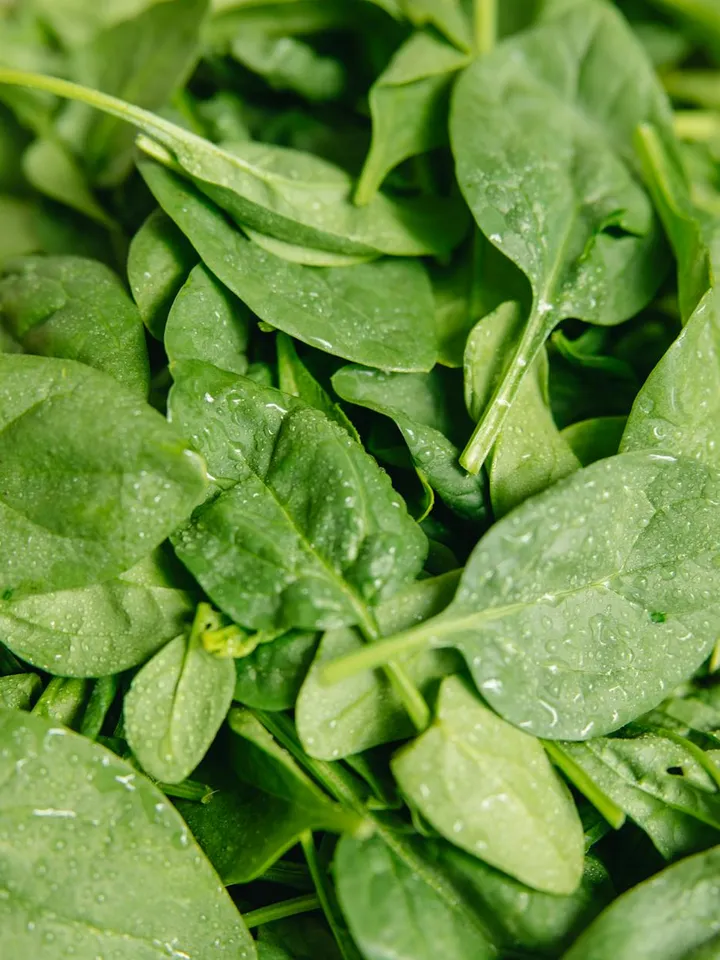
While alpha gets most of the attention, its siblings play crucial supporting roles. You rarely see beta, gamma, or delta-tocopherol alone in a formula. They shine in natural “mixed tocopherol” blends, which mimic the complete profile found in foods like almonds, sunflower seeds, and spinach.
Gamma-tocopherol deserves a special mention. Research suggests it may be particularly effective at neutralizing specific types of free radicals from air pollution and nitrogen oxides. For a client like Lina who lives in a city, a product with mixed tocopherols can offer this broader-spectrum environmental defense.
Delta and beta-tocopherols are potent antioxidants but are present in smaller amounts. They work synergistically. Think of alpha as the general and the others as specialized lieutenants; together, they cover more ground. For the most comprehensive protection, a blend containing all tocopherol forms is often your best bet.
The Tocopherol Spec Sheet: pH, Solubility, and Safe Use
Understanding a few technical specs can help you use tocopherol effectively and safely. Here’s a practical breakdown.
| Property | Typical Range in Skincare |
|---|---|
| pH Stability | Stable across a wide range (acidic to neutral) |
| Common Concentration | 0.1% – 1% in serums; up to 5% in oils |
| Solubility | Fat-soluble (loves oils, not water) |
| General Safety Rating | Excellent for topical use at cosmetic levels |
Because it’s fat-soluble, tocopherol is best delivered in oil-based serums, moisturizers, or facial oils. Your skin absorbs it most effectively this way. The concentrations used in skincare are widely recognized as safe.
Always patch test a new product, as pure tocopherol oil can be too intense for some reactive skin types. If you have highly sensitive skin like Noah, look for it lower in the ingredient list, blended into a calming formula rather than as a standalone oil.
The Safety Check: Are All Tocopherols Actually Safe?

Let’s get right to the point. Yes, all forms of tocopherol are generally recognized as safe for topical use on skin.
Think of it this way: vitamin E is a nutrient your skin already knows. Putting it on your face is like giving your skin a helpful snack from the outside. The confusion around safety usually comes from two other places: the oils it’s dissolved in and the difference between eating something versus applying it. This is especially true when vitamin E is combined with other antioxidants like vitamin C and ferulic acid.
It’s Usually the Carrier, Not the Vitamin
Tocopherol is often suspended in a carrier oil, like soybean, sunflower, or almond oil, to make it easy to mix into serums and creams. The tocopherol itself is rarely the problem, but someone with a specific nut or seed allergy could react to its carrier oil. My client Noah, who has reactive skin, always checks the full ingredient list for this reason. He looks for tocopherol in simple, fragrance-free bases he already trusts.
Addressing Alpha Tocopherol Directly
When people search “is alpha tocopherol safe” or “is alpha tocopherol bad for you,” they’re often mixing up advice for supplements with advice for skincare. High-dose oral vitamin E supplements can have medical interactions. That’s not a concern with your face cream.
For your skin, the main consideration is concentration. Pure, undiluted alpha tocopherol can be thick and occlusive. In high amounts, it might feel greasy and could potentially clog pores for very acne-prone skin types. In the concentrations used in most facial products, alpha tocopherol is a safe and effective antioxidant. It’s about formulation. You wouldn’t apply cooking oil to your face, but you happily eat salad dressing; the context and preparation matter completely.
The Gentle Stability of Tocopheryl Acetate
This is the form I often recommend for sensitive or newer skin. “A tocopherol acetate” (or more correctly, tocopheryl acetate) is a stabilized, ester form. Imagine it as vitamin E with a protective coat. This coat makes it:
- More shelf-stable and less likely to oxidize in the bottle.
- Exceptionally gentle and non-irritating upon application.
- Converted into active vitamin E by your skin’s natural enzymes, so it still delivers the benefits.
If your skin is sensitive, reactive, or you’re simply introducing an antioxidant for the first time, tocopheryl acetate is a brilliant, low-risk starting point. It gives you the protective perks without the potential heaviness of the pure oil.
As with any new product, a patch test on your inner arm for 24 hours is your best first step. If you have known allergies to specific plant oils, scan the ingredient list carefully. When in doubt, the gentle, esterified form (tocopheryl acetate) is a consistently safe bet for nearly all skin types.
Choosing Your Champion: Which Tocopherol Fits Your Skin?
Seeing “vitamin E” or “tocopherol” on a label is just the start. The specific form listed next tells you what you’re actually getting and how it will behave on your skin.
How to Read the Label Like a Pro
First, find the ingredient list. Look for these names:
- Tocopherol: This usually means the pure, active form, often alpha-tocopherol.
- Mixed Tocopherols: A blend of alpha-, beta-, gamma-, and delta-tocopherols.
- Tocopheryl Acetate (or Tocopheryl Linoleate): These are esters, which are stable, gentler forms.
If your goal is potent, direct antioxidant action, you want an ingredient listed as “tocopherol” or “alpha-tocopherol” high up in the formula. The ester forms are fantastic for sensitive skin, but they need to be converted by your skin to become active antioxidants.
Pure Alpha-Tocopherol: The Direct Defender
Think of pure alpha-tocopherol as a dedicated security guard for your skin cells. It’s the form your body recognizes and uses most readily for fighting free radicals from sun and pollution.
I recommend this for anyone seeking straightforward, powerful antioxidant support. It’s a great choice for general anti-aging, helping to protect the skin you’re in. Because it’s an oil, it works beautifully in serums or moisturizers for normal, dry, or combination skin. If you have oily skin like Maya, you can still use it, just look for it in lightweight, water-based formulas where it won’t feel heavy.
Mixed Tocopherols: The Team Players
Nature rarely provides just one tocopherol. “Mixed tocopherols” mimic what you find in plants like sunflower seeds or almonds. This blend offers broader antioxidant coverage. Gamma- and delta-tocopherols, for instance, are emerging research stars for their own unique protective qualities.
Choosing a product with mixed tocopherols is like choosing a whole food over an isolated vitamin; you get a more complete, natural profile of protection. I often suggest this for clients who prefer clean, plant-derived skincare and want comprehensive support. It’s a versatile option suitable for most skin types.
Tocopheryl Acetate: The Sensitive Skin Ally
This is the esterified, stable form of vitamin E. It’s less likely to cause irritation on contact, and it has a longer shelf life in the bottle. The trade-off is that it’s not an immediate antioxidant. Your skin’s enzymes need to gently convert it to active tocopherol. It works wonders when paired with other antioxidants, such as Vitamin C, especially in formulations like Antioxidant Synergy Vitamin C+E + Ferulic Acid.
This is my go-to recommendation for reactive or sensitive skin types. My client Noah, who has dry, reactive skin, always looks for this form. He prefers stable, fragrance-free formulas that support his barrier without risk of flare-ups. Tocopheryl acetate delivers gentle, time-released vitamin E benefits, making it a safe and effective hydrating ingredient for those who can’t tolerate more direct forms.
No matter which form you choose, always patch test a new product on your inner arm for 24 hours before applying it to your face. Your skin’s unique response is the final guide.
Putting It to Work: How to Use Tocopherol in Your Routine
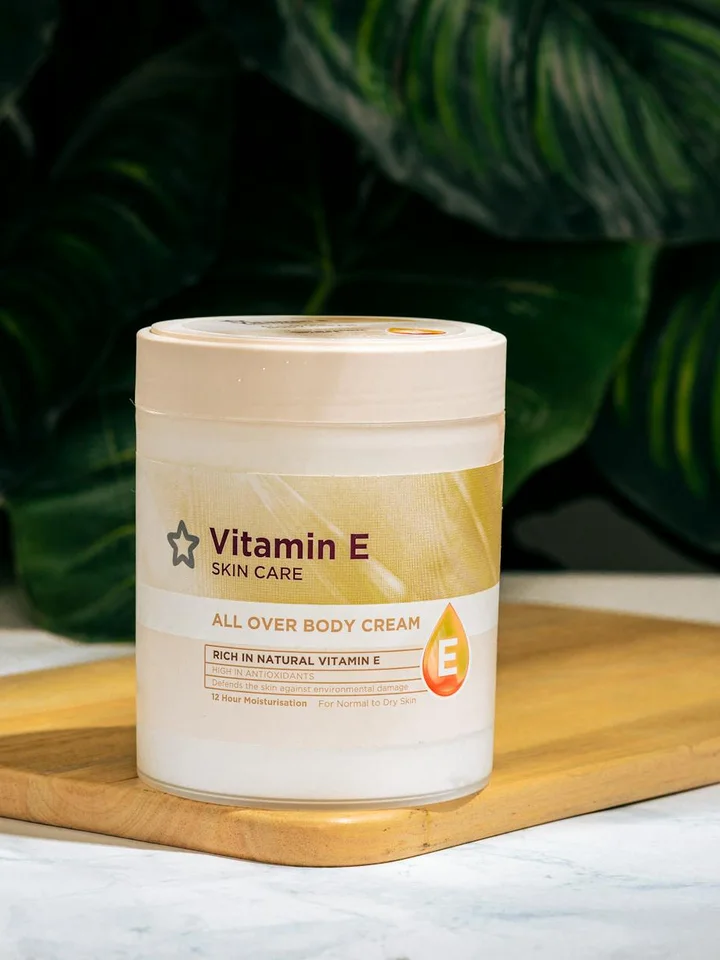
Knowing tocopherol is a good antioxidant is one thing. Using it correctly in your lineup is where you see the real payoff. Think of it like adding a reliable security guard to your skin’s daily defense team.
Where It Fits in the Order
Most tocopherol products are serums or facial oils. The golden rule for these is to apply them after your water-based steps (like toners or lightweight serums) and before your final moisturizer or sunscreen.
Why this order? Water-based products can’t penetrate properly through a layer of oil. By applying your antioxidant serum or oil after them, you let every layer do its job without creating a barrier. Your moisturizer or sunscreen then goes on top to seal everything in.
Apply tocopherol to clean, slightly damp skin for better absorption, right after your water-based treatments.
Its Power Partner: Vitamin C
If tocopherol is a great guard, vitamin C is its best partner in crime. Using them together, often in a single serum, creates what we call a synergistic effect. They recycle and stabilize each other.
Vitamin C (L-ascorbic acid) is a bit unstable on its own and can degrade when exposed to light and air. Tocopherol helps protect it. In return, vitamin C helps recharge tocopherol’s antioxidant powers. This one-two punch is famously effective at neutralizing free radicals from sun exposure and pollution.
For maximum daytime protection, look for a combined vitamin C and E serum, and always follow it with a broad-spectrum sunscreen. These antioxidants bolster the skin barrier and protect against daily oxidative stress. Vitamin C and E also support collagen and a brighter, healthier complexion. This trio is a cornerstone of preventative anti-aging.
A Simple Evening Routine Example
Let’s say you have a bottle of antioxidant oil with tocopherol. Here’s how someone like Noah, with his dry, reactive skin, might gently work it into his PM routine.
- Cleanse: Use a gentle, creamy cleanser to remove the day.
- Tone (Optional): Apply an alcohol-free, hydrating toner if that’s part of your routine.
- Treatment: Apply any treatment serums (like one for hydration or peptides).
- Tocopherol Oil: Press 3-4 drops of your antioxidant oil into your skin. Focus on drier areas like the cheeks.
- Moisturize: Finish with your usual night cream to lock in all that goodness.
This order delivers treatment ingredients directly to the skin, then uses the oil to nourish and the cream to occlude. You wake up with a calm, fortified barrier.
A Crucial Word of Caution
I need to be very clear about one common mistake. Do not crack open a vitamin E supplement capsule from the pharmacy and smear the pure oil on your face.
That oil is incredibly concentrated, often very thick, and is a known comedogenic for many people. It can easily clog pores and lead to breakouts, especially for those with sensitive or acne-prone skin. My client Maya learned this the hard way during a dry patch, and it took weeks to calm the resulting congestion.
Formulations matter. Always use skincare products designed for facial use, where tocopherol is properly balanced with other non-comedogenic oils and ingredients. If you have acne-prone skin, patch test any new oil-based product carefully on your jawline for a week.
Side Steps: What to Watch For with Vitamin E
While vitamin E is a fantastic ally for many skin types, it’s not a completely free pass. A thoughtful approach helps you enjoy its benefits without worry, especially when considering if vitamin E oil is comedogenic and might clog pores.
Who Should Be Cautious?
For most people, topical vitamin E is very well-tolerated. There are just a few specific situations where caution is your best friend.
- Pregnancy: Using vitamin E in your skincare is generally considered safe. The caution is reserved for high-dose oral supplements, which should only be taken under a doctor’s guidance during pregnancy.
- Known Allergy: Though rare, some people are allergic to tocopherol. If you’ve had a reaction to a product containing it before, avoid it.
- Broken or Compromised Skin: Avoid applying pure vitamin E oil or highly concentrated serums to open wounds, severe burns, or freshly popped pimples. It can sometimes irritate or delay healing on damaged skin.
When in doubt about applying any active ingredient to compromised skin, the safest bet is to let it heal first.
The Comedogenicity Factor
This is the big one for my clients with oily or acne-prone skin, like Maya. “Comedogenic” means a substance has a tendency to clog pores. Some ingredients are more likely to be comedogenic, so we check labels for pore-clogging oils and other culprits.
Pure vitamin E oil (often listed as tocopherol or tocopheryl acetate) is quite thick and can be comedogenic for some skin types. Maya learned this the hard way when she tried using pure vitamin E oil as a spot treatment, only to find it created more tiny bumps around the area.
The form and formulation matter immensely. A lightweight serum with vitamin E is far less likely to cause issues than a heavy, pure oil. If your skin is prone to congestion, look for vitamin E further down the ingredient list in water-based products, rather than as the main oil.
Gluten in Tocopherol? Not a Concern.
I get this question often from clients with celiac disease or gluten sensitivity who are meticulous about their products. You can relax here.
Tocopherol used in skincare is either synthesized in a lab or derived from common plant oils like soybean, sunflower, or rapeseed oil. It is not sourced from wheat, barley, or rye. The question “does tocopherol contain gluten” has a clear answer: no.
The Golden Rule: Patch Test
This advice is non-negotiable, especially if you have reactive or sensitive skin like my client Noah. A new product is a new formula, not just a new vitamin.
- Apply a small amount of the product (a pea-sized dot is plenty) to a discreet area like the inside of your forearm or behind your ear.
- Wait 24 to 48 hours.
- Check for any signs of redness, itching, burning, or swelling.
Patch testing is the simplest, most effective way to introduce any new product safely and avoid a full-face reaction. It’s a five-minute step that saves days of potential discomfort.
Your Tocopherol Questions, Answered
Let’s tackle some of the most common things I get asked about vitamin E in the treatment room and online.
Can Tocopherol Treat Acne?
Tocopherol is not a direct, spot-clearing treatment for active acne like benzoyl peroxide or salicylic acid is. It won’t unclog a pore that’s already blocked. Where it shines for acne-prone skin is in the healing phase after a blemish has calmed down. Its antioxidant action helps neutralize free radicals that can worsen post-inflammatory hyperpigmentation (those dark marks left behind). Think of it as a recovery tool, not an attack tool. For clients like Maya with oily, acne-prone skin, I recommend looking for it in a lightweight, non-comedogenic serum formula to support skin repair without adding pore-clogging richness.
Does Tocopherol Expire?
Yes, absolutely. Pure tocopherol and oils high in it (like rosehip or argan) are prone to oxidation. When they oxidize, they go rancid. A rancid oil isn’t just ineffective; it can introduce skin-damaging free radicals directly onto your face, which is the opposite of what you want. To check your product, look for two things. First, packaging: an amber or opaque bottle protects the oil from light. Second, your nose: give it a sniff. Fresh oil has a mild, nutty, or earthy scent. Rancid oil often smells distinctly like old crayons or stale nuts. If it smells off, it’s time to replace it.
Is Tocopherol Good for Hair?
It certainly can be. You’ll often find tocopherol in hair oils and scalp treatments because its antioxidant and moisturizing properties can add shine to strands and support a healthy scalp environment. That said, this article is specifically about your skin, so we’ll keep our focus there.
Can I Use a Vitamin E Serum on My Face?
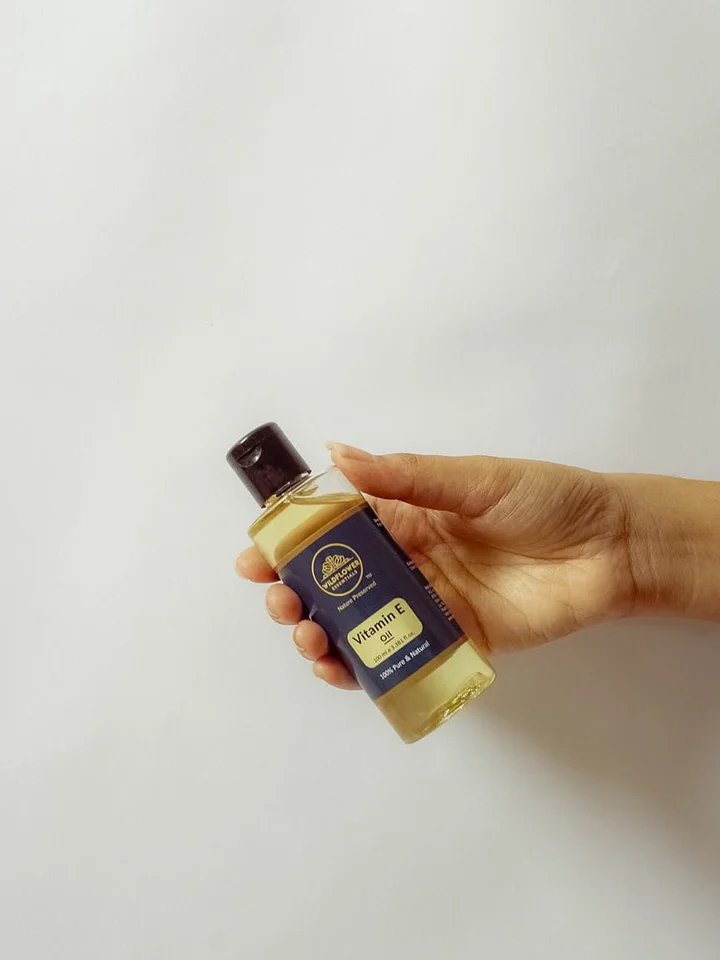
This is my preferred method for most people. A well-formulated serum delivers a stabilized dose of tocopherol (or tocopheryl acetate) in a texture that layers easily under moisturizer and sunscreen. For daily antioxidant protection without a heavy feel, a serum is usually the ideal choice. It’s perfect for someone like Noah with dry skin who wants the barrier-supporting benefits without the full weight of a facial oil, or for Lina who can apply it to her entire face without worrying about exacerbating T-zone oiliness. Just apply a few drops to clean skin, let it absorb, and follow with your moisturizer.
The Real-World Take: A Note from the Treatment Room
I think of Noah, one of my regular clients, whenever this topic comes up. His dry, reactive skin used to flare up with every new moisturizer he tried in search of relief. The turning point wasn’t a miracle ingredient, but a simple, stable formula with tocopheryl acetate. It gave his skin barrier the consistent, gentle support it needed to finally start healing. That translates to pH-conscious skincare formulations that safeguard barrier health. When the skin’s barrier stays balanced, active ingredients can work more reliably. That’s the real benefit of vitamin E in skincare: it’s a reliable teammate that helps other ingredients work better and protects your skin’s daily efforts.
Chasing the “purest” or “strongest” form of tocopherol is like shopping for a jacket based only on the type of thread used. The thread matters, but the cut, the lining, and the fabric weight determine if you’ll stay dry in a drizzle. In skincare, the form (like acetate) and the vehicle (the serum or cream it’s in) are what determine if it will work for you.
Let me break that down:
- Tocopheryl Acetate is your gentle, everyday jacket. It’s stable, less likely to irritate, and provides lasting antioxidant protection. It’s perfect for daily serums or moisturizers, especially for sensitive types like Noah or Lina.
- Pure Tocopherol is your heavy-duty parka for harsh conditions. It’s potent and can be wonderfully nourishing for very dry skin, but it’s thicker and can be irritating if your barrier is compromised. It’s best used in targeted treatments or rich creams.
Knowing the difference between these forms isn’t about finding a winner. It’s about making a smarter choice. You can select a light, fluid serum with tocopheryl acetate for daytime defense or a richer cream with pure tocopherol for overnight repair, depending on what your skin asks for that day.
So, take a breath. You don’t need to memorize a chemistry textbook. Understanding that tocopherol comes in different, purpose-built forms simply gives you the confidence to pick a product that will truly work with your skin, not against it. Your routine should feel like a support system, not a science experiment.
Quick Answers on Tocopherol & Your Skin
How do I know if my product has natural or synthetic tocopherol?
Check the ingredient list for sourcing clues: “d-alpha-tocopherol” typically indicates a natural form, while “dl-alpha-tocopherol” is synthetic. For the most skin-identical and sustainable choice, look for brands that specify a natural source, like sunflower oil.
Can I layer tocopherol with my other active ingredients, like retinol?
Yes, tocopherol pairs beautifully with most actives. Its antioxidant properties can actually help stabilize retinol and soothe skin, making them an excellent evening duo for repair and protection.
What’s the best way to store my vitamin E products to keep them potent?
Store them in a cool, dark place away from direct sunlight, ideally in their original opaque or amber bottle. Always replace the cap tightly to minimize air exposure, which is the main cause of oxidation.
Navigating Tocopherol in Your Skincare Routine
The most important thing to remember is that tocopherol, in its many forms, is a reliable and generally safe antioxidant ally. Your focus should be on the quality of the formulation it’s in, not on hunting down one specific type.
- Scan ingredient lists for “tocopherol” or “tocopheryl acetate” near the middle or end, which typically indicates a supportive, stable concentration.
- Always patch test a new product containing vitamin E, especially if you have reactive skin like Noah’s.
- Look for products in opaque, airtight packaging, as this protects the antioxidant powers of tocopherol and other ingredients.
- Pair your vitamin E serum or moisturizer with a vitamin C product and daily sunscreen for the ultimate shield against environmental damage.
Choosing skincare can feel complex, but you’re not doing it alone. For more guidance tailored to your skin’s story, follow the LuciDerma blog. Look out for our build skincare routine step guide—a practical, step-by-step plan to map out morning and evening care. If you have questions about a specific product or how tocopherol might fit into your routine, drop a comment below. Our team, rooted in clinical practice and a commitment to clean, ethical beauty, is here to help you decode the labels.
Written by Lucy Zimmerman. Lucy is an expert author and blogger when it comes to skin care and body care. She has first hand expertise acting as skin care consultant for over 5+ years helping her clients achieve smooth blemish free skin with natural and working remedies. She also has been an avid experimenter and tried out all the natural and artificial remedies and treatments so you can learn from her first hand experience. Additionally, she has traveled to many countries around the world and incorporated the skin care routines she has learnt into this blog. So, wait no more, reach out to Lucy if you have any specific needs and follow her blog, LuciDerma for expert skin care advice.