
Glycolic, Salicylic, Lactic Acids: Your Timeline to Clearer Skin
You’ve added an acid to your routine, but now you’re wondering when you’ll actually see a difference. I hear this from clients like cautious Noah all the time, and the honest answer depends on your skin and which acid you’re using.
By the end of this article, you’ll know:
- How glycolic, salicylic, and lactic acids work at different depths and why that changes your wait time.
- What results to expect week by week for concerns like clogged pores, dullness, or fine lines.
- How to tweak your routine for visible changes without causing redness or irritation.
Let’s map out your personal results calendar together.
Your Acid Timeline Cheat Sheet: A Quick Comparison
Think of using acids like planting a garden. Some seeds, like radishes, sprout in days. Others, like tomatoes, need weeks of steady care. Your skin reacts the same way. The type of acid, its formulation, and your unique skin determine how quickly you see change.
Let’s look at the basic chemistry. This ‘Molecule Spec Sheet’ shows why each acid behaves differently on your skin.
| Acid Name | Typical pH Range | Common Effective Concentrations | Solubility | Key Safety Note |
| Glycolic | 3.5 – 4.0 | 5% – 10% (at home) | Water | Can cause initial tingling. Sunscreen is non-negotiable. |
| Salicylic | 3.0 – 4.0 | 0.5% – 2% | Oil | Best for oily, acne-prone skin. Can be drying. |
| Lactic | 3.5 – 4.5 | 5% – 10% | Water | Gentler, with hydrating benefits. Good for sensitive skin. |
We’ll focus on glycolic, salicylic, and lactic acids here. For context, gentler cousins like azelaic acid (great for redness and marks) and mandelic acid (a larger, milder molecule) work on slower, more gradual timelines, often suited for very reactive skin. For sensitive skin, a mandelic acid chemical exfoliant offers a gentler option with potentially less irritation.
The core principle is that consistency and your skin type mean everything to your results timeline. Using an acid twice and giving up is like watering a seed once and expecting a flower.
Glycolic Acid: The Speedy Surface Refiner
Glycolic acid has the smallest molecule of the common AHAs. Imagine it as a tiny, efficient courier that can deliver its exfoliating message to your skin cells very quickly. This allows it to work on the surface faster than many other acids.
You may notice a smoother texture and a subtle glow within 1 to 2 weeks of consistent, low-concentration use. This is your skin saying it’s responding to the faster cell turnover.
Salicylic Acid: The Pore-Clearing Specialist
Salicylic acid is oil-soluble (lipophilic). This is its superpower. It can dissolve into the oily lining of your pores to break up the clogs that lead to blackheads and pimples from the inside out. It’s especially effective when combined with glycolic acid for a comprehensive skincare routine.
How fast it works depends on the job. For a single, existing pimple, a good spot treatment can reduce redness and size within a few hours to a day. For long-term congestion and preventing new clogs, you need to use it consistently over 2 to 4 weeks to see a real reduction in pore blockages.
Lactic Acid: The Gradual Hydrating Exfoliator
Lactic acid is a larger molecule than glycolic acid, so it works a bit more slowly and gently on the surface. It’s like a kinder, slower messenger. A bonus side effect is that it helps your skin hold onto water.
For someone with sensitive or dry skin like Noah, lactic acid offers a slower, more comfortable timeline than glycolic, often taking 3 to 4 weeks to show clear improvement in texture without irritation.
Glycolic Acid Results: From First Glow to Lasting Change
So, how long does glycolic acid take to show results? It’s a process with distinct phases. My client Maya started using a 7% glycolic acid toner every other night. After about 10 days, she told me her foundation sat on her skin like silk, without catching on dry patches. That’s the first win.
The First 1-2 Weeks: The “Glow” Arrives
This initial phase is about surface renewal. The dead, dull skin cells on the very top layer are being gently lifted away.
- What improves first: A reduction in overall dullness and rough, flaky patches. Skin looks more radiant.
- What to expect: You might feel a slight, fleeting tingle when you apply it. Some mild flaking is normal as those old cells release. This is not a sign to stop, but a cue to moisturize well.
If you experience stinging or significant redness, your concentration may be too high or your skin barrier needs support before exfoliating.
Weeks 3-8: Tackling Discoloration and Fine Lines
This is where the deeper work happens. With consistent use, that accelerated cell turnover starts to affect layers of skin that hold onto discoloration. It encourages fresh, evenly pigmented cells to rise to the surface.
Sun spots, post-acne marks (like the kind Maya deals with), and the shadows of fine lines can begin to soften. Fading these concerns typically requires a full skin cycle, which is about 4 to 6 weeks, so patience is key. For comparison, azelaic acid (which works by a different mechanism) often takes a similar 4 to 8 weeks to show significant improvement in hyperpigmentation, but it’s a great option for those who also struggle with redness.
Salicylic Acid Results: Clearing Congestion and Calming Skin
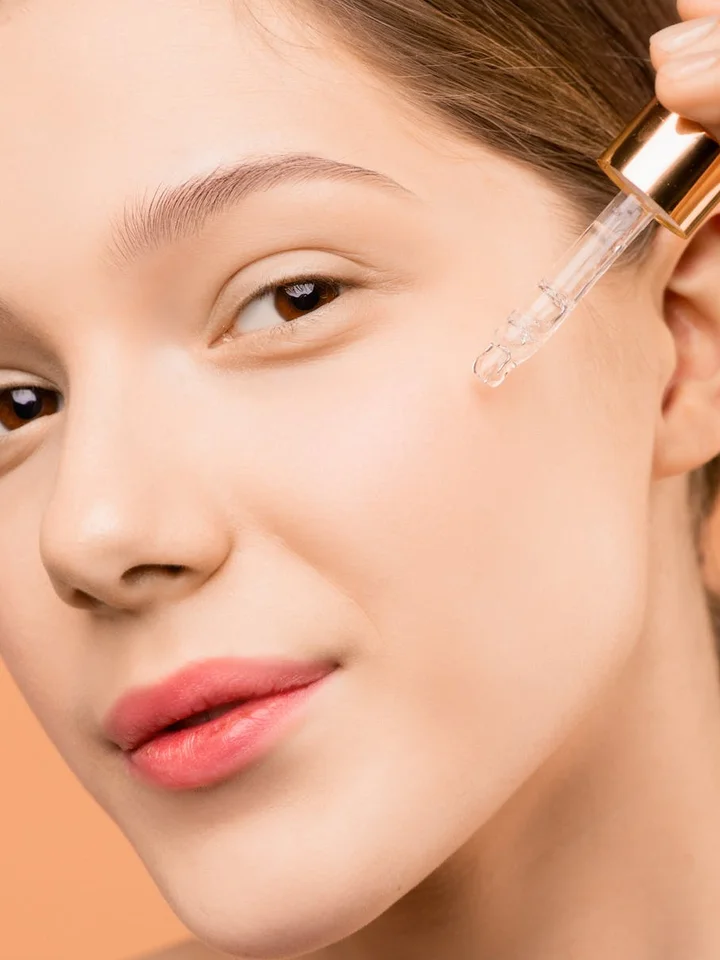
How long does salicylic acid take to show results? The answer depends on whether you’re putting out a fire or remodeling the house. For a single angry blemish, you might see changes overnight. For overall clearer pores and fewer breakouts, you’re looking at a commitment of several weeks.
This beta-hydroxy acid (BHA) is oil-soluble, meaning it can dive into pores to dissolve the sticky mix of oil and dead skin that leads to clogs. It’s also anti-inflammatory, which is why it’s so good at calming the red, swollen anger of a pimple.
For a Single Blemish: Overnight to 48 Hours
Think of that deep, painful pimple from the writing sample-the kind that hurts to touch. Salicylic acid is your first responder. Its job is to reduce swelling and help bring the congestion to the surface, making it easier for your body to clear it. Knowing the right way to apply salicylic acid can make all the difference in treating such blemishes effectively.
Here’s what to do for a spot treatment:
- Cleanse the area gently.
- Apply a salicylic acid treatment (like a gel or liquid) directly on the blemish and a little of the surrounding skin.
- Leave it on. You can follow with your moisturizer.
You should notice less redness and a flatter feel within a day or two, as the acid works to dissolve the plug and calm inflammation. This doesn’t always mean it will magically vanish, but the intense pain and swelling should subside, turning a major event into a minor one.
For Ongoing Breakouts and Blackheads: 2-6 Weeks
If you’re using salicylic acid to tackle blackheads or frequent breakouts, patience is key. You’re asking it to clear out buildup that has been forming in your pores for a long time, especially if you’re dealing with fungal acne. Consistent, gentle use is far more effective than aggressive, harsh application.
Start by using a salicylic acid cleanser or toner 2-3 times a week, then slowly increase frequency as your skin tolerates it. Daily use is fine for many, but listen to your skin.
Overusing salicylic acid can strip your skin and damage its protective barrier, leading to more sensitivity, dryness, and even more breakouts. If your skin starts feeling tight, itchy, or looks shiny and papery, scale back immediately.
Navigating the Purge: What’s Normal?
In the first 2-4 weeks, you might experience a “purge.” This happens because the acid is accelerating your skin’s cell turnover, bringing hidden clogs to the surface faster. You’ll see small whiteheads or blackheads in areas where you usually get them.
A purge is normal. Irritation is not. A healthy purge consists of small, familiar blemishes that clear up quickly. A bad reaction involves persistent redness, burning, stinging, or tiny bumps in areas you don’t typically break out.
If your skin is purging, the breakout lifecycle should be faster than usual. If it’s irritation, the discomfort won’t ease up and your skin will feel compromised. For comparison, a purge from azelaic acid-another great anti-acne ingredient-often follows a similar 2-4 week timeline, as it also works to unclog pores.
Lactic Acid Results: Gentle Exfoliation for Sensitive Types
How long does lactic acid take to show results? For my clients like Noah, who have dry or reactive skin, this is our go-to. Lactic acid, an alpha-hydroxy acid (AHA) derived from milk, offers a softer touch. It gently breaks the bonds between dead skin cells while also pulling water into the skin.
Lactic acid is the ideal choice when you want the brightening and smoothing effects of an exfoliant but need to prioritize hydration and barrier health. It’s the diplomatic negotiator of the acid world.
The Sensitive-Skin Timeline: 2-4 Weeks for Smoothness
Because it works more gently, don’t expect overnight transformation. With consistent use (typically 2-3 times a week), you’ll likely start to feel a smoother texture in 2 weeks. A more noticeable glow and improved clarity often take a full month.
This slower, steadier pace is what makes it safe for reactive skin. It’s similar to mandelic acid, another gentle AHA. A common question is how long to leave mandelic acid on-the principle is the same: short contact time (like in a cleanser) is very gentle, while a leave-on treatment offers more intensive exfoliation.
Beyond Exfoliation: Improved Hydration and Barrier Support
Lactic acid’s superpower is its ability to act as a humectant. It helps your skin attract and hold onto water molecules. This is why your complexion can look plumper and more hydrated after use, not just smoother.
To maximize this benefit, pair your lactic acid treatment with ingredients that support your skin barrier. Applying a moisturizer rich in ceramides or cholesterol after your lactic acid serum helps fortify your skin’s natural defenses, locking in hydration and preventing irritation. For Noah, this one-two punch of gentle exfoliation and intense barrier repair was the key to overcoming chronic dryness without causing a flare-up.
Smart Acid Use: Timing, Safety, and When to Pause

Your skin type, the formula’s strength, and your overall routine are the main factors that affect how quickly you’ll see results. Someone with resilient skin using a well formulated 5% lactic acid might see a glow in days, while someone with a sensitive barrier might need to build up to that same result over weeks.
The most common mistake I see is using an acid too often, too soon. Consistency with the right frequency is what builds results, not aggressive daily use.
Building Your Routine: How Often to Apply Each Acid
Think of acid frequency like learning a new exercise. You start slow to avoid injury, then build stamina. Here is a simple guide to get you started. Always apply acids to clean, dry skin.
You do not need to use every acid every day. Smart, targeted application works better. For example, Lina uses a salicylic acid toner on her oily T-zone three nights a week, and applies a gentle lactic acid serum to her drier cheeks just once a week for hydration. Noah, with his dry, reactive skin, sticks to a 5% lactic acid formula just twice a week and sees great results without irritation.
Choosing a product from a brand committed to ethical, cruelty-free science means you’re supporting formulations that are effective without compromise.
Contraindications & Safety Warnings: When to Skip an Acid
Acids are powerful tools, and there are times when you must put them down. Your skin’s health always comes first. For glycolic acid sensitive skin, choosing gentler options or starting with lower concentrations can help protect your barrier. If irritation occurs, step back and reassess your routine.
Absolute Avoidances:
- Pregnancy: Consult your doctor. Many clinicians advise avoiding salicylic acid (especially in high concentrations) and glycolic acid. Lactic acid is often considered a gentler option, but medical advice is essential.
- Broken skin, open wounds, or active cold sores.
- An active sunburn or significant windburn. Your barrier is already compromised.
- Right after waxing, dermaplaning, or professional exfoliation treatments.
Proceed with Caution:
- If you have diagnosed rosacea or extremely sensitive skin. Patch test for a week before applying to your full face.
- If you are using prescription retinoids like tretinoin. You must space them out-often using acids in the morning and retinoids at night, and not on the same day when starting.
- If your skin barrier feels compromised (consistently tight, itchy, or stings with water). Pause all acids and focus on repair.
Performing a patch test on a small area of your jaw or neck for 3-7 days is the best way to introduce any new acid safely.
Listening to Your Skin: Signs You’re Moving Too Fast
Your skin will tell you when it’s had enough. Over exfoliation happens when we get over eager for results. The signs are clear:
- Persistent redness, not the mild flush that fades in an hour.
- Stinging or burning when applying any product, even moisturizer.
- A feeling of tightness, roughness, or a texture like sandpaper.
- Shiny, waxy skin with increased sensitivity. This is a sign your barrier is weakened.
If you notice these signs, here is your simple recovery plan:
- Pause all acid and retinoid treatments immediately. This is non negotiable.
- Simplify your routine to a gentle, fragrance free cleanser and a basic, reparative moisturizer for at least one week.
- Look for moisturizers with ingredients like ceramides, panthenol, or squalane to help rebuild your skin’s protective layer.
- Be diligent with a gentle, mineral based sunscreen every morning. Your skin is more vulnerable to damage.
- Only reintroduce one acid, at your “starter frequency,” once all signs of irritation have completely vanished for a full week.
Healing an over exfoliated barrier is about patience and nourishment, not adding more actives.
Your Quick-Reference Results Guide
What factors affect how quickly I’ll see results from an acid?
Your skin type and your consistency are the biggest factors. A resilient, oily complexion may respond faster than dry, sensitive skin, and regular use as directed is always more effective than sporadic, aggressive application.
Can I use glycolic, salicylic, and lactic acids together to see results faster?
We don’t recommend combining different acids in the same routine, especially when starting out. To see results safely, alternate them on different nights or target specific areas, as this prevents barrier overload and lets you gauge what’s working.
What are the first signs that an acid is working for me?
For glycolic and lactic acids, the first sign is often smoother, more radiant skin within 1-3 weeks. With salicylic acid, you should notice existing blemishes calming faster and a gradual reduction in new congestion over 2-4 weeks.
Your Skin’s Timeline with Acids
The single most important step is to match your expectations with your skin’s natural renewal cycle. Consistent, gentle use tailored to your skin type will always outperform aggressive, sporadic application. Think of these acids as skilled assistants helping your skin do its best work, not as overnight miracle workers. For practical application, the build skincare routine step guide will outline how to tailor these steps to your routine. In the next steps, you’ll see a cohesive, step-by-step flow you can follow.
- Mark your calendar for a 4 to 6-week check-in to assess real changes in texture and clarity.
- Introduce one new acid product at a time so you can pinpoint what’s working.
- Never skip sunscreen in the morning, as glycolic and lactic acid can make skin more sun-sensitive.
- If irritation occurs, pause use and focus on barrier repair with a simple, soothing moisturizer.
- Choose salicylic for oily, congested zones and lactic or glycolic for surface texture on drier areas.
We write to guide you through these choices with clear, evidence-minded advice. If you have a specific story or question about your acid routine, we’re listening. Your experience, like Maya’s with her breakouts or Noah’s with his reactivity, helps us all learn.
Lucy Zimmerman
Lucy is an expert author and blogger when it comes to skin care and body care. She has first hand expertise acting as skin care consultant for over 5+ years helping her clients achieve smooth blemish free skin with natural and working remedies. She also has been an avid experimenter and tried out all the natural and artificial remedies and treatments so you can learn from her first hand experience. Additionally, she has traveled to many countries around the world and incorporated the skin care routines she has learnt into this blog. So, wait no more, reach out to Lucy if you have any specific needs and follow her blog, LuciDerma for expert skin care advice.