
Retinol Percentages Made Simple: Your Guide to Starting Safe and Seeing Results
If the world of retinol strengths feels like a maze, take a deep breath. I help clients like you pick the perfect percentage every day, and it’s easier than you think.
By the end of this article, you’ll walk away with clear steps to build a retinol routine that works for your skin. You will know how to:
- Interpret retinol percentages and what they actually do for cell turnover and collagen.
- Select a gentle, effective strength for beginners and sensitive skin types like my client Noah’s to prevent irritation.
- Gradually increase potency for anti-aging benefits without compromising your skin’s comfort or health.
Your journey to healthier skin is absolutely within reach.
Retinol Explained: What That Percentage Really Means for Your Skin
Retinol is a skin-renewing ingredient derived from vitamin A. When you apply it, your skin cells slowly convert it into retinoic acid, which is the active form that tells your skin to speed up cell turnover.
The percentage you see on a bottle, like 0.1% or 0.3%, tells you how much pure retinol is in the formula. It does not tell you how strong the final effect will be on your skin. The other ingredients in the product and how the retinol is delivered change its actual potency and how your skin reacts.
Comparing retinol percentages alone is like comparing different types of flour in a recipe. Using a cup of dense whole wheat flour will give you a very different result than a cup of light cake flour, even though the amount is the same. Similarly, a 0.1% retinol in a harsh, drying serum will feel much stronger than a 0.1% retinol in a soothing, encapsulated cream.
Here’s a quick family tree: “retinoids” is the name for the whole vitamin-A family, which includes prescription forms like tretinoin. “Retinol” is the specific, gentler cousin you can buy over-the-counter without a prescription.
How to Find Your Goldilocks Retinol Strength
Think of this as a personal matching exercise. Your perfect strength depends on your skin’s history, its sensitivity, and what you want to achieve.
For Beginners (Any Skin Type)
Start with a concentration between 0.01% and 0.03%. This is a universally safe starting point that lets your skin learn to handle retinol without shock. Your goal for the first few months is to build tolerance, not to see dramatic anti-aging results. Patience here prevents redness and peeling later—especially since higher retinol percentages aren’t always more effective for beginners.
For Sensitive or Reactive Skin
If your skin flushes easily or stings with new products, like my client Noah’s, begin at 0.01% or look for the word “encapsulated” on the label. Encapsulation wraps the retinol molecules in a protective shell, releasing them slowly to be gentler. For a simple retinoids mens skincare routine, this approach fits neatly into a nightly regimen. A lower percentage used consistently for months will do more good than a stronger one that burns your skin and forces you to quit.
For Anti-Aging Results
Clinical studies show that consistent use of retinol at 0.03% and higher can improve the look of fine lines and skin texture. Most people find their effective, comfortable sweet spot is between 0.03% and 0.1%. You often do not need prescription-level strength to get visible results if you use it regularly.
You might wonder why products like Olay Retinol 24 or ROC Retinol Correxion do not always list an exact percentage. They often use proprietary complexes, so the specific “how much retinol is in ROC” is not disclosed. This is not necessarily a bad thing. It means the formula is designed as a complete system, and these products are typically in the low-to-medium strength range perfect for beginners who may not be ready for retinol or Retin-A with higher concentrations.
Top Formulas by Concentration: A Curated Guide
Instead of focusing only on brands, let’s group products by their general strength. Remember, the formula type-like a serum, cream, or oil-affects how it feels and works.
Low Strength (0.01% – 0.03%)
This is your starting zone. Look for calming formulas that support your skin barrier. A good example is a lightweight serum with 0.02% retinol paired with hydrating hyaluronic acid. Another is a gentle night cream with 0.01% encapsulated retinol and barrier-repairing ceramides, ideal for someone with Noah’s skin type.
Medium Strength (0.03% – 0.1%)
This is the workhorse range for anti-aging. Here, you might find a nourishing facial oil with 0.05% retinol and squalane, which is great for Lina’s combination skin-light yet effective. While the exact ‘how much retinol is in ROC’ isn’t listed, their popular night creams typically fall into this low-to-medium category, making them a reliable next step after you’ve built tolerance.
Higher Strength (0.1% and above, up to 1%)
Reserve this for skin that has fully adapted to retinol over many months. An example is a resurfacing serum with 0.3% retinol and soothing licorice root extract for those focused on texture. These are potent and should be introduced slowly, perhaps just once or twice a week, even for experienced users like Maya who manage acne.
Your Step-by-Step Guide to Starting Retinol Without the Drama
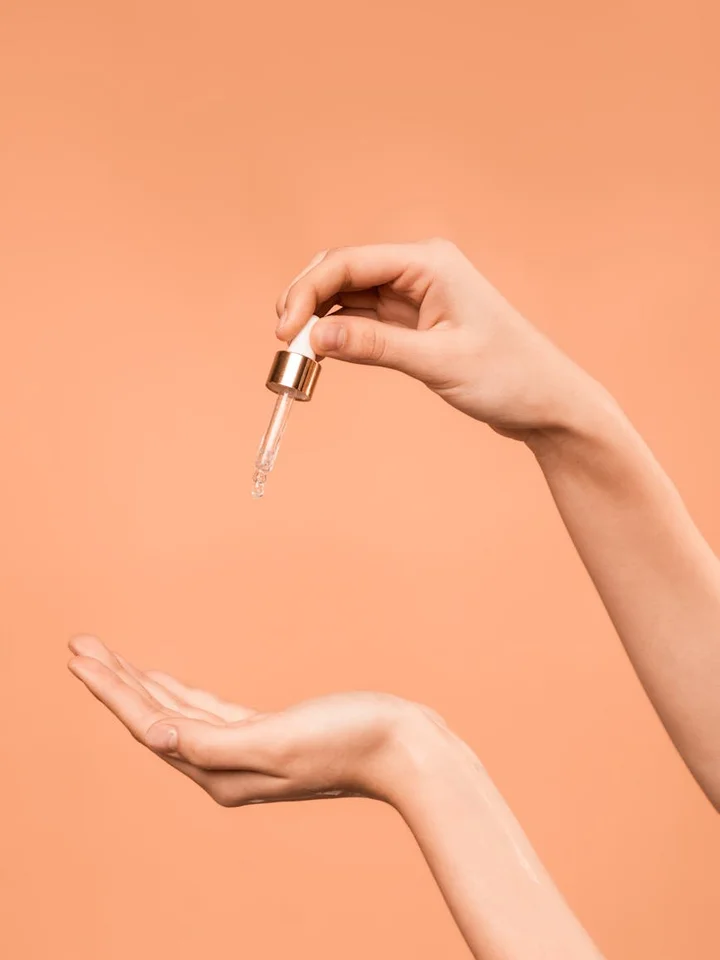
Think of starting retinol like training for a marathon, not a sprint. Your skin needs time to build tolerance. Rushing leads to redness and peeling, which makes most people quit. A slow and steady approach is the secret to long-term success.
The Gradual Introduction Schedule
Follow this weekly plan. If your skin feels irritated at any point, pause for a few nights and resume at the previous frequency.
- Weeks 1 & 2: Apply your retinol once per week, on a dry face at night.
- Weeks 3 & 4: Increase to twice per week, with at least one night off between applications.
- Month 2: Apply every other night (about 3 times a week).
- Month 3+: If your skin is tolerating it well, you can consider using it every night.
My client Noah, with his dry and reactive skin, stayed at the “every other night” schedule for four full months before moving to nightly use, and he avoided major irritation completely.
The “Sandwich Method” for Extra Care
If you have sensitive skin like Lina, or simply want to be extra gentle, the sandwich method is your best friend.
- Apply a layer of your basic, soothing moisturizer to slightly damp skin.
- Wait 10-15 minutes for your skin to dry completely.
- Apply your pea-sized amount of retinol.
- Wait another 5-10 minutes, then seal it all in with a second layer of the same moisturizer.
This technique buffers the retinol, slowing its delivery and minimizing potential side effects while still letting it work effectively.
How Much to Use & What to Pair It With
A pea-sized amount is all you need for your entire face and neck. Using more does not work faster, it only increases irritation.
Apply it to bone-dry skin. Damp skin can drive the ingredient deeper and cause stinging.
- Do Apply With: A simple, fragrance-free moisturizer. A gentle, mineral-based sunscreen every single morning is mandatory.
- Avoid Applying at the Same Time (AM or PM): Direct acids (like AHA/BHA toners), benzoyl peroxide, and vitamin C serums. Using these on the same night as retinol is a recipe for irritation. Use them on your “off” nights instead.
When Not to Try Retinol: Contraindications & Safety Warnings
Do not use retinol or any retinoid if you are pregnant, breastfeeding, or trying to conceive. Consult your doctor for pregnancy-safe alternatives.
Postpone your retinol start date if your skin barrier is compromised. If your face is red, stinging with your usual products, or peeling from a sunburn, your skin is in no state to handle a potent active. Focus on repair first.
Never apply retinol to broken skin (cuts, scrapes, popped pimples) or immediately after hair removal procedures like waxing or threading. Wait at least 2-3 days for the skin to fully heal.
Managing Expectations and Side Effects
The first few weeks are often called the “retinization” period. This is your skin adapting. Some flaking, dryness, or a slight increase in breakouts is common. It typically subsides within 4-6 weeks.
Purging vs. A Bad Reaction: How to Tell
Purging happens because retinol speeds up skin cell turnover, bringing hidden clogs to the surface. This phenomenon is commonly described as retinol retinaldehyde purging. It helps explain why you might see breakouts as the skin adjusts. A purge usually consists of small whiteheads or blackheads in areas where you normally break out, and it clears up relatively quickly.
A bad reaction or allergy involves red, itchy, burning rash-like bumps in unusual areas, or extreme discomfort. If you experience this, stop use and focus on barrier repair.
Your Troubleshooting Guide
- If You Peel or Flake: Don’t panic. Scale back to applying once a week. Amp up your moisturizer and consider the sandwich method. Gently buff away dry flakes with a soft, damp cloth in the morning.
- If You Sting or Burn: Stop retinol immediately. Your barrier is likely compromised. For the next week, use only a gentle cleanser, a ceramide-rich moisturizer, and sunscreen. Reintroduce retinol more slowly once all sensitivity is gone.
- If You See No Results After 3 Months: You may need a slight strength increase. If you started at 0.25%, you could consider moving to 0.5%. Stick with each strength for a full 3-6 months before judging its effects on fine lines and texture.
Retinol makes your skin more susceptible to sun damage, so daily sunscreen use isn’t just a good idea, it’s critical to protecting your results and your skin’s health. Think of it as the non-negotiable partner to your nighttime retinol, especially when you’re aiming for anti-aging benefits.
Your Retinol Percentage Questions, Answered
How long should a beginner stay at a low retinol percentage?
Plan to use your starter strength (0.01%-0.03%) for a full 3 to 4 months. This builds lasting tolerance, allowing you to potentially increase strength without irritation for better long-term results.
Can sensitive skin ever use higher retinol percentages?
Yes, but very gradually and only after mastering consistency with a low strength for many months. For sensitive skin, the formula’s gentleness (like encapsulation) is often more important than chasing a high number.
Why isn’t a higher percentage always better for anti-aging?
Because excessive irritation can damage your skin barrier and force you to stop using retinol altogether. Consistent, comfortable use of a moderate percentage (like 0.05%) delivers superior anti-aging benefits over time compared to an irritating, unsustainable high strength.
Your Retinol Journey Starts Here
The most reliable path to better skin with retinol begins with a low percentage and unwavering patience. Understanding retinol’s properties and how they affect the skin—such as promoting cell turnover and supporting collagen—helps set expectations. These effects guide how you pace your routine. Consistent, gentle use of a formula like 0.25% retinol will create visible change without overwhelming your skin’s defenses. Treat your first bottle as a learning period, not a race to the strongest solution.
- Start with a 0.25% or 0.3% retinol formula and use it only 1-2 nights per week.
- Always apply retinol to completely dry skin, followed by your moisturizer.
- Listen to your skin: persistent redness or peeling means you should use it less often, not push through.
- Sunscreen every single morning is non-negotiable, as retinol makes new skin more sun-sensitive.
- Give any new product at least 8-12 weeks of consistent use before deciding if it works for you.
If you have more questions as you begin, I welcome you to follow the LuciDerma blog for guidance that always prioritizes your skin’s health. Adjusting your routine is a normal part of the process, and choosing a gentle, cruelty-free formula is a powerful first step for your skin and our shared environment.
Lucy Zimmerman
Lucy is an expert author and blogger when it comes to skin care and body care. She has first hand expertise acting as skin care consultant for over 5+ years helping her clients achieve smooth blemish free skin with natural and working remedies. She also has been an avid experimenter and tried out all the natural and artificial remedies and treatments so you can learn from her first hand experience. Additionally, she has traveled to many countries around the world and incorporated the skin care routines she has learnt into this blog. So, wait no more, reach out to Lucy if you have any specific needs and follow her blog, LuciDerma for expert skin care advice.