
Comedogenic Ingredients Explained: How to Spot and Skip Pore-Cloggers
If you’ve ever bought a moisturizer that promised radiance but delivered breakouts, you’ve likely tangled with comedogenic ingredients. As a licensed esthetician, I see this confusion with clients like Noah, who just wants a simple routine that doesn’t irritate his reactive skin.
This guide will cut through the noise and give you clear, actionable steps. By the end, you’ll be equipped to:
- Understand why only certain oils and waxes actually clog pores for most people.
- Identify potential pore-cloggers by reading ingredient lists with confidence.
- Choose effective, non-comedogenic alternatives that support your skin barrier.
You can learn to select products that nourish your skin without the guesswork.
What Does “Comedogenic” Actually Mean? Let’s Clear the Air
Let’s start with the word itself. It’s pronounced koe-mee-doe-JEN-ik, and it’s simply a technical term for an ingredient that has a tendency to clog pores.
Think of your pores as tiny tunnels. Skin cells naturally shed and oil (sebum) naturally flows to the surface. A comedogenic ingredient acts like a sticky plug, trapping that dead skin and oil inside the tunnel. That trapped material is called a comedo. If the pore stays open, you get a blackhead. If it closes over, you get a whitehead.
Now, here’s the first key thing to remember: “Non-comedogenic” on a label is a marketing term, not a regulated guarantee. It means the manufacturer doesn’t *think* their formula will clog pores, but your skin gets the final vote. This is why learning to spot potential culprits yourself is your most powerful tool. That’s useful to know when you’re choosing a primer—look for a non-comedogenic formula to help prevent clogged pores. In particular, non-comedogenic face primers are worth prioritizing for pore-conscious wear.
The Comedogenic Scale: A Useful, But Imperfect, Map
You might see ingredients rated from 0 to 5 on a “comedogenic scale.” This scale comes from old tests on rabbit ears, which are more sensitive than human facial skin. A 5 meant a high likelihood of clogging in that test, and a 0 meant none.
While this scale gives us a general idea, it’s not the whole story for human faces. An ingredient’s rating changes based on its concentration in the product and what it’s mixed with. A heavy oil in a thick cream behaves differently than a tiny amount in a fast-absorbing serum. Your own skin type is the most critical factor. What clogs Maya’s oily pores might be perfectly fine for Noah’s dry skin.
The Pore-Clogging Lineup: Which Ingredients Are Frequent Culprits?
So, which ingredients tend to be the usual suspects? They often fall into a few categories: certain oils, waxes, fatty alcohols, and silicones. Not everyone reacts to them, but if you’re prone to clogged pores, these are smart to scrutinize, especially in lotions and creams.
- Heavy Oils & Butters: Think coconut oil, cocoa butter, and wheat germ oil. These are rich emollients. For oily or acne-prone skin, it’s like wearing a thick, occlusive sweater on a hot day-your pores can’t breathe easily, which can lead to congestion.
- Certain Waxes & Esters: Ingredients like myristyl myristate, isopropyl myristate, and some lanolin derivatives. They’re often used to give products a smooth, luxurious feel. For some, they create a film that can trap debris.
- Some Fatty Alcohols: Not all fatty alcohols are bad! But heavier ones like cetyl alcohol and stearyl alcohol, especially in high concentrations, can be problematic for very clog-prone skin types.
- Heavy Silicones: Dimethicone is a common one. In lightweight serums, it’s usually fine. In dense primers or creams, it can act as a formidable barrier. If your skin feels like it has a silicone layer on it that never absorbs, it might be contributing to clogs.
Molecule Spec Sheet: A Closer Look at Common Offenders
| Ingredient | Typical Role | Comedogenic Rating | Better For Skin Types |
|---|---|---|---|
| Coconut Oil | Moisturizer, Cleanser | 4 | Very Dry, Non-Acne Prone Body Skin |
| Isopropyl Myristate | Texture Enhancer | 5 | Generally Avoid on Acne-Prone Faces |
| Lanolin | Emollient | 2 | Dry, Non-Reactive Skin (Patch Test First) |
Note on the table: “Safety” is entirely individual. These ratings are based on isolated ingredients, not final formulas. An ingredient’s role tells you its job in the product. pH isn’t a primary concern here, as these are occlusive agents that work by forming a physical barrier on the skin.
Surprising Exceptions: Why “Non-Comedogenic” Isn’t a Free Pass
Here’s where it gets personal. A product boldly labeled “non-comedogenic” might still cause issues for someone like Noah, who has dry but highly reactive skin. Why? The formula could be free of classic cloggers but packed with fragrant plant extracts or other sensitizers that disrupt his skin barrier. A compromised barrier can lead to rough texture and clog-like bumps. That tension points to the evolution of non-comedogenic skincare, with barrier-friendly formulations becoming the norm. Modern approaches aim for pore care without irritants, signaling a shift beyond the old label.
The complete ingredient combination and your skin’s current condition matter more than any single “non-comedogenic” claim. A moisturizer might use a blend of lightweight, low-rated oils that work beautifully for Lina’s combination skin but feel too heavy for Maya’s oily T-zone. Always consider the whole formula, not just one word on the front of the bottle.
How to Play Detective: Finding Comedogenic Ingredients on Any Label
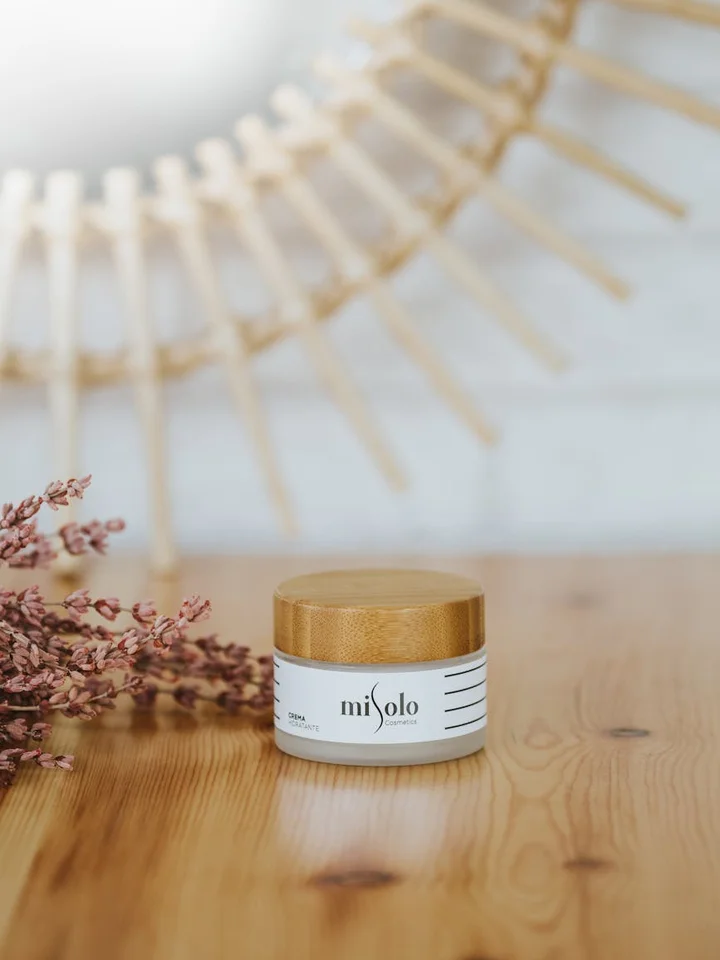
Knowing which ingredients to avoid is one thing. Finding them on a tiny, confusing label is another. Let’s break it down into a simple scan you can do in the store aisle.
The First-Five Ingredients Rule: Where to Focus Your Eyes
Ingredients on any cosmetic product are listed in descending order of concentration. The first ingredient makes up the largest percentage of the formula, and the last ingredient is present in the smallest amount.
Your main focus should be the first five ingredients, as these are most likely to impact your skin. If you see cocoa butter, coconut oil, or a heavy silicone like dimethicone in that top tier, it’s a strong signal the product may be too rich for congestion-prone skin.
Your At-Home Patch Test Protocol
Even a “clean” ingredient list doesn’t guarantee your unique skin will agree. The only true test is on you. Here’s a safe way to introduce any new product.
- Choose a small, discreet test area, like a patch on your jawline or behind your ear.
- Apply the product to that area twice daily for one full week.
- Watch for any new bumps, redness, or itching. No reaction is a good sign you can try it on a larger area.
My client Lina, who has combination skin, always tests new serums on a small part of her cheek before committing her whole face. This habit saved her from a breakout last month from a moisturizer that looked perfect on paper.
Always patch test, even if a product is marketed as “non-comedogenic” or “for acne-prone skin.” Your skin’s definition of “clogging” is the only one that matters.
Building Your Clog-Free Routine: A Product Guide
Now for the fun part: choosing products that support your skin without the backup. Think of this as building a wardrobe for your pores-light layers are often better than one heavy coat.
Choosing a Lightweight Moisturizer
Hydration is non-negotiable, even for oily skin. Skipping moisturizer can actually trigger more oil production. The key is choosing the right texture, especially for oily skin.
Look for water-based gels or gel-creams with hydrators like hyaluronic acid, glycerin, or squalane. These ingredients pull water into the skin without sitting on top of it. A gel-cream is like a light rain jacket for your pores-protective but breathable. A thick, waxy balm is more like a winter parka; it’s necessary for some, but it can overheat and clog congestion-prone skin.
Selecting a Facial Oil That Won’t Back Up Pores
Yes, oily skin can often use oil! It’s about choosing the right one. Oils have different comedogenic ratings, from 0 (very unlikely to clog) to 5 (highly likely).
Stick to oils with low ratings, such as jojoba oil (rated 2), argan oil (0), or sunflower seed oil (0). Apply your facial oil to damp skin, not dry skin. This helps it absorb more effectively, so it nourishes your skin barrier instead of just sitting on the surface where it could mix with sebum and debris.
Finding a Sunscreen That Sits Pretty
This is the most common product people skip due to fear of clogged pores. You don’t have to choose between protection and breakouts.
For daily wear, look for fluid lotions or gels labeled “oil-free.” Mineral sunscreens with zinc oxide or titanium dioxide are often well-tolerated. Modern chemical formulas can also be incredibly lightweight. Be wary of thick, water-resistant cream sunscreens for your daily face use; save those for intense beach days. They’re designed to form a heavy, occlusive film, which is exactly what we’re trying to avoid in a daily pore-clogging prevention plan.
Contraindications and Safety: When to Be Extra Careful
While understanding comedogenic ratings is a powerful tool, it’s not the whole story. Your skin’s current condition creates the context. Think of it like this: a perfectly safe ladder is risky to use on icy, uneven ground. Your skin’s “ground conditions” matter. Here are specific times to be extra vigilant with ingredient lists.
If Your Skin Barrier Is Damaged or You Have Active Breakouts
When your skin barrier is compromised, it’s like having tiny cracks in a wall. Irritants and potential cloggers can slip in more easily, leading to more inflammation and breakouts. Your primary job here is repair, not experimentation.
Stick to the most basic, reparative ingredients you know your skin loves, and avoid any ingredient with even a moderate comedogenic rating. This isn’t the time to test a new butter or oil, even if it’s natural.
I guide my client Noah through this often. When his dry, reactive skin flares up, we strip his routine back to three things: a gentle, fragrance-free cleanser, a serum with barrier supporting ingredients like ceramides, and a simple moisturizer. We avoid any product with a long list of oils or esters until his skin calms down. This gives his skin the quiet, safe space it needs to heal itself.
During Pregnancy or While Using Certain Acne Medications
Hormonal shifts during pregnancy, postpartum, or menopause can change your skin’s behavior overnight. An oil that once felt nourishing might suddenly lead to congestion. Similarly, potent acne medications like prescription retinoids or high dose benzoyl peroxide can make your skin more sensitive and prone to irritation from other ingredients.
Your skin’s tolerance levels can change, so a previously safe product might become a problem. A general comedogenic list is a starting point, but your body is writing a new rulebook.
This is the perfect moment to partner with your dermatologist or obstetrician. They can provide personalized guidance on which ingredient categories to be most mindful of during this specific chapter of your life. It’s a simple, proactive step that prevents frustration.
The Golden Rule: Your Skin’s Unique Language
All the charts and ratings in the world are general guides. They are not your skin’s personal biography. The most accurate tool you have is your own power of observation.
Personal observation trumps any general list every single time. If an ingredient rated “0” consistently gives you tiny clogs, then for you, it is a clogger. Your experience is the data that matters most.
Keeping a simple product diary makes you a detective on your own case. Just note the new product you introduced and any skin changes over the next 2-4 weeks. You don’t need a fancy journal, a note on your phone works perfectly. Look for patterns, not just one off reactions. Your pores are chatty. Learning their language is the best skincare hack of all.
Your Quick Guide to Pore-Clogging Ingredients
Are natural oils like coconut or cocoa butter always pore-cloggers?
Not always-it depends heavily on your skin type and the product’s formula. While these rich ingredients are frequent culprits for oily or acne-prone faces, they can be wonderfully nourishing for dry body skin when used appropriately.
Is the comedogenic scale a reliable tool for choosing products?
The scale is a useful starting point, but it’s not a definitive map for human facial skin. An ingredient’s final effect depends on its concentration in the formula and, most importantly, your unique skin’s reaction.
How can I safely test if a new product will clog my pores?
Commit to a one-week patch test on a small area of your jaw or cheek. This real-world trial on your skin is the only way to know for sure, far beyond any “non-comedogenic” label claim.
Final Thoughts on Pore-Friendly Skin Care
Navigating ingredient lists is your most powerful tool for clear skin. Remember, a product’s true nature is revealed on the back of the bottle, not by its marketing claims on the front. By learning to spot a few key comedogenic ingredients and understanding your own skin’s unique reactions, you take complete control of your routine.
- Always scan the INCI list for common pore-cloggers like certain coconut-derived ingredients, algal extracts, and some heavy esters.
- When in doubt, refer to a reliable comedogenic rating database and look for products rated 2 or below.
- Perform a simple patch test on your jawline or upper chest before committing to any new product on your entire face.
- Simplify your routine if you’re experiencing congestion; often, using fewer, well-chosen products yields the best results.
- Trust what your skin tells you over any label-if a product consistently causes bumps, it’s not right for you, regardless of its ratings.
Have a question about a specific ingredient you spotted in your moisturizer? We’re here to help. Share your skin care puzzles with us on the LuciDerma blog, where every piece of advice is crafted to support your healthiest, most resilient skin with cruelty-free and sustainable choices.
Lucy Zimmerman
Lucy is an expert author and blogger when it comes to skin care and body care. She has first hand expertise acting as skin care consultant for over 5+ years helping her clients achieve smooth blemish free skin with natural and working remedies. She also has been an avid experimenter and tried out all the natural and artificial remedies and treatments so you can learn from her first hand experience. Additionally, she has traveled to many countries around the world and incorporated the skin care routines she has learnt into this blog. So, wait no more, reach out to Lucy if you have any specific needs and follow her blog, LuciDerma for expert skin care advice.