
Adapalene for Wrinkles: Your Practical Guide to Retinoid Anti-Aging
You’re likely eyeing that tube of Adapalene (Differin) and wondering if it can do more than clear acne-specifically, if it can soften those fine lines. I get this question from cautious clients like Noah all the time, and the answer is more hopeful than you might think.
This article will give you the clarity and steps you need. By the end, you’ll be empowered to:
- Understand exactly how Adapalene encourages collagen to reduce the look of wrinkles.
- Compare its anti-aging strengths to other retinoids, so you can choose wisely.
- Start using it with a gentle, effective routine that protects your skin barrier.
Let’s get you feeling confident about this skincare step.
Meet Adapalene: Your Retinoid, Decoded
Adapalene is a third-generation synthetic retinoid. Think of it as a more stable, targeted cousin of retinol, designed in a lab to work effectively with fewer side effects for many people. That makes it useful to compare it with retinol and to note its place in retinoid classification. Understanding the retinoid classification distinctions highlights the difference between adapalene, retinol, and other retinoids.
Its primary, FDA-approved job is to treat acne. It does this by keeping pores clear and calming inflammation. This focus on cellular renewal and reducing inflammation is precisely why it shows promise for aging skin, even if that’s not its official label.
To understand any ingredient, I like to look at its basic specs. Here’s a quick “Molecule Spec Sheet” for adapalene:
| Property | Details |
| Common Concentration | 0.1% (OTC), 0.3% (Rx) |
| pH Compatibility | Stable across a wide pH range, making it formula-friendly. |
| Solubility | Lipophilic (oil-loving), which helps it penetrate pore-lining effectively. |
| Key Safety Note | Photosensitivity is a known side effect. Daily sunscreen is non-negotiable. |
I remember when Noah, with his dry, reactive skin, asked about it. He was wary of classic retinoids but intrigued by adapalene’s reputation for being gentler. His cautious approach—starting once a week, sandwiched between moisturizer—is a perfect example of how to introduce this active thoughtfully, especially since it is important to avoid interactions with other skincare medications.
The Science: How Exactly Does Adapalene Reduce Wrinkles?
The anti-aging action happens at a cellular level. Adapalene communicates with your skin cells, gently encouraging them to turn over at a healthier, faster rate.
Imagine your skin is a busy conveyor belt. As we age, that belt slows down, letting old, dull cells pile up. Adapalene gives that belt a steady, gentle nudge. This faster turnover reveals fresher skin, smooths texture, and helps fade dark spots caused by sun damage.
More importantly, it signals your skin to produce more collagen. Collagen is the scaffolding that keeps skin plump and firm. By stimulating its production, adapalene helps improve the appearance of fine lines and improves overall firmness.
So, does adapalene help with wrinkles? Clinical studies and extensive clinical use show that adapalene can improve the signs of photoaging, including fine wrinkles, uneven texture, and hyperpigmentation. It’s a viable option for those seeking retinoid benefits, especially if they have acne-prone or sensitive skin that tolerates it better than tretinoin.
It’s wise to know its limits. Adapalene is excellent for prevention and treating fine to moderate wrinkles. It cannot erase deep, static folds or significant volume loss, which are concerns better addressed with other professional treatments. Realistic expectations are key: think “refined, renewed, and resilient,” not “completely erased.”
The Retinoid Family Portrait: How Adapalene Fits In

Think of “retinoid” as a family name. Everyone in this family is related to Vitamin A, and they all work by communicating with your skin cells to encourage healthier behavior. Some family members are stronger and need a formal introduction from a doctor (prescription). Others are milder and can be invited over the counter, such as retinol and retinaldehyde.
Adapalene is a unique family member that bridges the gap between gentle over the counter options and powerful prescription formulas.
Adapalene vs. Its Retinoid Cousins
To understand where adapalene fits, let’s put it side-by-side with its well-known relatives.
| Retinoid | Key Comparison | Best For |
| Adapalene vs. Tretinoin (Retin-A) | Tretinoin is the classic, gold-standard prescription retinoid for aging and acne. It’s generally more potent and works on a wider range of skin cell receptors. This also means it’s more likely to cause redness and peeling, especially at first. Adapalene is more selective in how it binds, which often makes it gentler and less irritating. | If you’ve found tretinoin too harsh, adapalene can be a excellent, gentler alternative. It’s like choosing a steady, reliable pace instead of a sprint. |
| Adapalene vs. Retinol | Retinol is an over the counter ingredient your skin must convert into retinoic acid to become active. This conversion makes it milder and slower. Adapalene is already in its active form and is more stable (it doesn’t break down as easily in light and air). It works more directly and predictably. | If you feel like you’ve “graduated” from retinol and want more consistent, noticeable results without a prescription, adapalene is a logical next step. |
| Adapalene vs. Tazarotene | Tazarotene is another prescription-only retinoid, often considered one of the strongest. It’s highly effective but has a significant potential for irritation. Adapalene is typically better tolerated. | This is like comparing a focused laser to a broad-beam light. Tazarotene is powerful and specific, while adapalene offers a broader, gentler approach for most people. |
Gentler Derivatives & Alternatives
What if even adapalene feels like too much for your skin? This is common for people like my client Noah, who has dry, reactive skin. Gentler plant-based alternatives have emerged.
Bakuchiol is a plant-derived ingredient that mimics some of retinoids’ smoothing and firming actions without binding to the same receptors, making it far less likely to cause irritation. It won’t work as quickly or as powerfully, but for sensitive skin seeking a gradual improvement, it’s a fantastic, soothing option. Think of it as a calming whisper to your skin, instead of a firm conversation.
Your Safe Start Guide: Using Adapalene for Anti-Aging
Starting a retinoid is a marathon, not a sprint. The goal is to get your skin to tolerate it so you can use it long-term, where the real anti-aging benefits happen. Patience here prevents panic later. When you start retinol at a younger age, safety precautions like a gradual ramp-up and patch testing are especially important. Discussing age-appropriate use with a dermatologist can help you start safely and set realistic expectations.
A Step-by-Step Beginner’s Routine
- Frequency is your friend. Start by applying a pea-sized amount for your entire face just two nights a week (e.g., Wednesday and Sunday). Do this for two weeks. If your skin feels calm, add a third night. Gradually work up to nightly use over 2-3 months. Rushing this causes redness and flakes, which makes most people quit.
- Use the “Sandwich Method” for comfort. This is my favorite trick for clients like Lina, who has combination, sensitive skin. After cleansing and patting your face dry, apply a layer of your basic moisturizer to slightly damp skin. Wait 5-10 minutes for it to soak in. Then, apply your pea-sized amount of adapalene. Follow with another light layer of moisturizer. The moisturizer buffers the treatment, reducing irritation.
- Sunscreen the next morning is non-negotiable. Retinoids make your newer skin cells more vulnerable to sun damage. Using adapalene without daily SPF 30+ is like repairing a roof while it’s hailing. You undo all the good work and increase your risk of dark spots.
What to Pair With It (Your Support Team)
These ingredients help your skin stay happy and hydrated while adapalene does its work.
- Soothing Niacinamide: This superstar reduces redness and strengthens your skin’s moisture barrier. Using a niacinamide serum in the morning can help counteract any irritation from your nightly adapalene.
- Hydrating Hyaluronic Acid: Apply a hyaluronic acid serum to damp skin before your moisturizer. It acts like a moisture magnet, plumping skin and counteracting the dryness retinoids can sometimes cause.
What to Avoid (The Troublemakers)
To prevent a skin meltdown, keep these apart from your adapalene nights.
- Harsh Physical Scrubs: Avoid grainy face scrubs. Your skin is already turning over cells faster; scrubbing is overkill and can cause micro-tears.
- Other Direct Acids: Do not use products with salicylic acid, glycolic acid, or other chemical exfoliants in the same routine as adapalene. Using them together is like scrubbing a floor with sandpaper and soap simultaneously-it’s too much. You can use them on alternate mornings if your skin tolerates it.
- Vitamin C (in the same routine): Both are potent. Using a vitamin C serum in the morning and adapalene at night is a classic pairing. But applying them together at night can increase irritation and make both less effective.
How Long Does It Take to See Results?
Manage your expectations. You might see initial smoothing and brightness in 4-8 weeks. For noticeable improvements in fine lines and firmness, give it a consistent 3 to 6 months of use. This is why we start slow-to build a habit you can stick with for the long haul, where the magic really happens. My client Maya, who is acne-prone, saw her post-acne marks fade faster, but her fine lines took a full five months of steady use to visibly soften.
Navigating the Adjustment Phase: Side Effects and Soothing Solutions
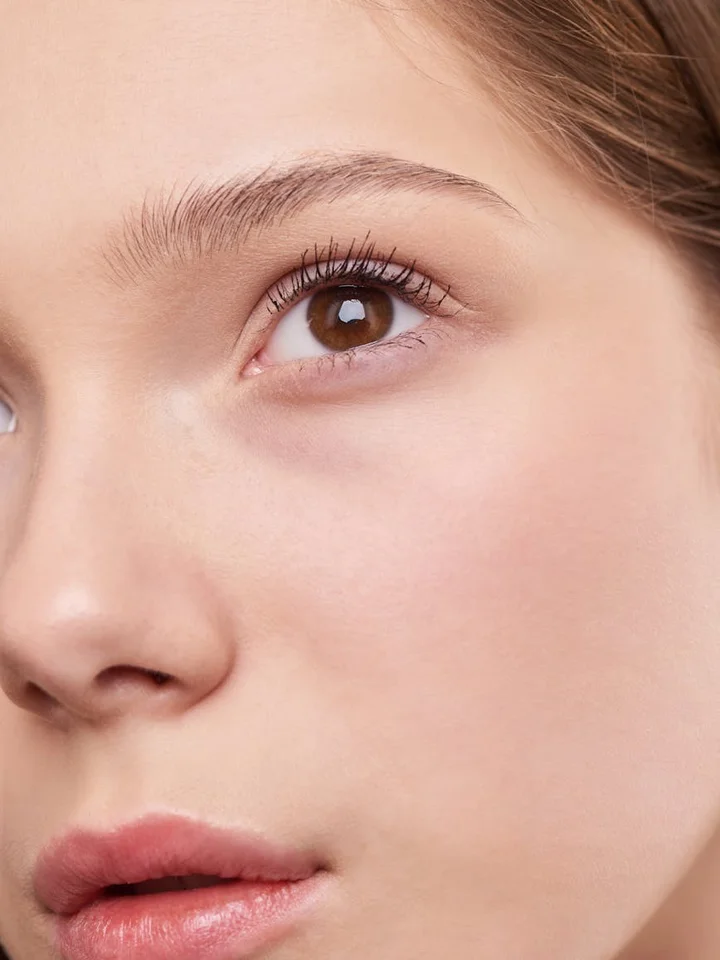
Starting any retinoid, including adapalene, involves a period of adjustment your skin needs to get used to the new pace of cell turnover. We call this process retinization. Think of it like your skin is learning a new, faster rhythm. For most people, this phase lasts 2 to 6 weeks.
Purging vs. Irritation: Knowing the Difference
It’s normal to see some changes, but it’s vital to tell the difference between a healthy purge and damaging irritation.
- Normal Purging: This is when existing, hidden clogs in your pores come to the surface faster. You’ll typically see small whiteheads or blackheads in areas where you usually get breakouts. It’s a sign the adapalene is working to clear out the pipeline.
- Genuine Irritation: This includes persistent redness, stinging, burning, peeling, or itchy, scaly patches. This can happen anywhere, especially on more delicate skin like your cheeks or around the eyes. Irritation means your skin barrier is getting overwhelmed.
My client Lina, who has combination skin, noticed a few more bumps on her chin (her usual trouble zone) during week two, but her cheeks stayed calm. That was a classic purge. When her cheeks later felt tight and looked pink, that was our cue to adjust her routine to soothe irritation.
Your Soothing Toolkit for Retinoid Irritation
If your skin feels angry, don’t panic. You have simple, effective options to calm it down.
- Buffer It: Apply your moisturizer first, wait 10 minutes for it to dry, then apply a pea-sized amount of adapalene. This creates a gentle buffer that slows absorption slightly.
- Take a Night Off: If you’re using it nightly, try every other night or even twice a week until the irritation subsides. Consistency over intensity wins this race.
- Focus on Barrier Repair: Use a simple, fragrance-free cream with ingredients like ceramides, fatty acids, and glycerin. I often recommend a basic barrier repair cream to clients like Noah, who has dry and reactive skin, to use on their off-nights or layered under adapalene.
Answering Your Immediate Questions
Is it supposed to hurt? No. A slight tingle might happen, but stinging, burning, or persistent pain is your skin asking for a break.
When should I stop? If you experience severe redness, swelling, blistering, or crusting, stop using adapalene and contact a dermatologist. This is not normal retinization.
People also ask if adapalene can help with stretch marks. The theory connects to its ability to stimulate collagen, which may improve the texture of newer, red or purple stretch marks over time. However, the evidence is much stronger for prescription retinoids like tretinoin, and results for older, white stretch marks are minimal. Managing expectations is key, as adapalene is not a proven or primary treatment for stretch marks.
Building Your Adapalene-Friendly Routine
A supportive routine doesn’t fight the adapalene, it works with it. Your goal is to protect your barrier, hydrate deeply, and defend against sun damage. Here is a reliable framework.
The Core Routine Framework
Morning:
- Gentle Cleanser: Use a lukewarm water rinse or a creamy, non-foaming cleanser. You don’t need to scrub off last night’s treatment.
- Moisturizer: Apply a good layer of fragrance-free moisturizer. Even oily skin types need this to fortify the barrier.
- Mineral Sunscreen (SPF 30+): This is non-negotiable. Adapalene makes new skin cells more vulnerable to sun damage. A zinc oxide or titanium dioxide-based sunscreen is often less irritating for sensitized skin.
Evening (on Adapalene Nights):
- Gentle Cleanser: Remove sunscreen and impurities.
- Moisturizer (Optional Buffer): If you’re buffering or have dry skin, apply moisturizer now and wait for it to dry.
- Adapalene: A pea-sized amount for the whole face, avoiding the lips and immediate eye area.
- Moisturizer: If you didn’t buffer, apply your moisturizer now to seal in hydration.
Listening to Your Skin & Adapting for Your Type
Like Lina, you should observe how your skin feels each day. Is it tight? Flaky? Oily by midday? Adjust your adapalene frequency and moisturizer weight accordingly.
- For Oily or Acne-Prone Skin (like Maya): You may tolerate nightly use sooner. Focus on lightweight, gel-based moisturizers and non-comedogenic sunscreens to hydrate without clogging pores.
- For Dry or Sensitive Skin (like Noah): Start with twice weekly, always buffered. Prioritize richer, cream-based moisturizers with barrier-supporting ingredients. A humidifier at night can also be a game-changer.
- For Combination Skin: You might use a lighter moisturizer on your T-zone and a richer one on your drier cheeks. Listen to each area separately.
The most effective routine is one you can stick to consistently without causing irritation. Forcing your skin through nightly application when it’s begging for a break will set you back, not speed you up.
Our Ethos: Kind to Skin, Kind to the Planet
Choosing supportive products should align with your values. I advocate for formulas that are cruelty-free, fragrance-free to minimize irritation, and housed in sustainable packaging where possible. Your anti-aging journey should feel good for your conscience, too. Every product choice is a chance to support ethical and transparent brands that prioritize skin health and environmental responsibility.
Your Quick Questions on Adapalene & Aging, Answered
Is adapalene strong enough for mature or sun-damaged skin?
For fine lines, texture, and early sun damage, yes-it’s a clinically supported choice. For deeper wrinkles or significant volume loss, prescription retinoids or professional treatments may be needed for more dramatic results.
I’ve never used a retinoid; is adapalene a good place to start?
Absolutely. Its targeted action often makes it gentler than prescription tretinoin, and its stability makes it more reliable than over-the-counter retinol. Just remember to start slowly, using it just 1-2 nights a week to build tolerance.
How do I maintain results after the first 6 months?
Consistency is your maintenance plan. Continue using it as tolerated, protect your fresh skin with daily SPF 30+, and you can consider pairing it with supportive ingredients like antioxidants in your morning routine for enhanced defense.
Your Skin, On Your Terms
The most reliable path to fewer wrinkles with adapalene is a consistent, gentle routine paired with relentless sun protection. Think of it as a long-term partnership with your skin, where patience and care yield the visible rewards you’re hoping for.
- Start slowly, applying adapalene just 2-3 nights a week to build tolerance.
- Seal it in with a nourishing, fragrance-free moisturizer to support your barrier.
- Apply a broad-spectrum sunscreen every single morning, without fail.
- Give the process 3-6 months of consistent use to judge true results.
- Listen to your skin and pause for a night if irritation flares.
I’m always here to help you navigate these choices. If you have more questions after reading this, you can always reach out through our blog. Your journey toward healthy, resilient skin is exactly what we’re here to support, with trustworthy advice you can feel good about using.
Research and Related Sources
- Adapalene vs Tretinoin: Which Retinoid Is Better for Wrinkles and Aging? – GoodRx
- Adapalene – Can You Use it for Anti-Aging?…like Tretinoin?
- Adapalene vs. Tretinoin: Which is Best for Aging & Wrinkles? | RedBox Rx
- Recent Advances Regarding the Therapeutic Potential of Adapalene – PMC
- Effectiveness and tolerability of adapalene cream 0.1% in the treatment of female skin ageing: A randomised controlled trial – Indian Journal of Dermatology, Venereology and Leprology
- Dermatologists say you can use this popular acne gel for anti-aging, too – I tried it
- r/SkincareAddiction on Reddit: [Anti-aging] Is adapalene not as good as tretinoin?
Lucy Zimmerman
Lucy is an expert author and blogger when it comes to skin care and body care. She has first hand expertise acting as skin care consultant for over 5+ years helping her clients achieve smooth blemish free skin with natural and working remedies. She also has been an avid experimenter and tried out all the natural and artificial remedies and treatments so you can learn from her first hand experience. Additionally, she has traveled to many countries around the world and incorporated the skin care routines she has learnt into this blog. So, wait no more, reach out to Lucy if you have any specific needs and follow her blog, LuciDerma for expert skin care advice.