
Adapalene: Your Practical Guide to Clearing Acne, Smoothing KP, and Healing Skin
If you’re curious about Adapalene and how it tackles stubborn acne or rough keratosis pilaris, I get it. In my clinic, I’ve seen this ingredient become a game-changer for skin that feels stuck.
This article will give you clear, actionable knowledge so you can make smart choices for your skin. Here’s exactly what you’ll walk away knowing:
- What Adapalene actually is and how it works inside your pores, so you understand the science behind your skincare.
- Why it’s so effective for both inflammatory acne and keratosis pilaris, giving you a targeted approach for different concerns.
- How to use it safely alongside other products, empowering you to build a routine that minimizes irritation and maximizes results.
Let’s get you the clear, calm skin you deserve.
Adapalene Basics: Your Molecule Spec Sheet
Adapalene is a third-generation retinoid. It’s a cousin to prescription tretinoin, but gentler and stable enough to be sold over-the-counter. Think of it as a smart, targeted update to the classic retinoid formula. Its strength and potency make it an effective choice for many users.
It’s not a harsh acid you feel tingling, nor is it a gritty scrub. Adapalene works quietly at a cellular level, beneath the surface of your skin. This makes it a powerful treatment for those who need more than a basic cleanser but want to avoid the intense irritation of stronger prescriptions.
For my client Noah, who has dry, reactive skin, starting with a gentle retinoid like adapalene was a game-changer. He could address texture without sending his barrier into panic mode.
| Property | Details |
|---|---|
| Type | Third-Generation Synthetic Retinoid |
| Common OTC Concentrations | 0.1% (most common), 0.3% (stronger) |
| Solubility | Oil-soluble (formulates well into gels/creams) |
| Typical pH | Stable across a range, often around 5.5-6.5 (skin-friendly) |
| Safety Note (Pregnancy) | Category C: consult your doctor before use. |
My favorite way to explain it? Adapalene is like a skilled traffic director for your skin cells, not a bulldozer. It doesn’t violently strip or scrub. Instead, it guides cells to behave properly, reducing pile-ups that cause clogs and bumps.
How Adapalene Works: The Cellular Calm-Down
Your skin has tiny retinoid receptors, like docks waiting for a specific boat. Adapalene binds precisely to these docks. This binding sends a signal to your skin to normalize its cell turnover cycle.
Normally, skin cells are born, rise to the surface, and shed. In acne and keratosis pilaris, this process gets messy. Cells stick together, clogging hair follicles and pores.
By encouraging a smoother, faster turnover, adapalene prevents dead cells from gluing together and blocking the pore. For acne, this means fewer comedones (clogs) that can turn into inflamed pimples. For keratosis pilaris (those tiny bumps on arms and cheeks), it means physically smoothing the trapped keratin plugs. You may start to notice improvements within a few weeks, with more substantial results usually by 8-12 weeks—this aligns with the typical adapalene results timeline for acne. Individual responses vary, but consistent use is key to effectiveness.
A crucial point I stress to clients like Maya, who deals with hormonal breakouts: adapalene does not affect your systemic hormones. It works topically on the pore itself. While hormones can drive oil production, adapalene tackles the downstream effect-the clog-keeping the pore clear so oil and bacteria have nowhere to get trapped.
Beyond unclogging, adapalene is a quiet anti-inflammatory. It calms the redness and swelling in angry, red pimples from the inside. This dual action-preventing clogs and soothing inflammation-is why it’s so effective for both preventing and treating active breakouts. For a closer look at adapalene gel uses and its effectiveness in acne, see how it fits into daily skincare. This context helps explain why it’s a go-to option for preventing and treating breakouts.
If you’ve ever had a deep, painful cyst, you know inflammation is the main culprit behind the pain and redness. Targeting that inflammation directly is key to managing those severe breakouts and reducing the risk of post-acne marks.
What Skin Conditions Does Adapalene Actually Help?
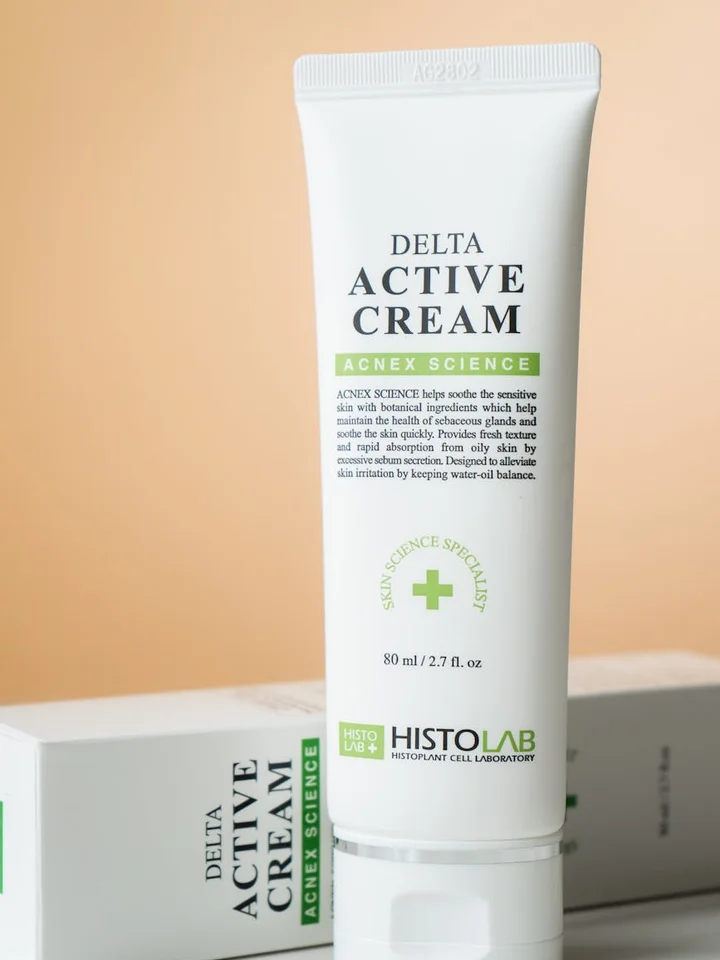
Think of adaptalene as a skilled traffic controller for your skin cells. It tells them to move along at a healthier, more organized pace, helping to exfoliate your skin gently and effectively. This single action is why it’s so effective for several common concerns beyond just the occasional pimple.
How does Adapalene treat acne?
Adapalene tackles acne at multiple stages. It works deep within the pore to prevent the sticky clump of skin cells and oil (sebum) that forms a plug. This means it’s excellent for preventing and clearing both blackheads and whiteheads, known as comedones. Additionally, Adapalene is effective in clearing clogged pores often associated with blackheads.
For the red, inflamed pimples, adapalene calms things down. It has direct anti-inflammatory properties, which is a big reason it’s so effective for the angry, tender bumps my client Maya used to get along her jawline.
For deeper, cystic, or hormonal acne, adapalene is a powerful manager, not a cure. It helps by continuously preventing pores from clogging in the first place and reducing the inflammation when a deep cyst does form. Since hormonal acne is driven internally, adapalene won’t stop the hormonal signal, but it can dramatically clean up the clogging and swelling that signal causes. This ties into how adapalene modulates inflammation and promotes healthy skin cell turnover. By accelerating turnover, it helps shed clogged cells and reduces swelling that fuels new breakouts.
How does Adapalene treat keratosis pilaris (KP)?
KP, those rough “chicken skin” bumps on arms and thighs, happens when too much keratin protein builds up around hair follicles. Adapalene is perfectly suited to help. By accelerating cell turnover, it gently exfoliates that built-up keratin plug, smoothing the texture and reducing the appearance of those tiny bumps over time.
I often recommend applying it to the KP areas on the body just 2-3 times a week to start, followed by a good moisturizer, as the skin on the body can be just as sensitive as the face.
How does Adapalene treat other skin conditions?
That same cell-regulating action has beautiful side benefits:
- Texture and Tone: By keeping pores clear and turnover steady, it refines skin’s surface.
- Post-Inflammatory Hyperpigmentation (PIH): Those dark marks left after a pimple heals can fade faster because adapalene helps shed the pigment-laden surface skin more efficiently.
- Mild Photoaging: With consistent use, it can improve the look of fine lines and sun damage by encouraging fresher, plumper skin to come to the surface.
Important Note: Adapalene is generally not the first choice for rosacea or perioral dermatitis. These conditions involve a compromised skin barrier and extreme sensitivity. The potential irritation from retinoids can sometimes worsen redness and inflammation. If you have these conditions, it’s best to consult a dermatologist for a tailored plan.
Can adapalene cause acne?
This is the most common worry I hear. There’s a critical difference between a “purge” and a true breakout from irritation.
The “purge” is a sign it’s working. Adapalene is bringing existing, microscopic clogs deep in your pores to the surface all at once. These are usually small whiteheads or blackheads in areas where you normally break out. This phase typically lasts 4-6 weeks.
A true irritation breakout looks different. You might see red, itchy rash-like bumps, or breakouts in new areas. This often happens if you use too much, too often, or skip moisturizer. If this occurs, scale back to using it less frequently and double down on gentle, soothing hydration.
Adapalene vs. Retinol vs. Tretinoin: Choosing Your Champion
All three are vitamin A derivatives (retinoids), but they are not interchangeable. Here’s how they stack up.
Think of retinol as a multi-step process. Your skin has to convert it into retinoic acid to work, making it gentler but also slower and less potent. It’s a great intro for general anti-aging but can be less effective for stubborn acne.
Tretinoin is the potent, prescription-strength original. It binds to a wider range of receptors, making it powerful for both acne and significant anti-aging, but this also makes it more likely to cause dryness, peeling, and irritation. Understanding the retinol tretinoin strength efficacy difference can help readers choose a regimen that balances results with tolerability. This distinction informs whether a gentler retinol course or prescription tretinoin is more appropriate.
For many of my clients, like Noah who found retinol did little for his texture, adapalene was the “goldilocks” solution-effective without the intense reaction he feared from tretinoin. It’s the practical choice for targeted, consistent, and less irritating cell renewal.
How to Use Adapalene: The “Slow and Low” Method for Happy Skin
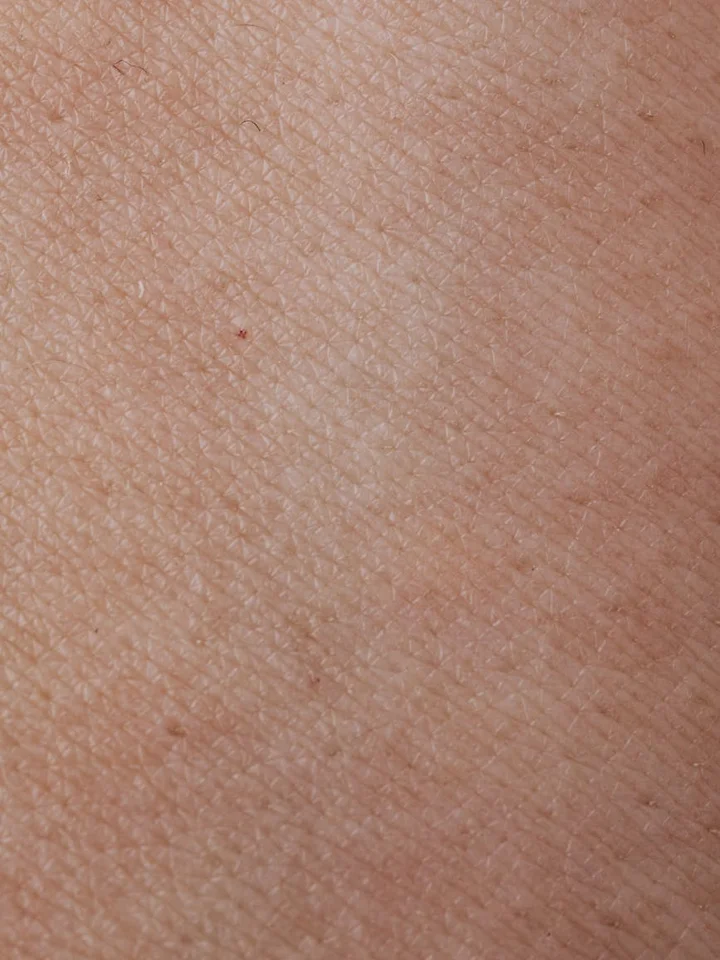
Think of starting adapalene like getting to know a new friend. You take it slow to build a good relationship. Rushing in can lead to irritation, redness, and peeling that makes you want to give up. The “slow and low” method is the key to letting your skin adapt peacefully.
Your Evening Adapalene Routine
Follow these steps at night. Consistency is more important than perfection.
- Cleanse Gently: Wash your face with a gentle, non-drying cleanser. Pat your skin completely dry with a clean towel. Damp skin can increase irritation.
- Wait a Moment: Give your skin about 10-15 minutes to fully dry. This waiting period is a simple trick that makes a big difference in tolerance.
- Apply a Pea-Sized Amount: Dispense a pea-sized amount for your entire face. Dot it on your forehead, each cheek, and your chin, then gently smooth it over your skin. Avoid the delicate skin around your eyes and lips.
- Moisturize: After the adapalene has absorbed for a minute or two, apply your favorite moisturizer. This helps lock in hydration and soothe your skin barrier.
The “Sandwich Method” for Sensitive Skin
If you have reactive skin like my client Noah, or you’re just feeling cautious, the sandwich method is your best friend. It buffers the retinoid to make it even gentler.
- Step 1: Cleanse and dry your skin.
- Step 2: Apply a layer of your moisturizer.
- Step 3: Apply your pea-sized amount of adapalene.
- Step 4: Apply a second layer of moisturizer.
This method provides a comforting cushion that can help prevent the classic dryness and flakiness when you’re starting out.
Your Frequency Starter Plan
Do not start using adapalene every night. Here is a sample plan to build tolerance over a month.
- Weeks 1 & 2: Use it two nights a week (e.g., Monday and Thursday).
- Week 3: Use it every other night.
- Week 4: If your skin is tolerating it well with no significant irritation, you can try using it nightly.
If at any point your skin feels raw, overly dry, or stings, take a night or two off. Just moisturize. Then resume your schedule. Listening to your skin is not a setback, it’s smart skincare.
Can You Use Adapalene on Your Body?
Yes, you can use it to treat keratosis pilaris (KP) on the arms and legs. The same “slow and low” rules apply, but be extra mindful. The skin on the body can be both thicker and drier.
Always do a patch test first. Apply a small amount to a discreet area on your arm and wait 48 hours to check for a severe reaction.
When applying, use a thin layer only on the KP bumps. Following up with a rich, fragrance-free body moisturizer is non-negotiable for body use, as it helps counteract the drying effect. Start with just one or two applications a week on your body to see how it responds.
Contraindications & Safety: When to Press Pause
Adapalene is a powerful tool, and there are times when your skin needs a different kind of care. Knowing when to pause is a sign of expertise, not avoidance.
When Not to Try Adapalene
Hold off on using adapalene if you are experiencing any of the following. Your skin barrier needs to heal first.
- Active eczema or dermatitis flare-ups.
- A visibly damaged or compromised skin barrier (skin that feels tight, burns with products, is very flaky).
- Sunburn or windburn.
- Immediately after waxing, laser hair removal, or other hair removal procedures on the treatment area.
Pregnancy and Breastfeeding
This is a firm warning. The safety of topical retinoids during pregnancy and breastfeeding is not fully established. You must consult with your doctor or dermatologist before considering the use of adapalene if you are pregnant, planning to become pregnant, or breastfeeding. It is always better to choose alternative acne treatments during this time under professional guidance.
Highly Reactive or Rosacea-Prone Skin
If you have a history of severe reactivity, rosacea, or extremely sensitive skin, proceed with significant caution. While adapalene can be used for some forms of rosacea under a doctor’s care, starting it on your own during a flare can make things worse. Consider the sandwich method from day one and extend your “starter plan” timeline. If your skin protests, stop and seek professional advice.
The Non-Negotiable: Sunscreen
Using adapalene makes daily sun protection mandatory, not optional. It increases your skin’s photosensitivity, meaning you burn more easily and sun damage can worsen irritation and hyperpigmentation. To stay safe, follow adapalene-specific sun exposure guidelines. See our sun exposure safety tips for more details.
You must apply a broad-spectrum SPF 30 or higher sunscreen every single morning, even if you’re indoors. Reapply every two hours if you’re outside. Think of sunscreen as the protective seal on all the good work adapalene is doing at night. Without it, you’re undermining your entire routine.
Managing the Adjustment: Side Effects and Soothing Strategies
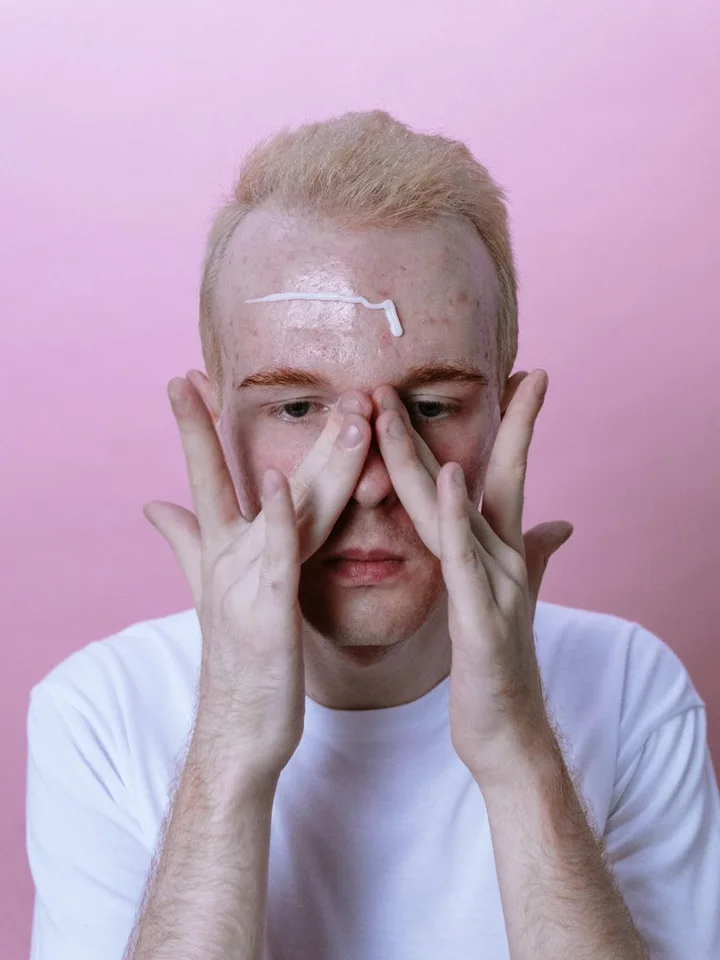
When you first start using adapalene, your skin needs time to adapt. This phase is called “retinization,” and it’s completely normal to experience some dryness, flaking, or mild redness. Think of it as your skin learning a new, more efficient way to renew itself.
This initial adjustment period is a sign the retinoid is working, not a sign it’s wrong for you. It typically eases up after 2 to 4 weeks as your skin builds tolerance.
Setting Realistic Timelines for Results
Patience is your most important product here. Adapalene works beneath the surface, and visible change takes commitment. For acne, you might notice fewer new breakouts in about 6 to 8 weeks. For concerns like keratosis pilaris or textural smoothing, give it a solid 12 weeks or more to see the full effect.
Consistent, long-term use is what delivers the clear, smooth skin you’re aiming for. I remind clients like Maya that sticking with it through the first few awkward weeks is the key to lasting results.
Your Soothing Skin Care Toolkit
You can significantly ease the retinization process with a supportive routine. The goal is to calm and hydrate while your skin adjusts.
- Gentle Cleanser: Use a creamy, non-foaming cleanser morning and night. Avoid anything that leaves your skin feeling tight or squeaky-clean.
- Barrier-Repair Moisturizer: Apply a fragrance-free moisturizer packed with ceramides, like the ones Noah prefers. Apply it after your adapalene has dried, or even before it as a buffer if your skin is very reactive.
- The “Night Off” Strategy: If irritation feels pronounced, it’s okay to take a night off from adapalene. Just focus on hydration that evening. This helps your skin recover without losing progress.
- Mandatory Sunscreen: Your skin will be more sun-sensitive. A broad-spectrum SPF 30+ every single morning is non-negotiable.
What to Pause While Your Skin Adjusts
To prevent a red, angry reaction, you need to temporarily simplify your routine. For the first few months, avoid combining adapalene with other potent ingredients.
- Direct Exfoliants: Pause on AHAs (like glycolic acid), BHAs (salicylic acid), and physical scrubs. Adapalene is already exfoliating for you.
- Harsh Drying Agents: Do not apply benzoyl peroxide at the same time as adapalene unless a dermatologist has directed you to use a specific combined formula. Using them separately can cause excessive dryness.
- Facial Waxing: Do not wax any area where you apply adapalene. The retinoid can make your skin more fragile, and waxing could lead to lifting or tearing. Stick to threading or shaving instead.
Listening to your skin and pulling back on other actives is the safest way to navigate the first few months with adapalene. Once your skin is fully accustomed, a dermatologist can help you slowly reintroduce other treatments if needed.
Quick Questions on Adapalene Use
Is Adapalene safe to use during pregnancy or breastfeeding?
No, it is not considered safe for use during pregnancy or breastfeeding. You must consult with your doctor or dermatologist for alternative treatments during this time.
Can I use Adapalene with other active ingredients like Vitamin C or Benzoyl Peroxide?
Do not combine it with other direct exfoliants like benzoyl peroxide or AHAs/BHAs, especially when starting, as this greatly increases irritation risk. A simple routine with a gentle moisturizer and sunscreen is best for the first few months of adjustment.
How long does it take to see results with Adapalene?
For acne, expect 6-8 weeks for fewer new breakouts; for smoothing texture like KP, allow 12 weeks or more for full results. Consistent, long-term use is key to achieving and maintaining clear skin.
Embracing Adapalene in Your Skin Care Routine
Your success with adapalene hinges on a simple, consistent approach and listening closely to what your skin tells you. Think of it as a long-term partnership where gentle persistence pays off with clearer, smoother skin over time (especially when integrated properly into your routine).
- Begin by applying a pea-sized amount every other night to allow your skin to adjust without overwhelm.
- Follow with a fragrance-free moisturizer to combat dryness and reinforce your skin’s protective barrier.
- Commit to daily sunscreen use, as adapalene increases sun sensitivity and UV protection is essential.
- Expect visible improvements in acne or keratosis pilaris to take around 12 weeks, so track progress monthly, not daily.
- If irritation flares, pause for a night or two and focus on hydration with ingredients like ceramides or squalane.
Just like I advise my clients, from Maya to Lina, your journey with adapalene is unique, and I’m here to help you navigate it with evidence-based, compassionate guidance. This blog is a resource for trustworthy, sustainable skin care advice, and I welcome your questions as you move forward with confidence—especially when it comes to building a skincare routine to pair with adapalene for acne.
Sources and Additional Information
- Adapalene – Wikipedia
- r/keratosis on Reddit: Possibly new treatment idea? Differin / Adapalene
- Adapalene Result Summary | BioGRID
- Assessment of adapalene gel for the treatment of actinic keratoses and lentigines: a randomized trial – PubMed
- Effective Treatment for Keratosis Pilaris: Adapalene and …
Lucy Zimmerman
Lucy is an expert author and blogger when it comes to skin care and body care. She has first hand expertise acting as skin care consultant for over 5+ years helping her clients achieve smooth blemish free skin with natural and working remedies. She also has been an avid experimenter and tried out all the natural and artificial remedies and treatments so you can learn from her first hand experience. Additionally, she has traveled to many countries around the world and incorporated the skin care routines she has learnt into this blog. So, wait no more, reach out to Lucy if you have any specific needs and follow her blog, LuciDerma for expert skin care advice.