
Mixing Salicylic Acid and Glycolic Acid: Your Expert Guide to a Smarter Routine
You’re staring at those potent serums, wondering if combining salicylic and glycolic acids will solve your skin woes or lead to a red, unhappy face. I help clients navigate this exact question every week in my practice.
- You’ll understand how salicylic acid cleans out pores like a deep dive and glycolic acid polishes the surface like a gentle buff, so you know exactly what each one does for you.
- You’ll get my clear, step-by-step plan for fitting both into your routine safely, whether that means layering them or using them on alternate days.
- You’ll learn how to spot the signs that your skin loves the combo or needs a pause, putting you in full control of your results.
Let’s get you comfortable and confident with these powerful ingredients.
The Short Answer: Yes, With a Smart Strategy
You can absolutely use salicylic acid and glycolic acid together. The key is not to mix them in the same moment, but to schedule them thoughtfully across your routine. Think of them as two specialists on your skin care team who work best in separate shifts.
Here’s the simple, powerful concept: glycolic acid primarily works on the skin’s surface, while salicylic acid is designed to work inside the pore. They target different concerns, which means when used correctly, they complement each other instead of competing.
Many of my clients, like Noah, come in worried about causing irritation or a “chemical war” on their skin. I reassure them that with a smart plan, these ingredients are allies. The goal is synergy-using each acid’s strength to give you clearer, smoother skin without overwhelming your barrier. For many, part of that plan involves choosing the best acid treatments for common skin conditions like acne, hyperpigmentation, and uneven texture. Used thoughtfully, these acids can target concerns without compromising your skin barrier.
Meet Your Acid Allies: How They Work on Your Skin
Understanding how each acid operates takes the mystery out of using them. Let’s break them down.
Glycolic Acid: The Surface Polisher. Imagine a gentle, diligent buffing pad. Glycolic acid has the smallest molecular size of all the alpha hydroxy acids (AHAs), which allows it to easily penetrate the very top layer of your skin. It works by loosening the “glue” that holds dead, dull skin cells together. This exfoliation reveals fresher, brighter skin underneath and can help smooth texture and fine lines. Used in a gentle daily exfoliation routine, glycolic acid helps maintain brighter, smoother skin over time. When used daily, start slowly and pair with broad-spectrum sunscreen to protect your skin.
Salicylic Acid: The Pore Scout. Picture a skilled cleaner sent deep into a narrow tunnel. Salicylic acid is a beta hydroxy acid (BHA), and it’s oil-soluble. This unique property lets it dissolve into and travel through the oily lining of your pores. Once inside, it helps break apart the mix of oil and dead skin that creates clogs, making it the go-to for preventing and clearing blackheads and pimples. Cosmetic products often source salicylic acid from willow bark or other botanicals, sometimes via synthetic routes for consistency. It’s widely used in acne-fighting cleansers, toners, and exfoliating products.
Their Key Differences at a Glance
- Molecular Size: Glycolic is very small. Salicylic is larger.
- Solubility: Glycolic is water-soluble. Salicylic is oil-soluble.
- Primary Target: Glycolic acid targets the skin’s surface. Salicylic acid targets the pore lining.
- Best For: Glycolic acid helps with dullness, uneven tone, and surface texture. Salicylic acid helps with clogged pores, blackheads, and acne.
In practice, this means they handle different jobs. My client Maya, who is acne-prone, uses a salicylic acid cleanser to manage pore clogs in her T-zone. She then uses a glycolic acid serum twice a week on her cheeks to tackle post-acne marks and rough patches. This targeted approach gives her the benefits of both without irritation. Their different properties mean you can harness each one for what it does best.
Your Acid Team-Up Playbook: How to Combine Them Safely

Who This Combo Works Best For (And Who Should Skip It)
Think of this combination as a power session for specific skin types. It works best for oily, combination, and acne-prone skin that isn’t particularly sensitive. If your main concerns are surface dullness, clogged pores, and occasional breakouts, this duo can help tackle both the top layer and deeper within the pore.
This pairing is not a universal solution, and some people should avoid combining these acids entirely. You should skip this combo or proceed only under professional guidance if you have:
- Naturally very sensitive or reactive skin.
- A currently damaged skin barrier (your skin feels tight, stings with products, looks flaky or red).
- A diagnosis of rosacea or eczema.
- Are using prescription retinoids like tretinoin or certain oral medications that increase sun sensitivity.
My client Noah, with his dry and reactive skin, is a perfect example. For him, using even one acid requires careful timing and a super-supportive moisturizer. Combining two would almost certainly lead to irritation. His approach is to choose one, use it sparingly, and focus intensely on barrier repair. For glycolic acid-sensitive skin, this cautious, barrier-first mindset matters even more. Patch testing and a slow buildup are essential steps.
The Golden Rules for Mixing Salicylic and Glycolic Acid
You can’t just slap them both on and hope for the best. A phased approach prevents irritation and lets you see how your skin responds. The most common question I get is, “Can I use them the same day?” The safest answer is to keep them in separate routines, at least at first.
Here is a step-by-step plan for beginners:
- Start with One: Introduce either glycolic or salicylic acid into your routine first, using it just once or twice a week at night.
- Patch Test Faithfully: Before any all-over application, test the product on a small area of your jawline or behind your ear for a few nights.
- Space Them Out: After a few weeks of tolerating one acid well, you can introduce the second. Use them on alternate nights. Never layer them directly on top of each other in the same routine when you’re starting out.
- Listen to Your Skin: If you experience any stinging, redness, or excessive dryness, take a break for a few nights and focus on hydration.
A sample weekly schedule for a beginner might look like this:
- Monday: Glycolic Acid Night
- Tuesday: Salicylic Acid Night
- Wednesday: Recovery Night (gentle cleanser, hydrating serum, moisturizer)
- Thursday: Glycolic Acid Night
- Friday: Salicylic Acid Night
- Weekend: Focus on hydration and sunscreen.
The Right Order of Application
If, after months of alternate-night use, your skin is tolerating both acids exceptionally well, some people carefully use them in the same routine. The rule is simple: thin to thick, and water-based before oil-seeking.
Glycolic acid is water-soluble. Salicylic acid is oil-soluble. Apply your glycolic acid product first to a clean, dry face. Wait a minute or two for it to dry down completely. Then, apply your salicylic acid product. This allows the glycolic to work on the surface without the salicylic acid blocking its way.
Using them on separate nights remains the safest and most effective method to get the benefits of each without overwhelming your skin. I treat using them together in one sitting as an advanced technique, not a starting point.
The “What to Mix & What to Avoid” Matrix
Your acids don’t exist in a vacuum. What you pair with them can make your routine soothing or sensitizing. Here’s a quick guide.
You CAN confidently pair your acid nights with these supportive ingredients:
- Gentle Hydrators: Hyaluronic acid serums on damp skin help pull in moisture.
- Niacinamide: This ingredient helps calm inflammation and can support your skin’s barrier, making it an excellent teammate.
- Simple Moisturizers: Look for formulas with peptides, ceramides, or squalane to lock in hydration without conflict.
You MUST AVOID combining your salicylic/glycolic routine with these on the same night:
- Other Potent Exfoliants: This includes prescription retinoids (tretinoin), over-the-counter retinol, and other AHA/BHA blends. This is a sure path to irritation.
- High-Strength Vitamin C (L-ascorbic acid): Using a potent, low-pH Vitamin C serum on the same night can be overly acidic for your skin. Use Vitamin C in your morning routine instead.
- Physical Scrubs: Your skin is already getting chemical exfoliation. Adding physical abrasion is unnecessary and harsh.
A quick note on the quirky question about deodorant and glycolic acid: using acids on underarms is a different goal (addressing odor and bumps) than facial care. If you try it, always let the acid toner dry completely before applying any deodorant to avoid interaction or irritation in that sensitive area.
Contraindications & Safety Warnings: When Not to Try This

Let’s talk about the not-so-fun part first. Combining these acids is like inviting two powerful cleaners into your house. They can do a fantastic job, but if you don’t give them clear instructions, things can get messy.
One of the most common questions I get is, “What are the potential side effects?” The main risk is over-exfoliation. Your skin gives clear signals when this happens:
- Persistent redness that looks more like a flush than a glow.
- Stinging or itching that lasts more than a minute after application.
- A feeling of tightness, almost like your skin is too small for your face.
- Flaky, peeling skin in areas that aren’t normally dry.
If you notice any of these signs, your skin is asking for a break. This is your cue to pause all actives and focus on hydration and barrier repair for a few days.
Some signals mean you need to stop completely and possibly see a professional. These are absolute “stop” signals:
- A burning pain (different from a mild, brief tingle).
- A raised, itchy rash or hives.
- Applying product to broken skin (from picking, cuts, or eczema).
- Irritation so severe it’s distracting or painful.
There are also specific high-risk scenarios where extra caution is non-negotiable. If you are pregnant, breastfeeding, or using prescription retinoids like tretinoin, you must consult your doctor or dermatologist before starting this combo. The same goes for the two weeks after any professional chemical peel, laser treatment, or facial waxing. Your skin barrier is compromised during this time.
Finally, let’s be crystal clear on one point. Skipping sunscreen while using AHAs and BHAs is the single biggest mistake you can make for your skin’s health. Glycolic acid, in particular, increases sun sensitivity. Using these acids without diligent daily SPF 30+ protection can lead to worse hyperpigmentation and sun damage, completely undoing the benefits.
Building Your Routine: A Practical, Step-by-Step Guide
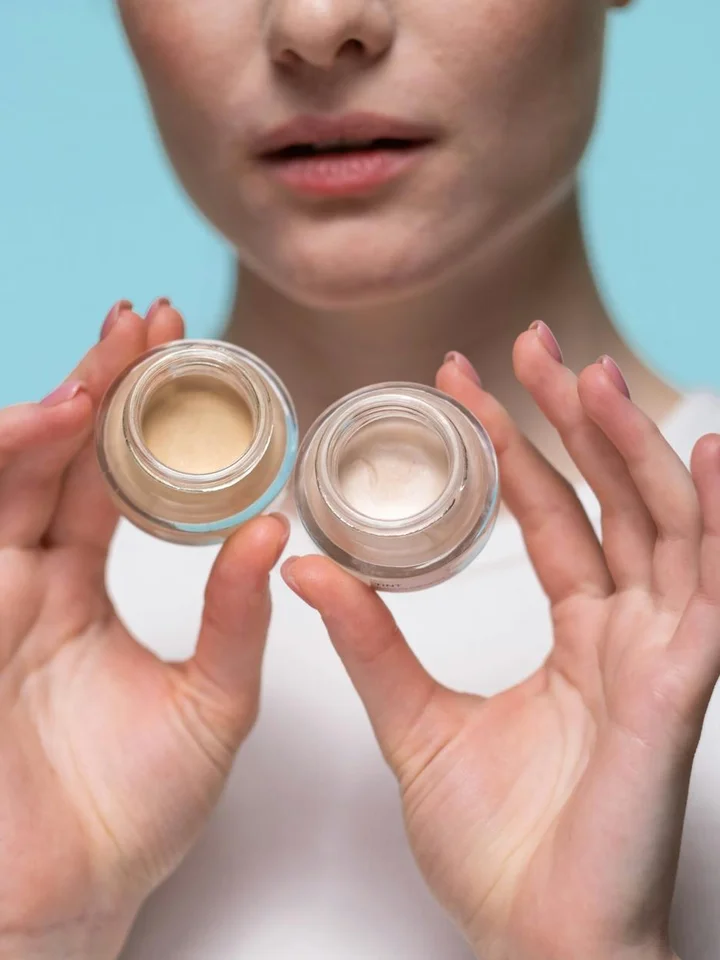
If you’ve determined your skin is a good candidate, here’s how to build a routine that works. The safest approach is to not use them at the exact same time, but to alternate them.
If You Choose Separate Products
Think of your acids as specialists with different shifts. You might use a glycolic acid toner to work on surface texture and brightness, and a salicylic acid serum as part of your routine to target clogged pores and oiliness.
Here is a simple way to alternate them. Remember, this is for evening use only, and you should always start with just one night a week to see how your skin responds.
Sample Evening Routine: Glycolic Acid Night
- Cleanse with a gentle, non-foaming cleanser.
- Apply your glycolic acid product (like a toner or lotion) to dry skin. Avoid the delicate eye area.
- Wait 10-15 minutes for it to fully absorb and its pH to stabilize.
- Follow with a bland, soothing moisturizer. Look for ingredients like ceramides, glycerin, or squalane.
- For an extra layer of protection if your skin feels dry, seal it in with a pea-sized amount of a simple occlusive like shea butter or a plain facial oil.
Sample Evening Routine: Salicylic Acid Night
- Cleanse with a gentle, non-foaming cleanser.
- Apply your salicylic acid serum or treatment directly to areas prone to congestion (like the T-zone) or all over if needed.
- You don’t always need a long wait time here, but 5 minutes is a good habit.
- Again, follow with that same soothing moisturizer and occlusive if needed. This step is non-negotiable to keep your barrier happy.
My client Noah, with his dry, reactive skin, does very well with this alternating method, using each acid just once a week with plenty of calming hydration in between.
If You Prefer a Pre-Mixed Product
Many people ask, “Are there any products that combine them?” Yes, and they can be a brilliant option. A well-formulated product from a reputable brand takes the guesswork out of concentrations and pH balance for you.
The benefit of a pre-mix is formulated stability and controlled concentrations. Chemists can balance the acids so they work together without over-stressing your skin. Look for products where the total acid percentage is relatively low (often under 10% total) and from brands that prioritize gentle, supporting ingredients.
When you use a combined serum or toner, you apply it as a single step on your alternating nights, following the same “cleanse, treat, moisturize” pattern. This can be a smarter, simpler way to start for someone like my client Lina, who wants the benefits of both acids but prefers a streamlined routine.
Your Quick-Reference Questions on Combining Acids
Can I use salicylic acid and glycolic acid in the same routine?
Yes, but not by layering them directly on top of each other, especially when starting. The safest and most effective method is to use them on alternate evenings to allow your skin to benefit from each without risk of irritation.
What skin type is this combo really best for?
This duo is most effective for oily, combination, or acne-prone skin that is not naturally sensitive. If your main concerns involve both surface dullness and clogged pores, this targeted approach can address both layers effectively.
What’s the most important precaution beyond sunscreen?
Beyond daily SPF, the most critical step is introducing one acid at a time and consistently listening to your skin’s signals. If you experience stinging, redness, or tightness, pause and focus on barrier repair with gentle hydrators before proceeding.
Building a Confident Acid Routine
Mixing salicylic and glycolic acid is a powerful strategy when done thoughtfully. The key to success is respecting your skin’s pace and pairing these actives with consistent, gentle hydration and protection.
- Always begin by incorporating one acid into your routine for a few weeks before considering the other.
- Apply salicylic acid to oily, congested zones and glycolic acid to areas needing surface renewal, like cheeks or forehead.
- Make a broad-spectrum sunscreen your non-negotiable final morning step every single day.
- If using both, apply them on alternating nights rather than layering them together immediately.
- Select formulas from transparent, ethical brands that align with your values for skin and planet health.
Your skin’s needs are unique, and I’m committed to helping you meet them with care. You’ll find more practical routines and ingredient deep-dives right here on the blog, and I welcome your questions anytime.
Citations and Authoritative Sources
- Can You Use Salicylic Acid and Glycolic Acid Together? – SeoulCeuticals
- Can You Use Glycolic Acid and Salicylic Acid Together?
- Can Glycolic Acid Be Paired With Salicylic Acid? Everything You Need t – QRxLabs
- r/SkincareAddiction on Reddit: Can I use Glycolic Acid and Salicyclic acid on the same day? [product question]
Lucy Zimmerman
Lucy is an expert author and blogger when it comes to skin care and body care. She has first hand expertise acting as skin care consultant for over 5+ years helping her clients achieve smooth blemish free skin with natural and working remedies. She also has been an avid experimenter and tried out all the natural and artificial remedies and treatments so you can learn from her first hand experience. Additionally, she has traveled to many countries around the world and incorporated the skin care routines she has learnt into this blog. So, wait no more, reach out to Lucy if you have any specific needs and follow her blog, LuciDerma for expert skin care advice.