
Mandelic Acid Combinations: Gentle Power for Sensitive, Acne-Prone, and Aging Skin
If you’re hesitant about mixing acids because your skin is sensitive, breaks out easily, or needs anti-aging care, I hear you. Let’s find the right mandelic acid partners that work with your skin, not against it.
In this article, you will be empowered to:
- See why mandelic acid’s gentle nature makes it a ideal base for combining with stronger acids, especially for reactive skin like Noah’s.
- Choose the best acid pairs to tackle acne and clogged pores without causing the dryness or redness my client Maya often worries about.
- Build an effective, layered routine for smoother texture and brighter tone that respects your skin’s needs as it ages.
With a few smart guidelines, you can mix these ingredients safely and see real results.
Why Mandelic Acid Is Your Skin’s Gentle Ally
Meet mandelic acid, the kind and thoughtful exfoliant derived from bitter almonds. In a world of powerful acids, it’s the one that understands sensitive skin’s need for a slow and steady approach.
Its secret is its size. Imagine glycolic acid as a speedy motorcycle zipping deep into your pores. Mandelic acid is more like a big, careful truck that works primarily on the surface. This large molecular structure means it penetrates your skin slowly and gently, making it a brilliant first acid for anyone with reactive, rosacea-prone, or easily irritated skin. In acne treatment, mandelic acid offers benefits like gentle exfoliation that helps clear pores. It supports acne-prone skin by reducing inflammation without harsh irritation.
This gentle nature doesn’t mean it’s weak it simply means it’s predictable and less likely to cause the stinging or redness that stronger acids sometimes do. Its core benefits are perfectly suited for this careful work:
- It dissolves the “glue” that holds dull, dead skin cells to the surface, revealing smoother skin.
- It possesses mild antibacterial properties, which is why it’s a star for acne-prone types like my client Maya.
- It helps fade post-acne marks and sun spots by encouraging an even, clear skin tone.
How Mandelic Acid Works: A Simple Science Breakdown
Mandelic acid belongs to the Alpha Hydroxy Acid (AHA) family. All AHAs work by loosening the bonds between dead skin cells, a process called desquamation. Think of it like softening the mortar between bricks so the top layer can easily wash away.
Where mandelic acid differs is in its depth and speed. Glycolic acid, with its tiny molecules, can work quickly and deeply, which is fantastic for resilient skin but risky for sensitive complexions. Mandelic acid is a safer choice for sensitive skin because it takes its time on the upper layers. This makes it a safer choice for introducing exfoliation to skin that’s new to acids, dry like Noah’s, or combination and sensitive like Lina’s.
This slower action offers a dual benefit: it refines rough texture on the surface while simultaneously working on tone and discoloration. For someone like Lina, who deals with an oily T-zone but has sensitive cheeks, a mandelic acid product can address congestion and brightness without triggering a reaction on her more delicate areas. It’s the balancing act your skin routine might be missing.
The Golden Rules for Mixing Acids Without the Burn
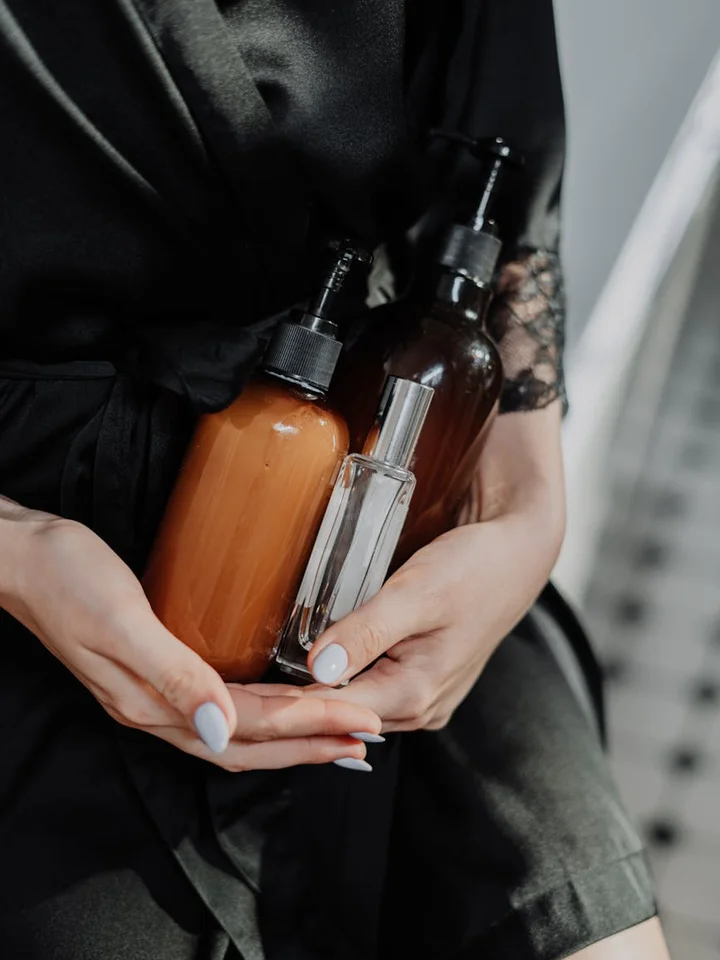
Think of mixing acids like building a team. You want players who complement each other’s strengths, not a group of players all trying to tackle the same problem at full force. Your goal is synergy, not stacking aggression, which is a fast track to a red, angry, and compromised barrier.
I learned this lesson early with clients like Noah. He wanted to tackle texture and fine lines but would often react to strong products. We had to rebuild his comfort zone first. Here are the practical steps I give to everyone:
- Always, always patch test. Apply a small amount of the new product blend behind your ear or on your inner forearm for a few nights. Your face is more sensitive, so this is your early warning system.
- Start with a very low frequency. Once or twice a week is a perfect launch point, even if the product label says daily use. Your skin needs time to adjust.
- Listen to your skin’s signals. Tightness, stinging that lasts more than a minute, or unusual redness means stop. Take a few nights off to moisturize and repair before trying again, less frequently.
This brings me to the most important rule of all. You must have a healthy, calm skin barrier before you introduce any acid combinations. If your skin feels tight, looks flaky, or stings with your usual moisturizer, that’s a red flag. Follow Noah’s approach: focus on gentle cleansers, ceramides, and soothing ingredients for a solid two weeks before even considering an acid blend. Actives work best on prepared skin and when your skin barrier is in good health.
pH and Potency: The Foundation of Safe Blending
An acid’s strength isn’t just about its concentration. Its activity is controlled by the pH of the formula. Think of pH as the instruction manual that tells the acid molecule how to work. At the correct, slightly acidic pH, the acid is “active” and can gently exfoliate. If the pH is too high, it becomes inactive and just sits on your skin.
This is precisely why I strongly advise against DIY mixing of separate acid serums in your palm. Combining two different products can create an unpredictable pH, potentially neutralizing the acids or, worse, creating an overly harsh environment that damages your skin. You’re conducting chemistry experiments on your face, and the results are rarely good.
For guaranteed safety and stability, seek out pre-formulated blends from reputable, cruelty-free brands. Cosmetic chemists design these products to have the exact right pH and ingredient ratios so the acids work together effectively without cancelling each other out or causing irritation. This takes the guesswork and risk out of the equation for you.
What to Mix with Mandelic Acid & What to Skip (Your Interaction Matrix)
Mixing skin care ingredients can feel like high-stakes chemistry. I get it. You want to maximize results without causing a reaction. Let’s clear up the common questions, like “can I mix mandelic acid and salicylic acid” or “can glycolic acid be used with mandelic acid.” Think of this as your straightforward interaction guide.
Your safest path is to pair mandelic acid with hydrating or complementary gentle actives, and to avoid stacking it with other potent exfoliators in the same routine.
Green Light: Synergistic Partners
These combinations are generally safe and effective when formulated together in one product or applied in a thoughtful, layered routine.
Mandelic Acid + Hyaluronic Acid
This is the ultimate hydrating-exfoliating duo. Mandelic acid gently clears away the top layer of dead skin cells, while hyaluronic acid immediately steps in to bind moisture to that newly revealed skin.
It’s almost universally safe. If you have Noah’s dry, reactive skin or you’re just starting with acids, this combo is your perfect, non-intimidating introduction. Apply your mandelic acid serum, let it absorb for a minute, then layer a hyaluronic acid serum on top while your skin is still slightly damp.
Mandelic Acid + Salicylic Acid (BHA)
This is a powerful one-two punch for congestion. Mandelic acid (an AHA) works on the skin’s surface to loosen and dissolve the “glue” holding dead cells together. Salicylic acid (a BHA) is oil-soluble, so it can dive into pores to dissolve the mix of oil and debris that leads to blackheads and breakouts.
This combo is ideal for someone like Maya, who deals with surface texture and clogged pores, but you must use low concentrations of both to prevent over-drying. Look for a product that combines them in a single formula, often with a concentration of 5% mandelic and 0.5-1% salicylic, which is much safer than layering two separate high-strength treatments.
Mandelic Acid + Lactic Acid
Think of this as a gentle, hydrating AHA team. Both are alpha hydroxy acids, but lactic acid is known for its inherent moisturizing properties. Together, they provide a smoother, brighter finish with a lower risk of irritation than other acid pairings.
This partnership is excellent for aging or dry-sensitive skin types who want the resurfacing benefits of an acid without the tight, stripped feeling. It’s a fantastic choice for addressing fine lines and dullness with a soft touch.
Yellow Light: Use with Care or Alternate
These combinations can be effective but require a strategic approach to avoid overwhelming your skin barrier.
Mandelic Acid + Glycolic Acid
Yes, you can use glycolic acid and mandelic acid together, but this is a potent exfoliation boost best for resilient, non-sensitive skin that’s already acclimated to acids. Both are AHAs, and glycolic acid has the smallest molecule size, allowing it to penetrate more deeply. If you’re considering daily glycolic acid exfoliation, start with a lower concentration and ease into it. Monitor your skin for signs of irritation and adjust frequency as needed.
My strong advice is to use them on different nights or, better yet, choose a pre-mixed, professionally formulated product where the concentrations are balanced for safety. Layering a standalone 10% glycolic acid product with a standalone 10% mandelic acid product is a common recipe for redness, stinging, and a compromised barrier.
Red Light: Combinations to Avoid
Some mixes are more likely to cause harm than good. Here is your straightforward list of what not to pair with mandelic acid in the same skincare session.
- Other Strong Standalone Acids: Never layer mandelic acid with another standalone AHA like glycolic, or a BHA like salicylic, in the same routine. Your skin can only handle so much exfoliation at once.
- High-Strength Prescription Retinoids (like Tretinoin): Using these on the same night dramatically increases your risk of severe irritation, peeling, and barrier damage. Alternate nights instead.
- Vitamin C (in low pH, L-ascorbic acid forms): Both ingredients are active at a low pH. Applying them together can be unnecessarily irritating and may destabilize the vitamin C. Use vitamin C in the morning and mandelic acid at night.
- Benzoyl Peroxide: This combination can be excessively drying and irritating for most skin types, especially sensitive or acne-prone skin that is already vulnerable.
The golden rule is simple: choose one active treatment per session. Your skin will thank you with clear, calm results instead of a reactive flare-up.
Soothing Combos for Sensitive, Reactive Skin
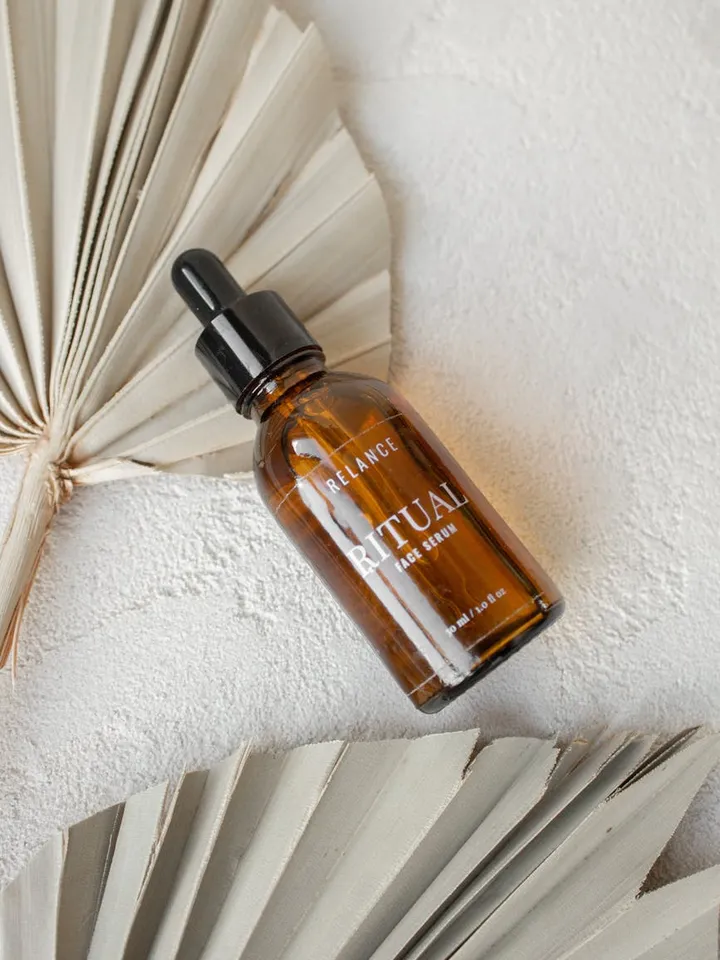
If your skin flushes easily or stings with new products, you’re probably asking, “What are the best mandelic acid combinations for sensitive skin?” I hear this often from clients like Noah, who has dry, reactive skin. The key is pairing mandelic acid with ingredients that calm and hydrate, not aggravate. One gentle option to explore is tranexamic acid in mandelic acid skincare, which can help even out tone without irritation. Used together, mandelic and tranexamic acids support calm, hydrated skin.
Mandelic acid is naturally gentler because its larger molecules work slowly on the skin’s surface. For sensitive types, combine it with hydrators like hyaluronic acid or soothing agents such as azelaic acid and panthenol to exfoliate without upsetting your barrier. Think of it as teaming a meticulous cleaner with a repair crew-one clears dead cells, the other immediately soothes and plumps. Different acids have distinct exfoliating properties that suit different skin types. Understanding these nuances helps you tailor your routine to sensitive, oily, or dry skin while protecting the barrier.
Here are my go-to calming pairings, perfect for reactive or easily irritated skin:
- Mandelic Acid + Hyaluronic Acid
This is a hydration-focused match. Mandelic acid gently buffs away dullness, while hyaluronic acid acts like a moisture magnet, drawing water into the skin to prevent the tight, dry feeling acids can sometimes cause. - Mandelic Acid + Azelaic Acid
Azelaic acid is a superstar for reducing redness and calming inflammation. Together, they tackle uneven texture and soothe reactive flare-ups, making this combo ideal for those with sensitivity linked to rosacea or acne. - Mandelic Acid + Panthenol (Provitamin B5)
Panthenol strengthens your skin’s natural barrier and helps repair it. Using it with mandelic acid means you get the exfoliation benefits while your skin gets a protective, comforting layer to shield against irritation.
Keep your routine minimalist to avoid overwhelming sensitive skin. Noah, for instance, always chooses fragrance-free formulas to minimize risk. His simple, effective evening routine looks like this:
- Cleanse with a gentle, creamy or lotion-based wash that doesn’t foam excessively.
- Apply a serum that blends mandelic and hyaluronic acids. He looks for bottles that say “fragrance-free” and “for sensitive skin.”
- Seal it in with a barrier cream rich in ingredients like ceramides or squalane. This final step locks in hydration and protects the newly exfoliated skin overnight.
Before trying any new combination, patch test the product on your inner forearm for 24 hours to check for a reaction. If your skin feels more reactive, not less, pause and return to a basic routine of cleanse and moisturize. For persistent sensitivity, a visit to a dermatologist or esthetician can provide guidance tailored just for you.
Clearing Combos for Acne-Prone, Oily Skin
What are the best mandelic acid combinations for acne-prone skin? For the Mayas of the world dealing with excess oil and clogged pores, the answer is a targeted one-two punch that clears congestion and calms inflammation. The superstar pairing is mandelic acid with salicylic acid.
Think of it like this: mandelic acid is your gentle surface cleaner, dissolving the sticky bonds between dead skin cells on the top layer. Salicylic acid is your deep-pore scout; it’s oil-soluble, so it can dive into pores to dissolve the mix of oil and debris that forms clogs. Together, they tackle acne from both the surface and the source, which is far more effective than using either one alone.
This combo is particularly brilliant for sensitive, acne-prone types because mandelic acid’s larger molecule size and anti-inflammatory properties help buffer salicylic acid’s potential dryness and irritation. You get the pore-penetrating power without the typical sting.
Your Targeted Spot Treatment for Painful, Under-the-Surface Bumps
Inspired by a reader’s very relatable struggle, here’s a clinician-approved method for dealing with those deep, painful pimples that aren’t yet a whitehead. I see this often with clients-a tender, swollen bump that hurts to even touch. Leaving it to fester often increases inflammation and can lead to worse post-acne marks.
When you feel that deep, throbbing signal under the skin, follow this step-by-step approach instead.
- Do NOT poke or prod it. Applying pressure on an inflamed, deep pimple can rupture the follicle wall deeper under the skin, leading to more severe inflammation and a longer healing time.
- Apply a warm (not hot) compress for 5 minutes, 2-3 times a day. This increases blood flow to the area, which can help bring the congestion closer to the surface and promote healing.
- After cleansing, use a product containing both mandelic and salicylic acid as a targeted spot treatment. Apply a tiny dab directly on the bump and the immediate red area around it. The mandelic acid will calm the surface redness while the salicylic acid works to dissolve the plug from within.
- Let the treatment dry completely, then apply a generous layer of a non-comedogenic moisturizer over your entire face. Yes, even on the oily and broken-out spots. Skipping moisturizer tells your skin to produce more oil.
- Once a day, after your treatment, cover the spot with a hydrocolloid pimple patch. These patches create a moist healing environment, absorb excess fluid, and protect the area from bacteria and picking. They are the best tool for reducing swelling and preventing further damage from unconscious touching.
The Crucial Follow-Up: Hydration Without Clogging
Any acid combination, no matter how gentle, can lead to over-drying if you skip the replenishment step. When skin gets dry, it can overcompensate by producing more oil, which is the last thing acne-prone skin needs.
Always follow your acid treatment with a lightweight, non-comedogenic moisturizer. Look for formulas with ingredients like ceramides, glycerin, or squalane. These hydrate and support your skin barrier without adding heavy oils that could feed new breakouts. Moisturizing is not optional in an acne-fighting routine; it’s what keeps your skin balanced and resilient so the actives can do their job without causing backlash.
Smoothing Combos for Aging, Mature Skin
When skin matures, its needs shift. The goal is less about aggressive exfoliation and more about encouraging your skin to behave like its younger self: plump, radiant, and resilient. For this, mandelic acid is a stellar team player.
The best combinations for aging skin focus on two things: supporting collagen and restoring radiance without compromise. Think of it as a renovation project where mandelic acid is the gentle preparer, smoothing the surface so other workers can do their best job underneath.
Mandelic Acid + Lactic Acid: The Hydrating Renewal Duo
This is my go-to recommendation for clients like Noah, who has dry, reactive skin that still needs a glow. Lactic acid is a humectant, meaning it pulls water into the skin. Mandelic acid, with its larger molecular size, works more on the surface. Together, they offer a one-two punch.
Lactic acid hydrates and gently loosens surface cells, while mandelic acid helps clear the way for that hydration to be effective. The result is a smoother, more luminous complexion that doesn’t feel tight or stripped. This combination is exceptionally kind for mature skin that may be drier or more sensitive, providing renewal without irritation.
Layering Mandelic Acid with Peptides & Growth Factors
Here’s a pro tip: you don’t always need to mix ingredients in one bottle. Sequential layering can be more effective and gentle. After using a mandelic acid toner or serum, your skin’s barrier is primed. Dead skin cells are gently cleared, creating a clearer pathway for what comes next.
This is the perfect moment to apply a peptide or growth factor serum. These ingredients support collagen production and skin repair. Mandelic acid helps them penetrate better to where they need to work. Just remember a simple rule: apply your mandelic acid product, wait a minute or two for it to dry, then layer your peptide treatment on top. Do not mix them directly in your palm, as the pH needed for the acid to work can disrupt the stability of delicate peptides.
The Non-Negotiable Final Step: Sunscreen
Any conversation about acids and aging skin must end here. When you use mandelic acid, you are revealing newer, more vulnerable skin cells. Sun exposure is the fastest way to undo all your good work, breaking down collagen and causing hyperpigmentation.
Applying a high-SPF, broad-spectrum sunscreen every single morning is not optional. It’s the protective raincoat for your fresh, renewed skin. If you’re not committed to daily sunscreen, you’re undermining the benefits of your entire acid-based routine. Find a formula you love-mineral options with zinc oxide are often great for mature, sensitive skin-and make it as habitual as brushing your teeth.
Building Your Personalized Mandelic Acid Routine
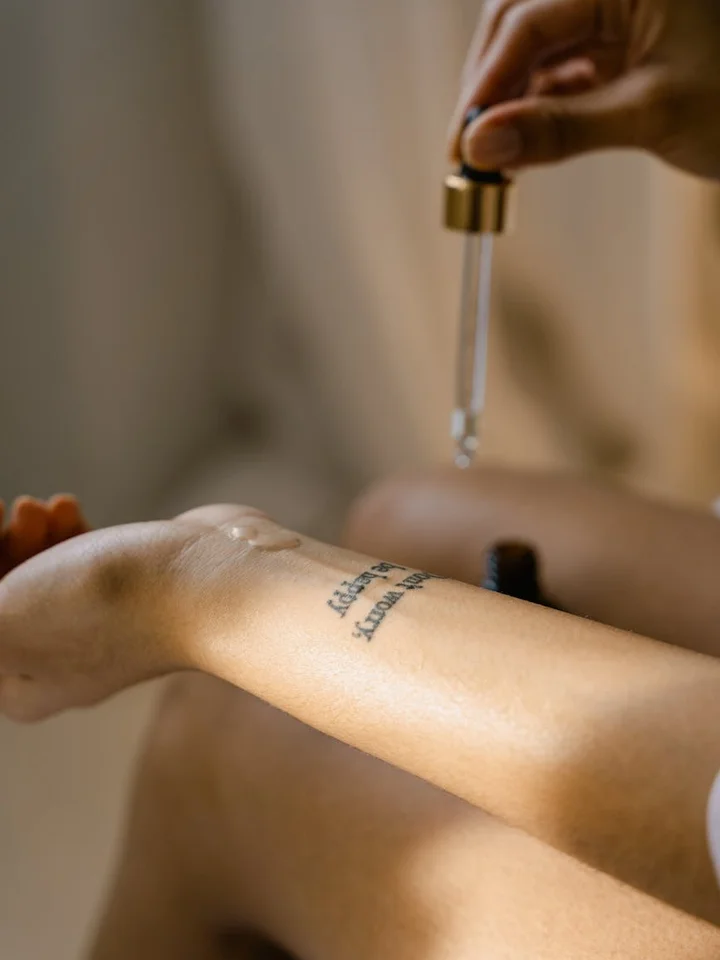
Think of your new routine like learning a new song on an instrument. You start slowly, get the notes right, and gradually build up speed. Your skin needs the same patient, consistent approach. Rushing into daily acid use is a fast track to irritation, especially for sensitive types.
The Modular Framework: Start Slow and Listen
Here is a simple, modular plan to safely add mandelic acid combinations to your week. This framework works for all skin types because you control the frequency.
- Week 1 & 2: Use your chosen mandelic acid combination product once, on a non-consecutive night (e.g., Wednesday).
- Week 3 & 4: If your skin feels calm and tolerates it well, increase to twice weekly, with at least two nights off between uses (e.g., Tuesday and Friday).
- Maintenance: For most people, 2-3 times a week is the sweet spot. You can adjust based on your skin’s feedback. If you feel any stinging or see redness, take a step back.
My client Lina, with her combination, sensitive skin, started exactly this way. She used a mandelic and niacinamide serum every Thursday night for two weeks. When her cheeks stayed calm, she added a second night. This gradual method lets your skin barrier adapt without becoming overwhelmed.
Specific Examples for Your Skin Type
Let’s put those combinations into practice. Remember, always apply acids to clean, dry skin and follow with a moisturizer.
- For sensitive skin like Noah’s: Try a mandelic and hyaluronic acid serum every Tuesday and Friday night after cleansing. This hydrates as it gently exfoliates.
- For acne-prone skin like Maya’s: A mandelic and salicylic acid toner, used every Monday and Thursday evening, can help clear pores without excessive dryness.
- For aging skin: A mandelic and lactic acid serum or a mandelic acid product layered under a peptide cream, used every Wednesday and Sunday, supports surface renewal and firmness.
Sample AM/PM Routines
These routines show you where to slot in your treatment. Hydration is not optional; it’s the safety net that keeps your skin resilient.
Sensitive & Reactive Skin
Morning:
- Cleanse with a lukewarm water rinse or a creamy, fragrance-free wash.
- Apply a gentle, hydrating toner if desired.
- Use a calming serum with ingredients like centella asiatica.
- Moisturize with a barrier-repair cream.
- Apply a mineral sunscreen (SPF 30 or higher).
Evening (Treatment Night):
- Cleanse with a mild oil or cream cleanser.
- Pat skin dry. Apply your mandelic-hyaluronic serum.
- Wait 1-2 minutes, then layer a rich, soothing moisturizer on top.
On non-treatment nights, skip step 2 and go straight to moisturizer. This routine prioritizes calm and repair above all else.
Acne-Prone & Oily Skin
Morning:
- Cleanse with a gentle foaming or gel cleanser.
- Apply a lightweight, oil-free moisturizer.
- Use a non-comedogenic sunscreen. This step is critical to prevent post-inflammatory hyperpigmentation.
Evening (Treatment Night):
- Double cleanse: Start with an oil-based cleanser to remove sunscreen, then use your regular water-based cleanser.
- Apply your mandelic-salicylic treatment to the entire face or just the T-zone.
- Follow with a gel-based moisturizer or a few drops of non-comedogenic oil, like squalane, to maintain hydration.
Maya found that pairing her acid night with a simple, hydrating routine on other days kept breakouts at bay without stripping her skin.
Aging & Mature Skin
Morning:
- Cleanse with a hydrating milky or lotion cleanser.
- Apply an antioxidant serum (like vitamin C).
- Moisturize with a cream containing peptides or ceramides.
- Apply a broad-spectrum sunscreen. Think of this as your non-negotiable anti-aging step.
Evening (Treatment Night):
- Cleanse thoroughly to remove the day.
- Apply your mandelic acid product (either a standalone serum or one combined with lactic acid).
- Layer a plumping peptide serum or a nourishing face oil over it.
- Seal everything in with a thicker night cream.
Layering hydration after your acid treatment is like putting a protective blanket over newly polished skin; it locks in the benefits and prevents moisture loss.
The Golden Rule: Consistency Over Intensity
I see it all the time in my practice. Someone uses a potent acid treatment every day for a week, irritates their skin, then quits entirely for a month. This cycle causes more damage than good. Gentle, consistent care always delivers better long-term results than aggressive, sporadic attacks. Your skin thrives on predictability. Choose a frequency you can sustain, even if it’s just once a week, and stick with it. Your future self, with clearer, smoother, happier skin, will thank you.
When to Press Pause: Contraindications & Safety Warnings
Even the gentlest acid needs respect. Mandelic acid is a fantastic teammate, but there are times when your skin needs a break from the entire squad.
Absolute Stop Signs
Do not apply any mandelic acid combination if your skin barrier is visibly compromised or inflamed. This isn’t about sensitivity; it’s about preventing real damage and pain.
- Active Eczema or Dermatitis: The compromised, inflamed skin will react poorly to any exfoliant, causing more irritation and delaying healing.
- Rosacea in a Flare: During periods of significant redness, bumps, or stinging, your skin is shouting for calm, not chemical exfoliants.
- Sunburn: Your skin is already injured. Adding an acid, even a mild one, is like rubbing salt in a wound (literally and figuratively).
- Broken Skin: This means right after waxing, threading, dermaplaning, or if you have any cuts or abrasions. Wait until the skin is fully healed.
If your skin is screaming, listen. Press pause on all actives until it’s calm and intact again.
Special Considerations: Pregnancy & Prescriptions
Some situations call for an extra chat with your doctor before changing your routine.
For those who are pregnant or breastfeeding: Mandelic acid is generally considered one of the safer topical acids during this time because so little is absorbed. However, “generally safe” is not a medical green light for everyone. Your obstetrician or dermatologist knows your full health picture and can give you personalized advice.
If you use prescription acne medications like tretinoin (Retin-A), adapalene (Differin), or oral medications, you must proceed with caution. I’ve seen clients like Noah, who uses a prescription retinoid, accidentally overdo it by adding an acid serum every night. The combination can quickly lead to over-exfoliation, even with gentle mandelic acid. If you want to combine them, space them out-use your prescription one night and the acid product another-and always monitor for increased dryness or irritation.
Spotting & Fixing Over-Exfoliation
Sometimes, we get overzealous. Your skin will send clear signals if you’ve crossed the line from exfoliation to irritation.
- A persistent stinging or burning sensation after application (beyond a brief, mild tingle).
- Unusual redness, especially if it lasts for hours.
- Skin that feels tight, shiny, or rough like sandpaper.
- Increased flakiness or peeling.
If you notice these signs, it’s time for a “skin diet.” This is a simple, immediate repair protocol.
- Stop all actives. No acids, no retinoids, no vitamin C. Press pause for at least 3-5 days, or until all symptoms calm down.
- Clean gently. Use a mild, non-foaming cleanser with lukewarm water.
- Repair the barrier. Apply a bland, ceramide-rich balm or cream. Think of it as a protective blanket for your skin to heal underneath. A simple ointment can also work wonders overnight.
Healing over-exfoliation is about subtraction, not addition. Give your skin the boring, gentle care it needs to rebuild.
When to Seek a Professional Opinion
Home care is powerful, but it has limits. If you have a persistent skin condition like severe cystic acne, diagnosed rosacea, or unexplained rashes that don’t improve with gentle, consistent care, please see a dermatologist or licensed esthetician.
They can provide a precise diagnosis and a treatment plan tailored to you. Using acids on an undiagnosed condition can sometimes make it worse. Getting expert guidance is the most trustworthy step you can take for your skin’s long-term health.
Your Top Questions on Mixing Mandelic Acid
Can I mix different mandelic acid products in my routine?
We advise against DIY mixing separate products, as this can destabilize their pH and cause irritation. Instead, look for a single, well-formulated product that contains the mandelic acid combination best suited for your skin type.
How long until I see results from a mandelic acid blend?
With consistent use 2-3 times per week, you may notice improved texture and clarity within 4-6 weeks. Remember, gentle and consistent application always delivers better long-term results than aggressive, sporadic use.
Is it safe to use mandelic acid with my retinol serum?
You can use both, but not in the same routine to avoid over-exfoliation. Apply your retinol on alternate nights from your mandelic acid product, and always monitor your skin for signs of sensitivity.
Your Mandelic Acid Routine, Simplified
The best mandelic acid combination is the one that listens to your skin. This gentle acid is a brilliant team player, but its superpower is letting you target specific concerns without causing a major upset. Think of it as your skincare diplomat, negotiating clearer, brighter, and smoother skin with minimal drama.
- Start with a 5% concentration and use it 2-3 nights a week to see how your skin responds.
- Always pair it with a restorative moisturizer containing ceramides or peptides to support your skin barrier.
- For acne, try it with niacinamide. For hyperpigmentation, layer it under vitamin C in the AM.
- Do a patch test behind your ear for any new product combination, especially if your skin is reactive like Noah’s.
- Sun protection is non-negotiable. Using acids makes your skin more photosensitive, so apply SPF 30 or higher every single morning.
I’m always here to help you navigate your skin journey. For more guidance tailored to your unique complexion, follow along right here on the LuciDerma blog. Have a specific question about combining products? Send it my way-I read every one and often use your real questions to shape what we talk about next.
Lucy Zimmerman
Lucy is an expert author and blogger when it comes to skin care and body care. She has first hand expertise acting as skin care consultant for over 5+ years helping her clients achieve smooth blemish free skin with natural and working remedies. She also has been an avid experimenter and tried out all the natural and artificial remedies and treatments so you can learn from her first hand experience. Additionally, she has traveled to many countries around the world and incorporated the skin care routines she has learnt into this blog. So, wait no more, reach out to Lucy if you have any specific needs and follow her blog, LuciDerma for expert skin care advice.