
Your Post-Microneedling Skincare Guide: Active Ingredients for Healing and Results
You’re right to ask what to use on your skin after microneedling for optimal healing and results. I’ve guided many clients through this exact process, and with a few key products, your skin can recover comfortably and effectively.
In this article, you’ll learn:
- Which active ingredients to use after microneedling and why they help calm redness and speed up skin repair.
- How to choose gentle, supportive products that hydrate and protect your skin without causing irritation.
- A simple daily routine to follow that maximizes your treatment benefits and supports long-term skin health.
Your skin is resilient, and with the right care, you’ll be glowing in no time.
What’s Really Happening to Your Skin After Microneedling?
Microneedling works by creating hundreds of tiny, controlled punctures in your skin. Think of it not as damage, but as a precise signal to your skin’s repair crew.
Right after your treatment, your skin kicks into what we call the “wound healing cascade.” You’ll see redness and feel tightness, like a mild sunburn. This is because your skin’s protective outer barrier is temporarily disrupted. It’s a normal, necessary part of the process. Your skin is now wide open, working hard to rebuild collagen and elastin from the inside out.
I like to compare it to a freshly tilled and watered garden plot. The soil is primed to absorb nutrients and seeds, but it’s also vulnerable to weeds, pests, and harsh weather.
Your core aftercare goal is simple: protect that vulnerable “garden,” support the natural healing process first, and then, once it’s safe, introduce ingredients that enhance your long-term results.
The Golden Rules: Your First 72 Hours of Microneedling Aftercare
This initial period is non-negotiable. Your skin is in its most delicate state, and what you do now sets the stage for everything that follows. In the next steps, a build skincare routine step guide will map out the ideal sequence to follow.
Your only job for the first three days is to be gentle, clean, and hydrated. Stick to this simple routine:
- Morning & Night: Gently cleanse with a lukewarm water rinse or the ultra-mild, fragrance-free cleanser your clinician gave you. Pat your face dry with a clean paper towel-no rubbing.
- Immediately After Cleansing: Apply a generous layer of a pure hyaluronic acid serum or gel to damp skin. This locks in critical moisture.
- Follow With: Apply the recovery cream or occlusive balm recommended by your clinic. This acts as a protective seal.
- Every Single Morning: Apply a mineral sunscreen (zinc oxide or titanium dioxide) generously. Reapplication is not a suggestion; it’s a requirement if you go outside.
This directly answers the common question, “What can I put on my skin after microneedling?” The answer is: a very short list of supremely gentle, hydrating, and barrier-supporting products. Niacinamide, in a low concentration (around 5%) in a gentle formula, is generally well-tolerated by many people during this phase because it helps calm redness. Beyond calming redness, niacinamide helps strengthen the skin barrier by supporting ceramide production and reducing transepidermal water loss after microneedling. But if your skin is very reactive like my client Noah’s, it’s safest to wait until day 4 or 5 to reintroduce it.
The Soothing Squad: Immediate Healing Actives
These are the ingredients that act as your skin’s best friends in the days following your treatment.
Hyaluronic Acid (HA) is the undisputed hydration hero. It’s like giving your parched skin a tall, cool drink of water. Not all HA is the same, though. Low-molecular-weight HA can sink a bit deeper to plump, while larger molecules sit on the surface for immediate relief. A product with a mix is often ideal. In serums, HA is crafted to optimize delivery, often pairing with other humectants and antioxidants. This makes Hyaluronic Acid serums a simple, effective way to keep skin hydrated day after day.
Centella Asiatica (often called Cica) and Panthenol (Provitamin B5) are your calming, barrier-supporting stars. If HA is the drink of water, think of these as the comforting blanket. They soothe the feeling of heat and tightness, reduce redness, and actively support your skin as it rebuilds its natural protective layer. In skincare, Centella asiatica is prized for boosting collagen and speeding healing. That makes it a natural ally for sensitive or post-treatment skin. These ingredients are so gentle and effective that they’re also my go-to recommendations after other treatments like dermaplaning or Morpheus8.
What to Absolutely Avoid (The “No-Fly Zone” List)
For at least 5-7 days post-microneedling, you must give these ingredients and actions a hard pass. Introducing them too soon is like inviting weeds into your freshly prepared garden.
- Retinoids (Retinol, Prescription Retinoids like Tretinoin, and Adapalene): Pause these for a full week. They accelerate cell turnover, which is the last thing your sensitized skin needs. Using them now is like adding spice to an open cut.
- Direct Acids (AHAs like glycolic, BHAs like salicylic): These are chemical exfoliants. Your skin is already in a state of renewal; adding an exfoliant disrupts the healing process and can cause significant irritation.
- High-Concentration Vitamin C (especially L-ascorbic acid forms): It’s often highly acidic and can sting or irritate compromised skin. Wait until your skin is no longer red or flaky.
- Alpha Arbutin: While a great brightener, it can be destabilizing on freshly treated skin. Hold off for 5-7 days to be safe.
- Essential Oils and Fragrance: These are common sensitisers and offer no benefit to healing skin. They can trigger inflammation.
You must also avoid physical irritation. This means no scrubs, loofahs, or cleansing brushes. Don’t pick or scratch at any flaking skin. Sleep on a clean pillowcase and avoid strenuous exercise that causes excessive sweating for 48 hours.
Building Back Better: Actives for the Strengthening Phase (Days 4-14)
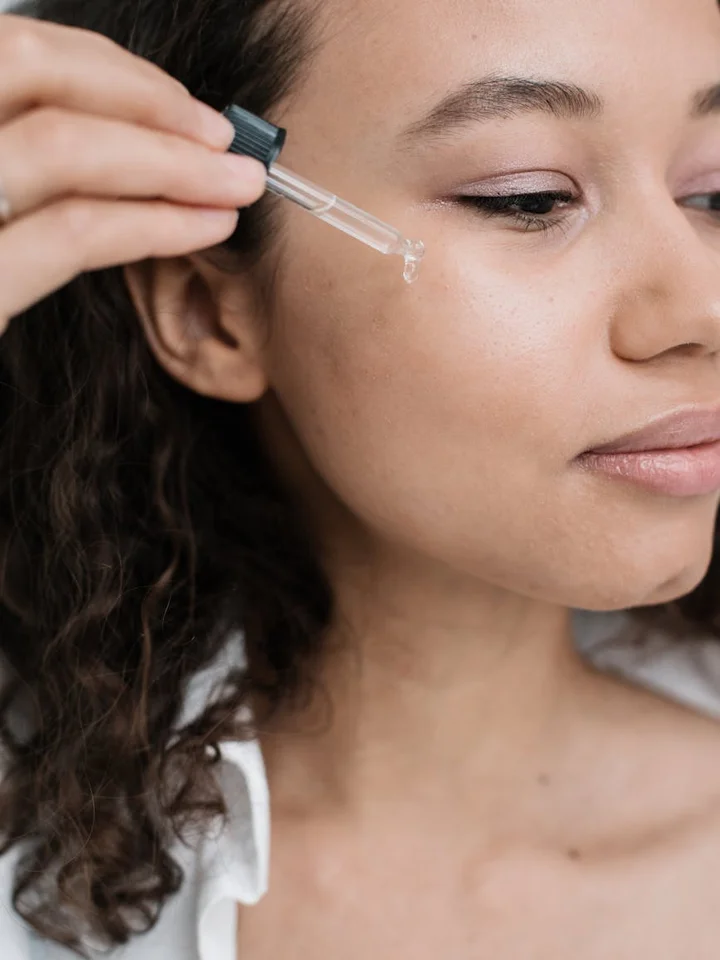
Around day four, your skin makes a pivotal shift. The initial redness and sensitivity have largely calmed, and now the real magic happens: collagen building. Retinol, with its collagen-boosting and cell-turnover properties, can support this phase. Used thoughtfully, it helps refine texture as the foundation strengthens. Your skin is less reactive and ready to be nourished, but it’s not business as usual yet. Think of this phase as reinforcing the foundation of a house after the framing is up.
This is the time to cautiously reintroduce performance ingredients that support healing and enhance your results. The key word is “cautiously.” I always tell my clients, like Noah, who has reactive skin, to treat this like a first date with a new product. Start slow, listen to your skin’s feedback, and never overwhelm it.
A common question I get is, “How long after microneedling can I use vitamin C?” You can typically introduce a gentle, stabilized vitamin C serum around day four or five. My tip is to start with a lower concentration, like 5% L-ascorbic acid or a gentler derivative like sodium ascorbyl phosphate, before moving to stronger 10% or 15% formulas a week later.
Top Formulas by Concentration: A Practical Guide
Forget brand names for a moment. In this phase, think about the gentle strength of an ingredient. Your goal is support, not shock, your healing skin. Lightweight, water-based serums are ideal here because they can absorb more effectively through the freshly micro-channels that are now closed but still prime for delivery – especially when considering the solubility of active ingredients in skincare.
Category 1: Gentle Supporters
These are your healing allies. They calm inflammation, strengthen your skin’s barrier, and quietly boost collagen without any sting or fuss. Collagen peptides underpin many skin care benefits, supporting elasticity and hydration. They help keep skin firm, smooth, and radiant.
- 5% Niacinamide: This is a superstar for almost everyone post-procedure. It helps regulate oil (great for Maya), reduces redness, and improves barrier function. It’s exceptionally well-tolerated.
- Copper Peptides: Think of these as tiny messengers that signal your skin to repair itself. They are fantastic for wound healing and are incredibly gentle, making them a top pick for this sensitive window.
- Hyaluronic Acid Serums: While you used this immediately after, continuing with a pure HA serum ensures deep, sustained hydration, which is the bedrock of healthy collagen production.
Category 2: Performance Allies
After a week, if your skin feels calm and non-reactive, you can consider these more potent partners. I often introduce these to Lina during her second-week check-in.
- 10% L-Ascorbic Acid (Vitamin C): Now is its time to shine. A stabilized formula fights free radicals and can help brighten post-inflammatory marks. If you feel any tingling, buffer it by applying your moisturizer first.
- Growth Factor Serums: These contain proteins that support skin renewal and repair. They are a premium, targeted way to amplify the collagen-building work your skin is already doing.
- Peptide Complexes: Different from copper peptides, these signal your skin to produce more collagen and elastin. They are typically very gentle and effective for firming.
Contraindications & Safety: When to Press Pause
Even with the best intentions, some ingredients and conditions simply don’t mix with post-microneedling skin. Safety always trumps ambition. If your skin is sending distress signals, listen to it.
You should press pause on all active ingredients (except gentle hydrators) and consult your provider if you have any of the following:
- Active breakouts, cold sores, or any sign of skin infection. Microneedling can spread bacteria.
- Pregnancy or breastfeeding. Avoid retinoids and high-dose salicylic acid entirely during this time, and discuss all actives with your doctor.
- A diagnosed condition like rosacea or eczema that is currently flaring. Your skin barrier is already compromised.
- A feeling that your skin barrier is damaged-think persistent stinging, tightness, or peeling from other treatments.
Your skin journey is personal. What works for Maya might be too much for Noah. When in doubt, a quick call to your dermatologist or esthetician can provide clarity and prevent a setback. It’s the most proactive step you can take for your skin’s long-term health.
Crafting Your Personal Post-Microneedling Routine
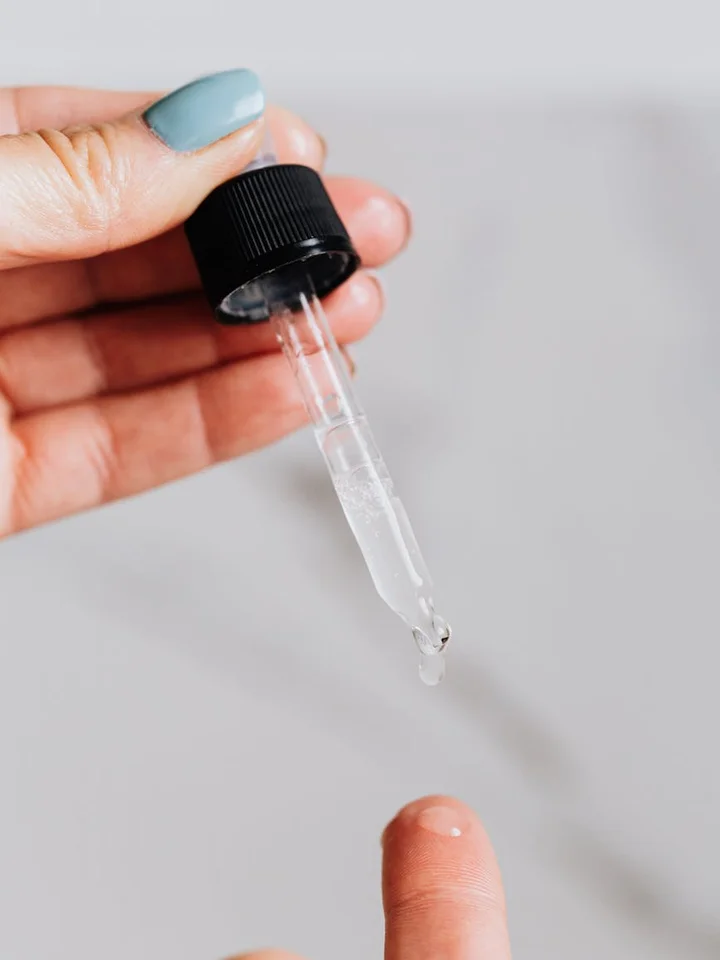
Think of your skin in the 48 hours after a treatment like a fresh, tiny network of papercuts. Your only job is to keep the pathways clean, calm, and optimally hydrated so your body’s healing team can do their work without interference. After that, it’s about supporting the rebuilding process. To support barrier repair, a ceramide-rich moisturizer—like Cetaphil ceramides—can help. Gentle, hydrating formulas restore lipids and keep the skin calm as it rebuilds.
Here are two frameworks I use with clients like Noah and Maya. Use them as a blueprint, not a rigid prescription.
The Barrier-First Routine (For Sensitive Skin Like Noah’s)
Noah’s skin tends to be dry and reactive, so his primary goal is rebuilding a strong, calm moisture barrier to lock in hydration and prevent irritation.
- Cleanse: Morning and night for the first 3 days, use only lukewarm water or a milky, surfactant-free wash. Pat dry with a clean paper towel.
- Hydrate & Calm: While skin is damp, apply a hydrating serum with ingredients like pure hyaluronic acid or panthenol (vitamin B5).
- Repair & Protect: Follow with a rich, emollient cream containing ceramides, squalane, or shea butter. This acts like a protective, breathable bandage.
- Sunscreen (AM): A mineral sunscreen (zinc oxide/titanium dioxide) is non-negotiable. It’s less likely to sting on compromised skin.
This routine focuses on giving the skin exactly what it needs to repair itself without any potential irritants getting in the way.
The Results-Supportive Routine (For Focused Skin Like Maya’s)
Maya has oilier, acne-prone skin and is eager to maximize results for texture and hyperpigmentation, but we must still prioritize healing first.
- Cleanse: Use a gentle, pH-balanced gel or cream cleanser. Avoid any physical scrubs or acids for the first week.
- Soothing Hydration: Apply a hydrating serum with centella asiatica or madecassoside alongside hyaluronic acid. This calms inflammation while plumping the skin.
- Lightweight Recovery: Use a oil-free, non-comedogenic moisturizer with peptides. Peptides support collagen production without the potential irritation of stronger actives.
- Sunscreen (AM): Use a broad-spectrum sunscreen you trust. Mineral or chemical is fine, as long as it doesn’t cause breakouts.
The key for Maya is satisfying her drive for results with ingredients that actively support healing, not disrupt it. We save the powerhouse brighteners and exfoliants for later.
Your 30-Day Recovery Timeline
This timeline helps you visualize when to safely reintroduce your regular actives. Your skin’s exact pace may vary by a few days.
| Time Period | Skin Status & Primary Goal | What to Use & What to Avoid |
|---|---|---|
| Days 1-3 (“The Papercut Phase”) | Skin is an open pathway. Mild redness, tightness, and dryness are normal. Goal: Basic protection. | USE: Gentle cleanser, pure hydrators, simple moisturizer, mineral sunscreen. AVOID: All actives (retinoids, AHAs/BHAs, vitamin C), makeup, excessive touching, direct sun. |
| Days 4-7 (“The Rebuilding Phase”) | Micro-channels have closed. Surface may feel dry or flaky. Goal: Support collagen and hydration. | You can reintroduce peptide creams and copper peptides. If skin feels calm, a gentle, low-concentration vitamin C serum (like L-ascorbic acid) can be added in the AM to support antioxidant protection. |
| Days 8-14 (“The Strengthening Phase”) | Surface healing is mostly complete. Skin may still be slightly sensitive. Goal: Gradual return to actives. | You may carefully reintroduce a gentle retinoid (start 1-2 nights per week) or a mild mandelic or lactic acid. Always monitor for stinging or redness and pull back if it occurs. |
| Days 15-30 (“The Optimization Phase”) | Skin should be fully healed and now benefiting from the collagen stimulation triggered by the treatment. Goal: Maintain and enhance results. | You can return to your regular routine with actives like stronger retinoids, glycolic acid, or targeted brighteners. This is when the “results” of microneedling really start to synergize with your topicals. |
The most important product you can use after microneedling is your patience. Hydration and calming come first, powerhouse actives come second. Rushing the process can lead to irritation, breakouts, or compromised results.
These principles for selecting gentle, reparative ingredients and following a staggered timeline form the foundation of all effective microneedling aftercare, whether you’re treating your face or other areas.
Your Post-Microneedling Product Questions, Answered
How do I transition back to my regular skincare routine?
After the first two weeks, reintroduce your regular actives one at a time, starting every other day. This careful approach lets you monitor your skin’s tolerance and prevents overwhelming your newly strengthened barrier.
Does aftercare differ for body treatments versus the face?
The core principles are identical, but body skin can be less sensitive. You can often use the same gentle, healing products, but ensure you have enough to cover the larger treatment area adequately for consistent protection and hydration.
Can I layer actives during the strengthening phase?
Proceed with caution and simplicity. Layer only one active serum per routine, always following it with a moisturizer to buffer potential sensitivity. More is not better; strategic support yields the best long-term results.
Your Path to Healing After Microneedling
After microneedling, your skin’s top priority is gentle recovery. Think of your post-treatment routine as a comforting hug for your skin, where hydration and protection lead the way.
- Cleanse only with lukewarm water and a mild, fragrance-free formula for the first 24 hours.
- Layer a simple hyaluronic acid serum on damp skin to pull in moisture without irritation.
- Seal it all in with a bland, reparative moisturizer to support your skin barrier.
- Apply a mineral-based sunscreen every single morning, even if you’re indoors.
- Pause all exfoliants (like AHAs, BHAs) and retinoids for at least five to seven days.
I remind my clients, like cautious Noah, that a minimalist routine after microneedling prevents setbacks and maximizes results. Your skin is doing the hard work of repairing itself, so your job is simply to create a calm, supportive environment. I’m always writing to help you navigate these steps on LuciDerma, and I welcome your questions as you care for your skin.
Industry References
- What to Put On Your Skin After a Microneedling Session 2024
- What To Put on Skin After Microneedling
- What To Use After Microneedling: Best Skincare Guide
- Microneedling Aftercare: The Day-by-Day Guide
- Microneedling Aftercare Instructions
- Microneedling Aftercare & Instructions Guide for Patients
- [UPDATED JANUARY 9 2023] Microneedling Aftercare Do’s and Don’ts & Recommended Skincare Ingredients
- What’s the Best Topical to Apply After Microneedling?
- Microneedling Aftercare: Tips For Best Results – Beauty Salon Camberley
- What to Put On Skin After Microneedling – Dr. Pen Australia
Lucy Zimmerman
Lucy is an expert author and blogger when it comes to skin care and body care. She has first hand expertise acting as skin care consultant for over 5+ years helping her clients achieve smooth blemish free skin with natural and working remedies. She also has been an avid experimenter and tried out all the natural and artificial remedies and treatments so you can learn from her first hand experience. Additionally, she has traveled to many countries around the world and incorporated the skin care routines she has learnt into this blog. So, wait no more, reach out to Lucy if you have any specific needs and follow her blog, LuciDerma for expert skin care advice.