
Hyaluronic Acid Serum: Your Simple Guide to Daily Application for Lasting Hydration
If you’re staring at that bottle of hyaluronic acid serum, wondering if once a day is enough or if you should layer it more, take a breath. I help clients like Lina navigate this exact question every week in my practice.
This article will give you a straightforward, evidence-based routine. By the end, you’ll know:
- Why applying hyaluronic acid to damp skin is a non-negotiable step for locking in moisture.
- How to time your applications for a full day of plump, comfortable skin without feeling sticky.
- The clear signs that tell you if you’re using it too little, just right, or even too much for your skin type.
Let’s get your skin happily hydrated.
Meet Your Skin’s Favorite Sponge: A Hyaluronic Acid Primer
Think of hyaluronic acid not as a moisturizer, but as your skin’s most efficient water collector. It’s a humectant, which means it’s like a microscopic, thirsty sponge. Its only job is to grab and hold onto water molecules from the air and from the deeper layers of your skin, pulling that hydration up to the surface.
Your skin makes this molecule naturally to keep itself plump and cushioned. We add it topically to give that natural system a helping hand, especially as environmental factors and aging can deplete our own supply.
To understand why it’s so friendly for daily use, let’s look at its basic specs.
| pH Level | ~6-7 (skin-friendly, non-disruptive) |
| Common Serum Concentration | 0.1% – 2% |
| Solubility | Fully water-soluble |
| Safety Profile | Excellent; well-tolerated by most skin types, including sensitive skin. |
How Often Can You Use Hyaluronic Acid Serum? The Simple Answer
Yes, you can use hyaluronic acid serum every day. In fact, for maximum hydration, I recommend it. Its gentle, non-exfoliating nature and compatibility with your skin’s natural pH mean it rarely causes irritation, allowing for frequent use—morning and night.
How often you apply it is far less important than how you apply it. Getting the technique right matters more than counting applications.
Many clients, like Noah with his dry, reactive skin, ask if using it too much can backfire and dry skin out. This is a smart question. The idea of “overuse” with HA is almost always about misapplication, not frequency. If you apply it incorrectly, it can’t do its job, leaving skin thirsty.
Morning vs. Night: When Should You Apply It?
Using hyaluronic acid serum twice a day is the gold standard for sustained hydration, but each time offers a different perk.
In the morning, it acts as a hydration shield. It plumps up fine lines, creating a smooth canvas for makeup, and helps your skin face the dehydrating effects of indoor air and outdoor environments throughout the day.
At night, it supports your skin’s natural repair cycle. While your body rests, HA helps maintain an optimal, hydrated environment for cell renewal and the work of your other treatment products.
For the deepest, most consistent hydration, applying hyaluronic acid both morning and night is ideal. Here’s how it fits simply:
- AM Routine Snippet: Cleanse > Tone (or water) > Hyaluronic Acid Serum > Moisturizer > Sunscreen.
- PM Routine Snippet: Cleanse > Tone (or water) > Hyaluronic Acid Serum > Treatment Serum (like retinol) > Moisturizer/Night Cream.
The One Rule That Matters More Than Frequency
This is the non-negotiable step for making hyaluronic acid work: always apply it to damp skin. Remember the sponge analogy? A sponge needs water to swell. Applied to a dry face, HA has little moisture to pull from the air alone, so it may pull what it needs from deeper in your skin, which can lead to that tight, paradoxical feeling of dryness, especially when used as an anti-aging treatment.
Applying hyaluronic acid to damp skin gives that “sponge” an immediate source of water to hold onto and deliver to your skin.
You have a few easy ways to do this right after cleansing:
- Gently pat your face with your hands until it’s still slightly wet.
- Spritz your skin with a plain facial mist or thermal water.
- Apply your serum immediately after using an alcohol-free toner.
My client Lina, who has combination skin, found this trick changed everything. She now applies her HA serum right after her hydrating toner, and the persistent dryness on her cheeks vanished.
Your Personalized Hyaluronic Acid Routine Blueprint
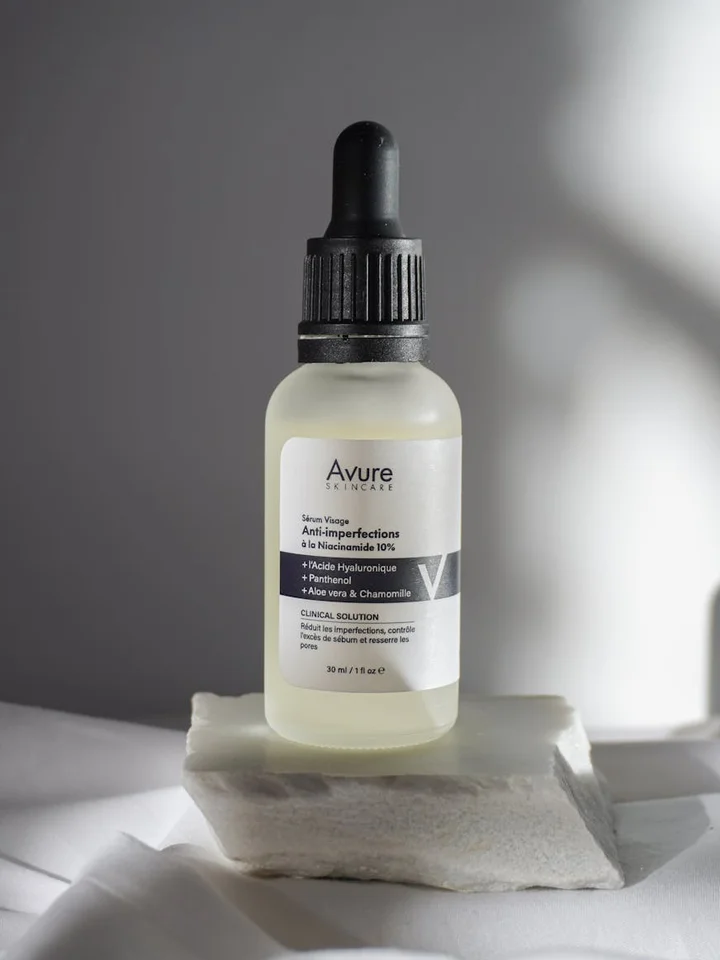
Think of this as building your own hydration plan. There’s no single right answer, just the right answer for your skin type and your daily environment.
For Dry or Mature Skin (The Noah Protocol)
If your skin often feels tight or looks a bit lackluster, hyaluronic acid is your new best friend. Use it twice a day, every day, just like my client Noah.
The method is everything. Apply it to damp skin right after cleansing or toning. Pat your face with wet hands if it’s already dry.
Then, immediately seal it in with a richer, occlusive moisturizer. This creates a “hydration sandwich” that locks water into your skin all day or night.
For the deepest hydration, look for a serum that lists multiple molecular weights of hyaluronic acid or sodium hyaluronate.
This combination draws moisture to different layers of your skin, plumping from within and smoothing the surface.
For Oily or Acne-Prone Skin (The Maya Method)
I know it sounds counterintuitive, but oily skin needs hydration too. Maya’s skin improved when she learned this. When skin is dehydrated, it can overcompensate by producing more oil.
A lightweight, low-molecular-weight serum once or twice daily provides the water-based hydration your skin craves without feeling heavy or greasy. For best results, look for serums that contain natural moisturizing factors to enhance your skin’s moisture retention.
By giving your skin the hydration it needs, you can help signal your oil glands to ease up, leading to a more balanced complexion.
Apply it to damp skin and follow with a light, oil-free moisturizer. You might find you need less mattifying product through the day.
For Combination or Sensitive Skin (The Lina Approach)
For skin that’s both oily and dry, or quick to react, daily use is great. You can even apply it just to your drier cheek areas if your T-zone feels sufficiently hydrated.
Always choose fragrance-free formulas with a short ingredient list. The goal is hydration without irritation.
Before using any new serum all over your face, patch-test it on your jawline for a few nights to see how your skin responds.
This simple step, which Lina always does, can prevent a full-face reaction and build confidence in your new product.
Formulation Pro-Tip: Texture & Absorption
The serum’s texture gives you a clue about its behavior. A thin, watery serum absorbs almost instantly and layers beautifully under other products.
A thicker, more viscous serum often contains higher molecular weight HA, which is excellent for creating a smooth, plumping effect right on the skin’s surface.
You don’t need to worry about pH stability with hyaluronic acid serums. As a polyacid, it remains effective across standard skincare pH ranges, so formulators have that handled for you.
What to Pair With It (And What to Pause)
Hyaluronic acid is a team player. Here’s how to build a winning routine around it.
Perfect Partners: The Hydration Dream Team
Niacinamide is a powerhouse partner. While HA hydrates, niacinamide strengthens your skin’s barrier to help hold that moisture in. Use them together in the same routine for resilient, supple skin.
With Vitamin C (L-ascorbic acid), order matters. Apply your vitamin C serum to clean, dry skin first. Wait a minute for it to absorb, then lightly mist your face with water or toner and apply your HA serum. This keeps both actives effective.
Peptides are a complementary friend. They support skin’s structure, while HA provides the fluid support. Using them together is a “yes, and” strategy for addressing multiple signs of aging.
Careful Coordination: Exfoliants and Retinol
When using chemical exfoliants like glycolic or salicylic acid, apply the exfoliant first on dry skin. Wait 10-15 minutes for it to work, then rinse with water or use a pH-balancing toner.
Apply your hyaluronic acid serum to this newly dampened, neutralized skin. The HA will help soothe and rehydrate, countering any potential dryness from the exfoliant.
For retinol, I often recommend a buffering technique. Apply your HA serum to damp skin first. This creates a hydrated base layer. Then apply your retinol, followed by your moisturizer. This can help minimize irritation while letting the retinol work effectively.
Common Hyaluronic Acid Slip-Ups to Sidestep
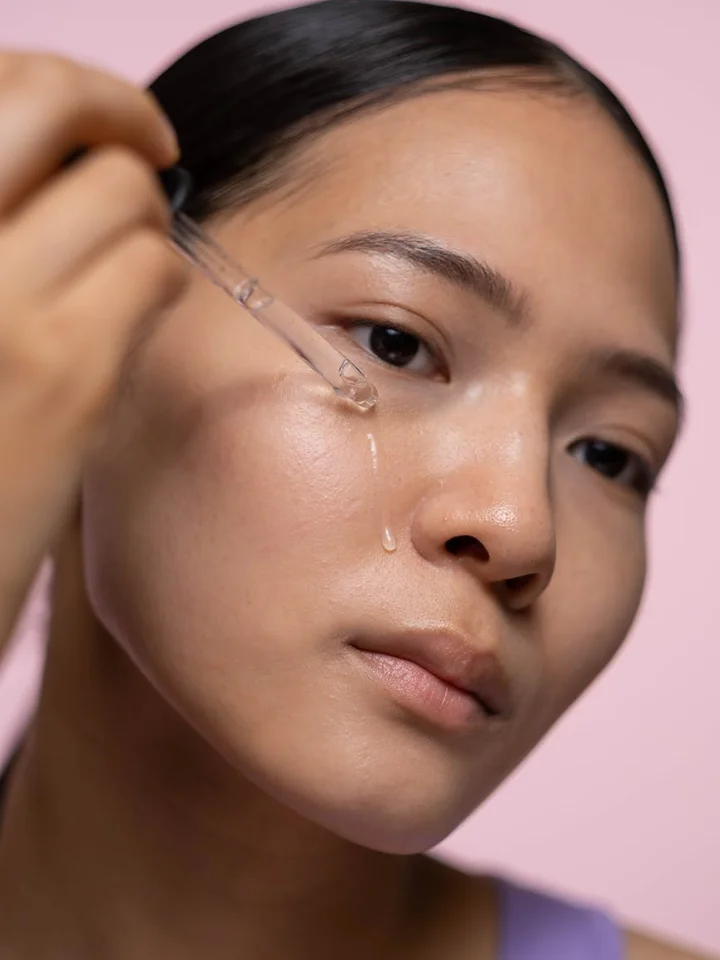
I see a few specific missteps over and over with hyaluronic acid serums. The good news is they are incredibly easy to correct, and fixing them makes a world of difference for your skin’s hydration levels.
Using It as Your Final Step
This is the most frequent habit I correct in my consultations. A hyaluronic acid serum is a humectant, not a moisturizer. Think of it this way: HA is a brilliant water magnet, but it needs a team player to lock that moisture in.
If you apply HA on damp skin and then stop, that precious hydration it’s holding can evaporate back into a dry environment, potentially leaving your skin even drier. You must always seal hyaluronic acid serum with a cream, balm, or facial oil.
I use this analogy with clients: HA brings the water to the table. Your moisturizer-a cream with emollients and occlusives-sets the table so the water doesn’t evaporate. This sealing step is non-negotiable for my client Noah, who has dry, reactive skin. Without a barrier-repair cream on top, his skin feels tight within an hour.
Applying Too Much Product
More serum does not equal more hydration. Hyaluronic acid molecules work at a molecular level; a thin, even layer is all you need for them to do their job.
A pea-sized amount, or about 2-3 drops, is perfect for your face and neck. Applying more creates a goopy layer that can pill under moisturizer and sunscreen, and it doesn’t increase the benefits.
The ideal finish is dewy and slightly tacky to the touch-that’s the serum’s texture doing its work. If your skin feels slick or like there’s a separate film sitting on top, you’ve likely used too much. I remind my client Maya, who is acne-prone, that a lightweight layer is key to avoiding clogged pores while still getting deep hydration.
Forgetting the Environment
Hyaluronic acid pulls water from the nearest available source. On damp skin, that’s the water you just applied. In a very dry room-think winter heating or a desert climate-if the air is drier than your skin, HA can theoretically pull moisture from deeper in your skin instead of the atmosphere.
This doesn’t mean you should avoid HA in dry climates. It means you need to be strategic. The solution is to give your serum an extra reservoir of water to hold onto by using a hydrating facial mist over your moisturizer.
Here’s a simple adjustment: after cleansing, apply your HA serum to damp skin. Follow immediately with your moisturizer to seal. Then, later in the day if you’re in a dry office, give your face a light spray with a thermal water or simple hydrating mist. This gives the HA molecules in your skin more ambient water to grab, keeping your hydration levels high all day. My client Lina, who lives in an arid climate, swears by this trick to keep her combination skin balanced.
Your Hyaluronic Acid Frequency Questions, Answered
Can overusing hyaluronic acid serum dry out my skin?
True dryness from HA is almost always a sign of misapplication, not overuse. To prevent this, always apply your serum to damp skin and immediately seal it with a moisturizer to lock the hydration in.
What’s the ideal daily frequency for maximum hydration?
For sustained results, applying a hyaluronic acid serum twice daily-morning and night-is the gold standard. If your skin feels perfectly balanced, once a day is sufficient, but consistency is your key to lasting hydration.
How can I tell if I’m applying too much hyaluronic acid serum?
If your skin feels slick or the product pills under your next layer, you’ve likely used too much. A pea-sized amount (2-3 drops) for your face and neck is all you need for effective, non-wasteful application.
Keeping Your Skin Hydrated and Happy
The most effective way to use hyaluronic acid serum is to apply it to damp skin, which helps it draw in and hold onto moisture. Consistency is your best tool—using it once in the morning and once at night builds a reliable hydration routine that your skin can count on. To get the most out of your routine, be mindful of how you layer the serum with other products.
- Always apply your serum to slightly damp, clean skin for deeper absorption.
- Use it twice daily-morning and evening-for sustained hydration throughout your day and night.
- Layer a moisturizer over the serum to seal in all that goodness.
- If your skin feels tight or looks shiny, adjust use to once a day; listen to what your skin tells you.
- Choose a serum from a brand committed to cruelty-free and sustainable practices.
I’m always here to help you navigate your skincare choices. If you have more questions about hyaluronic acid or your personal routine, I welcome you to share them. For continued, trustworthy advice on caring for your skin, I invite you to explore more stories and guides right here on LuciDerma.
Research and Related Sources
- Hydrating Hyaluronic Acid Serum | CeraVe
- REPLENIX Hyaluronic Acid Hydration Serum | Anti-Aging Collection
- Moisturizing Renewal Hyaluronic Acid Serum | ReVive Skincare – RéVive Skincare
- Hydration Multiplier Hyaluronic Acid Serum
- Maximum Hydration Hyaluronic Acid Serum 1 fl. oz. – Earth Science
- Ultra Hydrating Serum | 7-Weight Hyaluronic Acid Complex
- The Ordinary – Hydrating Serum 1.0 oz Hyaluronic Acid 2% + B5 Hydrating Serum with Ceramides | Ulta Beauty
Written by Lucy Zimmerman. Lucy is an expert author and blogger when it comes to skin care and body care. She has first hand expertise acting as skin care consultant for over 5+ years helping her clients achieve smooth blemish free skin with natural and working remedies. She also has been an avid experimenter and tried out all the natural and artificial remedies and treatments so you can learn from her first hand experience. Additionally, she has traveled to many countries around the world and incorporated the skin care routines she has learnt into this blog. So, wait no more, reach out to Lucy if you have any specific needs and follow her blog, LuciDerma for expert skin care advice.